
The Significance of Trade in the Urbanization of Ancient Indian Cities

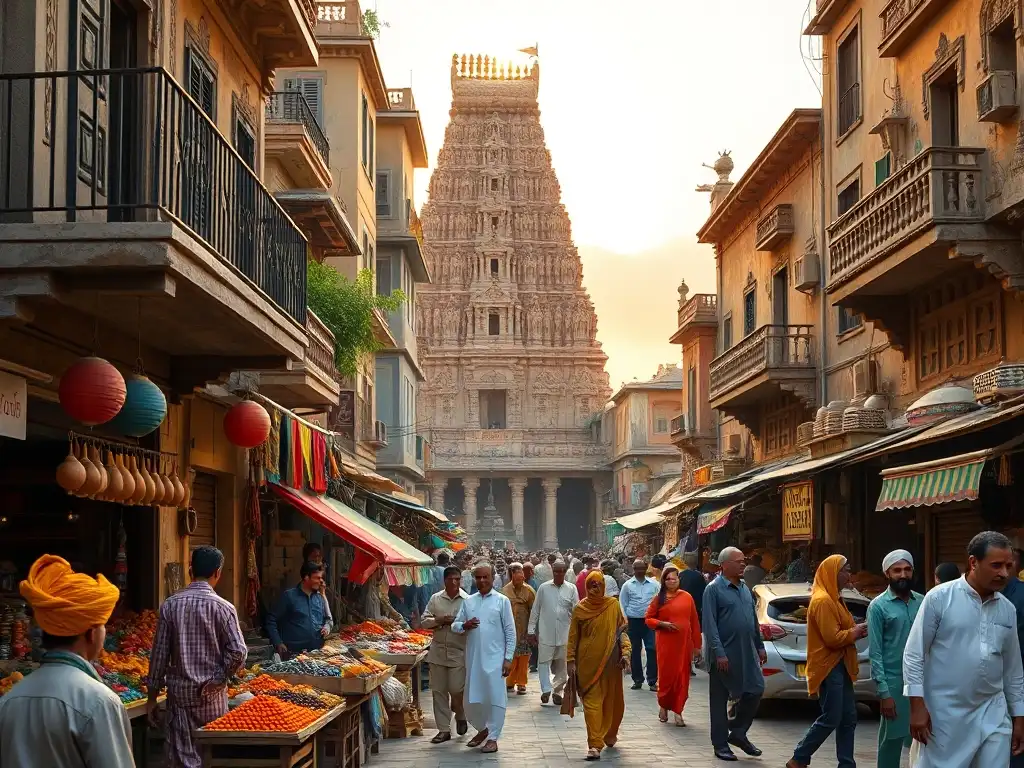
Welcome to Ancient India History, where we embark on a fascinating journey through the intricate tapestry of ancient Indian civilizations. Here, we delve into the significance of trade and urbanization in ancient India, illuminating how bustling trade routes and thriving urban centers played a pivotal role in shaping the cultural and economic landscape of the time. Are you curious about how these vibrant cities emerged and evolved, and what they reveal about the ingenuity of our ancestors? Join us as we explore the profound connections between commerce and civilization, and uncover the stories waiting to be told.
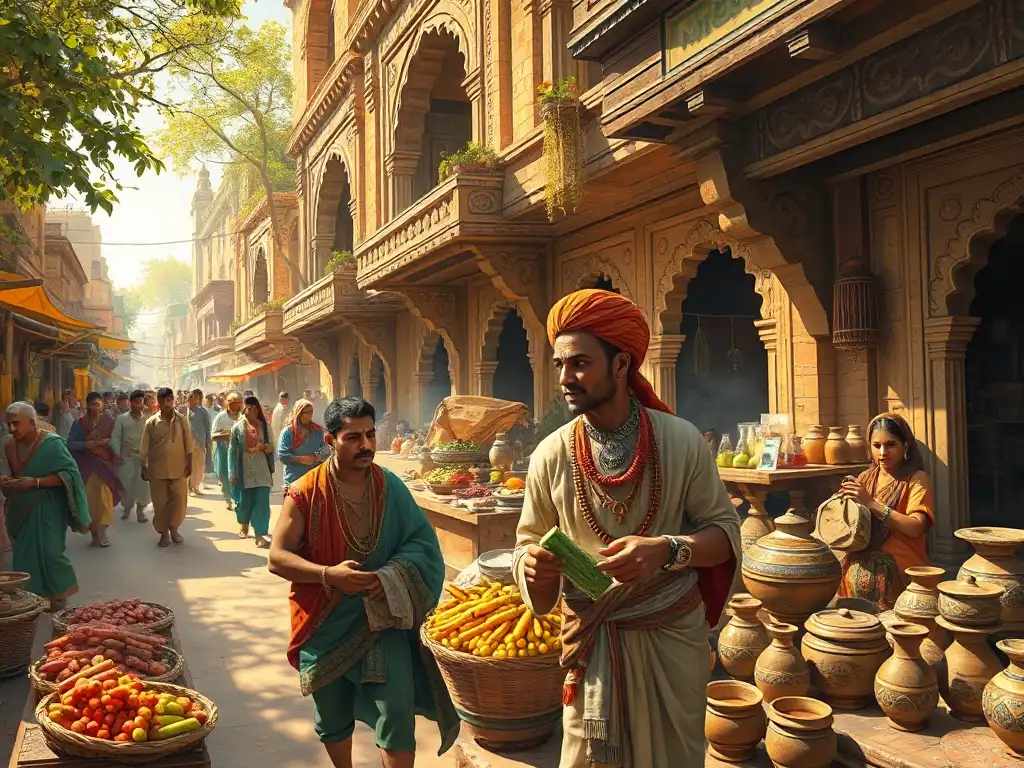
Introduction to Trade and Urbanization in Ancient India
Trade and urbanization in ancient India represent a critical intersection that shaped the cultural and economic landscape of the subcontinent. As early as the Indus Valley Civilization, which thrived between 3300 BCE and 1300 BCE, trade networks facilitated the exchange of goods and ideas, leading to the establishment of prosperous urban centers.
This article delves into how trade not only contributed to the economic growth of these ancient cities but also influenced their social structures, cultural practices, and technological advancements. Understanding the significance of trade in the urbanization of ancient Indian cities provides valuable insights into the complexities of their development and the legacy they left behind.
Overview of Ancient Indian Urbanization
Ancient Indian urbanization can be traced back to several key periods, with the Indus Valley Civilization showcasing some of the earliest examples of planned urban settlements. Cities like Harappa and Mohenjo-Daro were characterized by advanced drainage systems, grid-patterned streets, and standardized brick sizes, highlighting the sophistication of urban planning.
- Key Features of Urbanization:
- Planned Layouts: Cities were meticulously designed to optimize space and resources.
- Trade Centers: Urban centers often acted as hubs for commerce, linking local and regional economies.
- Cultural Exchange: The influx of traders contributed to a melting pot of cultures, ideas, and technologies.
As time progressed through the Vedic period and into the Maurya and Gupta empires, urbanization continued to evolve, primarily driven by the expansion of trade networks. The establishment of trade routes not only facilitated the movement of goods but also the migration of people, resulting in the growth of urban populations.
Importance of Trade in Economic Development
Trade played a pivotal role in the economic development of ancient Indian cities, serving as a catalyst for growth and prosperity. The flourishing trade networks allowed for the exchange of various commodities, including spices, textiles, and precious stones, which were highly sought after both locally and internationally.
- Economic Contributions of Trade:
- Wealth Generation: Trade brought wealth to urban centers, leading to enhanced infrastructure and public amenities.
- Job Creation: The demand for goods and services spurred the growth of various industries and artisanship.
- Cultural Flourishing: Increased wealth contributed to the patronage of arts, literature, and architecture, enriching the cultural fabric of society.
Through these economic channels, ancient Indian cities became vibrant centers of commerce and culture, laying the groundwork for future urban developments.
Historical Context of Trade in Ancient India
To fully appreciate the significance of trade in ancient Indian urbanization, it is essential to examine the historical context surrounding these activities. The emergence of significant trade routes, such as the Silk Road and the Spice Route, played a crucial role in connecting India with other civilizations, facilitating not only the exchange of goods but also ideas and innovations.
Major Trade Routes and Their Impact
The major trade routes of ancient India were instrumental in establishing the region as a vital player in global commerce. The Silk Road, which connected China with the Mediterranean, included routes that traversed through Indian territories, enabling merchants to exchange silk, spices, and other valuable commodities.
- Impact of Trade Routes:
- Economic Integration: Trade routes fostered economic ties between India and distant lands, enhancing trade volume.
- Cultural Exchange: The movement of traders and goods led to the spread of religious beliefs, languages, and technologies.
- Urban Growth: Cities located along trade routes, such as Taxila and Pataliputra, experienced significant growth due to increased economic activity.
The Role of Trade in City Development
The role of trade in the development of cities in ancient India cannot be overstated. As commerce flourished, cities became focal points of trade, leading to increased urbanization and the establishment of complex societies.
- Key Aspects of Trade-Driven Urban Development:
- Infrastructure Development: The need for markets, storage facilities, and transport networks spurred infrastructure improvements.
- Population Growth: Economic opportunities attracted migrants, contributing to urban population surges.
- Social Stratification: The wealth generated through trade led to the emergence of distinct social classes, influencing the social dynamics within cities.
Trade and urbanization in ancient India were inextricably linked, with trade serving as a driving force behind the growth and sophistication of urban centers. Understanding this relationship is essential for appreciating the rich history and cultural heritage of ancient Indian civilizations.
Key Features of Urbanization in Ancient Indian Cities
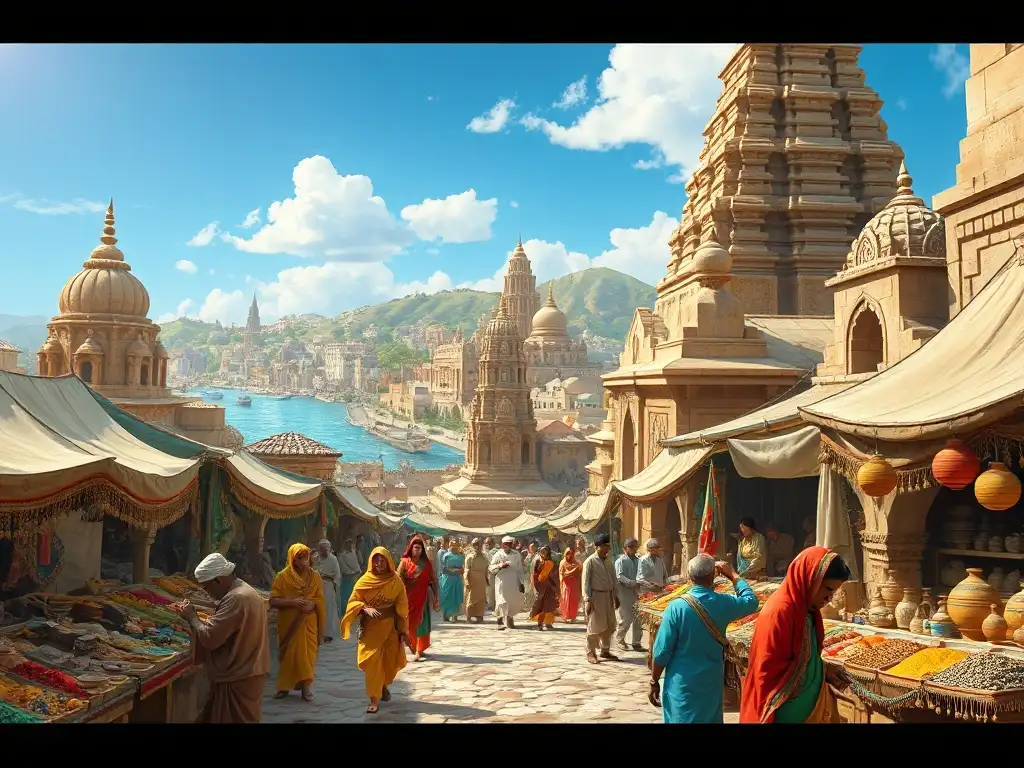
Urbanization in ancient India was characterized by a series of key features that transformed the landscape of the subcontinent. Cities such as Mohenjo-Daro, Harappa, and later urban centers during the Maurya and Gupta empires showcased advanced planning and infrastructure.
- Grid Layouts: Many ancient cities featured a grid pattern, facilitating navigation and organization. Streets were often wide and straight, allowing for efficient transportation and trade.
- Drainage Systems: Sophisticated drainage systems were a hallmark of urban planning. These included covered drains and toilets, demonstrating an understanding of sanitation that was advanced for the time.
- Public Spaces: The presence of public baths, granaries, and marketplaces indicated a vibrant urban life focused on community engagement and commerce.
- Fortifications: Many cities were fortified with walls, highlighting the need for defense in a bustling urban environment.
The interplay of these features not only supported the daily lives of inhabitants but also attracted traders and artisans, significantly contributing to urban growth and development.
Architectural Innovations and Urban Planning
The architectural innovations of ancient Indian cities were pivotal in shaping their urban landscape. The design principles utilized in these cities reflect a blend of functionality and aesthetics, which were essential for accommodating the growing population and trade activities.
- Materials Used: Builders used durable materials such as baked bricks and stone, which contributed to the longevity of structures. The use of mud bricks was also common, especially in earlier civilizations like the Indus Valley.
- Religious Structures: Temples and stupas were strategically placed, often at the city center, reflecting the significance of spirituality in urban life. These structures not only served religious purposes but also acted as community gathering points.
- Housing and Residential Areas: Residential blocks were organized to provide access to water and other essential resources. Homes were often built with private courtyards, offering both privacy and ventilation.
- Innovative Designs: The use of advanced techniques such as corbelled arches and vaulted roofs showcased an innovation in architectural design that was ahead of its time.
These architectural advancements played a crucial role in accommodating the influx of traders and artisans, thereby influencing the urbanization process profoundly.
Social and Cultural Dynamics Influenced by Trade
Trade significantly influenced the social and cultural dynamics of ancient Indian cities. As trade routes expanded, they not only facilitated the exchange of goods but also the mingling of diverse cultures.
- Cultural Exchange: With traders from various regions, including Persia, the Mediterranean, and Southeast Asia, cities became melting pots of cultures. This exchange enriched local customs, languages, and traditions.
- Economic Stratification: The emergence of a merchant class contributed to social stratification. Wealth accumulation by traders led to the rise of new social classes, impacting existing hierarchies and fostering competition.
- Religious Syncretism: The interaction of different cultures resulted in the blending of religious practices and beliefs. This syncretism can be seen in the art and architecture of the period, which often incorporated diverse motifs and styles.
- Artisan Communities: Trade encouraged the development of specialized artisan communities, leading to advancements in crafts and technologies. These communities became integral to the urban economy, providing goods that were highly valued in trade.
Overall, the social and cultural landscape of ancient Indian cities was deeply intertwined with trade, shaping the identity and cohesion of urban populations.
Trade Goods that Fueled Urban Growth
The growth of ancient Indian cities was significantly fueled by the trade of various goods. The diverse range of trade items not only supported economic stability but also attracted merchants from distant lands.
Spices, Textiles, and Gems: The Backbone of Trade
Among the most sought-after trade goods, spices, textiles, and gems played a crucial role in establishing ancient India as a hub of commerce.
- Spices: India was renowned for its spices such as black pepper, cardamom, and cinnamon. These commodities were highly prized in international markets, driving trade and enriching local economies.
- Textiles: The Indian subcontinent produced exquisite textiles, including silk and cotton fabrics. The vibrant colors and intricate patterns of Indian textiles attracted traders from across the globe, contributing to urban prosperity.
- Gems and Jewelry: India’s wealth of precious stones, including diamonds, rubies, and emeralds, made it a key player in the global gem trade. The craftsmanship in jewelry-making also attracted attention, further enhancing trade.
The abundance and quality of these goods not only fueled urban growth but also established ancient India as a significant player in global trade networks.
Agricultural Surpluses and Their Role in Urbanization
Agricultural surpluses were another critical factor contributing to urbanization in ancient India. The ability to produce more food than necessary for immediate consumption allowed for population growth and urban development.
- Irrigation Techniques: The advancement of irrigation methods, including the construction of canals and reservoirs, enabled farmers to cultivate larger areas, resulting in increased yields.
- Food Security: Surpluses ensured food security, which was essential for supporting larger populations in urban centers. This stability encouraged migration from rural areas to cities in search of better opportunities.
- Trade in Agricultural Products: Surplus production led to the emergence of markets where agricultural goods could be traded. This not only benefited local economies but also attracted traders from outside regions, further enhancing urban growth.
- Impact on Social Structure: The availability of surplus food allowed some individuals to engage in specialized professions, contributing to a shift in social dynamics and the development of a more complex urban society.
Agricultural surpluses were pivotal in facilitating the urbanization of ancient Indian cities, providing the necessary support for growing populations and vibrant trade networks.
The Influence of Trade on Economic Structures
Trade significantly influenced the economic structures of ancient Indian cities, acting as a catalyst for urbanization and development. The establishment of trade routes facilitated the exchange of goods, ideas, and cultural practices between diverse regions. This exchange not only enriched local economies but also led to the formation of complex economic systems that integrated agriculture, craft production, and trade.
As trade flourished, cities began to evolve into economic hubs, where merchants, artisans, and laborers congregated. The growth of these urban centers was marked by the emergence of a market economy, which relied on the principles of supply and demand. Local economies became interdependent, as cities produced specific goods that were exchanged for resources not readily available in their regions. This interconnectivity fostered economic stability and growth, allowing cities to thrive and expand.
Moreover, the influence of trade extended to the development of administrative systems that managed trade activities, such as taxation and regulation. These systems were essential for maintaining order and ensuring the smooth operation of commerce. As a result, trade not only shaped the economic landscape of ancient Indian cities but also contributed to their political and social structures, creating a complex web of relationships that defined urban life.
Marketplaces and Economic Centers in Ancient Cities
Marketplaces were vital to the economic life of ancient Indian cities, serving as bustling centers of trade and commerce. These open-air markets, known as "haats" or "mandis," were strategically located to attract merchants and consumers alike. They offered a diverse array of goods, ranging from agricultural produce and textiles to pottery and metalwork.
The layout of these marketplaces often reflected the city's organization, with designated areas for different types of goods. For instance, one section might be reserved for agricultural products, while another catered to artisans selling handmade crafts. This specialization not only facilitated trade but also encouraged competition among artisans, leading to improvements in quality and innovation.
In addition to local trade, these marketplaces played a crucial role in connecting ancient Indian cities to broader trade networks, including the Silk Road and maritime routes. Merchants from distant lands would visit these economic centers, bringing with them exotic goods such as spices, silk, and precious stones. This interaction enriched local economies and contributed to the cities' prosperity, making them vibrant hubs of cultural exchange.
The Emergence of Craftsmanship and Local Industries
The growth of trade in ancient Indian cities spurred the emergence of craftsmanship and local industries, fundamentally transforming urban economies. As demand for various goods increased, artisans began to specialize in specific crafts, leading to the establishment of local industries that produced textiles, pottery, metalwork, and jewelry.
This specialization not only enhanced the quality of goods produced but also contributed to the development of urban identity. For example, cities like Varanasi became renowned for their silk weaving, while others like Khambhat gained fame for their bead-making. Such industries not only catered to local markets but also exported their products to distant regions, further integrating these cities into national and international trade networks.
Moreover, the rise of craftsmanship fostered a sense of community among artisans, who often formed guilds to protect their interests and ensure quality standards. These guilds played a crucial role in the training of apprentices, preserving traditional techniques, and promoting innovation within their crafts. The thriving local industries thus became a cornerstone of urban economic life, contributing to the overall prosperity and stability of ancient Indian cities.
Case Studies of Major Ancient Indian Cities
Harappa and Mohenjo-Daro: Early Urban Centers
Harappa and Mohenjo-Daro, two prominent cities of the Indus Valley Civilization, exemplify the significant role of trade in ancient urbanization. These cities were strategically located near the banks of the Indus River, facilitating both agriculture and trade. Their advanced urban planning, characterized by well-structured streets and drainage systems, reflects their importance as early urban centers.
Trade flourished in Harappa and Mohenjo-Daro, with evidence of extensive commercial networks that connected these cities to regions as far as Mesopotamia. Archaeological findings indicate that goods such as cotton textiles, pottery, and metalwork were produced locally and traded for luxury items like lapis lazuli and semi-precious stones. The presence of standardized weights and measures suggests a sophisticated trading system that enhanced economic interactions.
Moreover, the cities' economic prosperity supported the development of complex societal structures, including governance and social stratification. The wealth generated through trade allowed for the construction of monumental buildings and public spaces, underscoring the influence of trade on urbanization in ancient India.
Pataliputra: The Capital of Trade and Governance
Pataliputra, the capital of the Maurya Empire, emerged as a significant center of trade and governance during ancient India. Its strategic location at the confluence of major rivers facilitated trade routes that connected the eastern and western regions of the subcontinent, making it a hub for commerce and administration.
The city's marketplaces were vibrant, bustling with merchants from various regions who exchanged goods such as spices, textiles, and precious metals. Pataliputra was also known for its thriving industries, particularly in textiles and craftsmanship, which supplied both local and international markets. The wealth generated from trade contributed to the city's grandeur, evident in its impressive architecture, including palaces and stupas.
Furthermore, Pataliputra served as a political and cultural center, attracting scholars, artists, and diplomats. The confluence of trade and governance in this city exemplifies the intricate relationship between economic activity and urban development in ancient India, making it a pivotal case study in understanding the significance of trade in urbanization.
The Interplay Between Trade and Cultural Exchange
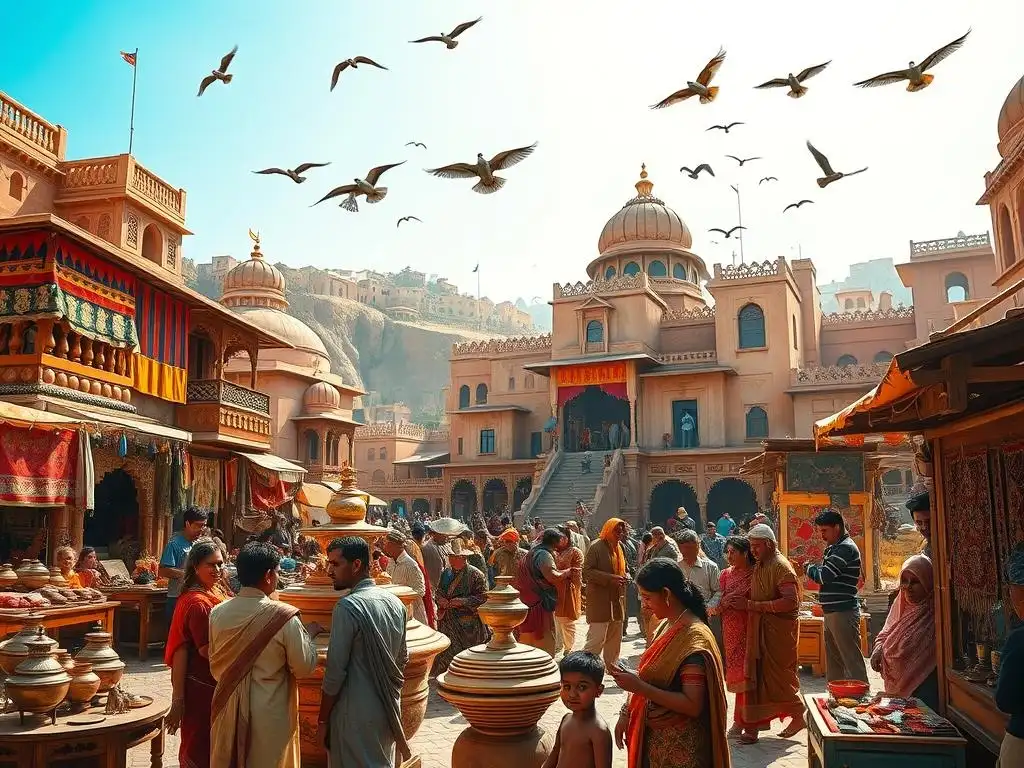
Trade played a pivotal role in the urbanization of ancient Indian cities by facilitating not only economic transactions but also cultural exchange. As merchants traversed trade routes, they brought with them not just goods but ideas, customs, and traditions. This interaction fostered a melting pot of cultures, leading to a rich tapestry of influences that shaped the identity of urban centers.
Cities like Taxila and Pataliputra emerged as vibrant hubs where diverse communities converged. The movement of goods such as spices, textiles, and precious metals was often accompanied by the exchange of knowledge in areas like art, science, and technology. This cultural integration was crucial in establishing a cohesive societal fabric that contributed to the urban landscape of ancient India.
How Trade Facilitated Cultural Integration
The flourishing trade networks, including the famous Silk Road, connected India with various civilizations across Asia, Europe, and Africa. This connectivity facilitated a two-way flow of cultural knowledge. For instance, Indian traders introduced various art forms, such as sculpture and painting, influenced by foreign styles, which in turn enriched local traditions.
Additionally, the introduction of new agricultural practices and crops through trade significantly impacted local diets and farming techniques, leading to increased food production and population growth. This population surge necessitated urban planning and the development of infrastructure, further driving urbanization.
Influence of Trade on Religion and Philosophy
Trade routes not only facilitated the exchange of material goods but also served as conduits for religious and philosophical ideas. The spread of Buddhism along trade routes is a prime example; missionaries often accompanied traders, leading to the establishment of monasteries and educational centers in urban areas.
Moreover, the interaction of diverse religious beliefs, such as Hinduism, Buddhism, and Jainism, enriched philosophical discourse. This cross-pollination of ideas contributed to the development of unique spiritual practices and rituals, reflecting the cosmopolitan nature of ancient Indian urban centers.
Challenges Faced by Trade in Urbanization
While trade significantly contributed to urbanization, it also faced numerous challenges that impacted its efficacy and the growth of cities. Factors such as natural disasters and political instability often disrupted trade flows, leading to economic and social repercussions.
Natural Disasters and Trade Disruptions
Natural disasters such as floods, earthquakes, and droughts posed significant challenges to trade and urbanization in ancient India. These events not only damaged infrastructure and trade routes but also led to food shortages and economic decline. For example, the Indus Valley Civilization faced decline partially due to environmental changes, which disrupted trade networks and agricultural production.
Additionally, the reliance on certain trade routes made cities vulnerable to disruptions caused by natural calamities. Urban centers that failed to adapt to these challenges often experienced population decline and a reduction in their economic significance.
Political Turmoil and Its Impact on Urban Growth
Political instability, including invasions, wars, and changes in leadership, had a profound effect on trade and urbanization. Ancient Indian cities were often caught in the crossfire of regional conflicts, which led to the deterioration of trade routes and a decline in commerce.
For example, the rise and fall of various empires, such as the Mauryan and Gupta empires, influenced trade dynamics and urban growth. During periods of instability, cities could experience a decline in both population and economic activity, while stable governance often led to flourishing trade and urban expansion. The interplay between political stability and trade was thus crucial in shaping the urban landscape of ancient India.
Conclusion: The Lasting Legacy of Trade in Ancient Indian Urbanization
The significance of trade in the urbanization of ancient Indian cities cannot be overstated. As cities like Harappa, Mohenjo-Daro, and later urban centers during the Mauryan and Gupta periods flourished, trade served as the backbone of their economic and social structures. The intersection of various trade routes, including the Silk Road, facilitated not only the exchange of goods such as textiles, spices, and precious metals, but also the interchange of ideas, culture, and technology. This dynamic environment contributed to the evolution of complex urban societies characterized by advanced infrastructure, administration, and cultural richness.
Trade networks established in ancient India laid the groundwork for later economic systems and urban development. The bustling marketplaces, the emergence of merchant guilds, and the integration of local and regional economies played pivotal roles in shaping the urban landscape. Furthermore, the influence of trade extended beyond mere economic aspects; it affected social hierarchies and fostered cultural exchanges that enriched the tapestry of ancient Indian civilization. The legacy of these trade practices can still be seen in modern India, where the historical routes have evolved into contemporary trade corridors, underscoring the enduring impact of ancient trade on urbanization.
Summary of Key Points
- Economic Growth: Trade significantly contributed to the economic prosperity of ancient Indian cities, providing resources and wealth that fueled urban development.
- Cultural Exchange: The movement of goods and people along trade routes resulted in a rich exchange of cultural practices, philosophies, and technologies, enhancing the cultural fabric of urban centers.
- Infrastructure Development: The needs of trade led to advancements in infrastructure, including roads, ports, and marketplaces, which were essential for the functioning of urban economies.
- Social Structure: Trade fostered the emergence of distinct social classes, such as merchants and artisans, which influenced the social dynamics within urban societies.
- Long-lasting Impact: The trade systems established during ancient times laid the foundation for future economic activities and urban planning, reflecting a historical continuum in India's development.
Implications for Understanding Ancient Indian Civilization
Understanding the role of trade in the urbanization of ancient India offers critical insights into the complexities of its civilization. It highlights how economic factors intertwined with social and cultural elements to drive urban growth. Recognizing the importance of trade helps historians and scholars appreciate the sophistication of ancient Indian societies, which were not isolated but rather part of an extensive network of interactions with other cultures.
The implications extend to modern interpretations of ancient Indian history, suggesting that economic activities were as crucial as political and military achievements in shaping civilizations. This perspective encourages a more holistic understanding of ancient Indian urbanization, prompting further research into how trade influenced the development and sustainability of cities throughout history. By examining the significance of trade, we can better grasp the multifaceted nature of ancient Indian civilization and its lasting legacy on contemporary society.
- Introduction to Trade and Urbanization in Ancient India
- Overview of Ancient Indian Urbanization
- Importance of Trade in Economic Development
- Historical Context of Trade in Ancient India
- Key Features of Urbanization in Ancient Indian Cities
- Trade Goods that Fueled Urban Growth
- The Influence of Trade on Economic Structures
- Case Studies of Major Ancient Indian Cities
- The Interplay Between Trade and Cultural Exchange
- Challenges Faced by Trade in Urbanization
- Conclusion: The Lasting Legacy of Trade in Ancient Indian Urbanization
- What role did trade play in the urbanization of ancient Indian cities?
- Which ancient Indian civilization is most known for its trade practices?
- How did trade routes influence the culture of ancient India?
- What were the major goods traded in ancient India?
- How did urban centers emerge from trade in ancient India?
Frequently Asked Questions
What role did trade play in the urbanization of ancient Indian cities?
Trade was a catalyst for urbanization, as it facilitated the growth of cities by attracting merchants and artisans, leading to economic prosperity and the development of infrastructure.
Which ancient Indian civilization is most known for its trade practices?
The Indus Valley Civilization is renowned for its advanced trade practices, including the use of standardized weights and measures, which boosted economic interactions with other regions.
How did trade routes influence the culture of ancient India?
Trade routes contributed to the cultural exchange between different regions, bringing new ideas, religions, and technologies, which enriched the diverse culture of ancient India.
What were the major goods traded in ancient India?
Ancient India was known for trading spices, textiles, precious stones, and metals, which were highly sought after in various international markets, enhancing its economic significance.
How did urban centers emerge from trade in ancient India?
Urban centers emerged as commercial hubs where trade occurred, leading to the establishment of marketplaces, workshops, and residential areas, thus promoting urban development.
Final Reflection: The Enduring Legacy of Trade and Urbanization in Ancient India
The intricate relationship between trade and urbanization in ancient India remains profoundly relevant today, as it highlights how economic activities can shape societal structures and cultural identities. The bustling markets and trade routes of ancient Indian cities were not merely centers of commerce; they were the very heartbeat of civilization, fostering innovation, cultural exchange, and community development. This historical narrative serves as a reminder that the foundations of our modern urban landscapes are deeply rooted in the dynamics of trade.
The influence of trade on the urbanization of ancient Indian cities continues to resonate in our contemporary society. As we navigate the complexities of globalization and urban growth, we can draw parallels to the vibrant trade networks that once connected diverse cultures and economies. The lessons from ancient India remind us of the importance of fostering inclusive economic practices that promote social cohesion. Trade is the lifeblood of civilization, weaving together the fabric of society and culture.
This quote encapsulates the essence of how trade has historically shaped urban environments and continues to do so.
As we reflect on the significance of trade and urbanization in ancient India, I invite you to consider how these lessons can be applied in your own life and community. Think about the ways in which you can contribute to the economic and cultural vitality of your surroundings. Whether through supporting local businesses, engaging in cultural exchanges, or advocating for sustainable urban development, your actions can help create a thriving community that honors the rich legacy of trade and urbanization. Let us carry forward the spirit of connection and collaboration that has defined human progress throughout history.
Unveil the Impact of Trade on Ancient Urban Life!
Thank you for diving into the fascinating world of ancient Indian cities with us! Understanding the significance of trade in urbanization not only enhances our appreciation of history but also connects us to the intricate webs of commerce that shaped societies. Now that you’ve explored these key insights, it’s time to take meaningful action!
Here are some exciting steps you can take next:
- Dive deeper: Visit a local museum or explore online archives to learn more about ancient Indian trade systems and their influences on modern society.
- Start a conversation: Share this article with friends or engage in discussions on social media about how trade has transformed cities throughout history.
- Document your thoughts: Begin a journal or blog about the relevance of urbanization today and how it reflects the lessons we’ve learned from ancient India.
What new practices or insights about urban life and commerce will you share with your community today?