
Reviving the Past: The Resurgence of Traditional Indian Embroidery in Modern Apparel

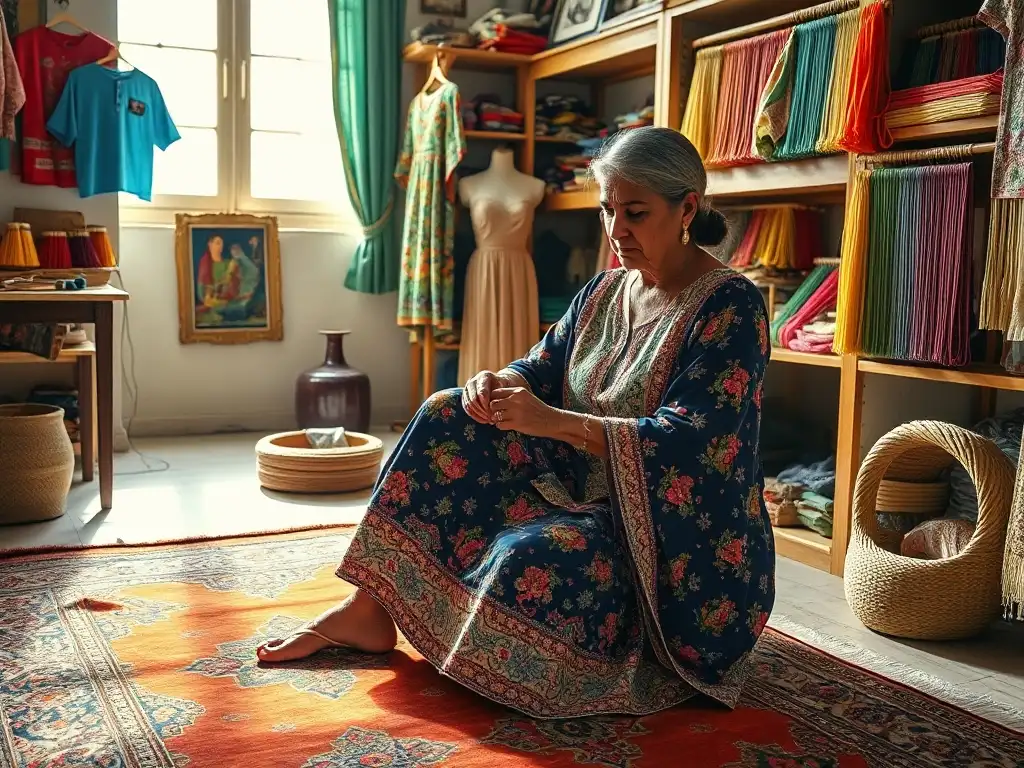
Welcome to Ancient India History, where we embark on an enthralling journey through time to uncover the rich tapestry of India’s ancient civilizations. From the majestic Indus Valley to the illustrious Gupta Empire, our exploration reveals the profound cultural contributions that have shaped modern society. In this edition, we delve into the traditional Indian embroidery history, an art form that not only reflects the skills of our ancestors but also influences contemporary fashion.
Join us as we unravel the intricate stories behind these stunning textiles and discover how they are being revitalized in today’s apparel. Prepare to be captivated and inspired to learn more about the vibrant heritage that continues to weave its magic into our lives!
Introduction to Traditional Indian Embroidery History
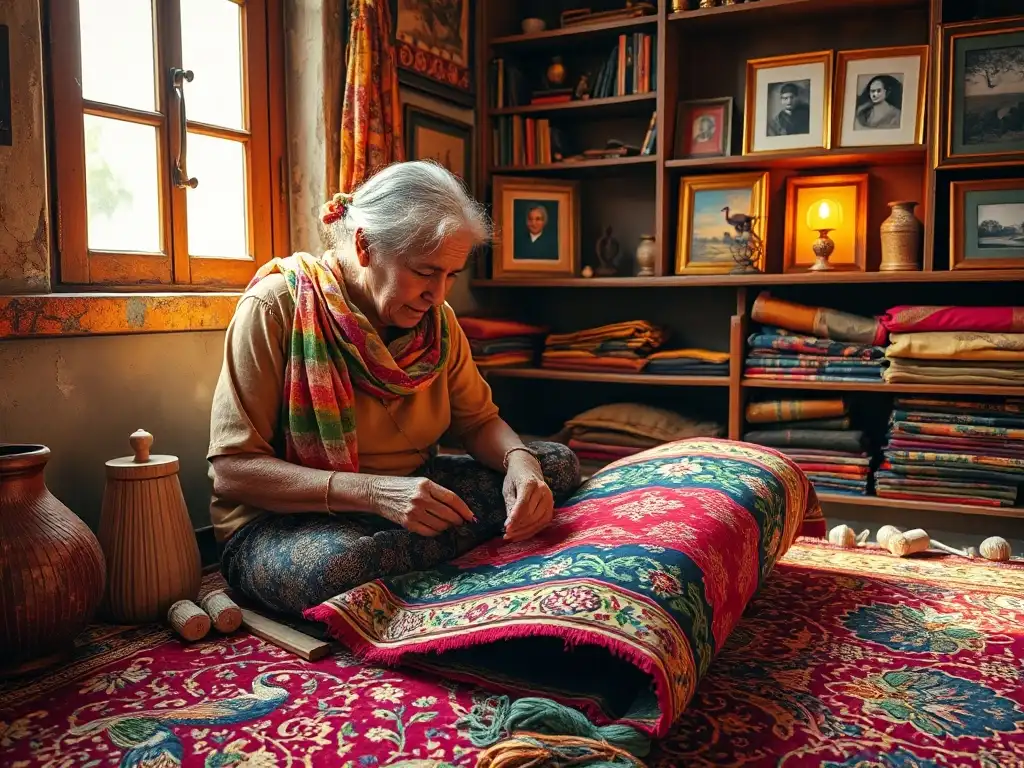
Embroidery in India is not merely an art form; it is a vibrant expression of cultural identity and historical significance that has evolved over millennia. Traditional Indian embroidery history is deeply interwoven with the narratives of ancient civilizations, reflecting the diverse social, religious, and regional influences that have shaped the subcontinent. From the intricate needlework of the Indus Valley civilization to the opulent designs of the Mughal era, embroidery has served as both a utilitarian craft and a symbol of prestige.
Today, as modern fashion trends embrace sustainability and cultural heritage, there is a remarkable resurgence in the appreciation and application of traditional Indian embroidery techniques within contemporary apparel. This article explores the historical context, styles, and evolution of traditional embroidery, highlighting its relevance and resurgence in the modern fashion landscape.
The Rich Heritage of Traditional Indian Embroidery
Traditional Indian embroidery is as diverse as the country itself, with each region showcasing distinct techniques and motifs that reflect local traditions, beliefs, and aesthetics. The craftsmanship often tells a story, depicting elements of nature, mythology, and community life. Key aspects of this rich heritage include:
- Cultural Significance: Embroidery has historically been used in ceremonial garments, reflecting the wearer's status and beliefs.
- Regional Variations: Each region boasts unique styles, such as Kutch from Gujarat, Phulkari from Punjab, and Chikan from Lucknow, each with its own set of techniques and motifs.
- Natural Materials: Traditionally, artisans used locally sourced materials, such as silk, cotton, and wool, often dyed with natural dyes derived from plants and minerals.
The revival of traditional Indian embroidery in modern fashion is not just a trend but a movement that seeks to honor the craftsmanship of past artisans while blending it with contemporary designs.
Key Styles of Traditional Indian Embroidery
Several styles of traditional Indian embroidery have gained prominence, each characterized by its unique techniques and aesthetic appeal:
- Zardozi: An elaborate form of embroidery using gold and silver threads, often employed in royal garments and ceremonial attire.
- Kashida: Originating in Kashmir, this style showcases intricate needlework that often depicts the beauty of flora and fauna.
- Kantha: A simple yet elegant form of embroidery from West Bengal that utilizes running stitches to create beautiful patterns and designs.
- Banjara: A vibrant and colorful embroidery style traditionally practiced by the nomadic Banjara tribes, featuring mirrors and bright threadwork.
These styles not only enhance the visual appeal of clothing but also serve as a testament to the skill and dedication of artisans who have preserved these techniques over generations.
Historical Evolution of Embroidery Techniques
The history of traditional Indian embroidery is marked by significant evolution as it adapted to changing cultural influences and technological advancements:
- Indus Valley Civilization: Early forms of embroidery can be traced back to this period, where artifacts suggest the use of needlework in garments.
- Mughal Influence: The Mughal era saw a significant flourish in embroidery techniques, with the introduction of intricate patterns and the use of precious materials, setting a benchmark for luxury textiles.
- Colonial Period: The British colonial rule impacted traditional practices, leading to the decline of some techniques while also inspiring new styles through the fusion of Western and Indian aesthetics.
This historical evolution not only highlights the adaptability of traditional embroidery but also underscores its enduring significance in the cultural fabric of India. As we explore the modern adaptations of these ancient techniques, it becomes evident that traditional Indian embroidery continues to thrive, bridging the past with the present in the world of fashion.
Modern Adaptations of Traditional Indian Embroidery
The resurgence of traditional Indian embroidery in modern apparel reflects a growing appreciation for cultural heritage and artisanal craftsmanship. As contemporary designers seek to incorporate authentic elements into their creations, traditional embroidery techniques are being adapted to suit modern aesthetics while preserving their historical significance. This blending of old and new not only enhances the visual appeal of garments but also fosters a deeper connection to India's rich textile legacy.
In recent years, designers have experimented with various embroidery styles such as Chikan, Kantha, and Zardozi, integrating them into contemporary silhouettes. This creative fusion has enabled traditional embroidery to transcend its historical context, making it relevant in today’s fashion landscape. The result is a vibrant and eclectic mix of styles that appeals to a diverse audience, celebrating both the artistry of traditional crafts and the innovation of modern design.
Fusion of Traditional and Contemporary Fashion
The fusion of traditional and contemporary fashion is exemplified by the way designers reinterpret classic Indian embroidery techniques. For instance, Chikan embroidery, known for its intricate and delicate hand-stitched patterns, is often seen on modern silhouettes such as crop tops, dresses, and jackets. By pairing this traditional craft with contemporary cuts and fabrics, designers create unique pieces that resonate with a younger audience.
Moreover, the use of bold colors and innovative materials enhances the appeal of traditional embroidery. Designers are experimenting with unconventional fabrics like denim and silk blends, which allows for a fresh take on traditional techniques. This modern approach not only revitalizes the craft but also cultivates a sense of pride in India’s artisanal heritage, encouraging consumers to embrace these pieces as a celebration of their cultural identity.
Popular Modern Apparel Featuring Traditional Embroidery
Several modern apparel pieces have successfully integrated traditional Indian embroidery, making them popular choices for fashion enthusiasts. Some notable examples include:
- Ethnic Fusion Dresses: These dresses often feature traditional embroidery techniques, such as mirror work and thread embellishments, combined with contemporary designs, making them suitable for various occasions.
- Embroidered Jackets: Designers are crafting jackets that showcase traditional motifs and patterns, providing a stylish layering option that honors Indian craftsmanship.
- Stylish Accessories: Bags, shoes, and scarves adorned with traditional embroidery elements have become trendy, allowing individuals to incorporate a touch of heritage into their everyday outfits.
- Sustainable Activewear: With the rise of eco-conscious fashion, brands are now offering activewear that incorporates traditional embroidery as a unique selling point, blending functionality with cultural artistry.
These modern adaptations not only highlight the versatility of traditional Indian embroidery but also emphasize its relevance in today's fashion industry.
The Impact of Traditional Indian Embroidery on Sustainable Fashion
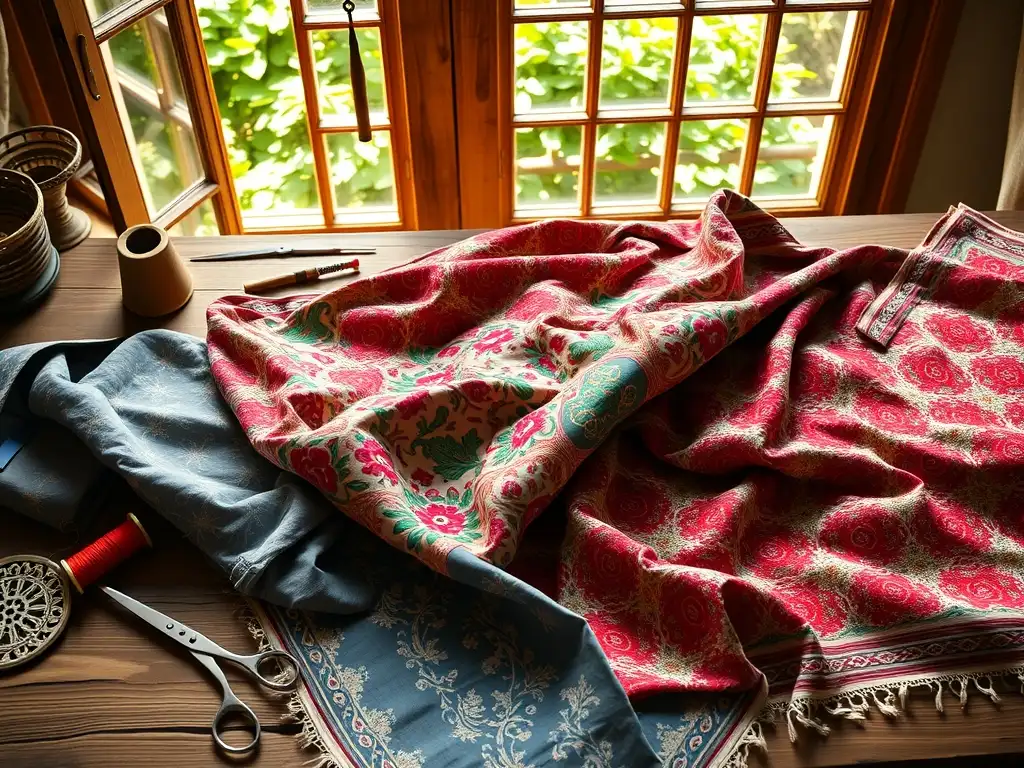
Traditional Indian embroidery plays a crucial role in the movement towards sustainable fashion. By embracing age-old techniques that prioritize craftsmanship over mass production, the fashion industry can promote a more ethical approach to clothing. This shift not only preserves cultural heritage but also encourages environmentally friendly practices that benefit artisans and the planet.
As consumers become more aware of the environmental impact of fast fashion, there is a growing demand for sustainably produced garments. Traditional embroidery, often characterized by its labor-intensive processes and use of natural materials, presents a viable alternative to the harmful practices associated with contemporary manufacturing.
Eco-Friendly Practices in Traditional Embroidery
Many traditional embroidery practices are inherently eco-friendly. Artisans often use locally sourced materials, such as organic cotton and natural dyes, minimizing their carbon footprint. These materials not only support local economies but also reduce the environmental impact typically associated with synthetic textiles.
Additionally, traditional embroidery techniques promote slow fashion principles, emphasizing quality and longevity over quantity. Each piece is crafted with care, ensuring that garments are not only beautiful but also durable. This sustainable approach encourages consumers to invest in timeless pieces that can be cherished for years, rather than disposable fashion that contributes to waste.
Promoting Ethical Fashion through Traditional Techniques
Promoting ethical fashion through traditional embroidery involves supporting artisans and their craft. Many designers are now collaborating directly with local artisans, providing fair wages and fostering a sustainable livelihood. This collaboration not only helps preserve traditional techniques but also empowers communities, ensuring that the knowledge and skills of embroidery are passed down to future generations.
Furthermore, by educating consumers about the cultural significance and environmental benefits of traditional embroidery, brands can inspire a shift in purchasing behavior. When consumers choose to invest in ethically produced garments featuring traditional techniques, they contribute to a more sustainable fashion ecosystem that values craftsmanship, cultural heritage, and social responsibility.
The resurgence of traditional Indian embroidery in modern apparel is not just a trend; it is a meaningful movement that connects the past with the present, while promoting sustainability and ethical practices in the fashion industry.
Conclusion: The Future of Traditional Indian Embroidery in Fashion
The resurgence of traditional Indian embroidery in modern apparel signifies a deeper appreciation for cultural heritage and craftsmanship. As contemporary designers incorporate these age-old techniques into their collections, a new narrative emerges—one that honors tradition while embracing innovation. This blend not only enhances the aesthetic appeal of modern garments but also ensures that the stories and techniques of past generations are preserved for future generations.
In a world increasingly driven by fast fashion, the revival of traditional embroidery serves as a reminder of the importance of sustainability and ethical practices. Consumers are becoming more aware of the impact of their choices, often gravitating towards brands that celebrate artisanal skills and heritage. This shift not only benefits the artisans who produce these intricate designs but also fosters a sense of community and identity among consumers, allowing them to connect with their roots through fashion.
Looking ahead, the future of traditional Indian embroidery in fashion appears promising. With a growing emphasis on customization and personal expression, the demand for unique pieces that tell a story is likely to increase. Collaborations between traditional artisans and modern designers may become more prevalent, creating a vibrant fusion that appeals to both domestic and international markets. As this trend continues to evolve, traditional embroidery will not just be a relic of the past, but a vital part of the narrative of contemporary fashion.
Call to Action: Discovering Traditional Indian Embroidery
If you’re intrigued by the beauty and significance of traditional Indian embroidery, now is the perfect time to explore its rich history and diverse styles. Here are some ways you can dive deeper into this fascinating world:
- Visit Local Craft Fairs: Engage with artisans who specialize in traditional embroidery. Witness firsthand the intricate processes involved and perhaps even purchase unique pieces that resonate with you.
- Attend Workshops: Many organizations offer workshops where you can learn traditional embroidery techniques. This hands-on experience not only enriches your understanding but also supports the preservation of these crafts.
- Research Online: Numerous resources and online platforms showcase the history, styles, and contemporary adaptations of traditional Indian embroidery. From blogs to documentaries, there’s a wealth of information waiting to be discovered.
- Support Ethical Brands: Seek out fashion brands that prioritize traditional craftsmanship and ethical practices. By choosing to invest in these pieces, you contribute to the sustainability of the craft and the livelihoods of artisans.
- Share Your Experience: Engage with others who appreciate traditional embroidery. Social media platforms provide a space to share your findings, outfits, and experiences, fostering a vibrant community that celebrates this art form.
By taking these steps, you not only enhance your own understanding and appreciation of traditional Indian embroidery but also play a role in ensuring its continuation and evolution in the modern world. Embrace the past and let it inspire your present and future fashion choices!
- Introduction to Traditional Indian Embroidery History
- The Rich Heritage of Traditional Indian Embroidery
- Modern Adaptations of Traditional Indian Embroidery
- The Impact of Traditional Indian Embroidery on Sustainable Fashion
- Conclusion: The Future of Traditional Indian Embroidery in Fashion
- Call to Action: Discovering Traditional Indian Embroidery
- What is the significance of traditional Indian embroidery in history?
- How has modern apparel incorporated traditional Indian embroidery?
- What are some popular styles of traditional Indian embroidery?
- Why is there a resurgence in interest in traditional Indian embroidery today?
- How can one learn about the history of traditional Indian embroidery?
Frequently Asked Questions
What is the significance of traditional Indian embroidery in history?
Traditional Indian embroidery has a rich history that reflects the diverse cultures and communities of ancient India, showcasing their artistry and craftsmanship through various techniques and styles.
How has modern apparel incorporated traditional Indian embroidery?
Modern apparel has embraced traditional Indian embroidery by integrating these age-old techniques into contemporary fashion, promoting sustainability and cultural heritage while appealing to a global audience.
What are some popular styles of traditional Indian embroidery?
Some popular styles include Zardozi, Kashida, and Phulkari, each with distinct patterns and meanings that represent the cultural heritage and regional diversity of India.
Why is there a resurgence in interest in traditional Indian embroidery today?
There is a growing appreciation for traditional crafts as people seek authenticity and a connection to their roots, leading to a revival of interest in traditional Indian embroidery for both personal expression and cultural preservation.
How can one learn about the history of traditional Indian embroidery?
One can explore books, online resources, and workshops dedicated to traditional Indian embroidery to understand its cultural significance and the techniques that have been passed down through generations.
Final Reflection: Embracing Heritage Through Traditional Indian Embroidery
In an era where fast fashion dominates the market, the resurgence of traditional Indian embroidery in modern apparel serves as a powerful reminder of our cultural roots and the artistry that has shaped our identities. This revival not only highlights the intricate craftsmanship of the past but also emphasizes the importance of sustainability and ethical fashion in today's world. As we navigate through a landscape increasingly driven by consumerism, the embrace of traditional techniques offers a striking statement about the value of heritage and the stories woven into every stitch.
The influence of traditional Indian embroidery extends far beyond mere aesthetics; it is a testament to our shared cultural narratives and the resilience of artisans who have preserved these techniques through generations. As we witness a growing appreciation for these art forms, we are reminded of their role in fostering community and identity. Art is not what you see, but what you make others see.
– Edgar Degas. This quote resonates deeply as we reflect on how traditional embroidery not only beautifies garments but also communicates the rich tapestry of history, culture, and personal expression that connects us all.
As we look toward the future, I invite you to reflect on the significance of traditional craftsmanship in your own life. Consider how you can incorporate these timeless techniques into your wardrobe or support artisans who are keeping these traditions alive. By choosing to celebrate and promote traditional Indian embroidery, you are not only honoring the past but also contributing to a more sustainable and culturally rich future. Let us all take a moment to appreciate the beauty of our heritage and the stories that continue to inspire us today.
Revive the Art: Embrace Traditional Indian Embroidery Today!
Thank you for diving into the vibrant world of traditional Indian embroidery with us! By exploring its rich history and contemporary significance, you've taken an important step in appreciating and supporting this unique craft. Now, let’s channel that enthusiasm into action!
- Unleash your creativity by incorporating traditional embroidery pieces into your wardrobe. Seek out local artisans or shops that celebrate this craft and offer authentic pieces.
- Share the love with your friends on social media! Post about your favorite embroidery pieces, and encourage others to explore and appreciate the beauty of traditional Indian arts.
- Join a workshop or an online class to learn the intricate techniques of embroidery yourself, and connect with fellow enthusiasts in your community.
What unique stories or pieces of embroidery have inspired you lately? We would love to hear your thoughts in the comments below!