
The Historic Cities of Western India: From Ancient Times to Today

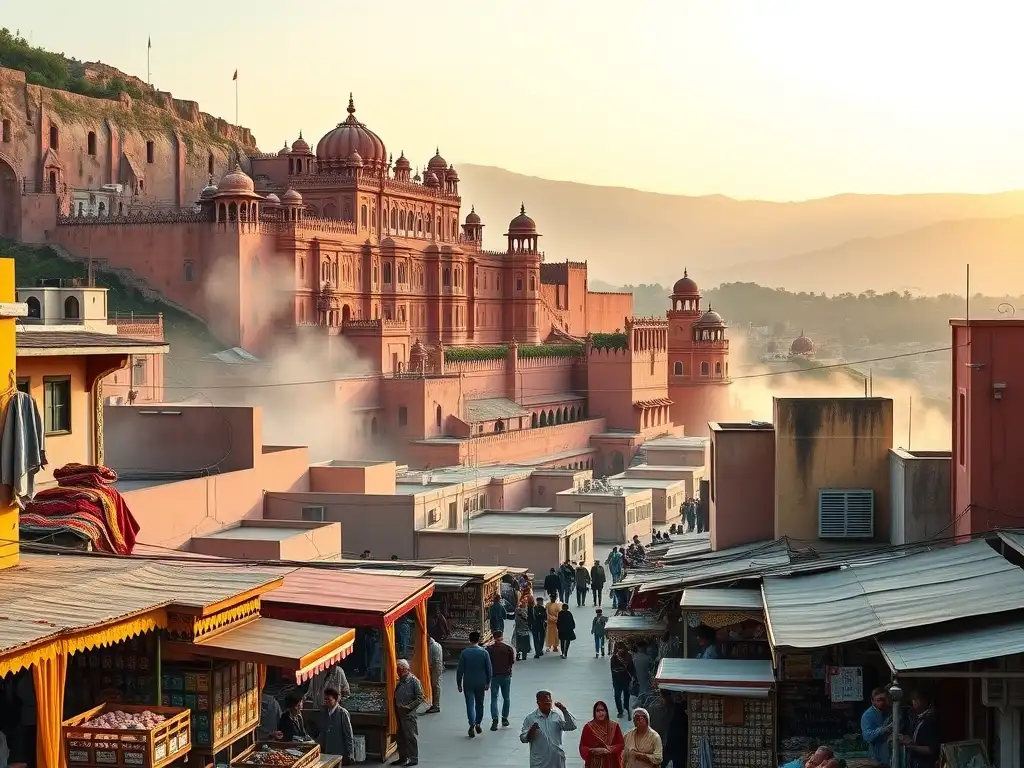
Welcome to Ancient India History, where we embark on a fascinating journey through the rich tapestry of India's past! Dive deep into the historic cities of Western India, a treasure trove of culture and heritage that showcases the remarkable contributions of ancient civilizations. From the majestic architecture of the Indus Valley to the intellectual prowess of the Gupta Empire, each city tells a story waiting to unfold.
Get ready to uncover the secrets of these vibrant locales and discover how their legacy continues to influence us today. Are you curious to find out which cities shaped the course of history? Let’s explore together!
Introduction to the Historic Cities of Western India
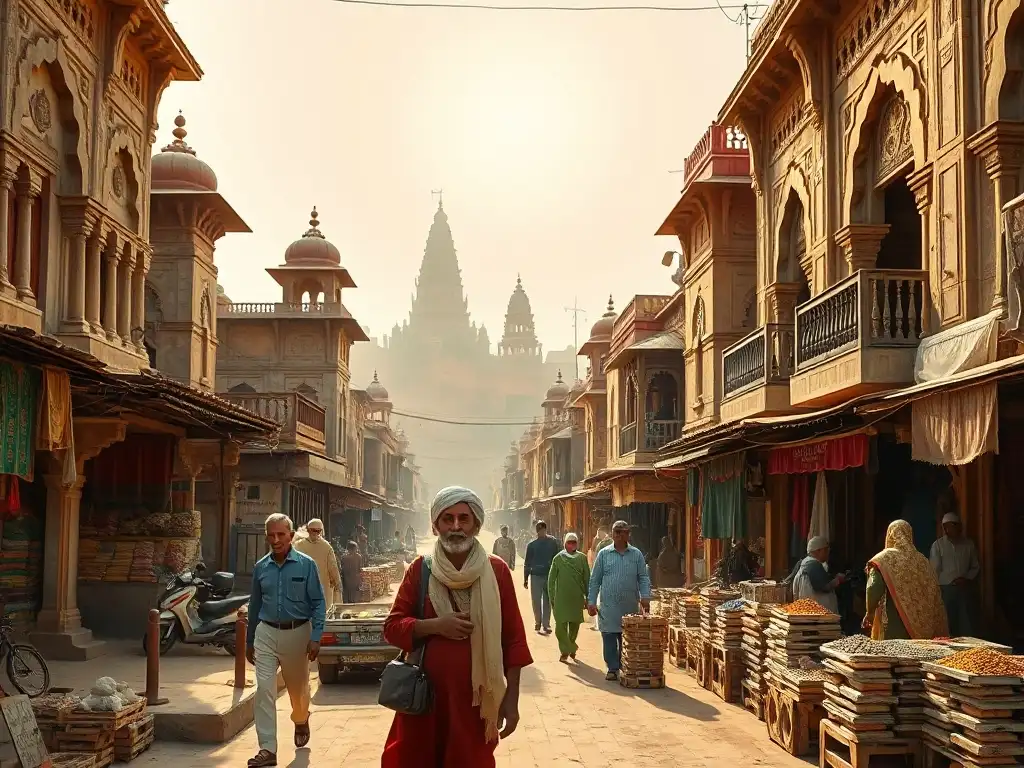
Western India is a region steeped in history, characterized by its vibrant cultures and significant contributions to the Indian subcontinent's heritage. From the ancient cities of the Indus Valley Civilization to the flourishing urban centers during the Gupta Empire, the historic cities of Western India have played a pivotal role in shaping the cultural and economic landscape of the region. These cities not only served as hubs of trade and commerce but also as centers of learning, spirituality, and artistic expression.
In this article, we will embark on a journey through time, exploring the rich tapestry of Western India's historic cities. We will examine their origins, their evolution through various dynasties, and their relevance in today's context. By delving into the stories and legacies of these cities, we aim to highlight their enduring significance and the lessons they impart about resilience, innovation, and cultural exchange.
Importance of Western India in Ancient Civilizations
Western India has long been recognized as a cradle of civilization, hosting some of the most influential cultures and societies in ancient history. The region is notable for several key aspects:
- Trade and Commerce: Cities like Bharuch and Surat emerged as bustling trade ports, facilitating commerce not only within India but also with distant lands. These cities were vital in the exchange of goods such as spices, textiles, and precious metals, connecting Western India to global trade networks.
- Cultural Melting Pot: The historic cities of this region were melting pots of diverse cultures and religions. They attracted scholars, artisans, and travelers from various backgrounds, contributing to a rich cultural exchange that shaped the region's identity.
- Architectural Marvels: The architectural heritage of Western India is a testament to its historical significance. From the intricate carvings of the ancient temples in Gujarat to the stunning forts of Maharashtra, these structures reflect the artistic and engineering prowess of the civilizations that thrived here.
- Centers of Learning: Cities like Ujjain were renowned for their educational institutions, attracting students and scholars from across the subcontinent. The pursuit of knowledge in fields such as astronomy, mathematics, and philosophy flourished in these urban centers.
The historic cities of Western India are not just relics of the past; they are living testaments to the region's dynamic history and enduring impact on Indian civilization. As we explore these cities further, we will uncover the stories that define their legacy and the lessons that continue to resonate in contemporary society.
- Introduction to the Historic Cities of Western India
- Importance of Western India in Ancient Civilizations
- What are some notable historic cities of Western India?
- How did the Indus Valley Civilization influence Western Indian cities?
- What role did the Gupta Empire play in shaping Western India?
- Are there any UNESCO World Heritage Sites in Western India?
- How can one explore the historic cities of Western India today?
Major Historic Cities in Western India
The Ancient City of Dwarka
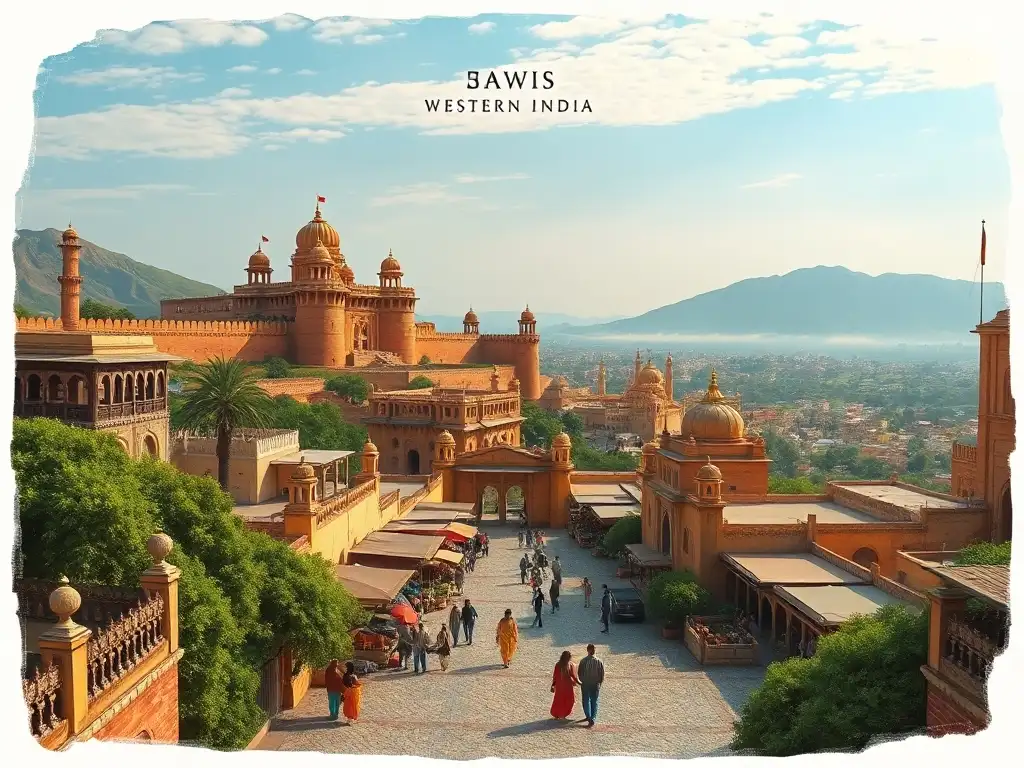
Dwarka, located on the western coast of India in the state of Gujarat, is one of the most significant historic cities of Western India. Known as the legendary city of Lord Krishna, Dwarka holds a prominent place in Indian mythology and history. This ancient city is often associated with the epic Mahabharata, where it is described as a prosperous and well-planned city.
Historical Significance of Dwarka in Indian Mythology
Dwarka's historical significance is deeply intertwined with Indian mythology. According to the Mahabharata, it was the capital of Lord Krishna's kingdom and symbolizes divine authority and prosperity. The city is not only a place of pilgrimage but also an embodiment of the rich cultural heritage of ancient India. The mention of Dwarka in various ancient texts illustrates its importance as a center of trade, governance, and spirituality.
The city is often referred to as “Dwaraka,” which translates to “the gateway,” indicating its role as a significant port city in ancient times. It is believed that the original Dwarka was submerged into the Arabian Sea, which adds to its mythological allure. The city's ancient legends and archaeological heritage attract numerous devotees and historians alike, making it a crucial focal point for understanding the socio-religious landscape of ancient India.
Archaeological Discoveries in Dwarka
Archaeological excavations in Dwarka have uncovered significant findings that shed light on its ancient past. Researchers have discovered remnants of fortified walls, ancient structures, and artifacts that suggest a well-planned urban settlement. Among the notable discoveries are:
- Underwater Archaeology: Recent underwater excavations have revealed submerged structures believed to be part of the ancient city. These findings support the theory of Dwarka's submergence and provide insight into its architectural styles.
- Artifacts: A variety of artifacts, including pottery, beads, and coins, have been unearthed, indicating that Dwarka was a bustling trade center. The presence of these items suggests contact with other cultures and trade routes.
- Temples: The discovery of ancient temples dedicated to Lord Krishna and other deities highlights the religious significance of Dwarka throughout history. These temples are important for understanding the religious practices of ancient Indian civilizations.
The City of Ahmedabad: A Blend of Cultures
Ahmedabad, the largest city in Gujarat, showcases a rich tapestry of history, culture, and architecture that reflects the influences of various civilizations. Established in the 15th century, Ahmedabad has evolved into a vibrant urban center while retaining its historical essence. Its designation as a UNESCO World Heritage City underscores its significance among the historic cities of Western India.
Historical Evolution of Ahmedabad
Ahmedabad's history dates back to the early medieval period, but it gained prominence in 1411 when Sultan Ahmed Shah founded the city. The strategic location along trade routes contributed to its rapid growth as a commercial hub. Over the centuries, Ahmedabad has witnessed the rule of various dynasties, including the Mughals and the British, each leaving an indelible mark on its cultural landscape.
Key historical milestones include:
- Sultanate Era: During the Sultanate period, Ahmedabad flourished with the construction of grand mosques, palaces, and forts, which are still visible today. The city became a center for textile manufacturing, known for its quality and craftsmanship.
- Mughal Influence: The Mughal era brought architectural innovations, with the introduction of intricate designs and garden layouts. The city’s heritage is enriched by the blend of Indo-Islamic architecture.
- Post-Independence Development: After India's independence, Ahmedabad emerged as an industrial powerhouse, further diversifying its cultural and economic landscape.
Architectural Marvels in Ahmedabad
Ahmedabad is renowned for its architectural marvels that reflect the city's historical richness. Some notable structures include:
- Jama Masjid: Built in 1424, this grand mosque is a prime example of Indo-Islamic architecture, featuring intricately carved pillars and beautiful domes. It stands as a testament to the city's historical significance.
- Sidi Saiyyed Mosque: Famous for its stunning lattice work, particularly the “Tree of Life” window, this mosque symbolizes the exquisite craftsmanship of local artisans.
- Pols of Ahmedabad: The city's unique residential neighborhoods, known as pols, showcase traditional architecture and community living. These pols, with their narrow lanes and ornate facades, narrate the story of Ahmedabad’s cultural diversity.
- Sabarmati Ashram: The former residence of Mahatma Gandhi, this ashram is not only an architectural landmark but also a symbol of India’s struggle for independence. It attracts visitors from around the globe, emphasizing Ahmedabad's historical relevance.
Through these architectural wonders, Ahmedabad continues to narrate the stories of its past, making it a vital part of the exploration of the historic cities of Western India.
The Historic City of Pune
Pune, often referred to as the "Oxford of the East," is one of the most prominent historic cities of Western India. Its origins can be traced back to ancient times, and over the centuries, it has evolved into a significant cultural, educational, and historical hub. Pune's strategic location near the Western Ghats made it a vital center for trade and commerce, facilitating interactions between various regions. The city played a crucial role during the reign of the Marathas and has since contributed immensely to the cultural and historical tapestry of India.
Pune's architecture reflects its rich history, with numerous forts, temples, and colonial-era buildings dotting the skyline. The city is characterized by a blend of traditional and modern influences, showcasing its ability to adapt while maintaining its historical essence. As a melting pot of diverse cultures, Pune continues to celebrate its heritage through festivals, art, and literature, making it a focal point for history enthusiasts.
Pune's Role in the Maratha Empire
Pune served as the seat of power for the Maratha Empire in the 17th and 18th centuries, particularly under the leadership of Chhatrapati Shivaji Maharaj and his successors. The city became the administrative and military headquarters of the Marathas, with the establishment of the Shaniwar Wada fort in 1732, which symbolized the might of the empire. This fort not only served as a royal palace but also as a strategic military bastion.
During the Maratha rule, Pune emerged as a center for political activities and decisions that shaped the course of Indian history. The Peshwas, who were the prime ministers of the Maratha Empire, resided in Pune, making significant contributions to the city's architectural and cultural landscape. The influence of the Maratha Empire is still visible today, as Pune continues to celebrate its legacy through various historical sites and monuments that attract tourists and scholars alike.
Cultural Contributions of Pune Throughout History
Pune's cultural contributions are diverse and far-reaching. The city has been a cradle for various art forms, literature, and educational institutions. It is home to several renowned poets, writers, and philosophers, including the likes of Sant Tukaram and Vishnu Sakharam Khandekar. The literary heritage of Pune is celebrated annually through various festivals and events that promote local writers and artists.
In addition to literature, Pune has made notable contributions to music and performing arts. The city has a rich tradition of classical music and theater, with institutions like the Bhaskaracharya Pratishthana and the Pune Film Institute nurturing talent over the years. Festivals such as Ganesh Chaturthi and Gudi Padwa are celebrated with great fervor, illustrating the city's vibrant cultural milieu. The blend of various cultural influences has made Pune a dynamic city, continually evolving while honoring its historical roots.
The Ancient Capital of Ujjain
Ujjain, one of the seven Mukti Sthalas in Hindu mythology, is another historic city of Western India, renowned for its ancient significance. Historically, Ujjain was the capital of the ancient kingdom of Avanti and has played a pivotal role in Indian civilization for millennia. Its strategic location on trade routes made it a bustling center for commerce and culture, attracting scholars, traders, and pilgrims.
The city is famed for its association with the Kumbh Mela, a significant religious gathering that occurs every 12 years. Ujjain's historical narrative is enriched by its temples, ancient observatories, and monuments that echo its glorious past. The city's unique blend of spirituality and scholarship has made it a magnet for those seeking knowledge and spiritual awakening.
Ujjain's Significance in Astronomy and Astrology
Ujjain is often revered as a center for astronomy and astrology in ancient India. The city was home to the legendary astronomer Varahamihira, who made significant contributions to the fields of mathematics and astronomy. Ujjain's geographical location, which is close to the Tropic of Cancer, made it an ideal spot for astronomical observations.
The city houses the Jantar Mantar, an astronomical observatory built in the 18th century, which reflects the city's ongoing legacy in the field of science. Ujjain played a crucial role in the development of Hindu calendars and astrology, with its scholars contributing to the calculation of planetary positions and timekeeping. This rich tradition of astronomical study has left an indelible mark on both Indian science and culture.
Ujjain’s Role in Religious Practices
Ujjain holds immense religious significance, particularly in Hinduism. It is one of the four sites of the Kumbh Mela, where millions of pilgrims gather to take a holy dip in the sacred Shipra River, believed to cleanse sins and grant salvation. The Mahakaleshwar Temple, dedicated to Lord Shiva, is one of the twelve Jyotirlingas and attracts devotees from across the country, further enhancing Ujjain's status as a spiritual center.
The city is also known for its various festivals, including the Simhastha Kumbh Mela, which epitomizes the confluence of spirituality and social engagement. Ujjain's temples and rituals are deeply intertwined with its inhabitants' lives, showcasing a vibrant tapestry of faith and tradition that has persisted through the ages. This enduring legacy makes Ujjain a vital historic city in the context of Western India's rich cultural heritage.
The Evolution of Historic Cities in Western India
From Ancient Trade Routes to Modern Urban Centers
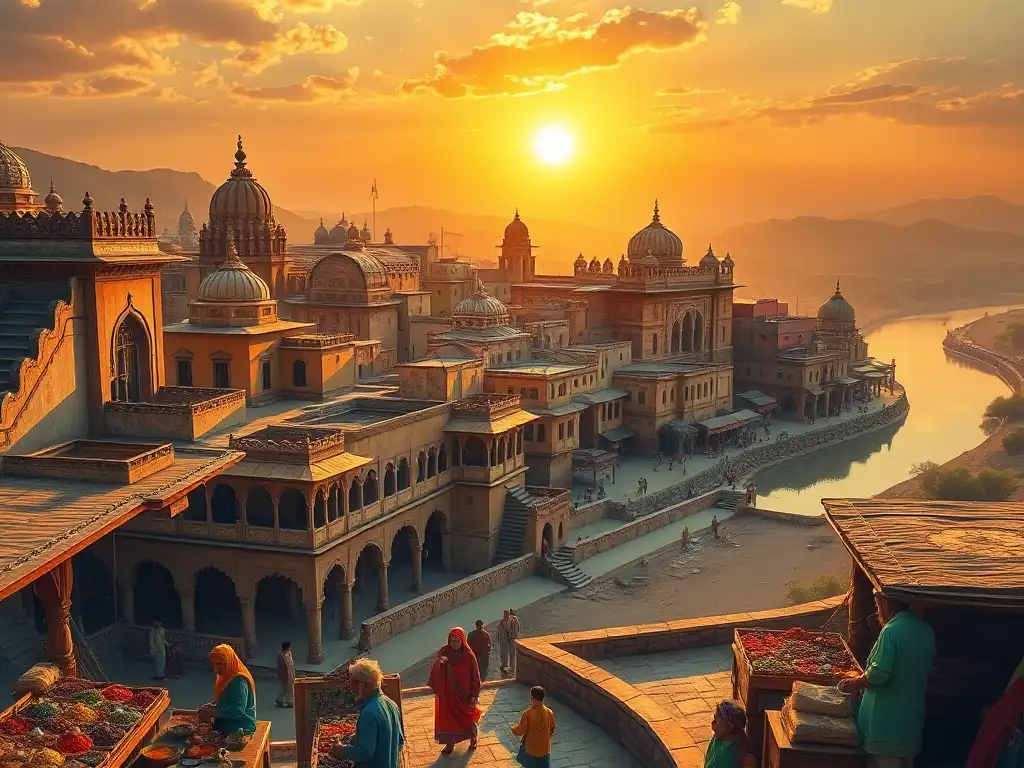
Western India has been a cradle of civilization, where the convergence of trade routes has given rise to some of the most historic cities. The region's strategic position along the Arabian Sea facilitated maritime trade with various cultures, including those from the Middle East, Africa, and Southeast Asia.
- Indus Valley Civilization: The cities of Harappa and Mohenjo-Daro are prime examples of early urban settlements in Western India, showcasing advanced urban planning and architecture. Their grid patterns and drainage systems laid the foundation for future urban development.
- Mauryan and Post-Mauryan Periods: Cities like Ujjain and Pataliputra flourished as centers of commerce and governance. Ujjain, known for its position on the trade routes linking north and south India, became an important hub for trade and culture.
- Medieval Period: The rise of powerful dynasties like the Chalukyas and Rashtrakutas saw the establishment of cities such as Badami and Ellora, known for their exquisite rock-cut architecture and temples. These cities became cultural melting pots, influencing art and religion across the region.
As time progressed, the advent of the Mughal Empire transformed the urban landscape, leading to the development of cities characterized by grand palaces, gardens, and forts.
- Modern Urbanization: The British colonial period brought significant changes, with cities such as Mumbai and Pune emerging as major urban centers. The introduction of railways and ports facilitated trade and migration, shaping contemporary urbanization in these historic cities.
The evolution of the historic cities of Western India reflects a tapestry of cultural exchange and economic growth, from ancient trade routes to the urban centers we see today.
Impact of Colonial Rule on Historic Cities
The colonial era left an indelible mark on the historic cities of Western India, reshaping their architecture, governance, and social fabric.
- Urban Planning and Architecture: The British colonial administration introduced new architectural styles, blending Victorian elements with local designs. This fusion is evident in cities like Mumbai, where buildings like the Chhatrapati Shivaji Terminus and the Gateway of India showcase this unique blend.
- Infrastructure Development: The establishment of railways and roads during the colonial period enhanced connectivity, transforming cities into bustling commercial hubs. For instance, Pune became an essential military base and administrative center, leading to urban expansion and modernization.
- Social Changes: Colonial rule also influenced social structures within these cities. The introduction of Western education and legal systems altered traditional practices, leading to the emergence of new social classes and movements.
- Economic Shifts: The focus on export-oriented economies resulted in the commercialization of traditional crafts and industries. Historic cities like Surat and Ahmedabad became vital trade centers, driving economic activity and migration.
The impact of colonial rule on the historic cities of Western India was multifaceted, resulting in both challenges and opportunities that continue to shape these urban landscapes today.
Preservation Efforts for Historic Cities in Western India
Preserving the rich heritage of the historic cities of Western India is crucial for maintaining their cultural identity and promoting tourism. Various efforts have been initiated to safeguard these urban treasures:
- Government Initiatives: The Archaeological Survey of India (ASI) and state governments have implemented measures to protect heritage sites. For instance, the restoration projects in Ahmedabad, a UNESCO World Heritage City, aim to preserve its historic architecture while promoting sustainable urban development.
- Community Involvement: Local communities are increasingly participating in preservation efforts. Initiatives to promote awareness about the cultural significance of historic sites have led to grassroots movements advocating for conservation.
- Sustainable Tourism Practices: With the rise of heritage tourism, there is a growing emphasis on sustainable practices that balance tourism with preservation. Cities like Jaisalmer and Udaipur are implementing strategies to manage tourist influx while maintaining the integrity of their historic sites.
- Cultural Festivals and Events: Events celebrating the history and culture of these cities help engage the public and promote heritage tourism. Festivals such as the Kutch Utsav and the Ahmedabad International Arts Festival highlight the region’s cultural richness and foster a sense of pride among residents.
The preservation efforts for the historic cities of Western India are vital not only for maintaining their architectural and cultural heritage but also for ensuring that these cities continue to thrive in the modern era. As these initiatives progress, the legacy of Western India's historic cities can be celebrated and passed on to future generations.
Cultural Heritage of Historic Cities
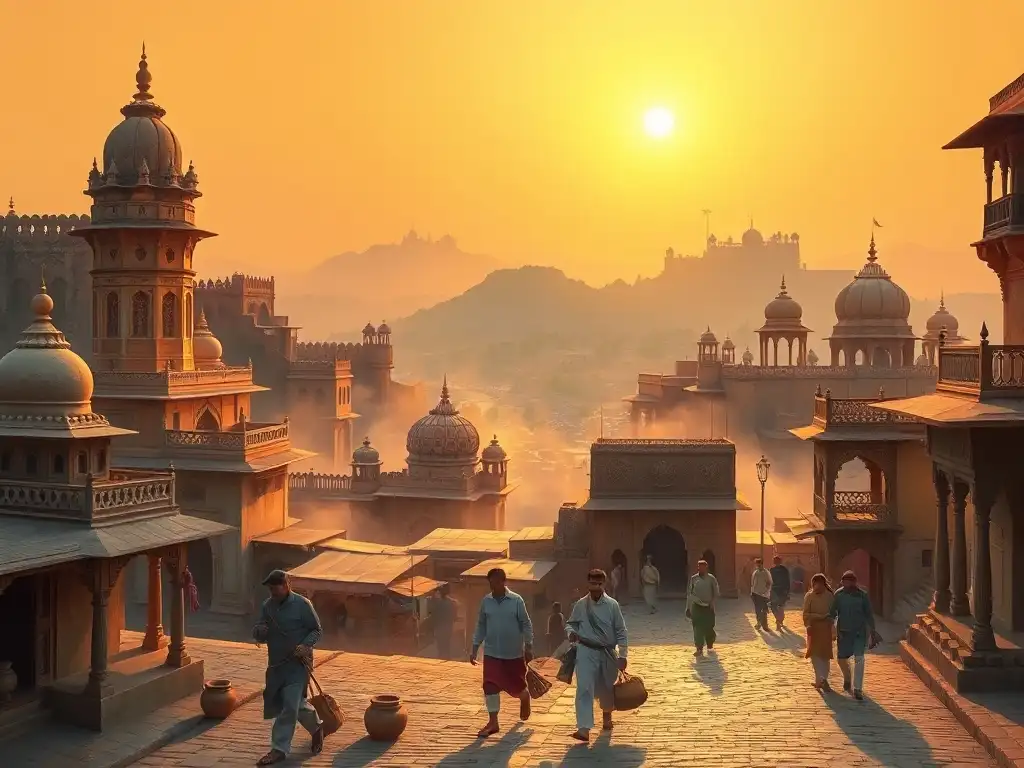
The historic cities of Western India are not only significant for their architectural marvels and historical events but also for the rich cultural heritage they embody. These cities, including Pune, Ahmedabad, and Udaipur, serve as living museums that showcase the traditions, arts, and crafts that have evolved over centuries. The cultural tapestry of these cities is woven from diverse influences, including indigenous practices, trade interactions, and the confluence of various religions.
Festivals and Traditions Rooted in Historic Cities
Festivals in Western India's historic cities are vibrant celebrations that reflect the region's diversity and cultural richness. Each city has its unique set of festivals that draw from ancient traditions and local customs:
- Pune:
- Ganesh Chaturthi: This festival is celebrated with grandeur, where beautifully crafted idols of Lord Ganesha are installed in homes and public spaces. The city comes alive with processions, music, and dance.
- Gudi Padwa: Marking the Marathi New Year, Gudi Padwa is celebrated with fervor, featuring traditional dishes, rangoli designs, and the raising of the Gudi (a decorated pole) outside homes.
- Ahmedabad:
- Navratri: This nine-night festival dedicated to the goddess Durga sees the city filled with garba dances, prayers, and elaborate decorations. The vibrant atmosphere attracts tourists and locals alike.
- Uttarayan: The Kite Festival, celebrated on January 14th, showcases colorful kites filling the sky. It is a time for family gatherings and competitive kite flying.
- Udaipur:
- Mewar Festival: A celebration of the arrival of spring, this festival features processions, folk music, and traditional dances, highlighting the region's royal heritage.
- Holi: The festival of colors is celebrated with great enthusiasm, where locals and tourists participate in joyous festivities by throwing colored powders and water.
These festivals not only preserve age-old traditions but also foster community spirit and promote tourism, making the historic cities of Western India vibrant cultural hubs.
The Influence of Historic Cities on Modern Indian Culture
The historic cities of Western India have significantly influenced modern Indian culture in various aspects:
- Architecture: The architectural styles of historic cities, with their intricate carvings and unique designs, have inspired contemporary urban planning and building aesthetics. For example, the Indo-Saracenic architecture of Ahmedabad has influenced modern structures across India.
- Cuisine: The culinary traditions originating from these cities have permeated into modern gastronomy. Dishes like Puran Poli from Pune and Dhokla from Ahmedabad are now staples enjoyed across the country, demonstrating how local flavors can transcend regional boundaries.
- Art and Craft: Traditional arts and crafts, including bandhani textiles from Gujarat and miniature paintings from Rajasthan, continue to thrive, influencing modern design and fashion trends. Artisans are increasingly blending traditional techniques with contemporary styles, showcasing the timeless nature of their craft.
- Literature and Performing Arts: The rich literary heritage of cities like Pune, known for its contribution to Marathi literature, continues to inspire modern writers and playwrights. The performing arts, including folk dances and music, remain integral to cultural events and festivals, maintaining a connection to the past.
The historic cities of Western India are not just relics of the past but are dynamic centers of culture that continue to shape modern Indian society. Their festivals, traditions, and artistic expressions serve as a bridge connecting ancient heritage with contemporary life, ensuring that the cultural legacy of Western India remains vibrant and relevant today.
Conclusion: The Legacy of Historic Cities in Western India
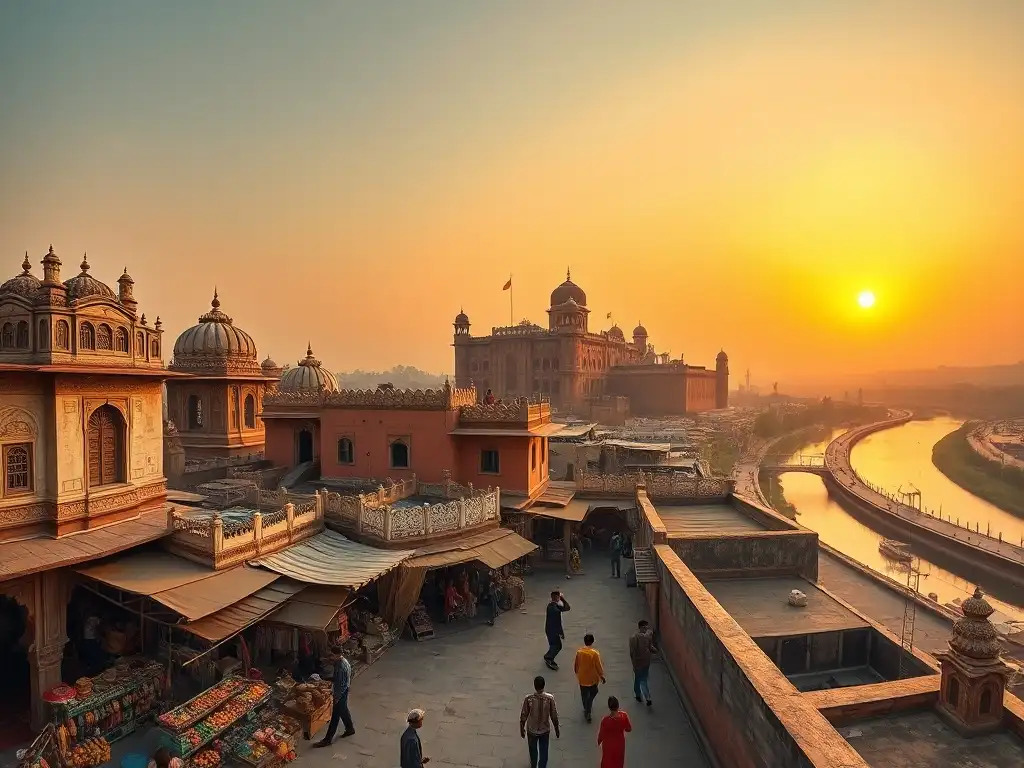
The historic cities of Western India hold a profound legacy that reflects the region's rich cultural tapestry and historical significance. From the ancient trade routes of the Indus Valley Civilization to the flourishing cities of the Gupta Empire, these urban centers have been pivotal in shaping not only the local culture but also the broader narrative of Indian history.
The architectural marvels, religious sites, and archaeological remnants found in these cities serve as windows into the past, offering invaluable insights into the lives of those who once inhabited them. Cities such as Ujjain, Pune, and Ahmedabad are not just historical footnotes; they are living monuments that continue to influence contemporary society. Their diverse heritage, reflected in their languages, festivals, and culinary traditions, underscores the region's dynamic evolution over centuries.
As we reflect on the legacy of these historic cities, it becomes clear that they are not merely relics of a bygone era but vital components of India’s cultural identity. The stories embedded in their structures and streets remind us of the resilience and creativity of the civilizations that flourished here.
The Future of Historic Cities and Their Preservation
The future of historic cities in Western India hinges on effective preservation strategies and sustainable development practices. Increased urbanization and modernization pose significant challenges to the integrity of historical sites. To combat this, local governments and heritage organizations are implementing various measures aimed at safeguarding these invaluable assets.
Key preservation initiatives include:
- Restoration Projects: Engaging experts in archaeology and architecture to restore and maintain historic structures.
- Legislation: Enacting laws that protect heritage sites from encroachment and degradation, ensuring they are preserved for future generations.
- Community Involvement: Encouraging local communities to participate in preservation efforts, fostering a sense of ownership and pride in their heritage.
Sustainable tourism also plays a crucial role in the preservation of these cities. By promoting responsible travel practices, stakeholders can ensure that the influx of visitors contributes positively to the local economy while minimizing environmental impacts.
Encouraging Tourism and Education about Historic Cities
Tourism is a powerful tool for education and economic development, especially in the context of Western India's historic cities. By promoting these cities as tourist destinations, stakeholders can increase awareness of their historical significance and cultural richness.
Strategies to encourage tourism and education include:
- Cultural Festivals: Organizing events that celebrate local traditions, arts, and crafts, attracting both domestic and international tourists.
- Guided Tours and Workshops: Offering educational tours that delve into the historical and cultural aspects of the cities, allowing visitors to engage deeply with the heritage.
- Digital Campaigns: Utilizing social media and digital platforms to showcase the beauty and history of these cities, reaching a broader audience.
Additionally, educational institutions can partner with heritage organizations to develop programs that focus on the history of Western India, fostering a new generation of historians and cultural advocates.
References and Further Reading on the Historic Cities of Western India
For those interested in exploring the rich history and cultural significance of the historic cities of Western India, the following resources provide valuable insights:
- Books:
- Ancient India: A Historical Outline by Upinder Singh
- The History of Indian Architecture by Adam Hardy
- Journals and Articles:
- Journal of Asian Studies – Various articles focusing on the regional histories of India.
- Indian Historical Review – Scholarly articles on the impact of historic cities in shaping modern India.
- Online Resources:
- Government tourism websites for each state, offering detailed information on heritage sites and preservation efforts.
- Digital archives and databases that house historical records, photographs, and artifacts related to Western India's historic cities.
In exploring these resources, readers can gain a deeper understanding of the integral role that these historic cities play in the broader narrative of Indian civilization.
Frequently Asked Questions
What are some notable historic cities of Western India?
Western India is home to many historic cities, including Ahmedabad, Vadodara, and Udaipur, each showcasing unique architectural styles and rich cultural heritage.
How did the Indus Valley Civilization influence Western Indian cities?
The Indus Valley Civilization laid the foundation for urban planning and architecture in Western India, influencing later cities with its advanced drainage systems and grid-like layouts.
What role did the Gupta Empire play in shaping Western India?
The Gupta Empire, known as the Golden Age of India, contributed to the development of arts, science, and architecture, leaving a lasting impact on the culture and historic significance of cities in Western India.
Are there any UNESCO World Heritage Sites in Western India?
Yes, several cities in Western India, such as Ajanta and Ellora Caves and Champaner-Pavagadh Archaeological Park, are recognized as UNESCO World Heritage Sites for their outstanding cultural and historical value.
How can one explore the historic cities of Western India today?
Visitors can explore these historic cities through guided tours, local festivals, and museums that highlight the rich history and cultural diversity of the region.
Final Reflection: The Enduring Legacy of Historic Cities in Western India
The historic cities of Western India are not just relics of the past; they are vibrant testaments to a rich cultural tapestry that continues to shape our present. As we explore these cities, we uncover layers of history, architecture, and tradition that resonate deeply with contemporary society. Their stories remind us of the resilience and creativity of human civilization, urging us to appreciate the beauty and complexity of our shared heritage.
The influence of these historic cities extends far beyond their physical structures; they serve as cultural hubs that foster community, art, and identity. The streets of cities like Ahmedabad, Pune, and Udaipur echo with the footsteps of generations, each leaving their mark on the vibrant narratives that define them. Cities are the greatest creations of humanity,
said renowned urbanist Jane Jacobs, highlighting how these urban landscapes reflect our collective aspirations and struggles. The historic cities of Western India encapsulate this sentiment, standing as living museums that inspire both pride and curiosity.
As we reflect on the significance of these historic cities, let us be inspired to engage with our surroundings more deeply. Take a moment to explore your own local history, to walk the streets that tell stories of resilience and innovation, and to celebrate the cultural richness that surrounds you. By doing so, we not only honor the past but also contribute to the ongoing narrative of our communities, ensuring that the legacy of these historic cities continues to thrive for generations to come.
Unveil the Rich Tapestry of Western India’s History!
Thank you for taking the time to delve into the captivating history of Western India's cities. Your journey through ancient times has hopefully ignited a spark of curiosity and appreciation for this vibrant region. Now, let's take the next step and deepen your connection with what you’ve just learned!
Here are some actionable steps to further explore and embrace the rich heritage of Western India:
- Plan a trip to one of the historic cities to immerse yourself in their culture and stories.
- Join a local history group or community to connect with fellow enthusiasts and share insights.
- Create a visual diary or blog documenting the historical sites you visit, highlighting your personal experiences and newfound knowledge.
As you consider your next steps, reflect on this: Which historic city of Western India are you most eager to explore, and what aspect of its heritage excites you the most?