
The Role of Silence in Buddhism: Finding Peace Amidst Chaos

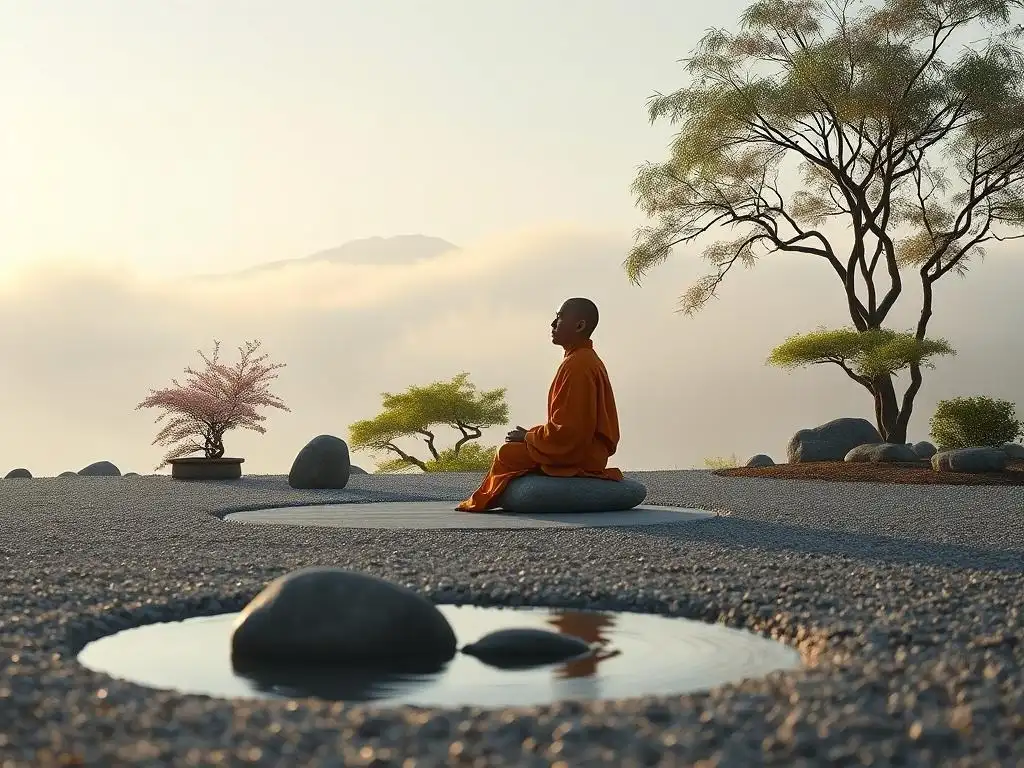
Welcome to Ancient India History, where we delve into the fascinating tapestry of ancient Indian civilizations, celebrating their rich culture and profound contributions. In our featured article, "The Role of Silence in Buddhism: Finding Peace Amidst Chaos," we explore the profound significance of silence in Buddhist philosophy—a concept that invites you to discover how tranquility can emerge from the clamor of modern life.
Join us on this enlightening journey as we unravel the layers of wisdom embedded in ancient teachings, and prepare to be inspired to seek your own moments of peace amidst the chaos. Dive in and uncover the timeless lessons that await!
Introduction to Silence in Buddhist Philosophy
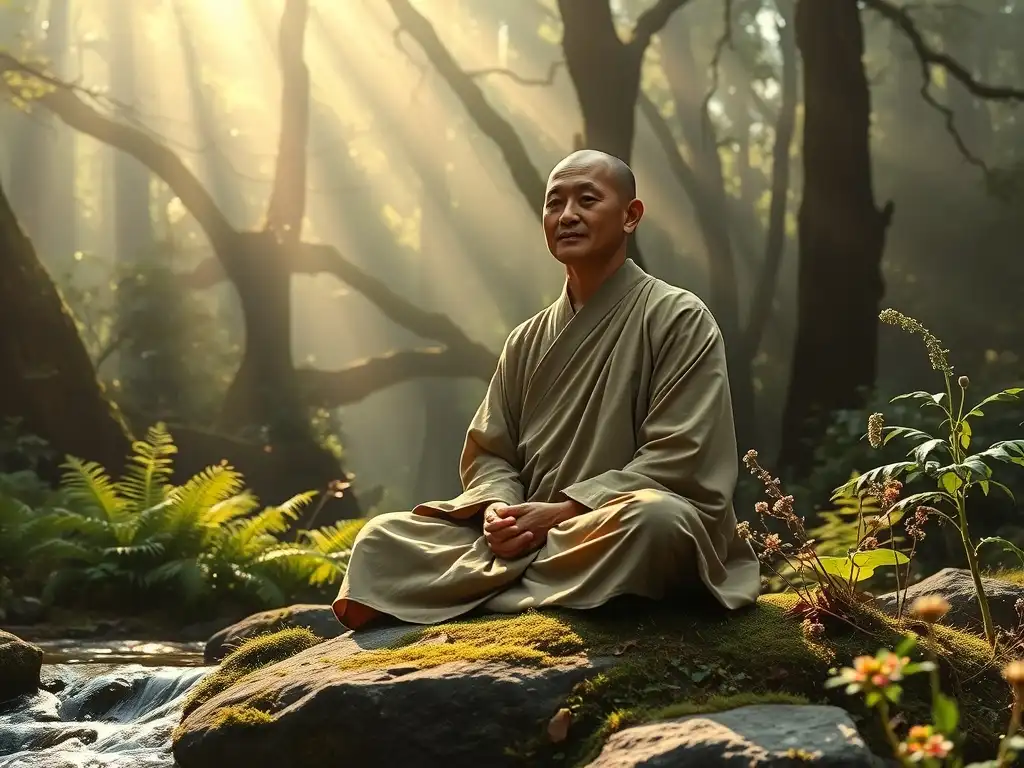
In the fast-paced world we inhabit today, the concept of silence often seems elusive, overshadowed by the relentless noise of modern life. Yet, in the realm of Buddhist philosophy, silence holds profound significance as a pathway to inner peace and spiritual awakening.
From the tranquil teachings of the Buddha to the meditative practices that permeate Buddhist traditions, silence is not merely the absence of sound; it is a rich and transformative state that encourages deep reflection, mindfulness, and connection to the present moment. This article delves into the role of silence in Buddhism, exploring its definitions, teachings, and historical contexts, and how it serves as a sanctuary amid chaos.
Definition of Silence in Buddhism
In Buddhism, silence transcends mere auditory absence. It embodies a state of mental stillness and clarity, where the mind can disengage from distractions and cultivate awareness. This silence is often described as "noble silence," a term that signifies not just the absence of speech but also the presence of wisdom and understanding. According to Buddhist texts, silence allows practitioners to:
- Reflect deeply on their thoughts and emotions.
- Listen to their inner voice, often obscured by external noise.
- Cultivate mindfulness, enhancing their ability to live in the present moment.
The notion of silence is intricately linked to the practice of meditation, where practitioners seek to quiet the mind, enabling them to delve deeper into their consciousness and connect with their true selves.
Importance of Silence in Buddhist Teachings
Silence plays a crucial role in the teachings of Buddhism, serving as a foundation for various practices and philosophies. It is emphasized in the following ways:
- Meditation Practice: Silent meditation is fundamental in Buddhism, allowing individuals to turn inward and observe their thoughts without judgment. This practice fosters a profound sense of peace and clarity.
- Communication: The Buddha often spoke of the importance of mindful speech, advocating for silence when words could harm or distract. This teaching encourages practitioners to communicate with intention and compassion.
- Contemplation and Insight: Silence provides the space needed for contemplation, enabling practitioners to gain insights into the nature of reality and the self. It is through this reflective silence that one can achieve profound understanding and enlightenment.
Historical Context of Silence in Ancient Indian Religions
The significance of silence in Buddhist philosophy is deeply rooted in the broader context of ancient Indian religions. Understanding this historical backdrop enriches our appreciation of how silence has been perceived and practiced.
Silence in Early Buddhist Texts
Early Buddhist texts, such as the Pali Canon, highlight various references to silence, portraying it as a means to attain enlightenment. The teachings of the Buddha often underscore the importance of silence in several contexts:
- Discourses: The Buddha frequently emphasized silence during key discourses, indicating that true understanding arises from listening and reflection rather than mere verbal exchange.
- Silence as Wisdom: Many passages illustrate that silence is a form of wisdom, where deep truths are communicated not through words but through the presence and awareness of the practitioner.
Influence of Hinduism and Jainism on Buddhist Concepts of Silence
Buddhism did not develop in isolation; it was influenced by the prevailing philosophies of its time, particularly Hinduism and Jainism. Both religions acknowledged the importance of silence, shaping Buddhist thought in significant ways:
- Hinduism: In Hindu philosophy, silence, or "mauna," is revered as a spiritual practice that leads to self-realization and connection with the divine. This concept permeated Buddhist teachings, reinforcing the idea that silence can facilitate spiritual growth.
- Jainism: Jainism places a strong emphasis on non-violence (ahimsa) and truthfulness (satya), both of which are complemented by silence. The Jain practice of "mauna" aligns closely with Buddhist ideals, advocating for silence as a means to cultivate purity of thought and action.
Through these influences, silence emerged as a vital component of Buddhist practice, blending with its unique teachings to create a rich tapestry of philosophical thought that continues to resonate with practitioners today.
The Spiritual Significance of Silence in Buddhism
In Buddhism, silence holds profound spiritual significance, acting as a vital component of the path toward enlightenment. It is often viewed as a gateway to deeper understanding and connection with the inner self and the universe. Silence allows practitioners to step away from the incessant noise of daily life, creating space for introspection and self-inquiry. This retreat into silence is not merely the absence of sound; rather, it is a purposeful practice aimed at fostering clarity and insight.
The teachings of the Buddha emphasize the importance of silence in achieving wisdom. In many instances, silence is associated with the stilling of the mind, which is essential for practitioners to perceive the true nature of reality. This quietude helps to diminish distractions and encourages an awareness of the present moment, enabling individuals to transcend the superficial layers of existence and tap into the profound truths of their being. Silence thus becomes a teacher, guiding practitioners toward the realization of anatta (non-self) and sunyata (emptiness).
Silence as a Pathway to Mindfulness
Silence serves as a powerful pathway to mindfulness, a core practice within Buddhism. By engaging in moments of silence, practitioners can cultivate an acute awareness of their thoughts, feelings, and bodily sensations. This heightened awareness is crucial for developing mindfulness, as it allows individuals to observe their experiences without judgment or attachment.
Mindfulness practices often incorporate silent periods, where participants are encouraged to focus solely on their breath or bodily sensations. In these moments, distractions fade away, and the mind can settle into a state of calm. The practice of silence enhances one's ability to remain present, fostering a deeper connection with oneself and the surrounding environment. This mindfulness nurtures compassion and understanding, essential qualities in Buddhist philosophy.
The Role of Silence in Meditation Practices
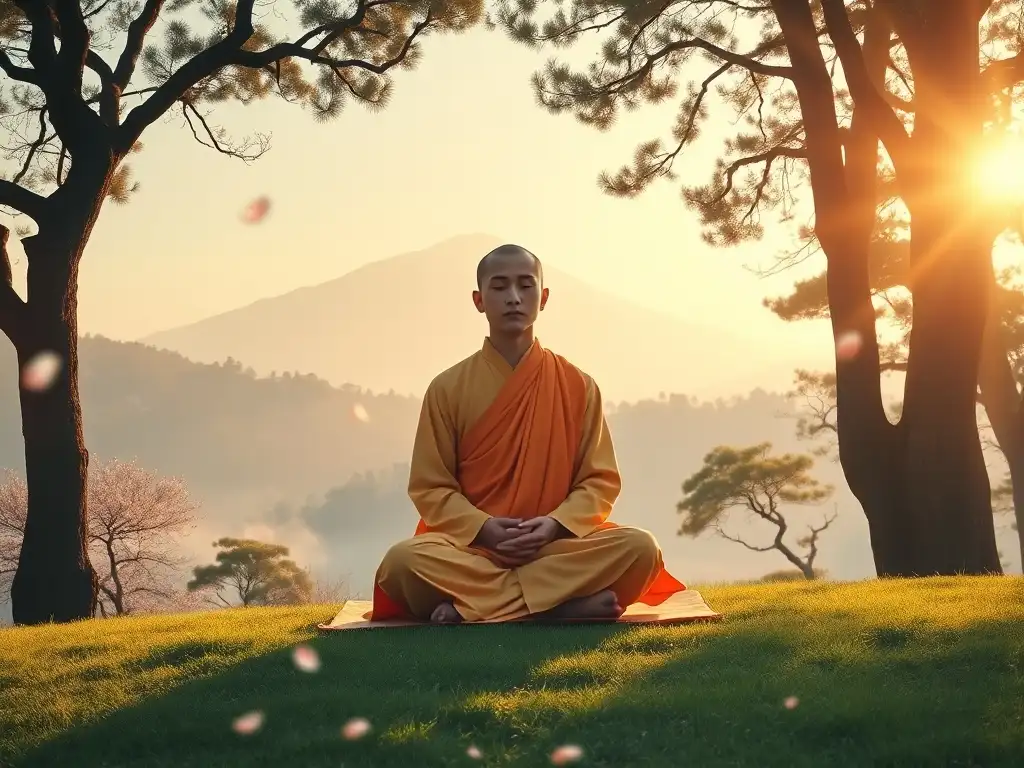
Silence is an integral element of meditation practices in Buddhism. During meditation, practitioners often seek a quiet environment to facilitate their journey inward. This silence is not just external; it also involves quieting the internal dialogue that can cloud perception and create mental clutter. Through focused meditation, individuals learn to embrace silence, allowing it to envelop their thoughts and emotions.
In various Buddhist traditions, different forms of meditation utilize silence in unique ways. For instance, Zen meditation (Zazen) emphasizes stillness and silence, encouraging practitioners to simply be present with their thoughts as they arise without engaging with them. Similarly, Vipassana meditation involves observing the breath and bodily sensations in silence, leading to insights about the nature of existence. These practices illustrate how silence becomes a catalyst for transformative experiences and deep spiritual growth.
Silence and Inner Peace
The Relationship Between Silence and Chaos
Silence is intricately linked to the concept of inner peace within Buddhist philosophy. In a world filled with chaos and distractions, finding moments of silence allows individuals to restore balance and tranquility. The practice of silence helps to create a sanctuary amid the turmoil of daily life, enabling individuals to retreat from the external clamor and reconnect with their inner selves.
Moreover, silence acts as a refuge from the chaos of thoughts and emotions that can overwhelm the mind. By embracing silence, practitioners can develop resilience against the disturbances of life, fostering a sense of peace that is unwavering. This relationship between silence and chaos underscores the importance of cultivating silence as a tool for managing stress and anxiety, ultimately leading to a more harmonious existence.
Cultivating Inner Stillness Through Silence
Cultivating inner stillness through silence is a fundamental aspect of Buddhist practice. By intentionally creating spaces of silence in daily life, individuals can nurture a profound sense of stillness within. This stillness serves as a foundation for deeper reflection and contemplation, allowing practitioners to explore their inner landscape without external interruptions.
Engaging in regular silent retreats or quiet contemplation can significantly enhance one's ability to experience inner stillness. These practices encourage individuals to observe their thoughts and emotions without becoming entangled in them. Over time, this cultivation of silence leads to a more profound experience of peace, clarity, and understanding. Ultimately, silence becomes a transformative force that helps individuals navigate the complexities of existence with grace and serenity.
Different Interpretations of Silence in Buddhist Traditions
Silence in Buddhist philosophy is not merely the absence of sound but embodies a profound spectrum of meanings and interpretations across various Buddhist traditions. While the essence of silence is often associated with inner peace and clarity, different schools of thought emphasize unique aspects. In general, silence can be viewed as a form of meditation, a means of communication beyond words, and a pathway to understanding the true nature of reality.
In Buddhism, silence is often linked to mindfulness and awareness. Practitioners are encouraged to cultivate a state of inner stillness that allows for deeper insight into one's thoughts and emotions. This reflective silence is seen as a prerequisite for achieving wisdom and enlightenment. Furthermore, the teachings across different Buddhist sects reveal that silence can serve both as a personal practice and a communal experience, fostering a sense of harmony and understanding among practitioners.
Theravada Perspective on Silence
The Theravada tradition places significant emphasis on silence, particularly as it relates to meditation and personal insight. In this school of thought, silence is regarded as essential for achieving Nirvana—the ultimate goal of liberation from the cycle of rebirth. Monastic life in Theravada Buddhism often involves periods of silence, allowing monks to focus on their meditation practice and the teachings of the Buddha.
Moreover, the Pali Canon, the foundational scripture for Theravada Buddhism, highlights the importance of silence in the practice of mindfulness ( sati). Silence provides an opportunity for practitioners to observe their thoughts, sensations, and feelings without distraction, enabling a clearer understanding of the impermanent nature of existence. Notably, the Buddha himself often emphasized the value of silence in his teachings, stating that “silence is the ultimate wisdom.”
Mahayana Views on Silence and Speech
In contrast, Mahayana Buddhism offers a more nuanced view of silence, intertwining it with the practice of compassionate communication. While silence is valued, the Mahayana tradition believes that speech, when used wisely, can also lead to enlightenment. The Heart Sutra, a key text in Mahayana thought, illustrates the idea that sound and silence are interconnected and that wisdom transcends verbal expression.
Furthermore, Mahayana teachings advocate for the concept of upaya, or skillful means, where silence can serve as a strategic tool in conveying teachings effectively. Silence may be employed in various contexts to facilitate deeper understanding, allowing individuals to access their innate wisdom without the constraints of language. Thus, in Mahayana Buddhism, silence is not an end in itself but rather a part of a broader dialogue on compassion and understanding.
Practical Applications of Silence in Daily Life
Incorporating silence into daily life can yield numerous benefits, fostering tranquility and clarity amidst the chaos of modern existence. Practitioners are encouraged to develop a mindful approach to life, where silence becomes a tool for self-awareness and reflection. By setting aside time for silence, individuals can cultivate a deeper connection to themselves and the world around them.
The practice of silence can manifest in various ways—whether through meditation, mindful walking, or simply enjoying moments of quietude. These practices not only reduce stress but also enhance emotional resilience, allowing individuals to navigate life's challenges with greater composure.
Techniques for Incorporating Silence into Everyday Routines
- Mindful Meditation: Dedicate a few minutes each day to sit in silence, focusing on your breath or a particular thought. This practice helps center your mind and cultivates inner peace.
- Nature Walks: Spend time in nature without distractions. Embrace the sounds of the environment, allowing silence to envelop you as you connect with the world around you.
- Digital Detox: Designate specific times during the day to disconnect from technology. Use this time to reflect, journal, or simply enjoy silence.
- Silent Meals: Try eating in silence, focusing on the flavors and textures of your food. This practice enhances mindfulness and encourages gratitude.
- Create a Quiet Space: Designate an area in your home for silent reflection or meditation. This space can serve as a sanctuary for peace amidst a busy lifestyle.
Silence as a Tool for Conflict Resolution
Silence can be an effective tool for resolving conflicts, as it allows individuals to step back and reflect before responding. In moments of tension, practicing silence can prevent hasty reactions that might escalate disagreements. By creating a pause, silence provides an opportunity for all parties involved to gather their thoughts and approach the situation with a clearer mindset.
Additionally, silence can foster active listening, where individuals focus on understanding the perspectives of others without interruption. This practice nurtures empathy and compassion, essential elements in resolving conflicts. By valuing silence in challenging circumstances, individuals can cultivate a more harmonious environment, ultimately leading to more constructive outcomes.
Challenges of Embracing Silence in Modern Society
In our fast-paced, interconnected world, the practice of silence often feels like a luxury that is hard to attain. The constant barrage of information, noise, and distractions from technology can make it challenging for individuals to find moments of quiet. As a result, many people struggle to connect with the profound teachings of silence found in Buddhist philosophy. Embracing silence requires intentional effort and a shift in perspective, especially in a society that tends to prioritize constant activity and engagement.
The Noise of Contemporary Life
Modern life is characterized by an incessant flow of sounds and stimuli, from the ringing of smartphones to the hum of urban environments. This noise can create a chaotic atmosphere that disrupts inner peace and hinders the ability to engage in reflective practices. Research indicates that excessive noise can lead to stress and anxiety, further complicating one's journey towards silence. In this context, silence is not merely the absence of sound; it represents a deeper state of being where one can engage with their thoughts and emotions without external interference.
- Types of Noise:
- Physical Noise: Environmental sounds like traffic and conversations.
- Digital Noise: Notifications and alerts from devices.
- Mental Noise: Intrusive thoughts and worries that distract from the present moment.
Navigating these layers of noise requires conscious effort, as individuals must create supportive environments that foster tranquility and self-reflection.
Overcoming Obstacles to Silence and Reflection
To embrace silence amidst the chaos of modern life, individuals must identify and dismantle the barriers that prevent them from engaging in reflective practices. These obstacles can be both external and internal.
- External Barriers:
- Busy Schedules: The demands of work and family can leave little time for solitude.
- Social Expectations: The pressure to be constantly available and engaged can inhibit personal time.
- Internal Barriers:
- Fear of Stillness: Many fear what they may discover in silence—unresolved emotions or thoughts.
- Cognitive Overload: The mind can be overwhelmed by constant input, making it difficult to settle into quiet.
To overcome these challenges, individuals can implement strategies such as setting aside dedicated time for meditation, utilizing mindfulness techniques, and creating environments conducive to reflection. The act of prioritizing silence can lead to profound insights and a deeper understanding of oneself in relation to the broader world.
Conclusion: The Enduring Legacy of Silence in Buddhism
The teachings of Buddhism offer a timeless perspective on the importance of silence as a pathway to inner peace and clarity. As we explore the legacy of silence within this philosophy, it is essential to recognize its transformative power in both historical and contemporary contexts.
Silence as a Source of Peace and Clarity
In Buddhist practice, silence is revered as a vital element for spiritual growth and self-discovery. It provides a space for individuals to cultivate awareness and deepen their understanding of the nature of existence. During meditation, silence allows practitioners to connect with their true selves, leading to insights that transcend the chaos of daily life.
- Benefits of Silence in Buddhism:
- Mindfulness: Enhances focus and presence in the moment.
- Inner Peace: Reduces stress and fosters a sense of calm.
- Clarity of Thought: Facilitates deeper understanding and insight.
Through the lens of silence, Buddhists cultivate compassion and wisdom, enabling them to navigate life's challenges with grace and equanimity.
The Relevance of Silence in Today’s World
In an era marked by rapid change and uncertainty, the principles of silence in Buddhist philosophy remain profoundly relevant. As individuals seek solace and clarity, the teachings surrounding silence offer a refuge from the noise of contemporary life.
- Modern Applications of Silence:
- Mindfulness Practices: Increasing interest in meditation and mindfulness techniques.
- Digital Detox: The growing trend of disconnecting from technology to reconnect with oneself.
- Quiet Spaces: The creation of sanctuaries for reflection, such as meditation centers and retreats.
By integrating the values of silence into daily routines, individuals can nurture their mental health and well-being, fostering resilience against the chaos that often surrounds them. In this way, the enduring legacy of silence in Buddhism continues to inspire and guide those seeking peace and clarity in today's world.
Further Reading on Silence in Buddhist Philosophy
Delving deeper into the concept of silence in Buddhist philosophy reveals a rich tapestry of teachings and interpretations that can enhance our understanding of this profound aspect of the tradition. For those interested in exploring this theme further, there are numerous texts, resources, and notable figures that shed light on the significance of silence and its role in achieving inner peace. Below, we present a curated selection of recommended readings and practitioners who emphasize the value of silence within Buddhism.
Recommended Texts and Resources
-
"The Heart of the Buddha's Teaching" by Thich Nhat Hanh
This comprehensive guide explores core Buddhist concepts, including mindfulness and silence. Thich Nhat Hanh eloquently discusses the importance of silence in cultivating awareness and achieving tranquility.
-
"Silence: The Power of Quiet in a World Full of Noise" by Thich Nhat Hanh
In this insightful book, the author examines how silence can serve as a refuge in our chaotic lives, offering practices for embracing silence as a means of deepening one's meditation experience.
-
"The Miracle of Mindfulness" by Thich Nhat Hanh
This foundational text introduces the practice of mindfulness, highlighting the role of silence in enhancing concentration and fostering a peaceful mind.
-
"The Dhammapada"
A collection of sayings attributed to the Buddha, this essential scripture touches upon the themes of silence and stillness, illustrating how they contribute to spiritual growth.
-
"Zen Mind, Beginner's Mind" by Shunryu Suzuki
This classic work on Zen Buddhism emphasizes the importance of silence and simplicity in meditation practice, encouraging readers to embrace the calm within.
Notable Teachers and Practitioners Emphasizing Silence
-
Thich Nhat Hanh
A renowned Vietnamese Zen master, Thich Nhat Hanh has profoundly influenced modern mindfulness practices. His teachings often focus on the significance of silence, encouraging practitioners to find stillness as a path to clarity and peace.
-
Jon Kabat-Zinn
As a pioneer in mindfulness-based stress reduction, Jon Kabat-Zinn incorporates the principles of silence into his teachings. He emphasizes how silence can aid in cultivating awareness and reducing stress in everyday life.
-
Ajahn Chah
A prominent Thai forest monk, Ajahn Chah's teachings often centered on the practice of silence and meditation. He encouraged his students to experience the quiet mind as a gateway to deeper understanding and insight.
-
Pema Chödrön
An American Tibetan Buddhist teacher, Pema Chödrön speaks about the importance of silence in her teachings on compassion and mindfulness. She encourages embracing silence as a tool for personal transformation and healing.
-
S.N. Goenka
Known for popularizing Vipassana meditation, S.N. Goenka's retreats emphasize the role of silence in meditation practice. He advocates for extended periods of silence to facilitate self-exploration and insight.
By engaging with these texts and teachers, individuals can cultivate a deeper appreciation for the role of silence in Buddhist philosophy, aiding in the pursuit of inner peace amidst the chaos of life.
- Introduction to Silence in Buddhist Philosophy
- Historical Context of Silence in Ancient Indian Religions
- The Spiritual Significance of Silence in Buddhism
- Silence as a Pathway to Mindfulness
- The Role of Silence in Meditation Practices
- Silence and Inner Peace
- Different Interpretations of Silence in Buddhist Traditions
- Practical Applications of Silence in Daily Life
- Challenges of Embracing Silence in Modern Society
- Conclusion: The Enduring Legacy of Silence in Buddhism
- Further Reading on Silence in Buddhist Philosophy
- What is the significance of silence in Buddhist philosophy?
- How does silence contribute to meditation practices in Buddhism?
- Are there specific Buddhist texts that discuss silence?
- Can silence be a form of communication in Buddhism?
- How can one incorporate silence into daily life as per Buddhist teachings?
Frequently Asked Questions
What is the significance of silence in Buddhist philosophy?
Silence in Buddhist philosophy is viewed as a means to cultivate inner peace and mindfulness. It allows practitioners to reflect deeply and connect with their inner selves.
How does silence contribute to meditation practices in Buddhism?
Silence is essential in meditation, as it helps to quiet the mind and reduce distractions. This creates a conducive environment for achieving mental clarity and spiritual insight.
Are there specific Buddhist texts that discuss silence?
Yes, several Buddhist texts, such as the Dhammapada and the teachings of the Buddha, highlight the importance of silence as a tool for self-awareness and enlightenment.
Can silence be a form of communication in Buddhism?
Absolutely. In Buddhism, silence can serve as a powerful form of non-verbal communication, conveying compassion and understanding beyond words, fostering deeper connections.
How can one incorporate silence into daily life as per Buddhist teachings?
Incorporating silence into daily life can be achieved through mindful practices such as meditation, spending time in nature, or simply taking moments of quiet reflection to enhance awareness and contentment.
Final Reflection: Embracing Silence in a Chaotic World
In a world that often prioritizes noise and distraction, the teachings of silence in Buddhist philosophy resonate more than ever. The chaos of modern life can drown out our inner peace, making it essential to seek moments of stillness. By understanding and embracing the role of silence, we can cultivate a deeper connection with ourselves and the world around us, ultimately leading to a more harmonious existence.
Cultural and social landscapes are increasingly shaped by our frenetic pace of life, yet the wisdom of silence offers a counterbalance to this overwhelming noise. The practice of silence in Buddhism encourages mindfulness and reflection, allowing individuals to reconnect with their true selves. As Thich Nhat Hanh wisely stated, Silence is the source of great strength.
This profound insight reminds us that in our quiet moments, we can find clarity, resilience, and the ability to navigate life's challenges with grace.
As you reflect on the insights shared in this article, I invite you to consider how you can incorporate silence into your daily routine. Take a moment to pause, breathe, and listen to the stillness within you. By doing so, you not only honor the teachings of Buddhist philosophy but also empower yourself to cultivate peace amid the chaos of life. Let this journey toward silence inspire you to seek tranquility and mindfulness, transforming your experience of the world around you.
Embrace the Power of Silence Today!
Thank you for spending your time with us to explore the profound role of silence in Buddhism. We hope you discovered valuable insights that inspire peace and mindfulness in your daily life. Now, it's time to take action and integrate these teachings into your own journey toward tranquility.
Here’s how you can start embracing silence:
- Practice a Daily Silent Meditation: Set aside just 5-10 minutes each day to sit in silence, focus on your breath, and cultivate inner peace.
- Create a “Quiet Hour” at Home: Dedicate a specific time each week where you disconnect from distractions, allowing for reflection and deeper connections with yourself and your loved ones.
- Join a Local Meditation Group: Engage with a community that values silence and mindfulness. Sharing experiences can enhance your practice and deepen your understanding.
How will you incorporate silence into your everyday life to discover peace amidst the chaos?