
Inscriptions as a Catalyst for Cultural Exchange in Ancient India

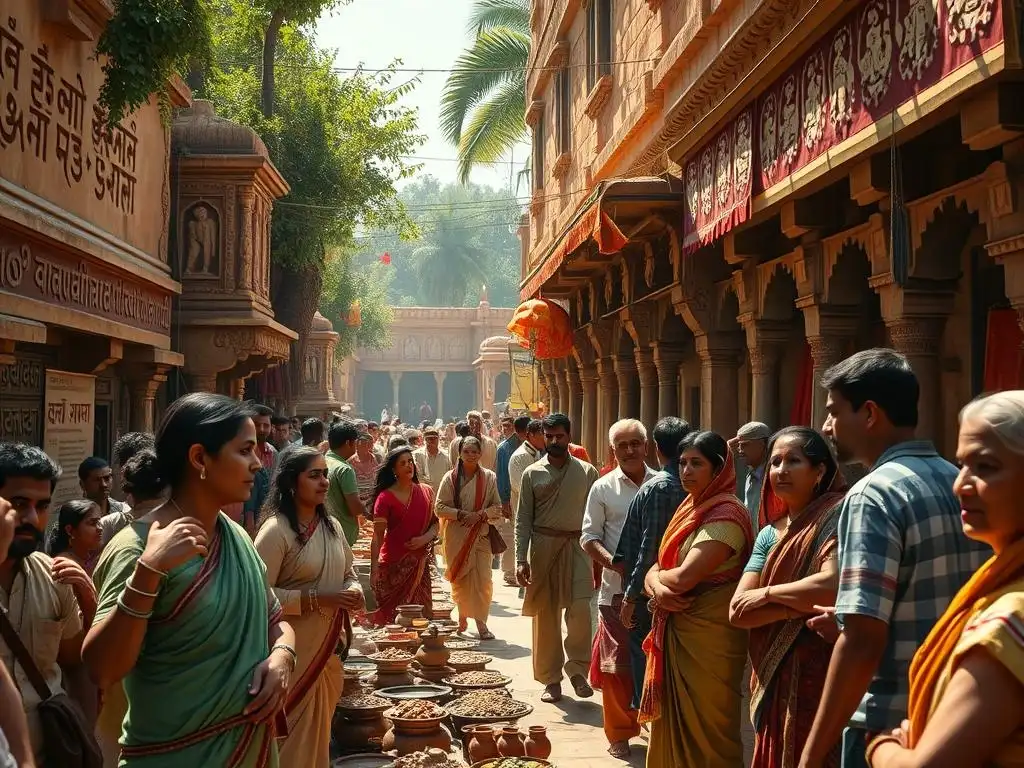
Welcome to Ancient India History, where we embark on an enthralling journey through the tapestry of time, unearthing the rich and diverse narratives that shaped one of the world's oldest civilizations. In our featured article, “Inscriptions as a Catalyst for Cultural Exchange in Ancient India,” we delve into the fascinating role that inscriptions played in fostering connections between various cultures and communities. What secrets do these ancient texts hold, and how did they influence the vibrant exchanges that defined the era?
Join us as we decipher the echoes of the past and unlock the mysteries of cultural exchange in ancient India. Your adventure into history awaits!
Introduction to Cultural Exchange in Ancient India
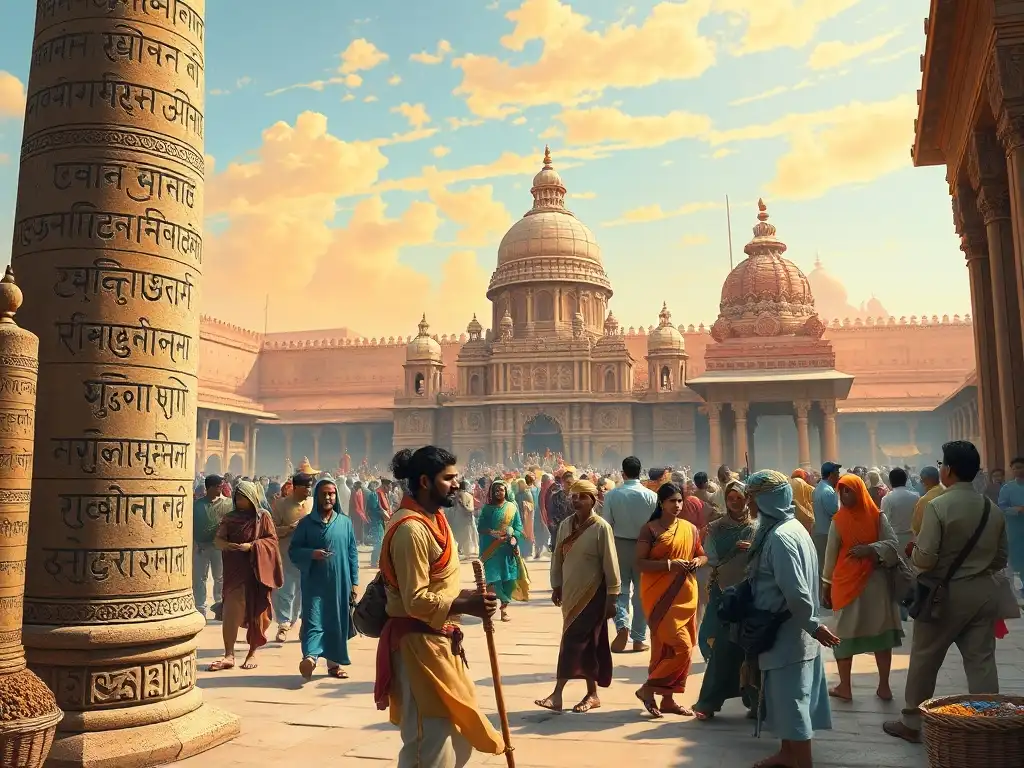
The history of ancient India is a tapestry woven with threads of diverse cultures, languages, and traditions that have significantly influenced one another over millennia. One of the most fascinating aspects of this rich historical narrative is the concept of cultural exchange, which refers to the mutual sharing and blending of ideas, practices, and values among different civilizations.
Inscriptions, as primary sources of historical data, serve as vital documents that not only provide insights into the socio-political landscape of ancient India but also highlight the intricate web of interactions between various cultures. This article delves into how inscriptions acted as catalysts for cultural exchange in ancient India, shedding light on their significance in documenting these interactions and their broader historical context.
Defining Cultural Exchange in Ancient Civilizations
Cultural exchange in ancient civilizations can be defined as the process through which different societies engage with one another, sharing aspects such as art, religion, technology, and governance. This exchange is often facilitated through trade, migration, conquest, and communication. For instance, in ancient India, interactions with neighboring regions such as Persia, Central Asia, and Southeast Asia led to a dynamic interchange of ideas and practices.
Key characteristics of cultural exchange include:
- Trade Relations: The exchange of goods often led to the sharing of cultural practices and beliefs.
- Migration and Settlement: Movements of people brought new customs and traditions into different regions.
- Conquests and Political Alliances: These often resulted in the imposition or blending of cultural elements.
Importance of Inscriptions in Documenting Cultural Interactions
Inscriptions play a crucial role in documenting the nuances of cultural interactions throughout history. They serve as tangible evidence of the thoughts, beliefs, and practices of ancient societies. From royal edicts to religious texts, inscriptions provide a wealth of information about how cultures influenced each other.
Some of the most notable contributions of inscriptions to our understanding of cultural exchange include:
- Language Development: The evolution of languages as seen in inscriptions showcases the blending of linguistic traditions.
- Religious Syncretism: Inscriptions often illustrate the merging of religious ideologies and practices.
- Artistic Influence: The styles and motifs reflected in inscriptions indicate cross-cultural artistic exchanges.
Historical Context of Inscriptions in Ancient India
Understanding the context in which inscriptions were created is essential to appreciate their role in cultural exchange. Ancient India was home to several significant civilizations, each contributing uniquely to the cultural landscape.
Overview of Major Ancient Indian Civilizations
The major ancient Indian civilizations that influenced cultural exchange include:
- Indus Valley Civilization (c. 2500–1900 BCE): Known for its advanced urban planning and trade networks.
- Maurya Empire (c. 322–185 BCE): Famous for its political unification and expansion under Ashoka, who promoted Buddhism through inscriptions.
- Gupta Empire (c. 240–550 CE): A golden age of arts and sciences, fostering cultural and intellectual exchange.
Each of these civilizations left behind a rich legacy of inscriptions that reflect their unique contributions to the broader narrative of cultural exchange.
The Role of Inscriptions in Ancient Indian Society
Inscriptions served multifaceted roles in ancient Indian society, acting as records of governance, religious practices, and social norms. They were often inscribed on stone, metal, or clay, making them durable records of cultural heritage.
Key roles of inscriptions include:
- Historical Documentation: Capturing events, decrees, and important societal changes.
- Cultural Preservation: Serving as a medium through which traditions, languages, and practices were recorded for posterity.
- Facilitating Communication: Inscriptions allowed for the dissemination of ideas and laws across vast regions, promoting a shared cultural identity.
The analysis of inscriptions in ancient India reveals their indispensable role as catalysts for cultural exchange, providing critical insights into the interactions that shaped one of the world's most vibrant historical tapestries. Through this exploration, we can better appreciate the complexities of ancient Indian societies and their enduring legacies.
Types of Inscriptions and Their Cultural Implications
Inscriptions serve as vital historical documents that reflect the multifaceted nature of cultural exchange in ancient India. These inscriptions can be categorized into three main types: religious, political, and commemorative. Each type not only provides insight into the practices and values of the time but also highlights the interactions between diverse cultural groups.
Religious Inscriptions: Promoting Spiritual Exchange
Religious inscriptions in ancient India often served as a medium for promoting spiritual exchange among various communities. These inscriptions typically include texts from sacred scriptures, prayers, and dedicatory phrases that were inscribed in temples, stupas, and other religious sites. For instance, the famous Sarnath Pillar Edicts of Ashoka reveal a commitment to the principles of non-violence and respect for all religions, thereby fostering an environment of spiritual tolerance.
These inscriptions facilitated the spread of religious ideas across regions, allowing different faiths to coexist and influence one another. The presence of multiple languages, such as Sanskrit, Prakrit, and Pali, in religious inscriptions also underscores the interactions between different linguistic and cultural groups, promoting a rich tapestry of spiritual exchange.
Political Inscriptions: Documentation of Diplomacy and Trade
Political inscriptions play a crucial role in documenting the intricate web of diplomacy and trade that characterized ancient India. These inscriptions often record treaties, alliances, and the establishment of trade routes, reflecting the political dynamics of various kingdoms. For example, the Rock Edicts of Ashoka not only convey messages of governance but also detail Ashoka's diplomatic relations with neighboring states, illustrating how political agendas influenced cultural interactions.
Moreover, these inscriptions frequently contain references to trade goods, economic exchanges, and the cultural practices of different regions, emphasizing how trade routes became conduits for cultural exchange. The evidence of interaction among different political entities through inscriptions showcases the interconnectedness of ancient Indian civilizations.
Commemorative Inscriptions: Celebrating Cultural Integration
Commemorative inscriptions serve to celebrate significant events, figures, and cultural milestones, thereby reinforcing the sense of identity and heritage within communities. These inscriptions often honor kings, heroes, and important achievements, acting as a testament to the values held by ancient societies. For example, the inscriptions found in the caves of Ellora and Ajanta celebrate artistic and architectural prowess, reflecting the cultural integration that occurred through patronage and collaboration among various artisans and scholars.
Such inscriptions highlight the contributions of diverse cultural groups, fostering a sense of shared history. They often reveal the blending of local customs with broader cultural influences, encapsulating the essence of cultural exchange in ancient India.
Notable Inscriptions That Highlight Cultural Exchange
Several significant inscriptions from ancient India exemplify the rich cultural exchanges that took place. These inscriptions not only document historical events but also reveal the interactions between different cultures, religions, and political entities.
The Edicts of Ashoka: A Model of Cultural and Religious Tolerance
The Edicts of Ashoka, inscribed during the reign of Emperor Ashoka (268-232 BCE), stand out as a remarkable example of promoting cultural and religious tolerance. These edicts, carved on pillars and rocks across the Indian subcontinent, advocate for ethical governance, respect for all religions, and the importance of compassion. Ashoka's commitment to spreading Buddhism while respecting other faiths exemplifies the potential of inscriptions to facilitate cross-cultural dialogue and understanding.
The edicts were written in multiple languages, including Brahmi and Kharosthi, which encouraged the dissemination of Ashoka’s messages across diverse linguistic communities, thereby enhancing cultural exchange.
Inscriptions from the Gupta Empire: Reflecting a Flourishing Culture
During the Gupta Empire (c. 320-550 CE), inscriptions flourished, reflecting a period of significant cultural and intellectual advancement. The inscriptions of Samudragupta, found in Prayaga (modern-day Allahabad), not only document his military conquests but also highlight the cultural interactions that resulted from these campaigns. They celebrate the integration of various ethnic groups and the promotion of the arts, science, and literature.
These inscriptions often reveal the patronage of scholars and artists, indicating a vibrant cultural milieu where ideas and artistic expressions transcended regional boundaries, further illustrating the dynamics of cultural exchange during this golden age.
Regional Inscriptions: Localized Cultural Interactions
Regional inscriptions provide insights into localized cultural interactions that often went unnoticed in broader historical narratives. These inscriptions, found in various regions across India, encapsulate the unique identities and interactions of local communities. For instance, inscriptions in Tamil Nadu often reflect the influence of Dravidian culture and language, while those in northern India might showcase the impact of Indo-Aryan traditions.
By studying regional inscriptions, historians can uncover the nuances of cultural exchange at the local level, revealing how different communities interacted through trade, marriage alliances, and shared religious practices. This localized documentation enriches our understanding of the vast and diverse cultural landscape of ancient India, highlighting the importance of both macro and micro-level interactions in shaping its history.
The Impact of Inscriptions on Trade and Diplomacy
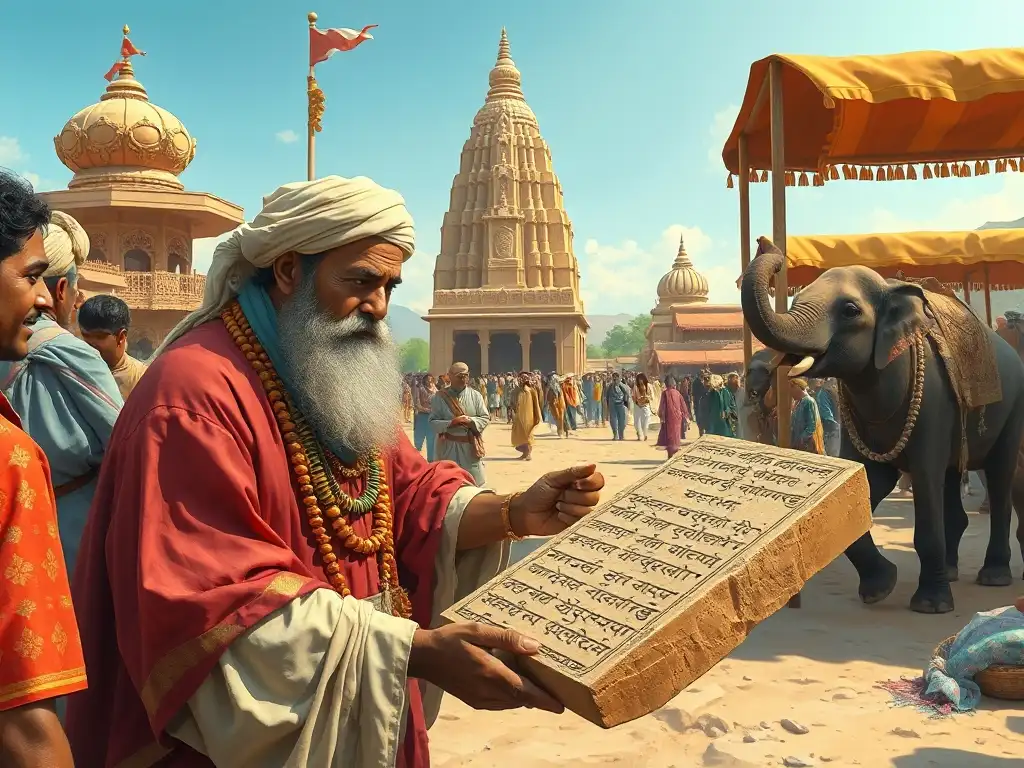
In ancient India, inscriptions served as vital instruments that facilitated trade and diplomacy. They were not merely records of transactions or treaties but also reflections of the socio-political landscape of the time. Through inscriptions, one can trace the intricate web of economic relationships and alliances that fostered cultural exchange across various regions. The language and script used in these inscriptions often reveal the degree of interaction between different cultures, as traders and diplomats adopted terms from one another's languages, enriching their own linguistic heritage.
Inscriptions also provided a means for rulers to communicate their policies and establish their authority over trade routes. They often contained edicts that regulated commerce, ensuring fair practices among traders. As a result, these inscriptions were instrumental in creating a stable environment conducive to trade, which in turn facilitated cultural exchanges. The dissemination of ideas, art, and religion often accompanied these trade interactions, making inscriptions a crucial link in understanding the dynamics of ancient Indian civilizations.
Trade Routes and Cultural Exchange Reflected in Inscriptions
The inscriptions from various ancient Indian dynasties frequently reference prominent trade routes that connected India with distant lands. These routes, such as the Silk Road and maritime passages to Southeast Asia, were not only conduits for goods but also for ideas and cultural practices. Inscriptions often documented the goods traded, such as spices, textiles, and precious stones, highlighting the economic importance of these exchanges.
Moreover, inscriptions reveal the multicultural interactions that occurred along these trade routes. For instance, they often mention foreign merchants, their countries of origin, and the languages they spoke. This linguistic diversity underscores the role of trade in promoting cultural exchange, as traders brought with them not only commodities but also their customs, beliefs, and artistic expressions. The inscriptions serve as historical evidence of how trade routes acted as melting pots of cultures, fostering a rich tapestry of shared traditions and innovations.
Diplomatic Relations and Their Representation in Ancient Inscriptions
Inscriptions also played a significant role in documenting diplomatic relations between ancient Indian kingdoms and foreign entities. Many inscriptions detail treaties, alliances, and gifts exchanged, which were crucial for maintaining peace and cooperation. They often include specific clauses that outline the terms of these agreements, reflecting the political strategies employed by rulers to secure their interests.
The representation of diplomatic missions in inscriptions highlights the formalization of relationships between different cultures. For example, inscriptions may mention envoys sent to distant kingdoms or the establishment of embassies, signifying a recognition of mutual respect and the desire for cooperation. Through these records, we can see how diplomacy contributed to cultural exchange by facilitating the movement of people and ideas across borders, enriching both societies involved.
Inscriptions as Evidence of Linguistic and Artistic Exchange
Inscriptions from ancient India provide invaluable insights into the linguistic and artistic exchanges that occurred due to cultural interactions. They reveal how languages evolved and adapted through contact with different cultures, as well as how artistic styles were influenced by these exchanges. The study of inscriptions helps unravel the complexities of ancient Indian society and its connections with neighboring regions.
Linguistic Diversity and Its Reflection in Inscriptions
The linguistic diversity of ancient India is vividly illustrated through inscriptions, which often feature multiple languages and scripts. For instance, inscriptions in Sanskrit, Prakrit, and regional dialects coexist, reflecting the multilingual nature of the society. This diversity was a direct result of cultural exchanges facilitated by trade and migration, as people from various linguistic backgrounds interacted and influenced one another.
Moreover, inscriptions frequently display borrowed words and phrases from different languages, indicating a rich tapestry of communication. This linguistic intermingling not only enriched the vocabulary of local languages but also contributed to the preservation of cultural identities. The presence of inscriptions in diverse languages highlights the significance of cultural exchange in shaping the linguistic landscape of ancient India.
Artistic Styles Influenced by Cultural Interactions Documented in Inscriptions
The artistic expressions found in ancient inscriptions are significant indicators of cultural exchange. Many inscriptions, particularly those found in temple complexes and sculptures, showcase styles that were influenced by neighboring cultures. For example, the blending of Hellenistic artistic elements with indigenous Indian styles can be observed in the sculptures from the time of the Indo-Greek kings.
Inscriptions often commemorate artistic achievements or the commissioning of works, revealing the patronage systems that supported artists and artisans. These records indicate how cultural interactions inspired new artistic techniques and motifs, leading to a fusion of styles that enriched the artistic heritage of ancient India. By examining these artistic inscriptions, we gain a deeper understanding of how cultural exchange shaped the visual landscape of the region, creating a legacy that resonates through time.
The Legacy of Inscriptions in Understanding Cultural Exchange
Inscriptions serve as invaluable artifacts that illuminate the intricate tapestry of cultural exchange in ancient India. These engravings, often found on stone and metal, encapsulate a wealth of information—ranging from religious beliefs to socio-political structures. By studying these inscriptions, researchers can trace the movement of ideas, trade practices, and cultural affinities across different regions and time periods. Inscriptions not only reflect local customs but also indicate interactions with neighboring civilizations, thus revealing the extent of cultural diffusion.
The legacy of inscriptions is particularly significant in understanding the impact of empires such as the Maurya and Gupta, which fostered extensive networks of communication and commerce. For instance, the edicts of Ashoka, inscribed throughout his empire, not only propagated Buddhist teachings but also showcased the interconnectedness of various cultural strands, promoting a sense of unity amid diversity. Through these channels of communication, the exchange of art, philosophy, and technology flourished, shaping the cultural landscape of ancient India.
Inscriptions as Historical Sources for Modern Researchers
Modern researchers regard inscriptions as primary historical sources that provide direct insights into the lives and beliefs of ancient people. Unlike literary texts, which may be subject to interpretation and bias, inscriptions offer a more straightforward account of historical events, societal norms, and administrative practices. This authenticity enhances their value in reconstructing historical narratives.
For instance, the rock edicts of Ashoka not only convey his policies on governance and morality but also illustrate the dissemination of Buddhism across Asia. Additionally, inscriptions found in various archaeological sites often include multilingual scripts, demonstrating the linguistic diversity and cultural intermingling of the time. Such discoveries enable scholars to explore the dynamics of cultural exchange, migration patterns, and trade connections, enriching our understanding of ancient Indian history.
The Role of Inscriptions in Reviving Interest in Cultural Heritage
Inscriptions play a pivotal role in reviving interest in cultural heritage, both within India and globally. They serve as tangible links to the past, inspiring contemporary society to appreciate and preserve its historical roots. Efforts to document and digitize inscriptions have led to increased accessibility for researchers and the general public, fostering a renewed interest in ancient cultures.
Moreover, educational initiatives that highlight the significance of inscriptions in cultural exchange have led to a greater appreciation of the diversity that characterizes Indian heritage. Museums and cultural institutions are increasingly incorporating inscriptions into their exhibits, providing context and engaging narratives that highlight their historical importance. By promoting awareness of inscriptions, these efforts contribute to a collective understanding of cultural identity and continuity.
Conclusion: The Enduring Influence of Inscriptions on Cultural Exchange in Ancient India
The enduring influence of inscriptions on cultural exchange in ancient India is profound. They serve not only as records of historical events but also as reflections of the dynamic interactions between diverse cultures. Through their study, we gain insight into the values, beliefs, and practices that shaped the ancient Indian world, revealing how cultural exchange has been a continuous thread throughout history.
Summary of Key Points on Cultural Exchange
- Inscriptions are critical historical sources that document cultural interactions and exchanges in ancient India.
- They provide insights into the social, political, and religious dimensions of life in various ancient societies.
- The study of inscriptions highlights the interconnectedness of different regions and cultures, showcasing the rich tapestry of cultural exchange.
- Modern efforts to preserve and promote inscriptions foster an appreciation for cultural heritage and identity.
Reflection on the Importance of Preserving Ancient Inscriptions
Preserving ancient inscriptions is crucial for maintaining a connection to our past. These artifacts not only represent the historical narrative of ancient civilizations but also embody the cultural identities that have evolved over millennia. As modern society grapples with issues of globalization and cultural homogenization, the preservation of inscriptions becomes increasingly vital to ensure that the unique voices of ancient communities are not lost.
Investing in the conservation of inscriptions allows future generations to explore their heritage and understand the foundations of cultural exchange that have shaped contemporary society. By valuing and protecting these inscriptions, we affirm the importance of diversity and the shared human experience that transcends time and geography.
- Introduction to Cultural Exchange in Ancient India
- Historical Context of Inscriptions in Ancient India
- Types of Inscriptions and Their Cultural Implications
- Notable Inscriptions That Highlight Cultural Exchange
- The Impact of Inscriptions on Trade and Diplomacy
- Inscriptions as Evidence of Linguistic and Artistic Exchange
- The Legacy of Inscriptions in Understanding Cultural Exchange
- Conclusion: The Enduring Influence of Inscriptions on Cultural Exchange in Ancient India
- What role did inscriptions play in cultural exchange in ancient India?
- How did inscriptions influence trade in ancient India?
- What types of inscriptions are found in ancient India?
- Can you provide examples of cultures that influenced ancient India through inscriptions?
- How did the Gupta Empire contribute to cultural exchange through inscriptions?
Frequently Asked Questions
What role did inscriptions play in cultural exchange in ancient India?
Inscriptions served as primary sources that documented historical events and societal norms, facilitating communication and cultural exchange between diverse communities.
How did inscriptions influence trade in ancient India?
Inscriptions often recorded trade agreements and local regulations, promoting economic interactions and enhancing cultural ties between traders from different regions.
What types of inscriptions are found in ancient India?
Ancient Indian inscriptions included religious texts, royal decrees, and commemorative records, each contributing to the understanding of cultural practices and interactions of the time.
Can you provide examples of cultures that influenced ancient India through inscriptions?
Inscriptions reveal influences from cultures such as the Persians, Greeks, and Central Asians, showcasing a fusion of ideas and practices that shaped Indian civilization.
How did the Gupta Empire contribute to cultural exchange through inscriptions?
The Gupta Empire's patronage of inscriptions promoted the arts and literature, leading to a flourishing of cultural exchanges that enriched both local and foreign traditions.
Final Reflection: The Enduring Legacy of Cultural Exchange in Ancient India
Cultural exchange in ancient India serves as a testament to the profound interconnectedness of civilizations, illustrating how the sharing of ideas, art, and traditions can shape societies across time. Today, as we navigate an increasingly globalized world, the lessons from ancient India's vibrant exchanges remind us of the importance of dialogue and understanding among diverse cultures. The past is not merely a collection of events; it is a living narrative that continues to influence our interactions and perceptions.
The impact of cultural exchange in ancient India resonates deeply within our contemporary social landscape. From the intricate designs of Indian art to the philosophical teachings that have transcended borders, the legacy of these exchanges is evident in our daily lives. As we explore the rich tapestry of history, we realize that "the greatest gift of culture is the ability to connect with others, transcending time and space." > This quote encapsulates the essence of cultural exchange, reminding us that our shared humanity is enriched by the stories and traditions we inherit from those who came before us.
As we reflect on the significance of cultural exchange in ancient India, I invite you to consider how you can foster connections in your own life. Engage with different cultures, share your own stories, and embrace the diversity that surrounds you. By doing so, we not only honor the legacy of our ancestors but also contribute to a future where understanding and collaboration thrive. Let the lessons of the past inspire you to be a catalyst for cultural exchange in your community, creating a world that celebrates the beauty of our shared heritage.
Ignite Your Curiosity: Dive Deeper into Ancient Cultural Exchanges!
Thank you for journeying with us through the fascinating world of inscriptions and their powerful role in cultural exchange in ancient India. We hope you enjoyed uncovering insights about how these ancient texts helped shape diverse interactions throughout history. Now, it’s time to explore the richness of this topic further!
Take the next step by trying out these engaging actions:
- Dive into our recommended readings on ancient inscriptions to enhance your understanding of their impact.
- Share your thoughts in the comments below about which inscription you find most captivating and why.
- Connect with fellow history enthusiasts on our social media platforms and discuss how inscriptions continue to influence modern cultures.
What unique perspectives do you think inscriptions offer to today’s cultural exchanges? Let’s start the conversation!