
Yajurveda: The Art of Sacrifice and Its Spiritual Significance

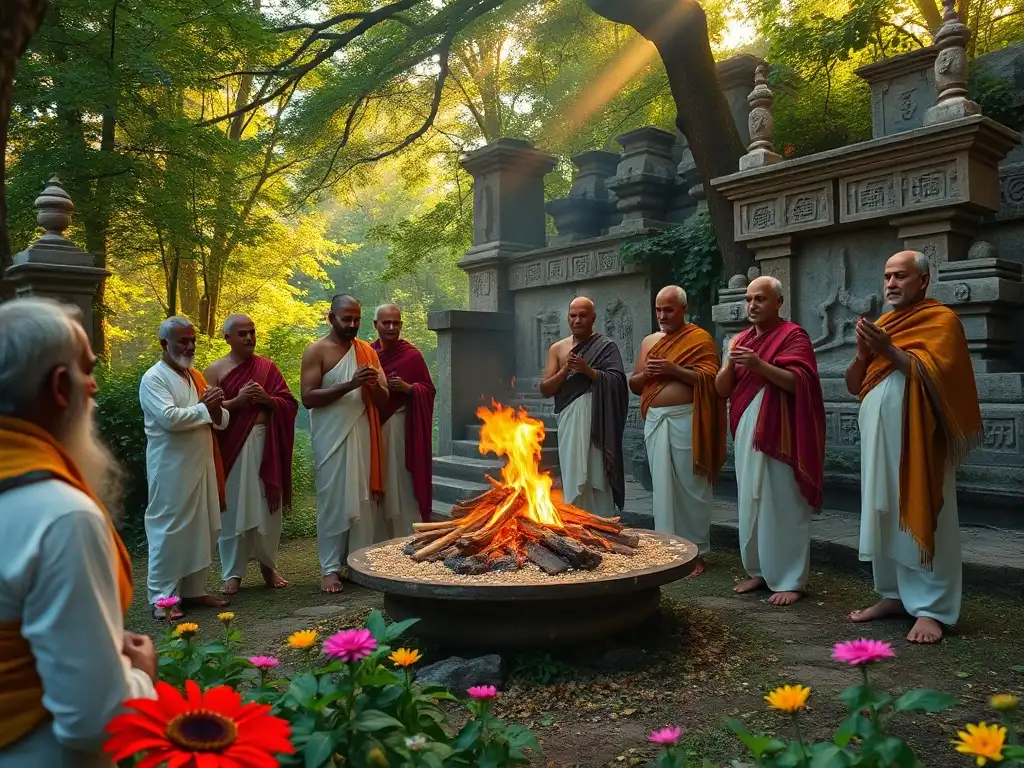
Welcome to Ancient India History, where we delve into the remarkable tapestry of India's past, rich in culture, wisdom, and monumental achievements. In this journey, we invite you to explore the profound spiritual significance of the Yajurveda—a sacred text that intricately weaves together the art of sacrifice and the essence of ancient rituals. As you navigate through the depths of this article, prepare to uncover the layers of meaning behind the Yajurveda and its lasting impact on the spiritual landscape of ancient Indian religions. Your voyage into this fascinating realm of history starts now—let curiosity guide you!
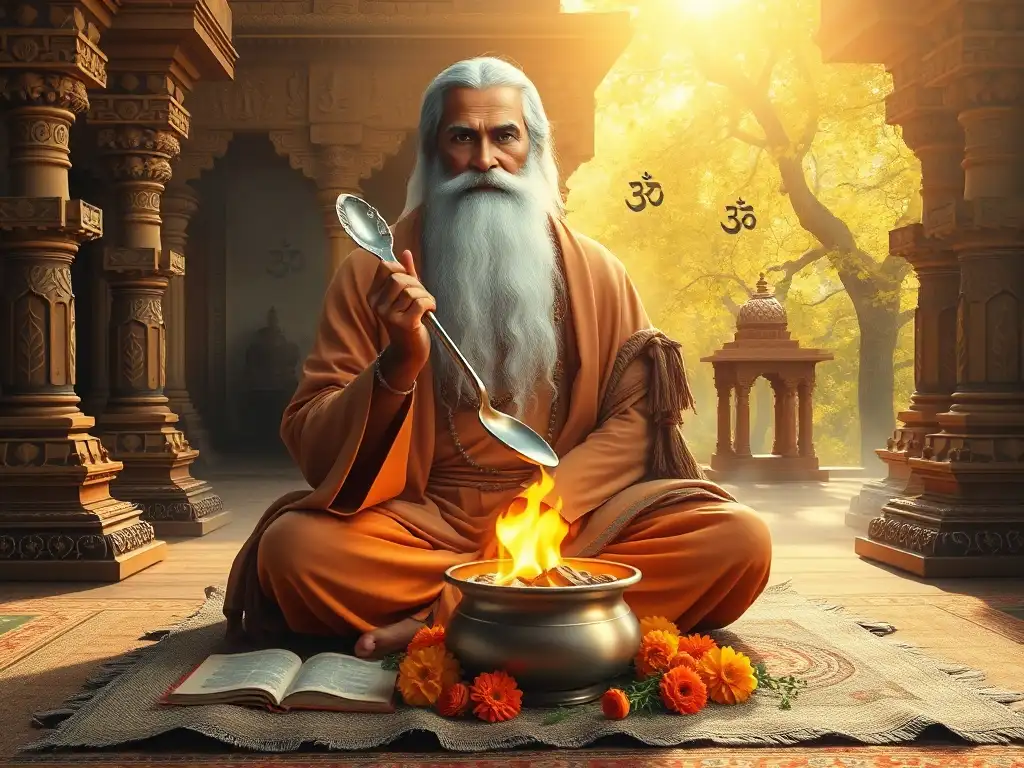
The Yajurveda, one of the oldest sacred texts of Hinduism, serves as a vital link between ritual practices and spiritual understanding. As part of the Vedic literature, it encapsulates the intricate relationship between sacrifice (Yajna) and spiritual elevation, offering profound insights into the rituals that were central to ancient Indian society.
This article delves into the history, spiritual significance, and the integral role of the Yajurveda within the broader context of ancient Indian scriptures and practices. By exploring its origins, development, and the historical figures associated with it, we aim to shed light on how this revered text has influenced not only religious practices but also the cultural fabric of ancient India.
Introduction to Yajurveda
Overview of the Vedas and Their Importance in Hinduism
The Vedas, comprising four main texts— Rigveda, Samaveda, Yajurveda, and Atharvaveda—are considered the foundational scriptures of Hinduism. They hold immense significance as they provide the philosophical and ritualistic framework for various Hindu practices. Each Veda serves a distinct purpose:
- Rigveda: Primarily focuses on hymns and praises to deities.
- Samaveda: Centers on melodies and chants used in rituals.
- Yajurveda: Contains prose mantras and instructions for sacrifices.
- Atharvaveda: Deals with everyday life and practical knowledge.
The Yajurveda stands out for its emphasis on the art of sacrifice, where the performance of rituals is believed to connect the material world with the divine, fostering cosmic harmony and spiritual progress.
The Role of Yajurveda in Ancient Indian Scriptures
The Yajurveda plays a crucial role in ancient Indian scriptures by providing a detailed compilation of sacrificial formulas, which are crucial for conducting Yajnas or fire sacrifices. These rituals were not merely ceremonial; they were viewed as acts of cosmic significance that could influence the natural and divine realms. The text bridges the gap between the theoretical aspects of sacrifice found in the Rigveda and the practical applications detailed in the Brahmanas, making it essential for understanding the ritualistic dimensions of Vedic traditions.
Historical Context of Yajurveda
Origins and Development of Yajurveda
The origins of the Yajurveda can be traced back to around 1200-900 BCE during the later Vedic period. It reflects a time when ritual practices began to evolve with more structured guidelines and detailed instructions for conducting sacrifices. The Yajurveda is divided into two main branches: the Shukla Yajurveda (White Yajurveda) and the Krishna Yajurveda (Black Yajurveda), each containing different texts and interpretations of rituals. This division signifies the diversification of Vedic thought and practice as various schools of thought emerged, adapting the core principles of Yajurveda to their unique cultural contexts.
Key Historical Figures Associated with Yajurveda
Throughout its history, several key figures have contributed to the preservation and interpretation of the Yajurveda. Notable among them are:
- Yajnavalkya: A prominent sage who is often credited with significant philosophical contributions to the Yajurveda.
- Patanjali: Known for his work in codifying the teachings of the Yajurveda, which influenced subsequent philosophical discourse.
These individuals, among others, helped to shape the spiritual significance of the Yajurveda, ensuring its relevance and continuity through centuries of Indian history. Their interpretations and teachings have allowed the Yajurveda to remain a vital part of Hindu ritual and spirituality, highlighting the enduring legacy of this ancient text.
The Concept of Sacrifice in Yajurveda
The Yajurveda, one of the four Vedas in Hindu tradition, places a significant emphasis on the concept of sacrifice, or "Yajna." This ancient scripture serves as a manual for rituals and sacrifices, articulating detailed instructions on how to perform these sacred acts. At its core, the concept of sacrifice in Yajurveda transcends mere ritualistic practices; it embodies a deep spiritual philosophy that connects practitioners to the cosmos, the divine, and the underlying principles of existence.
Sacrifice in the Yajurveda is seen as a means of maintaining cosmic order (Rta) and establishing harmony between the material and spiritual realms. The sacrifices are not just offerings to the deities but are also viewed as an essential process for personal transformation and purification. By engaging in these rituals, individuals seek to cultivate a sense of unity with the universe while acknowledging their role in sustaining natural order.
Definition of Yajna: The Ritual of Sacrifice
Yajna, derived from the Sanskrit root "yaj," meaning "to worship" or "to sacrifice," refers to the ritualistic act of offering oblations into the sacred fire (Agni) as a means of honoring the gods and seeking their blessings. This ritual is a cornerstone of Vedic spirituality, encapsulating the relationship between humans and the divine.
In practical terms, Yajna involves several key elements:
- Agni (Fire): The sacred fire acts as a medium through which offerings are communicated to the deities. It symbolizes purity and transformation.
- Oblations (Havis): Various substances such as ghee, grains, and herbs are offered to Agni, representing both material and spiritual sustenance.
- Mantras: Recitation of specific Vedic hymns (mantras) accompanies the offerings, invoking divine energies and enhancing the potency of the sacrifice.
Yajna is not only a communal practice but also a deeply personal one, as it fosters a sense of devotion and reverence in the practitioner. By participating in Yajna, individuals reaffirm their commitment to dharma (righteousness) and the interconnectedness of all life.
Types of Sacrifices Explained in Yajurveda
The Yajurveda delineates various types of sacrifices, each serving distinct purposes and embodying different spiritual significances. Some of the prominent types include:
- Soma Yajna: This sacrifice involves the offering of the Soma plant, believed to confer immortality and divine insight. It typically includes elaborate rituals and is associated with the lunar deity.
- Agnihotra: A daily fire ritual dedicated to Agni, performed at dawn and dusk. It aims to purify the environment and invoke blessings for health and prosperity.
- Ashvamedha: Known as the horse sacrifice, this grand ritual was performed by kings to establish their supremacy and legitimacy. It involved the release of a consecrated horse to roam freely, symbolizing sovereignty over territories.
- Rajasuya: A royal sacrifice that marked a king's ascension to power, involving multiple rituals over several days, emphasizing the importance of governance and order in society.
Each type of sacrifice outlined in the Yajurveda highlights different aspects of life, from personal welfare to societal harmony, reflecting the multifaceted nature of spirituality within the Vedic tradition.
Spiritual Significance of Yajurveda
The spiritual significance of the Yajurveda extends far beyond its ritualistic framework. It serves as a guiding philosophy for practitioners, shaping their understanding of life, duty, and the cosmos. The teachings encapsulated within the Yajurveda encourage individuals to see sacrifice as a path to spiritual enlightenment and self-realization.
Through the act of performing Yajna, devotees engage in a transformative process where the mundane is elevated to the sacred. This sacredness fosters a deeper connection to the divine and cultivates virtues such as selflessness, devotion, and humility.
How Yajurveda Shapes Spiritual Practices
Yajurveda significantly influences modern spiritual practices within Hinduism. The principles derived from its teachings inspire various forms of worship, meditation, and community gatherings. By incorporating Yajna into daily life, practitioners cultivate a sense of discipline and devotion, reinforcing their commitment to spiritual goals.
Moreover, the teachings of the Yajurveda emphasize the importance of intention behind the actions performed. This understanding encourages practitioners to approach their spiritual journeys with mindfulness and sincerity, recognizing that the quality of one’s inner state greatly affects the outcome of their sacrifices.
The Connection Between Sacrifice and Spiritual Growth
The connection between sacrifice and spiritual growth in the context of the Yajurveda can be seen as a profound journey towards self-awareness and enlightenment. Engaging in acts of sacrifice nurtures a sense of detachment from material possessions and ego, facilitating personal growth and transformation.
By participating in Yajna, individuals learn to let go of selfish desires and cultivate a spirit of generosity and altruism. This shift in perspective is essential for spiritual development, as it aligns the practitioner with higher values and universal truths. Ultimately, the Yajurveda teaches that through sacrifice, one can transcend the limitations of the self and experience a profound connection to the divine, leading to greater spiritual fulfillment and understanding.
Yajurveda's Influence on Hindu Rituals
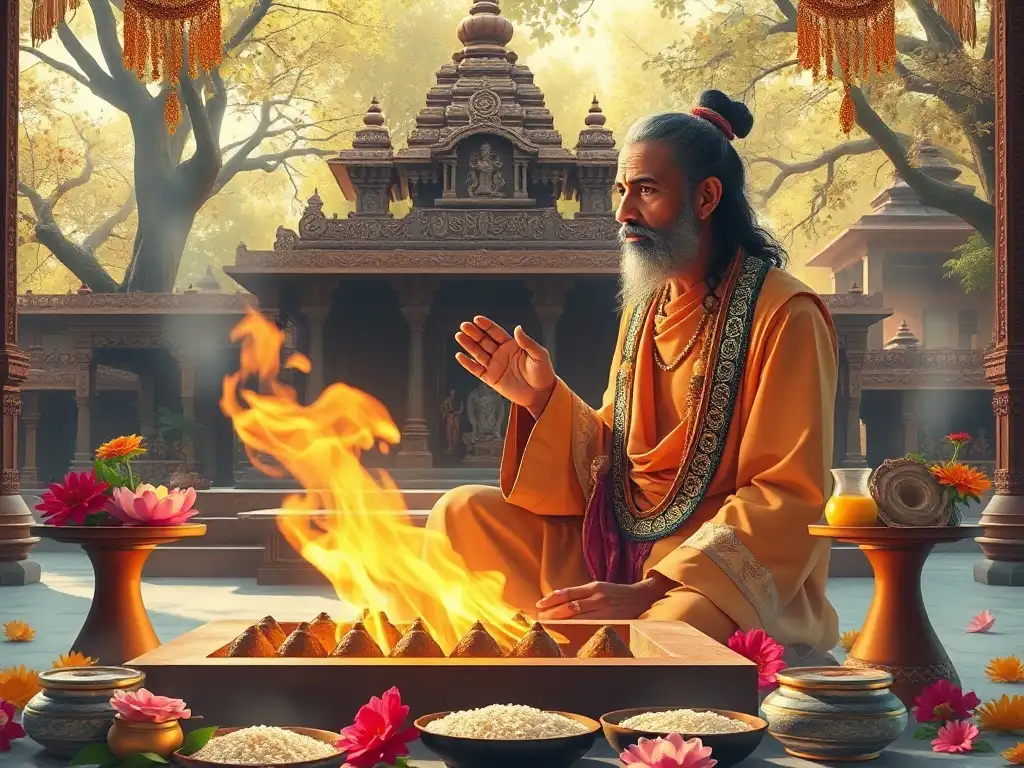
The Yajurveda plays a crucial role in shaping the rituals and ceremonies that form the backbone of Hindu worship. As one of the four Vedas, its primary focus on sacrificial rites has established it as an essential scripture in the execution of yajnas (sacrificial offerings). The text outlines the procedures, mantras, and intentions behind various rituals, emphasizing the significance of the ritual act in connecting the devotee with the divine.
The Yajurveda's influence extends to a wide range of practices, from domestic rituals to large-scale public ceremonies. For instance, it provides detailed instructions for performing the Agnihotra, a fire sacrifice that is considered vital for maintaining cosmic order and personal purification. This practice, along with others derived from the Yajurveda, symbolizes the belief that through sacrifice, one can achieve spiritual merit and harmony with the universe.
Moreover, the Yajurveda's teachings are not static; they have evolved over time, influencing various sects and traditions within Hinduism. Its integration into local customs and rituals showcases the adaptability of its teachings and their enduring relevance in contemporary Hindu worship.
Integration of Yajurveda in Modern Hindu Worship
In modern Hindu worship, the principles and practices derived from the Yajurveda continue to be pivotal. Many contemporary rituals, such as weddings, housewarming ceremonies, and festivals, incorporate mantras and practices that trace their origins back to the Yajurveda. This integration highlights the text's ongoing relevance, as it provides a framework for spiritual expression and communal participation.
For example, during wedding ceremonies, specific verses from the Yajurveda are recited to invoke blessings for the couple. Similarly, in various festivals, rituals are performed that align with the Yajurvedic guidelines, ensuring that the spiritual essence of the rituals is maintained. The modern-day practitioners often emphasize the need for adherence to these ancient texts, viewing them as a means to connect with their cultural heritage and spiritual roots.
Additionally, the Yajurveda's teachings regarding sacrifice and offerings are often interpreted metaphorically in contemporary contexts, reflecting a shift from literal interpretations to deeper spiritual understandings. This evolution allows practitioners to find personal meaning in the rituals while still honoring the traditional practices established by the Vedic texts.
Comparative Analysis with Other Vedic Texts
When comparing the Yajurveda with other Vedic texts, such as the Rigveda and the Samaveda, distinct differences and similarities emerge that highlight its unique contributions to Vedic literature. The Rigveda primarily focuses on hymns and praises to deities, while the Samaveda is more concerned with the melodic aspects of chanting during rituals. In contrast, the Yajurveda serves as a guide for the practical execution of sacrificial rites, emphasizing the procedural elements necessary for successful worship.
One notable feature of the Yajurveda is its dual structure. It contains both prose and verse formats, enabling a detailed explanation of rituals alongside the actual mantras used. This structure differentiates it from the more purely poetic form of the Rigveda and the song-like elements of the Samaveda. Furthermore, the Yajurveda’s emphasis on ritual precision illustrates the importance of intention and method in the performance of sacrifices, a theme that is less pronounced in the other Vedic texts.
In terms of spiritual significance, while all Vedic texts contribute to the understanding of dharma, the Yajurveda uniquely stresses the transformative power of ritual as a means of attaining spiritual goals. This focus on ritualistic practice creates a practical pathway for devotees seeking to engage with the divine, contrasting with the more philosophical inquiries found in the Upanishads.
Philosophical Teachings of Yajurveda
The Yajurveda is not solely a manual for rituals; it also harbors profound philosophical teachings that explore the relationship between the individual and the cosmos. Its verses often reflect on the nature of sacrifice, the importance of intent, and the cosmic order that governs existence. By emphasizing the connection between the material act of sacrifice and spiritual outcomes, the Yajurveda provides insights into the significance of action (karma) in the pursuit of spiritual growth.
Philosophically, the Yajurveda encourages practitioners to view their actions as offerings to the divine, promoting the idea that even mundane activities can be transformed into spiritual practices. This concept is foundational in Hindu philosophy, where the intention behind actions is as important as the actions themselves. By cultivating a mindset of offering, individuals can align their lives with higher spiritual principles.
Key Philosophical Concepts Presented in Yajurveda
Several key philosophical concepts are presented within the Yajurveda that continue to resonate in contemporary Hindu thought. One significant idea is the notion of sacrifice ( yajna) as a fundamental principle of creation and sustenance. The text illustrates that the universe itself is born from sacrifice, suggesting that all existence is interconnected through acts of giving and receiving.
Another important concept is the relationship between rita (cosmic order) and dharma (moral duty). The Yajurveda teaches that performing duties in accordance with the cosmic order leads to harmony and balance within the universe. This interconnectedness emphasizes the responsibility of individuals to act righteously, underpinning the ethical dimensions of Vedic philosophy.
The text also introduces the idea of Brahman, the ultimate reality, often linking it to the ritualistic practices. By engaging in sacrifices, practitioners are believed to align themselves with Brahman, thereby achieving spiritual liberation ( moksha). This connection between ritual actions and the realization of the absolute truth is a profound teaching that continues to influence Hindu philosophy today.
The Relationship Between Yajurveda and Upanishadic Thought
The relationship between the Yajurveda and Upanishadic thought represents a critical transition in Vedic literature from ritualistic practices to philosophical exploration. While the Yajurveda focuses on the mechanics of rituals, the Upanishads delve into the underlying principles and metaphysical questions that arise from these practices. This shift marks the evolution of Hindu thought, where rituals serve not merely as acts of worship but as tools for understanding the nature of existence and the self.
The Upanishads, in many ways, can be seen as a commentary on the ideals expressed in the Yajurveda, interpreting the significance of sacrifice in a broader philosophical context. For instance, the Upanishads often explore the symbolism of sacrifice as a metaphor for the spiritual journey, where the material offerings made in rituals reflect the ultimate surrender of the self to the divine.
Moreover, the Yajurveda's emphasis on the proper execution of rituals complements the Upanishadic teachings about the importance of knowledge and meditation. Together, they create a holistic framework for spiritual practice, where external rituals and internal contemplation coalesce into a cohesive spiritual path. This relationship highlights the dynamic interplay between action and knowledge, ultimately guiding practitioners toward spiritual enlightenment.
Conclusion
The Yajurveda stands as a monumental text within the Vedic literature, encapsulating the profound spiritual significance and historical contributions of ancient Indian civilization. Through its intricate rituals and sacrifices, it not only serves as a guide for conducting ceremonies but also embodies the essence of devotion, discipline, and the pursuit of spiritual knowledge. The Yajurveda's teachings resonate through time, influencing various aspects of Hindu philosophy, ritual practice, and cultural identity.
Summary of Yajurveda's Historical and Spiritual Contributions
Historically, the Yajurveda provides insight into the religious practices and societal norms of ancient India. It reflects the evolution of Vedic rituals and the transition from mere offerings to a deeper understanding of sacrifice as a means of attaining spiritual liberation. Its verses articulate the relationship between humans and the divine, emphasizing the importance of intention and purity in rituals.
Spiritually, the Yajurveda introduces the concept of sacrifice (yajna) as a transformative act that fosters harmony between the material and spiritual realms. It teaches that through selfless offerings, individuals can attain a higher state of consciousness and connect with the universal spirit. The text also lays the groundwork for subsequent philosophical developments in Hinduism, influencing the Upanishads and later spiritual discourses.
Reflection on the Modern Relevance of Yajurveda in Hinduism
In contemporary Hindu practice, the Yajurveda continues to hold significant importance. Its rituals and teachings are integral to various ceremonies, such as weddings, funerals, and festivals, illustrating the text's enduring legacy. Modern practitioners often seek to understand the principles of sacrifice in a broader, metaphorical sense, focusing on the values of selflessness, community service, and spiritual growth.
Furthermore, the Yajurveda serves as a reminder of the interconnectedness of all life, encouraging individuals to engage in actions that promote peace and harmony. As society grapples with challenges such as environmental degradation and social injustice, the Yajurveda's teachings on sacrifice and duty provide a timeless framework for ethical living and spiritual fulfillment.
References
Suggested Readings on Yajurveda and Vedic Literature
- "The Yajurveda: A New Translation": - This book offers a contemporary interpretation of the text, making it accessible to modern readers.
- "Vedic Sacrifices: Their Historical Significance": - A comprehensive study on the role of sacrifices in Vedic traditions and their implications for contemporary spirituality.
- "Exploring the Vedas: Insights into Ancient Indian Philosophy": - This text examines the broader context of the Vedas, including the Yajurveda, and their impact on Indian thought.
Important Texts for Further Exploration of Yajurveda's Significance
- "The Taittiriya Samhita" - A companion text to the Yajurveda that provides additional context on rituals and ceremonies.
- "The Upanishads" - Essential reading for understanding the philosophical underpinnings that follow the ritualistic practices of the Yajurveda.
- "Yajurveda: The Rituals and Their Meanings": - A detailed analysis of the rituals prescribed in the Yajurveda and their spiritual implications.
Through these readings, one can gain a deeper appreciation for the Yajurveda's historical significance and its enduring relevance in the spiritual landscape of Hinduism.
- Introduction to Yajurveda
- Historical Context of Yajurveda
- The Concept of Sacrifice in Yajurveda
- Spiritual Significance of Yajurveda
- Yajurveda's Influence on Hindu Rituals
- Philosophical Teachings of Yajurveda
- Conclusion
- References
- What is the Yajurveda and its significance in ancient Indian culture?
- How did the Yajurveda influence ancient Indian rituals?
- What are the main themes discussed in the Yajurveda?
- How does the Yajurveda relate to the Indus Valley civilization?
- What is the relevance of the Yajurveda in modern spiritual practices?
Frequently Asked Questions
What is the Yajurveda and its significance in ancient Indian culture?
The Yajurveda is one of the four Vedas, containing hymns and rituals primarily focused on sacrifice (Yajna). Its teachings emphasize spiritual significance and the importance of rituals in connecting with the divine.
How did the Yajurveda influence ancient Indian rituals?
The Yajurveda provided detailed guidelines for performing sacrificial rituals, thus playing a crucial role in ancient Indian spiritual practices. These rituals were believed to enhance spiritual merit and foster harmony between the earthly and divine realms.
What are the main themes discussed in the Yajurveda?
The Yajurveda covers themes like sacrifice, devotion, and the nature of the cosmos. It explores the relationship between human actions and their spiritual consequences, highlighting the interconnectedness of life.
How does the Yajurveda relate to the Indus Valley civilization?
While the Yajurveda itself emerged later, its spiritual and ritualistic elements likely have roots in the cultural practices of the Indus Valley civilization, reflecting an evolution of spiritual thought over time.
What is the relevance of the Yajurveda in modern spiritual practices?
Today, the Yajurveda continues to be studied and performed in various spiritual ceremonies. Its teachings help individuals understand the importance of sacrifice and devotion, enriching modern spiritual experiences.
Final Reflection: The Enduring Legacy of Yajurveda's Spiritual Significance
The teachings of the Yajurveda resonate profoundly in today's world, reminding us of the intricate connection between sacrifice and spirituality. In an era marked by rapid change and material pursuits, the principles embedded in the Yajurveda encourage us to reflect on our actions and their impact on the greater cosmos. The art of sacrifice, as articulated in this ancient text, is not merely a ritualistic practice but a pathway to understanding our place in the universe and the divine forces that govern it.
Culturally and socially, the Yajurveda continues to shape our understanding of spirituality and community. Its teachings inspire a sense of unity and purpose, urging individuals to transcend personal desires for the collective good. Sacrifice is the essence of all spiritual practices; it is the bridge that connects the individual to the universal.
This perspective invites us to consider how our daily choices can contribute to a more harmonious existence, fostering a deeper appreciation for the interconnectedness of life.
As we reflect on the lessons of the Yajurveda, let us embrace the call to integrate its wisdom into our lives. Consider how you can embody the spirit of sacrifice in your own journey—whether through acts of kindness, selflessness, or a commitment to the greater good. By doing so, we not only honor the rich history of the Yajurveda but also pave the way for a future where spirituality and community thrive in harmony.
Embark on Your Spiritual Journey Today!
Thank you for taking the time to explore the profound teachings of the Yajurveda and uncover the art of sacrifice. By understanding its spiritual significance, you've opened a gateway to enriching your own life and practices. Now, let’s transform that newfound knowledge into action!
- Start a daily practice of meditation or reflection inspired by Yajurvedic principles to deepen your spiritual connection.
- Join a local study group or community focused on ancient texts to engage with others and share insights—your perspective could spark enlightening conversations!
- Consider volunteering for a cause that embodies the spirit of sacrifice taught in the Yajurveda; it's a powerful way to apply these teachings in today's world.
How will you integrate the wisdom of the Yajurveda into your daily life and community?