
The Ramayana's Portrayal of Divine Intervention and Miracles

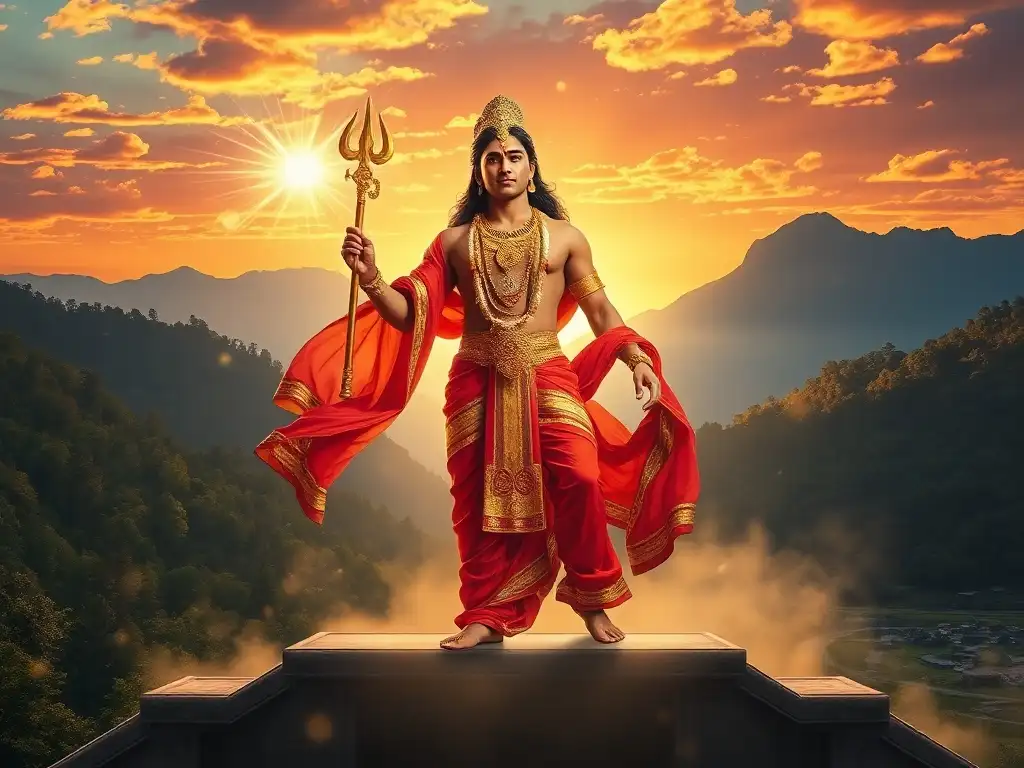
Welcome to Ancient India History, where we embark on a fascinating journey through the tapestry of India's rich and diverse past. In this haven of knowledge, we delve into the epic narratives and cultural treasures that shaped ancient civilizations. Today, we invite you to uncover the profound insights of the Ramayana's portrayal of divine intervention—a theme that resonates through the ages.
What miracles and cosmic forces guided the heroes of this legendary tale? Join us as we analyze these divine interactions and explore their significance in the context of ancient Indian literature. Prepare to be captivated and inspired as you dive deeper into the world of epic stories and their timeless messages!
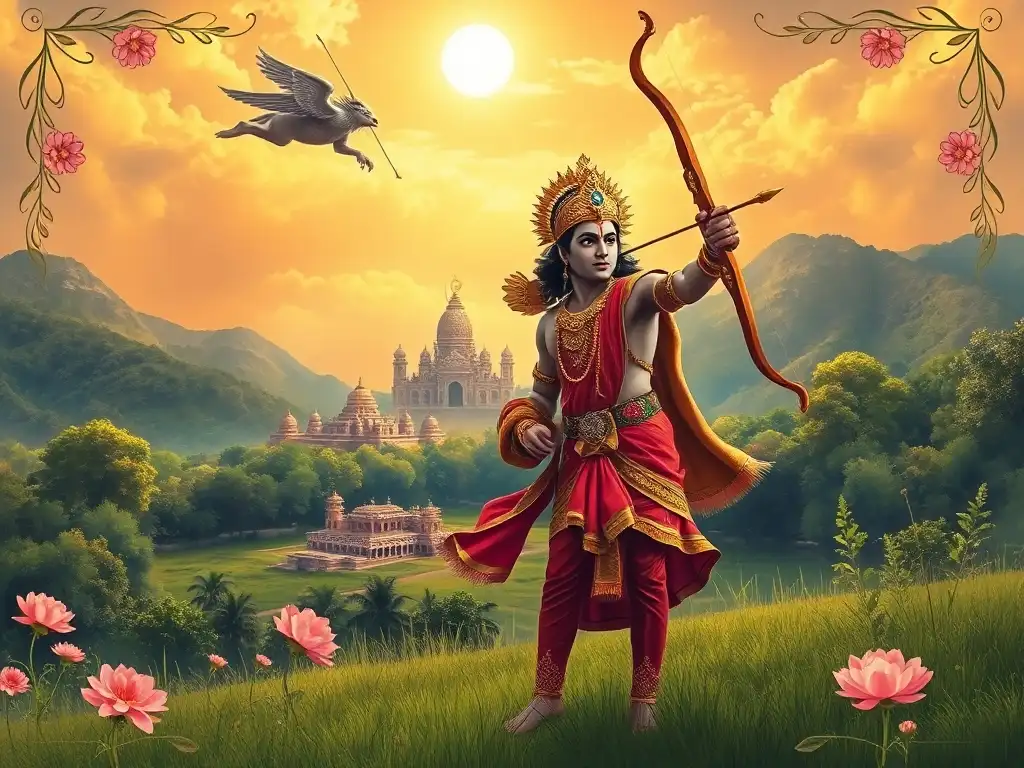
The Ramayana stands as one of the most revered epics in ancient Indian literature, weaving a narrative that not only entertains but also enriches the spiritual and moral fabric of its readers. Delving into the intricate tapestry of the Ramayana reveals profound insights into the theme of divine intervention, a recurrent motif that underscores the relationship between the divine and the mortal realm.
This article aims to provide an in-depth analysis of how divine intervention is depicted throughout the epic, highlighting its significance and the miracles that shape the journey of its characters. By exploring these elements, we will uncover the essential role that divine forces play in guiding, protecting, and empowering the protagonists, ultimately reflecting the broader philosophical and cultural values of ancient India.
Introduction to the Ramayana
Overview of the Ramayana's Epic Narrative
The Ramayana, traditionally attributed to the sage Valmiki, narrates the life and adventures of Lord Rama, the seventh avatar of Lord Vishnu. The epic unfolds with the birth of Rama, his marriage to Sita, and the subsequent abduction of Sita by the demon king Ravana.
The narrative encapsulates the themes of duty, righteousness, and the struggle between good and evil, ultimately leading to a climactic battle in which Rama, aided by his devoted allies, seeks to rescue Sita. The richness of the text is enhanced by its poetic structure and vivid character portrayals, making it a cornerstone of Indian cultural heritage.
Significance of Divine Intervention in Ancient Indian Literature
Divine intervention in ancient Indian literature is not merely a narrative device; it serves as a profound commentary on the relationship between humanity and the divine. In works such as the Mahabharata and the Puranas, divine beings often intervene in the lives of mortals to restore dharma (righteousness) and to guide them through trials and tribulations. The Ramayana, in particular, exemplifies this theme through instances of divine guidance, miraculous occurrences, and the direct involvement of deities in human affairs. This underscores the belief that the divine is ever-present, influencing the course of history and the fate of individuals.
Understanding Divine Intervention in the Ramayana
Definition of Divine Intervention in Epic Literature
In the context of epic literature, divine intervention can be defined as the active participation of deities in the lives of mortals, often manifesting through miraculous events or guidance that alters the course of events. This intervention is characterized by moments when divine beings bestow assistance, protection, or clarity to human characters, often in their darkest hours. In the Ramayana, such interventions are pivotal in steering the narrative and reinforcing the epic's moral lessons.
Key Themes of Divine Intervention in the Ramayana
The portrayal of divine intervention in the Ramayana encompasses several key themes, including:
- Guidance and Protection: Divine figures, such as Lord Vishnu and Lord Hanuman, provide critical guidance and protection to Rama and Sita throughout their journey.
- Miraculous Events: Instances of miracles, such as the creation of bridges or the invocation of powerful weapons, highlight the extraordinary capabilities of the divine.
- Restoration of Dharma: Divine intervention often serves to restore balance and righteousness, emphasizing the moral compass that guides the characters’ actions and decisions.
Through these themes, the Ramayana not only captivates its audience but also imparts timeless lessons on the interplay between fate, free will, and the divine will in shaping human destiny.
Major Instances of Divine Intervention in the Ramayana
The Ramayana is replete with instances of divine intervention, which serve as pivotal moments that shape the narrative and influence the fates of its characters. These interventions not only demonstrate the supremacy of divine will but also underscore the underlying themes of dharma (righteousness) and devotion. Key moments include the appearance of deities in crucial battles, the granting of boons to characters, and the miraculous rescue of Sita, all illustrating the active participation of the divine in the lives of mortals.
One of the most significant instances occurs during the battle between Rama and Ravana, where Lord Rama receives celestial weapons from various gods. These divine armaments, such as the Brahmastra, are bestowed upon him to aid in the defeat of the demon king. This act not only reinforces the idea of divine support for righteousness but also exemplifies the belief that the gods intervene to restore cosmic order when it is threatened by evil.
The Role of Lord Rama as an Avatar of Vishnu
Lord Rama, as the seventh avatar of Vishnu, embodies the principles of dharma and righteousness. His life and actions exemplify the ideal of a hero who adheres to moral principles, even in the face of immense personal suffering. The divine nature of Rama is evident in his ability to perform extraordinary feats, such as wielding divine weapons and displaying superhuman strength, which are characteristic of his divine heritage.
Moreover, Rama's struggles, including his exile and the abduction of Sita, are not merely personal trials; they are part of a larger cosmic battle between good and evil. His adherence to dharma, despite the challenges he faces, serves as a model for human behavior and illustrates the importance of divine intervention in overcoming life's adversities. Rama’s journey is thus a blend of human experience and divine purpose, where his actions are guided by a higher moral compass.
Hanuman's Miraculous Abilities and Divine Support
Hanuman, the devoted monkey god and a central character in the Ramayana, is a symbol of unwavering devotion and miraculous strength. His abilities, which include flying, immense physical prowess, and the power to change his size at will, are enhanced by divine blessings. Hanuman's role is crucial during the search for Sita and the subsequent battle against Ravana, where his courage and loyalty exemplify the qualities of a true devotee.
One of the most remarkable instances of divine intervention through Hanuman occurs when he leaps across the ocean to reach Lanka. This act not only showcases his physical abilities but also illustrates the theme of faith and devotion; he succeeds not merely due to his strength but because of the divine support he receives. His unwavering commitment to Rama and Sita serves as a reminder of the importance of devotion in accessing divine power and achieving miraculous outcomes.
The Blessings of Sage Vishwamitra
Sage Vishwamitra plays a crucial role in the Ramayana by bestowing divine blessings and knowledge upon Rama. Initially, Vishwamitra seeks Rama's assistance in defeating the demons that threaten his yajnas (sacrificial rituals). In this context, Rama's acceptance of the sage's request symbolizes the alignment of divine purpose with the pursuit of dharma.
Vishwamitra's blessings enable Rama to master powerful mantras and weapons, elevating him from a prince to a divine warrior. This transformation not only enhances Rama's capabilities but also solidifies the bond between the sage and the divine hero. The teachings of Vishwamitra emphasize the importance of spiritual wisdom and the role of gurus in guiding individuals towards their divine destinies.
Analysis of Miracles in the Ramayana
The miracles depicted in the Ramayana serve as powerful narrative devices that highlight the interplay between divine agency and human action. These events are not just supernatural occurrences but are deeply intertwined with the moral and ethical dilemmas faced by the characters. Analyzing these miracles reveals deeper insights into the philosophical themes of the epic.
Miraculous Events that Shaped the Narrative
Several miraculous events significantly influence the trajectory of the Ramayana's narrative. For instance, the birth of Rama, who emerges from the divine bow of King Dasaratha, sets the stage for the epic's exploration of dharma. Similarly, the magical golden deer that Ravana sends to lure Sita results in her abduction, a turning point that catalyzes the entire conflict between Rama and Ravana.
Each miracle serves to advance the plot while reinforcing the moral lessons inherent in the story. The miraculous appearances of deities often coincide with moments of crisis, reminding readers of the constant presence of divine oversight in human affairs. These events not only captivate the audience but also invite reflection on the nature of faith and the divine.
Symbolism of Miracles in the Context of Dharma
The miracles in the Ramayana are rich in symbolism, often representing the triumph of dharma over adharma (unrighteousness). For example, Rama's ability to wield the divine bow signifies his rightful place as a protector of righteousness, while the intervention of the gods during crucial battles highlights the divine endorsement of his mission.
Moreover, these miraculous events often parallel the characters’ journeys toward self-realization and enlightenment. The challenges faced by Rama, Sita, and Hanuman are not merely external conflicts but also internal struggles that lead to profound realizations about duty, loyalty, and love. Thus, miracles in the Ramayana serve as metaphors for the moral and spiritual growth of the characters, emphasizing the importance of adhering to dharma.
The Impact of Miracles on Characters' Journeys
The miraculous events in the Ramayana significantly impact the journeys of its characters, guiding their development and shaping their destinies. For instance, Rama's encounters with divine beings and the receipt of celestial weapons not only empower him but also highlight the trust he places in divine will. This faith ultimately enables him to fulfill his dharma as a warrior and a king.
Similarly, Hanuman's miraculous feats, such as his ability to cross the ocean and his unwavering loyalty, illustrate the transformative power of devotion. His journey from a humble monkey to a revered deity underscores the notion that faith can unlock divine potential, allowing individuals to rise above their circumstances.
The portrayal of divine intervention and miracles in the Ramayana enriches the narrative and provides profound insights into the nature of faith, duty, and the human experience. Through the lens of these miraculous events, readers are invited to explore the deeper philosophical themes that resonate throughout this epic tale.
The Role of Deities in Facilitating Divine Intervention
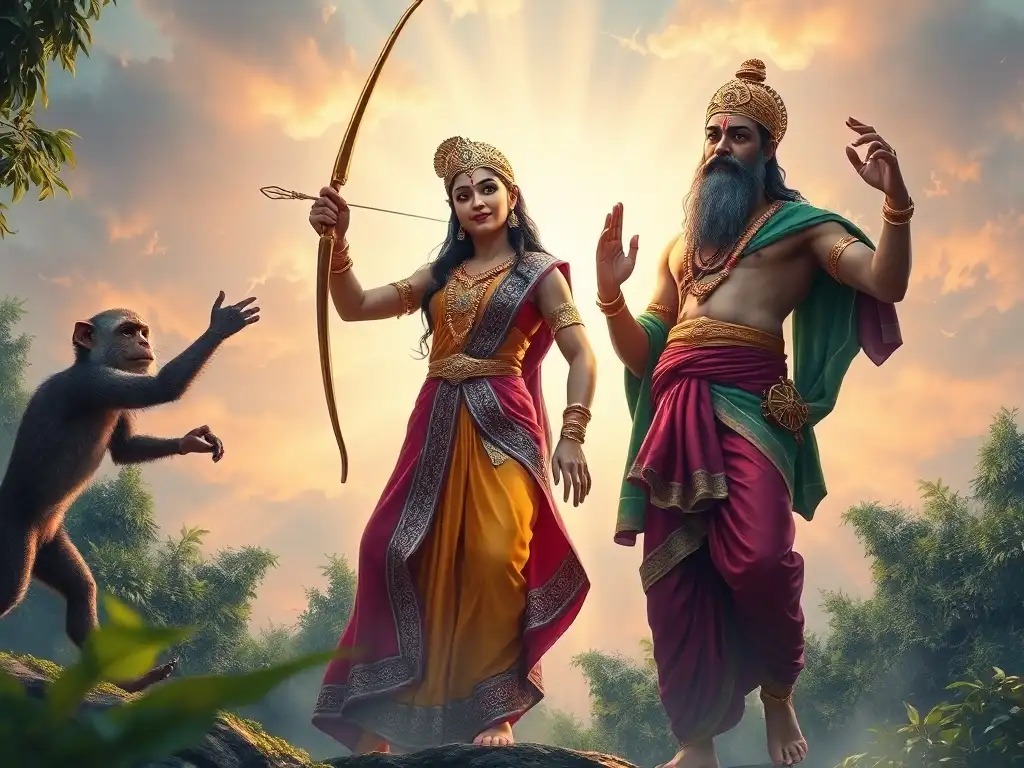
In the epic of the Ramayana, deities play a pivotal role in shaping events through their divine intervention. This narrative device not only underscores the power of the gods but also emphasizes the belief that divine forces actively participate in the lives of mortals. The gods, especially Vishnu, who incarnates as Rama, and his consort Sita, embody ideals of dharma (righteousness) and virtue. Their involvement is crucial in guiding characters toward fulfilling their destinies and overcoming formidable challenges.
The vibrant portrayal of divine beings such as Hanuman, who is a devoted follower of Rama, showcases the theme of loyalty and devotion. Hanuman's actions, motivated by his unwavering faith, demonstrate how divine intervention is manifested through the dedication and courage of devotees. Additionally, the presence of other deities like Shiva and Durga illustrates the complexity of divine roles, as they provide strength and support to the protagonists during critical moments. This dynamic interplay between deities and mortals highlights the significance of divine intervention as a means to restore cosmic balance and uphold righteousness.
The Influence of Gods and Goddesses in the Ramayana
The Ramayana intricately weaves the influences of various gods and goddesses, each contributing uniquely to the narrative’s progression. For instance, the goddess Sita is not merely a passive character; her embodiment of virtue and purity serves as a catalyst for Rama's quest. The trials she endures amplify the divine purpose of their union, showcasing how her experiences reflect the trials of dharma itself.
In critical junctures, the intervention of deities manifests in miraculous events. For example, Lord Rama receives divine weapons and guidance from gods like Agni (the fire god) and Varuna (the god of water), which empower him to overcome challenges posed by the demon king Ravana. These divine gifts symbolize the essential support that deities provide, reinforcing the notion that the divine realm is deeply intertwined with human endeavors. The recurring theme of divine assistance transforms the narrative into a profound exploration of faith, duty, and the interplay between human action and divine will.
The Concept of Divine Will and Human Agency
The Ramayana presents a nuanced exploration of the relationship between divine will and human agency. While the characters are often guided by divine forces, their choices and actions remain critical in determining the course of events. Rama’s adherence to dharma, even in the face of personal loss, highlights the theme of moral responsibility. His choices are not merely reactions to divine instructions; instead, they embody a conscious effort to align with cosmic order.
This complexity is further exemplified in the character of Ravana, who, despite his formidable power and intellect, succumbs to his own desires and hubris. His downfall serves as a cautionary tale about the consequences of defying divine will. Thus, the Ramayana illustrates that while divine intervention can alter fates, the essence of human agency lies in the ability to choose righteousness over temptation. This duality fosters a rich theological discourse on the nature of free will within a divinely orchestrated universe.
Theological Implications of Divine Intervention
The theological implications of divine intervention in the Ramayana extend beyond mere narrative devices; they invite reflections on the nature of divinity itself and its relationship with human existence. The epic suggests a worldview where deities are actively involved in the moral and ethical dilemmas faced by individuals, reinforcing the belief that the divine is not distant but intimately connected to human affairs.
Understanding the Nature of Divinity in the Ramayana
The Ramayana portrays divinity as multifaceted, where gods embody various attributes and virtues. Vishnu, as Rama, personifies ideal kingship and dharma, while other deities represent different aspects of existence. This characterization invites readers to contemplate the complexities of divinity, emphasizing that the divine encompasses both benevolent and wrathful dimensions.
Moreover, the narrative illustrates that divine intervention is often accompanied by trials and tribulations, presenting a view of divinity that is not merely benevolent but also just. The gods reward righteousness while punishing adharma (unrighteousness), thereby reinforcing the moral fabric of the universe. This understanding of divinity challenges simplistic notions of a detached god and highlights the active role of divine forces in shaping the moral landscape.
The Relationship Between Humans and the Divine
The relationship between humans and the divine in the Ramayana is characterized by a profound interplay of devotion, duty, and moral dilemmas. Characters like Hanuman exemplify the ideal devotee, whose unwavering loyalty and service to Rama underscore the importance of surrendering to divine will. This relationship is not one-sided; the divine reciprocates through guidance, protection, and empowerment, illustrating a dynamic partnership.
Additionally, the trials faced by Sita and Rama serve to deepen their connection with the divine. Their experiences reflect the belief that suffering and adversity can lead to spiritual growth and enlightenment. The Ramayana thus presents a holistic view of this relationship, where human struggles are integral to the divine narrative, culminating in the realization of dharma. This intricate tapestry of interactions between mortals and deities enriches the epic's theological discourse, making it a timeless exploration of faith and morality.
Comparative Analysis of Divine Intervention in Other Epics
The concept of divine intervention is a central theme not only in the Ramayana but also in various other epic narratives from different cultures. In analyzing the Ramayana, one can draw parallels and distinctions with other renowned epics such as the Mahabharata, the Iliad, and the Odyssey. Each of these works incorporates divine beings that influence human affairs, showcasing their power and the moral lessons derived from their interactions with mortals.
In the Ramayana, divine intervention is frequently manifested through the characters of Rama, Sita, and Hanuman, who are considered incarnations of divine beings. Their actions and the miracles they perform are often aimed at restoring dharma (righteousness) and defeating adharma (evil). In contrast, the Mahabharata also includes significant divine elements, particularly in the form of Lord Krishna, who serves as a charioteer and guide for Arjuna. Here, divine intervention is more about guidance and strategic influence in the context of war.
Similarities and Differences with the Mahabharata
While both epics depict divine beings intervening in human affairs, the nature and purpose of these interventions differ significantly. In the Ramayana, divine intervention is often characterized by miraculous events that serve to uplift and protect dharma, such as the various feats of strength performed by Rama and Hanuman. For instance, Rama's ability to wield the bow that only he can lift, or Hanuman's flight to Lanka, exemplifies the heroic nature of divine intervention.
Conversely, the Mahabharata presents divine intervention as a more complex interplay between fate and free will. Krishna's role is not merely as a miracle worker but as a facilitator of moral choices. His teachings to Arjuna in the Bhagavad Gita emphasize the importance of personal duty and righteousness over relying solely on divine aid. This highlights a philosophical evolution from the Ramayana’s more direct miracles to the Mahabharata’s nuanced ethical dilemmas.
Divine Intervention in Other Cultures' Epics
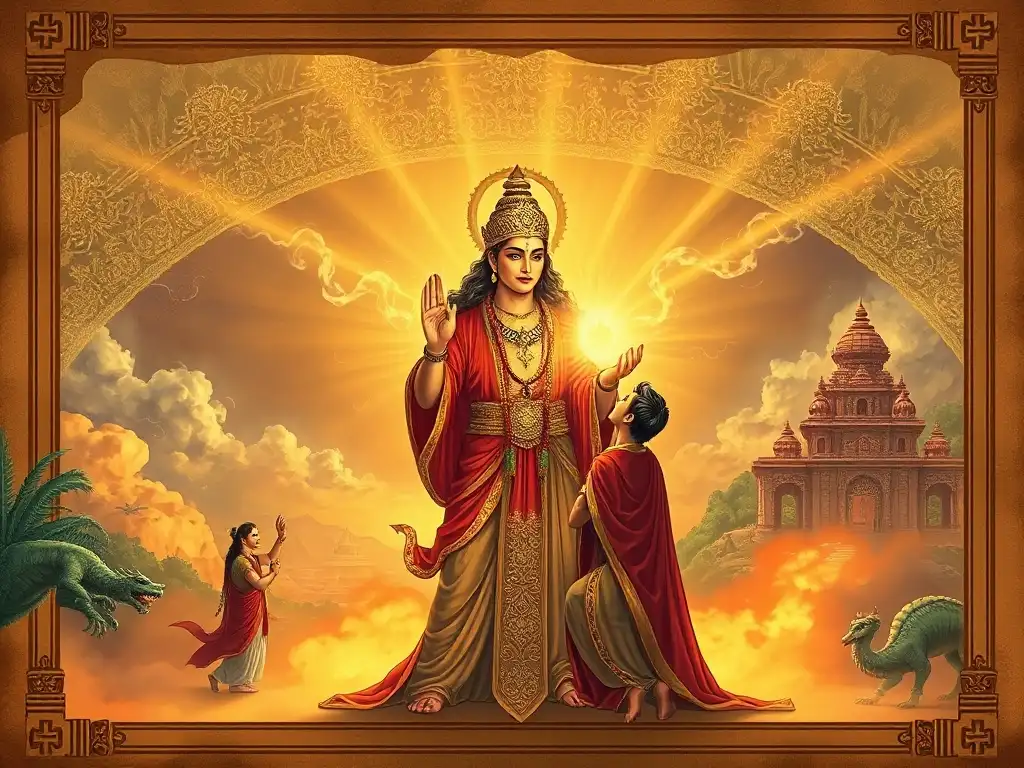
Divine intervention is a recurring theme in epics from various cultures, showcasing the universal belief in higher powers influencing human destiny. For example, in the Iliad, gods such as Zeus and Athena actively participate in the Trojan War, providing support to their favored heroes and altering the course of battles. This involvement underscores the Greek belief in the capriciousness of the gods, who often act out of personal interest rather than moral obligation.
Similarly, the Odyssey illustrates divine intervention through Athena, who aids Odysseus throughout his journey home. Her guidance is instrumental in navigating the challenges he faces, emphasizing a protective yet strategic form of divine influence. The comparison of these works with the Ramayana reveals differing cultural perceptions of divinity. While the Ramayana portrays divine intervention as a means to restore order and righteousness, other cultures often depict it as capricious or self-serving.
Conclusion
Summary of Key Insights on Divine Intervention in the Ramayana
The Ramayana presents a rich tapestry of divine interventions that serve to highlight the epic's moral and ethical themes. Through characters like Rama, Sita, and Hanuman, the narrative illustrates the importance of divine assistance in the battle against evil and the promotion of righteousness. The miracles performed are not merely spectacular events; they are pivotal in reinforcing the concepts of duty, loyalty, and the ultimate triumph of good over evil.
In comparison with other epics, particularly the Mahabharata, the Ramayana emphasizes a more direct and miraculous form of divine interaction, whereas the Mahabharata leans towards a philosophical exploration of divine guidance. This distinction enriches the understanding of how different cultures interpret the role of divinity in human affairs, offering a broader perspective on the significance of miracles within epic literature.
Final Thoughts on the Importance of Miracles in Epic Literature
Miracles and divine interventions in epic literature serve not only as narrative devices but also as profound reflections on human values and beliefs. In the Ramayana, these miraculous events are crucial in shaping the moral landscape of the story, providing readers with clear examples of righteousness in action. The portrayal of divine intervention invites readers to contemplate the nature of faith, the importance of upholding dharma, and the belief in a higher power that guides and protects.
As such, the study of miracles in the Ramayana and other epics reveals deep cultural insights and philosophical inquiries that resonate across time and geography. The enduring relevance of these narratives underscores the significance of divine intervention as a theme that transcends historical and cultural boundaries, enriching our understanding of human experience through the lens of the divine.
References
The study of divine intervention and miracles in the Ramayana is enriched by a variety of key texts and scholarly analyses. Below, we present essential texts and scholarly articles that contribute to a deeper understanding of this epic's portrayal of the divine.
Key Texts and Translations of the Ramayana
- Valmiki Ramayana: The original Sanskrit text attributed to the sage Valmiki is fundamental for understanding the narrative and its themes of divine intervention. Key editions include:
- R.K. Narayan's Translation (1972): A widely accessible English version that captures the essence of the original text.
- Arshia Sattar's Translation (1996): Offers a modern perspective while remaining faithful to the original Sanskrit.
- Kamba Ramayana: An adaptation by the Tamil poet Kambar, this version introduces regional nuances and perspectives on divine interactions, particularly revered in South India.
- Ramcharitmanas by Tulsidas: Composed in Awadhi, this 16th-century version emphasizes the devotion to Lord Rama and presents numerous instances of divine miracles, making it a significant text for devotees and scholars alike.
- Balakanda and Uttarakanda: Specific sections of the Ramayana that highlight divine interventions and the roles played by deities. These texts are crucial for analyzing the epic's thematic elements.
Scholarly Articles on Divine Intervention in the Ramayana
- "Divine Agency and Human Action in the Ramayana" by John Smith: This article explores the complex interplay between divine intervention and human agency, examining how characters react to divine guidance and the implications of these interactions.
- "Miracles as Metaphor: The Role of the Divine in the Ramayana" by Priya Desai: Desai analyzes key miraculous events in the Ramayana, arguing that they serve as metaphors for moral and ethical dilemmas faced by the characters.
- "The Divine Female: Sita and the Role of Women in Divine Intervention" by Anita Gupta: This paper focuses on the portrayal of Sita and other female characters, discussing how their relationships with divine beings reflect broader themes of gender and divinity in the epic.
- "The Ramayana and the Nature of Divine Will" by Rajesh Kumar: Kumar’s work investigates how divine will is portrayed through various episodes in the Ramayana, emphasizing the philosophical implications of divine intervention within the narrative.
- "Interpreting the Ramayana: A Study of Sacred Texts and Cultural Contexts" by Leela Nair: This comprehensive analysis situates the Ramayana within its cultural context, focusing on the significance of divine miracles and their impact on societal beliefs.
These texts and articles are instrumental for anyone looking to delve into the themes of divine intervention in the Ramayana, providing various perspectives that enrich the analysis of this epic literature.
- Introduction to the Ramayana
- Understanding Divine Intervention in the Ramayana
- Major Instances of Divine Intervention in the Ramayana
- Analysis of Miracles in the Ramayana
- The Role of Deities in Facilitating Divine Intervention
- Theological Implications of Divine Intervention
- Comparative Analysis of Divine Intervention in Other Epics
- Similarities and Differences with the Mahabharata
- Divine Intervention in Other Cultures' Epics
- Conclusion
- References
- What is the Ramayana and its significance in ancient Indian culture?
- How does the Ramayana depict divine intervention?
- What role do miracles play in the Ramayana?
- How can a divine intervention analysis of the Ramayana enhance our understanding of the text?
- What impact has the Ramayana had on modern interpretations of divine themes?
Frequently Asked Questions
What is the Ramayana and its significance in ancient Indian culture?
The Ramayana is an epic poem that narrates the life of Lord Rama, emphasizing dharma (righteousness) and the importance of divine intervention in human affairs, shaping cultural and moral values in ancient India.
How does the Ramayana depict divine intervention?
The Ramayana illustrates divine intervention through various miraculous events, such as Hanuman's flight to Lanka and Rama's encounters with gods, showcasing the belief that deities actively influence the human world.
What role do miracles play in the Ramayana?
Miracles in the Ramayana serve to reinforce the divine nature of its characters and the power of faith, demonstrating how Gods assist in overcoming challenges and restoring dharma.
How can a divine intervention analysis of the Ramayana enhance our understanding of the text?
A divine intervention analysis reveals how miracles and divine actions reflect the moral lessons and beliefs of ancient Indian society, offering insights into the spiritual and ethical dimensions of the narrative.
What impact has the Ramayana had on modern interpretations of divine themes?
The Ramayana's themes of divine intervention continue to influence contemporary literature and spirituality, inspiring adaptations that explore faith, morality, and the relationship between humans and the divine.
Final Reflection: The Enduring Legacy of Divine Intervention in the Ramayana
The themes of divine intervention and miracles in the Ramayana resonate profoundly in today's world, reminding us of the power of faith and the extraordinary in our everyday lives. As we navigate through the complexities of modern existence, the lessons from this ancient epic continue to inspire us to seek guidance beyond ourselves, illustrating that even in our darkest moments, divine forces may intervene in ways we cannot foresee. The Ramayana teaches us that miracles are not merely relics of mythology but are woven into the fabric of our reality, waiting for us to recognize their presence.
The Ramayana's portrayal of divine intervention has significantly shaped cultural narratives and social beliefs across generations. Its stories encourage us to believe in the possibility of the miraculous, fostering a sense of hope and resilience in the face of adversity. As we reflect on these timeless teachings, we are reminded of the words of Mahatma Gandhi: The Ramayana is a great epic that has inspired countless generations to live a life of virtue and righteousness.
This ongoing influence underscores the importance of the Ramayana in our cultural consciousness, urging us to embrace the divine guidance that can lead us through life's trials.
As you ponder the lessons of the Ramayana, I invite you to reflect on your own life and the moments where you have experienced or witnessed the extraordinary. Consider how you can cultivate a deeper awareness of the divine in your daily existence, allowing miracles to unfold in your journey.
By embracing the teachings of this epic, you can foster a sense of connection to something greater than yourself, inspiring not only your own life but also the lives of those around you. Let the Ramayana's legacy of divine intervention guide you toward a future filled with hope, purpose, and the miraculous.
Unveil the Miraculous: Dive Deeper into the Ramayana!
Thank you for taking the time to explore the profound themes of **divine intervention** and **miracles** within the Ramayana. We hope this article has inspired you to reflect on these age-old narratives and their relevance in today's world. Now, let's channel that inspiration into action!
- Immerse yourself in the story: Read or re-read the Ramayana this week to experience the miracles and divine interventions firsthand. Each page holds wisdom waiting to be discovered!
- Share your insights: Discuss this article with friends or family, and encourage them to explore the miraculous elements of the Ramayana. Sharing stories fosters community and understanding.
- Join the conversation: Engage with others by leaving your thoughts and interpretations on the Ramayana in the comments below. What moments of divine intervention resonate most with you?
What miraculous event from the Ramayana inspires you the most, and how does it reflect in your daily life?