
The Intersection of Religion and Agriculture in Ancient Indian Culture


Welcome to Ancient India History, where we embark on a fascinating journey through the vibrant tapestry of ancient Indian civilizations. Here, we delve into the profound connections between religion and agriculture, exploring how these two pillars shaped the daily lives and spiritual practices of our ancestors.
In our featured article, "The Intersection of Religion and Agriculture in Ancient Indian Culture," you'll discover the intricate ways in which faith influenced farming techniques and agricultural rituals, laying the foundation for a society that thrived on harmony with nature. Join us as we unravel the secrets of the past and ignite your curiosity about the remarkable achievements that continue to resonate today!
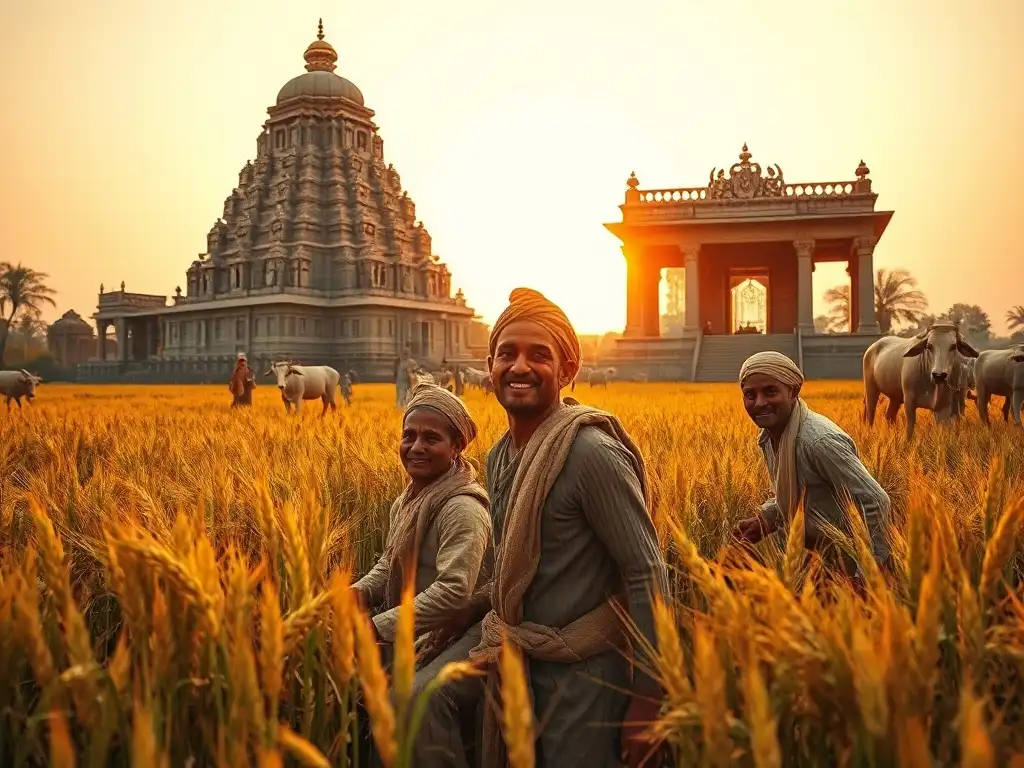
The interplay between religion and agriculture in ancient India is a fascinating subject that sheds light on how spiritual beliefs shaped agricultural practices and societal structures. Agriculture was not merely a means of sustenance but deeply intertwined with the religious and cultural fabric of ancient Indian civilizations.
From the early agricultural societies of the Indus Valley to the flourishing communities during the Gupta Empire, the reverence for nature and the divine played a significant role in farming methods, seasonal celebrations, and agricultural innovations. This article explores the critical intersection where religion and agriculture meet, highlighting the profound impact of various belief systems on farming practices and the communal rituals that celebrated the agricultural cycle.
Understanding the Role of Religion in Ancient Indian Society
Religion in ancient India served as a guiding force influencing many aspects of daily life, including agriculture. The agrarian lifestyle necessitated a deep connection to the land, seasons, and natural elements, which were often personified in various deities. This led to the development of rituals and practices designed to appease these gods, ensuring bountiful harvests and the prosperity of the community.
The Influence of Hinduism on Agricultural Practices
Hinduism, as one of the predominant religions in ancient India, had a profound influence on agricultural practices. Key deities associated with agriculture, such as Parvati and Krishna, were worshipped to seek blessings for fertility and abundance.
- Rituals and Offerings: Farmers often performed specific rituals before sowing seeds, such as making offerings of rice and flowers to the earth goddess, Bhudevi.
- Sacred Texts: Texts like the Vedas and Puranas contain guidelines on agricultural practices, reflecting the integration of spirituality and farming.
These practices not only sought to ensure agricultural success but also reinforced the community's cultural identity and connection to their land.
Other Religious Traditions and Their Impact on Farming
Aside from Hinduism, other religious traditions such as Buddhism and Jainism also contributed to agricultural practices in ancient India.
- Buddhism: Emphasized the importance of living in harmony with nature, encouraging sustainable farming practices.
- Jainism: Advocated for non-violence, influencing farming methods that respected all forms of life, which led to innovative organic farming techniques.
These diverse religious beliefs collectively enriched the agricultural landscape, leading to a variety of practices that were respectful of both the environment and the spiritual.
Agricultural Practices in Ancient India
Agriculture in ancient India was characterized by several traditional practices that demonstrated a remarkable understanding of environmental conditions and natural cycles.
Traditional Farming Techniques and Their Spiritual Significance
Ancient Indian farmers employed a range of traditional techniques that were not only practical but also held spiritual significance.
- Crop Rotation: Farmers practiced crop rotation to maintain soil fertility, often aligning planting schedules with auspicious dates as determined by their religious calendars.
- Irrigation Systems: The development of sophisticated irrigation systems, such as stepwells and canals, was often accompanied by rituals to honor water deities, recognizing the sacredness of water in sustaining life.
These methods reflect a holistic approach to farming, where spirituality and practicality coexisted harmoniously.
Seasonal Agricultural Festivals and Their Religious Connections
Seasonal festivals played a crucial role in ancient Indian agricultural society, celebrating the rhythms of nature and the divine.
- Pongal: This Tamil festival marks the harvest season, where farmers express gratitude to the sun god, Surya, for a bountiful crop.
- Makar Sankranti: Celebrated across India, this festival signifies the transition of the sun into the zodiac of Capricorn and is associated with the harvest of winter crops.
These festivals not only provided an opportunity for communal celebration but also reinforced the spiritual connection between agriculture and the divine, ensuring that the importance of farming was recognized within the broader cultural context.
By delving into the relationship between religion and agriculture in ancient India, we can better appreciate how these elements coalesced to shape the social, cultural, and economic landscapes of early civilizations.
The Symbolism of Agriculture in Religious Texts
Agriculture in ancient India was not merely a means of sustenance; it was intricately woven into the fabric of religious and cultural life. The symbolism of agriculture often reflected broader themes of fertility, prosperity, and the cyclical nature of life and death. Ancient texts imbued agricultural practices with spiritual significance, viewing them as sacred acts that connected humans to the divine. This connection emphasized the importance of harmony between nature and humanity, reinforcing the idea that successful farming depended not only on physical labor but also on spiritual and ritualistic adherence.
Vedic Texts and Agricultural References
The Vedic texts, some of the oldest scriptures in India, contain numerous references to agriculture that illustrate its central role in ancient society. These texts highlight various agricultural practices, including the significance of seasons and the importance of rituals associated with planting and harvesting. For example, hymns dedicated to deities such as Parjanya, the rain god, emphasized the reliance on monsoons for crop growth.
Additionally, references to rituals like Yajnas (sacrificial offerings) indicate that agricultural success was often sought through divine favor. The Vedas portray agriculture as a communal effort, reinforcing social bonds and emphasizing the collective responsibility of the community in ensuring bountiful harvests.
Epics and Their Portrayals of Farming and Fertility

Ancient Indian epics, such as the Mahabharata and Ramayana, also reflect the deep connections between agriculture and spirituality. These texts often depict farming not just as a livelihood but as a vital aspect of cultural identity. For instance, the story of King Janaka from the Ramayana illustrates the prosperity of a kingdom tied to its agricultural wealth.
The epics celebrate the fertility of land and the cycle of seasons, often attributing successful harvests to the blessings of deities. Furthermore, the portrayal of goddesses like Lakshmi, associated with wealth and prosperity, underscores the reverence for agricultural abundance and its perceived divine origins.
Rituals and ceremonies in ancient India were integral to agricultural practices, deeply rooted in the belief that the divine directly influenced crop yields. These rituals served to invoke blessings from deities, ensuring favorable conditions for farming. The cyclical nature of agricultural life was mirrored in the annual observance of rituals that marked significant agricultural events, creating a rhythm of community participation and spiritual engagement.
Crop Planting Rituals in Ancient Indian Culture
Before the sowing of seeds, ancient Indian farmers performed various rituals to appease the deities and seek their protection over the crops. These rituals often included prayers, offerings, and the chanting of mantras to invoke blessings for a fruitful harvest. One notable practice was the Gudi Padwa festival in Maharashtra, marking the beginning of the new agricultural cycle. During this time, farmers would worship agricultural tools and offer prayers to ensure prosperity. Such rituals not only reflected the reverence for the land but also fostered a sense of community as families and neighbors gathered to participate.
Harvest Festivals and Their Religious Importance
Harvest festivals in ancient India were significant religious events that celebrated the culmination of hard work and the bounty of the land. Festivals like Pongal in Tamil Nadu and Makar Sankranti across various regions honored the sun and nature, expressing gratitude for the harvest. These celebrations included feasting, music, and dances, reinforcing social ties and communal identity.
The rituals performed during these festivals often involved offerings to deities, highlighting the belief that agricultural success was a direct gift from the divine. Such events not only marked the end of the agricultural cycle but also served to renew spiritual connections and reinforce the importance of agriculture in the cultural landscape of ancient India.
The Relationship Between Deities and Agriculture
In ancient India, agriculture was not merely a means of sustenance; it was woven into the very fabric of religious beliefs and practices. The agrarian lifestyle necessitated a deep reverence for the forces of nature, which were often personified as deities. Farmers relied on the blessings of these deities for good harvests, and their rituals and offerings were integral to ensuring favorable conditions for farming. This relationship between religion and agriculture manifested in various ways, including the veneration of specific agricultural deities, seasonal festivals, and agricultural rites that coincided with planting and harvesting times.
Religion provided a framework through which agricultural activities could be understood and ritualized. The cyclical nature of farming—sowing seeds, nurturing crops, and reaping harvests—mirrored the cycles of life and death, growth and decay, which were central themes in many religious narratives. Thus, engaging with the divine became a way for farmers to align their efforts with the natural world, ensuring both spiritual and material prosperity.
Major Agricultural Deities in Ancient Indian Religion
Ancient Indian religion featured several prominent deities associated with agriculture. Among these, Indra, the king of the gods, was often invoked for rain and thunderstorms essential for crop growth. He was seen as the controller of the monsoon, a critical factor for successful farming in many regions of India.
Another significant figure was Varuna, the god of water, who represented the cosmic order and the waters that nourished the land. Farmers often prayed to Varuna for ample rainfall and protection from drought.
Additionally, Bhoomi Devi, the Earth goddess, symbolized the fertility of the land and was revered for her nurturing qualities. Rituals were performed to honor her, seeking her blessings to ensure bountiful crops.
These deities were central to the agricultural calendar, with numerous festivals and ceremonies dedicated to them, reflecting the profound interconnectedness of spirituality and farming practices in ancient Indian culture.
The Worship of Nature and Fertility Gods
The worship of nature and fertility gods played a crucial role in ancient Indian agricultural practices. Prithvi, the Earth goddess, was venerated for her ability to sustain life and fertility. Farmers would often conduct rituals to honor the land, believing that such acts would enhance its productivity.
Fertility deities also included Shakti, representing divine feminine energy, who was worshipped to ensure abundant harvests. Rituals often involved offerings of grains, fruits, and flowers, symbolizing gratitude for the earth's bounty.
Moreover, ancient texts and inscriptions reveal that agricultural practices were closely tied to the lunar calendar, with many rituals timed to coincide with specific phases of the moon, which were believed to influence crop growth. This holistic approach to agriculture—where nature, spirituality, and community intertwined—underscored the reverence ancient Indians held for the environment and their dependence on it for survival.
Case Studies of Religious Festivals Promoting Agricultural Practices
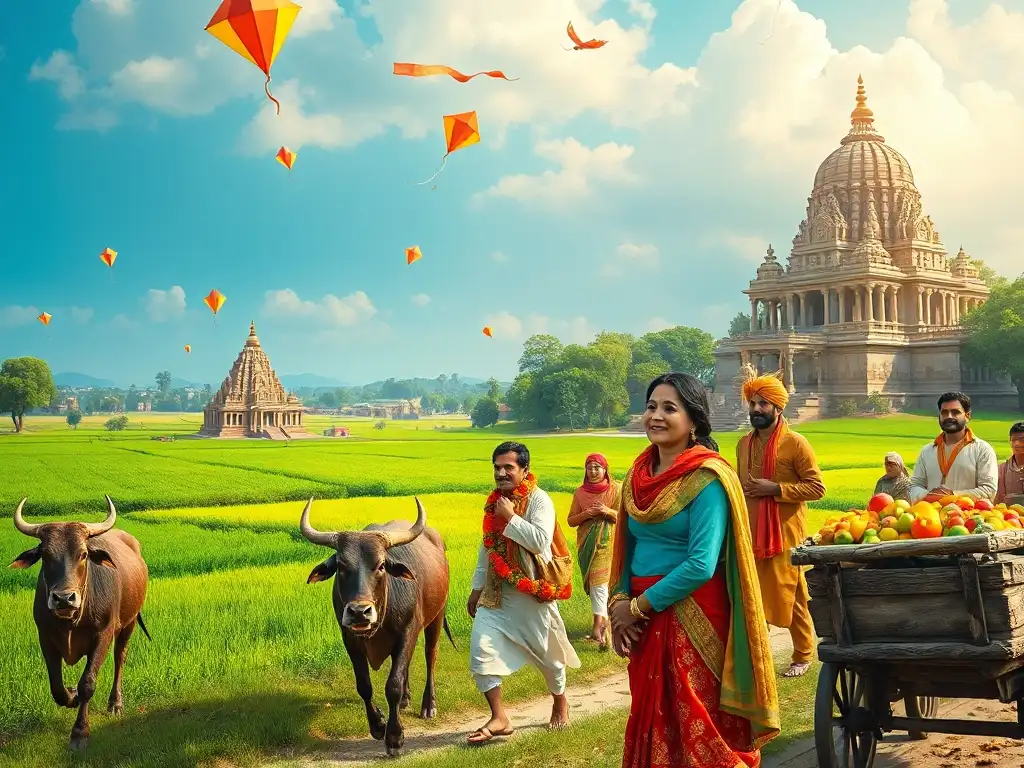
Religious festivals in ancient India often served as vital platforms for promoting agricultural practices. These celebrations, deeply rooted in the agrarian calendar, not only provided spiritual significance but also reinforced communal bonds and agricultural productivity.
The Role of Makar Sankranti in Agriculture
Makar Sankranti, celebrated in mid-January, marks the transition of the sun into the zodiac sign of Capricorn, symbolizing the end of winter and the beginning of the harvest season. This festival is significant for farmers as it celebrates the harvest of crops like sugarcane, rice, and other grains.
During Makar Sankranti, various rituals are performed to express gratitude to the deities for the bountiful harvest and to seek their blessings for future crops. People prepare traditional sweets made from jaggery, rice, and sesame seeds, symbolizing the sweetness of the harvest.
Community gatherings, kite flying, and cultural performances are also integral to the festivities, promoting social cohesion and reinforcing agricultural practices. The festival serves as a reminder of the importance of agriculture in sustaining life and fostering community spirit.
Celebrations of Navratri and Their Agricultural Connections
Navratri, a nine-night festival dedicated to the worship of the goddess Durga, also has significant agricultural connections. Celebrated in various forms across India, Navratri coincides with the sowing of crops in many regions.
During this festival, devotees engage in various rituals and offerings to ensure the fertility of the land. The goddess is invoked for protection against pests and diseases that could threaten crops. Additionally, the festival's emphasis on new beginnings aligns with the agricultural cycle, as it encourages farmers to start afresh with the new planting season.
The vibrant celebrations, including traditional dances like Garba and Dandiya, not only highlight the rich cultural tapestry of India but also serve as a means of promoting agricultural awareness within communities. Through these festivities, ancient Indians celebrated both the divine and the earth, emphasizing the intertwined nature of religion and agriculture in their lives.
The Influence of Agriculture on Religious Architecture
The intricate relationship between agriculture and religion in ancient India is profoundly evident in the architectural designs of temples. These structures were not merely places of worship; they often served as symbols of agricultural fertility and prosperity. Many temples were constructed in regions known for their agricultural wealth, and their designs incorporated elements that celebrated the bounty of the land.
For instance, the layout of some temples mirrors the agricultural landscape, with symbolic representations of fields and crops integrated into their architecture. The use of water management systems, such as tanks and wells, around temples also highlights the importance of irrigation in farming practices and spiritual life. These features not only served practical purposes but also symbolized the divine connection between agriculture and the sustenance of life.
Temples Dedicated to Agriculture and Nature
In ancient India, various temples were specifically dedicated to deities associated with agriculture and nature. One prominent example is the worship of the goddess Annapurna, the deity of food and nourishment, who embodies the agricultural bounty. Temples dedicated to her and other fertility deities often featured rituals tied to the agricultural calendar, such as sowing and harvesting.
Moreover, the concept of nature worship is prevalent in several regions, where local deities are revered for their connection to specific crops or natural elements. Temples such as those found in the regions of Tamil Nadu and Uttar Pradesh showcase intricate carvings and sculptures that depict agricultural practices and the reverence for the earth. These sacred spaces not only served as centers of worship but also as hubs for agricultural festivals, reinforcing the bond between spirituality and farming.
Agricultural Themes in Ancient Indian Art and Iconography
Art and iconography from ancient India frequently reflect themes of agriculture, showcasing the significance of farming in daily life and spirituality. Numerous sculptures and frescoes depict scenes of farming, from plowing fields to harvesting crops, illustrating the cycles of nature and the labor involved in food production.
The use of agricultural motifs in religious art is evident in various forms, such as pottery, textiles, and metalwork, where symbols of fertility, like the plow or sheaf of wheat, are common. These artistic expressions reveal the deep-seated reverence for the agricultural lifestyle, portraying it as not only a means of sustenance but also a divine vocation blessed by the gods.
Conclusion: The Lasting Legacy of Religion and Agriculture in Ancient India
The convergence of religion and agriculture in ancient India has left an indelible mark on the cultural landscape of the region. This interplay shaped not only agricultural practices but also influenced social structures, rituals, and artistic expressions. As a result, the legacy of this relationship continues to be felt in modern society.
The Intertwined Nature of Faith and Farming
Throughout ancient Indian history, faith and farming were inextricably linked, with agricultural cycles influencing religious observances and vice versa. Seasonal festivals, such as Makar Sankranti and Pongal, celebrate harvests and the divine blessings associated with them, highlighting the ongoing relevance of this connection.
This intertwined nature is reflected in the communal activities surrounding agriculture, where farming practices often involved collective participation and ritualistic elements that reinforced community ties and cultural identity. Such traditions continue to resonate in rural India today, where agriculture remains a cornerstone of life.
Reflections on Modern Agricultural Practices and Their Roots in Religion
Modern agricultural practices in India still echo the ancient traditions that revered the land and its divine connection. While technology has significantly transformed farming methods, many farmers engage in rituals and ceremonies that honor the earth and seek blessings for successful harvests.
Additionally, the principles of sustainable agriculture, which emphasize harmony with nature, can be traced back to ancient beliefs. Practices such as crop rotation, organic farming, and respect for biodiversity reflect the wisdom of ancient agricultural systems shaped by religious values. Recognizing these historical roots encourages a deeper appreciation for both the agricultural heritage and the spiritual dimensions that continue to influence farming today.
- Understanding the Role of Religion in Ancient Indian Society
- Agricultural Practices in Ancient India
- The Symbolism of Agriculture in Religious Texts
- Vedic Texts and Agricultural References
- Epics and Their Portrayals of Farming and Fertility
- Rituals and Ceremonies Related to Agriculture
- The Relationship Between Deities and Agriculture
- Case Studies of Religious Festivals Promoting Agricultural Practices
- The Influence of Agriculture on Religious Architecture
- Conclusion: The Lasting Legacy of Religion and Agriculture in Ancient India
- What role did religion play in agriculture in ancient India?
- How did agricultural practices vary among different ancient Indian civilizations?
- Were there any specific festivals related to agriculture in ancient India?
- How did ancient Indian texts address agriculture and religion?
- What agricultural innovations emerged during ancient Indian civilizations?
Frequently Asked Questions
What role did religion play in agriculture in ancient India?
Religion significantly influenced agricultural practices in ancient India, with rituals and festivals often linked to seasonal cycles and harvests. Farmers sought blessings from deities to ensure fertility and bountiful crops.
How did agricultural practices vary among different ancient Indian civilizations?
Different civilizations, such as the Indus Valley and the Gupta Empire, had unique agricultural techniques shaped by their geography and climatic conditions, leading to diverse crops and farming methods.
Yes, several festivals like Makar Sankranti and Pongal celebrated the harvest season, showcasing the connection between religious observances and agricultural abundance in ancient Indian culture.
How did ancient Indian texts address agriculture and religion?
Ancient texts like the Vedas and Puranas often discussed the importance of agriculture and included rituals to be performed to honor the deities associated with fertility and soil, highlighting the intertwined nature of these aspects.
What agricultural innovations emerged during ancient Indian civilizations?
Ancient Indians developed various innovations such as crop rotation, irrigation techniques, and the use of fertilizers, which were often guided by religious principles that emphasized the sustainability of farming practices.
Final Reflection: The Sacred Bond of Religion and Agriculture in Ancient India
The intricate relationship between religion and agriculture in ancient India remains profoundly relevant today, as it underscores the vital role that spirituality plays in our connection to the land. In a world increasingly dominated by technology and urbanization, the lessons from ancient practices remind us of the importance of nurturing our environment and recognizing the sacredness of the earth. This connection is not merely historical; it is a call to honor the traditions that have sustained civilizations for millennia.
Culture is a living tapestry woven from the threads of belief, practice, and the natural world. The interplay of religion and agriculture in ancient India has shaped social structures, community values, and ecological practices that resonate even in contemporary society. As we navigate modern challenges such as climate change and food security, we can draw inspiration from the reverence ancient cultures held for the land. The land is a sacred trust, and we are its stewards.
This perspective invites us to reflect on our responsibilities toward the environment and the spiritual dimensions of our agricultural practices.
As we conclude this exploration, I invite you to reflect on your own relationship with the land and the food it provides. Consider how the ancient wisdom of intertwining spirituality with agriculture can inform your actions today. Whether through sustainable practices, supporting local farmers, or simply appreciating the origins of your food, each step contributes to a greater understanding of our place within this sacred cycle. Embrace the lessons of the past as we cultivate a future that honors both our heritage and the earth.
Unveil the Harmony of Faith and Farming!
Thank you for exploring the fascinating relationship between religion and agriculture in ancient Indian culture. You’ve uncovered how these two pillars shaped communities and traditions, creating a rich tapestry of heritage. Now, it’s time to take that knowledge and put it into action!
Consider diving deeper into this captivating world with these steps:
- Explore local agricultural traditions: Visit a nearby farm or community garden to experience firsthand the techniques and practices that have been passed down through generations.
- Share your insights: Discuss what you learned with friends or on social media—your newfound understanding can inspire others to appreciate the connection between culture and agricultural practices.
- Join a historical group or forum: Connect with others interested in ancient Indian history, where you can exchange ideas and deepen your knowledge of how religion has shaped agricultural societies.
What aspect of ancient Indian agricultural practices most intrigues you, and how do you think it influences modern farming today? Let's start a conversation!