
The Impact of Geography on Ancient Indian Military Campaigns

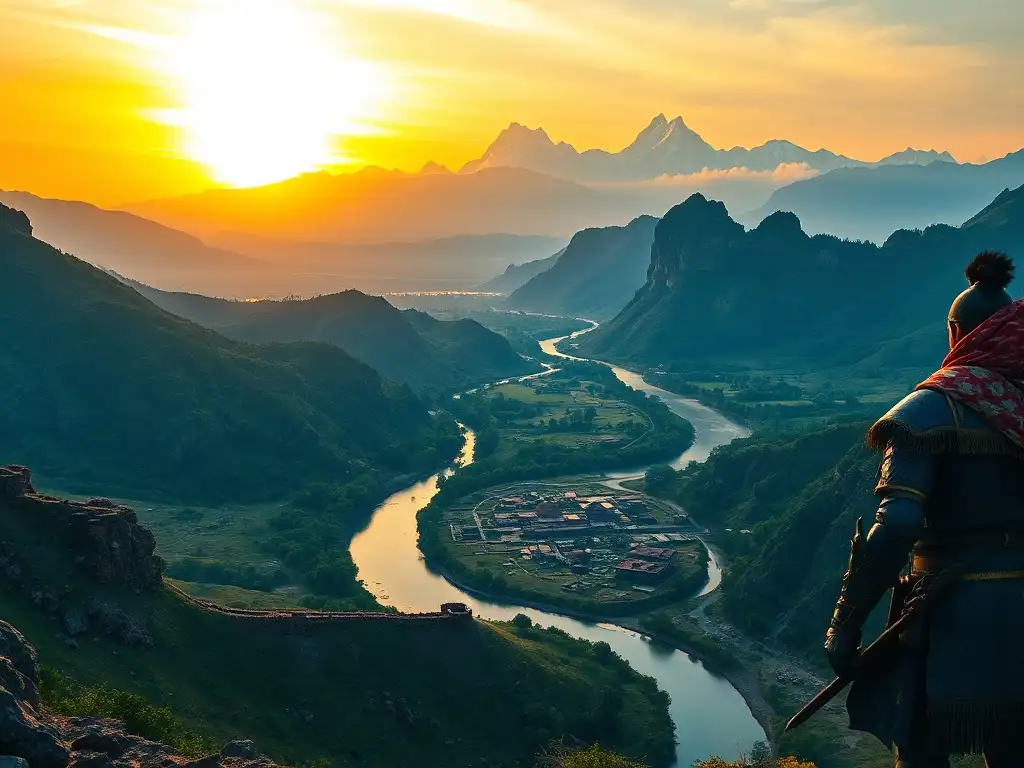
Welcome to Ancient India History, where we embark on a fascinating journey through the rich tapestry of ancient Indian civilizations. Today, we delve into the intricate relationship between geography and ancient Indian military campaigns, uncovering how the diverse landscapes and strategic terrains shaped the course of history. What secrets did the mountains and rivers hold for the valiant warriors of yore? Join us as we explore the powerful impact of geography on military strategies and discover the pivotal moments that defined an era. Your adventure into the past begins here—read on to unveil the intriguing stories that lie ahead!
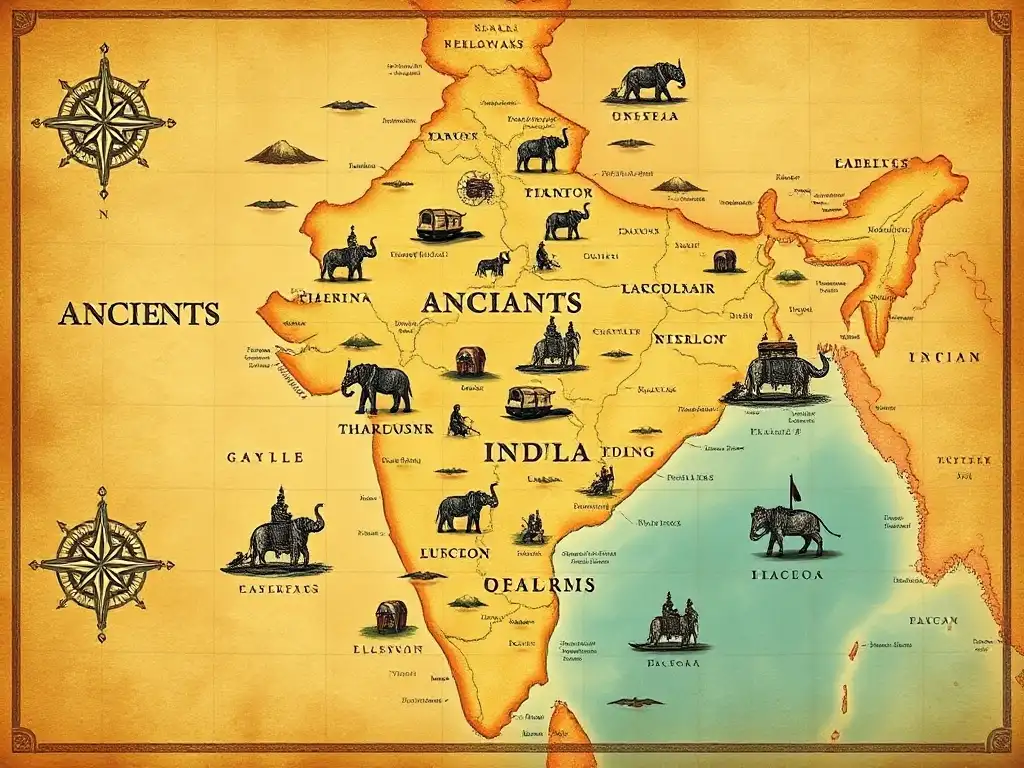
The intricate relationship between geography and military strategy has profoundly shaped the outcomes of battles and campaigns throughout history. In ancient India, the diverse and varied landscapes—from the towering Himalayas to the expansive plains of the Gangetic valley—played a crucial role in determining the strategies employed by different civilizations. This article delves into how geographic features influenced military operations, tactics, and the overall dynamics of warfare in ancient India. By examining key battles and campaigns, we will uncover the significance of geography in shaping the military history of this rich and diverse civilization.
Introduction to Geography and Military Campaigns in Ancient India
The strategic significance of geography in ancient Indian military campaigns cannot be overstated. The subcontinent's complex terrain, including mountains, rivers, and forests, presented both opportunities and challenges for military leaders. Understanding the topography, climate, and natural resources available in various regions was essential for effective planning and execution of military operations. This section explores how these geographical factors influenced ancient Indian warfare, setting the stage for notable campaigns throughout history.
Understanding the Role of Geography in Military Strategy
Geography served as a fundamental element in the formulation of military strategies in ancient India. Key aspects include:
- Terrain: The physical landscape dictated troop movements, supply routes, and battlefield tactics. Mountainous regions provided natural fortifications, while plains allowed for large-scale troop formations.
- Water Bodies: Rivers and lakes were crucial for transportation and logistics, often serving as natural barriers against enemy advances.
- Natural Resources: Access to resources such as food, water, and materials for weaponry influenced the sustainability of military campaigns.
By analyzing these elements, military leaders of ancient India could devise strategies that maximized their strengths while exploiting the weaknesses of their adversaries.
Overview of Ancient Indian Military Campaigns
Ancient India witnessed numerous military campaigns that were significantly shaped by geographic considerations. Key campaigns include:
- The Mauryan Campaigns: Under Chandragupta Maurya and his grandson Ashoka, the Mauryan Empire expanded across vast territories, utilizing the Gangetic plains for swift and effective troop movements.
- The Gupta Empire Campaigns: The Gupta period saw extensive military expeditions, where the strategic advantages of the Deccan Plateau and surrounding regions were crucial in securing dominance over rival kingdoms.
These campaigns illustrate how ancient Indian leaders adeptly navigated their geographic landscape to achieve military success.
Geographic Features of Ancient India
Ancient India’s geography is characterized by a diverse range of features that had a profound impact on military operations. Understanding these geographic elements provides insight into their influence on warfare.
Major Geographic Regions Influencing Warfare
The following regions played pivotal roles in shaping military campaigns:
- The Himalayas:
- Served as a natural barrier against invasions from the north.
- Provided strategic high ground for defense.
- The Indo-Gangetic Plain:
- Fertile land that supported large populations, providing ample resources for armies.
- Facilitated rapid troop movements due to its flat terrain.
- The Deccan Plateau:
- A challenging terrain with rugged hills and plateaus, impacting troop deployment and logistics.
- Dominating this region was crucial for controlling trade routes.
Climate and Its Effect on Military Operations
The climate of ancient India also played a significant role in military campaigns:
- Monsoon Rains:
- The seasonal rains affected troop movements and supply chains, often determining the timing of campaigns.
- Flooding could hinder operations, while dry spells made certain regions more accessible for warfare.
- Temperature Variations:
- The extreme heat in summer and cold in winter required armies to adapt their strategies and logistics accordingly, influencing troop morale and effectiveness.
By understanding these geographic features and climatic challenges, we can gain deeper insights into the military strategies and outcomes of ancient Indian campaigns.
Case Studies of Geographic Influence on Specific Campaigns
The geography of ancient India played a pivotal role in shaping military strategies and outcomes of various campaigns. By examining specific case studies, we can better understand how geographical features influenced the tactics and success of ancient Indian armies. Notably, both the Mauryan and Gupta Empires leveraged the diverse landscapes of India to their advantage during military expeditions.
The Mauryan Empire and Its Military Expeditions
The Mauryan Empire (322–185 BCE), under the leadership of Chandragupta Maurya and later his grandson Ashoka, exemplified the strategic use of geography in military campaigns. The empire's expansion into the northwestern territories, including present-day Afghanistan and parts of Central Asia, was significantly influenced by the rugged terrain and the presence of the Hindu Kush mountains.
These mountains served as both obstacles and strategic advantages. They created natural barriers against invasions from the northwest, while also providing cover and routes for Mauryan forces to launch surprise attacks. For example, during Chandragupta's campaigns, the rugged terrain allowed for guerrilla tactics that exploited the element of surprise against the Macedonian forces left by Alexander the Great.
Moreover, the extensive river systems, particularly the Indus and Ganges, were crucial for logistics and troop movement. The rivers not only facilitated the transportation of supplies and reinforcements but also served as defensive lines against enemy incursions. This strategic use of geography was fundamental in consolidating and maintaining control over a vast empire.
The Gupta Empire's Military Campaigns
The Gupta Empire (c. 240–550 CE) is known for its significant military campaigns that expanded its territory across northern and central India. Geographically, the Gupta Empire thrived in a region abundant with fertile plains, particularly along the Ganges River, which supported agriculture and population density.
The Guptas adeptly utilized this geography to gather large armies composed of well-fed and well-trained soldiers. The rich resources available in these regions also allowed them to sustain prolonged military campaigns. Notably, during the reign of Samudragupta, the Gupta forces undertook extensive campaigns against various regional kingdoms.
The strategic positioning of the Gupta Empire allowed for rapid mobilization across different terrains. The flat river valleys facilitated swift movements, while the surrounding mountain ranges, such as the Vindhya and Himalayas, provided natural defense against potential invasions from the north and west. The geography thus shaped their military strategies, enabling them to conduct offensives while maintaining a strong defensive posture.
Geographic Challenges Faced by Ancient Indian Armies
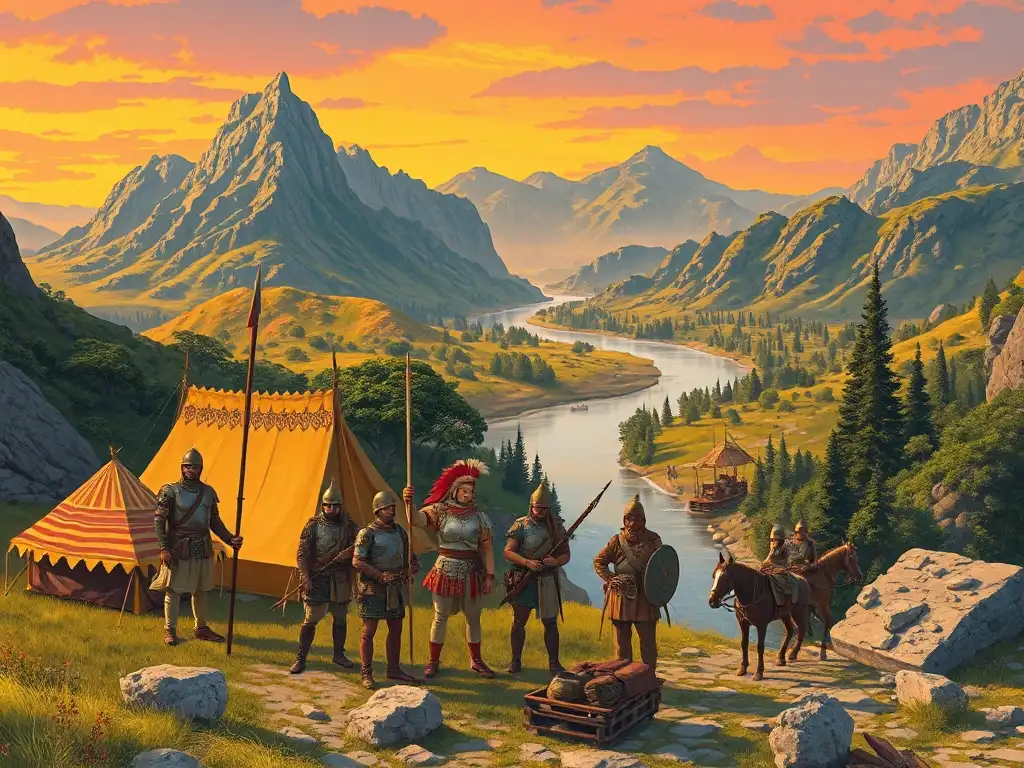
While the geography of ancient India provided numerous advantages for military campaigns, it also presented significant challenges that ancient Indian armies had to navigate. Understanding these geographic challenges is essential for comprehending the complexities of military strategies employed during this period.
Natural Barriers and Their Strategic Implications
Natural barriers, such as mountains, rivers, and forests, posed formidable challenges to ancient Indian armies. The Himalayas, for instance, while acting as a natural defense, also limited mobility across the northern frontiers. Armies had to devise intricate routes to cross these mountainous terrains, often leading to delayed movements and logistical complications.
In addition, dense forests, particularly in the central and southern regions of India, hampered visibility and made coordinated troop movements difficult. The armies had to adapt their tactics to navigate these areas, often resorting to smaller, more agile units capable of maneuvering through challenging landscapes.
Rivers, while beneficial for transportation, could become barriers during monsoon seasons when they swelled and became difficult to cross. This seasonal variability required armies to time their movements carefully, taking advantage of favorable conditions to launch campaigns or retreat from enemy advances.
Weather Conditions Impacting Military Tactics
Weather conditions in ancient India significantly influenced military tactics and campaigns. The monsoon season, characterized by heavy rainfall, created muddy terrains that hindered troop movements and the use of chariots and elephants, which were essential components of ancient Indian warfare.
During the monsoon months, armies often faced the dilemma of whether to engage in battle or wait for better weather. The need to adapt to these conditions was critical; commanders had to be flexible, altering their strategies based on the season. For instance, launching a campaign during the dry season when the ground was firm allowed for more effective troop mobilization and supply logistics.
Additionally, the extreme temperatures of northern India during summer and winter posed significant challenges. Armies had to ensure that their soldiers were adequately equipped for various weather conditions, which affected morale and overall combat readiness.
The interplay between geography and climate played a crucial role in shaping the military campaigns of ancient India, influencing not only the strategies employed by the armies but also their overall success in battles and territorial expansion.
The Interplay Between Geography and Military Tactics
Geography played a crucial role in shaping the military tactics employed by ancient Indian civilizations. The diverse landscapes, ranging from the towering Himalayas to the vast plains of the Indo-Gangetic region, influenced how armies were organized, strategies were devised, and battles were fought. Each geographic feature presented unique challenges and opportunities that commanders had to navigate. For example, mountainous terrains favored guerrilla warfare tactics, allowing smaller, agile forces to launch surprise attacks against larger, less mobile armies.
Additionally, the presence of rivers and forests provided natural barriers and cover, which could be used strategically during warfare. Commanders often capitalized on these geographic elements to enhance their defensive positions or to create ambushes. The ability to read the terrain and utilize it to one's advantage was a hallmark of successful military leadership in ancient India, as evidenced by numerous historical campaigns.
Adaptation of Warfare Strategies to Geographic Features
The adaptation of warfare strategies to the geographic features of the Indian subcontinent is evident in several notable battles. For instance, in the Deccan Plateau, where the terrain is rugged and difficult to traverse, armies often employed high mobility and surprise tactics to outmaneuver their opponents. The use of cavalry became essential in these regions, allowing for fast strikes and retreats when necessary.
In contrast, in the fertile plains of northern India, armies could sustain larger forces due to the availability of resources. Here, traditional formations such as phalanxes were more common, as they could effectively utilize the open terrain for large-scale engagements. The Mauryan Empire, under Chandragupta Maurya and his grandson Ashoka, exemplified this adaptability, as they successfully integrated various tactics suited to both hilly and flat regions during their campaigns.
Influence of Geography on Supply Chains and Logistics
Geography significantly influenced the supply chains and logistics of ancient Indian military campaigns. The availability of natural resources, such as water, food, and shelter, dictated where armies could camp and how long they could sustain themselves during campaigns. For example, the Indus River and its tributaries provided vital water supplies, enabling armies to move through arid regions more effectively.
Moreover, the trade routes established across the subcontinent were crucial for maintaining supply lines. Control over these routes meant not only access to resources but also the ability to disrupt enemy supplies. The successful campaigns of rulers like Harshavardhana demonstrated a keen understanding of the importance of logistics, as they often moved their armies along well-established trade routes to ensure their forces remained well-equipped and ready for battle.
Conclusion: The Lasting Impact of Geography on Ancient Indian Military Campaigns
The impact of geography on ancient Indian military campaigns cannot be overstated. The interplay between the diverse terrains and military strategies shaped the outcomes of numerous battles throughout history. Understanding the geographic context of these campaigns provides valuable insights into the decision-making processes of ancient leaders and their armies. As such, geography not only influenced tactics but also determined the rise and fall of empires in ancient India.
Key Takeaways on Geography and Warfare
- Terrain Matters: The varied landscapes of ancient India necessitated unique military strategies, tailored to specific geographic features.
- Resource Availability: Access to natural resources greatly influenced the sustainability of military campaigns and dictated logistics.
- Historical Significance: The geographic context of battles is essential for understanding the successes and failures of ancient military leaders.
Reflection on the Importance of Geography in Historical Military Studies
The study of geography in the context of military history offers profound insights into how civilizations adapted to their environments. In ancient India, the strategic use of geography not only affected military outcomes but also shaped the political landscape. By examining the geographic influences on warfare, historians can better appreciate the complexities of ancient military strategies and their lasting legacy on the subcontinent's history. This reflection encourages further exploration into the intricate relationship between geography and military campaigns across different cultures and epochs.
- Introduction to Geography and Military Campaigns in Ancient India
- Geographic Features of Ancient India
- Case Studies of Geographic Influence on Specific Campaigns
- Geographic Challenges Faced by Ancient Indian Armies
- The Interplay Between Geography and Military Tactics
- Conclusion: The Lasting Impact of Geography on Ancient Indian Military Campaigns
- What role did geography play in ancient Indian military campaigns?
- How did the Indus Valley's geography affect its military strategies?
- Were there any notable geographical challenges faced by ancient Indian armies?
- How did the Gupta Empire's geography influence its military conquests?
- Did geography impact alliances and conflicts among ancient Indian states?
Frequently Asked Questions
What role did geography play in ancient Indian military campaigns?
Geography significantly influenced strategic decisions and logistics in ancient Indian military campaigns, impacting the movement of troops and the selection of battle sites.
How did the Indus Valley's geography affect its military strategies?
The river systems of the Indus Valley provided crucial resources and transportation routes, enabling effective mobilization of forces and trade, which were vital for military success.
Were there any notable geographical challenges faced by ancient Indian armies?
Yes, ancient Indian armies often encountered difficult terrains such as mountains, deserts, and forests, which posed challenges for navigation and supply lines during campaigns.
How did the Gupta Empire's geography influence its military conquests?
The central location of the Gupta Empire allowed it to manage and control trade routes effectively, facilitating the expansion of its territorial reach and military influence.
Did geography impact alliances and conflicts among ancient Indian states?
Absolutely, geographical proximity often dictated alliances and conflicts, as states sought to control strategic locations and resources, leading to dynamic political landscapes in ancient India.
Final Reflection: The Enduring Legacy of Geography on Ancient Indian Military Campaigns
The intricate relationship between geography and ancient Indian military campaigns remains profoundly relevant today. As we explore the strategic decisions made by historical leaders, we uncover how the natural landscape shaped not only the outcomes of battles but also the very fabric of Indian civilization. The lessons learned from these ancient strategies resonate in contemporary military and geopolitical contexts, reminding us that understanding geography is crucial for effective planning and execution.
The influence of geography on military campaigns has left an indelible mark on our cultural and social landscape. The geographical diversity of India, from the towering Himalayas to the vast plains and deserts, has not only dictated military strategies but has also fostered a rich tapestry of cultural exchanges and alliances. This ongoing interplay between geography and human endeavor is encapsulated in the words of Sun Tzu: Know your enemy and know yourself and you can fight a hundred battles without disaster.
This wisdom underscores the importance of geographical awareness in shaping the outcomes of conflicts, both past and present.
As we reflect on the lessons of ancient Indian military campaigns, let us consider how we can apply these insights to our own lives. In a world where geography continues to influence our interactions and decisions, take a moment to reflect on your own environment. How does your understanding of the world around you shape your choices?
Embrace the lessons of the past and recognize the power of geography in your personal and professional journeys. By doing so, you not only honor the legacy of those who came before us but also empower yourself to navigate the complexities of the future with wisdom and foresight.
Unleash Your Curiosity: Dive Deeper into Ancient Indian Military Strategies!
Thank you for joining us on a journey through the intricate relationship between geography and military campaigns in ancient India! Your interest in this fascinating topic highlights your thirst for knowledge and appreciation of history's complexities. Now, it's time to take the next steps in exploring this rich tapestry of tactics and terrains.
Here are some engaging actions you can take:
- Explore related ancient military strategies by researching a significant campaign that altered the course of history. What geographical factors were pivotal in its success?
- Join a community discussion on platforms like forums or social media groups dedicated to ancient history. Share your insights on how geography influenced military decisions throughout different eras.
- Create your own map highlighting important battle sites and their geographic advantages. Visualizing the terrain can lead to deeper insights into strategic planning!
As you ponder these actions, consider this: How might today's geopolitical landscapes reflect the lessons learned from ancient military strategies? We invite you to engage with us in the comments below!