
The Battle of Bhatinda: A Prelude to Future Conflicts

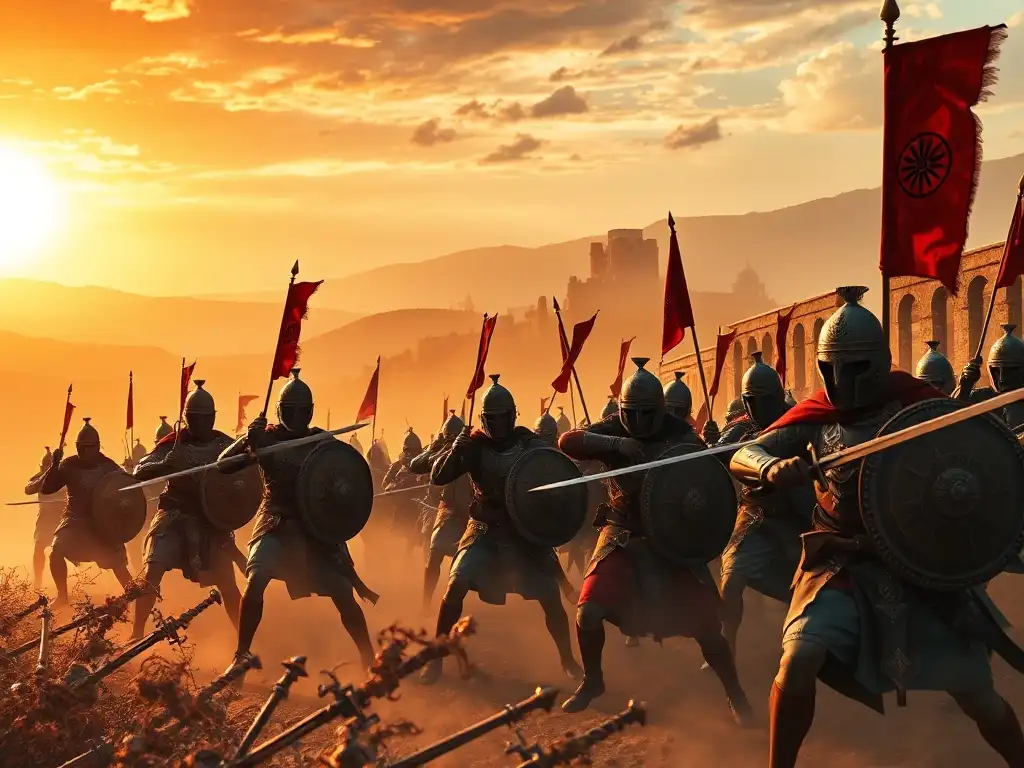
Welcome to Ancient India History, where we embark on a fascinating journey through the rich tapestry of India’s past! Dive into the Ancient Indian battles history, and uncover the stories of valor and strategy that shaped the subcontinent. Our featured article, The Battle of Bhatinda: A Prelude to Future Conflicts, invites you to explore not just the clash of arms, but the profound implications these battles had on the civilizations that followed. Get ready to enrich your understanding of ancient warfare and its lasting impact—your adventure into the depths of history begins now!
Introduction to Ancient Indian Battles History
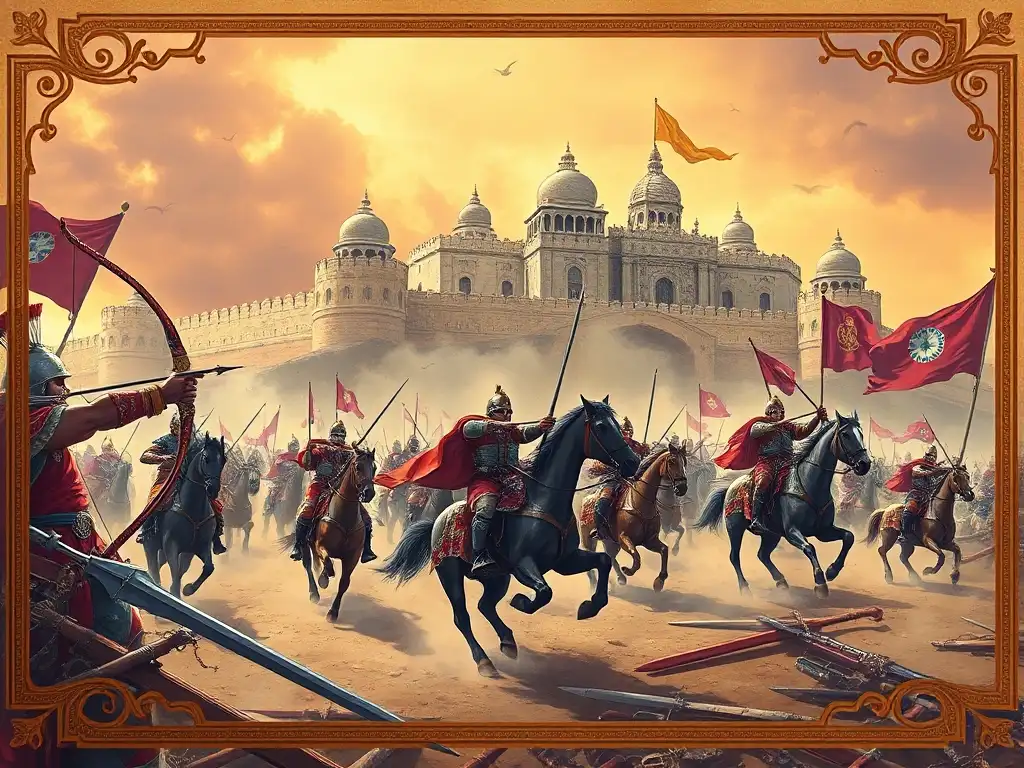
The Battle of Bhatinda, fought in the early medieval period, stands as a pivotal moment in the tapestry of ancient Indian battles history. This conflict not only showcased the military strategies and valor of the time but also set the stage for future confrontations that would shape the subcontinent's history. As we delve into the intricacies of this battle, it is essential to understand how the dynamics of ancient Indian warfare evolved, influenced by a myriad of factors including political rivalries, cultural exchanges, and technological advancements.
Overview of Military History in Ancient India
Ancient India boasts a rich military history characterized by diverse warfare techniques, multifaceted strategies, and notable battles that have contributed significantly to the region's socio-political landscape. Key elements include:
- Diverse Armies: Various kingdoms, such as the Mauryas, Guptas, and Cholas, maintained distinct military formations and tactics, reflecting their unique cultures.
- Innovative Strategies: From the use of war elephants to advanced archery techniques, ancient Indian armies employed innovative strategies that were often ahead of their time.
- Fortifications and Siege Warfare: The construction of forts and the art of siege warfare became crucial, as kingdoms sought to protect their territories and assert dominance over rivals.
This complex tapestry of military endeavors not only reveals the martial prowess of ancient civilizations but also highlights their cultural and technological advancements.
Significance of the Battle of Bhatinda
The Battle of Bhatinda holds great significance in the context of ancient Indian battles history for several reasons:
- Strategic Importance: Bhatinda's geographical position made it a crucial point for controlling trade routes and military movements.
- Prelude to Further Conflicts: This battle marked the beginning of a series of conflicts that would ensue in the region, influencing the political landscape for centuries to come.
- Cultural Exchange: The interactions between opposing forces during the battle led to a blend of cultural influences, impacting the societies involved.
Understanding these aspects allows us to appreciate the battle's role not just as a military engagement, but as a catalyst for broader historical developments.
Historical Context of the Battle of Bhatinda
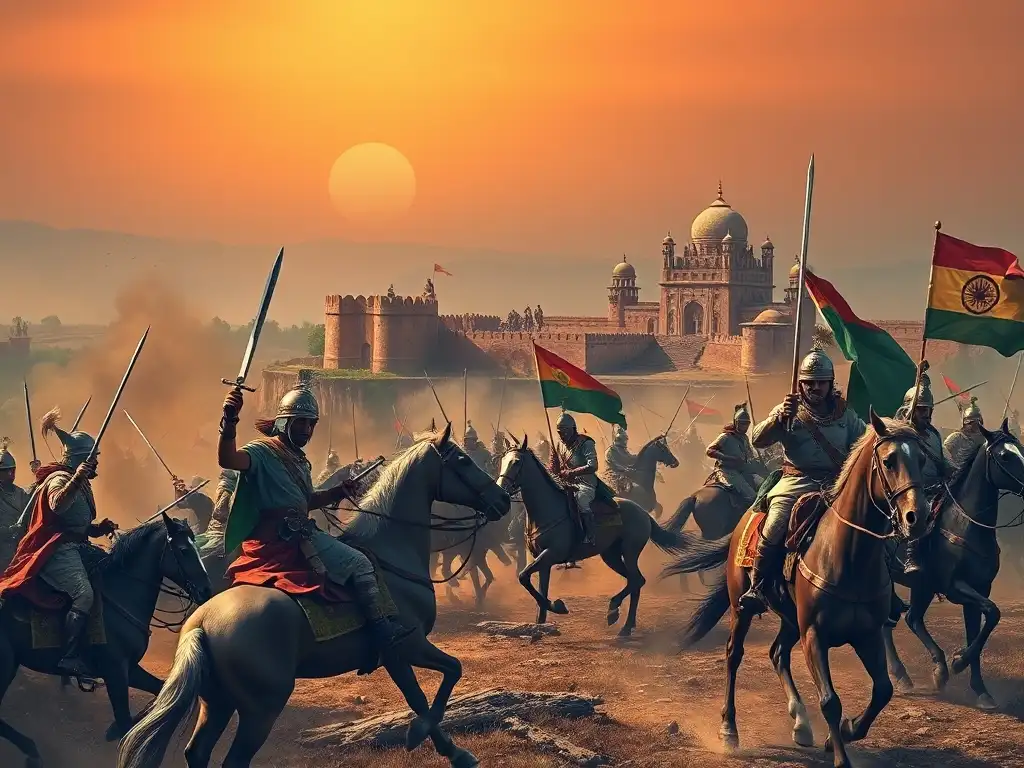
To fully grasp the implications of the Battle of Bhatinda, we must first explore the historical context in which it occurred. This involves examining the political landscape of ancient India and identifying the key players involved in this significant conflict.
The Political Landscape of Ancient India
During the time of the Battle of Bhatinda, ancient India was characterized by a fragmented political landscape, with numerous kingdoms vying for power. Some notable features include:
- Regional Kingdoms: The presence of multiple regional powers, such as the Rajputs and the Gurjara-Pratihara, created a competitive atmosphere, leading to frequent skirmishes and alliances.
- External Pressures: The incursion of foreign powers, particularly from Central Asia, added another layer of complexity to the political scene, prompting native kingdoms to unite or confront these threats.
This intricate web of alliances and rivalries set the backdrop for the Battle of Bhatinda, making it a crucial event in the broader narrative of ancient Indian military history.
Key Players Involved in the Battle
The Battle of Bhatinda involved significant figures whose decisions and leadership greatly influenced the outcome. Among them:
- Prithviraj Chauhan: A prominent Rajput king known for his valor and military acumen, Chauhan's strategies would be instrumental in the battle's developments.
- Muhammad Ghori: The Afghan ruler, whose ambitions for expansion into Indian territories marked a pivotal shift in the region's power dynamics.
The interplay between these key players and their respective forces not only shaped the battle itself but also had lasting repercussions on the history of ancient India.
Detailed Account of the Battle of Bhatinda
The Battle of Bhatinda, fought in the early 11th century, is a significant episode in the military history of ancient India that set the stage for future conflicts in the region. This battle involved the forces of the Ghaznavid Empire, led by Mahmud of Ghazni, against the local Rajput rulers, specifically the forces of the reigning king of Bhatinda, Bhima II.
The confrontation was characterized by its intensity and the strategic significance of the region. Bhatinda, located in present-day Punjab, was a crucial bastion for controlling trade routes and military movements between northern India and Central Asia. Mahmud's ambitions to expand his territory into India were met with fierce resistance from the Rajputs, who were known for their valor and chivalry.
The battle commenced with Mahmud launching a surprise attack on the fort of Bhatinda. Utilizing his cavalry's speed and mobility, he aimed to breach the fortifications swiftly. The Rajputs, under Bhima II, employed their defensive tactics effectively, leveraging the fort's strong walls and their knowledge of the terrain. Despite their valiant efforts, the numerical superiority and tactical prowess of Mahmud's forces eventually overwhelmed the defenders, leading to a decisive victory for the Ghaznavids.
This battle not only illustrated the shifting dynamics of power in ancient India but also highlighted the evolving nature of warfare during this period, making it a pivotal moment in the annals of ancient Indian battles history.
Timeline of Events Leading to the Conflict
- Early 11th Century: Mahmud of Ghazni ascends to power and begins his campaigns in the Indian subcontinent, targeting wealthy regions for plunder and expansion.
- 1001 CE: Mahmud conducts his first raid into India, targeting the rich temples and cities, establishing the Ghaznavid Empire's interest in Indian territories.
- 1005 CE: Reports of Mahmud’s conquests spread, leading to increased tension among the local kingdoms, particularly the Rajputs, who view him as a significant threat.
- 1015 CE: After several successful raids, Mahmud sets his sights on Bhatinda, recognizing its strategic importance and wealth.
- 1018 CE: Skirmishes occur between Mahmud’s forces and Rajput sentries, escalating tensions and leading to preparations for a full-scale confrontation.
- 1019 CE: The Battle of Bhatinda takes place, resulting in a significant victory for Mahmud and marking a turning point in the power dynamics of the region.
Major Strategies and Tactics Employed
In the Battle of Bhatinda, both sides showcased a range of strategies and tactics that reflected their military doctrines and capabilities.
- Ghaznavid Tactics:
- Cavalry Charges: Mahmud's forces heavily relied on mobile cavalry units, which executed swift charges to break the enemy lines.
- Surprise Attacks: The element of surprise played a crucial role. Mahmud launched his attack during the early morning hours, catching the Rajputs off guard.
- Siege Warfare: After the initial assault, Mahmud employed siege tactics, surrounding the fort and cutting off supplies to the defenders.
- Rajput Strategies:
- Defensive Fortifications: Bhima II utilized Bhatinda's strong walls and prepared the defenders for a prolonged siege.
- Local Knowledge: The Rajputs leveraged their familiarity with the terrain to set ambushes and conduct counter-attacks against Ghaznavid units.
- Morale and Valor: Emphasizing honor and bravery, the Rajputs fought fiercely to protect their kingdom, embodying the chivalric values of their culture.
The clash of these strategies not only shaped the outcome of the battle but also influenced military tactics in subsequent conflicts across ancient India.
Aftermath of the Battle of Bhatinda
The aftermath of the Battle of Bhatinda was significant, influencing the political landscape and military strategies in ancient India.
Immediate Consequences for the Kingdom
The immediate repercussions for the Rajput kingdom after the battle were dire. The defeat led to the loss of Bhatinda, which fell under Ghaznavid control. This loss not only diminished the Rajput's territorial integrity but also affected their prestige and morale.
- Loss of Resources: The Rajputs faced a depletion of resources as Mahmud's forces plundered the region, taking wealth, livestock, and supplies.
- Political Instability: The defeat weakened Bhima II's reign, causing unrest among the local rulers and leading to a power vacuum in the region.
- Increased Ghaznavid Influence: The victory solidified Mahmud's position in northern India, enabling him to launch further campaigns into the Indian subcontinent.
Long-term Impacts on Ancient Indian Military History
The Battle of Bhatinda had several long-term impacts on the military history of ancient India:
- Shift in Military Power: The defeat of the Rajputs at Bhatinda marked the beginning of increased Ghaznavid influence in northern India, paving the way for future invasions.
- Changes in Warfare: The battle highlighted the need for local kingdoms to adapt their military strategies, leading to the incorporation of new tactics and technologies in response to foreign invasions.
- Formation of Alliances: The aftermath prompted various Indian kingdoms to form alliances to counter the rising threat of foreign powers, setting the stage for future conflicts and coalitions.
- Cultural Exchange: The Ghaznavid incursions facilitated cultural exchanges between Indian and Islamic civilizations, influencing art, architecture, and military practices in the region.
In essence, the Battle of Bhatinda served as a crucial turning point in ancient Indian battles history, shaping the trajectory of military and political developments in the subcontinent for centuries to come.
Lessons Learned from the Battle of Bhatinda
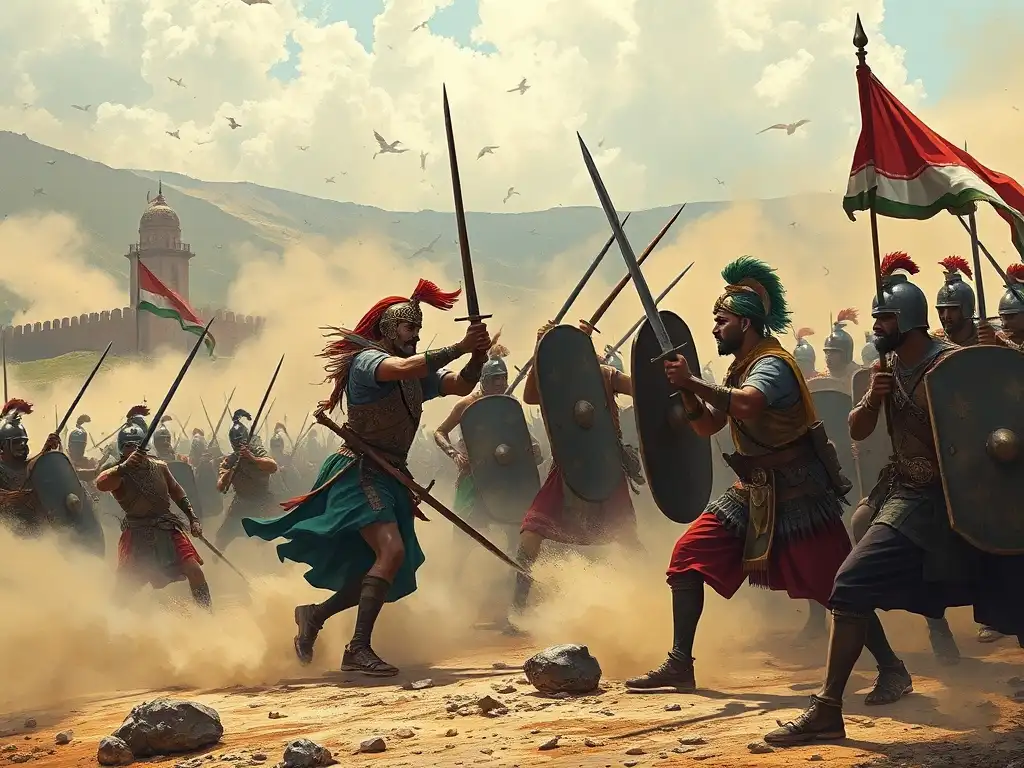
The Battle of Bhatinda, fought in the early 8th century, serves as a critical case study in understanding the military tactics and strategies of ancient Indian warfare. One of the primary lessons gleaned from this engagement is the significance of intelligence and reconnaissance. The ability to gather accurate information about enemy positions and strengths proved essential for both sides. The failure to adequately assess the opponent's capabilities often led to disastrous consequences, as seen in the tactics employed by the forces of the invading Umayyad Caliphate.
Another key lesson from this battle is the importance of logistics and supply lines. The ability to maintain communication and supply routes significantly influenced the outcome. Troops who were well-supplied and had access to reinforcements were better positioned to withstand prolonged engagements. The battle underscored the necessity of not only having a skilled fighting force but also an effective support system to enhance operational efficacy.
Lastly, the Battle of Bhatinda highlighted the crucial role of alliances and regional diplomacy. The shifting allegiances among the various kingdoms often dictated the flow of power and influence in ancient India. Understanding the political landscape and fostering alliances could provide a significant advantage in military campaigns. The aftermath of the battle demonstrated that the repercussions of such conflicts extended beyond the battlefield, affecting the geopolitical dynamics of the region.
Military Strategies That Shaped Future Conflicts
The military strategies employed during the Battle of Bhatinda laid the groundwork for future conflicts in ancient India. One notable tactic was the use of cavalry and infantry in coordinated attacks. The effective integration of different units allowed for greater flexibility and adaptability on the battlefield, setting a precedent for subsequent military leaders who would adopt similar formations.
Additionally, the battle showcased the utility of fortifications and defensive positions. The strategic importance of Bhatinda as a fortified location demonstrated how controlling key geographic points could impact the course of military campaigns. Future commanders learned the value of securing such strongholds to protect their territories and serve as bases for launching counter-offensives.
The use of psychological warfare also emerged as a tactic during this conflict. The ability to intimidate the enemy through displays of strength or misinformation became an integral part of military strategy. Leaders recognized that undermining the morale of the opposing forces could be as decisive as any physical confrontation.
Cultural and Political Ramifications in Ancient India
The cultural and political ramifications of the Battle of Bhatinda were profound and far-reaching. Culturally, the battle highlighted the clash between the indigenous Indian kingdoms and the invading forces, fostering a sense of identity and unity among the local populations. This conflict served as a rallying point, inspiring future generations to resist foreign invasions and to valorize their history of resilience.
Politically, the battle contributed to the fragmentation of power in ancient India. The defeat of certain kingdoms and the rise of others reshaped alliances and rivalries across the subcontinent. This realignment often led to increased militarization among the kingdoms, as they sought to fortify their defenses against potential threats. The power vacuum created by the conflict facilitated the rise of new dynasties, which would go on to play significant roles in the region's history.
Moreover, the battle influenced the socio-political discourse of the time, prompting debates about governance, territorial integrity, and the nature of leadership. The narratives surrounding the battle were woven into the historical fabric of India, contributing to the rich tapestry of its military history.
Conclusion: The Legacy of the Battle of Bhatinda
The Battle of Bhatinda not only stands as a significant event in ancient Indian battles history but also serves as a crucial juncture in the larger narrative of military conflict in the region. Its legacy is characterized by the lessons learned in strategy, the cultural identity it helped forge, and the political landscape it shaped.
The Importance of Understanding Ancient Indian Battles History
Understanding battles like Bhatinda is essential for appreciating the complexities of ancient Indian history. These conflicts illustrate the interplay between military strategy, cultural identity, and political power, offering insights into how civilizations evolve in response to external threats. Studying such battles enriches our comprehension of historical narratives and the development of regional dynamics.
Reflection on the Prelude to Future Conflicts
The Battle of Bhatinda served as a prelude to numerous future conflicts in ancient India. By analyzing the strategies, ramifications, and lessons from this battle, historians can better understand how subsequent military engagements were influenced by the precedents set during this conflict. The echoes of Bhatinda resonate through the annals of Indian history, underscoring the ongoing struggle for sovereignty and identity in a region marked by its rich and intricate past.
Additional Resources for Further Exploration
For those interested in delving deeper into the rich tapestry of ancient Indian battles and military history, a variety of resources are available. These can enhance understanding and provide a broader context regarding not only the Battle of Bhatinda but also other significant conflicts in ancient India. Here are some recommended resources to explore:
Books and Articles on Ancient Indian Battles
- "The History of Ancient India: From 650 to 1200" by Upinder Singh
- This book provides a comprehensive overview of political, social, and military developments in ancient India, including detailed analyses of key battles and their implications.
- "War in Ancient India" by R. N. Mehta
- This work examines the military strategies, weaponry, and tactics used in various conflicts throughout ancient Indian history, offering insights into the broader themes of warfare during this period.
- "Battles in Ancient India" by A. K. Sharma
- A focused study that details significant battles, including narratives, strategies, and outcomes, providing a vivid account of military engagements.
- Academic Journals
- Articles in journals such as the Journal of Asian Studies or Indian Historical Review frequently publish research on ancient Indian military conflicts and can be valuable for scholars and enthusiasts alike.
- "The Mauryan Empire: A Study of the Rise and Fall" by Romila Thapar
- While focusing primarily on the Mauryan Empire, this book discusses various military campaigns and battles that shaped the political landscape of ancient India.
Recommended Documentaries on Military History in Ancient India
- "Ancient India: The Age of Empires"
- This documentary explores the rise and fall of various empires in ancient India, featuring reenactments of key battles, including discussions on strategies and military innovations.
- "Warriors of the Ancient World"
- A broader series that includes episodes on ancient Indian warfare, detailing weaponry, troop formations, and significant conflicts that marked the historical landscape.
- "The Great Empires of India"
- This documentary series provides insights into the major empires of ancient India, highlighting their military campaigns and the battles that defined their histories.
- "Secrets of the Ancient World: India"
- Focused on the rich history of India, this documentary includes segments on prominent battles and military tactics employed during ancient times.
- YouTube Channels
- Channels like Epic History TV and Kings and Generals occasionally feature episodes on ancient Indian battles, giving visual and narrative context to historical events.
These resources serve as a gateway for anyone keen on understanding the complex military history of ancient India, particularly the battles that laid the groundwork for future conflicts and shaped the subcontinent's historical trajectory.
- Introduction to Ancient Indian Battles History
- Overview of Military History in Ancient India
- Significance of the Battle of Bhatinda
- Historical Context of the Battle of Bhatinda
- Detailed Account of the Battle of Bhatinda
- Aftermath of the Battle of Bhatinda
- Lessons Learned from the Battle of Bhatinda
- Conclusion: The Legacy of the Battle of Bhatinda
- Additional Resources for Further Exploration
- What was the significance of the Battle of Bhatinda in ancient Indian history?
- Which empires were involved in the Battle of Bhatinda?
- How did the Battle of Bhatinda influence subsequent battles in India?
- What were the main tactics used in the Battle of Bhatinda?
- How does the Battle of Bhatinda reflect the broader theme of ancient Indian battles history?
Frequently Asked Questions
What was the significance of the Battle of Bhatinda in ancient Indian history?
The Battle of Bhatinda marked a crucial turning point in the political landscape of ancient India, showcasing the military strategies and alliances that shaped future conflicts.
Which empires were involved in the Battle of Bhatinda?
The battle primarily involved the Rajputs and the invading forces from the Ghurid dynasty, highlighting the tensions between local rulers and foreign powers.
How did the Battle of Bhatinda influence subsequent battles in India?
The outcomes of the Battle of Bhatinda set the stage for future conflicts, as it exemplified the challenges faced by Indian kingdoms in resisting foreign invasions.
What were the main tactics used in the Battle of Bhatinda?
Both sides employed a mix of cavalry charges, infantry formations, and archery, which were pivotal in determining the battlefield dynamics and outcomes.
How does the Battle of Bhatinda reflect the broader theme of ancient Indian battles history?
This battle is a prime example of the complex relationships between various kingdoms and empires, illustrating the historical significance of warfare in shaping ancient Indian civilization.
The Battle of Bhatinda serves as a pivotal moment in ancient Indian battles history, illustrating the complexities of conflict and the intricate tapestry of alliances and enmities that shaped the subcontinent. As we reflect on this historical event, it becomes clear that the lessons learned from such battles remain profoundly relevant today. The echoes of past conflicts resonate in our contemporary world, reminding us that understanding history is crucial for forging a path toward peace and reconciliation.
The impact of the Battle of Bhatinda extends beyond its immediate outcomes; it has influenced the cultural and social landscape of India for centuries. The narratives surrounding this battle continue to shape our understanding of identity, power, and resistance. As we delve into these stories, we recognize the importance of acknowledging our past to foster a more inclusive future. Those who cannot remember the past are condemned to repeat it.
— George Santayana. This quote encapsulates the essence of why we must engage with our history, not merely as spectators but as active participants in shaping our collective narrative.
As we conclude this exploration of the Battle of Bhatinda, I invite you to reflect on your own relationship with history. Consider how the lessons from ancient conflicts can inform your actions and decisions today. Embrace the opportunity to learn from the past, to engage in meaningful dialogues about conflict and resolution, and to contribute to a future where understanding prevails over division. Let us honor the sacrifices of those who came before us by striving for a world where history guides us toward unity and peace.
Unleash the Power of Knowledge: Dive Deeper into History!
Thank you for exploring the pivotal events of the Battle of Bhatinda with us! Your interest in understanding this key conflict equips you with insights that shape our appreciation of ancient narratives. Now, let's translate that understanding into action!
- Join an online discussion group focused on the battles of ancient India to share your thoughts and engage in meaningful conversations with fellow enthusiasts.
- Explore additional resources about significant conflicts that shaped India's history and uncover the connections that led to later developments.
- Share this article with a history-loving friend—spreading knowledge strengthens our community and invites diverse perspectives!
What aspect of the Battle of Bhatinda intrigues you the most, and how do you believe it influenced subsequent events in Indian history?