
The Role of Meditation in Vedic and Upanishadic Teachings

Welcome to Ancient India History, where we embark on a fascinating journey through the rich tapestry of ancient Indian civilizations. Today, we delve into the profound significance of meditation in Vedic teachings, a cornerstone of spiritual practice that has shaped philosophical thought for millennia. As we explore the ways in which meditation intertwines with Vedic and Upanishadic teachings, we invite you to uncover the wisdom and insights that continue to influence countless lives. Join us as we unravel the mysteries of this ancient practice and its enduring legacy—your exploration begins now!
- Introduction to Meditation in Vedic Teachings
- Historical Background of Meditation in Vedic Teachings
- Core Concepts of Meditation in Vedic and Upanishadic Teachings
- The Role of Meditation in Spiritual Growth
- Techniques of Meditation in Vedic Practices
- Comparative Analysis: Vedic Meditation vs. Other Traditions
- Conclusion: The Enduring Legacy of Vedic Meditation
-
Frequently Asked Questions
- What is the significance of meditation in Vedic teachings?
- How did the Upanishads influence meditation practices?
- What are the main techniques of meditation mentioned in Vedic texts?
- How does meditation contribute to personal development according to Vedic philosophy?
- Can anyone practice meditation as per Vedic traditions?
- Final Reflection: Embracing the Wisdom of Meditation in Vedic Teachings
- Embrace Inner Peace Through Meditation Today!
Introduction to Meditation in Vedic Teachings
Meditation, a profound practice with roots deeply embedded in ancient Indian philosophy, plays a pivotal role in the Vedic and Upanishadic traditions. These teachings, which form the cornerstone of Hindu spirituality, illuminate the understanding of the self, the universe, and the nature of reality. The concept of meditation in Vedic teachings is not merely a technique for relaxation or mental clarity; it is a transformative journey towards self-realization and enlightenment. This article delves into the significance of meditation in these ancient texts, exploring its philosophical underpinnings and practical applications.
Overview of Vedic and Upanishadic Context
The Vedas, comprising four primary texts—Rigveda, Samaveda, Yajurveda, and Atharvaveda—serve as the oldest sacred scriptures of Hinduism. They encapsulate a wealth of knowledge, including rituals, hymns, and philosophical discourse. The Upanishads, considered the concluding part of the Vedic texts, shift the focus from external rituals to internal contemplation, laying the groundwork for understanding the ultimate reality, or Brahman.
In this context, meditation emerges as a crucial practice aimed at transcending the mundane and experiencing deeper states of consciousness. The Vedic texts articulate various forms of meditation, including Dhyana (focused meditation) and Samadhi (state of meditative absorption), which are essential for seekers aspiring to attain spiritual liberation (moksha).
Importance of Meditation in Ancient Indian Philosophy
Meditation in Vedic and Upanishadic teachings serves multiple purposes:
- Self-Realization: It aids individuals in realizing their true nature, often described as Atman, or the inner self, which is ultimately one with Brahman, the universal spirit.
- Mental Discipline: The practice cultivates concentration and mental discipline, essential for navigating the complexities of life and attaining spiritual goals.
- Spiritual Awakening: Through meditation, practitioners can experience profound insights and spiritual awakenings, leading to a greater understanding of existence and the cosmos.
The emphasis on meditation reflects a holistic approach to spirituality, where physical, mental, and spiritual well-being are interconnected. This ancient wisdom continues to resonate today, as modern practitioners seek to harness the benefits of meditation for personal growth and enlightenment.
In the following sections, we will explore specific teachings from the Vedas and Upanishads that elucidate the role of meditation, providing a detailed understanding of its significance in ancient Indian philosophy.
Historical Background of Meditation in Vedic Teachings
Origins of Meditation Practices in the Vedas
Meditation in Vedic teachings has its roots in the ancient practices and philosophies that emerged during the Vedic period, approximately 1500 to 500 BCE. The Vedas, which are the oldest sacred scriptures of Hinduism, contain profound insights about the nature of existence, consciousness, and the ultimate reality. Within these texts, meditation serves as a key tool for spiritual growth and self-realization.
The earliest references to meditation can be found in the Rigveda, where it is described as a means to attain clarity of thought and connection with the divine. Vedic sages, known as rishis, engaged in intense meditation to gain insights into the cosmos and the nature of the self. This practice was not just about individual contemplation but was seen as a way to align oneself with the universal order, or Rta.
Key Elements of Vedic Meditation Practices
- Focus on Breath: Early Vedic practices emphasized the awareness of breath as a vital aspect of meditation, promoting tranquility and concentration.
- Chanting of Mantras: The use of mantras, sacred syllables or phrases, was integral to Vedic meditation, believed to harness cosmic energies to elevate consciousness.
- Sacrificial Rituals: Meditation was often interwoven with rituals and sacrifices, where practitioners sought the divine favor through focused intent and mental discipline.
The transition from ritualistic practices to more introspective meditation is evident as Vedic thought evolved. This shift laid the groundwork for deeper philosophical inquiries into the self and the universe, culminating in the teachings found in the Upanishads.
Key Texts Discussing Meditation in Vedic Literature
The Vedic literature is replete with references to meditation, particularly in texts that outline the philosophical underpinnings of Vedic teachings. Here, we explore some of the key texts that discuss meditation in detail:
| Text | Description |
|---|---|
| Rigveda | Contains hymns that reference meditative states and the importance of inner stillness. |
| Yajurveda | Discusses rituals that incorporate meditative practices for achieving spiritual goals. |
| Samaveda | Focuses on the musical aspects of Vedic chants that enhance meditative states. |
| Atharvaveda | Explores the use of mantras and spells, linking them to meditative practices for healing and protection. |
| Upanishads | Philosophical texts that elaborate on the nature of meditation, self-realization, and the ultimate truth (Brahman). |
The Upanishads represent a significant advancement in meditation practices, moving from external rituals to internal experiences. They introduce concepts such as Dhyana (meditative absorption) and Samadhi (a state of consciousness), laying the groundwork for later philosophical systems, including Yoga and Vedanta.
Meditation in Vedic teachings is an ancient practice that has evolved over centuries, shaping the spiritual landscape of India. It emphasizes the importance of inner contemplation and the quest for truth, guiding practitioners toward enlightenment and understanding of the self in relation to the cosmos.
Core Concepts of Meditation in Vedic and Upanishadic Teachings
Definition and Purpose of Meditation in Vedic Philosophy
Meditation in Vedic teachings is fundamentally about achieving a deeper understanding of the self and the universe. It is a practice that transcends mere relaxation, aiming instead for profound insight and spiritual awakening. The Vedas, which are the oldest sacred texts of Hinduism, outline meditation as a mechanism for realizing one's connection with the divine and attaining liberation (moksha).
The purpose of meditation in Vedic philosophy includes:
- Self-Realization: Understanding the true nature of the self (atman) and its unity with Brahman, the ultimate reality.
- Mental Clarity: Cultivating a focused mind that can discern the nature of existence, leading to wisdom and knowledge.
- Spiritual Awakening: Attaining higher states of consciousness through sustained practice, ultimately leading to enlightenment.
By engaging in meditation, practitioners aim to align themselves with universal truths and foster a sense of inner peace, which is crucial for navigating the complexities of life.
Types of Meditation Mentioned in Vedic Texts
Vedic texts delineate various forms of meditation, each with its unique focus and methodology. The two primary types highlighted are Dhyana and Samadhi, both of which serve pivotal roles in spiritual development.
Dhyana (Meditative Absorption)
Dhyana refers to a state of meditative absorption where the practitioner engages in focused contemplation. This form of meditation emphasizes:
- Concentration: Directing the mind towards a single object, thought, or deity, allowing distractions to fade away.
- Inner Stillness: Achieving a tranquil state of mind where external stimuli no longer interfere with inner thoughts.
- Continuous Awareness: Maintaining a sustained focus that deepens over time, leading to spiritual insights and heightened awareness.
In the context of Vedic teachings, Dhyana is seen as a crucial practice for those seeking to understand their place in the cosmos and to connect with divine consciousness.
Samadhi (State of Consciousness)
Samadhi represents a higher state of consciousness achieved through meditation. This state is characterized by:
- Union with the Divine: The practitioner experiences a profound sense of oneness with Brahman, transcending the individual ego.
- Complete Absorption: The mind is fully absorbed in the object of meditation, leading to a state of bliss and tranquility.
- Transcendence of Dualities: In Samadhi, distinctions between the observer and the observed dissolve, resulting in a pure experience of reality.
Samadhi is often considered the ultimate goal of meditation in Vedic philosophy, as it encapsulates the essence of spiritual liberation and aligns the practitioner's consciousness with the universal consciousness.
By understanding and practicing these forms of meditation, individuals can embark on a transformative journey through the rich landscape of Vedic teachings, ultimately leading to spiritual fulfillment and enlightenment.
The Role of Meditation in Spiritual Growth
Meditation plays a pivotal role in the spiritual landscape of ancient Indian philosophies, particularly within Vedic and Upanishadic teachings. It serves as a fundamental practice for individuals seeking to deepen their understanding of the self and the universe. The integration of meditation into spiritual growth is not merely a technique for relaxation but is viewed as a transformative process that leads to profound insights and enlightenment.
Meditation as a Path to Self-Realization
In the Vedic texts, meditation—referred to as dhyana—is depicted as an essential practice for achieving self-realization. It is through meditation that practitioners can transcend the distractions of the mind and connect with their true essence. The Vedas emphasize the importance of shruti (that which is heard) and smriti (that which is remembered) in guiding meditators toward understanding their higher selves.
- Stages of Meditation:
- Preparation: This involves creating a conducive environment for meditation, including rituals and the recitation of mantras.
- Concentration: Focusing the mind on a single point, such as the breath or a deity, helps in quieting the mental chatter.
- Absorption: As concentration deepens, the practitioner enters a state of profound stillness, allowing for deeper introspection.
- Benefits of Meditation in Vedic Practices:
- Mental Clarity: Regular practice enhances cognitive functions and emotional regulation.
- Emotional Well-being: Meditation fosters a sense of inner peace and reduces anxiety, promoting overall mental health.
- Spiritual Insight: Through meditation, practitioners can gain insights into their true nature and the interconnectedness of all beings.
Through these stages, meditation acts as a bridge to self-realization, enabling individuals to perceive the ultimate truth beyond the transient nature of worldly experiences. The teachings found in the Vedas lay a robust foundation for understanding how meditation can elevate one's spiritual journey.
The Connection Between Meditation and Brahman in Upanishads
The Upanishads, often regarded as the culmination of Vedic thought, expand on the concept of meditation, particularly its relationship with Brahman, the ultimate reality. The Upanishadic texts articulate a vision of the universe where everything is interconnected, and meditation is the means to experience this unity.
- Understanding Brahman:
- Brahman is described as the source of all existence, transcending the physical and mental realms. It is through meditation that individuals can experience the essence of Brahman.
- The Mahavakyas, or great sayings, such as "Tat Tvam Asi" (That Thou Art), encapsulate the relationship between the individual soul ( Atman) and Brahman.
- Meditation Techniques in Upanishads:
- Contemplation on Brahman: Practitioners are encouraged to meditate on the nature of Brahman, reflecting on its attributes and the interconnectedness of all life.
- Symbolic Visualization: Techniques often involve visualizing the cosmic form of Brahman, which aids in transcending personal identity and experiencing universal consciousness.
- Impacts of Meditation on Spiritual Perception:
- Engaging in meditation allows individuals to dissolve their ego and experience a state of unity with Brahman, leading to spiritual liberation ( moksha).
- The Upanishadic teachings illustrate that through steadfast practice of meditation, one can achieve a direct realization of the divine, affirming the non-duality of existence.
Meditation in Vedic teachings and Upanishadic philosophies serves as a profound tool for spiritual growth. It facilitates self-realization and connects practitioners with the essence of Brahman, illuminating the path toward enlightenment and unity with the cosmos. The emphasis on meditation within these ancient texts underscores its timeless significance in the journey of spiritual awakening.
Techniques of Meditation in Vedic Practices
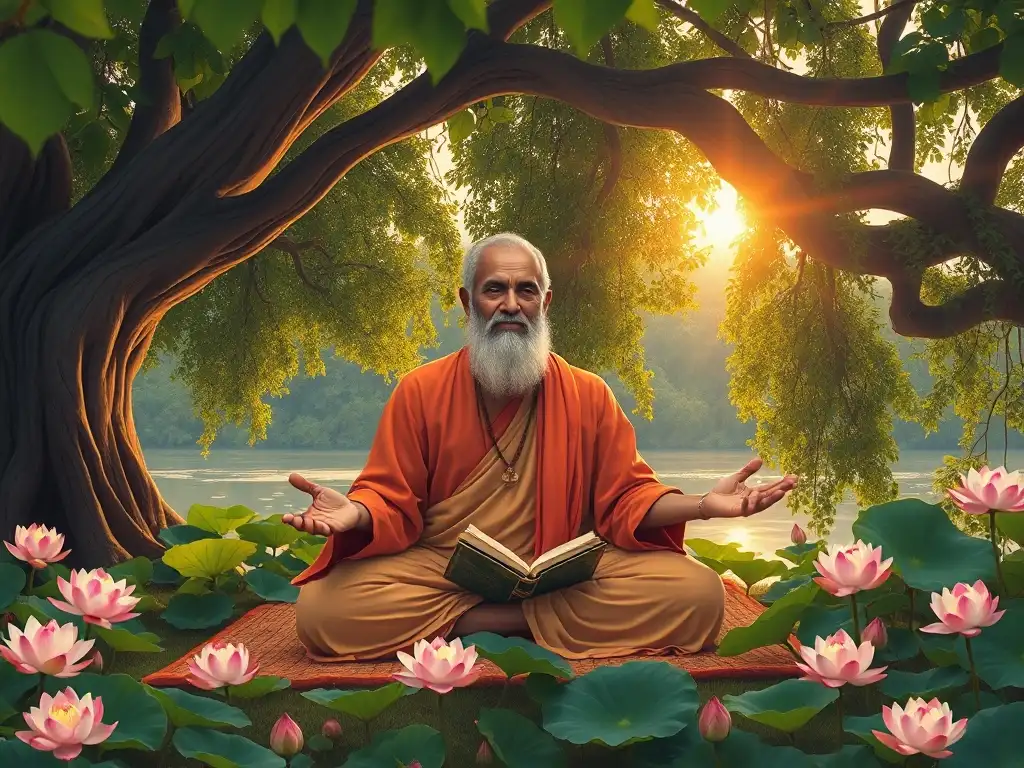
The Vedic texts, composed between 1500 and 500 BCE, lay the foundation for many spiritual practices in ancient India, particularly meditation. Meditation in Vedic teachings is integral to understanding the cosmos, self-realization, and the ultimate truth (Brahman). Various techniques emerged, each with unique methodologies and purposes, reflecting the rich tapestry of Vedic spirituality.
Traditional Methods of Meditation in Vedic Teachings
The methods of meditation in Vedic teachings can be categorized into several traditional practices, including:
- Dhyana (Meditative Absorption):
- Definition: Dhyana refers to a state of focused meditation where the practitioner seeks to quiet the mind and concentrate on a single point or thought.
- Practice: This involves techniques such as focusing on the breath or a mantra (sacred sound) to eliminate distractions. The goal is to reach a state of deep inner peace, often leading to enlightenment.
- Mantra Meditation:
- Definition: This involves the repetition of specific words or phrases, known as mantras, believed to have vibrational significance.
- Examples: The Gayatri Mantra, a revered Vedic chant, is often used to invoke spiritual energy and enlightenment.
- Purpose: Mantra meditation serves to align the practitioner's consciousness with the cosmic order and facilitate a deeper connection with the divine.
- Pranayama (Breath Control):
- Definition: Pranayama encompasses various breathing techniques designed to control prana (life force).
- Types: Techniques like Ujjayi (victorious breath) and Nadi Shodhana (alternate nostril breathing) are commonly practiced to purify the body and calm the mind.
- Impact: These practices prepare the mind for deeper meditation by enhancing concentration and reducing mental chatter.
- Visualization Techniques:
- Definition: Early Vedic practitioners utilized visualization to create mental images of deities or cosmic phenomena.
- Application: This technique helps to cultivate devotion and deepen the meditative experience, allowing practitioners to connect with higher states of awareness.
- Pratyahara (Withdrawal of Senses):
- Definition: Pratyahara is the practice of withdrawing the senses from external stimuli to focus inward.
- Method: This involves turning the attention away from sensory distractions and directing it towards the inner self, facilitating a profound meditative state.
Meditation Rituals and Their Significance in Ancient India
Meditation rituals in ancient India were not merely personal practices; they were deeply embedded in the cultural and spiritual fabric of Vedic society. These rituals served multiple purposes:
- Spiritual Enlightenment: Rituals aimed to connect individuals with the divine and the cosmos, fostering spiritual growth and enlightenment. They were seen as essential for understanding one's place in the universe and realizing the ultimate truth.
- Community Participation: Many meditation practices were communal, where groups would gather to perform rituals collectively. This fostered a sense of community and shared purpose, reinforcing social bonds and collective spirituality.
- Sacred Offerings: Meditation rituals often involved offerings to deities, accompanied by chants and mantras. These acts were believed to invoke divine blessings and maintain cosmic order.
- Transformation and Cleansing: Ritualistic meditation was also a means of personal transformation. It was believed that engaging in these practices could purify the mind and body, preparing individuals for higher states of consciousness.
- Integration with Nature: Many meditation rituals were performed in natural settings, emphasizing the connection between the individual and the environment. This integration highlighted the belief that nature and the cosmos are reflections of divine energy.
The techniques of meditation in Vedic practices are diverse and profound, rooted in ancient traditions that seek to connect individuals with the universe and the divine. These practices, through their rituals and communal aspects, played a critical role in shaping the spiritual landscape of ancient India, laying the groundwork for the meditative practices that continue to influence spiritual seekers today.
Comparative Analysis: Vedic Meditation vs. Other Traditions
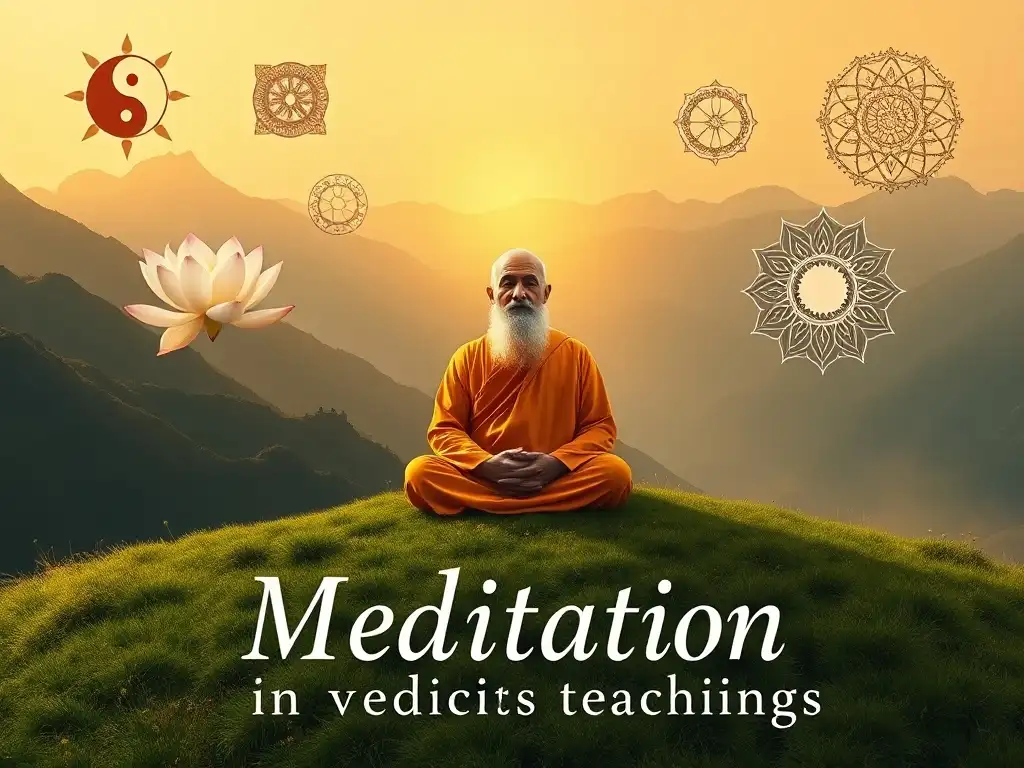
Similarities Between Vedic Meditation and Other Indian Practices
Vedic meditation, a profound aspect of Vedic teachings, shares several core similarities with other Indian meditative practices, such as those found in Buddhism and Jainism. Both traditions emphasize the importance of achieving a state of inner peace, self-awareness, and a deeper connection with the universe.
- Focus on Breath and Awareness: Like many Indian meditative practices, Vedic meditation often employs breath control (pranayama) as a fundamental technique. This shared emphasis on breath serves to anchor the mind and cultivate a heightened state of awareness.
- Philosophical Underpinnings: All these practices are deeply rooted in Indian philosophy, which explores the nature of reality, consciousness, and the self. Concepts such as Brahman (the ultimate reality) and Atman (the individual soul) are prevalent across these traditions, promoting a unified understanding of existence.
- Goal of Liberation: The ultimate aim of Vedic meditation, akin to other spiritual practices in India, is moksha (liberation from the cycle of birth and rebirth). Practitioners seek to transcend the material world and attain a state of blissful enlightenment.
- Use of Mantras: Many Indian meditative practices, including Vedic meditation, incorporate the use of mantras. These sacred sounds or phrases are believed to have spiritual significance and help in focusing the mind.
Differences Between Vedic Meditation and Western Meditation Techniques
While Vedic meditation has its roots in ancient Indian philosophy, it contrasts significantly with many modern Western meditation techniques. Understanding these differences can enhance one's appreciation of its unique contributions.
- Cultural Context: Vedic meditation is steeped in a rich historical and spiritual context that encompasses the broader framework of Hindu philosophy. In contrast, many Western practices often prioritize psychological benefits such as stress relief and mental clarity, sometimes sidelining deeper spiritual implications.
- Technique and Approach: Vedic meditation typically involves the silent repetition of a specific mantra, allowing the mind to settle into a deep state of rest. Western techniques, such as mindfulness meditation, often emphasize maintaining awareness of the present moment without attachment to thoughts, which can lead to different experiences and outcomes.
- Duration and Practice: Vedic meditation is often practiced for a set duration, traditionally 20 minutes, twice a day. In contrast, Western meditation practices may vary widely in duration and frequency, with some encouraging longer, undirected sessions that can last for hours.
- Objective: The primary goal of Vedic meditation is to connect with the true self and achieve spiritual realization. Many Western practices, while also aiming for personal growth, may focus more on cognitive and emotional improvements, such as enhanced focus or emotional regulation.
While Vedic meditation shares common ground with other Indian practices through its philosophical foundations and techniques, it stands apart from Western meditation methods in its cultural context, approach, and objectives. Understanding these nuances can deepen one's engagement with meditation in Vedic teachings, enriching both personal practice and historical appreciation.
Conclusion: The Enduring Legacy of Vedic Meditation
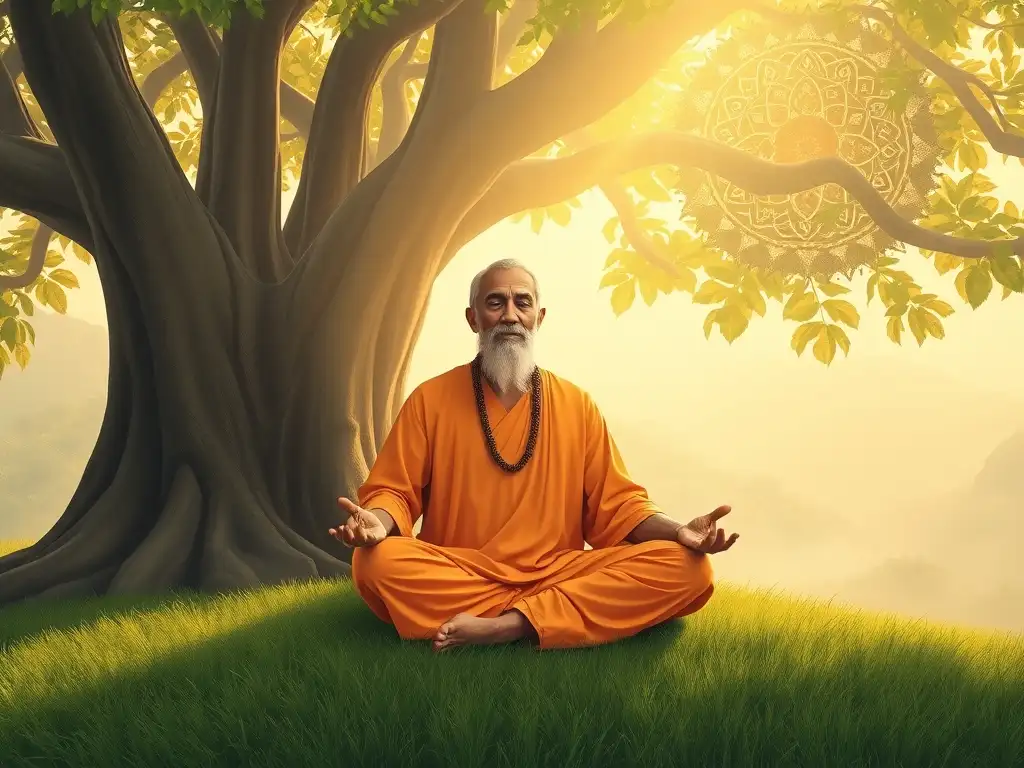
The exploration of meditation in Vedic teachings reveals a profound connection between ancient practices and contemporary spiritual pursuits. Vedic meditation, rooted in the rich philosophical framework of the Vedas and Upanishads, emphasizes self-realization, inner peace, and the pursuit of ultimate truth. This legacy endures as a guiding light for individuals seeking deeper meaning in their lives today.
The Vedic texts, including the Rigveda and the Upanishads, articulate meditation as a means to transcend the mundane and connect with the divine. Through techniques such as dhyana (meditative contemplation) and tapa (austerity), individuals engaged in these practices aimed to cultivate a heightened awareness of the self and the universe. The integration of these teachings into daily life has led to the establishment of a rich meditative tradition that continues to inspire spiritual seekers across the globe.
Modern Relevance of Vedic Meditation Practices
In contemporary society, the relevance of meditation in Vedic teachings is unmistakable. As stress and anxiety become prevalent issues, many individuals turn to these ancient practices for solace and rejuvenation.
- Mindfulness and Self-Care: Modern adaptations of Vedic meditation emphasize mindfulness, encouraging practitioners to remain present and cultivate awareness in their daily activities. This approach aligns with current mental health practices, which advocate for self-care and emotional well-being.
- Spiritual Growth: Vedic meditation fosters a path toward spiritual growth, encouraging individuals to explore their inner selves. Techniques such as mantra repetition and breath control not only enhance concentration but also facilitate a deeper connection with one's spiritual essence.
- Scientific Validation: Recent scientific studies have begun to validate the benefits of meditation, including stress reduction, improved focus, and emotional resilience. The principles of Vedic meditation resonate with findings in psychology and neuroscience, bridging ancient wisdom with modern understanding.
Final Thoughts on the Impact of Meditation in Vedic and Upanishadic Teachings
The impact of meditation in Vedic and Upanishadic teachings is profound and far-reaching. By integrating these ancient practices into modern life, individuals can find a sense of balance, purpose, and connection.
- Cultural Significance: The cultural significance of Vedic meditation extends beyond personal practice. It has influenced various aspects of Indian culture, including art, literature, and philosophy, reflecting a holistic approach to life that values introspection and self-discovery.
- Global Influence: The teachings surrounding meditation in the Vedas and Upanishads have transcended geographical boundaries, inspiring global movements focused on mindfulness and meditation. This widespread adoption speaks to the timeless nature of these practices and their universal appeal.
- Path to Enlightenment: Ultimately, meditation serves as a vital tool on the path to enlightenment. The teachings of the Vedas and Upanishads continue to illuminate the way for countless seekers, guiding them toward self-realization and a deeper understanding of the cosmos.
The legacy of meditation in Vedic teachings is not only a historical phenomenon but a living tradition that continues to shape lives and foster spiritual growth in the modern world. As we delve deeper into these ancient practices, we uncover the timeless wisdom that remains relevant in today's fast-paced and often chaotic existence.
Frequently Asked Questions
What is the significance of meditation in Vedic teachings?
Meditation in Vedic teachings is essential for achieving mental clarity and spiritual growth. It serves as a practice that connects individuals with their inner self and the universal consciousness.
How did the Upanishads influence meditation practices?
The Upanishads introduced philosophical concepts that emphasized the importance of meditation for understanding the nature of reality and the self. They laid the groundwork for deeper meditative practices that sought self-realization.
What are the main techniques of meditation mentioned in Vedic texts?
Vedic texts describe various techniques, such as mantra repetition, breath control, and visualization. These methods aim to enhance focus, promote inner peace, and facilitate a connection with the divine.
How does meditation contribute to personal development according to Vedic philosophy?
According to Vedic philosophy, meditation fosters self-awareness, emotional balance, and mental discipline. It is viewed as a pathway to transformational growth and achieving one's full potential.
Can anyone practice meditation as per Vedic traditions?
Yes, meditation is accessible to everyone, regardless of their background or beliefs. The Vedic tradition encourages individuals to explore meditation for its benefits in fostering inner peace and spiritual evolution.
Final Reflection: Embracing the Wisdom of Meditation in Vedic Teachings
The exploration of meditation in Vedic teachings reveals its profound relevance in today's fast-paced world. As we navigate the complexities of modern life, the ancient practices of meditation offer a sanctuary for the mind and spirit, reminding us of the importance of inner peace and self-awareness. In a time where distractions abound, the teachings of the Vedas and Upanishads serve as a guiding light, illuminating the path toward mindfulness and spiritual growth.
The influence of meditation extends beyond individual practice; it shapes our collective consciousness and cultural landscape. As more people turn to these ancient practices for solace and clarity, we witness a resurgence of interest in holistic well-being and spiritual exploration. In the midst of movement and chaos, keep stillness inside of you.
This quote encapsulates the essence of meditation, highlighting its power to cultivate tranquility amidst the noise of everyday life. The teachings of the Vedas and Upanishads remind us that this stillness is not just a personal journey but a shared experience that can foster greater empathy and connection within our communities.
As you reflect on the insights shared in this article, I invite you to consider how you can integrate the principles of meditation into your daily life. Take a moment to pause, breathe, and connect with your inner self. Whether through formal meditation practices or simple moments of mindfulness, embracing these teachings can lead to profound transformations in your life. Let the wisdom of the Vedic and Upanishadic traditions inspire you to cultivate a deeper sense of peace and purpose, not only for yourself but for those around you.
Embrace Inner Peace Through Meditation Today!
Thank you for exploring the profound world of Vedic and Upanishadic teachings! You've discovered how meditation can transform your life and deepen your understanding of ancient wisdom. Now, it's time to take those insights and put them into action.
Here are some practical steps to integrate meditation into your daily routine:
- Start Your Day With Meditation: Dedicate at least 10 minutes each morning to meditate. Choose a quiet space, focus on your breath, and allow the teachings to resonate within you.
- Join a Meditation Community: Connect with a local or online group to enhance your practice, share experiences, and motivate one another on this journey.
- Explore Different Meditation Techniques: Investigate and experiment with various styles such as mindfulness, mantra chanting, or guided meditations to discover what resonates most with you.
How will integrating meditation into your life impact your journey toward self-discovery and peace? We invite you to share your thoughts in the comments!