
The Economic Impact of the Silk Road on Ancient Indian Civilizations

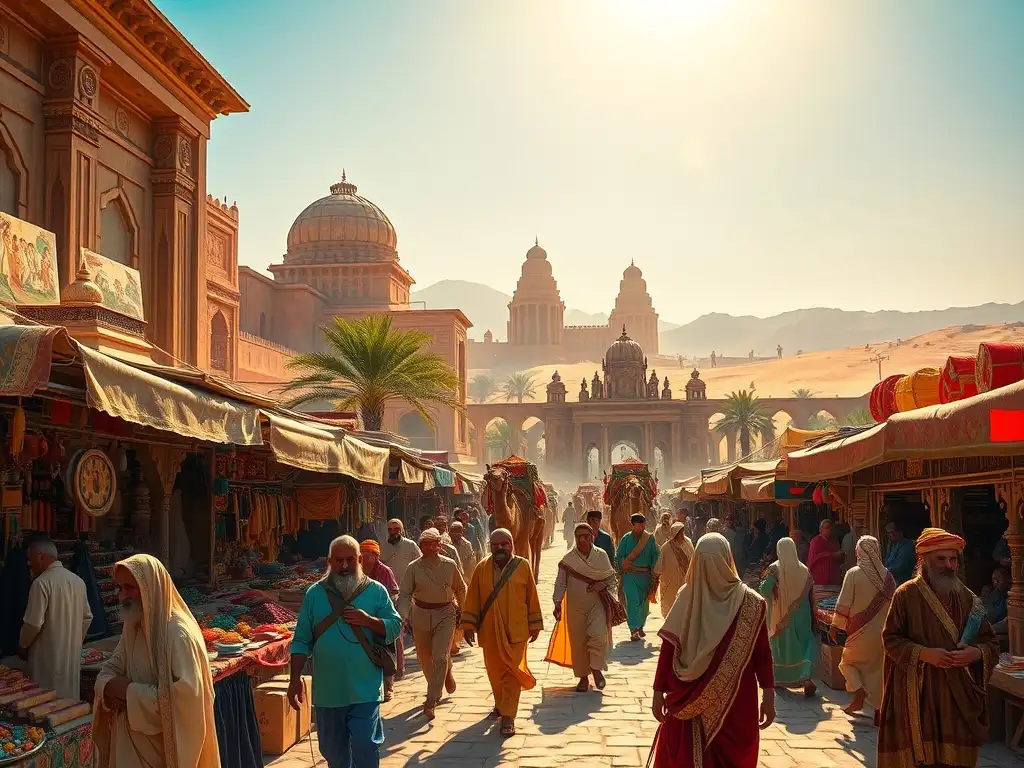
Welcome to Ancient India History, where we embark on a fascinating journey through the vibrant tapestry of India’s past. In this exploration, we delve into the profound economic impact of the Silk Road on ancient Indian civilizations. This extensive trade network not only enriched the cultural landscape of India but also transformed its economy, fostering connections that would shape the course of history.
Are you curious about how these ancient trade routes influenced the prosperity of empires like the Maurya and Gupta? Join us as we unravel the intricate links between trade and culture, inviting you to discover the legacies that continue to resonate today.
Introduction to the Silk Road and Its Significance
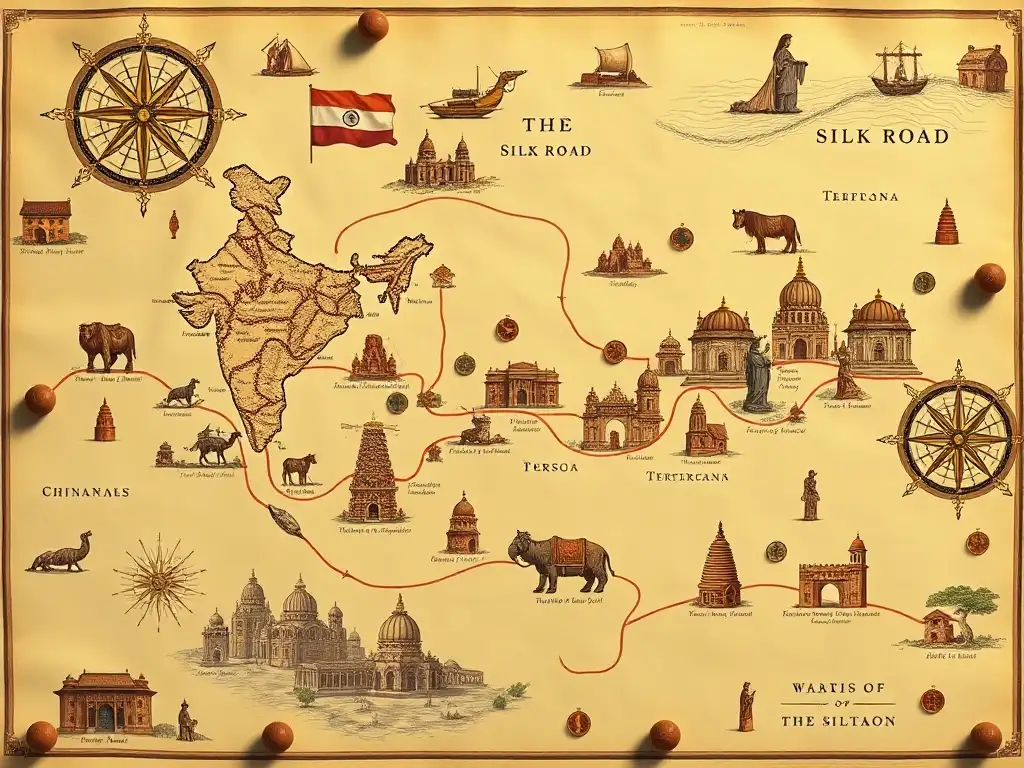
The Silk Road was not merely a trade route; it was a complex network of pathways that facilitated the exchange of goods, culture, and ideas between the East and the West. Spanning thousands of miles across Asia, the Silk Road connected various civilizations, including those of ancient India, China, Persia, and the Mediterranean. This intricate system of trade routes emerged around the 2nd century BCE and flourished until the 14th century CE, profoundly influencing the economic landscapes of the regions it touched.
The economic impact of the Silk Road on ancient Indian civilizations is particularly noteworthy, as it played a crucial role in shaping their development. India, known for its rich resources and skilled artisans, became a vital hub in this network, exchanging not only goods but also cultural and intellectual assets. By exploring the Silk Road's economic implications for ancient India, we can gain insights into how trade influenced its societies, economies, and interactions with other cultures.
Overview of the Silk Road as a Trade Route
The Silk Road was characterized by a series of interconnected trade routes that facilitated the flow of commodities such as silk, spices, precious stones, and textiles. It was named after the lucrative silk trade that was highly sought after in the West.
- Main Features of the Silk Road:
- Geographical Diversity: The route traversed a variety of terrains, including mountains, deserts, and plains, fostering diverse trade practices.
- Cultural Exchange: Beyond the exchange of goods, the Silk Road was a conduit for cultural diffusion, enabling the spread of religions, art, and technology.
- Economic Interdependence: As merchants and traders from different regions interacted, the economies of these civilizations became intertwined, leading to mutual economic growth.
Historical Context of Ancient Indian Civilizations
To understand the economic impact of the Silk Road on ancient India, it is essential to consider the historical backdrop of Indian civilizations. From the flourishing urban centers of the Indus Valley Civilization to the later dynasties such as the Maurya and Gupta Empires, ancient India was a melting pot of cultural and economic activity.
- Key Historical Periods:
- Indus Valley Civilization (c. 3300–1300 BCE): Known for its advanced urban planning and trade networks, it laid the groundwork for later economic activities.
- Maurya Empire (322–185 BCE): This period saw the establishment of a centralized administration that enhanced trade and commerce.
- Gupta Empire (c. 320–550 CE): Often referred to as the Golden Age of India, this era witnessed significant advancements in science, literature, and trade.
The Role of India in the Silk Road Trade
India's strategic location and rich resources made it a pivotal player in the Silk Road trade. As traders traversed these routes, Indian merchants capitalized on the opportunities presented by this vibrant network.
Key Trade Goods Exchanged between India and the Silk Road
The exchange of goods was a critical component of the Silk Road's economic framework. Indian merchants traded a variety of commodities that were in high demand along the Silk Road.
- Notable Indian Exports:
- Spices: India was renowned for its spices, including black pepper, cardamom, and cinnamon, which were highly coveted in foreign markets.
- Textiles: Indian cotton and silk fabrics were prized for their quality and craftsmanship, making them popular trade items.
- Jewelry and Gems: The region's expertise in metalwork and gem cutting resulted in exquisite jewelry that attracted traders from distant lands.
Indian Contributions to Silk Road Commerce
The economic contributions of ancient India to the Silk Road were not limited to the exchange of goods. Indian merchants and scholars played a significant role in shaping the trade dynamics of this route.
- Merchant Networks: Indian traders established extensive networks that connected various regions, facilitating smoother trade operations.
- Cultural Exchange: The interaction with traders from different cultures led to the exchange of knowledge, philosophies, and artistic styles, enriching both Indian and foreign societies.
Understanding the economic impact of the Silk Road on ancient Indian civilizations reveals the profound interconnectedness of trade, culture, and society in shaping the historical narrative of this vibrant region.
Economic Benefits of the Silk Road for Ancient India
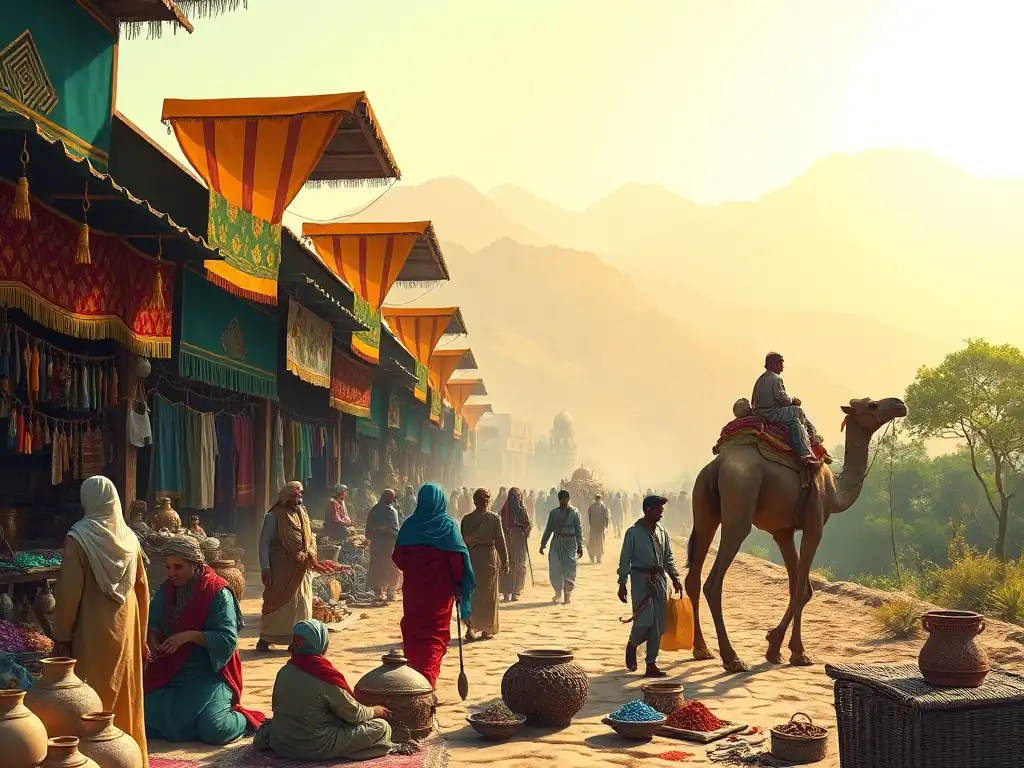
The Silk Road, a network of trade routes connecting the East and West, had a profound economic impact on ancient Indian civilizations. Its influence extended beyond mere trade, shaping commerce, urban development, agricultural practices, and cultural exchanges. As a result, the Silk Road not only facilitated the flow of goods but also transformed the economic landscape of ancient India, fostering growth and innovation.
Boost in Trade and Commerce
The establishment of the Silk Road significantly enhanced trade and commerce in ancient India. Indian merchants became key players in international trade, exporting goods such as spices, textiles, and precious stones to distant lands. This trade network allowed for the influx of foreign goods, including silk from China, which became a highly sought-after luxury item in Indian markets. The demand for Indian products expanded, leading to increased production and the flourishing of local industries.
Moreover, the rise of trade along the Silk Road stimulated the establishment of marketplaces and trade hubs in cities like Taxila, Pataliputra, and Ujjain. These urban centers became vital nodes in the trade network, attracting merchants from various regions and facilitating cultural exchanges. This vibrant commercial activity not only enriched the local economy but also contributed to the wealth of the Indian subcontinent.
Impact on Urban Development and Growth of Cities
The economic activity generated by the Silk Road led to significant urban development in ancient India. Cities that served as trade centers experienced rapid growth, with infrastructure advancements to accommodate the influx of merchants and goods. Roads, caravanserais, and marketplaces were established to facilitate trade, enhancing connectivity and accessibility.
As a result, urban populations increased, leading to a diverse mix of cultures and ideas. The wealth generated from trade also financed public works and the construction of monumental architecture, reflecting the prosperity brought about by this economic boom. Notably, cities like Kanauj and Varanasi became vibrant cultural and economic hubs, illustrating the transformative effects of the Silk Road on urbanization in ancient India.
Influence on Agricultural Practices and Production
The Silk Road also had a notable influence on agricultural practices and production in ancient India. The exchange of goods included agricultural products and techniques, leading to improved farming practices. Indian farmers adopted new crops and farming methods introduced through trade, which enhanced productivity and diversified agricultural output.
For instance, the introduction of crops such as cotton and various spices enriched Indian agriculture and contributed to its reputation as a fertile land. Furthermore, the increased demand for agricultural products to support the growing urban centers led to an expansion of farming activities, which in turn stimulated the rural economy. This agricultural prosperity played a crucial role in sustaining the population and supporting the burgeoning trade networks.
Cultural Exchange and Its Economic Consequences
The Silk Road was not merely a conduit for goods; it also facilitated a rich tapestry of cultural exchange that had significant economic consequences. The intermingling of diverse cultures led to the sharing of ideas, art, and technologies, which influenced the economic landscape of ancient India in various ways.
Transfer of Knowledge and Technologies
As merchants and travelers traversed the Silk Road, they brought with them not only goods but also knowledge and technologies. The exchange of scientific ideas, agricultural techniques, and technological innovations significantly impacted various sectors in ancient India. For example, advancements in metallurgy and textile production were introduced, enhancing the quality of Indian craftsmanship.
The dissemination of knowledge about irrigation and farming techniques led to improved agricultural yields, which were essential for supporting the growing urban populations. Additionally, the exchange of ideas contributed to advancements in mathematics, astronomy, and medicine, further enriching the intellectual fabric of Indian society and its economic capabilities.
The Role of Religion and Philosophy in Trade
Religion and philosophy played a pivotal role in shaping trade along the Silk Road. The spread of Buddhism, for instance, facilitated connections between traders and consumers across different regions. The shared beliefs and values helped establish trust and fostered relationships that were crucial for trade.
Religious institutions often acted as centers of commerce, providing support for travelers and merchants. Temples and monasteries offered rest stops and safe havens, which encouraged more trade activity. Furthermore, the philosophical exchanges that occurred along the Silk Road influenced economic thought and practices, encouraging ethical trade practices and promoting ideas of reciprocity and mutual benefit in commerce.
The Silk Road's economic impact on ancient India was multifaceted, influencing trade, urban development, agricultural practices, and cultural exchanges that shaped the civilization’s prosperity and legacy.
Challenges Faced by Ancient Indian Civilizations on the Silk Road
The Silk Road, while a significant avenue for trade and cultural exchange, posed numerous challenges for ancient Indian civilizations. These challenges impacted their economic activities, trade dynamics, and overall development. Understanding these obstacles is crucial in comprehending the complexities of ancient trade and its influence on Indian society.
Geographic and Political Obstacles
Geographically, the ancient Indian subcontinent was at a crossroads, bordered by formidable mountain ranges and vast deserts. The Himalayas to the north and the Thar Desert to the west created natural barriers that limited direct access to certain trade routes. These geographic obstacles necessitated the establishment of specific caravan routes, which could be treacherous and labor-intensive.
Politically, the region was fragmented into various kingdoms and empires, each with its own governance and policies. This fragmentation sometimes led to conflicts over territory and trade rights, complicating trade agreements and interactions. For instance, the rise and fall of different dynasties, such as the Mauryas and the Guptas, influenced trade stability. Furthermore, the political rivalry between local kingdoms often resulted in fluctuating tariffs and trade regulations, which could deter merchants from engaging with Indian markets.
Economic Competition with Other Civilizations
Ancient Indian civilizations faced stiff economic competition from other prominent cultures along the Silk Road. The Persian Empire, for instance, established extensive trade networks that often overshadowed Indian trade routes. Additionally, the Chinese silk merchants had a monopoly on silk production, which was highly coveted in Indian markets. This competition forced Indian traders to innovate and diversify their products to remain relevant.
Moreover, the rise of powerful economic entities, such as the Roman Empire and later the Byzantine Empire, created a demand for luxury goods that Indian traders were eager to fulfill. However, the competition for access to these lucrative markets often led to tensions and conflicts. Indian merchants had to navigate these complexities while maintaining their trade relationships and ensuring profitability.
Case Studies of Major Indian Cities along the Silk Road
Several Indian cities served as vital nodes along the Silk Road, playing crucial roles in the trade dynamics of the region. These cities not only facilitated commerce but also became cultural melting pots that enriched the Indian civilization.
Trade Hubs: Taxila and its Economic Dynamics
Taxila, located in present-day Pakistan, was one of the most renowned trade hubs along the Silk Road. Its strategic location at the crossroads of several trade routes made it a bustling center for commerce. The city thrived on the exchange of goods such as textiles, spices, and precious metals.
Taxila's economic dynamics were characterized by a vibrant marketplace where merchants from various backgrounds converged. The presence of educational institutions attracted scholars, further enhancing its status as a cultural and intellectual hub. The city's ability to adapt to changing trade patterns, including the rise of Buddhism, also played a significant role in its economic prosperity. The interaction of diverse cultures in Taxila fostered innovation in trade practices and contributed to the development of a cosmopolitan economy.
The Role of Ports: Surat and Maritime Trade
Surat, a prominent port city on the western coast of India, played a crucial role in maritime trade during the medieval period. Serving as a gateway for maritime routes, Surat facilitated trade not only with other parts of India but also with distant lands such as Persia, Arabia, and even Southeast Asia.
The port's economic significance was underscored by its thriving shipbuilding industry and the establishment of bustling markets. Surat became a melting pot of cultures, where Indian goods, such as textiles and spices, were exchanged for precious metals and exotic products from foreign lands. The city’s ability to adapt to maritime trade trends allowed it to flourish economically, making it a key player in the broader Silk Road network. The vibrant trade activities in Surat showcased the interconnectedness of ancient Indian civilizations with global trade routes, highlighting their contributions to the Silk Road economy.
Conclusion: Lasting Economic Impact of the Silk Road on India
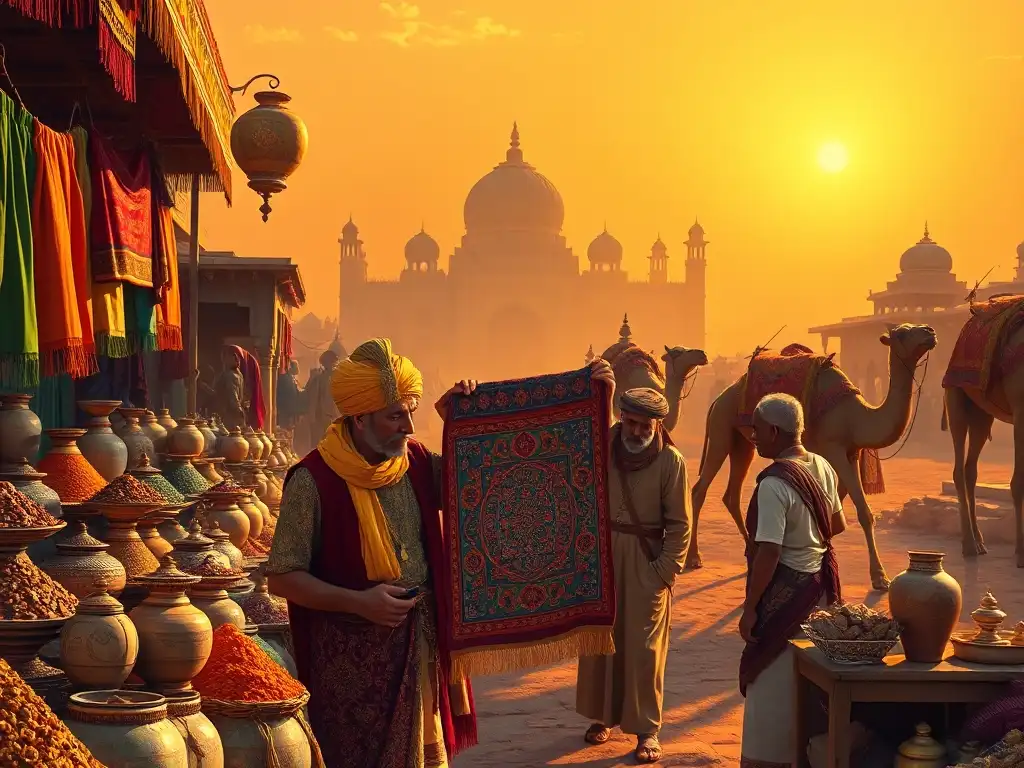
The Silk Road was not merely a series of trade routes; it was a transformative network that reshaped the economic landscape of ancient India. The exchange of goods, ideas, and cultures along these routes facilitated significant economic transformations that laid the groundwork for India's future prosperity. From the influx of silk and spices to the introduction of new agricultural practices and technologies, the economic impact of the Silk Road on India is both profound and lasting.
The interactions fostered by the Silk Road contributed to the growth of urban centers, the rise of merchant classes, and the establishment of a complex trading economy. Indian cities such as Taxila and Pataliputra thrived as hubs of commerce, attracting traders from diverse backgrounds. This cultural and economic melting pot not only enriched India's economy but also contributed to its cultural depth, blending influences from Central Asia, the Middle East, and beyond.
Summary of Economic Transformations
The economic transformations sparked by the Silk Road can be summarized in several key areas:
- Trade Expansion: The Silk Road significantly expanded India's trade network, introducing new commodities such as silk, precious stones, and textiles. Indian merchants became key players in this trade, leveraging their geographic advantage to connect with distant markets.
- Cultural Exchange: Alongside goods, the Silk Road facilitated the exchange of ideas and technologies. Innovations in agriculture, such as new irrigation techniques and crop varieties, were introduced, leading to improved agricultural productivity and food security.
- Urban Development: The increase in trade fostered urbanization. Cities grew as trade hubs, leading to the development of infrastructure such as roads, markets, and ports. This urban growth also spurred cultural development, as diverse populations mingled and exchanged ideas.
- Financial Systems: The necessity of managing increased trade resulted in the evolution of financial practices. The introduction of credit systems, currency exchange, and banking institutions helped streamline trade transactions, making commerce more efficient.
These transformations not only boosted the ancient economy but also set the stage for India's subsequent economic developments through the centuries.
Reflection on the Silk Road's Legacy in Modern India
The legacy of the Silk Road is still evident in modern India. The historical trade routes have contributed to the formation of a diverse economic landscape characterized by a mix of traditional and modern practices. Elements of the Silk Road's influence can be seen in contemporary trade patterns, cultural exchanges, and regional relationships.
Modern India continues to be a significant player in global trade, capitalizing on its historical connections. The country's textile industry, for instance, traces its roots back to ancient trade practices, where Indian textiles were highly sought after along the Silk Road. Additionally, the cultural diversity that emerged from these ancient exchanges remains a hallmark of Indian society today.
Moreover, the Silk Road's historical narrative serves as a reminder of the importance of connectivity and cooperation among nations. As India engages with the global economy, the lessons learned from its past interactions along the Silk Road can inform current trade policies and cultural diplomacy.
References and Further Reading on Silk Road Economic Impact in India
-
Liu, Xinru. (2010). The Silk Road in World History. Oxford University Press.
This book provides a comprehensive overview of the Silk Road's historical significance and its impact on various civilizations, including India.
-
McCormick, Michael. (2001). Origins of the European Economy: Communications and Commerce AD 300-900. Cambridge University Press.
This work discusses the economic transformations in Europe and Asia, with insights into the role of trade routes like the Silk Road.
-
Sahu, L.K. (2016). Trade and Commerce in Ancient India: A Historical Perspective. Routledge.
This text examines the historical context of trade in ancient India, including the impact of the Silk Road on Indian commerce.
-
Srinivasan, Shalini. (2014). Silk Road: A New History. The Guardian.
An accessible article that explores the Silk Road's history and its legacy on global trade, with specific references to India.
-
Tripathi, R. (2018). Economic History of India: From the Earliest Times to the Present Day. Academic Foundation.
This book traces the economic history of India, highlighting the influences of trade routes like the Silk Road on its development.
By exploring these resources, readers can gain a deeper understanding of the Silk Road's economic impact on ancient Indian civilizations and its enduring legacy in contemporary society.
- Introduction to the Silk Road and Its Significance
- Overview of the Silk Road as a Trade Route
- Historical Context of Ancient Indian Civilizations
- The Role of India in the Silk Road Trade
- Economic Benefits of the Silk Road for Ancient India
- Cultural Exchange and Its Economic Consequences
- Challenges Faced by Ancient Indian Civilizations on the Silk Road
- Case Studies of Major Indian Cities along the Silk Road
- Conclusion: Lasting Economic Impact of the Silk Road on India
- Summary of Economic Transformations
- Reflection on the Silk Road's Legacy in Modern India
- References and Further Reading on Silk Road Economic Impact in India
Frequently Asked Questions
What was the Silk Road?
The Silk Road was a network of trade routes that connected the East and West, facilitating the exchange of goods, culture, and ideas across continents.
How did the Silk Road affect ancient Indian civilizations?
The Silk Road significantly boosted the economic growth of ancient Indian civilizations by enabling trade in silks, spices, and other goods, fostering cultural exchanges.
What were some key trade goods exchanged along the Silk Road?
Key trade goods included silk, spices, precious stones, and cotton textiles, which were highly sought after in both Eastern and Western markets.
How did the Silk Road contribute to cultural exchanges in ancient India?
The Silk Road served as a conduit for not just trade, but also the sharing of ideas, religions, and art, enriching the cultural fabric of ancient Indian societies.
What was the role of Indian merchants in the Silk Road trade?
Indian merchants played a crucial role as intermediaries, facilitating trade between China and the Mediterranean, thus enhancing India's economic status in the ancient world.
Final Reflection: The Enduring Legacy of the Silk Road's Economic Impact on India
The economic exchanges fostered by the Silk Road have left an indelible mark on Indian civilization, shaping its trade practices, cultural exchanges, and social structures. Today, as we navigate a globalized economy, the lessons from the Silk Road remind us of the interconnectedness of cultures and the profound impact of trade on societal development. The historical significance of this ancient trade route continues to resonate, revealing how commerce can transcend borders and foster mutual understanding.
The Silk Road not only facilitated the exchange of goods but also ideas, religions, and innovations that enriched Indian society. This ongoing influence is evident in the diverse cultural tapestry of India today, where ancient trade routes have laid the groundwork for modern economic relationships.
As Mahatma Gandhi once said, “A nation's greatness is measured by how it treats its weakest members,” highlighting the importance of inclusive growth that can be traced back to the equitable exchanges that the Silk Road promoted. > “Trade is the lifeblood of civilization,” and this sentiment rings true as we reflect on the historical significance of trade in shaping societies.
As we contemplate the lessons of the Silk Road, I invite you to consider how the principles of cooperation, cultural exchange, and economic interdependence can be applied in our own lives. Reflect on the ways you can foster connections within your community and beyond, embracing the spirit of collaboration that has defined human progress for centuries. In a world that often feels divided, let us draw inspiration from the Silk Road's legacy and strive to create pathways of understanding and prosperity for all.
Unveil the Legacy of the Silk Road: Take Action Today!
Thank you for diving into the fascinating world of the Silk Road and its incredible impact on ancient Indian civilizations. By exploring the intricate ties of trade and culture, you’ve enriched your understanding of a pivotal era in history. Now, let’s transform this knowledge into action!
- Join a local history club or forum to discuss the connections of the Silk Road and its modern implications.
- Share your insights on social media with friends and family; you might inspire a newfound passion for history in others!
- Explore further: Read about how ancient trade routes continue to shape our world today.
What new perspective have you gained from exploring the Silk Road’s influence on India, and how will you share it with others?