
Exploring the Regional Variations in Ancient Indian Inscriptions

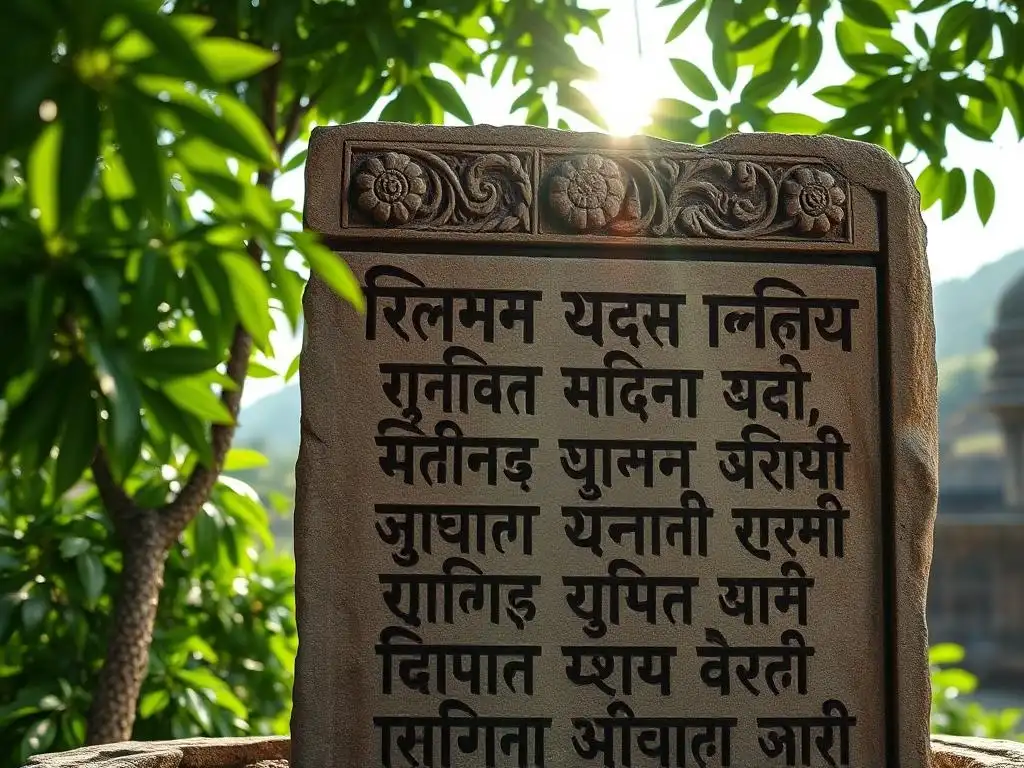
Welcome to Ancient India History, where we embark on a captivating journey through the rich tapestry of ancient Indian civilizations. In this exploration, we delve into the profound significance of ancient Indian inscriptions variations, revealing how these remarkable artifacts offer a window into the diverse cultures, languages, and histories that flourished from the Indus Valley to the Gupta Empire. Join us as we uncover the stories etched in stone and the subtle nuances that define regional identities. Prepare to satisfy your curiosity and deepen your understanding of the past—read on to discover the intriguing world of inscriptions and epigraphy!

Introduction to Ancient Indian Inscriptions
Ancient Indian inscriptions serve as a vital link to understanding the rich tapestry of India's historical narrative. These inscriptions, etched in stone, metal, and various materials, provide invaluable insights into the sociopolitical, cultural, and religious dynamics of ancient Indian civilizations.
From the early scripts of the Indus Valley Civilization to the ornate carvings of the Gupta Empire, the variations in these inscriptions reflect the diverse languages, dialects, and artistic expressions that flourished across different regions. This article delves into the variations in ancient Indian inscriptions, aiming to uncover the multifaceted nature of these historical artifacts and their significance in the broader context of Indian history.
Definition and Importance of Inscriptions in Ancient India
Inscriptions can be defined as engravings or writings on durable surfaces, often intended for public display. They encompass a wide range of texts, including royal edicts, religious proclamations, dedicatory inscriptions, and commemorative records. The importance of these inscriptions lies in their ability to:
- Preserve History: They capture moments in time, offering a glimpse into the past.
- Document Governance: Inscriptions often reflect the political landscape, providing records of rulers, laws, and administrative practices.
- Reflect Cultural Practices: Many inscriptions reveal insights into the religious beliefs, social norms, and artistic styles of the time.
These inscriptions not only serve as historical documents but also help scholars piece together the linguistic and cultural evolution of ancient Indian societies.
Overview of Ancient Indian Inscriptions Variations
The variations in ancient Indian inscriptions are influenced by several factors, including regional dialects, writing systems, and cultural practices. Some of the notable variations include:
- Scripts: Different regions utilized various scripts such as Brahmi, Kharosthi, and Tamil-Brahmi, each with unique characteristics.
- Languages: Inscriptions were often composed in local languages, including Sanskrit, Prakrit, and Tamil, showcasing the linguistic diversity.
- Themes and Content: The themes represented in inscriptions varied significantly, from religious dedications to royal triumphs, reflecting the priorities of different regions.
These variations not only highlight the regional differences but also underscore the interconnectedness of ancient Indian civilizations.
Historical Context of Ancient Indian Inscriptions
Understanding the historical context of ancient Indian inscriptions is crucial to appreciating their significance. The timeline of Indian history reveals distinct periods during which these inscriptions flourished, each contributing uniquely to the epigraphic landscape.
Timeline of Major Periods in Ancient Indian History
- Indus Valley Civilization (c. 3300–1300 BCE): The earliest known inscriptions, primarily on seals, which remain undeciphered.
- Maurya Empire (c. 322–185 BCE): The inscriptions of Ashoka, featuring edicts promoting Buddhism and moral governance.
- Post-Mauryan Period (c. 185 BCE–300 CE): A rich variety of inscriptions, including those from the Satavahanas and the Indo-Greeks.
- Gupta Empire (c. 320–550 CE): Flourishing of Sanskrit inscriptions, highlighting cultural achievements and royal patronage.
Influences on Inscriptions from Different Regions
The influences on inscriptions vary widely across India's regions, shaped by local customs, languages, and political circumstances. For instance:
- North India: The use of Sanskrit and Brahmi script was prevalent, often reflecting Buddhist and Hindu themes.
- South India: Tamil inscriptions emerged, showcasing local dynasties and temple patronage, often written in Tamil-Brahmi.
- Eastern India: The influence of regional rulers led to a mix of Sanskrit and local dialects, emphasizing trade and culture.
By exploring these influences, we gain a deeper understanding of how regional characteristics shaped the development of inscriptions throughout ancient India, highlighting the complexity and diversity of its historical narrative.
Regional Variations in Ancient Indian Inscriptions
Ancient Indian inscriptions provide a fascinating glimpse into the diverse cultures, languages, and practices of various regions across the subcontinent. The variations in these inscriptions are influenced by geographical, linguistic, and historical contexts, reflecting the unique characteristics of each area. This section explores the distinct features of inscriptions from different regions of India, shedding light on the rich tapestry of ancient Indian civilization.
Northern India: Features and Characteristics
In Northern India, inscriptions are predominantly found on stone and metal, dating back to as early as the 3rd century BCE. One of the most notable features of Northern Indian inscriptions is their use of the Brahmi script, which was widely adopted during the Mauryan Empire. The inscriptions often include royal edicts, proclamations, and religious dedications, showcasing the political power and religious fervor of the time.
Key characteristics of Northern Indian inscriptions include:
- Language Variations: Sanskrit was commonly used in inscriptions, especially among the elite, while Prakrit languages were prevalent in everyday communication.
- Influential Dynasties: Inscriptions from the Gupta period often highlight the artistic and literary achievements of the time, with notable examples found in places like Udayagiri and Sanchi.
- Religious Significance: Many inscriptions convey messages related to Buddhism, Jainism, and Hinduism, reflecting the region's religious diversity.
Southern India: Distinctive Aspects of Inscriptions
Southern India showcases a rich heritage of inscriptions primarily written in Tamil, Telugu, and Kannada scripts. These inscriptions are often found on temple walls and pillars, dating from the early centuries CE to the medieval period. They serve as vital records of the socio-political landscape and cultural practices of South Indian kingdoms.
Distinctive aspects of Southern Indian inscriptions include:
- Temple Inscriptions: Many inscriptions are associated with the construction, patronage, and rituals of temples, exemplifying the intertwining of religion and state.
- Chola and Pandya Influence: The inscriptions from the Chola dynasty are particularly noteworthy for their artistic merit and detailed accounts of trade, agriculture, and administration.
- Literary Contributions: Some inscriptions also include early Tamil poetry, showcasing the literary richness of the region.
Eastern India: Unique Elements of Inscriptions
Eastern India, encompassing regions like Bengal and Odisha, features inscriptions that reflect the cultural amalgamation of diverse influences. The inscriptions here often employ scripts such as Brahmi, Kharosthi, and later, the Oriya script.
Unique elements of Eastern Indian inscriptions include:
- Buddhist Inscriptions: The region is notable for numerous Buddhist inscriptions, such as those found in Bodh Gaya, which convey teachings and monastic rules.
- Historical Records: Inscriptions from the Mauryan and Gupta periods detail the administrative practices and territorial expansions of various dynasties.
- Artistic Expressions: The inscriptions often exhibit intricate carvings and iconography, revealing the artistic sensibilities of the time.
Western India: Inscriptions and Their Significance
Western India, known for its vibrant trade and cultural exchanges, features inscriptions primarily in Sanskrit and Prakrit, along with regional languages like Gujarati and Marathi. The inscriptions from this region often highlight the socio-economic and cultural dynamics of ancient maritime trade routes.
Significance of Western Indian inscriptions includes:
- Trade and Commerce: Many inscriptions document trade activities, offering insights into the economic prosperity and interactions with other cultures.
- Jain and Hindu Influence: The inscriptions often reflect the patronage of Jain and Hindu temples, emphasizing the role of religion in societal structure.
- Cultural Exchanges: They also indicate the influence of neighboring regions, as seen in the inscriptions from the Western Kshatrapas and the Maitraka dynasty.
Analysis of Common Themes in Ancient Indian Inscriptions
Despite the regional variations, ancient Indian inscriptions often share common themes that provide deeper insights into the civilization's values, beliefs, and practices. Analyzing these themes helps us understand the overarching narratives that shaped ancient Indian society.
Religious and Philosophical Content in Inscriptions
One of the predominant themes in ancient Indian inscriptions is religion and philosophy. Inscriptions frequently document the patronage of temples, religious edicts, and philosophical treatises, reflecting the spiritual landscape of ancient India. For instance, many inscriptions dedicated to Buddhism and Jainism emphasize moral teachings and monastic rules, while Hindu inscriptions often celebrate deities, rituals, and the importance of dharma.
Political and Administrative Information in Inscriptions
Ancient inscriptions serve as crucial historical documents that provide information about governance, territorial boundaries, and royal lineage. They often detail the achievements of rulers, including military conquests, public works, and administrative policies. Inscriptions from different regions reveal how local governance adapted to the unique socio-political contexts, showcasing the evolution of statecraft in ancient India.
Social and Cultural Insights from Inscriptions
Inscriptions also offer valuable insights into the social fabric of ancient Indian society. They reflect the customs, traditions, and daily life of various communities. For example, inscriptions may highlight caste dynamics, gender roles, and the status of different professions. Additionally, they often commemorate significant events, such as festivals and ceremonies, which help us understand the cultural practices that defined ancient Indian civilization.
The exploration of regional variations in ancient Indian inscriptions not only enhances our understanding of different cultures and practices but also underscores the shared heritage that has influenced the subcontinent's history.
Challenges in Studying Ancient Indian Inscriptions
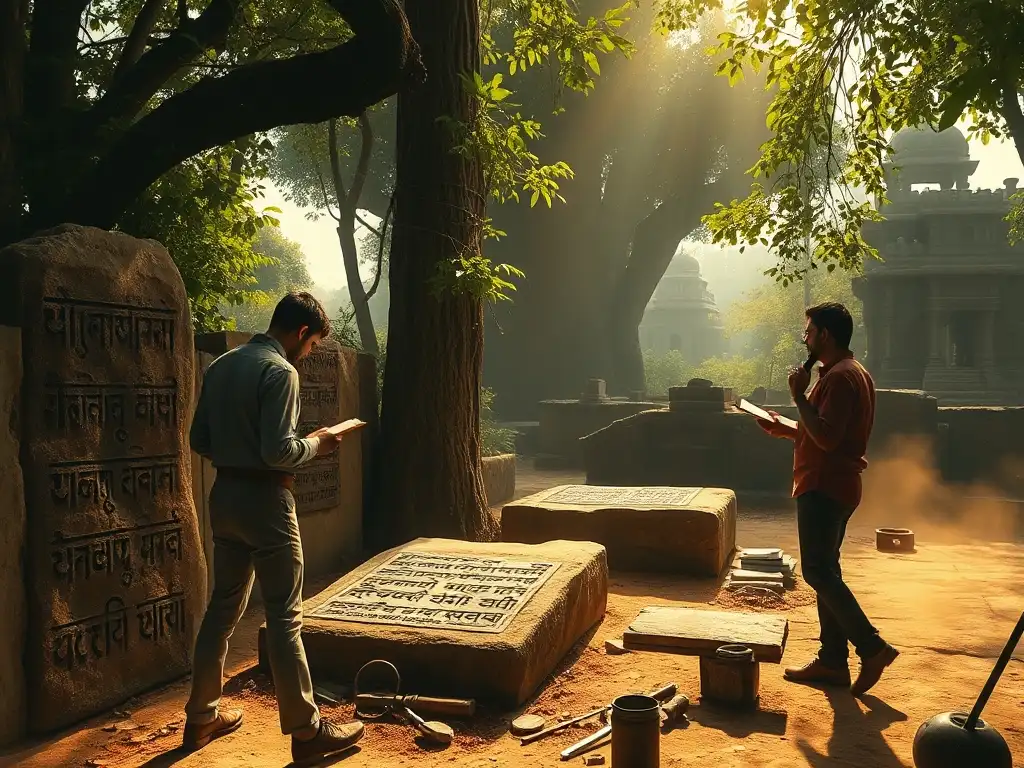
The study of ancient Indian inscriptions presents a unique set of challenges that can hinder understanding and interpretation. These challenges stem from various factors, including preservation issues, linguistic barriers, and the sheer diversity of inscriptions across different regions and time periods. This section delves into these challenges, highlighting the complexities involved in comprehensively studying the variations found in ancient Indian inscriptions.
Issues with Preservation and Accessibility
One of the foremost challenges in studying ancient Indian inscriptions is the issue of preservation. Many inscriptions have suffered from the ravages of time, weathering, and human activity. Stone inscriptions may face erosion, while inscriptions on materials like clay or wood are often more susceptible to decay.
- Environmental Factors: Natural elements such as moisture, temperature fluctuations, and pollution can significantly impact the integrity of inscriptions. Inscriptions located in humid regions, for example, may be more prone to damage.
- Human Activity: Urbanization and development can lead to the destruction of historical sites. Additionally, acts of vandalism or neglect can further compromise the preservation of these invaluable artifacts.
Accessibility also poses a significant challenge. Many inscriptions are located in remote areas or within sites that may not be easily reachable. Furthermore, local regulations and preservation laws can restrict research access, making it difficult for scholars to study inscriptions firsthand.
Linguistic Barriers and Interpretation Difficulties
The linguistic diversity of ancient India adds another layer of complexity to the study of inscriptions. Ancient Indian inscriptions were composed in various languages and scripts, including Sanskrit, Prakrit, Tamil, and others. This diversity can create barriers in terms of understanding and interpretation.
- Script Variations: Different regions employed distinct scripts, such as Brahmi, Kharosthi, and Tamil-Brahmi, which can complicate the process of reading and interpreting inscriptions. Scholars must be well-versed in multiple scripts to accurately analyze the texts.
- Evolving Language: The languages used in inscriptions have evolved over time, which can lead to difficulties in understanding the intended meaning. Terms and phrases that were common in one period may not be readily understood in another, requiring extensive contextual knowledge.
The combination of linguistic barriers and the need for specialized knowledge can create significant hurdles for researchers, making it imperative for them to collaborate and share insights across disciplines.
Conclusion: The Importance of Understanding Variations
Understanding regional variations in ancient Indian inscriptions is crucial for multiple reasons, from enriching our grasp of historical narratives to enhancing the appreciation of cultural diversity. The insights gained from studying these variations can significantly contribute to our knowledge of ancient Indian civilizations.
Summarizing the Significance of Regional Variations in Inscriptions
The variations found in ancient Indian inscriptions reveal much about the socio-political dynamics, cultural exchanges, and regional identities of the time.
- Historical Context: Inscriptions provide a window into the historical context of different regions, offering insights into local governance, religious practices, and societal norms.
- Cultural Identity: Regional variations often reflect the unique cultural identities of different communities, showcasing how local traditions and practices influenced the content and style of inscriptions.
By recognizing and analyzing these variations, scholars can piece together a more comprehensive picture of ancient Indian history, illustrating how diverse cultures coexisted and interacted over centuries.
Future Directions in the Study of Ancient Indian Inscriptions Variations
Looking ahead, the study of ancient Indian inscriptions will benefit from a multi-faceted approach that embraces interdisciplinary methods and advances in technology.
- Technological Innovations: The use of imaging techniques, such as 3D scanning and digital imaging, can aid in the preservation and analysis of inscriptions, particularly those that are weathered or damaged. These technologies can help create detailed records of inscriptions that can be shared widely.
- Collaborative Research: Encouraging collaboration among epigraphists, historians, linguists, and archaeologists will foster a richer understanding of the inscriptions' context and significance. Such interdisciplinary efforts can lead to more nuanced interpretations and innovative research methodologies.
Addressing the challenges inherent in studying ancient Indian inscriptions and recognizing their regional variations is vital for a deeper understanding of the rich historical tapestry of ancient India. As research continues to evolve, it holds the promise of uncovering even more insights into these fascinating artifacts of our past.
References and Further Reading
Exploring the regional variations in ancient Indian inscriptions reveals a complex tapestry of linguistic, cultural, and artistic influences that evolved across different regions and eras. To gain a deeper understanding of this fascinating subject, readers can refer to a variety of scholarly literature, academic journals, and resources that provide extensive insights into the study of ancient inscriptions in India.
Suggested Literature on Ancient Indian Inscriptions
-
"Inscriptions of Ancient India" by R. C. Majumdar
This comprehensive work provides a detailed examination of various inscriptions from different periods, highlighting the linguistic diversity and cultural significance of these artifacts.
-
"The Epigraphy of India" by D. C. Sircar
A foundational text, this book explores the evolution of Indian scripts and languages through the lens of inscriptions, offering insights into the historical context and regional variations.
-
"Indian Epigraphy" by Irfan Habib
This book presents a thorough analysis of the inscriptions from the early historic period to the medieval era, showcasing the regional differences in style, language, and content.
-
"The Inscriptions of Ashoka" by Richard Salomon
Focusing on the inscriptions of Emperor Ashoka, this literature provides insights into the political and religious ideologies reflected through inscriptions and their regional adaptations.
-
"Ancient Indian Inscriptions: A Handbook" by S. R. Rao
This handbook serves as a practical guide for understanding and interpreting ancient inscriptions, with a focus on regional scripts and their historical implications.
Academic Journals and Resources for Deeper Study
-
Journal of Indian History
This peer-reviewed journal publishes articles and research papers focused on various aspects of Indian history, including epigraphy and inscriptions. It often features studies that discuss regional variations and their significance.
-
Indian Historical Review
This journal provides a platform for scholars to share their research on historical themes, including the impact of inscriptions on understanding regional histories and cultures.
-
Epigraphia Indica
A specialized journal dedicated to the study of Indian epigraphy, it features detailed reports and articles on inscriptions from various regions, enabling scholars to explore regional variations in depth.
-
Society for the Promotion of Indian Classical Literature
This organization offers resources and research opportunities related to ancient Indian inscriptions and epigraphy, facilitating a greater understanding of their regional diversity.
-
Digital Epigraphy Project
An online resource that provides access to a vast collection of inscriptions from across India, allowing researchers to study and compare inscriptions from different regions and periods.
These references and resources serve as a foundation for anyone interested in delving into the rich and diverse world of ancient Indian inscriptions and their regional variations, fostering a deeper appreciation for the historical narratives they convey.
- Introduction to Ancient Indian Inscriptions
- Historical Context of Ancient Indian Inscriptions
- Regional Variations in Ancient Indian Inscriptions
- Analysis of Common Themes in Ancient Indian Inscriptions
- Challenges in Studying Ancient Indian Inscriptions
- Conclusion: The Importance of Understanding Variations
- References and Further Reading
Frequently Asked Questions
What are ancient Indian inscriptions?
Ancient Indian inscriptions are written records found on materials such as stone, metal, and pottery. They provide valuable insights into the history, culture, and languages of ancient India.
Why are regional variations in inscriptions significant?
Regional variations in ancient Indian inscriptions highlight the diversity of languages, scripts, and cultural practices across different regions. They reflect the local influences and adaptations of ancient civilizations.
What scripts were commonly used in ancient Indian inscriptions?
Common scripts included Brahmi, Kharosthi, and later variations like Devanagari. Each script had its own unique characteristics and was often used in specific regions or for certain purposes.
How do ancient inscriptions contribute to our understanding of history?
Ancient inscriptions serve as primary sources for historians, offering insights into political, social, and religious aspects of life. They help reconstruct the chronology and interactions of ancient Indian civilizations.
Where can ancient Indian inscriptions be found today?
Many ancient Indian inscriptions can be found in archaeological sites, temples, and museums across India. They are often preserved in inscriptional archives and studied by historians and archaeologists for their historical significance.
Final Reflection: The Enduring Legacy of Ancient Indian Inscriptions Variations
The exploration of ancient Indian inscriptions variations reveals not only the rich tapestry of India's cultural heritage but also underscores their relevance in today's globalized world. As we delve into these inscriptions, we uncover stories of diverse communities, languages, and traditions that shaped the subcontinent, reminding us that our past continues to influence our present. The intricate variations found in these inscriptions serve as a testament to the complexity and dynamism of ancient Indian society, urging us to appreciate the depth of our historical narratives.
The impact of these inscriptions extends far beyond their historical context; they continue to inspire contemporary discussions around identity, language, and cultural preservation. The variations in ancient Indian inscriptions reflect the pluralistic nature of Indian civilization, fostering a sense of belonging and continuity among communities. As noted by historian Romila Thapar, History is not just a record of the past; it is a living entity that shapes our present and future.
This perspective invites us to recognize the ongoing influence of these inscriptions as we navigate our modern identities and cultural expressions.
As we conclude this exploration, I invite you to reflect on the significance of ancient Indian inscriptions variations in your own life. Consider how the stories embedded in these inscriptions resonate with your personal journey and the cultural narratives that shape your identity. Let the lessons of the past inspire you to engage with your heritage, celebrate diversity, and contribute to the preservation of cultural legacies. Embrace the richness of our shared history and allow it to guide you toward a more inclusive and understanding future.
Thank you for diving into the fascinating world of ancient Indian inscriptions with us! We hope you uncovered intricate details about the regional variations that reveal the unique tapestry of India's rich history. Now, it’s time to take that knowledge further and deepen your exploration!
Here’s how you can continue your journey:
- Delve into your local archives: Visit nearby museums, universities, or libraries to discover more about ancient inscriptions specific to your region. Make your findings come alive by sharing them with friends or on social media!
- Join a community group: Become part of online forums or local clubs focused on ancient history. Engaging with like-minded enthusiasts can broaden your perspective and spark new ideas.
- Start a blog or journal: Document your thoughts and discoveries related to ancient inscriptions. Reflecting on your learning can inspire others and foster meaningful dialogue.
What new insights about ancient Indian inscriptions do you think will surprise others the most? Share your thoughts in the comments below!