
Challenges in Translating Ancient Inscriptions: A Scholar’s Perspective

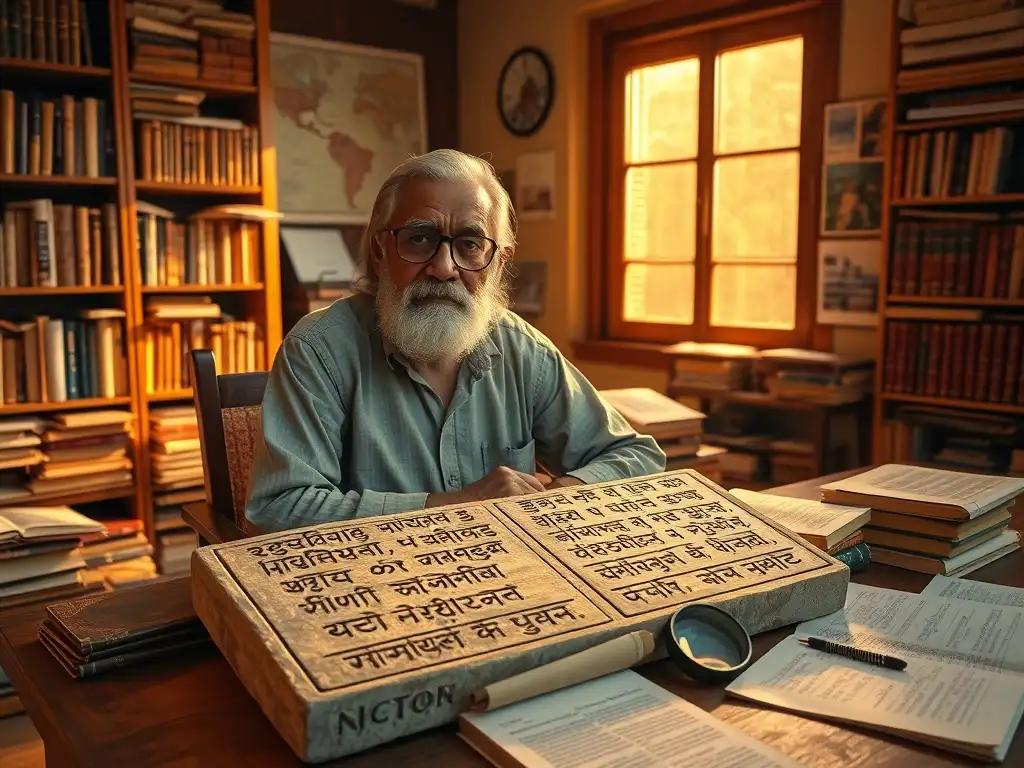
Welcome to Ancient India History, where we embark on a captivating journey through the rich tapestry of ancient Indian civilizations, from the enigmatic Indus Valley to the illustrious Gupta Empire. Today, we delve into the intricate world of translating ancient Indian inscriptions, uncovering the challenges scholars face in deciphering these historical treasures. What secrets do these inscriptions hold, and how do they shape our understanding of a civilization that thrived millennia ago? Join us as we explore the art and science of epigraphy, and prepare to be intrigued by the stories that await you!
- Introduction to Translating Ancient Indian Inscriptions
- Historical Context of Ancient Indian Inscriptions
- Linguistic Challenges in Translating Ancient Indian Inscriptions
- Cultural Context and Its Influence on Translation
- Methodological Approaches to Translating Ancient Inscriptions
- Case Studies: Specific Inscriptions and Their Translation Challenges
- The Role of Scholars in Translating Ancient Indian Inscriptions
- Conclusion: The Future of Translating Ancient Indian Inscriptions
- References and Further Reading on Ancient Indian Inscriptions
-
Frequently Asked Questions
- What are the main challenges in translating ancient Indian inscriptions?
- Why is understanding the cultural context important in translation?
- What role do scholars play in the translation process?
- How has technology impacted the translation of ancient inscriptions?
- Are there any resources available for those interested in translating ancient Indian inscriptions?
- Final Reflection: Embracing the Complexity of Translating Ancient Indian Inscriptions
- Uncover the Secrets of Ancient Inscriptions!
Introduction to Translating Ancient Indian Inscriptions
Translating ancient Indian inscriptions is a task that goes beyond mere linguistic conversion; it is a gateway to understanding the intricate tapestry of India’s rich historical, cultural, and social fabric. These inscriptions, ranging from the scripts of the Indus Valley Civilization to the edicts of the Maurya and Gupta empires, serve as invaluable primary sources that illuminate the thoughts, beliefs, and practices of ancient societies.
As scholars delve into these texts, they encounter a myriad of challenges, which not only test their linguistic skills but also require a deep understanding of the historical context and cultural nuances embedded within the inscriptions. This article explores the significance of ancient inscriptions in Indian history and the multifaceted obstacles faced in their translation, offering insights from a scholar's perspective.
Importance of Ancient Inscriptions in Understanding Indian History
Ancient inscriptions are critical for historians and archaeologists alike, as they provide direct evidence of the socio-political dynamics, religious practices, and economic conditions of past civilizations. They are often inscribed on durable materials such as stone, metal, and pottery, which have withstood the test of time, thus preserving the voices of our ancestors. Here are some key reasons why these inscriptions are essential:
- Historical Documentation: Inscriptions serve as formal records of events, treaties, and decrees, which are crucial for understanding the chronology of ancient India.
- Cultural Insights: They reveal insights into the art, literature, and philosophy of the time, enriching our understanding of the cultural evolution of the region.
- Language Development: The evolution of scripts and languages can be traced through inscriptions, providing valuable information on linguistic changes and influences over centuries.
- Religious Practices: Many inscriptions contain references to religious beliefs and practices, aiding in the study of the spiritual life of ancient Indians.
Overview of Challenges in Translation
Translating ancient Indian inscriptions is fraught with challenges that stem from various factors. Here are some of the primary obstacles faced by scholars:
- Linguistic Complexity:
- Many inscriptions are inscribed in ancient languages such as Sanskrit, Prakrit, and Tamil, which may have different grammatical structures and vocabulary than modern languages.
- The presence of dialects and regional variations can complicate translation efforts.
- Cultural Context:
- Understanding the socio-cultural context is crucial, as many phrases may have specific meanings that are not directly translatable.
- Scholars must be familiar with the customs, beliefs, and historical events relevant to the time of the inscription.
- Incomplete or Damaged Texts:
- Many inscriptions are fragmented or weathered, leading to missing letters or words that can hinder accurate translation.
- Scholars often have to rely on conjecture to fill in the gaps, which can introduce ambiguity.
- Interpretative Challenges:
- Different interpretations of symbols and motifs can lead to varying understandings of the same inscription.
- The subjective nature of interpretation may result in debates among scholars regarding the meanings of certain texts.
These challenges underline the necessity for a nuanced approach in the study of ancient inscriptions, blending linguistic expertise with historical knowledge to unlock the rich narratives embedded within India’s ancient texts.
Historical Context of Ancient Indian Inscriptions
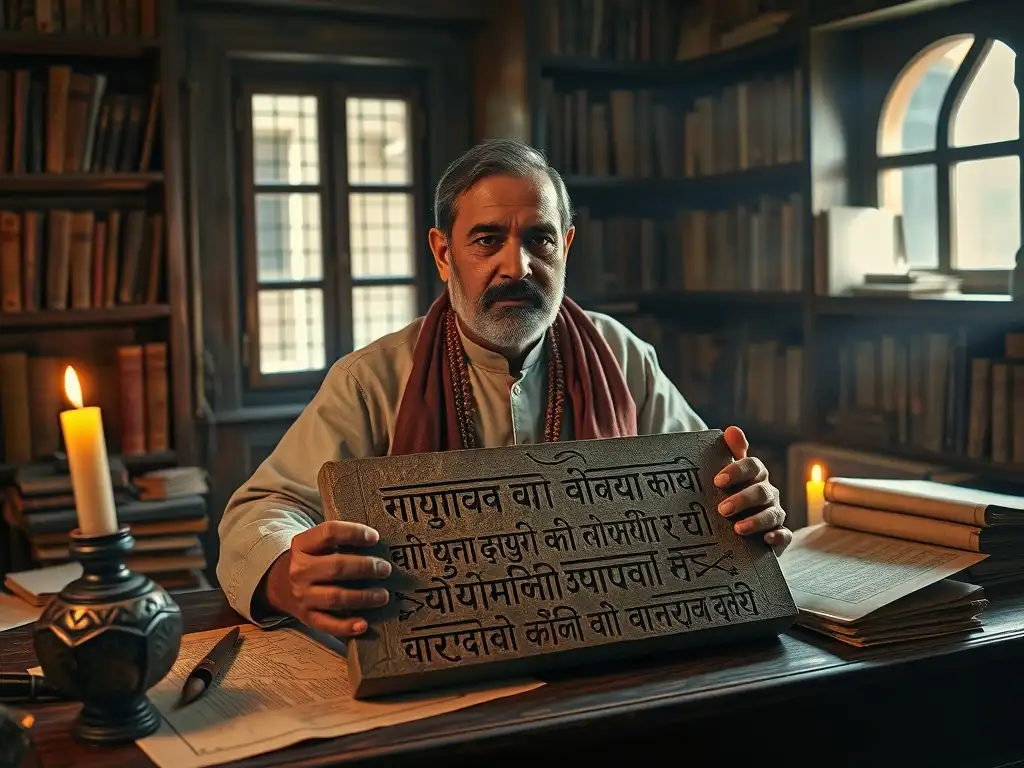
The history of ancient Indian inscriptions spans several millennia, reflecting the complex social, political, and cultural dynamics of various civilizations. These inscriptions serve as crucial primary sources for understanding the past, providing insights into governance, religion, trade, and daily life.
Major Civilizations Contributing to Inscriptions
-
Indus Valley Civilization (c. 3300–1300 BCE)
The earliest known inscriptions in India originate from the Indus Valley Civilization, characterized by the use of the Indus script, which remains undeciphered. This civilization's urban centers, like Harappa and Mohenjo-Daro, featured seals and tablets inscribed with symbols, suggesting a sophisticated system of trade and possibly administration.
-
Mauryan Empire (c. 322–185 BCE)
The Mauryan Empire, particularly during Emperor Ashoka's reign, vastly increased the number of inscriptions. Ashoka's edicts, inscribed on rocks and pillars across the subcontinent, promote Buddhist teachings and ethical governance. These inscriptions are significant as they are among the first to use Brahmi script, which laid the foundation for many modern Indian scripts.
-
Gupta Empire (c. 240–550 CE)
The Gupta period is often considered a golden age of Indian culture and scholarship. Inscriptions from this era reflect advancements in art, literature, and science. They are predominantly in Sanskrit and are found in temples, commemorating kings and documenting religious and cultural practices.
-
Regional Kingdoms
Besides these major empires, various regional kingdoms, such as the Cholas, Pandyas, and Rashtrakutas, contributed to the body of inscriptions. These inscriptions often celebrate military victories, royal patronage of the arts, and religious dedications, showcasing the diversity of languages and scripts across different regions.
Languages and Scripts Used in Ancient India
The linguistic diversity of ancient India is mirrored in its inscriptions, which employed several languages and scripts:
- Sanskrit: Predominantly used in religious and scholarly contexts, Sanskrit inscriptions from the Gupta period are vital for understanding the era's intellectual achievements.
- Prakrit: Commonly used in everyday communication, Prakrit appears in many inscriptions, especially those related to Jain and Buddhist traditions, highlighting the accessibility of religious messages to the general populace.
- Brahmi Script: This ancient script is crucial for deciphering many inscriptions, particularly those from the Mauryan period. Its evolution influenced several scripts that are still in use today.
- Kharosthi: Mainly found in the northwestern regions of India, Kharosthi inscriptions are less common but provide significant insights into the commerce and culture of the region during the early centuries CE.
- Tamil Script: Inscriptions from the southern regions, especially during the Chola dynasty, often utilized early forms of Tamil script, illustrating the rich literary tradition of Tamil Nadu.
The interplay of these languages and scripts not only illustrates the linguistic diversity of ancient India but also emphasizes the cultural exchanges that occurred through trade, conquests, and religious interactions.
Translating ancient Indian inscriptions presents unique challenges due to the complexity of these languages and scripts, as well as the context in which they were created. Understanding the historical backdrop and the civilizations that contributed to these inscriptions is essential for scholars aiming to translate and interpret ancient texts accurately.
Linguistic Challenges in Translating Ancient Indian Inscriptions

Variability of Ancient Languages and Dialects
The translation of ancient Indian inscriptions is significantly complicated by the variability of languages and dialects that existed across different regions and time periods. Ancient India was a tapestry of linguistic diversity, with languages such as Sanskrit, Prakrit, Tamil, and various regional dialects coexisting. This linguistic plurality presents several challenges:
- Regional Variations: Each region had its unique dialects, which could change meanings and interpretations of common terms. For example, the word for "king" might have different connotations in different dialects, affecting the context of inscriptions.
- Sanskrit vs. Vernaculars: While Sanskrit served as a liturgical and scholarly language, many inscriptions were written in local vernaculars, making it imperative for scholars to be adept in both languages to grasp the nuances.
- Evolving Meanings: Words and phrases in ancient languages may have evolved over centuries. A term that appeared in an inscription from the Gupta period might carry different implications than the same term in a later inscription, necessitating a deep understanding of historical context.
Scholars must engage in extensive comparative studies of ancient texts to decipher these variations effectively, often collaborating with linguists and historians to ensure accuracy in translation.
Script Evolution and its Impact on Translation
The evolution of scripts used in ancient Indian inscriptions presents another layer of complexity in translation efforts. Different scripts, such as Brahmi, Kharosthi, and later Devanagari, were employed at various times and places throughout Indian history. Each script carries its unique characteristics that can affect legibility and interpretation:
- Script Variations: Ancient scripts were not uniform; they evolved over time. For instance, Brahmi script underwent significant changes, making earlier inscriptions sometimes difficult to relate to later ones. Scholars must be familiar with various forms of the same script to translate accurately.
- Paleographic Challenges: The study of ancient handwriting (paleography) is crucial for deciphering inscriptions. Variations in style, size, and clarity of characters can lead to misinterpretation. For example, a single character might have multiple interpretations based on its stylistic rendition.
- Contextual Factors: The context in which an inscription was created often provides crucial information for translation. Factors such as the patronage of the inscription, its location, and its intended audience can all influence the language and script used, requiring translators to be both linguistically and historically astute.
Translators must not only be proficient in the languages and scripts but also possess a keen understanding of the cultural and historical backdrop of the inscriptions to provide a faithful and meaningful translation. This multidimensional approach is essential for accurately conveying the significance of ancient texts.
Cultural Context and Its Influence on Translation
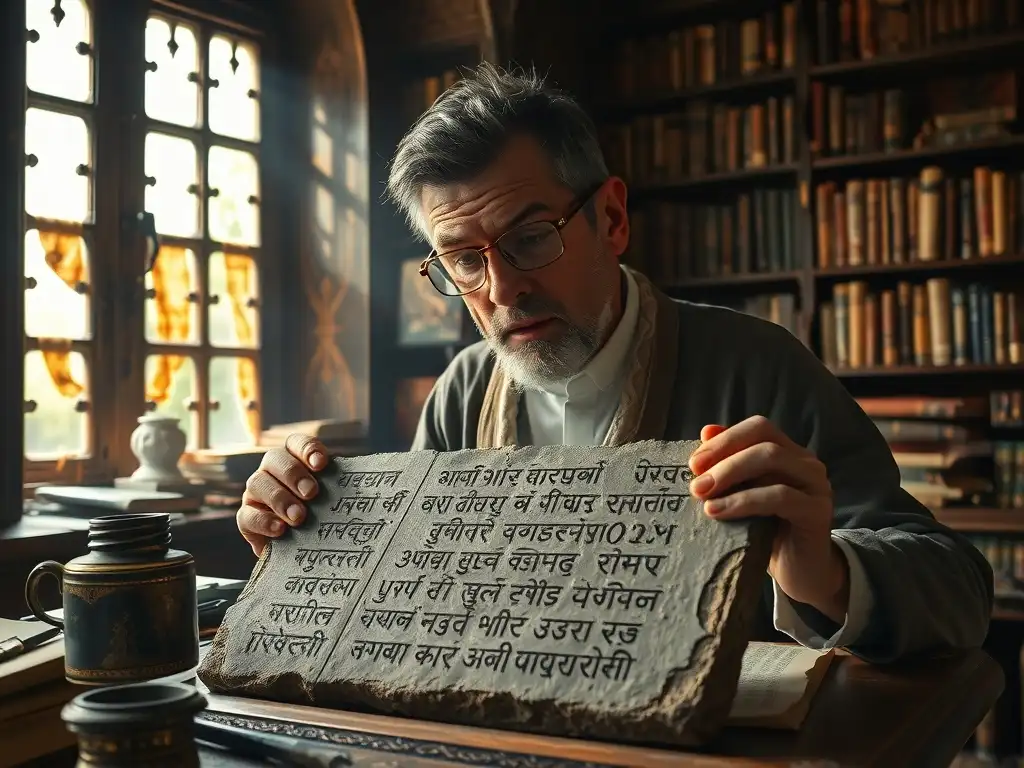
Understanding Cultural Nuances in Ancient Texts
Translating ancient Indian inscriptions requires a nuanced understanding of the cultural context in which these texts were created. The civilizations of ancient India, from the Indus Valley to the Gupta Empire, were rich in diversity, each contributing unique perspectives, traditions, and practices that influenced their inscriptions.
- Historical Background: Each inscription must be analyzed in light of its historical background. For instance, an inscription from the Mauryan period may reflect the political ideologies of Ashoka, whereas a Gupta inscription may reveal insights into the flourishing of arts and sciences during that era.
- Language Variations: Ancient Indian inscriptions utilized multiple languages and scripts, including Sanskrit, Prakrit, and Brahmi. Understanding the variations in language and script is crucial for accurate translation. For example, the nuances of a Sanskrit term may differ significantly from its Prakrit counterpart, impacting the overall meaning of the inscription.
- Societal Norms and Practices: The societal norms prevalent during the time of inscription can greatly influence the interpretation. For example, inscriptions that document trade practices might also reflect social hierarchies and economic conditions of the time, which must be understood to convey the true meaning.
Cultural nuances can often present challenges in translation, as certain phrases or idioms may not have direct counterparts in contemporary languages. Scholars must employ a blend of linguistic skill and cultural knowledge to bridge these gaps effectively.
The Role of Religion and Philosophy in Inscriptions
Religion and philosophy played a significant role in shaping the content of ancient Indian inscriptions, providing insights into the beliefs and values of the time.
- Religious Influences: Many inscriptions are dedicated to deities or commemorate religious events. For example, inscriptions found in temples often contain hymns or prayers that reflect the spiritual beliefs of the people. Understanding the religious context is crucial for accurately translating these texts, as they are often laden with symbolic meanings.
- Philosophical Texts: The philosophical underpinnings of ancient Indian thought, as seen in texts such as the Vedas and Upanishads, often find expression in inscriptions. Translators must be familiar with concepts such as Dharma (duty/righteousness) and Karma (action) to grasp the complexities contained within these inscriptions.
- Integration of Art and Writing: Inscriptions were often accompanied by intricate carvings and sculptures that illustrated religious narratives. The interplay between text and imagery can add layers of meaning that influence translation. For instance, an inscription might reference a visual motif that is essential for a complete understanding of its message.
The interplay of cultural context, religious beliefs, and philosophical ideas is critical in the task of translating ancient Indian inscriptions. Scholars must navigate these complex layers to ensure that the translations reflect the original intent and significance of the texts. Understanding these elements not only aids in accurate translation but also enriches our comprehension of ancient Indian civilization as a whole.
Methodological Approaches to Translating Ancient Inscriptions
The translation of ancient inscriptions is a complex endeavor that requires a deep understanding of historical contexts, languages, and the nuances of script. Scholars have developed various methodological approaches over the years, combining traditional techniques with modern advancements to enhance accuracy and efficiency in translating ancient Indian inscriptions. This section delves into the traditional methods employed by epigraphists, followed by an exploration of contemporary techniques that have revolutionized the field.
Traditional Methods of Epigraphy and Translation
Traditionally, the translation of ancient inscriptions relied on a few core methodologies, which have been foundational in the study of ancient scripts. These methods include:
- Paleography: The study of ancient writing styles and scripts is crucial for understanding the context and meaning of inscriptions. Scholars meticulously analyze letter forms, ligatures, and stylistic variations to date inscriptions and attribute them to specific cultures or periods.
- Philology: This approach emphasizes the study of language in historical texts. Scholars compare ancient languages with their modern counterparts to decipher meanings, grammatical structures, and etymologies. For instance, understanding the evolution of Sanskrit or Prakrit is essential for translating inscriptions from the Maurya or Gupta periods.
- Contextual Analysis: Understanding the historical, cultural, and social context in which an inscription was created is vital. This can include examining archaeological evidence, historical texts, and contemporaneous inscriptions to provide a comprehensive background that aids in translation.
- Interdisciplinary Collaboration: Epigraphists often collaborate with historians, archaeologists, and linguists to enhance the accuracy of translations. This collaboration enriches the interpretation of inscriptions by incorporating various perspectives and expertise.
These traditional methods, while effective, can be time-consuming and may suffer from subjective interpretations. Therefore, scholars continuously seek to improve their techniques for better accuracy in translating ancient Indian inscriptions.
Modern Techniques and Technologies in Translation
The advent of technology has transformed the field of epigraphy, introducing modern techniques that complement traditional approaches. Some of the most notable advancements include:
- Digital Imaging and Analysis: High-resolution imaging techniques, such as multispectral and infrared photography, allow scholars to capture details that are invisible to the naked eye. This technology can reveal faded inscriptions and enhance readability, leading to more accurate translations.
- 3D Scanning and Modeling: Creating three-dimensional models of inscriptions enables researchers to study their physical characteristics in detail. This method allows for virtual manipulation of the inscriptions, facilitating better analysis of their form and context.
- Machine Learning and Natural Language Processing (NLP): With the aid of artificial intelligence, scholars can analyze vast corpuses of ancient texts. Machine learning algorithms can be trained to recognize patterns in script and language, providing preliminary translations that can be refined by human experts.
- Crowdsourcing Platforms: Digital platforms that invite contributions from a global community of scholars and enthusiasts have emerged. These platforms allow for collaborative translation efforts, pooling knowledge and resources to tackle complex inscriptions.
The integration of these modern techniques with traditional methodologies offers a robust framework for translating ancient inscriptions. It not only enhances the accuracy of translations but also makes the process more efficient and accessible to scholars worldwide.
The evolution of methodologies in translating ancient inscriptions reflects a rich interplay between tradition and innovation. By leveraging both classical techniques and contemporary technologies, scholars are better equipped to decode the complex narratives embedded within ancient Indian inscriptions, ensuring that these vital historical records continue to inform our understanding of the past.
Case Studies: Specific Inscriptions and Their Translation Challenges
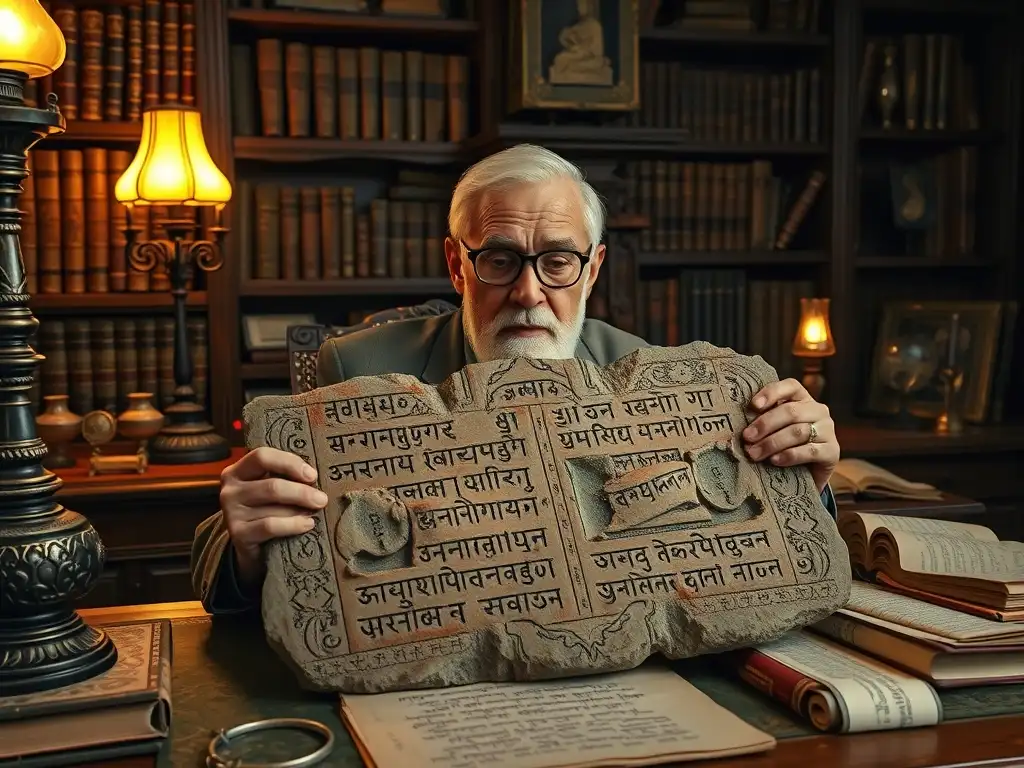
The Edicts of Ashoka: A Translation Perspective
The Edicts of Ashoka, inscribed during the reign of Emperor Ashoka (268-232 BCE), are a vital source of Indian history and philosophy. These inscriptions, carved on rocks and pillars across the Indian subcontinent, articulate the moral and ethical principles of Buddhism, along with messages of governance and social welfare. However, translating these ancient texts poses significant challenges due to their linguistic, historical, and cultural contexts.
-
Linguistic Variability:
The edicts are primarily written in Prakrit, using the Brahmi script, which presents a challenge in terms of phonetics and syntax. Scholars must navigate the nuances of Prakrit, which is less standardized than Sanskrit. Variations in dialects across regions can lead to different interpretations.
-
Cultural Context:
Understanding the cultural and historical context of Ashoka's reign is essential for accurate translation. The references to local customs, societal norms, and Buddhist doctrine require a deep understanding of ancient Indian society. For instance, terms relating to Dharma (moral law) must be interpreted not only linguistically but also philosophically.
-
Fragmentary Texts:
Many edicts are incomplete or damaged, complicating the translation process. Scholars often rely on context and comparative analysis with similar inscriptions to reconstruct missing parts. This can lead to speculative interpretations, which need to be approached with caution.
-
Evolving Terminology:
The meanings of words can evolve over time. Terms used in the edicts may have had different connotations in the 3rd century BCE compared to today. Translators must be aware of these shifts to avoid anachronisms, ensuring that the translation remains true to the original intent.
Inscriptions from the Gupta Period: Difficulties and Insights
The Gupta period (circa 320-550 CE) is often referred to as a golden age of Indian culture, marked by significant advancements in art, science, and literature. Inscriptions from this era, such as those found in temples and rock edicts, provide rich insights into the socio-political and religious life of the time. However, translating these inscriptions presents its own unique set of challenges.
-
Diverse Scripts and Languages:
Gupta inscriptions are primarily in Sanskrit, but many are also found in regional languages written in various scripts, including Devanagari and Brahmi. Translators must be proficient in multiple scripts and dialects, which adds complexity to the translation process.
-
Religious and Philosophical Nuances:
Many inscriptions contain references to Hindu deities and philosophical concepts that require careful interpretation. For example, terms like Brahman and Karma have deep philosophical meanings that vary across different texts. Misinterpretation can lead to significant inaccuracies in understanding the cultural context.
-
Political Allusions:
Gupta inscriptions often reference historical figures and events that may not be widely known. Understanding the political landscape of the time is crucial for accurate translation. Scholars must research historical contexts to provide a clearer picture of what the inscriptions convey about governance and society.
-
Artistic Expressions:
The Gupta period saw a flourishing of artistic expression, and inscriptions often include poetic elements. Capturing the aesthetic quality of the original text while translating it into another language is a delicate balance. Translators must strive to maintain the lyrical qualities without sacrificing meaning.
The translation of ancient Indian inscriptions, including the Edicts of Ashoka and those from the Gupta period, demands a multifaceted approach that considers linguistic, cultural, historical, and artistic elements. Understanding these complexities not only aids in accurate translation but also enriches our appreciation of ancient Indian civilization.
The Role of Scholars in Translating Ancient Indian Inscriptions

The translation of ancient Indian inscriptions is a complex and multifaceted endeavor that requires the expertise of various scholars across multiple disciplines. Scholars play a pivotal role not only in deciphering the linguistic aspects of inscriptions but also in contextualizing their significance within the broader tapestry of ancient Indian history and culture. Their work often involves collaboration with historians, archaeologists, linguists, and specialists in ancient scripts, which enhances the accuracy and richness of the translations.
Scholars must grapple with diverse languages and scripts, such as Sanskrit, Prakrit, and Brahmi, each with its own nuances and regional variations. For instance, the Brahmi script, one of the earliest writing systems in India, has many regional adaptations that can lead to different interpretative challenges. Scholars must also consider the socio-political environment of the time when the inscriptions were created, as this context can provide critical insights into their meaning.
Interdisciplinary Collaboration in Translation Efforts
The translation of ancient Indian inscriptions thrives on interdisciplinary collaboration. Scholars from various fields bring their unique perspectives and methodologies to the table, enriching the translation process significantly. Here are some key areas of collaboration:
- Linguistics: Linguists provide essential insights into the structure, grammar, and semantics of ancient languages. Their expertise is crucial in deciphering complex phrases and idioms that may not have direct modern equivalents.
- History and Archaeology: Historians and archaeologists contribute context by interpreting the socio-political and cultural background of the inscriptions. This collaboration ensures that translations are not only linguistically accurate but also historically relevant.
- Cultural Studies: Experts in cultural studies analyze the symbolic meanings and societal values reflected in the inscriptions. This understanding aids in translating the essence of the text beyond mere words.
- Technology and Digital Humanities: The advent of technology has revolutionized the field of epigraphy. Scholars use digital tools for analysis, visualization, and even crowdsourcing translations, fostering a collaborative environment that transcends geographical boundaries.
This interdisciplinary approach not only enhances the accuracy of translations but also promotes a deeper understanding of ancient Indian civilizations, highlighting their complexities and contributions to human history.
Notable Scholars and Their Contributions
Throughout history, several scholars have made significant contributions to the field of translating ancient Indian inscriptions. Their work has not only advanced our understanding of ancient texts but has also set a precedent for future research. Here are some notable figures:
- James Prinsep (1799–1840): A British antiquarian and scholar, Prinsep was instrumental in deciphering the Brahmi script. His work on the Ashoka edicts laid the groundwork for understanding ancient Indian inscriptions and their historical context.
- Sir Alexander Cunningham (1814–1893): Often considered the father of Indian archaeology, Cunningham's extensive research on the inscriptions of the Mauryan period provided valuable insights into the governance and culture of ancient India.
- R. C. Majumdar (1888–1980): A prominent historian, Majumdar's writings on ancient Indian history incorporated translations of various inscriptions, emphasizing their importance in understanding historical narratives.
- D. C. Sircar (1907–2005): Sircar’s scholarship in epigraphy included critical studies of inscriptions from various dynasties, contributing significantly to the understanding of administrative practices and cultural exchanges in ancient India.
- N. P. Chakrabarti: A contemporary scholar, Chakrabarti has focused on the inscriptions of the Gupta period, shedding light on their significance in the context of political and cultural developments during that era.
These scholars exemplify the dedication and expertise necessary to navigate the challenges of translating ancient inscriptions. Their contributions highlight the importance of this scholarly work in preserving and elucidating the rich history of ancient Indian civilizations, ensuring that future generations can connect with their heritage.
Conclusion: The Future of Translating Ancient Indian Inscriptions
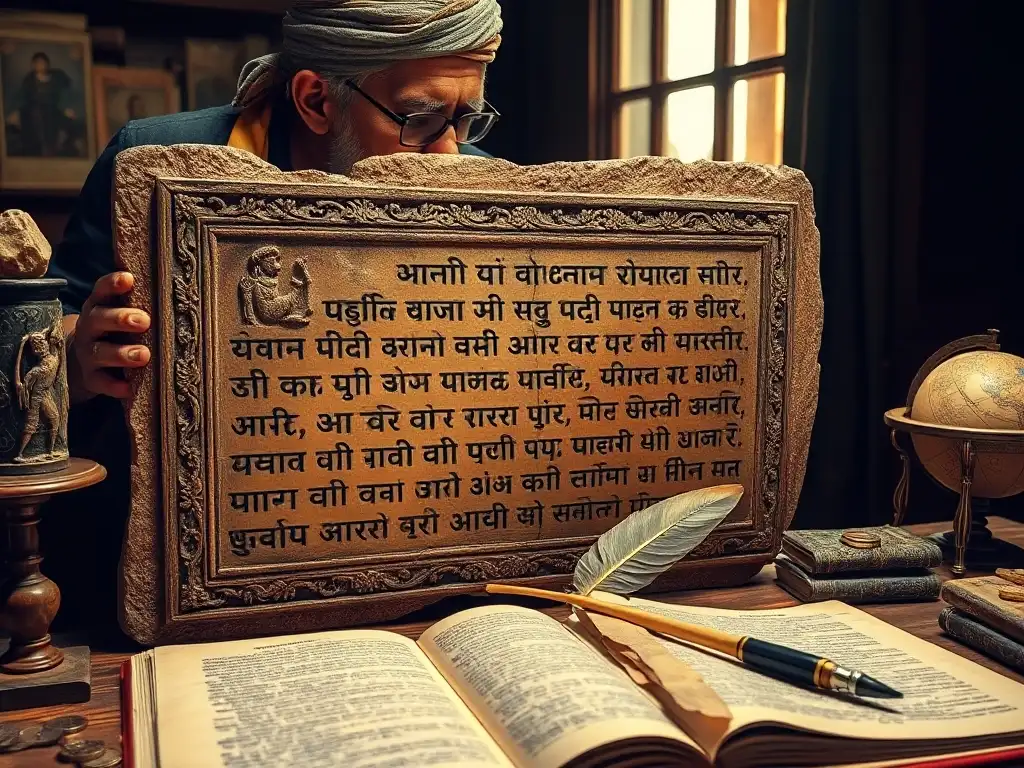
The translation of ancient Indian inscriptions is a complex and evolving field, marked by both significant challenges and exciting opportunities. As scholars continue to delve into the inscriptions left by ancient civilizations, the future of this discipline hinges on addressing the multifaceted obstacles that impede the accurate interpretation and understanding of these valuable texts.
Ongoing Challenges and Opportunities
Translating ancient Indian inscriptions presents numerous challenges, many of which stem from the diverse languages, scripts, and cultural contexts in which these inscriptions were created. Some of the most pressing challenges include:
- Linguistic Diversity: Ancient India was a melting pot of languages, including Sanskrit, Prakrit, Tamil, and Pali. Each language carries unique grammatical structures and idiomatic expressions, making it difficult to establish standardized translations.
- Script Variability: The evolution of scripts over time adds another layer of complexity. For example, inscriptions may be found in Brahmi, Kharosthi, or even regional scripts, each requiring specialized knowledge for accurate reading and interpretation.
- Cultural Context: Understanding the socio-political and religious nuances of the time is crucial for interpretation. Scholars must often rely on secondary sources and archaeological findings to provide context for the inscriptions.
Despite these challenges, there are ample opportunities for advancement in the field:
- Technological Innovations: The advent of machine learning and artificial intelligence has the potential to assist in deciphering inscriptions more efficiently. Algorithms can analyze patterns in script and language usage, aiding scholars in their translations.
- Interdisciplinary Collaboration: Engaging with experts from diverse fields—such as archaeology, linguistics, and history—can yield more holistic interpretations of inscriptions. Collaborative efforts may lead to richer insights and more comprehensive translations.
- Public Engagement: Increasing awareness and interest in ancient Indian history among the general public can foster support for research and funding. Community involvement in epigraphy projects may also yield new discoveries.
The Importance of Continued Research in Epigraphy
The study of ancient inscriptions is not merely an academic endeavor; it holds profound significance for our understanding of ancient Indian civilizations. Continued research in this field can uncover valuable insights into:
- Historical Narratives: Inscriptions serve as primary sources that provide direct evidence of historical events, societal norms, and cultural practices. They can illuminate aspects of daily life, governance, and religious beliefs that are often absent from traditional historical texts.
- Cultural Heritage: By translating and preserving ancient inscriptions, we safeguard the cultural heritage of India. This process fosters a deeper appreciation for the contributions of ancient civilizations and their influence on contemporary society.
- Educational Opportunities: As research progresses, the findings can be integrated into educational curricula, enriching the understanding of history for future generations. This can also inspire students to pursue careers in archaeology, linguistics, and history.
The journey of translating ancient Indian inscriptions is fraught with challenges but also holds immense potential for discovery and understanding. By prioritizing ongoing research and embracing innovative methods, scholars can continue to unlock the rich tapestry of India's ancient past, ensuring its legacy endures for generations to come.
References and Further Reading on Ancient Indian Inscriptions
Suggested Academic Texts and Resources
Translating ancient Indian inscriptions requires a solid foundation in both linguistic skills and historical context. Several academic texts and resources are invaluable for scholars in this field:
-
"The Inscriptions of Ashoka" by Richard McKeon
This comprehensive examination of Ashoka's edicts provides insights into the language, philosophy, and governance of one of India's most celebrated emperors. McKeon meticulously analyzes the Brahmi script, offering translations and interpretations that are essential for understanding these inscriptions.
-
"Indian Epigraphy" by D.C. Sircar
A fundamental reference for anyone studying Indian inscriptions, this book covers various scripts, languages, and the methodologies used in epigraphy. Sircar’s work is particularly noted for its systematic approach, making it easier for newcomers to grasp the complexities of ancient texts.
-
"The Archaeology of Ancient India" by Dilip K. Chakrabarti
While not focused solely on inscriptions, this text places them within the broader context of archaeological findings in ancient India. Chakrabarti’s synthesis of artifacts and inscriptions provides a well-rounded perspective on how they interconnect.
-
"The Language of the Gods in the World of Men: Sanskrit, Culture, and Power in Premodern India" by Sheldon Pollock
This work delves into the significance of Sanskrit inscriptions and their role in shaping cultural and political landscapes in ancient India. Pollock's analysis is pertinent for understanding the socio-political implications behind the texts.
-
"Translating Ancient Indian Texts: A Historical Perspective" by M. R. Thapar
This book discusses the challenges faced in translating ancient texts, including inscriptions, and the historical context necessary for accurate translations. Thapar emphasizes the importance of interdisciplinary approaches in the study of ancient languages.
Online Databases and Archives for Researchers
In addition to academic texts, several online databases and archives offer extensive resources for researchers interested in translating ancient Indian inscriptions:
-
Indian Epigraphy Online
This digital archive provides access to a wide range of texts and inscriptions from various periods in Indian history. Researchers can explore high-resolution images, transliterations, and translations of inscriptions from different regions.
-
Digital South Asia Library (DSAL)
DSAL hosts a collection of digital resources, including maps, texts, and photographs related to South Asian studies. The epigraphy section is particularly useful for accessing primary sources and scholarly works on ancient inscriptions.
-
The Archaeological Survey of India (ASI)
The ASI's website offers a wealth of information, including a database of inscriptions across India. Researchers can find detailed descriptions, locations, and historical significance of various inscriptions, making it a crucial resource for epigraphical studies.
-
International Association of Sanskrit Studies
This organization provides access to various publications, journals, and conference proceedings dedicated to Sanskrit and its inscriptions. Their resources are invaluable for scholars conducting in-depth research on ancient texts.
-
National Archives of India
The National Archives' digital portal includes a range of manuscripts and inscriptions pivotal for historical research. Their extensive collection can aid researchers in finding original inscriptions and their context.
By utilizing these texts and online resources, scholars can deepen their understanding of ancient Indian inscriptions and the complexities involved in accurately translating them.
Frequently Asked Questions
What are the main challenges in translating ancient Indian inscriptions?
Translating ancient Indian inscriptions poses challenges such as deciphering scripts, understanding contextual meanings, and the absence of bilingual texts.
Why is understanding the cultural context important in translation?
The cultural context provides essential insights into the historical background, societal norms, and symbolic meanings that influence how inscriptions are interpreted.
What role do scholars play in the translation process?
Scholars utilize their expertise in linguistics, history, and archaeology to accurately interpret inscriptions, ensuring that translations are both faithful and meaningful.
How has technology impacted the translation of ancient inscriptions?
Advancements in technology, such as digital imaging and machine learning, aid scholars in analyzing and deciphering inscriptions more efficiently and accurately.
Are there any resources available for those interested in translating ancient Indian inscriptions?
Yes, numerous academic publications, online databases, and workshops offer valuable resources and tools for individuals interested in translating ancient inscriptions.
Final Reflection: Embracing the Complexity of Translating Ancient Indian Inscriptions
The challenges of translating ancient Indian inscriptions are not merely academic hurdles; they are gateways to understanding our shared human heritage. In a world increasingly driven by rapid communication and digital exchanges, the nuances embedded in these inscriptions remind us of the depth and richness of our past. The struggle to accurately convey the meanings, cultural contexts, and historical significance of these texts is a testament to the intricate tapestry of human expression that transcends time and geography.
The ongoing journey of translating ancient inscriptions continues to shape our cultural and social landscape, fostering a deeper appreciation for the wisdom of our ancestors. As scholars and enthusiasts delve into these ancient texts, they uncover stories that resonate with contemporary issues, bridging the gap between past and present. Translation is not a matter of words only; it is a matter of life.
This quote encapsulates the essence of our endeavor, highlighting how each inscription carries the weight of history and the potential to inform our current worldview.
As we reflect on the importance of translating ancient Indian inscriptions, I invite you to consider your own connection to history and culture. What stories from the past resonate with you, and how can you contribute to preserving and sharing these narratives? Whether through academic pursuits, personal exploration, or community engagement, each of us has a role to play in honoring the voices of those who came before us. Let us embrace the complexities of translation, not just as a scholarly task but as a vital act of cultural preservation and understanding.
Uncover the Secrets of Ancient Inscriptions!
Thank you for diving into the fascinating world of ancient inscriptions! Your interest not only broadens your understanding of history but also ignites curiosity about the rich narratives hidden within these texts. Now, let's take the next step in your journey to uncover these historical treasures.
Here are some exciting actions you can take right now:
- Join a local workshop or online course focused on ancient languages or translation techniques to enhance your knowledge and skills.
- Share this article with friends and on social media to inspire others to explore the beauty and challenges of translating ancient texts.
- Connect with fellow history enthusiasts in online forums or local groups to discuss your findings and exchange insights.
What new discoveries about ancient inscriptions are you most eager to share with others?