
The SocioPolitical Contributions of Women in Ancient India

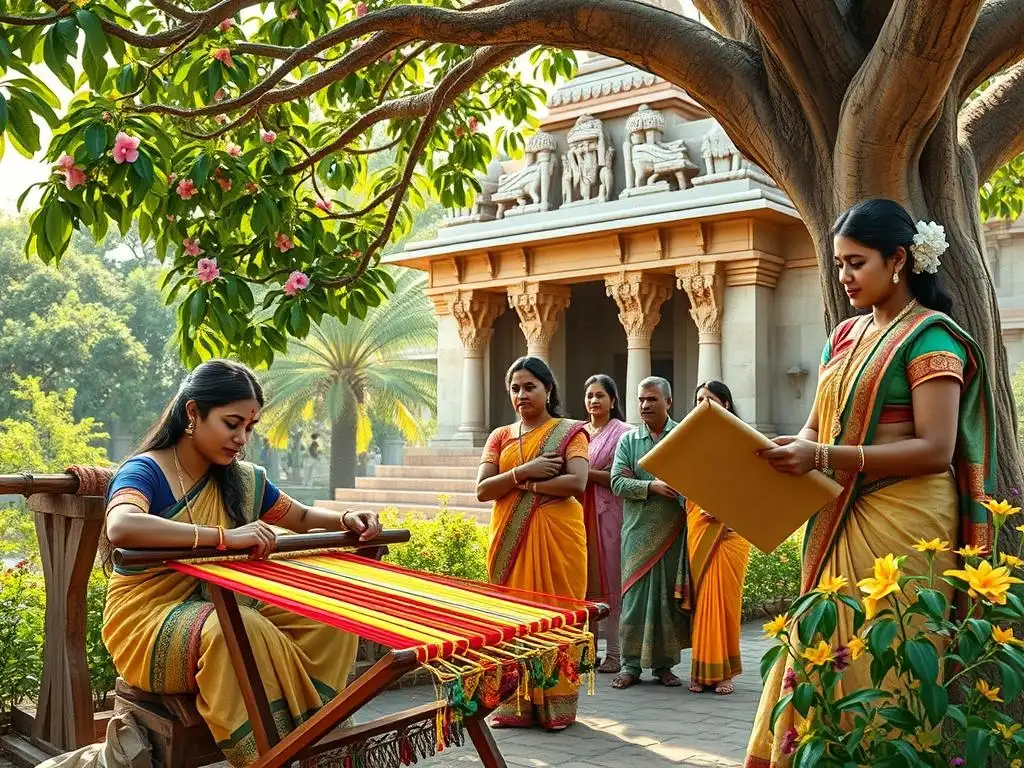
Welcome to Ancient India History, where we embark on a captivating journey through the rich tapestry of ancient Indian civilizations. Delve into the remarkable socio-political contributions of women, a subject often overlooked yet vital in understanding the vibrant fabric of societies from the Indus Valley to the Gupta Empire.
In our featured article, "The SocioPolitical Contributions of Women in Ancient India," we unveil the powerful roles women played in shaping their communities and influencing the course of history. Prepare to be intrigued and inspired as you explore the profound impact of women in ancient Indian society—your adventure into the past begins now!
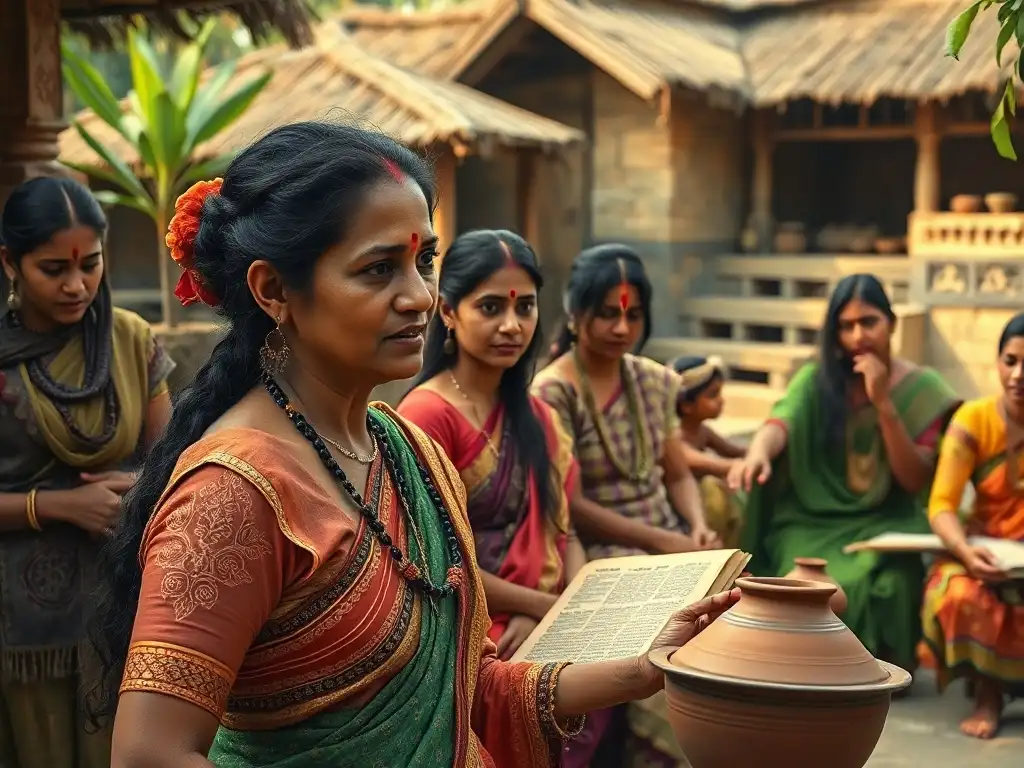
Introduction to Women in Ancient Indian Society
The role of women in ancient Indian society is a multifaceted and intricate subject that reflects the diverse cultural, social, and political landscapes of the time. From the remarkable achievements of women in the Indus Valley Civilization to the influential figures during the Gupta Empire, women played a crucial part in shaping the socio-political fabric of ancient India.
Understanding their contributions not only sheds light on the past but also provides insight into the evolution of gender roles throughout history. This exploration emphasizes the need to recognize the pivotal role women played in various domains, influencing both their immediate communities and the broader societal frameworks.
Overview of Women's Roles in Ancient India
Women in ancient India were not merely passive participants; they were active contributors in various fields including governance, education, arts, and spirituality. The historical records and archaeological findings suggest a nuanced and dynamic existence for women across different regions and periods. Here are some key roles they undertook:
- Political Influence: Women often held significant sway in political matters, with some even ascending to positions of power.
- Cultural Contributions: Many women were patrons of the arts and played vital roles in the preservation and propagation of cultural practices.
- Religious Leadership: In many cases, women served as spiritual leaders and were integral in shaping religious practices and beliefs.
Importance of Studying SocioPolitical Contributions
Recognizing the socio-political contributions of women enhances our understanding of ancient Indian society as a whole. It challenges the traditional narratives that often marginalize women's roles and acknowledges their impact on historical events. This study is essential for several reasons:
- Historical Accuracy: Acknowledging women's contributions ensures a more comprehensive and accurate historical account.
- Cultural Appreciation: Understanding the varied roles women played fosters a deeper appreciation for the richness of ancient Indian culture.
- Contemporary Relevance: Insights gained can inform current discussions about gender roles and equality, drawing parallels between the past and present.
Historical Context of Women in Ancient Indian Society
To fully appreciate the contributions of women in ancient India, it is crucial to consider the historical context in which they lived. This context informs our understanding of their status, rights, and the societal structures that influenced their lives.
The Status of Women in Different Periods
The status of women in ancient India varied significantly across different periods, influenced by factors such as religion, regional customs, and socio-economic conditions. Key periods include:
- Indus Valley Civilization (c. 3300–1300 BCE): Evidence suggests that women enjoyed a relatively high status, with artifacts indicating their involvement in trade and crafts.
- Vedic Period (c. 1500–500 BCE): Women were educated and participated in philosophical discussions, though their rights began to decline over time.
- Maurya and Post-Maurya Periods (c. 322–185 BCE): Women held influential roles, including that of rulers and advisors.
- Gupta Empire (c. 320–550 CE): Despite societal constraints, women continued to engage in arts, education, and governance.
Key Texts and Literature Reflecting Women’s Roles
Literature and texts from ancient India provide invaluable insights into the lives and contributions of women. Some notable examples include:
- The Rigveda: Contains hymns that celebrate women's wisdom and their roles in society.
- The Manusmriti: Offers a glimpse into the evolving status of women, highlighting both rights and restrictions.
- The Mahabharata: Features strong female characters who wield considerable influence over political and moral decisions.
By examining these texts, we can gain a clearer picture of the socio-political landscape and the integral roles women played in shaping it.
Prominent Women Figures in Ancient India
Ancient India was home to a multitude of remarkable women who made significant contributions to various aspects of society, including politics, philosophy, and warfare. These women not only shaped the socio-political landscape of their times but also laid the foundations for future generations. Their stories are often interwoven with the broader tapestry of ancient Indian history, reflecting the diverse roles women played.
Among these figures, we find warrior queens, insightful philosophers, and astute political leaders, each of whom contributed uniquely to their communities. Their legacies continue to inspire and educate modern society about the capabilities and roles of women in historical contexts. Here, we explore some of the most influential women who navigated the complexities of ancient Indian society.
Rani Durgavati: The Warrior Queen
Rani Durgavati, the queen of Gondwana, is a celebrated figure in Indian history known for her bravery and leadership during the Mughal invasion in the 16th century. A skilled warrior and strategist, she took to the battlefield to defend her kingdom against the formidable forces of Emperor Akbar. Durgavati is often portrayed as a symbol of resistance, embodying the spirit of valor and resilience.
Her reign was marked by a commitment to her people, as she focused on welfare and development. Despite being outnumbered, Durgavati led her troops with courage, showcasing her tactical acumen. Her story emphasizes the capacity of women to assume roles traditionally held by men, and her ultimate sacrifice in battle highlights the depth of her commitment to her kingdom.
Gargi and Maitrayi: Philosophers and Scholars
Gargi and Maitrayi were two prominent female philosophers from ancient India, known for their profound contributions to Vedic philosophy. Gargi, often mentioned in the Brihadaranyaka Upanishad, was renowned for her intellectual prowess and her ability to engage in philosophical debates with the greatest sages of her time. She posed challenging questions about the nature of the universe and the self, showcasing her critical thinking and deep understanding of metaphysical concepts.
Maitrayi, also featured in the Upanishads, is celebrated for her discussions on the nature of reality and existence. Her assertion that "the self is immortal" reflects the philosophical depth of women's contributions to ancient Indian thought. Both women not only broke barriers in a male-dominated intellectual landscape but also inspired future generations of scholars to pursue philosophy and wisdom.
Other Influential Women in Politics and Society
In addition to Rani Durgavati, Gargi, and Maitrayi, ancient India boasted many other influential women who played significant roles in politics and society. Figures like Razia Sultana, the only female ruler of the Delhi Sultanate, made notable strides in governance and administration. Similarly, women like Chand Bibi of Ahmednagar demonstrated exceptional leadership during times of conflict.
Moreover, women were often involved in social reforms and cultural advancements. Many participated in the arts, literature, and religious practices, contributing to the rich cultural heritage of India. Their stories remind us that women were active participants in shaping the socio-political fabric of their times.
Women's Political Influence in Ancient India
The political influence of women in ancient India was multifaceted, encompassing roles as rulers, advisors, and community leaders. While societal norms often restricted women's public roles, many women broke through these barriers and made impactful contributions in governance and politics.
Women as Rulers and Leaders
Women in ancient India often ascended to power through dynastic succession or by establishing themselves as formidable leaders in their own right. Rulers like Rani Durgavati and Razia Sultana exemplified how women could engage in leadership roles, making critical decisions that affected the lives of their subjects.
The presence of women in royal courts was not uncommon, as they could wield power behind the scenes or even lead armies into battle. Their leadership often challenged traditional gender norms, demonstrating that women were capable of ruling effectively, making strategic alliances, and managing the complexities of governance.
The Role of Women in Governance and Advisory Positions
Beyond direct rulership, women also played essential roles in governance and advisory capacities. Many queens and consorts acted as regents or advisors to their husbands and sons, influencing political decisions and state policies. Their insights and experiences often provided valuable perspectives that informed governance.
Additionally, women participated in councils and discussions that shaped law and order in their communities. Their involvement in socio-political matters highlights the recognition of women's contributions to the stability and prosperity of society.
The socio-political contributions of women in ancient India were significant and varied. These influential figures not only shaped their immediate environments but also left a legacy that continues to resonate in contemporary discussions about women's roles in society.
Societal Contributions of Women in Ancient India
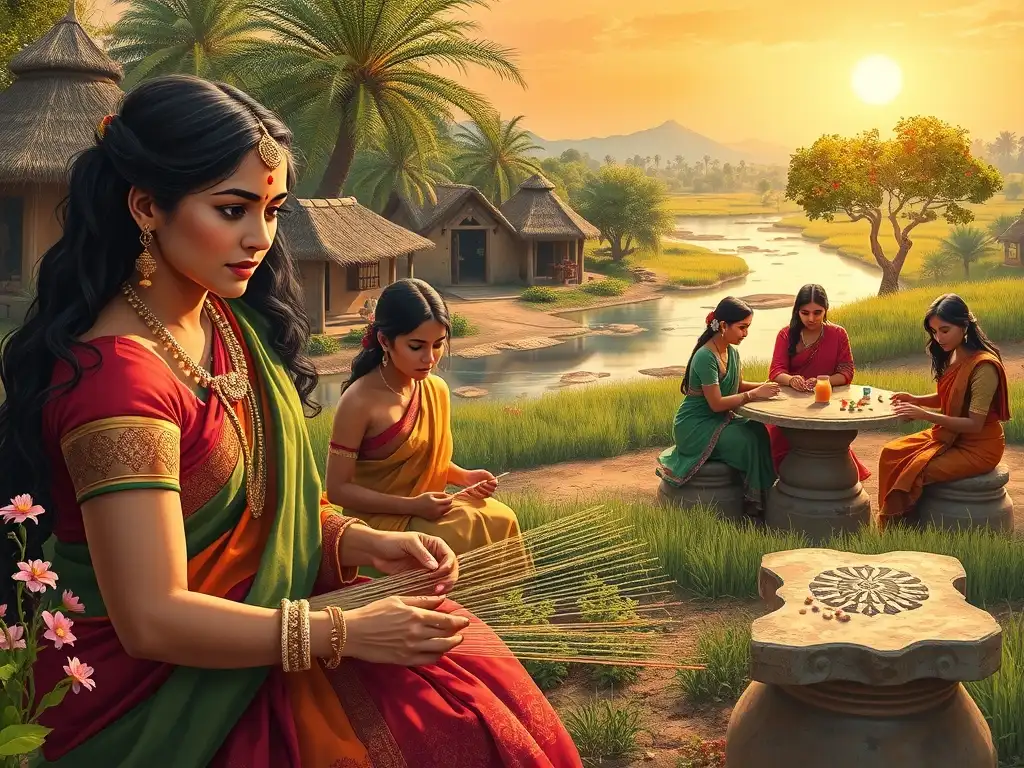
Women in ancient Indian society played a significant role that extended far beyond the domestic sphere. Their contributions were pivotal in shaping the socio-political landscape of their times. They were not just passive participants in their communities but were active agents who influenced various domains, including economics, education, culture, and politics. From the Vedic period to the Gupta Empire, women's roles evolved, reflecting the changing dynamics of society. They were involved in governance, patronage of arts and literature, and even warfare, showcasing their multifaceted contributions to ancient Indian civilization.
Women's Role in Economic Activities
In ancient India, women were integral to the economic fabric of society. They were involved in various economic activities, including agriculture, textile production, and trade. Women from different strata of society engaged in farming alongside men, contributing to food production and ensuring the sustenance of their families. Additionally, skilled women artisans played a crucial role in crafting textiles, pottery, and jewelry, which were vital to both local markets and long-distance trade.
- Agricultural Contributions: Women participated in sowing, harvesting, and managing agricultural produce. Records indicate that they were involved in maintaining farms and livestock, showcasing their importance in agrarian economies.
- Craft and Trade: Many women were skilled artisans, creating goods that were traded within and beyond their communities. Their contributions to textile weaving, pottery, and metalwork were particularly noteworthy.
- Economic Autonomy: Some women, particularly from merchant families, had significant economic autonomy and could manage their own businesses, thus playing a vital role in the economic stability of their communities.
Contributions to Education and Knowledge Preservation
Education in ancient India was not solely restricted to men; women also contributed significantly to knowledge preservation and education. While formal education was limited to certain classes, women were often educated in domestic settings, learning literature, philosophy, and the arts.
- Literary Contributions: Notable women poets and scholars, such as Gargi and Maitreyi, participated in philosophical discourses and contributed to the Vedic texts. Their intellectual contributions were foundational to the spiritual and philosophical heritage of India.
- Knowledge Transmission: Women played a crucial role in transmitting knowledge orally within families and communities, ensuring that cultural traditions, rituals, and history were preserved across generations.
- Educational Institutions: In some regions, women participated in the establishment of educational institutions, particularly during the Gupta period, contributing to the broader educational landscape of ancient India.
Influence in Religious and Cultural Practices
Women were not only participants but also influential figures in the religious and cultural practices of ancient India. They held significant roles in rituals, ceremonies, and the arts, contributing to the rich tapestry of Indian culture.
- Religious Leadership: Women served as priestesses and participated in religious rituals, often holding positions of authority in temple administration. Figures like the female ascetics and sages were often revered for their spiritual insights.
- Cultural Patronage: Women from royal families often acted as patrons of the arts, commissioning works of literature, sculpture, and dance. This patronage was crucial for the development of cultural expressions that defined various eras.
- Cultural Festivals: Women were central to the celebration of festivals, embodying the cultural ethos of their communities through dance, music, and storytelling, which were essential to maintaining cultural continuity.
Case Studies of Women in Ancient Indian Society
Case Study: The Life of Razia Sultana
Razia Sultana stands out as a remarkable figure in the socio-political landscape of ancient India. As the only female ruler of the Delhi Sultanate, her reign in the 13th century was marked by significant challenges and exceptional achievements. Razia defied the traditional gender roles of her time, ascending to the throne following her father, Iltutmish.
- Leadership and Governance: Razia demonstrated astute leadership and administrative skills, focusing on justice and the welfare of her subjects. She appointed capable officials regardless of their background, reflecting her commitment to meritocracy.
- Cultural Patronage: During her reign, Razia promoted arts and culture, fostering an environment where literature and architecture flourished. Her court became a hub for intellectual and artistic exchanges.
- Legacy: Razia Sultana's legacy is one of courage and determination, symbolizing women's potential to lead and govern in a male-dominated society. Her life remains a testament to women's contributions to political history in ancient India.
Case Study: The Contributions of Women in the Gupta Era
The Gupta period (approximately 320-550 CE) is often regarded as a golden age in Indian history, characterized by significant advancements in arts, science, and culture. Women played crucial roles during this era, contributing to various fields.
- Educational Advancements: Women in the Gupta era had increased access to education, with some attending higher learning institutions like Nalanda. This allowed them to contribute to fields such as mathematics, astronomy, and literature.
- Cultural Influences: Gupta women were instrumental in promoting the arts, particularly through patronage of dance, music, and drama. Their involvement in these cultural practices enriched the societal fabric of the time.
- Social Reforms: Some women emerged as social reformers, advocating for women's rights and challenging existing norms, thereby laying the groundwork for future generations to build upon.
The socio-political contributions of women in ancient India were profound and transformative. Their roles in economic activities, education, culture, and leadership illustrate a rich history of female agency that continues to inspire discussions about women's rights and empowerment today.
The Impact of Women on Ancient Indian Society
Women in ancient Indian society played a pivotal role in shaping the socio-political landscape. Their influence extended beyond traditional domestic spheres, actively participating in governance, education, and the arts. Notably, women such as the philosopher Gargi and the poetess Aditi made significant contributions in intellectual circles, demonstrating that women were not merely passive observers but were integral to the philosophical and spiritual discourse of the time.
In various kingdoms, women held positions of power and authority. For instance, queens often acted as regents, managing state affairs in the absence of their husbands or sons. The legendary queen Chand Bibi of Ahmednagar is an exemplary figure who not only led her troops into battle but also managed diplomatic relations effectively. Such instances illustrate that women were not only part of the socio-political framework but often at its helm, influencing critical decisions and policies.
Moreover, ancient texts and inscriptions frequently refer to women as landowners and patrons of arts and culture, showcasing their economic agency. This involvement facilitated the establishment of institutions such as temples and educational centers, which became pivotal in promoting literacy and cultural development within society.
Lasting Effects of Women’s Contributions on Modern Indian Society
The contributions of women in ancient India have left indelible marks on modern Indian society. The legacy of powerful women leaders has inspired contemporary movements advocating for gender equality and women’s rights. Historical figures like Rani Lakshmibai and Savitribai Phule resonate with modern feminists, serving as symbols of resistance and empowerment.
Additionally, the social structures and legal rights established during ancient times, such as property rights and participation in religious practices, continue to inform current debates around women's rights in India. The notion of women as custodians of culture, passed down through generations, has reinforced their roles in family and society.
Moreover, the representation of women in literature and arts during ancient times has influenced modern artistic expressions and storytelling, ensuring that the voices of women remain a vibrant part of Indian culture. This continuity underscores the importance of acknowledging and promoting women's historical roles as foundational to the country's development.
How Women in Ancient Indian Society Shaped Cultural Norms
Women were instrumental in defining and shaping cultural norms in ancient Indian society. They were the primary educators of children, instilling values, traditions, and social ethics. This role as educators extended to the spiritual realm, where women participated in rituals and religious practices, shaping the moral fabric of society.
In addition, women contributed to the arts, including dance, music, and literature. Their involvement in these fields not only enriched cultural expressions but also challenged existing norms by showcasing the capabilities and talents of women. The influence of women in performing arts is exemplified by figures like the courtesan and poetess, who played significant roles in royal courts, thus elevating women's status in cultural narratives.
Furthermore, women's participation in religious functions and the establishment of female deities in Hinduism fostered a sense of reverence and respect for femininity. This cultural recognition laid the groundwork for ongoing dialogues about gender roles and the divine, influencing contemporary perceptions of women's spirituality and empowerment.
Conclusion
Summary of Women’s SocioPolitical Contributions in Ancient India
Women in ancient Indian society were not confined to domestic roles but were active participants in the political, cultural, and economic spheres. Their contributions as rulers, scholars, and artists paved the way for a more integrated societal structure. The recognition of women's agency during this era has been crucial in understanding the evolution of gender roles in India.
The Legacy of Women in Ancient Indian Society Today
The legacy of women in ancient Indian society continues to resonate today. Their contributions laid the foundation for contemporary discussions about women's rights, representation, and empowerment. As modern India grapples with issues of gender inequality, the historical context provided by the achievements of women in ancient times serves as a reminder of the potential and importance of women's voices in shaping society. This enduring legacy not only honors the past but also inspires future generations to advocate for equality and justice.
- Introduction to Women in Ancient Indian Society
- Historical Context of Women in Ancient Indian Society
- Prominent Women Figures in Ancient India
- Women's Political Influence in Ancient India
- Societal Contributions of Women in Ancient India
- Case Studies of Women in Ancient Indian Society
- The Impact of Women on Ancient Indian Society
- Conclusion
Frequently Asked Questions
What role did women play in ancient Indian society?
Women in ancient India had diverse roles, ranging from homemakers to influential figures in politics and spirituality, contributing significantly to social and cultural development.
Were women involved in governance during ancient times?
Yes, women could hold positions of power and influence, particularly in royal families, where they often acted as advisors or regents during the absence of male leaders.
How did ancient texts depict women in India?
Ancient texts, such as the Vedas and epics, presented women as knowledgeable and respected, often portraying them as embodiments of virtue, wisdom, and strength.
What were the educational opportunities for women in ancient India?
While educational access varied, some women received education in philosophy, arts, and sciences, particularly among the elite classes, contributing to the intellectual richness of society.
How did the status of women evolve from the Indus Valley to the Gupta Empire?
The status of women fluctuated, with earlier civilizations like the Indus Valley showing more gender equality, while later periods, including the Gupta Empire, often saw a decline in women's rights and freedoms.
Final Reflection: The Enduring Legacy of Women in Ancient Indian Society
The contributions of women in ancient Indian society are not just historical footnotes; they are foundational elements that shaped the socio-political landscape of their time. Today, as we navigate discussions around gender equality and women's empowerment, it becomes increasingly clear that understanding the past is crucial for forging a more equitable future. The remarkable roles women played in governance, education, and cultural preservation remind us that their influence was profound and far-reaching.
The legacy of women in ancient India continues to resonate in contemporary discourse, challenging us to rethink traditional narratives and embrace a more inclusive understanding of history. The stories of queens, scholars, and warriors serve as powerful reminders of the capabilities and resilience of women throughout time. As noted by historian Romila Thapar, "> The history of women is not merely a history of oppression; it is a history of resistance and agency." This perspective invites us to acknowledge the complexities of women's experiences and their vital contributions to society.
As we reflect on the lessons from ancient Indian society, let us commit to honoring the voices of women, both past and present. Consider how you can incorporate these insights into your daily life, advocating for equality and supporting the empowerment of women in your community. By recognizing and celebrating the achievements of women throughout history, we not only pay tribute to their legacy but also inspire future generations to continue the fight for justice and equity.
Unleash the Power of Women’s Voices in History!
Thank you for exploring the impactful contributions of women in ancient India. Their stories are not only fascinating but essential for understanding the socio-political landscape of the time. Now, it's time to carry this knowledge forward and make a difference!
Here are some actions you can take today:
- Dive Deeper: Research a notable female historical figure from this period and share your findings on social media to educate others.
- Join the Conversation: Engage with local history groups or online forums to discuss the influence of women in shaping society—every voice counts!
- Support Women’s History: Consider volunteering or donating to organizations that promote programs focused on women's history and education initiatives.
What new insights or perspectives have you gained about the role of women in shaping ancient India, and how will you share them with others?