
The Influence of Ancient Indian Architecture on Neighboring Regions


Welcome to Ancient India History, where we embark on a fascinating journey through the vibrant tapestry of ancient Indian civilizations. Discover how ancient Indian architecture, with its intricate designs and profound philosophies, has left an indelible mark on neighboring regions. As we delve into the influence of ancient Indian architecture on neighboring cultures, you'll uncover the stories of cultural exchanges that shaped the very foundations of many societies. Prepare to be captivated by the rich legacies and innovations that continue to inspire generations. Join us in exploring this remarkable chapter of history!

Introduction to Ancient Indian Architecture Influence
Ancient Indian architecture is a testament to the creativity, ingenuity, and cultural richness of its time. From the meticulously planned urban layouts of the Indus Valley Civilization to the grand temples of the Gupta Empire, the architectural styles of ancient India have left an indelible mark not only within its own borders but also on neighboring regions.
Understanding the influence of ancient Indian architecture is crucial for appreciating how cultural exchanges shaped the development of architectural practices across South Asia and beyond. This article delves into the various dimensions of this influence, exploring key periods, architectural styles, and the broader implications of these exchanges.
Overview of Ancient Indian Architecture
Ancient Indian architecture is characterized by its diversity and evolution over millennia. It encompasses a wide range of structures, including:
- Urban Planning: Notable in the Indus Valley Civilization with cities like Mohenjo-Daro and Harappa, showcasing advanced drainage systems and grid layouts.
- Religious Structures: Temples and stupas that reflect the spiritual beliefs of Hinduism, Buddhism, and Jainism, with intricate carvings and symbolism.
- Palaces and Fortifications: Reflecting the political power and aesthetic values of various dynasties, such as the Maurya and Gupta empires.
The architectural legacy of ancient India is not merely confined to its own geographical boundaries; it played a pivotal role in influencing the architectural practices of neighboring regions, including Southeast Asia, Tibet, and even parts of the Middle East.
Importance of Architectural Influence in Cultural Exchange
The influence of ancient Indian architecture extends beyond aesthetics; it is a vital component of cultural exchange. This influence can be observed in various aspects:
- Trade Routes: The flourishing trade along routes such as the Silk Road facilitated the exchange of ideas and architectural techniques.
- Religious Spread: As Buddhism spread to Central Asia and beyond, the architectural styles of stupas and monasteries were adopted and adapted by various cultures.
- Cultural Syncretism: The blending of local styles with Indian architectural principles led to unique regional expressions, enriching the cultural tapestry of neighboring civilizations.
Historical Context of Ancient Indian Architecture
To fully grasp the influence of ancient Indian architecture, it is essential to understand its historical context. The evolution of architectural styles and techniques reflects the socio-political dynamics of various periods.
Key Periods of Ancient Indian Architecture
- Indus Valley Civilization (c. 3300–1300 BCE): Marked by advanced urban planning and drainage systems.
- Maurya Period (c. 322–185 BCE): Characterized by monumental structures, including the Ashoka Pillars and stupas.
- Gupta Empire (c. 240–550 CE): Known for the development of temple architecture, with intricate carvings and the emergence of the Nagara and Dravidian styles.
Each of these periods contributed to a distinct architectural identity that influenced neighboring regions through trade, conquest, and cultural exchanges.
Major Architectural Styles and Features
Ancient Indian architecture encompasses several styles, each with unique features that contributed to its influence:
- Stupa Architecture: Originating from Buddhist practices, stupas like the Sanchi Stupa feature hemispherical domes and intricate carvings that inspired similar structures across Asia.
- Temple Architecture: The emergence of Hindu temple styles, such as the Nagara and Dravidian styles, showcased towering shikhara (spires) and elaborate sculptures, influencing temple designs in Southeast Asia.
- Fortifications and Palaces: The construction of forts and palaces reflects a blend of functionality and aesthetic appeal, with influences seen in the architectural practices of neighboring kingdoms.
The influence of ancient Indian architecture is a complex interplay of historical, cultural, and artistic factors that shaped not only India but also its neighboring regions. Understanding this influence provides valuable insights into the broader narrative of cultural exchanges in ancient times.
The Geographic Spread of Ancient Indian Architectural Influence
The influence of ancient Indian architecture extends far beyond the subcontinent, reaching various neighboring regions through trade, migration, and cultural exchanges. This spread can be attributed to several factors, including the flourishing trade routes connecting India with Southeast Asia, Central Asia, and the Middle East. Over centuries, as Indian merchants and travelers ventured beyond their borders, they carried not only goods but also architectural styles and techniques.
The architectural influence can be traced back to the Mauryan Empire, with its monumental stupas and rock-cut caves, and continued through the Gupta period, which saw a resurgence in temple architecture. The intricate designs and innovative construction methods developed in India resonated with local traditions in neighboring regions, leading to a unique blend of styles that characterized the architecture of those areas.
Neighboring Regions Affected by Ancient Indian Architecture

Ancient Indian architecture left its mark on several neighboring regions, notably:
- Southeast Asia: Countries like Indonesia, Thailand, and Cambodia absorbed Indian architectural elements, particularly in religious structures.
- Central Asia: The spread of Buddhism facilitated the exchange of architectural ideas between India and regions such as Afghanistan and Uzbekistan.
- The Middle East: Indian architectural styles influenced Islamic architecture, especially during the period of trade between the Indian subcontinent and Persia.
These regions not only adopted Indian architectural forms but also adapted them to fit their cultural and environmental contexts, resulting in a rich tapestry of architectural innovation.
Case Studies of Architectural Influence
Influence on Southeast Asian Temples
The architectural influence of ancient India is perhaps most vividly seen in the temple complexes of Southeast Asia. The Angkor Wat temple in Cambodia, originally dedicated to the Hindu god Vishnu, showcases the use of sandstone and intricate bas-reliefs, reflecting the artistic styles of ancient India. Similarly, the Prambanan Temple in Indonesia exhibits elements such as tiered roofs and elaborate carvings that echo Indian architectural designs.
These temples served not only as places of worship but also as symbols of the cultural and religious integration of Indian traditions into Southeast Asian societies. The adoption of the mandala layout, a design reflecting cosmic order, further illustrates how Indian architectural principles were embraced and adapted across the region.
Architectural Exchanges in Central Asia
In Central Asia, the influence of ancient Indian architecture can be observed in structures that emerged along the Silk Road. The Bamiyan Buddhas in Afghanistan, although not solely influenced by Indian architecture, showcase the integration of Indian styles in their colossal size and iconography. The use of rock-cut architecture in the region draws heavily from Indian techniques, particularly in the representation of Buddhist motifs.
Additionally, the Kizil Caves and Bezeklik Caves in modern-day China exhibit murals and architectural styles reminiscent of Indian influences, marking a significant cultural exchange facilitated by trade and the spread of Buddhism.
The Impact of Ancient Indian Architecture in the Middle East
The architectural impact of ancient India also extended to the Middle East, particularly during the Sassanian Empire and the early Islamic period. The grand palaces and mosques of Persia incorporated features such as domes and intricate tile work that reflected Indian techniques and aesthetics.
For instance, the Great Mosque of Samarra in Iraq demonstrates the use of monumental designs that echo the stupas and temples of India. The decorative motifs and the emphasis on symmetry and grandeur in these structures signal a clear lineage of architectural thought stemming from ancient Indian traditions.
Ancient Indian architecture not only influenced neighboring regions but also facilitated a rich exchange of ideas, resulting in diverse architectural forms that enriched the cultural landscapes of Southeast Asia, Central Asia, and the Middle East.
Elements of Ancient Indian Architecture that Influenced Neighbors
Ancient Indian architecture is characterized by its unique elements that not only defined its own cultural identity but also left an indelible mark on neighboring regions. The architectural styles, techniques, and philosophies developed in ancient India were transported through trade, conquest, and cultural exchanges, resulting in a rich tapestry of architectural influences across Asia. Key elements such as intricate carvings, urban planning innovations, and the symbolic representation of religious structures played significant roles in shaping the architectural landscape of neighboring civilizations.
Use of Intricate Carvings and Sculptures
One of the most notable features of ancient Indian architecture is its intricate carvings and sculptures, which were not merely decorative but also served to convey deep philosophical and spiritual meanings. Temples like those at Khajuraho and the Ajanta Caves showcase elaborate reliefs and sculptures depicting deities, celestial beings, and scenes from mythology. These artistic expressions inspired neighboring cultures, particularly in Southeast Asia, where similar techniques can be seen in the temples of Angkor Wat in Cambodia and Borobudur in Indonesia.
The craftsmanship involved in these carvings influenced local artisans and sculptors, leading to the adoption of comparable styles and themes. For instance, the use of floral motifs and intricate detailing became prevalent in Sri Lankan architecture, reflecting the aesthetic values borrowed from Indian traditions. This cross-cultural exchange not only enriched the artistic vocabulary of neighboring regions but also fostered a deeper appreciation for the symbolic narratives embedded within the sculptures.
Innovations in Urban Planning and Layout
Ancient India was renowned for its advanced urban planning, exemplified by the cities of the Indus Valley Civilization, such as Mohenjo-Daro and Harappa. These cities featured sophisticated drainage systems, grid layouts, and standardized brick sizes, which set a precedent for urban development in the region. The principles of urban planning developed in ancient India significantly influenced neighboring civilizations, particularly in the development of cities in Central Asia and the Middle East.
For example, the city of Taxila, a prominent ancient center of learning and trade, adopted these planning principles, showcasing wide streets and organized residential areas. The influence is evident in the construction of cities like Gandhara, where the urban layout mirrored that of Indian cities, emphasizing functionality and aesthetics. This sharing of urban planning techniques not only facilitated trade but also enhanced the living standards of urban dwellers across borders.
Influence of Religious Structures and Their Symbolism
The religious significance of architectural forms in ancient India is profound, with temples serving as focal points of spiritual and communal life. The diverse range of temple architecture, from rock-cut caves to elaborate stone structures, influenced the architectural styles of neighboring cultures. The iconic stupa, a Buddhist architectural form originating in India, found resonance in regions such as Tibet and Southeast Asia, where stupas became central to Buddhist practice and community life.
Moreover, the symbolism embedded in these structures often transcended geographical boundaries. For instance, the concept of directional alignment in temple construction, which reflects cosmic order, was adopted and adapted by cultures in Southeast Asia, leading to the construction of temples that mirrored these spiritual beliefs. This exchange illustrates how religious architecture served as a conduit for cultural and philosophical ideas, thereby impacting the spiritual landscapes of neighboring civilizations.
Cultural Significance of Ancient Indian Architectural Influence
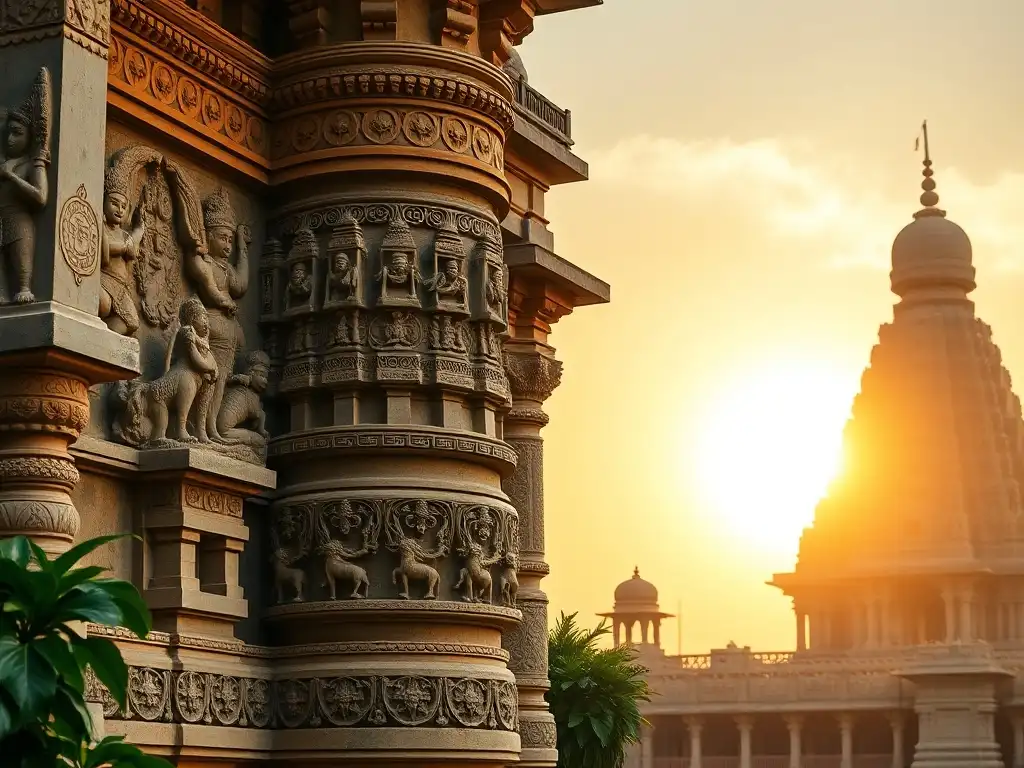
The influence of ancient Indian architecture extends beyond mere aesthetics; it encompasses a broader cultural significance that highlights the interconnectedness of civilizations. This influence is reflected in the socio-political relationships, exchange of artistic techniques, and preservation of heritage that characterized interactions between ancient India and its neighbors.
Reflection of Socio-Political Connections
The architectural influence of ancient India is deeply intertwined with its socio-political connections. As empires expanded and trade routes flourished, architectural styles were disseminated across regions, often serving as symbols of power and prestige. Rulers in neighboring regions adopted Indian architectural elements to legitimize their authority and establish cultural ties.
For instance, the adoption of Indian temple architecture by the Khmer Empire in Cambodia not only reflected admiration for Indian culture but also served to strengthen political alliances. The construction of monumental structures imbued with Indian architectural styles became a means of asserting sovereignty and cultural identity, illustrating how architecture acted as a political tool in ancient times.
Exchange of Ideas and Artistic Techniques
The interplay of ideas and artistic techniques between ancient India and neighboring regions fostered a vibrant cultural exchange. The movement of artisans, traders, and scholars facilitated the sharing of architectural knowledge, leading to the evolution of hybrid styles that combined elements from different cultures.
For example, the fusion of Indian and Persian architectural styles during the Maurya and Gupta periods resulted in innovative designs that emphasized grandeur and symmetry. This exchange enriched the artistic heritage of both regions, leading to the development of unique architectural forms that continue to be celebrated today. The collaborative nature of these exchanges underscores the dynamic relationships that ancient Indian architecture fostered across borders.
Preservation of Heritage and Cross-Cultural Dialogues
The influence of ancient Indian architecture has played a crucial role in the preservation of cultural heritage within neighboring regions. As architectural styles evolved and adapted, they carried with them the historical narratives and cultural practices of their origins. The ongoing dialogues between cultures have facilitated a shared understanding and appreciation of heritage.
In many cases, ancient architectural sites have become focal points for tourism and cultural preservation initiatives, further solidifying their significance in contemporary society. The recognition of shared architectural heritage fosters cross-cultural dialogues, encouraging collaboration in the preservation of both ancient and modern structures. This legacy of ancient Indian architecture serves as a testament to the enduring impact of cultural exchanges, highlighting the importance of collective memory in shaping regional identities.
Conclusion: Lasting Legacy of Ancient Indian Architecture Influence
The legacy of ancient Indian architecture is profound, extending far beyond the geographical boundaries of the subcontinent. Its influence can be seen not only in the design and construction techniques employed in neighboring regions but also in the cultural and religious practices that architectural forms embody. From the intricate carvings of temples that depict mythological narratives to the use of expansive courtyards in public buildings, the principles of ancient Indian architecture have shaped architectural paradigms in various cultures. This enduring impact illustrates how architectural styles serve as a bridge, facilitating cultural exchange and interaction among civilizations.
Summary of Key Points
- Historical Context: Ancient Indian architecture flourished across various dynasties, including the Maurya, Gupta, and Chola periods, establishing foundational styles that would influence neighboring regions.
- Architectural Techniques: The use of materials like sandstone and granite, along with advanced construction techniques, set a precedent for durability and aesthetics that were adopted by other cultures.
- Cultural Exchange: The spread of Buddhism and Hinduism played a pivotal role in disseminating Indian architectural styles, as seen in the stupas in Southeast Asia and the intricate temples in regions like Cambodia and Java.
- Regional Variations: Neighboring countries adapted Indian architectural elements to fit their local contexts, resulting in a rich tapestry of hybrid styles that retain traces of their Indian origins.
The Ongoing Impact on Modern Architecture in Neighboring Regions
Today, the influence of ancient Indian architecture can be observed in contemporary architectural practices across Asia. Modern architects often draw inspiration from the principles of symmetry, geometric patterns, and the incorporation of spirituality in design. Cities like Bangkok and Jakarta showcase public structures that echo the grandeur of ancient Indian temples, blending traditional motifs with modern materials.
Furthermore, the resurgence of interest in sustainable architecture has led to the revival of ancient techniques that prioritize harmony with nature and environmental stewardship, concepts deeply rooted in Indian architectural philosophy. This symbiosis of the past and present continues to shape the architectural landscape in neighboring regions.
Further Reading and Resources on Ancient Indian Architecture Influence
Recommended Books and Articles
-
"The Architecture of Ancient India" by John C. Harle
A comprehensive overview of the architectural styles that emerged throughout ancient India, exploring their historical significance and cultural context.
-
"Indian Temple Architecture: Form and Transformation" by Adam Hardy
This book focuses on the evolution of temple architecture in India, detailing regional styles and their influence on neighboring cultures.
-
"Buddhist Architecture" by J. C. Harle
An exploration of how Buddhist architectural forms originating in India impacted regions such as Southeast Asia.
-
"The Great Stupa at Sanchi" by Robert A. Stern
A detailed study of one of India's most important architectural sites and its influence on stupas in other cultures.
Online Resources for In-Depth Study
-
The Archaeological Survey of India
A government initiative providing access to information on historical sites and architectural heritage throughout India.
-
Digital South Asia Library
Offers a wide range of resources related to South Asian history, including architecture and cultural studies.
-
Google Arts & Culture: Indian Heritage
A platform featuring virtual tours and exhibitions on India's architectural marvels, showcasing their influence and significance.
-
Coursera and edX Courses on Indian Culture and Architecture
Various universities offer online courses focusing on the history and influence of Indian architecture, providing a structured learning experience for enthusiasts.
- Introduction to Ancient Indian Architecture Influence
- Historical Context of Ancient Indian Architecture
- The Geographic Spread of Ancient Indian Architectural Influence
- Neighboring Regions Affected by Ancient Indian Architecture
- Case Studies of Architectural Influence
- Elements of Ancient Indian Architecture that Influenced Neighbors
- Cultural Significance of Ancient Indian Architectural Influence
- Conclusion: Lasting Legacy of Ancient Indian Architecture Influence
- Further Reading and Resources on Ancient Indian Architecture Influence
- What is the significance of ancient Indian architecture?
- How did ancient Indian architecture influence neighboring regions?
- What are some notable examples of ancient Indian architecture?
- In what ways did religion impact ancient Indian architecture?
- How can the study of ancient Indian architecture benefit modern architects?
Frequently Asked Questions
What is the significance of ancient Indian architecture?
Ancient Indian architecture is significant for its innovative designs and cultural expressions, reflecting the beliefs, traditions, and societal values of the time.
How did ancient Indian architecture influence neighboring regions?
The influence of ancient Indian architecture extended to regions like Southeast Asia, where elements such as temple designs and urban planning were adopted, showcasing cross-cultural interactions.
What are some notable examples of ancient Indian architecture?
Notable examples include the Indus Valley cities, the Buddhist stupas, and the Hindu temples from the Gupta period, which highlight advanced engineering and artistic skills.
In what ways did religion impact ancient Indian architecture?
Religion played a crucial role, with structures like temples and stupas designed to promote spiritual practices and reflect the philosophical beliefs of Hinduism, Buddhism, and Jainism.
How can the study of ancient Indian architecture benefit modern architects?
Studying ancient Indian architecture can offer valuable insights into sustainable practices, urban design, and cultural integration, inspiring modern architects to create innovative and contextually relevant structures.
Final Reflection: The Enduring Legacy of Ancient Indian Architecture
The influence of ancient Indian architecture transcends time and geography, shaping not only the physical landscapes of neighboring regions but also the cultural identities of their peoples. Today, as we witness a resurgence of interest in historical architecture and sustainable design, it becomes increasingly clear that the principles and aesthetics rooted in ancient Indian architecture continue to resonate profoundly in contemporary society. This legacy is not merely a relic of the past; it is a vibrant source of inspiration for modern architects and designers seeking to create spaces that honor tradition while embracing innovation.
The impact of ancient Indian architecture is evident in the intricate designs and structural techniques that have permeated various cultures across Asia. Its principles of harmony, balance, and spirituality have influenced not only the built environment but also the way communities interact with their spaces. As we explore these connections, we are reminded of the words of the renowned architect Charles Correa: Architecture is not just about building; it is about creating a sense of place.
This notion underscores the importance of understanding our architectural heritage and its role in shaping our collective identity.
As we reflect on the lessons of ancient Indian architecture, I invite you to consider how these timeless principles can be applied in your own life and surroundings. Let us strive to create spaces that reflect our values, foster community, and honor the rich tapestry of influences that have shaped our world. By embracing the wisdom of the past, we can build a future that is not only aesthetically pleasing but also deeply connected to our shared human experience.
Unleash the Legacy: Embrace Ancient Indian Architecture!
Thank you for delving into the fascinating world of Ancient Indian architecture! Your interest not only enriches your understanding but also highlights the profound influence this heritage has had on neighboring regions. Now, let’s take the next step together and celebrate this legacy!
- Explore local sites influenced by Ancient Indian architecture in your area; you might be surprised by the connections!
- Share your insights with friends by inviting them to discuss this topic or posting about it on social media.
- Consider visiting architectural wonders or museums that showcase this incredible heritage to make your experience memorable!
What aspect of Ancient Indian architecture inspires you the most, and how would you incorporate its essence into modern design?