
The Art of Dharmic Communication: Spreading Teachings Effectively

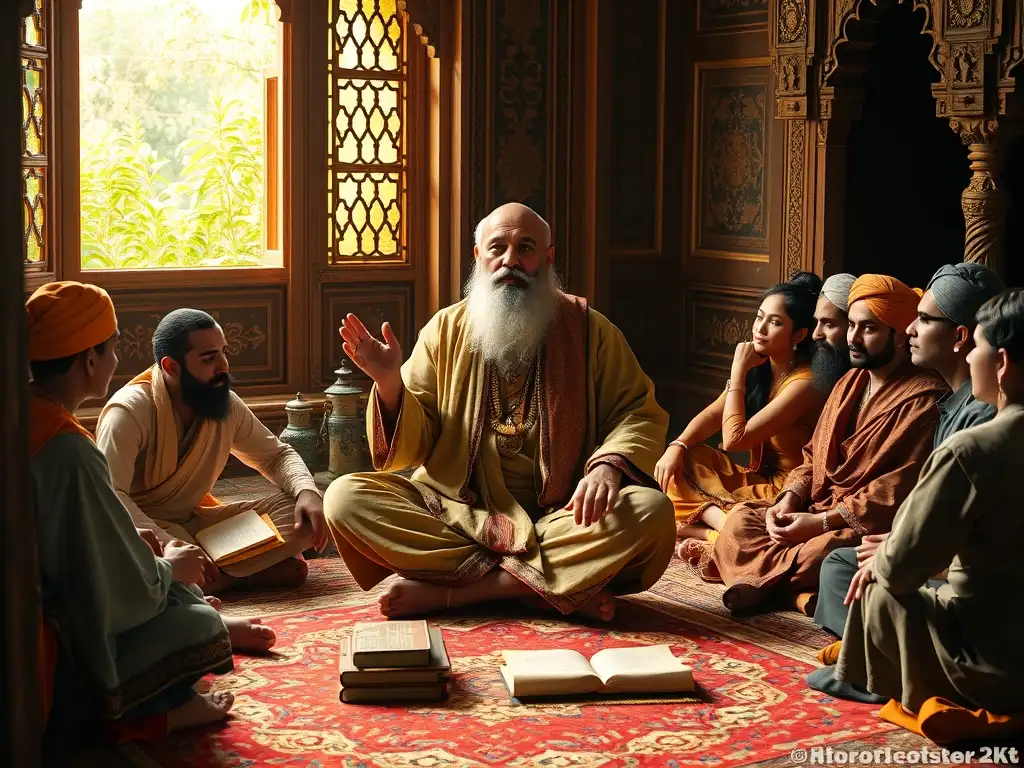
Welcome to Ancient India History, your gateway to the fascinating tapestry of one of the world's oldest civilizations. Here, we delve into the intricate methods of Dharmic communication in ancient India, uncovering how spiritual teachings were artfully conveyed across generations. As you explore our featured article, "The Art of Dharmic Communication: Spreading Teachings Effectively," prepare to be captivated by the profound wisdom and innovative practices that shaped ancient Indian religions. Join us on this enlightening journey, and discover how these timeless principles continue to resonate in our modern world.
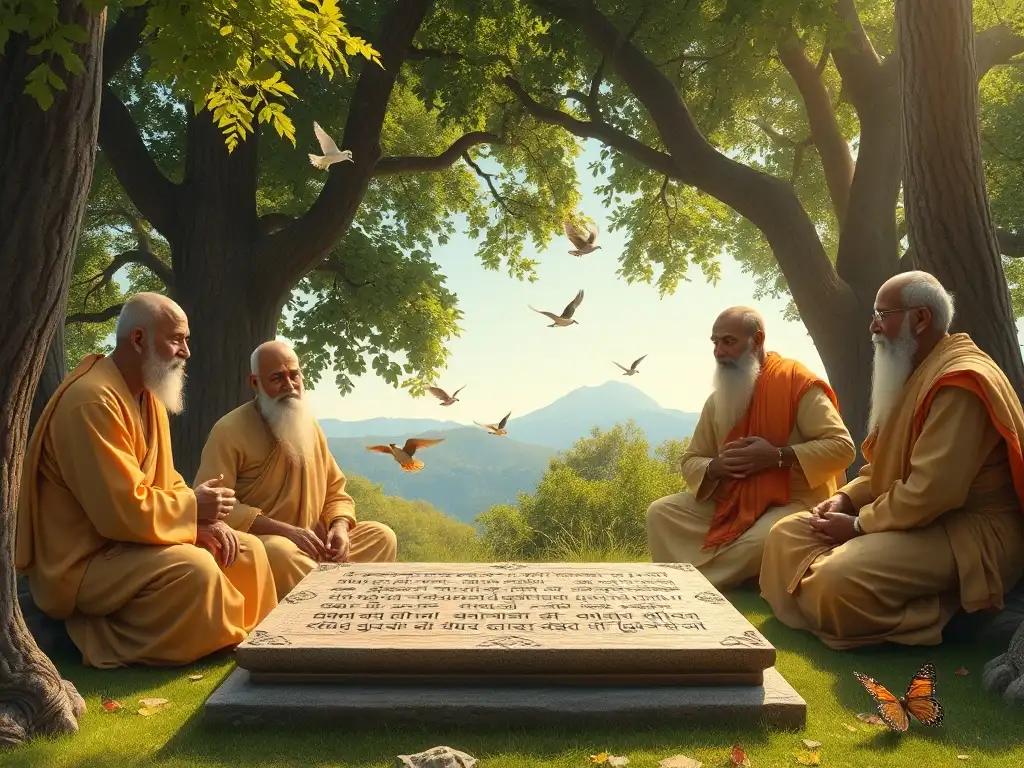
Introduction to Dharmic Communication in Ancient India
In the vibrant tapestry of ancient Indian civilizations, Dharmic communication emerged as a pivotal tool for the dissemination of spiritual teachings and cultural values. This form of communication not only conveyed the profound philosophies of religions such as Buddhism, Jainism, and Hinduism but also played a crucial role in shaping societal norms and ethics.
As we delve into the intricacies of Dharmic communication in ancient India, we uncover its significance in nurturing the spiritual landscape and fostering communal harmony among diverse populations. This exploration highlights the methods, key figures, and historical contexts that facilitated the effective spread of these teachings across regions.
Definition of Dharmic Communication
Dharmic communication can be defined as the exchange of ideas, principles, and teachings rooted in the concept of dharma, which encompasses duty, morality, and righteousness in ancient Indian thought. This communication often transcended mere verbal exchanges, incorporating storytelling, visual arts, and rituals that conveyed deeper meanings and ethical frameworks. The intent behind Dharmic communication was not only to instruct but also to inspire individuals towards a path of spiritual growth and moral conduct.
Importance of Communication in Ancient Indian Religions
Effective communication was fundamental in ancient Indian religions for several reasons:
- Preservation of Teachings: Oral traditions played a critical role in preserving the teachings of religious leaders, ensuring that wisdom was passed down through generations.
- Community Engagement: Rituals and public discourses fostered community participation, allowing individuals to connect with the teachings on a personal level.
- Cultural Integration: Communication facilitated the integration of diverse cultural practices, promoting a shared understanding among various ethnic and religious groups.
Historical Context of Dharmic Communication
To understand the art of Dharmic communication, it is essential to examine its historical context, particularly the evolution of communication methods and the influential figures who shaped its development.
Evolution of Communication Methods in Ancient India
The methods of communication in ancient India evolved significantly over time, influenced by technological advancements and cultural exchanges. Key developments included:
- Oral Tradition: The earliest form of communication relied heavily on oral recitation of texts, such as the Vedas and Upanishads, which were memorized and transmitted by scholars.
- Written Texts: With the advent of writing, texts like the Tripitaka and Jain Agamas became instrumental in documenting and disseminating teachings.
- Symbolic Art: The use of symbols and iconography in art forms, such as sculpture and frescoes, conveyed religious narratives and values to the illiterate populace.
Key Figures in Dharmic Communication (e.g., Buddha, Mahavira)
Several pivotal figures in ancient India exemplified the art of Dharmic communication through their teachings and outreach efforts:
- Buddha: Siddhartha Gautama, known as the Buddha, effectively utilized parables and dialogues to impart his teachings, making complex concepts accessible to various audiences.
- Mahavira: The 24th Tirthankara of Jainism, Mahavira emphasized the importance of non-violence and truth, using eloquent discourse to promote his vision of ethical living.
- Other Influential Teachers: Numerous other sages and philosophers contributed to the rich tradition of Dharmic communication, each bringing unique perspectives that enriched the spiritual landscape of ancient India.
The art of Dharmic communication in ancient India was a complex interplay of oral traditions, written texts, and influential figures, all aimed at spreading profound teachings that continue to resonate today. As we explore this topic further, we will uncover the techniques employed and the enduring impact of these communication methods on ancient Indian society.
Principles of Dharmic Communication
Dharmic communication in ancient India was anchored in the principles of truth, compassion, and non-violence, reflecting the core tenets of various Dharmic religions, especially Buddhism. The effectiveness of these teachings relied on the ability to connect with individuals on a spiritual and emotional level. Here are some foundational principles:
- Truthfulness (Satya): A fundamental aspect of Dharmic communication is the commitment to truth. This principle emphasizes the importance of honesty in conveying teachings, ensuring that the message remains untainted by personal biases or distortions.
- Compassion (Karuna): Communication was not merely a transfer of knowledge; it was a medium to cultivate compassion towards all beings. Practitioners aimed to communicate in a manner that alleviates suffering and fosters understanding.
- Clarity and Simplicity: The teachings were often communicated in clear and simple language, making them accessible to a diverse audience. This approach ensured that the profound teachings could resonate with both the learned and the layperson.
- Contextual Relevance: Effective Dharmic communication took into account the audience's context, beliefs, and experiences. This adaptability allowed the teachings to be more impactful and relatable.
These principles collectively fostered a holistic approach to communication, prioritizing the well-being of the audience and the purity of the message.
Core Teachings of Buddhism and Their Communication
The core teachings of Buddhism, encapsulated in the Four Noble Truths and the Eightfold Path, served as the foundation for Dharmic communication. These teachings were communicated not just through sermons but also through dialogues and interactions with followers:
- The Four Noble Truths: These truths outline the nature of suffering and the path to its cessation. Communicators would elaborate on these concepts through relatable examples, making the abstract ideas more tangible.
- The Eightfold Path: Each aspect of this path—right understanding, right intention, right speech, and more—was emphasized in teachings. The communicators would often share personal anecdotes or stories to illustrate how these principles could be applied in daily life, thereby enhancing understanding.
The goal was to encourage individuals to internalize these teachings, fostering a personal connection to the Buddhist philosophy.
The Role of Compassion and Empathy in Communication
Compassion and empathy were vital components of Dharmic communication. The communicators recognized that effective teaching goes beyond mere words; it involves understanding the emotional and spiritual states of the audience:
- Empathetic Listening: Practitioners were trained to listen actively to the concerns and struggles of others. This practice not only deepened the connection but also informed how teachings were presented, tailoring messages that addressed specific needs.
- Non-Judgmental Approach: A key aspect of communicating Buddhist teachings involved creating a safe space for individuals to express their doubts and fears without fear of judgment. This approach fostered an environment conducive to learning and growth.
- Modeling Compassionate Behavior: Communicators themselves embodied compassion, demonstrating how the teachings could transform one’s attitude and actions. This modeling served as a powerful tool in persuading others to adopt similar principles in their own lives.
By integrating compassion and empathy into their communication, ancient practitioners effectively inspired others to embrace the teachings of Buddhism.
Methods of Dharmic Communication in Ancient India
Ancient India employed various methods to disseminate Dharmic teachings, each tailored to engage diverse audiences and enhance understanding.
Oral Traditions and Storytelling as a Means of Teaching
Oral traditions played a significant role in the communication of Buddhist teachings. Storytelling was a prevalent method that allowed complex ideas to be conveyed in a relatable manner:
- Fables and Parables: The use of fables and parables, such as the Jataka tales, illustrated moral lessons and the essence of Buddhist principles. These stories, rich in symbolism, captivated audiences and made teachings memorable.
- Chanting and Recitation: Monks would often chant sutras, creating a rhythmic and engaging way to transmit teachings. This practice not only fostered memorization but also instilled a sense of community among listeners.
- Public Gatherings: Community gatherings served as platforms for dialogue and storytelling, creating a dynamic environment where teachings could be shared and discussed openly.
These methods ensured that the teachings were accessible and resonated deeply with the community, preserving the wisdom of Buddhism through generations.
The Use of Written Texts: Sutras and Scriptures
With the evolution of communication methods, written texts became a crucial means of preserving and spreading Buddhist teachings:
- Sutras: The written sutras, which recorded the teachings of Buddha, were meticulously compiled and disseminated. These texts served not only as references for practitioners but also as tools for teaching.
- Translations: As Buddhism spread beyond India, the translation of texts into local languages facilitated greater understanding. This adaptation maintained the integrity of the teachings while making them accessible to non-Sanskrit speakers.
- Scriptural Commentaries: Scholars contributed to the understanding of sutras by writing commentaries, which provided context and interpretations. This scholarly work helped clarify teachings and addressed contemporary issues faced by practitioners.
The written word played a pivotal role in ensuring the longevity and continuity of Buddhist teachings, extending their reach across different cultures and epochs.
Visual Arts and Symbols in Spreading Teachings
Visual representation in the form of art and symbols was another powerful method of Dharmic communication. Art served as a medium that transcended language barriers and conveyed complex ideas visually:
- Murals and Sculptures: Temples and stupas adorned with intricate murals and sculptures depicted key events from Buddha’s life and various teachings. These visual narratives engaged viewers and reinforced the messages in a tangible format.
- Symbolism: Buddhist symbols, such as the lotus flower, wheel of Dharma, and Bodhi tree, encapsulated deep meanings and were widely used in art and architecture. These symbols acted as mnemonic devices, aiding in the remembrance of teachings.
- Rituals and Ceremonies: Visual elements were integral to rituals, where the use of symbolic objects enhanced the overall experience. Ceremonies often included visual representations of teachings, fostering a deeper connection with the spiritual aspects of Buddhism.
Through visual arts and symbols, Dharmic communication reached an emotional and aesthetic level, enriching the spiritual experience and fostering a sense of belonging among practitioners.
The Impact of Dharmic Communication on Society
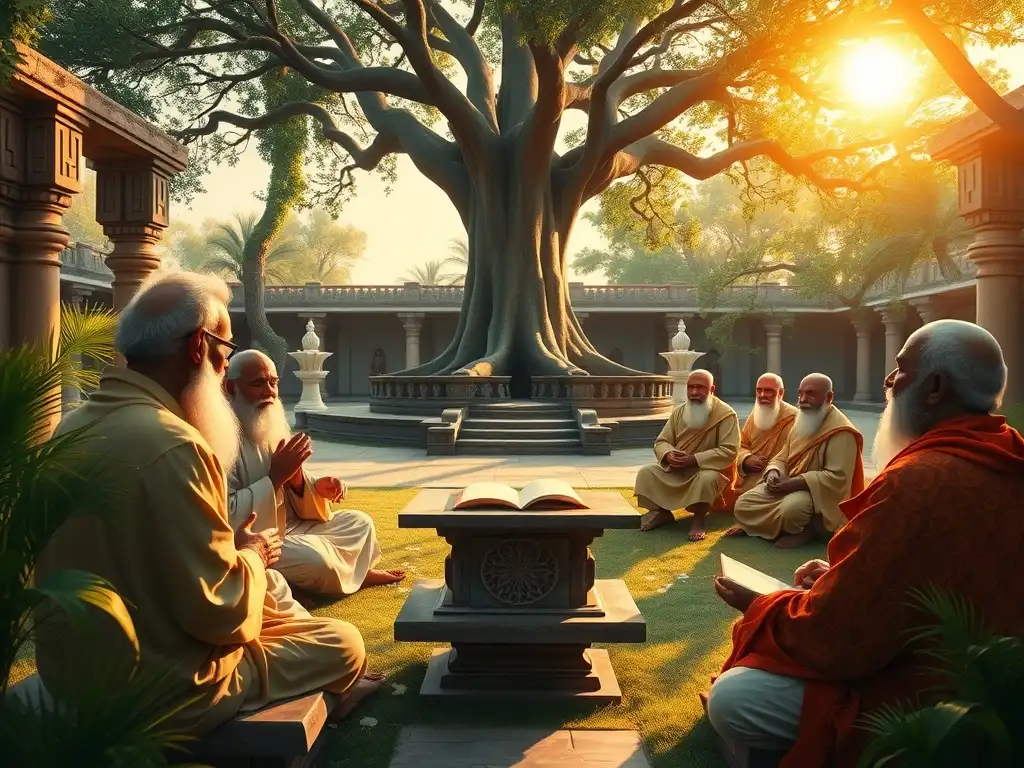
Dharmic communication played a pivotal role in shaping the cultural and social landscape of ancient India. Through various forms of expression, including oral traditions, texts, and artistic representations, the teachings of Buddhism, Hinduism, and Jainism were disseminated widely. This communication not only informed individuals about spiritual practices but also instilled a sense of community, responsibility, and ethical living. The impact of these teachings can be observed in the evolution of social norms and values, leading to a more harmonious society that emphasized compassion, non-violence, and mutual respect.
The sharing of Dharmic teachings fostered a sense of unity among diverse groups. By promoting common values, such as the importance of truth, righteousness, and charity, these teachings helped bridge gaps between various communities. Furthermore, the art of Dharmic communication facilitated the adaptation of these teachings to local contexts, thus ensuring their relevance and resonance across different regions and cultures. As a result, the principles of Dharma transcended geographical boundaries and became integral to the identity of ancient Indian civilization.
Influencing Social Norms and Values
The teachings conveyed through Dharmic communication significantly influenced the social norms and values of ancient Indian societies. For instance, the concept of Ahimsa (non-violence) championed by Buddhism and Jainism became a foundational principle that permeated various aspects of life, including politics, economics, and interpersonal relationships. This emphasis on non-violence led to the promotion of peaceful coexistence and conflict resolution, which were reflected in the legal codes and governance of the time.
Moreover, the Four Noble Truths and the Eightfold Path in Buddhism provided a framework for ethical living. These teachings encouraged individuals to cultivate virtues such as compassion, mindfulness, and wisdom. Consequently, communities began to prioritize education and moral development, leading to the establishment of institutions that nurtured these values. The societal transformation brought about by Dharmic communication ultimately fostered a culture that valued spiritual growth and social responsibility.
The Role of Monasteries and Communities in Communication
Monasteries served as vital centers for the transmission of Dharmic teachings. These institutions not only housed monks and scholars who dedicated their lives to study and practice, but they also acted as hubs for community engagement. Through public discourses, meditation sessions, and teachings, monasteries played a crucial role in making Dharmic principles accessible to the masses.
In addition to monasteries, lay communities also contributed significantly to the spread of Dharmic communication. Local gatherings, festivals, and rituals provided platforms for sharing teachings in an inclusive manner. The use of storytelling, parables, and dramatizations made complex concepts approachable, allowing individuals from various backgrounds to grasp and internalize Dharmic philosophies. This collaborative approach to communication ensured that the teachings were not confined to scholarly elites but were embedded in the everyday lives of the people.
Challenges in Dharmic Communication
Despite its profound impact, Dharmic communication faced several challenges. Misinterpretations, cultural differences, and the evolution of language over time sometimes led to misconceptions about the original teachings. These challenges highlighted the need for clarity and context in transmitting complex philosophical ideas.
Misinterpretations and Miscommunications in Teachings
Misinterpretations of Dharmic teachings have been a persistent challenge throughout history. As teachings were passed down orally, the risk of distortion increased, particularly when they were translated into different languages or adapted to suit various cultural contexts. This resulted in divergent interpretations of core concepts, which could lead to confusion and conflict among practitioners.
For example, the concept of Moksha (liberation) in Hinduism can be understood differently across various philosophical schools, leading to varying practices and beliefs. In Buddhism, the interpretation of Nirvana similarly varies across different traditions. Such discrepancies in understanding can create barriers to effective communication and dilute the intended message of the teachings.
The Influence of Cultural Differences on Dharmic Messaging
Cultural differences also played a significant role in shaping the reception and interpretation of Dharmic teachings. As Buddhism, Hinduism, and Jainism spread beyond their geographic origins, they encountered diverse cultures with distinct beliefs and practices. This interaction often necessitated the adaptation of teachings to align with local customs and values.
While this cultural exchange enriched the teachings, it also posed challenges in preserving the original essence of the messages. For instance, the incorporation of local deities and practices into Dharmic frameworks sometimes led to syncretism, where the purity of the original teachings could become obscured. Understanding these cultural nuances is essential for effective Dharmic communication, ensuring that the core principles are conveyed while respecting the richness of local traditions.
Conclusion: The Legacy of Dharmic Communication
The legacy of Dharmic communication in ancient India is profound and far-reaching, shaping not only the spiritual lives of individuals but also the socio-cultural fabric of the region. Rooted in the principles of compassion, ethical conduct, and mutual respect, Dharmic communication served as an essential tool in disseminating teachings across diverse populations. The teachings of Buddhism, Jainism, and Hinduism were conveyed through various means such as oral traditions, texts, and artistic expressions, fostering a sense of community and shared values among practitioners.
The effectiveness of Dharmic communication can be attributed to its adaptability and inclusivity. By integrating local customs and languages, these teachings found resonance among various demographic groups, enhancing their acceptance and practice. It is this adaptability that allowed Dharmic principles to transcend regional boundaries, significantly impacting neighboring cultures and religions. Ultimately, the art of Dharmic communication not only contributed to the spread of teachings but also left an indelible mark on the ethos of Indian society.
Lasting Effects on Modern Communication in Indian Religions
The principles of Dharmic communication continue to influence modern communication within Indian religions. Many contemporary practices still emphasize the importance of dialogue, understanding, and empathy. For instance, religious discourses and community gatherings often prioritize open discussions, allowing individuals to express their thoughts while listening to others. This tradition of dialogue traces its roots back to ancient practices where the exchange of ideas was encouraged, fostering a deeper understanding of spiritual teachings.
Furthermore, modern-day religious leaders and practitioners utilize various platforms, such as social media and online forums, to share Dharmic teachings. This evolution reflects the foundational elements of Dharmic communication, which sought to reach a broader audience while maintaining the essence of the teachings. The adaptability and relevance of these principles demonstrate their enduring impact on how religious messages are conveyed in today's interconnected world.
Continuing Relevance of Dharmic Communication Today
In the contemporary landscape, Dharmic communication remains relevant as it addresses pressing social issues such as ethics, justice, and harmony. The teachings derived from ancient communication methods provide a framework for navigating moral dilemmas and fostering community cohesion. Modern practitioners often draw upon these teachings to promote peace and understanding in a world increasingly marked by division.
Additionally, the emphasis on non-violence and compassion inherent in Dharmic communication resonates with global movements advocating for social justice and environmental sustainability. The principles of respectful dialogue and active listening can serve as powerful tools in addressing conflicts and fostering collaboration across various sectors of society. As such, the legacy of Dharmic communication continues to offer valuable insights into contemporary challenges, encouraging individuals and communities to engage in meaningful conversations.
Call to Action
Encouraging Further Exploration of Ancient Indian Communications
For those interested in delving deeper into the fascinating world of Dharmic communication, there are numerous avenues to explore. Engaging with ancient texts, attending lectures, or participating in workshops focused on the communication styles of early Indian civilizations can provide invaluable insights. By studying the methods used by ancient communicators, one can appreciate the nuances of their teachings and the strategies employed to convey profound spiritual truths.
Moreover, visiting historical sites associated with the teachings of Buddhism, Jainism, and Hinduism can offer a tangible connection to the past. Many sites feature inscriptions, murals, and sculptures that depict scenes of communication and teaching, serving as a testament to the rich legacy of Dharmic communication.
Engaging with Dharmic Teachings in Contemporary Contexts
Engaging with Dharmic teachings in contemporary contexts can significantly enhance personal growth and community bonding. Individuals can incorporate principles of Dharmic communication into their daily interactions, promoting a culture of dialogue and understanding. Whether through meditation practices that cultivate mindfulness or community service initiatives that embody compassion, these teachings can be applied to enrich modern life.
Additionally, exploring how these teachings intersect with various contemporary issues—such as mental health, community development, and social justice—can further illuminate their relevance. By actively incorporating Dharmic principles into everyday life, individuals can contribute to a more harmonious society, echoing the ancient wisdom that emphasizes the importance of effective communication in fostering a just and compassionate world.
- Introduction to Dharmic Communication in Ancient India
- Historical Context of Dharmic Communication
- Principles of Dharmic Communication
- Methods of Dharmic Communication in Ancient India
- The Impact of Dharmic Communication on Society
- Challenges in Dharmic Communication
- Conclusion: The Legacy of Dharmic Communication
- Call to Action
- What is Dharmic communication in ancient India?
- How did Dharmic communication influence ancient Indian society?
- What were some key methods of Dharmic communication?
- How did the Indus Valley Civilization contribute to Dharmic communication?
- What is the significance of the Gupta Empire in the context of Dharmic communication?
Frequently Asked Questions
What is Dharmic communication in ancient India?
Dharmic communication refers to the methods and practices used to convey spiritual and ethical teachings in ancient Indian civilizations, emphasizing the role of dharma or duty.
How did Dharmic communication influence ancient Indian society?
Dharmic communication played a crucial role in shaping social norms, values, and behaviors, helping individuals understand their responsibilities within the community and promoting social harmony.
What were some key methods of Dharmic communication?
Prominent methods included oral traditions, storytelling, and scriptural teachings, which were used to share knowledge and values across generations.
How did the Indus Valley Civilization contribute to Dharmic communication?
The Indus Valley Civilization established early forms of written communication and societal organization, which set the groundwork for later philosophical and spiritual dialogues in ancient India.
What is the significance of the Gupta Empire in the context of Dharmic communication?
During the Gupta Empire, there was a notable flourishing of arts, literature, and philosophy that enhanced Dharmic communication, allowing for more effective dissemination of Buddhist and Hindu teachings across the region.
Final Reflection: Embracing the Wisdom of Dharmic Communication
The teachings of ancient India through Dharmic communication remain profoundly relevant today, as they offer a timeless framework for effective dialogue and understanding. In a world increasingly defined by division and misunderstanding, the principles of compassion, clarity, and respect found in Dharmic communication can serve as a guiding light. The art of sharing wisdom, as practiced by ancient sages, is not just a relic of the past; it is a necessary skill for fostering harmony in our contemporary society.
Culturally and socially, the impact of Dharmic communication continues to resonate, shaping how we connect with one another across diverse backgrounds. The ability to communicate with intention and mindfulness has never been more crucial, as we navigate the complexities of modern interactions. As Mahatma Gandhi once said, “The best way to find yourself is to lose yourself in the service of others.” This sentiment encapsulates the essence of Dharmic communication, emphasizing the importance of selflessness and understanding in our exchanges.
As we reflect on the lessons of Dharmic communication, let us embrace the opportunity to cultivate deeper connections in our own lives. I invite you to consider how you can apply these ancient teachings in your daily interactions—whether through active listening, compassionate speaking, or fostering an environment of mutual respect. By embodying the principles of Dharmic communication, we can contribute to a more understanding and harmonious world, ensuring that the wisdom of the past continues to illuminate our paths forward.
Embrace the Power of Dharmic Communication!
Thank you for taking the time to explore the art of Dharmic communication with us! We hope you uncovered valuable insights to help spread profound teachings effectively. Now, let’s put that knowledge into action to inspire and uplift your community!
Here are some simple yet impactful steps you can take right now:
- Start a Daily Reflection: Dedicate a few minutes each day to meditate on the teachings of Dharma and how they apply to your life. This practice will deepen your understanding and prepare you to share it with others.
- Share Your Insights: Engage with friends or on social media by discussing a Dharmic principle that resonates with you. Invite conversations to spark a community of learning and reflection.
- Host a Small Gathering: Organize a meeting or workshop to share the teachings of Dharma, encouraging open dialogue. You might be surprised by how many others are eager to participate!
What message will you share first to inspire others on their journey of understanding?