
The Interplay of Philosophy and Art in Ancient India: Nyaya, Vaisheshika, and Sankhya

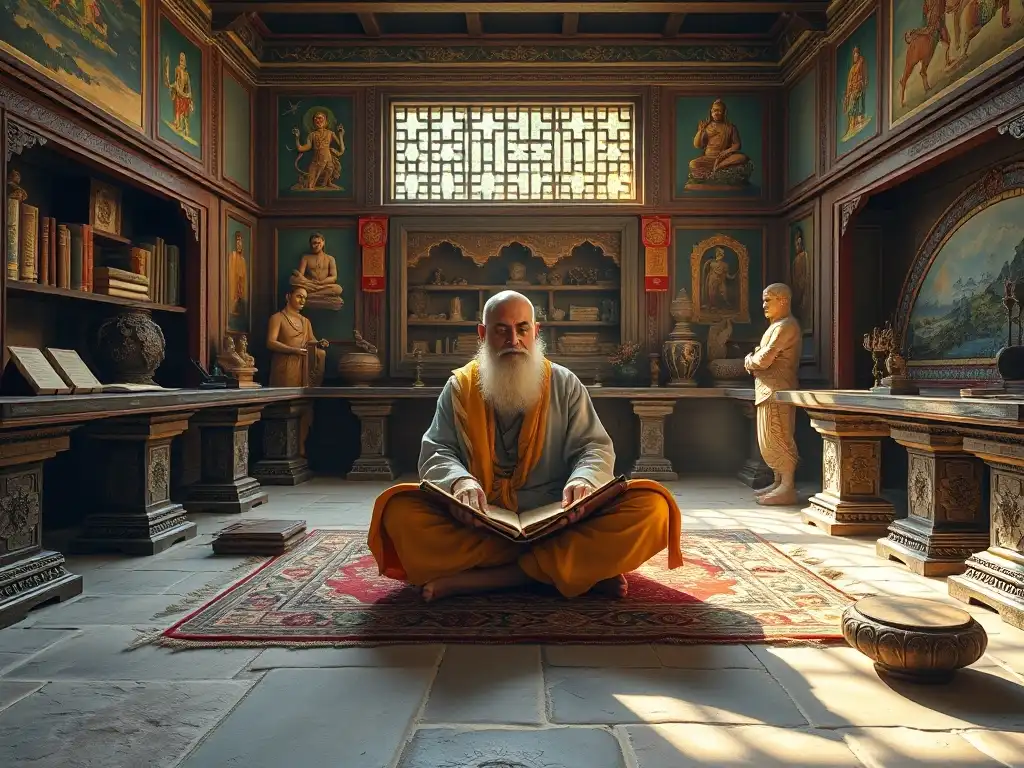
Welcome to Ancient India History, where we embark on an exhilarating journey through the rich tapestry of India's past. Dive deep into the interplay of philosophy and art in ancient India, where profound ideas from schools like Nyaya, Vaisheshika, and Sankhya shaped not only intellectual thought but also inspired breathtaking artistic expressions.
As you explore the intricate connections between these philosophies and the visual arts, prepare to uncover the remarkable contributions of ancient civilizations that have left an indelible mark on our cultural heritage. Join us as we unlock the mysteries of a time that continues to influence our world today!
Introduction to Philosophy and Art in Ancient India
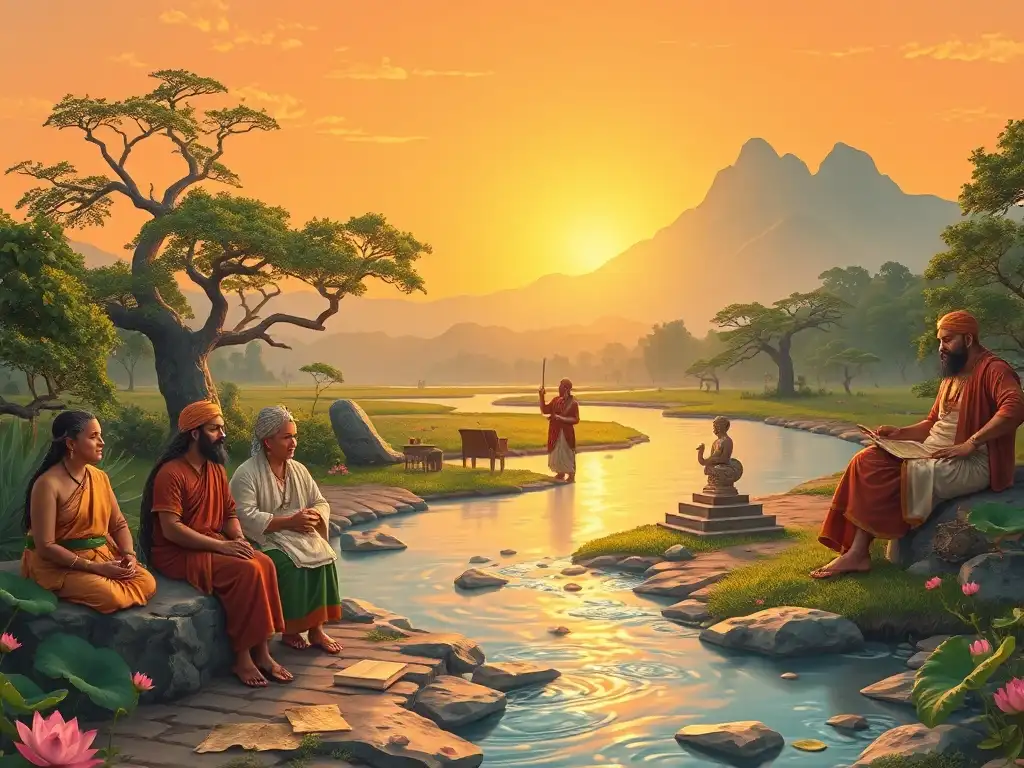
The rich tapestry of ancient Indian civilization is woven with threads of profound philosophical inquiry and remarkable artistic expression. The interplay of philosophy and art in ancient India created a cultural milieu that not only shaped the spiritual and intellectual landscapes of the time but also influenced subsequent generations.
Prominent philosophical schools such as Nyaya, Vaisheshika, and Sankhya offered unique perspectives that informed artistic endeavors, leading to a distinct aesthetic that resonated with the ethical and metaphysical questions of the era. Understanding this interplay allows us to appreciate how these philosophical doctrines did not just exist in isolation but actively engaged with the artistic expressions of their time, enriching both fields significantly.
Overview of Ancient Indian Civilization
Ancient India, with its diverse cultures and languages, was a crucible for ideas and innovations that spanned thousands of years. From the Indus Valley Civilization, known for its advanced urban planning and trade systems, to the flourishing kingdoms during the Maurya and Gupta Empires, the region was a hub for intellectual and artistic endeavors. Major texts such as the Vedas, Upanishads, and Puranas laid the groundwork for philosophical thought, while the development of various art forms, including sculpture, painting, and architecture, reflected the spiritual and philosophical themes prevalent in society.
- Key Highlights of Ancient Indian Civilization:
- The rise of urban centers in the Indus Valley (c. 2500–1900 BCE)
- The philosophical discourses in texts like the Vedas and Upanishads
- Flourishing artistic traditions during the Maurya and Gupta periods
Importance of Philosophy and Art in Cultural Development
The synergy between philosophy and art in ancient India was crucial for cultural development. Philosophical schools provided frameworks for understanding existence, ethics, and aesthetics, while art served as a medium to express these complex ideas. This relationship fostered a culture of inquiry and creativity, where scholars and artists collaborated to explore the nature of reality, consciousness, and the divine.
- Benefits of this Interplay:
- Enhanced understanding of metaphysical concepts through artistic representation
- Creation of art that embodies philosophical ideals, such as harmony and balance
- Preservation of philosophical ideas in visual forms, making them accessible to a broader audience
Understanding Philosophical Schools in Ancient India
The philosophical schools of Nyaya, Vaisheshika, and Sankhya each contributed uniquely to the dialogue between philosophy and art in ancient India. Their ideas not only shaped intellectual discourse but also influenced various artistic expressions, resulting in a rich legacy that continues to resonate today.
The Role of Nyaya in Ancient Indian Thought
Nyaya, known as the school of logic and epistemology, emphasized the importance of reasoning and debate. This philosophical approach fostered a culture of critical thinking, which extended beyond mere academic discussion into the realm of art. The principles of Nyaya encouraged artists to engage with the nature of perception and reality, leading to artworks that challenged viewers to think deeply about their experiences.
- Key Contributions of Nyaya:
- Development of logical methods for analyzing arguments and evidence
- Influence on artistic narratives that explore themes of perception and cognition
The Vaisheshika Philosophy and Its Artistic Implications
The Vaisheshika school, with its focus on the categorization of reality and the nature of substances, provided a unique lens through which to view the world. Its emphasis on the material aspects of existence found expression in art through the detailed representation of natural forms and phenomena. Artists were inspired to depict the diversity of the material world, reflecting the principles of Vaisheshika in their work.
- Artistic Reflections of Vaisheshika:
- Detailed sculptures and paintings that categorize and represent natural elements
- Artworks that embody the philosophical ideas of individuality and specificity
Sankhya Philosophy: A Unique Perspective on Art
Sankhya philosophy, known for its dualistic interpretation of reality, posits a distinction between consciousness (Purusha) and matter (Prakriti). This dualism provided a rich framework for artists to explore themes of transcendence and the material world in their creations. The Sankhya perspective encouraged a deeper exploration of the relationship between the spiritual and the physical, resulting in art that evokes contemplation and introspection.
- Artistic Interpretations of Sankhya:
- Symbolic representations of the relationship between Purusha and Prakriti
- Art that invites viewers to reflect on the nature of existence and consciousness
As we delve deeper into the interplay of philosophy and art in ancient India, we will explore how these philosophical schools influenced artistic practices and shaped the cultural landscape of the time. This exploration not only enriches our understanding of ancient Indian civilization but also highlights the timeless relevance of these ideas in contemporary discourse.
Interconnections between Philosophy and Art
The interplay between philosophy and art in ancient India is a profound and intricate relationship that reflects the cultural, spiritual, and intellectual fabric of the time. Philosophy provided a framework for understanding existence, ethics, and the nature of reality, which deeply influenced artistic expressions across various mediums. Artistic creations, in turn, served as a powerful vehicle for philosophical ideas, allowing thinkers to communicate complex concepts visually and textually.
Philosophical schools such as Nyaya, Vaisheshika, and Sankhya not only shaped the discourse of their time but also inspired artists to explore themes of perception, reality, and consciousness. This symbiotic relationship is evident in sculptures, paintings, and literature that encapsulate the essence of philosophical thought, merging aesthetic beauty with intellectual depth. As we delve into how each of these philosophical systems influenced artistic techniques, themes, and representations, we uncover a rich tapestry of ideas that continues to resonate in contemporary discussions on art and philosophy.
How Nyaya Influenced Artistic Techniques
Nyaya, known as the school of logic and epistemology, emphasized clarity of thought and precision in understanding reality. This philosophical rigor influenced artistic techniques, particularly in sculpture and architecture, where attention to detail and proportion became paramount. Artists inspired by Nyaya sought to create works that not only captured the physical form but also conveyed deeper meanings through their structure and composition.
For instance, the meticulous craftsmanship found in ancient sculptures reflects the Nyaya principle of valid knowledge (pramana), which asserts that accurate perception leads to truth. Sculptors employed techniques that enhanced the viewers' understanding of the subject matter, often integrating elements that necessitated careful observation and interpretation. This focus on logical construction and clarity is evident in the finely detailed carvings of temples, where every figure and motif serves a purpose in narrating philosophical concepts.
Vaisheshika's Impact on Artistic Themes
Vaisheshika, the philosophical school that focused on the nature of reality and categorization of existence, significantly impacted the thematic content of artworks. Its emphasis on the individuality of objects and their properties inspired artists to explore themes related to the material world, nature, and the interactions between different elements.
Artworks often depicted scenes that highlighted the uniqueness of individual beings and their relationships, aligning with the Vaisheshika notion of substance and quality. For example, ancient paintings frequently showcased the diversity of flora and fauna, reflecting a deep appreciation for the natural world. This philosophical perspective encouraged artists to portray not just the beauty of nature but also its complexity, inviting viewers to contemplate the interconnections between various forms of life.
Sankhya's Reflection in Visual Arts and Literature
Sankhya philosophy, which delves into the duality of consciousness and matter, found expression in various forms of visual arts and literature. The Sankhya concept of the interplay between purusha (consciousness) and prakriti (matter) allowed artists to explore themes of existence and the nature of reality in their works.
In sculptures and paintings, this duality was often represented through contrasting elements, such as light and shadow, or the representation of divine beings alongside earthly figures. Literature and poetry inspired by Sankhya philosophy frequently examined the nature of self and the universe, encouraging a reflective and introspective approach to life. This philosophical backdrop enriched the narrative depth of artistic creations, allowing audiences to engage with profound existential questions through aesthetic experiences.
Case Studies of Artworks Reflecting Philosophical Ideas
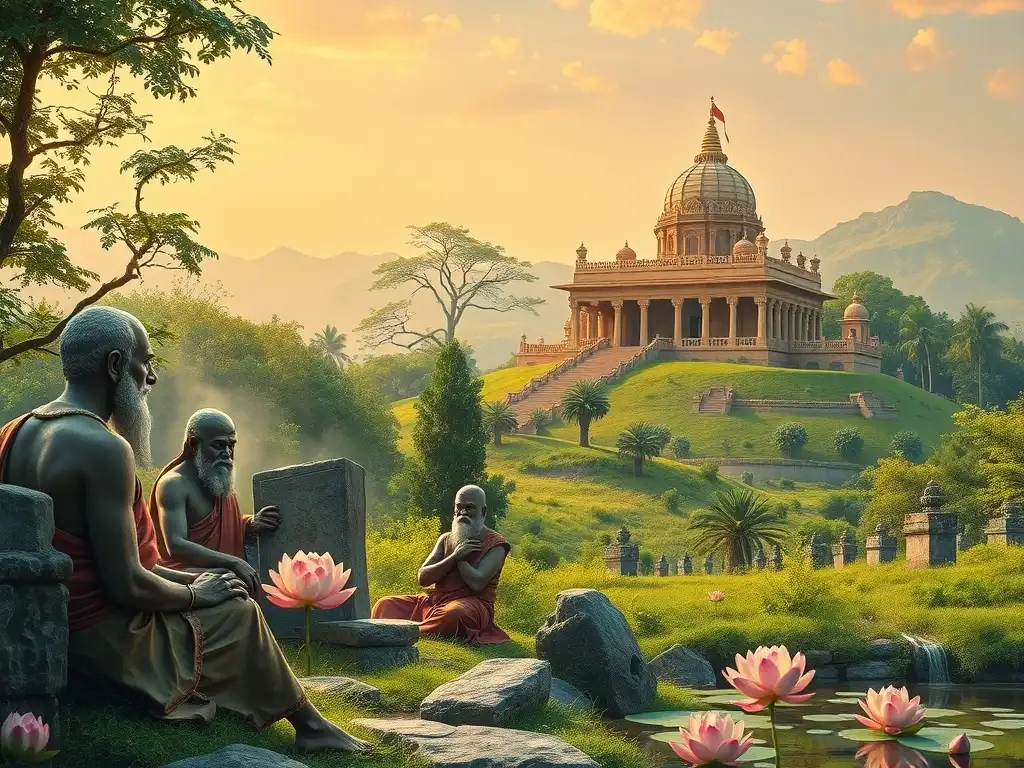
Artworks from ancient India serve as vital case studies that illustrate the philosophical ideas of Nyaya, Vaisheshika, and Sankhya. Each piece encapsulates the essence of its corresponding philosophy, providing insight into how these schools of thought shaped artistic expression.
Analyzing Sculptures Inspired by Nyaya
Sculptures such as those found in the temples of Khajuraho exemplify the influence of Nyaya. These intricate carvings not only showcase technical proficiency but also embody philosophical concepts through their detailed representation of human emotions, relationships, and moral dilemmas. The careful arrangement of figures invites viewers to engage in a reflective process akin to the principles of Nyaya, emphasizing observation and logical reasoning. Each sculpture serves as a visual argument, inviting interpretation and debate, much like the dialogues central to Nyaya philosophy.
Vaisheshika Themes in Ancient Paintings
Ancient Indian paintings, particularly those from the Ajanta and Ellora caves, vividly reflect Vaisheshika themes. These artworks often highlight the diverse properties of depicted figures and their surroundings, showcasing a rich palette that celebrates individuality. The portrayal of various deities alongside nature illustrates the interconnectedness and categorization of existence central to Vaisheshika thought. Each painting serves as a narrative device, inviting viewers to explore the complexities of the material world while appreciating the beauty of its individual components.
Literature and Poetry Illustrating Sankhya Philosophy
The literary works of ancient Indian poets, such as Kalidasa and Bhasa, frequently incorporated Sankhya philosophical ideas into their narratives. Through vivid imagery and profound themes, these texts explored the duality of consciousness and matter, inviting readers to reflect on their own existence and the nature of reality. The interplay between characters and their environments often mirrored the Sankhya principle of purusha and prakriti, deepening the philosophical engagement of the audience. Such literature not only entertains but also serves as a catalyst for introspection, aligning with the contemplative nature of Sankhya philosophy.
The Legacy of Philosophical Schools on Indian Art
The philosophical schools of Nyaya, Vaisheshika, and Sankhya have left a profound legacy on the artistic landscape of ancient India. These schools not only shaped intellectual discourse but also influenced various forms of art, including sculpture, painting, and literature. Each school brought its unique perspective, contributing to a rich tapestry of cultural expression that reflected the values and beliefs prevalent in society.
Nyaya, known for its focus on logic and epistemology, encouraged artists to explore themes of perception and reality in their work. The emphasis on rigorous reasoning and the nature of knowledge inspired artists to depict scenes that challenge viewers to think critically about their understanding of the world. This intellectual rigor is evident in the intricate carvings found in temples, where every detail serves a purpose and conveys deeper meanings.
Vaisheshika, with its emphasis on atomism and the nature of existence, influenced artists to represent the material world in new and innovative ways. The school’s exploration of individuality and diversity is mirrored in the variety of forms and styles present in ancient Indian art. Artists began to celebrate the uniqueness of individual forms while adhering to a philosophical framework that recognized the interconnectedness of all things.
Sankhya's dualism of purusha (spirit) and prakriti (matter) profoundly impacted the artistic representations of spirituality and the physical realm. Artists often depicted divine figures and narratives that highlight the relationship between the material and the spiritual, creating a visual dialogue that invites contemplation on existence and consciousness.
Lasting Influences of Nyaya, Vaisheshika, and Sankhya
The lasting influences of these philosophical schools can be observed in several key aspects of Indian art. For instance, the precision and attention to detail characteristic of Nyaya can be seen in the architectural designs of temples, where symmetry and proportion are paramount. The sculptures that adorn these structures are often imbued with a sense of logic and order, reflecting the analytical spirit of Nyaya philosophy.
Vaisheshika's focus on the material world has led to the production of vibrant artworks that celebrate nature and the physical universe. This is evident in the vivid frescoes of ancient palaces and the intricate motifs found in textiles, which often depict flora and fauna with a sense of realism that mirrors the school's emphasis on observation and categorization.
Sankhya's influence manifests in the thematic content of art. Many paintings and sculptures illustrate the concepts of dualism, portraying the dynamic interplay between the spiritual and material worlds. This philosophical underpinning allows for a deeper exploration of human existence, inviting viewers to engage in a reflective dialogue about their place in the universe.
Evolution of Art Forms in Response to Philosophical Ideas
The evolution of art forms in ancient India was closely tied to the philosophical ideas presented by Nyaya, Vaisheshika, and Sankhya. As these schools developed, so too did the artistic expressions that corresponded to their teachings.
In the early periods, art was primarily religious, with a focus on the divine. However, as philosophical thought progressed, artists began to incorporate more complex themes that resonated with the evolving understanding of existence. For example, the transition from purely religious motifs to more secular themes can be traced back to the increased emphasis on individual experience found in Vaisheshika philosophy.
Furthermore, the introduction of narrative techniques in art can be linked to the logical frameworks of Nyaya, which advocated for clarity in communication. This led to the development of storytelling in visual arts, where scenes were arranged to convey a specific message or moral lesson, much like the logical arguments presented in philosophical discourse.
The advent of abstraction in art was also influenced by Sankhya's focus on the underlying principles of reality. Artists began to explore non-representational forms, moving away from literal depictions to create works that conveyed deeper philosophical meanings. This evolution allowed for a rich diversity in artistic expression, reflecting the complexities of the human experience as understood through these philosophical lenses.
Conclusion: The Enduring Relationship between Philosophy and Art in Ancient India
The interplay between philosophy and art in ancient India is a testament to the intricate connections between thought and creative expression. The philosophical schools of Nyaya, Vaisheshika, and Sankhya have not only shaped the intellectual landscape but have also left an indelible mark on the artistic traditions of the region.
Summary of Key Insights
The legacy of these philosophical schools can be seen in the precision, thematic richness, and evolving nature of Indian art. Nyaya's focus on logic fostered clarity and order, Vaisheshika celebrated the material world, and Sankhya elucidated the relationship between spirit and matter. Together, these influences crafted a unique artistic heritage that continues to resonate.
Final Thoughts on the Interplay of Philosophy and Art in Ancient Indian Culture
The relationship between philosophy and art in ancient India is a profound reflection of the civilization's quest for knowledge, beauty, and meaning. As philosophical thought evolved, so too did the creative expressions that sought to encapsulate the essence of human experience. This enduring interplay not only enriches our understanding of ancient Indian culture but also invites contemporary audiences to appreciate the depth and complexity of its artistic legacy. The exploration of philosophy and art in ancient India remains a vibrant field of study, revealing insights into the foundational ideas that continue to influence modern thought and expression.
- Introduction to Philosophy and Art in Ancient India
- Understanding Philosophical Schools in Ancient India
- Interconnections between Philosophy and Art
- Case Studies of Artworks Reflecting Philosophical Ideas
- The Legacy of Philosophical Schools on Indian Art
- Conclusion: The Enduring Relationship between Philosophy and Art in Ancient India
- What are the main philosophies discussed in the article?
- How did philosophy influence art in ancient India?
- What is the significance of the Gupta Empire in this context?
- Can you name some examples of art influenced by these philosophies?
- How do these ancient philosophies continue to impact modern thought?
Frequently Asked Questions
What are the main philosophies discussed in the article?
The article focuses on Nyaya, Vaisheshika, and Sankhya as significant philosophical traditions in ancient India, highlighting their impact on culture and artistic expression.
How did philosophy influence art in ancient India?
Philosophy played a crucial role in shaping art forms by encouraging deeper exploration of concepts such as beauty, existence, and reality, which artists expressed through various mediums.
What is the significance of the Gupta Empire in this context?
The Gupta Empire is often referred to as the Golden Age of India, where there was a notable flourishing of both philosophy and art, leading to rich cultural outputs that still resonate today.
Can you name some examples of art influenced by these philosophies?
Artworks from the Gupta period, such as sculptures and paintings, often reflect philosophical themes, including spirituality and cosmology, seen in temples and cave art.
How do these ancient philosophies continue to impact modern thought?
The philosophies of Nyaya, Vaisheshika, and Sankhya continue to influence contemporary Indian philosophy and have found relevance in modern discussions on metaphysics and epistemology.
Final Reflection: The Enduring Legacy of Philosophy and Art in Ancient India
The intricate relationship between philosophy and art in ancient India continues to resonate in today's cultural discourse. As we explore the foundational philosophies of Nyaya, Vaisheshika, and Sankhya, we uncover a rich tapestry that not only shaped the artistic expressions of their time but also laid the groundwork for contemporary thought. The interplay of these disciplines reminds us that art is not merely an aesthetic endeavor; it is a profound exploration of existence and consciousness.
The philosophies of ancient India have left an indelible mark on the cultural landscape, influencing not only artistic practices but also the very way we perceive reality. The dialogues between these philosophical schools and their artistic counterparts fostered a unique environment where creativity thrived alongside intellectual inquiry.
As the renowned philosopher and artist R. G. Collingwood once said, "> Art is the expression of our humanity, and philosophy is the inquiry into its depths." This underscores the idea that our understanding of art is deeply intertwined with philosophical thought, a connection that remains vital in our exploration of identity and meaning today.
As we reflect on the lessons from the interplay of philosophy and art in ancient India, let us embrace the invitation to deepen our own understanding of these disciplines. Consider how the philosophical inquiries of the past can inform your own artistic expressions or intellectual pursuits.
Whether you are an artist, a philosopher, or simply a seeker of knowledge, take a moment to ponder how these ancient teachings can illuminate your path forward. By engaging with the rich heritage of thought and creativity, we can cultivate a more profound appreciation for the world around us and inspire future generations to continue this vital dialogue.
Unveil the Wisdom of Ancient India!
Thank you for exploring the rich tapestry of philosophy and art in Ancient India with us! We hope you’ve uncovered valuable insights into the intricate connections between the Nyaya, Vaisheshika, and Sankhya philosophies. Now, it’s time to take your newfound knowledge further and engage with this fascinating world.
Here are a few steps to keep your journey alive:
- Dive Deeper: Read a philosophical text or explore an artwork inspired by Nyaya or Vaisheshika to experience their principles firsthand.
- Start a Discussion: Share this article with friends or join an online forum to encourage discussions about how these ancient philosophies influence modern thought and art.
- Reflect Creatively: Create your own interpretative artwork or piece of writing inspired by the philosophies we've discussed, and share it within your community.
What aspect of Ancient Indian philosophy do you find most impactful in today’s art and culture? Let’s spark a conversation!