
Ancient Indian Music Theory: An Exploration of Concepts and Practices

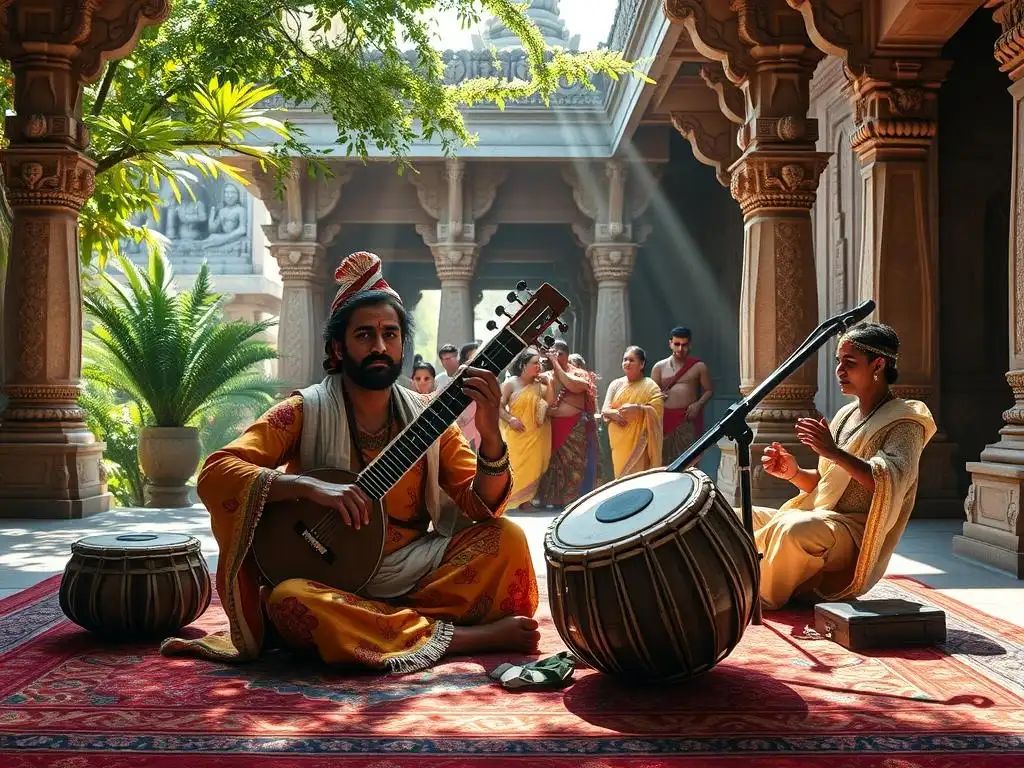
Welcome to Ancient India History, where we embark on a captivating journey through the rich tapestry of India's past! Here, you'll uncover the profound contributions of ancient Indian civilizations, from the enigmatic Indus Valley to the brilliant Gupta Empire. In our featured article, "Ancient Indian Music Theory: An Exploration of Concepts and Practices," we delve into the intricate frameworks and philosophies that shaped musical traditions, revealing how these age-old concepts continue to resonate in today's world. Get ready to explore the harmonies of history—your adventure into the depths of ancient Indian music awaits!
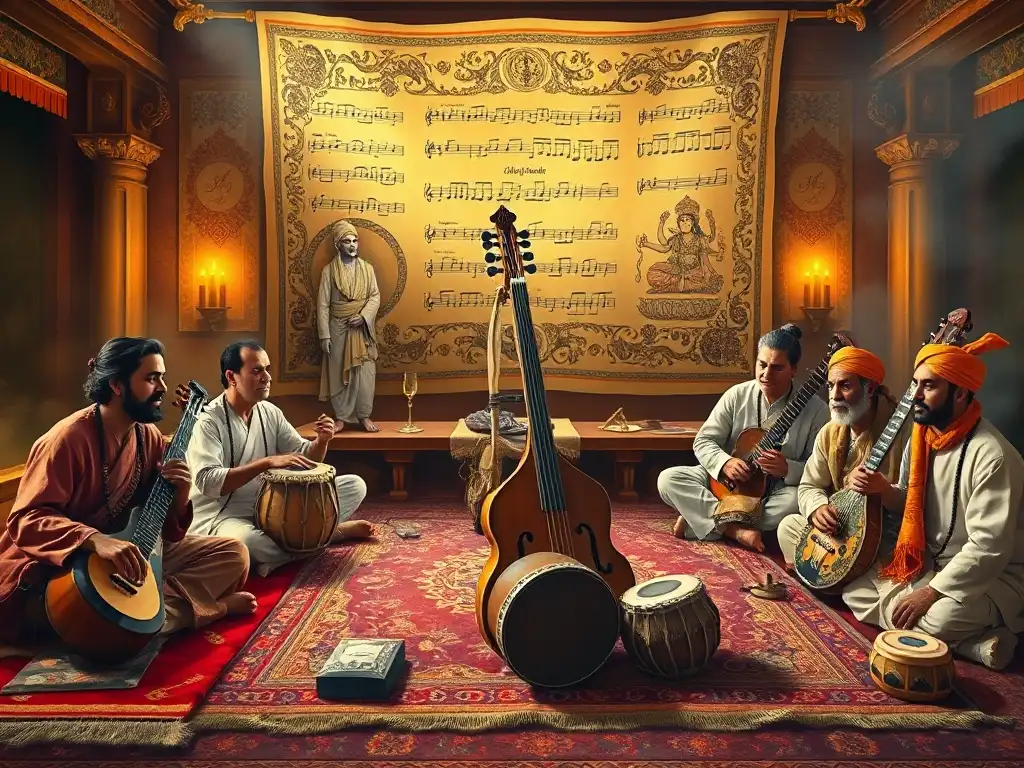
Introduction to Ancient Indian Music Theory
The exploration of ancient Indian music theory concepts provides a fascinating insight into the rich tapestry of sound, rhythm, and culture that characterized ancient Indian civilizations. From the meticulous structures of the Indus Valley to the refined practices during the Gupta Empire, music was not merely an art form but a pivotal element of social and spiritual life.
This article delves into the foundational theories of music in ancient India, examining how sound and rhythm intertwined to create a unique cultural identity. Understanding these concepts not only highlights the aesthetic values of the time but also sheds light on their philosophical and spiritual beliefs.
Overview of Ancient Indian Music
Ancient Indian music can be traced back to the Vedic texts, where hymns and chants were essential in religious rituals. The two primary forms of music that emerged were Hindustani (North Indian) and Carnatic (South Indian), each with its own distinctive characteristics yet sharing common theoretical frameworks. The influence of ancient texts like the Natya Shastra and Samaveda laid the groundwork for musical practices, establishing structures that resonate through the centuries.
- Key Elements:
- Vedic Chanting: Integral to spiritual practices.
- Melodic Systems: Development of ragas.
- Rhythmic Patterns: Understanding of talas.
Importance of Music in Ancient Indian Culture
Music served multiple roles in ancient Indian society, functioning as a medium for both artistic expression and spiritual connection. It was prevalent in various contexts, from religious ceremonies to royal courts, and its importance is reflected in the way it was intertwined with dance, poetry, and drama. The emotive power of music allowed for the communication of profound ideas and feelings, making it a vital component of cultural identity.
- Cultural Significance:
- Spiritual Connection: Music as a means of devotion.
- Social Cohesion: Bringing communities together through shared performances.
- Artistic Expression: A reflection of societal values and norms.
Key Concepts of Ancient Indian Music Theory
To truly understand ancient Indian music, one must explore its core concepts: Shruti, Raga, and Tala. Each of these elements plays a crucial role in shaping the unique soundscapes of ancient Indian music, providing a framework for both composition and performance.
Shruti: The Foundation of Sound
Shruti, often translated as "that which is heard," represents the microtonal nuances in Indian classical music. It forms the basis of musical pitches and is considered the fundamental element of sound. The concept of shruti emphasizes the importance of listening and the perception of subtle variations in pitch, which are essential for developing the intricate melodic structures that define Indian music.
- Characteristics of Shruti:
- Microtones: Use of intervals smaller than semitones.
- Listening Skills: The necessity of developing a keen ear.
- Vocal Techniques: Techniques used to produce shruti in vocal performances.
Raga: The Melodic Framework
Raga is a structured framework that guides the melody in Indian music. Each raga is characterized by a unique set of notes and specific rules governing its use, including the time of day it is performed and the emotions it evokes. Ragas serve as a means of expressing a wide range of feelings, from joy to sorrow, through their intricate melodic patterns.
- Components of Raga:
- Arohana and Avarohana: Ascending and descending scales.
- Vadi and Samvadi: The dominant and sub-dominant notes.
- Mood and Time: Associating ragas with specific emotions and times.
Tala: The Rhythmic Structure
Tala refers to the rhythmic aspect of Indian music, providing a framework for timing and beat. It consists of cycles that can vary in length and complexity, enabling musicians to create intricate rhythmic patterns. Understanding tala is crucial for both performers and listeners, as it forms the backbone of musical compositions.
- Elements of Tala:
- Matras: The smallest unit of rhythm.
- Bol: Vocal syllables that represent rhythmic patterns.
- Types of Tala: Various talas such as Teentaal and Jhaptaal, each with distinct characteristics.
By exploring these foundational concepts of ancient Indian music theory, we can appreciate the depth and sophistication of the musical traditions that have influenced generations and continue to resonate in contemporary practices.
Historical Development of Music Theory in Ancient India
The historical development of music theory in ancient India is a complex tapestry woven through centuries, reflecting the evolution of cultural, spiritual, and artistic expressions. The roots of this tradition can be traced back to the Vedic period (c. 1500–500 BCE), when chanting and recitation of hymns formed the foundation of musical practices. The Samaveda, one of the four Vedas, is significant as it contains melodies dedicated to the worship of deities, illustrating the early connection between music and spirituality.
As time progressed, various texts and treatises emerged, systematically documenting the principles of music theory. The Natyashastra, composed by Bharata Muni around the 2nd century BCE to 2nd century CE, is one of the most influential works in this regard. It encompasses not only dance and drama but also provides insights into musical scales, rhythms, and aesthetics. The treatises that followed built upon these foundations, exploring the nuances of ragas (melodic frameworks) and talas (rhythmic cycles), which became essential elements of Indian classical music.
Early Texts and Treatises on Music
The early texts on music theory in ancient India laid the groundwork for understanding the intricate relationship between music, emotion, and performance. The Brihaddharma Purana, another important treatise, discusses the roles of music in rituals and festivities, highlighting its socio-cultural significance.
Additionally, the writings of Matanga (c. 9th century CE) in the "Brahma Sutra" and the "Sangita Ratnakara" by Sharngadeva (c. 13th century CE) further elaborated on the theoretical aspects of Indian music. These texts not only cataloged ragas and their emotional expressions but also classified instruments and vocal styles, emphasizing the holistic nature of music as an art form.
Influences from Different Periods in Indian History
The evolution of music theory in ancient India was significantly influenced by various dynasties and cultural exchanges. The Gupta Empire (c. 320–550 CE) marked a golden age for arts and sciences, including music. The flourishing of court musicians and the patronage of music by rulers led to the refinement of musical forms and the introduction of new instruments.
The medieval period saw the emergence of regional styles, such as Dhrupad and Khayal, which further enriched the music landscape. The interaction with Persian music during the Mughal era also had a profound impact on Indian music theory, leading to the blending of styles and the evolution of hybrid forms. This cross-cultural exchange contributed to the diversification of ragas and talas, creating a dynamic musical environment.
Contributions of Notable Music Theorists
Throughout history, several notable music theorists played pivotal roles in shaping ancient Indian music theory. One of the earliest was Bharata Muni, whose Natyashastra remains a cornerstone in understanding the aesthetic principles of music and performance.
Other prominent figures include Abhinavagupta, a 10th-century scholar who contributed to the aesthetics of music and dance, emphasizing the emotional and spiritual dimensions of performance. In the later period, Tansen, a legendary musician of the Mughal court, is often credited with popularizing various ragas and integrating them into the classical music repertoire, thus influencing generations of musicians and theorists.
Fundamental Practices in Ancient Indian Music
The fundamental practices of ancient Indian music encompass a range of techniques, methodologies, and cultural rituals that define its unique sound and structure. These practices are deeply rooted in the spiritual and social fabric of Indian society, reflecting the profound connection between music and life.
Vocal Techniques in Ancient Indian Music
Vocal techniques in ancient Indian music are characterized by their emphasis on the voice as the primary instrument. The use of "gayaki" (vocal style) includes various forms of ornamentation, such as "meend" (glides) and "gamak" (oscillations), which are essential for expressing the emotional depth of a raga.
Training in vocal music often began at a young age, with students learning through oral tradition from their gurus (teachers). This method of learning emphasized the importance of shruti (microtonal nuances) and sargam (solfege) as tools for developing a keen ear and mastery over ragas. The focus on breath control and diction further enhanced the expressiveness of vocal performances, making them a significant aspect of ancient Indian music.
Instrumentation in Ancient Indian Music
Instrumentation in ancient Indian music is rich and diverse, encompassing a wide array of traditional instruments that contribute to the overall sound. Instruments such as the veena, sarangi, mridangam, and flute have been integral to the music-making process. Each instrument is often associated with specific ragas and styles, allowing for a variety of tonal colors and textures.
The craftsmanship involved in creating these instruments is noteworthy, with artisans employing specific materials and techniques to produce unique sounds. The use of drone instruments, such as the tanpura, provides a harmonic foundation that supports melodic improvisation, highlighting the interplay between melody and rhythm in ancient music practices.
The Role of Improvisation in Performance
Improvisation holds a central place in ancient Indian music, allowing musicians to express their creativity while adhering to the framework of ragas and talas. This practice, known as "manodharma," showcases a performer's skill in spontaneous composition and interpretation, making each performance a unique experience.
The improvisational aspect is particularly evident in classical forms like khayal, where vocalists and instrumentalists engage in a dialogue, exploring the emotional nuances of the raga. Such performances often reflect the musician's personal style and emotional state, fostering a deep connection between the performer and the audience. The emphasis on improvisation not only highlights the richness of ancient Indian music theory concepts but also reinforces the idea that music is a living, evolving art form.
Cultural Significance of Ancient Indian Music Theory
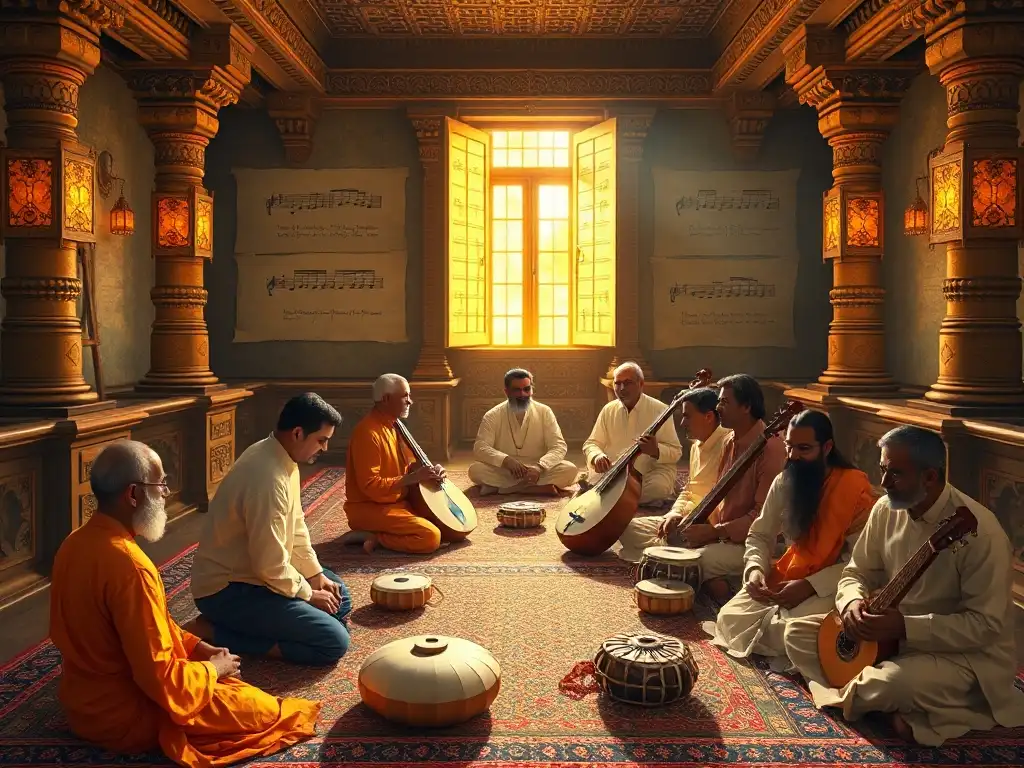
The cultural significance of ancient Indian music theory transcends mere entertainment; it is deeply embedded in the spiritual, social, and artistic fabric of Indian civilization. Music in ancient India was not only a form of expression but also a vehicle for transmitting philosophical ideas and cultural values. The theoretical frameworks developed by ancient scholars, such as Bharata Muni in the Natya Shastra and Matanga in the Brahma Sutras, emphasized the importance of music in enhancing emotional resonance and social cohesion.
Ancient Indian music theory, particularly the concepts of raga and tala, illustrates the intricate relationship between sound and emotion, enabling musicians to evoke specific feelings and states of mind. This profound understanding of the emotional impact of music played a vital role in rituals, festivals, and community gatherings, making it an essential aspect of daily life. Moreover, the classification of musical forms and styles reflects a diversity of regional influences, showcasing the rich cultural tapestry of ancient India.
Music as a Spiritual Practice
In ancient India, music was often regarded as a spiritual practice, serving as a medium for connecting with the divine. It was believed that certain ragas could influence the mind and spirit, facilitating meditation and inner peace. The Sama Veda particularly highlights the role of music in Vedic rituals, where hymns were sung to invoke deities and seek blessings. This sacred dimension of music is articulated through the concept of Nada Brahma, which translates to "Sound is God," emphasizing the belief that sound has a divine essence.
Musical practices were closely linked to yoga and meditation, where specific ragas served to elevate the practitioner's consciousness. The Natyashastra discusses the use of music in dance dramas, reinforcing the idea that both art forms are intertwined in spiritual expression. Through these practices, musicians and devotees alike experienced a sense of transcendence, making music a vital element in the spiritual landscape of ancient India.
The Relationship Between Music and Dance
The relationship between music and dance in ancient India is a testament to the holistic nature of its artistic expressions. Music provided the rhythmic and melodic foundation for dance forms, enhancing the emotional and narrative aspects of performance. The ancient texts describe how dance, often referred to as Natya, was considered a form of worship and storytelling, where musicians and dancers collaborated to create a unified experience.
Different dance styles, such as Bharatanatyam and Odissi, employed specific ragas and talas, showcasing the intricate coordination required between the two art forms. This synergy not only entertained but also conveyed moral lessons and cultural narratives, making performances a crucial aspect of religious and social gatherings. The seamless integration of music and dance in ancient Indian culture reflects a deep understanding of their interdependence and reinforces their collective significance in fostering community and spiritual connection.
Music in Religious and Ceremonial Contexts
Music played a pivotal role in religious and ceremonial contexts in ancient India, often serving as a medium for devotion and ritual. Sacred texts such as the Vedas and Upanishads contain numerous references to the use of music in worship, highlighting its importance in ceremonies ranging from personal rites of passage to grand public festivals. The chanting of mantras, accompanied by musical instruments, was believed to invoke divine presence and blessings.
Ceremonial music varied across regions and traditions, often featuring unique instruments such as the veena, mridangam, and flute. Each instrument held symbolic significance, contributing to the overall atmosphere of reverence and spirituality during rituals. The meticulous organization of musical elements in these contexts reflects a profound understanding of the transformative power of sound, reinforcing the belief that music could bridge the gap between the earthly and the divine.
Comparative Analysis: Ancient Indian Music Theory and Western Music Theory
The comparative analysis of ancient Indian music theory and Western music theory reveals both distinct differences and surprising similarities. While both traditions value music's expressive capabilities, they approach the organization and interpretation of music in varied ways, shaped by their cultural contexts.
Differences in Musical Structure
One of the most notable differences between ancient Indian and Western music theory lies in their structural frameworks. Ancient Indian music is primarily based on the concepts of raga (melodic framework) and tala (rhythmic cycle), emphasizing improvisation and modal scales. Each raga is associated with specific emotions, times of day, and seasons, allowing for a more fluid interpretation of musical themes.
In contrast, Western music theory is characterized by its emphasis on harmony and chord progressions, structured around a diatonic scale. The use of notation systems, such as staff notation, has facilitated a more formalized approach to composition and performance. This structural difference highlights the contrasting priorities of the two traditions: Indian music focuses on emotional expression through modal improvisation, while Western music emphasizes harmonic development and formal structure.
Similarities in Musical Expression
Despite their structural differences, ancient Indian music theory and Western music theory share common ground in their expressive capabilities. Both traditions utilize music as a means of communication, capable of conveying complex emotions and narratives. The concept of expressive performance exists in both contexts, where musicians draw upon their interpretative skills to evoke specific feelings in listeners.
Additionally, both traditions have developed specialized forms for various contexts, such as sacred music in both Indian and Western traditions. The role of music in rituals, whether in the form of Vedic chants or Gregorian chants, underscores its significance in spiritual practices, transcending geographical and cultural boundaries.
The Influence of Ancient Indian Music on Global Music Traditions
Ancient Indian music has significantly influenced global music traditions, particularly through the migration of musicians and the exchange of cultural ideas. The concepts of raga and tala have inspired composers and musicians worldwide, leading to the integration of Indian musical elements into various genres.
Notably, the incorporation of Indian instruments and scales into contemporary music styles, such as jazz and fusion, illustrates the enduring impact of ancient Indian music theory. Collaborations between Indian musicians and artists from other cultures have created innovative hybrids, enriching the global musical landscape. The exchange of ideas and practices continues to evolve, reflecting the timeless relevance of ancient Indian music theory concepts in contemporary music-making.
Conclusion: The Legacy of Ancient Indian Music Theory
The legacy of ancient Indian music theory is profound and enduring, shaping not only the musical landscape of India but also influencing global music practices. Rooted in the rich traditions of the Vedic period, ancient Indian music theory evolved through various epochs, integrating diverse cultural influences and practices. This evolution led to the development of intricate systems of ragas and talas, which remain pivotal in the performance and appreciation of music today.
As we reflect on this legacy, it is evident that ancient Indian music theory is not merely a historical artifact; it is a living tradition that continues to inspire musicians and scholars alike. By understanding and preserving these concepts, we can appreciate the depth and complexity of music as an art form that transcends time and cultural boundaries. The concepts of melody, rhythm, and improvisation found in ancient texts are not only foundational to Indian classical music but also resonate within various global music traditions.
Enduring Influence on Contemporary Indian Music
The enduring influence of ancient Indian music theory on contemporary Indian music is apparent in multiple genres, from classical to popular music. Many modern artists draw inspiration from ragas, using them as a framework for composition and improvisation. For instance, film music often incorporates elements of classical ragas, creating a seamless blend between tradition and modernity.
Moreover, fusion genres, which combine Indian music with Western styles, frequently reference ancient Indian concepts, showcasing their adaptability and relevance. The improvisational nature of Indian classical music encourages artists to explore and innovate, leading to a dynamic musical landscape that honors its roots while pushing creative boundaries.
Preservation of Ancient Indian Music Concepts in Modern Practices
The preservation of ancient Indian music concepts in modern practices can be observed through various avenues. Music schools, institutions, and cultural organizations actively work to keep these traditions alive by offering courses and workshops that focus on classical music forms. These educational efforts ensure that the techniques, theories, and philosophies of ancient music continue to be taught to new generations.
Additionally, the rise of digital platforms has facilitated the dissemination of ancient music concepts. Online tutorials, webinars, and video lectures allow aspiring musicians from around the world to learn about ragas, talas, and other fundamental elements of ancient Indian music theory. This accessibility has not only preserved the knowledge but also expanded its reach beyond geographical boundaries.
Further Reading and Resources
For those interested in delving deeper into ancient Indian music theory, numerous resources provide comprehensive insights into its concepts and practices. Below are some recommended texts and online resources that can enhance your understanding and appreciation of this rich tradition.
Recommended Texts on Ancient Indian Music Theory
-
"Indian Music: A Very Short Introduction" by Ashok Da. Ranade
This book offers a concise overview of the history and evolution of Indian music, including key concepts of ancient music theory.
-
"Raga-Mala: The Ragas of North Indian Music" by S. N. Ratan
A detailed exploration of ragas, their emotional significance, and their role in performance practices.
-
"The Music of India" by Veena Sahasrabuddhe
This text discusses the theoretical foundations of Indian music, including the concepts of rhythm and melody.
Online Resources for Learning Ancient Indian Music Concepts
-
Indian Classical Music Online Course by Coursera
A structured online course that covers the fundamentals of Indian classical music, including ancient theories and practices.
-
YouTube Channels: Guruji's Music Academy and Indian Classical Music Classes
These channels provide a wealth of tutorials and lectures on various aspects of ancient Indian music theory, making learning accessible and engaging.
-
Digital Libraries: Internet Archive and Project Gutenberg
These platforms often host historical texts and manuscripts related to ancient Indian music theory, offering valuable primary source material for research and study.
By exploring these resources, individuals can gain a deeper understanding of ancient Indian music theory concepts and appreciate the rich heritage that continues to influence music today.
- Introduction to Ancient Indian Music Theory
- Key Concepts of Ancient Indian Music Theory
- Historical Development of Music Theory in Ancient India
- Fundamental Practices in Ancient Indian Music
- Cultural Significance of Ancient Indian Music Theory
- Comparative Analysis: Ancient Indian Music Theory and Western Music Theory
- Conclusion: The Legacy of Ancient Indian Music Theory
- Further Reading and Resources
Frequently Asked Questions
What are the main concepts of ancient Indian music theory?
Ancient Indian music theory revolves around ragas, talas, and shruti. These foundational elements guide the melodic and rhythmic structure of music.
How did ancient Indian music influence modern music?
Ancient Indian music has significantly impacted modern compositions through its ragas and scales, which are prevalent in various world music genres today.
What role did the Vedas play in ancient Indian music?
The Vedas are crucial as they contain hymns and chants that reflect the spiritual and ritualistic aspects of ancient Indian music, forming the basis for musical practices.
Can you explain the significance of Ragas in ancient Indian music theory?
Ragas are essential in ancient Indian music as they evoke specific emotions and moods, and are structured to be played at different times of the day.
What is the importance of Talas in ancient Indian music?
Talas serve as the rhythmic framework in ancient Indian music, defining the beat patterns and enhancing the overall structure of the musical piece.
Final Reflection: The Timeless Resonance of Ancient Indian Music Theory Concepts
The exploration of ancient Indian music theory concepts remains profoundly relevant today, as it bridges the gap between our rich cultural heritage and contemporary musical practices. In a world increasingly driven by technology and globalization, the intricate frameworks established by ancient scholars offer a unique lens through which we can appreciate the depth and complexity of music.
The principles of raga and tala not only enrich our understanding of sound but also invite us to engage with music on a more profound level, reminding us that music is not merely an art form but a vital expression of human experience.
The influence of ancient Indian music theory extends far beyond its historical context, shaping the cultural and social landscape in which we live today. From the meditative qualities of raga that promote mindfulness to the communal experiences fostered by traditional performances, these concepts continue to resonate with audiences around the world. As philosopher and musician John Cage once said, "> Music is the space between the notes." This sentiment encapsulates the essence of ancient Indian music theory, where silence and sound coexist, creating a holistic experience that transcends mere entertainment.
As we reflect on the lessons embedded within ancient Indian music theory, I invite you to consider how these concepts can enrich your own life. Take a moment to explore the rhythms and melodies that resonate with you, and allow yourself to be inspired by the wisdom of the past.
Whether you are a musician, a listener, or simply a seeker of knowledge, embracing these timeless principles can deepen your appreciation for music and foster a greater connection to the world around you. Let us carry forward the legacy of ancient Indian music theory, allowing its beauty and complexity to guide us in our personal and collective journeys.
Unveil the Harmonic Secrets of Ancient Indian Music!
Thank you for journeying with us through the intricate world of ancient Indian music theory. Your interest leaves us inspired, and we hope you now have a deeper appreciation for its timeless concepts and practices. Are you ready to explore the next steps in this beautiful art form?
Here are some actions you can embrace right now:
- Dive into a Listening Session: Explore traditional recordings of ancient Indian music. Let the melodies transport you to another era and enhance your understanding.
- Join a Local Workshop: Look for community classes or workshops that focus on Indian music. Engaging with others will deepen your appreciation and develop your skills.
- Share Your Insights: Discuss the concepts you've learned with friends or family! Are they familiar with the rhythms and tonalities of this musical style? Inviting others into the conversation can spark new connections.
What aspect of ancient Indian music resonates with you the most, and how do you plan to incorporate it into your life? Let's continue this dialogue!