
The Role of Music in Ancient Indian Festivals: Celebrations Through Sound

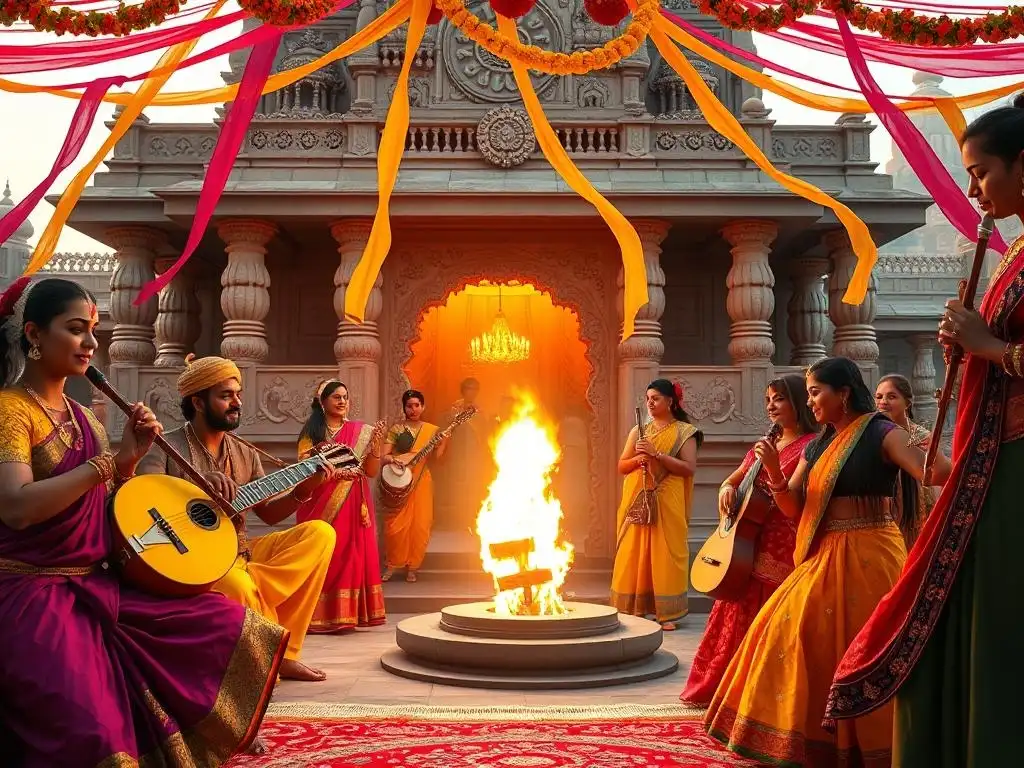
Welcome to Ancient India History, where we embark on a captivating journey through the rich tapestry of India's past. Today, we delve into the enchanting world of ancient Indian music festivals, exploring how these melodious celebrations shaped the cultural landscape of ancient civilizations. From the rhythmic beats of the Indus Valley to the grandeur of the Gupta Empire, music was not just an art form but a vital thread in the fabric of society.
Join us as we uncover the harmonious blend of sound and celebration that defined these remarkable festivals, and discover the profound impact they continue to have on our understanding of ancient Indian culture. Ready to turn up the volume on history? Let's dive in!
Introduction to Ancient Indian Music Festivals
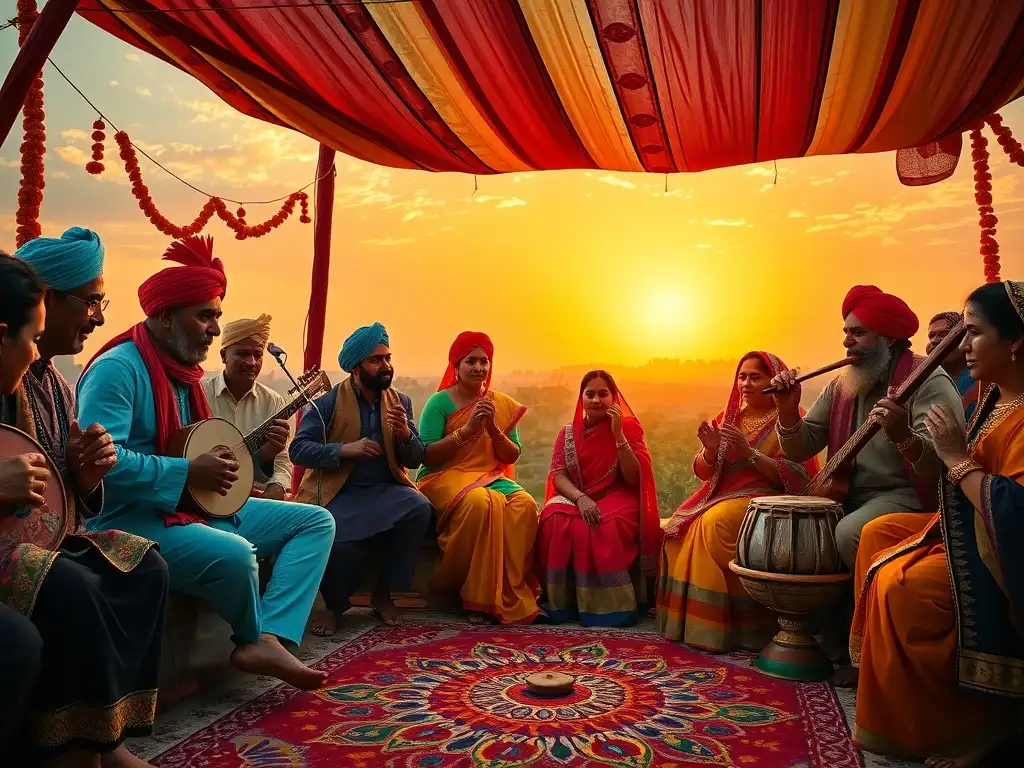
The vibrant tapestry of ancient Indian music festivals is woven into the very fabric of Indian culture, reflecting the rich traditions, beliefs, and artistic expressions of the time. These festivals were not merely occasions for celebration; they were integral to the communal identity and spiritual life of ancient Indian societies. Music served as a universal language that transcended barriers, uniting people across different regions and backgrounds in joyous revelry. This exploration delves into the profound role that music played in ancient Indian festivals, illuminating how sound became a powerful medium for celebration, storytelling, and devotion.
Overview of Ancient Indian Music and Its Importance
Ancient Indian music, characterized by its intricate melodies and rhythmic patterns, was deeply influenced by the philosophical and spiritual ethos of the time. It was classified into two primary traditions:
- Hindustani (North Indian): This tradition emphasizes improvisation and includes forms such as dhrupad, khayal, and thumri.
- Carnatic (South Indian): Known for its structured compositions, this tradition features kritis, varnas, and tillanas.
Key aspects of ancient Indian music include:
- Ragas and Talas: The melodic frameworks (ragas) and rhythmic cycles (talas) formed the basis of musical compositions, guiding performers in their expressions.
- Spiritual Connection: Music was often intertwined with religious rituals, enhancing the spiritual experience during festivals.
The importance of music in ancient India cannot be overstated; it was vital for cultural preservation and the transmission of knowledge across generations.
Significance of Festivals in Ancient Indian Culture
Festivals in ancient India were not just festive occasions; they were significant cultural and religious events that fostered community bonds. The significance of these festivals can be highlighted through several dimensions:
- Cultural Identity: Festivals celebrated seasonal changes, agricultural cycles, and religious beliefs, reinforcing the community's cultural identity.
- Social Cohesion: These gatherings served as platforms for social interaction, enabling people to come together, share experiences, and strengthen communal ties.
- Artistic Expression: Music, dance, and drama were essential components of festivals, allowing for creative expression and showcasing local talents.
Overall, festivals were a reflection of the ancient Indian worldview, where art and spirituality coalesced, and music played a pivotal role in enhancing the celebratory atmosphere.
Historical Context of Music in Ancient Indian Festivals
The historical context of music in ancient Indian festivals reveals a dynamic interplay between cultural evolution and artistic expression. Understanding this context requires an examination of the progression of musical traditions and the contributions of various civilizations.
Evolution of Musical Traditions in Ancient India
The evolution of music in ancient India can be traced through several key phases:
- Vedic Period (1500-500 BCE): The earliest references to music can be found in the Vedas, where hymns were chanted during rituals. Instruments like the veena and the flute were prevalent.
- Classical Period (500 BCE - 1200 CE): This era saw the codification of musical theory, with texts like the Natya Shastra detailing the relationship between music, dance, and drama.
- Medieval Period (1200 - 1800 CE): The influence of regional styles and the emergence of new forms of music, such as dhrupad and khayal, marked this period, enriching the musical landscape.
The evolution of musical traditions illustrates how ancient Indian music adapted and thrived through various cultural exchanges and influences over time.
Key Ancient Indian Civilizations and Their Musical Contributions
Several ancient Indian civilizations made significant contributions to the realm of music and festivals:
| Civilization | Musical Contributions |
|---|---|
| Indus Valley | Early use of instruments; potential for communal music-making through archaeological finds. |
| Maurya Empire | Patronage of music and arts; integration of local and foreign musical styles. |
| Gupta Empire | Flourishing of classical music; establishment of music as a formal art form. |
These civilizations played a crucial role in shaping the musical heritage that would influence future generations, making music an enduring element of ancient Indian festivals.
Types of Ancient Indian Music Festivals
Ancient Indian music festivals were vibrant events that played a crucial role in the cultural and social life of the civilization. These festivals can be broadly categorized into two main types: religious festivals and seasonal festivals. Each type not only celebrated specific occasions but also showcased the unique musical traditions that accompanied them, reflecting the rich tapestry of ancient Indian life.
Religious Festivals and Their Musical Significance
Religious festivals in ancient India were deeply intertwined with music, serving both devotional and celebratory purposes. Festivals such as Diwali, Holi, and Navaratri featured a variety of musical expressions that enhanced the spiritual ambiance and fostered community participation.
- Bhajans and Kirtans: These devotional songs were performed to honor deities, often involving group singing that promoted unity and devotion among participants. The melodies and rhythms were designed to invoke spiritual emotions and create a sense of connection to the divine.
- Ritualistic Music: Specific rituals were accompanied by traditional music, including the recitation of Vedic chants and the performance of instrumental pieces that were believed to please the gods. This music was integral to the ceremonies, marking significant moments with sound.
- Processional Music: Many religious festivals featured processions, where musicians played celebratory tunes to accompany the movement of idols or the community. This music created a festive atmosphere and engaged the public, encouraging participation and joy.
Seasonal Festivals and Their Musical Elements
Seasonal festivals marked the changing cycles of nature and agricultural practices, and music played a vital role in these celebrations. Festivals such as Makar Sankranti, Pongal, and Onam are prime examples of how ancient Indian communities used music to express gratitude for bountiful harvests and to celebrate seasonal changes.
- Folk Songs and Dances: Each seasonal festival had its own set of folk songs and dances that reflected local traditions and stories. These performances were often spontaneous and involved the community, creating a sense of belonging and shared identity.
- Celebratory Rhythms: The music associated with seasonal festivals often featured lively rhythms and upbeat melodies that mirrored the joyous spirit of the occasion. Instruments like the dhol and nagara were commonly used to provide infectious beats that encouraged participation in dance and revelry.
Instruments Used in Ancient Indian Music Festivals
The diverse array of instruments used in ancient Indian music festivals contributed significantly to the richness of the musical experience. Each instrument held its own cultural significance and was chosen for its ability to evoke specific emotions or enhance particular aspects of the festival.
Traditional Instruments of Ancient India
Ancient Indian music was characterized by a variety of traditional instruments, each contributing to the overall soundscape of festivals.
- Veena: A plucked string instrument, the veena was often associated with classical music and was used in religious and courtly settings.
- Mridangam: This percussion instrument was central to many musical performances, providing rhythmic support to vocalists and other instrumentalists.
- Bansuri: The bamboo flute, or bansuri, was popular for its melodious sound and was often used in devotional music, evoking deep emotions.
- Tanpura: A long-necked string instrument, the tanpura served as a drone, providing a harmonic foundation for vocal performances, enhancing the overall musical experience.
Role of Instruments in Festival Celebrations
Instruments played a multifaceted role in ancient Indian music festivals, enriching the celebrations and enhancing the communal experience.
- Creating Atmosphere: Instruments helped establish the mood of the festival, whether it was the joyous sounds of the dhol during a harvest celebration or the meditative tones of the veena during a religious ceremony.
- Encouraging Participation: Many instruments were designed for group play, fostering community engagement. The vibrant beats of drums would invite people to dance, while melodic instruments encouraged singing along.
- Symbolizing Cultural Identity: The choice of instruments often reflected the cultural heritage of specific regions, serving as a reminder of local traditions and fostering pride among participants. Instruments became a means of expressing individual and collective identities during the festivities.
Music and instruments were essential elements of ancient Indian festivals, shaping the celebratory experiences and leaving a lasting legacy that continues to influence contemporary practices.
Thematic Elements of Music in Festivals
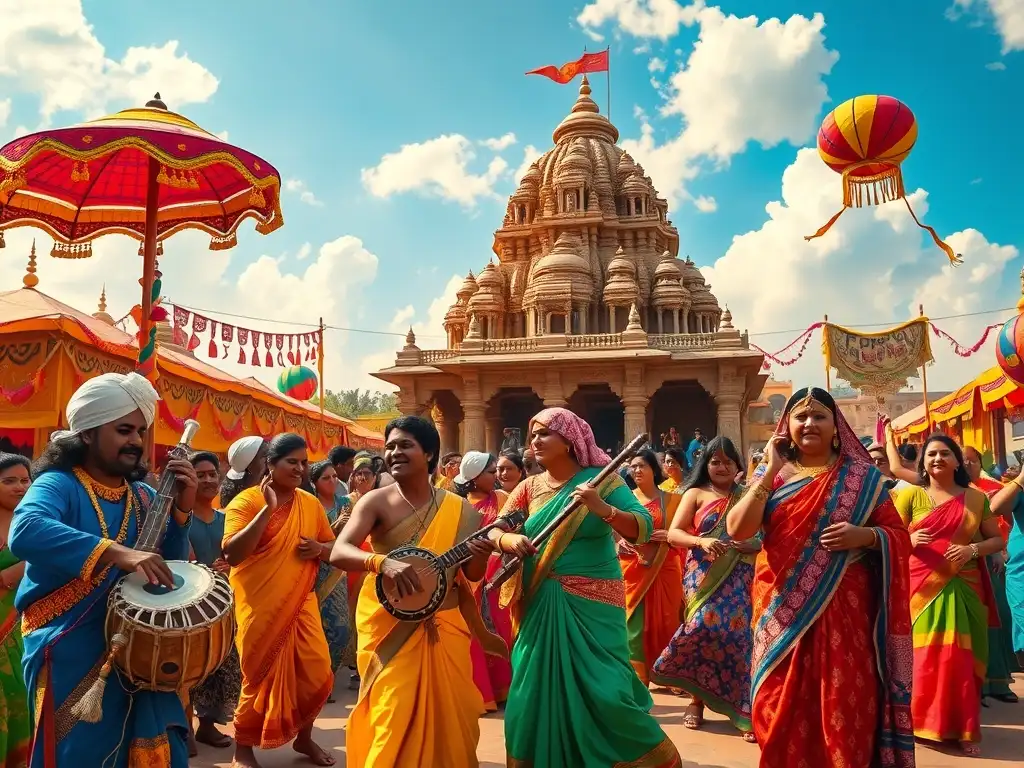
Music played a pivotal role in ancient Indian festivals, serving not only as entertainment but also as a means of spiritual expression and cultural identity. The thematic elements of music during these celebrations ranged from devotion and reverence to joy and celebration. Each festival was characterized by specific musical forms that reflected the values and beliefs of the society at that time.
- Spiritual Themes: Many festivals were centered around religious observances, and the music associated with them often included devotional songs (bhajans) and chants (mantras) that invoked the deities. These compositions aimed to enhance the spiritual atmosphere and engage the participants in a shared experience of worship and veneration.
- Nature and Seasonal Changes: Festivals often coincided with seasonal changes, and the music reflected themes of nature. For instance, songs celebrating the arrival of monsoons or the harvest season were integral to festivals like Teej and Makar Sankranti. The lyrics often depicted the beauty of nature, reinforcing the connection between the community and the environment.
- Cultural Narratives: Music during festivals also served to tell stories, whether from epics like the Ramayana and Mahabharata or local folklore. These narratives were often conveyed through songs and performances that not only entertained but also educated the audience about their cultural heritage and values.
Lyrics and Poetry in Ancient Indian Music
The lyrics of ancient Indian music were a significant facet of its cultural and artistic expression. Poetry intertwined deeply with music, often serving as the foundation for various musical forms used during festivals.
- Sanskrit and Regional Languages: The use of classical languages like Sanskrit, alongside regional dialects, enriched the lyrical content and made it accessible to diverse audiences. This blend of languages allowed for a wide range of expressions, capturing local sentiments and universal themes alike.
- Themes of Love and Devotion: Many poetic lyrics revolved around themes of love—both divine and earthly. For instance, the compositions dedicated to Lord Krishna often celebrated his playful exploits and romantic liaisons, merging the sacred with the sentimental. This lyrical depth added layers of meaning to the music performed during festivals, allowing participants to connect emotionally.
- Metaphorical Expressions: The use of metaphors and similes was prevalent in ancient Indian poetry. These literary devices not only enhanced the aesthetic quality of the lyrics but also allowed for profound philosophical reflections. Such poetry often encouraged listeners to ponder deeper meanings while enjoying the festive atmosphere.
Dance and Music Integration in Festivals
Dance and music were inseparable in ancient Indian festivals, creating a vibrant tapestry of artistic expression. The synchronization of these two art forms enhanced the overall experience of the celebrations, making them more immersive and dynamic.
- Traditional Dance Forms: Various classical and folk dance forms, such as Bharatanatyam, Kathak, and Garba, were performed during festivals, often accompanied by live music. The dancers' movements were intricately linked to the rhythms and melodies, creating a visual representation of the music.
- Ritualistic Performances: Many festivals featured ritualistic performances where dance and music played a crucial role. These performances were often designed to invoke divine blessings, making them essential to the spiritual fabric of the celebrations. The choreography would often depict stories from mythology, reinforcing cultural narratives.
- Community Participation: Festivals encouraged community involvement in both music and dance, fostering a sense of unity and collective identity. Group dances, often performed in circles or lines, allowed participants to engage in a shared experience, enhancing the communal spirit of the festival.
Regional Variations in Ancient Indian Music Festivals
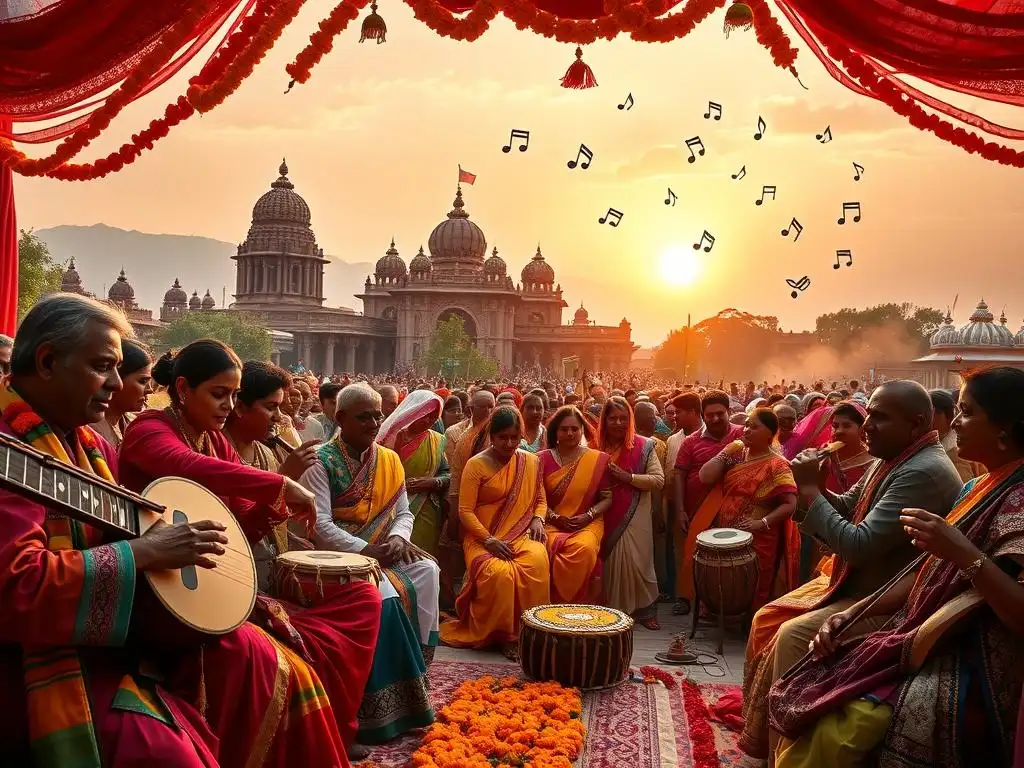
Ancient Indian music festivals showcased a rich diversity influenced by regional cultures, traditions, and local customs. Each area had its unique musical styles and practices, reflecting the local ethos and heritage.
North Indian Festivals and Their Unique Music
In North India, music festivals were characterized by a blend of classical and folk traditions, often infused with regional flavors.
- Holi and Its Vibrant Music: Celebrated with great enthusiasm, Holi featured lively songs and dance that celebrated the arrival of spring. The music was often playful and spontaneous, with participants singing traditional folk songs known as Holi geet, accompanied by dhol (drums) and other instruments.
- Diwali and Devotional Songs: Diwali, the festival of lights, included devotional music that invoked Lakshmi, the goddess of wealth. Bhajans and aartis (ritual songs) were sung, creating an atmosphere of reverence and celebration.
- Sufi Influences: The region also saw the influence of Sufi music, particularly during festivals commemorating saints. Qawwalis and other forms of devotional music highlighted the spiritual essence of these celebrations, blending poetry and melody.
South Indian Festivals and Traditional Musical Styles
In South India, festivals were rich in classical music traditions, prominently featuring Carnatic music, which played a central role in celebrations.
- Pongal and Folk Melodies: The Pongal festival, a harvest celebration, was marked by folk songs that expressed gratitude to nature. Traditional instruments like the nadaswaram (a wind instrument) and thavil (a percussion instrument) were commonly used to create upbeat rhythms, encouraging communal participation.
- Natyanjali and Dance Offerings: Festivals like Natyanjali focused on classical dance and music, where performances paid homage to deities through intricate choreography set to Carnatic compositions. The combination of rhythm and movement created an enriching spiritual experience.
- Temple Music Traditions: Many South Indian festivals took place in temples, where music was integral to rituals. The singing of Vedic hymns and compositions dedicated to deities formed a core part of the celebrations, enhancing the sacred atmosphere.
Influence of Geography on Musical Practices
Geography played a crucial role in shaping the musical practices associated with ancient Indian festivals.
- Climate and Seasonal Influence: The varying climates across India influenced the types of instruments used and the themes of the music. For example, regions with abundant water bodies often celebrated monsoon festivals with music that reflected the sounds of rain, using instruments like the rain stick.
- Cultural Interactions: The geographical proximity of different regions facilitated cultural exchanges, leading to the fusion of musical styles. For instance, the trade routes in ancient India allowed for the blending of regional musical traditions, enriching the festival music repertoire.
- Local Resources and Instruments: The availability of local resources influenced the types of instruments used in festival music. For instance, bamboo flutes were prevalent in forested regions, while percussion instruments dominated areas with strong agricultural practices, reflecting the lifestyles and cultural expressions of the communities.
Ancient Indian music festivals were a vibrant celebration of culture, spirituality, and community, deeply intertwined with the themes, lyrics, and regional variations that characterized each unique celebration.
Conclusion: The Lasting Impact of Ancient Indian Music Festivals
The legacy of ancient Indian music festivals extends far beyond their historical context, continuing to shape the cultural landscape of India today. These festivals were not merely events for entertainment; they were integral to the social and spiritual fabric of society. The rhythms and melodies that echoed through ancient temples and palaces are now echoed in contemporary celebrations, showcasing a continuity of tradition that honors the past while embracing modernity.
The rich tapestry of sounds from these festivals has influenced various art forms, contributing to the evolution of Indian classical music and dance. Thus, the impact of ancient Indian music festivals is not only seen in historical records but also felt in the vibrant cultural practices that thrive in India today.
Preservation of Musical Traditions Through Festivals
Ancient Indian music festivals played a crucial role in preserving musical traditions across generations. Festivals such as the Kumbh Mela and Navaratri served as platforms for musicians to showcase their talents, ensuring that traditional music forms were not only performed but also celebrated. These gatherings often featured renowned artists and local musicians alike, bridging the gap between different strata of society.
- Oral Tradition: Many musical forms were passed down orally, and festivals provided the perfect setting for this transmission. As families and communities came together to celebrate, they would share songs, dances, and stories, effectively keeping ancient musical practices alive.
- Innovation and Adaptation: While rooted in tradition, festivals also allowed for innovation. Musicians would experiment with new styles and instruments, blending ancient sounds with contemporary influences, thus enriching the musical heritage.
- Documentation: Some festivals even led to the documentation of musical forms through manuscripts and recordings, which later became invaluable resources for scholars and enthusiasts seeking to understand the evolution of Indian music.
Reflection of Ancient Indian Culture in Contemporary Music Festivals
The essence of ancient Indian music festivals can be observed in the contemporary music scene, where many festivals echo the themes and practices of their predecessors. Modern festivals like Sawai Gandharva Bhimsen Mahotsav and NH7 Weekender not only celebrate music but also reflect the cultural narratives that have been passed down through the ages.
- Cultural Themes: Many contemporary festivals incorporate traditional themes, such as mythology and spirituality, which were central to ancient celebrations. This connection serves to remind audiences of their cultural roots and the significance of music in community life.
- Diverse Participation: Just like ancient festivals, modern music festivals promote participation from various communities, showcasing regional variations of music and dance. This inclusivity helps to retain the diverse musical heritage of India, celebrating its rich mosaic.
- Global Influence: The globalization of music festivals has also led to a fusion of ancient and contemporary sounds, allowing for a reinterpretation of traditional music. This not only fosters appreciation for ancient forms but also introduces them to a global audience, ensuring their relevance in today’s world.
References
Scholarly articles, books, and primary sources related to ancient Indian music festivals
- "The Music of India" by David Courtney - A comprehensive exploration of the various forms of Indian music, including the historical context of music festivals.
- "Indian Classical Music: A Practical Guide": by Ranjan Ghosh - This book delves into the techniques and traditions of Indian classical music, highlighting the role of festivals.
- "Festivals of India" by Shubha Tiwari - An examination of various Indian festivals, detailing their cultural significance and the music associated with them.
- "Ragas and Melodies: An Insight into Indian Classical Music": by Priya S. Kumar - Focuses on the importance of ragas in festivals and their historical significance.
- Journal of Indian Musicology - A collection of articles and research papers focusing on the evolution of music in India, often referencing ancient music festivals.
These resources provide a scholarly foundation for understanding the intricate relationship between ancient Indian music festivals and the cultural heritage they represent.
- Introduction to Ancient Indian Music Festivals
- Historical Context of Music in Ancient Indian Festivals
- Types of Ancient Indian Music Festivals
- Instruments Used in Ancient Indian Music Festivals
- Thematic Elements of Music in Festivals
- Lyrics and Poetry in Ancient Indian Music
- Dance and Music Integration in Festivals
- Regional Variations in Ancient Indian Music Festivals
- Conclusion: The Lasting Impact of Ancient Indian Music Festivals
- References
- What were the significant music festivals in ancient India?
- How did music contribute to ancient Indian festivals?
- What instruments were commonly used in ancient Indian music festivals?
- Were there any famous musicians associated with ancient Indian festivals?
- How did ancient Indian music influence modern festivals?
Frequently Asked Questions
What were the significant music festivals in ancient India?
Ancient India hosted numerous music festivals tied to religious and cultural celebrations, such as Vasant Panchami and Navaratri, highlighting the importance of music in communal festivities.
How did music contribute to ancient Indian festivals?
Music played a crucial role in ancient Indian festivals by enhancing the spiritual atmosphere and facilitating communal participation, thus making celebrations more vibrant and meaningful.
What instruments were commonly used in ancient Indian music festivals?
Instruments like the veena, mridangam, and flute were prominently featured in ancient Indian music festivals, reflecting the rich musical heritage of the time.
Were there any famous musicians associated with ancient Indian festivals?
Yes, many renowned musicians emerged during ancient times, such as Tansen, who was celebrated for his contributions to the musical arts and was closely associated with royal patronage during the Mughal era.
How did ancient Indian music influence modern festivals?
Ancient Indian music laid the foundation for contemporary music festivals by incorporating traditional styles and instruments, ensuring that the cultural essence of these celebrations continues to thrive today.
Final Reflection: The Timeless Harmony of Ancient Indian Music Festivals
The exploration of ancient Indian music festivals reveals a profound connection between sound and celebration that resonates even in today's world. As we navigate through the complexities of modern life, the essence of these festivals serves as a reminder of the unifying power of music, transcending time and culture. The rhythms and melodies that once filled the air during these vibrant celebrations continue to inspire contemporary artists and communities, illustrating that the spirit of festivity is alive and well.
The impact of ancient Indian music festivals on our cultural landscape is undeniable, fostering a sense of identity and belonging. These festivals not only celebrate heritage but also encourage the sharing of stories and traditions that bind generations together. As noted by renowned musicologist Dr. Sunita Rao, Music is the thread that weaves through the fabric of our cultural identity, reminding us of who we are and where we come from.
This ongoing influence highlights the importance of preserving these musical traditions, ensuring that they remain a vital part of our collective consciousness.
As we reflect on the lessons of ancient Indian music festivals, let us embrace the opportunity to incorporate their teachings into our lives. Consider how you can celebrate the sounds of your own culture, or even explore the rich tapestry of music from around the world. By engaging with music in a meaningful way, we not only honor our past but also enrich our present and future. So, take a moment to listen, dance, and celebrate the melodies that surround you, for in doing so, you become part of a timeless tradition that connects us all.
Celebrate the Harmony of Sound and Tradition!
Thank you for diving into the captivating world of ancient Indian festivals and the vibrant role music plays in them. We hope you’ve gained a deeper appreciation for how sound has shaped celebrations throughout history. Now, it’s time to take that inspiration and turn it into action!
Here’s how you can keep the spirit of these ancient traditions alive:
- Join a local cultural event or festival that celebrates Indian music and traditions—experience the joy firsthand!
- Explore unique Indian musical instruments; consider picking one up and learning to play it.
- Share this article with friends and family to spark a conversation about the importance of music in our lives—let's keep the discussion going!
What aspect of ancient Indian musical traditions resonates most with you, and how might you incorporate it into your own celebrations today?