
The Connection Between Dance, Music, and Ayurveda in Ancient Indian Culture

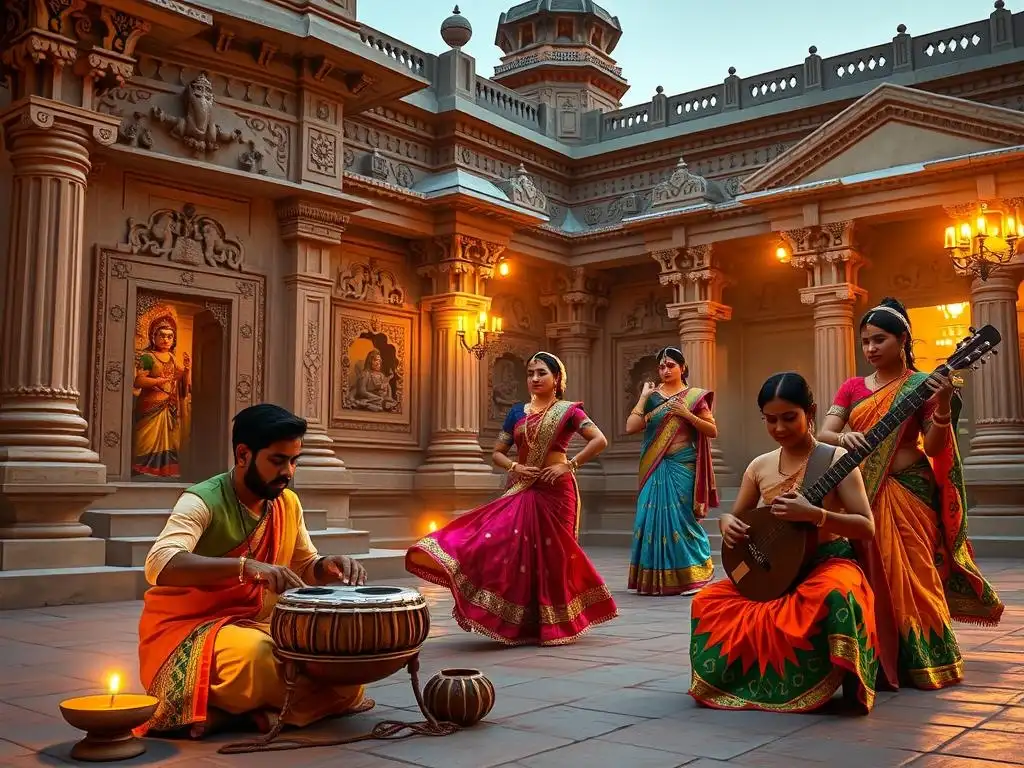
Welcome to Ancient India History, where we embark on an enthralling journey through the vibrant tapestry of ancient Indian civilization. In this exploration, we delve into the profound connection between dance, music, and Ayurveda, revealing how these art forms interweave to create a harmonious cultural legacy. Prepare to be captivated as we uncover the rhythms and melodies that not only entertained but also contributed to the spiritual and physical well-being of society.
Join us as we illuminate the fascinating role of Ancient Indian dance and music in shaping a civilization that continues to inspire and enlighten. Your adventure into the depths of history begins now!
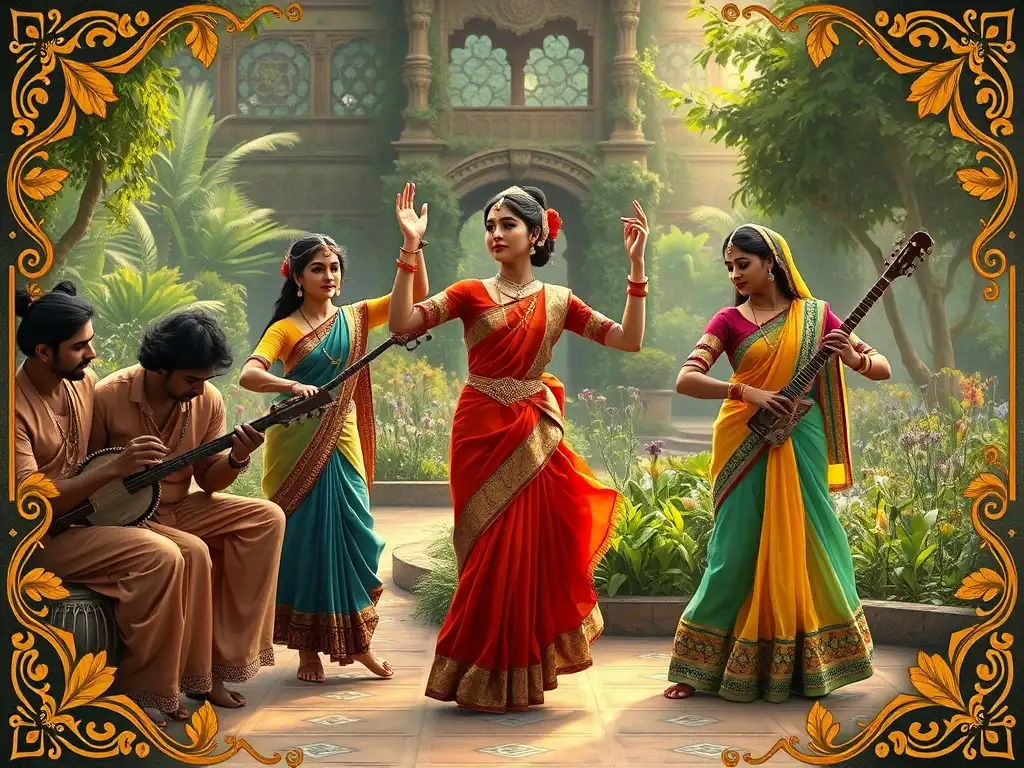
Ancient Indian culture is a profound tapestry woven with threads of art, spirituality, and philosophy. Among its most vibrant expressions are dance and music, which have not only entertained but also served as vital components of ritualistic and therapeutic practices.
The intricate relationship between ancient Indian dance and music and Ayurveda—the traditional system of medicine—highlights how these art forms were deeply embedded in the spiritual and physical well-being of society. This article seeks to explore this fascinating connection, revealing how the harmonization of rhythmic movements and melodic sounds worked in tandem with the principles of Ayurveda to promote holistic health and cultural richness.
Introduction to Ancient Indian Dance and Music
The arts of dance and music in ancient India were not merely forms of entertainment; they were integral to the social, religious, and cultural fabric of the civilization. These art forms served as mediums for storytelling, spiritual expression, and communal bonding. They were often performed during festivals, religious ceremonies, and social gatherings, playing a pivotal role in the life of ancient Indians.
Definition and Significance of Ancient Indian Dance
Ancient Indian dance encompasses a broad spectrum of styles, each with its unique characteristics and cultural significance. Some notable forms include Bharatanatyam, Kathak, Odissi, and Manipuri. These dances are characterized by intricate footwork, expressive gestures (mudras), and elaborate costumes.
- Cultural Significance: Dance was a way to convey religious devotion, often depicting tales from Hindu epics like the Ramayana and Mahabharata.
- Therapeutic Aspects: Many ancient texts suggest that dance had therapeutic benefits, promoting physical health and mental clarity.
- Social Cohesion: Dance performances often brought communities together, fostering a sense of belonging and cultural identity.
Overview of Ancient Indian Music Traditions
Ancient Indian music, like dance, is rich in diversity and complexity. It can be broadly categorized into two main traditions: Hindustani (North Indian) and Carnatic (South Indian) music.
- Hindustani Music: This tradition is known for its improvisational style, emphasizing raga (melodic framework) and tala (rhythmic cycle).
- Carnatic Music: Focused on composition, this tradition features intricate melodies and rhythmic patterns, often accompanied by dance.
- Spiritual Connection: Music was viewed as a divine gift, often employed in spiritual practices to elevate consciousness and connect with the divine.
The Role of Ayurveda in Ancient Indian Arts
Ayurveda, the ancient Indian system of medicine, emphasizes the balance of body, mind, and spirit. Its principles significantly influenced the performance and appreciation of dance and music.
- Holistic Health: Ayurveda advocates for a lifestyle that includes art forms as a means of promoting health and well-being.
- Therapeutic Practices: Specific dance movements and musical notes were believed to correspond to different doshas (body constitutions), enhancing physical and mental health.
- Artistic Expression as Healing: Engaging in creative activities was seen as a therapeutic approach to maintain balance and harmony within oneself.
Historical Context of Dance and Music in Ancient India
To fully appreciate the connection between dance, music, and Ayurveda, it is essential to examine their historical evolution and the contexts in which they thrived.
Evolution of Dance Forms in Ancient Indian Culture
The evolution of dance in ancient India can be traced back to the Vedic period, where it began as a form of ritualistic expression. Over centuries, various regional styles emerged, each influenced by local traditions and customs.
- Classical vs. Folk Dance: While classical dance forms were formalized with strict rules and techniques, folk dances were more spontaneous and varied by community.
- Influence of Texts: Texts such as the Natya Shastra by Bharata Muni laid the groundwork for classical dance, detailing techniques, expressions, and performance criteria.
Musical Traditions in Ancient Indian Civilization
Musical traditions in ancient India evolved alongside dance, with both art forms sharing a common cultural heritage.
- Instruments: A variety of instruments like the veena, tabla, and flute played significant roles in both dance and music.
- Cultural Exchange: Trade and interactions with other civilizations led to the exchange of musical ideas and practices, enriching the Indian musical landscape.
Interrelation of Dance, Music, and Ayurveda in Historical Texts
Historical texts highlight the interconnections between dance, music, and Ayurveda, illustrating a holistic approach to art and health.
- References in Texts: Texts such as the Samudrika Shastra discuss the impact of dance and music on physical health and emotional well-being.
- Ritualistic Practices: Many rituals incorporated dance and music as essential elements in invoking deities and promoting healing through spiritual connection.
The interplay between ancient Indian dance and music and Ayurveda reflects a rich cultural heritage that values the synergy of art and health. Understanding this connection not only provides insights into ancient practices but also offers contemporary relevance in promoting holistic well-being through artistic expression.
The Philosophical Underpinnings of Dance and Music
In ancient Indian culture, dance and music were not merely forms of entertainment but profound expressions of spirituality and philosophy. Rooted in the ancient texts, particularly the Natya Shastra, these art forms were seen as a means to connect with the divine, reflecting the intricate relationship between the physical and metaphysical realms. The philosophy of art in ancient India emphasized the idea that every movement and sound had a purpose, a cosmic significance that contributed to the greater understanding of life and existence.
Dance and music were perceived as essential components of religious rituals, capable of invoking deities and facilitating spiritual experiences. This intrinsic connection between the arts and spirituality led to the development of a unique framework where the emotional, psychological, and spiritual dimensions coalesced, allowing practitioners to explore the depths of human experience.
The Concept of Rasa in Ancient Indian Arts
One of the fundamental concepts that underscore the relationship between dance, music, and the broader spectrum of Indian arts is Rasa. Defined as the essence or flavor of an emotional experience, Rasa plays a pivotal role in how art communicates feelings and evokes responses. The Natya Shastra outlines nine primary Rasas – Shringara (love), Hasya (laughter), Karuna (compassion), Raudra (anger), Veera (heroism), Bhayanaka (fear), Bibhatsa (disgust), Adbhuta (wonder), and Shanta (peace).
These Rasas are crucial not only in the performance of dance and music but also in the audience's reception. Through carefully choreographed movements and melodies, artists could evoke specific emotions, allowing the audience to transcend their mundane experiences and connect with universal truths. This emotional interplay enhances the aesthetic experience, making Rasa a cornerstone of ancient Indian artistic expression.
The Influence of Ayurveda on Artistic Expressions
Ayurveda, the ancient Indian system of medicine, significantly influenced the arts, particularly dance and music. Integral to this holistic framework is the notion of balance, which extends to the performance arts. According to Ayurvedic principles, the body is governed by three doshas—Vata, Pitta, and Kapha—each associated with different qualities and elements.
Artists would often consider their bodily constitution before performing, as the balance of these doshas could affect their performance quality and expressive capabilities. Additionally, specific rhythms and melodies were believed to resonate with particular doshas, promoting physical harmony and emotional well-being. This synergy between Ayurveda and the arts underscores a comprehensive understanding of health and creativity, emphasizing that artistic expression is as much about physical health and mental clarity as it is about skill and technique.
Spiritual and Healing Aspects of Dance and Music
The spiritual dimensions of dance and music in ancient India are intertwined with their therapeutic potentials. Many ancient texts describe how rhythmic movement and melodic sound can serve as powerful tools for healing the mind, body, and spirit. Dance, often performed in temples and sacred spaces, was believed to facilitate a connection with the divine, allowing practitioners to experience transcendence and inner peace.
Musical compositions were also used in various healing rituals, employing specific ragas and talas thought to resonate with particular emotional states and physical ailments. For instance, certain ragas were believed to alleviate stress and anxiety, while others might evoke joy or tranquility. This holistic approach not only emphasizes the importance of these art forms in spiritual practices but also highlights their role in promoting overall wellness within the community.
Major Dance Forms and Their Musical Accompaniments
In the rich tapestry of ancient Indian culture, various dance forms emerged, each accompanied by distinct musical styles that enhanced their narrative and emotional depth. The interplay between dance and music is foundational, with each art form complementing the other to create an immersive experience for both performers and audiences.
Classical Dance Forms of Ancient India
Classical dance forms such as Bharatanatyam, Kathak, Odissi, and Manipuri are deeply rooted in ancient traditions, each embodying unique aesthetics, techniques, and stories.
- Bharatanatyam: Originating from Tamil Nadu, this dance form emphasizes intricate footwork, expressive hand gestures (mudras), and facial expressions (abhinaya). The accompanying music is typically Carnatic, featuring vocalists and instrumentalists who provide the rhythmic and melodic framework necessary for the dance narrative.
- Kathak: This dance form, which developed in North India, showcases storytelling through rhythmic footwork and spins. Accompanied by Hindustani classical music, Kathak emphasizes improvisation, allowing dancers to interact dynamically with musicians.
- Odissi: Hailing from Odisha, Odissi is characterized by its fluid movements and sculpturesque poses. The Odissi music, often performed with traditional instruments like the mardala and flute, enhances the dance's lyrical quality and spiritual essence.
- Manipuri: This dance form from Manipur is distinguished by its graceful movements and the use of the traditional drum called the pena. The accompanying music often includes devotional songs that reflect themes of love and spirituality.
Folk Dance Traditions and Their Musical Roots
In addition to classical forms, ancient India is home to a myriad of folk dance traditions, each reflecting the local culture and traditions. These dances are typically performed during festivals, celebrations, and communal gatherings, accompanied by regional musical styles.
- Bhangra: Originating from Punjab, Bhangra is a lively dance performed to the beat of the dhol, a traditional drum. Its vigorous movements and infectious rhythms resonate with themes of harvest and celebration.
- Garba: This folk dance from Gujarat is performed during the Navratri festival, with participants dancing in circles while clapping in rhythm to the lively beats of dandiya music.
- Kuchipudi: While often classified as a classical dance, Kuchipudi has its roots in folk traditions of Andhra Pradesh, showcasing vibrant storytelling through expressive movements, accompanied by traditional Carnatic music.
- Dandiya Raas: Another folk dance from Gujarat, Dandiya Raas involves rhythmic stick clashing and is performed to upbeat music, celebrating the spirit of community and togetherness.
The diversity of dance forms and their musical accompaniments in ancient India exemplifies the intricate connection between these art forms, illustrating how they have evolved while remaining deeply rooted in cultural and spiritual traditions.
Ayurvedic Principles Influencing Dance and Music
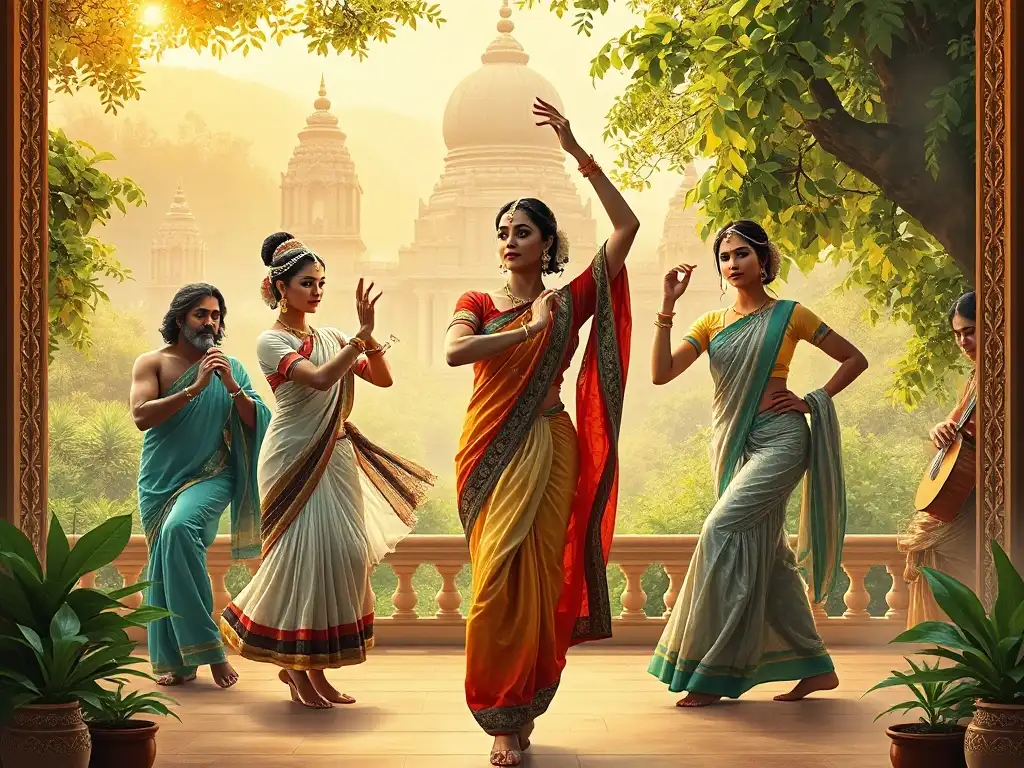
Ayurveda, the ancient Indian system of medicine, emphasizes the balance of mind, body, and spirit. These principles have significantly influenced the realms of dance and music in ancient Indian culture. The therapeutic aspects of both art forms are rooted in the understanding of the human constitution and the natural elements. The integration of rhythm, movement, and sound not only embodies artistic expression but also serves as a means of healing and self-discovery. By aligning these artistic practices with Ayurvedic principles, ancient practitioners aimed to promote well-being and harmony within individuals and communities.
The Doshas and Their Impact on Artistic Expression
In Ayurveda, the concept of doshas—Vata, Pitta, and Kapha—represents the three fundamental energies that govern our physical and mental characteristics. Each dosha influences not only an individual's personality and health but also their inclination towards specific forms of art.
- Vata individuals, characterized by creativity and movement, may be drawn to expressive dance forms like Bharatanatyam or Kathak, which emphasize fluidity and dynamic rhythms.
- Pitta individuals, known for their passion and intensity, often resonate with the powerful and dramatic elements found in music and performance art, such as the vigorous beats of Dhol or the intricate rhythms of a classical orchestra.
- Kapha individuals, embodying stability and calmness, might find solace in more meditative practices like Odissi or the soft melodies of Hindustani classical music.
Understanding these doshas can help artists and performers tailor their practices to align with their innate energies, thus enhancing their artistic expression and emotional resonance.
Balancing Mind, Body, and Spirit through Dance and Music
The interplay of dance and music serves as a holistic approach to achieving balance among the mind, body, and spirit. In ancient Indian culture, performances were not merely entertainment but sacred rituals that fostered a deep connection to the divine.
- Dance: Each dance form incorporates specific movements and postures that stimulate different chakras, enhancing physical health and emotional well-being. The rhythmic patterns and footwork in classical dance can help ground practitioners, while free-form movements can promote emotional release.
- Music: The melodic structures and ragas used in traditional Indian music are designed to evoke particular moods and emotions, aligning with Ayurvedic principles. Specific ragas are believed to correspond to different times of the day and seasons, enhancing their healing properties.
By engaging in these art forms, individuals can experience profound transformations, leading to improved mental clarity, emotional stability, and spiritual growth.
Healing Practices in Dance and Music Therapies
Dance and music therapies have long been recognized in Ayurveda for their healing potential. These practices serve as both preventive and therapeutic measures in the holistic health framework.
- Dance Therapy: Traditional dance forms often incorporate elements of storytelling and expression that can facilitate emotional healing. The rhythmic movements help release pent-up emotions, fostering a sense of liberation and joy.
- Music Therapy: The use of specific ragas and rhythms in music therapy has been shown to alleviate stress, anxiety, and depression. For instance, the soothing nature of Raga Yaman is often utilized to calm the mind and promote relaxation.
Both forms of therapy are instrumental in addressing imbalances within the doshas, making them an integral part of the wellness practices in ancient Indian culture.
The Legacy of Ancient Indian Dance and Music
The rich heritage of ancient Indian dance and music continues to resonate through the ages, influencing contemporary art forms and cultural expressions. This legacy is a testament to the profound understanding that ancient practitioners had of the human experience and its connection to the universe.
Preservation of Traditions through Generations
Ancient Indian dance and music traditions have been meticulously preserved through oral transmission and rigorous training. Gurus played a crucial role in passing down knowledge, ensuring that the intricate techniques and philosophies were not lost.
- Gharanas: In music, different gharanas (schools) have carved out unique styles that reflect regional influences while staying true to their roots. This preservation allows contemporary artists to explore their heritage while innovating new expressions.
- Festivals and Performances: Cultural festivals often showcase ancient dance and music forms, embedding them within community practices. These events serve as vital platforms for both preservation and education, engaging new generations in their cultural heritage.
Modern Interpretations of Ancient Dance and Music
While rooted in tradition, ancient Indian dance and music have also adapted to modern contexts, resulting in innovative interpretations that blend the old with the new.
- Fusion Genres: Artists are increasingly exploring fusion genres that combine classical elements with contemporary styles, such as Indo-jazz or electronic music. This experimentation broadens the appeal of ancient forms and attracts diverse audiences.
- Global Influence: The global interest in yoga and Ayurveda has facilitated the spread of Indian dance and music, leading to collaborations with artists worldwide. This cross-cultural exchange enriches the art forms while maintaining their core values.
The Continuing Influence of Ayurveda on Contemporary Arts
The principles of Ayurveda remain influential in contemporary artistic practices, as artists seek to incorporate holistic wellness into their creative processes.
- Mindfulness in Practice: Modern dancers and musicians often emphasize mindfulness and awareness, drawing inspiration from Ayurvedic concepts of balance and harmony. Workshops and retreats centered around these principles are becoming increasingly popular, providing artists with tools for self-care and rejuvenation.
- Therapeutic Approaches: Many contemporary performers are recognizing the therapeutic aspects of their art, integrating Ayurvedic practices into their routines to enhance performance and well-being. This trend reflects a broader societal shift towards holistic health and wellness.
Overall, the enduring connection between dance, music, and Ayurveda continues to shape the cultural landscape of India, fostering a deep appreciation for the arts as a means of healing and self-expression.
Conclusion: The Harmonious Blend of Dance, Music, and Ayurveda in Ancient Indian Culture
The intricate connection between dance, music, and Ayurveda in ancient Indian culture highlights a profound understanding of the human experience and the natural world. This harmonious blend served not only as a means of artistic expression but also as a framework for holistic well-being. Dance and music were viewed as essential components in maintaining balance within the body and mind, aligning with Ayurvedic principles that emphasize the importance of harmony among the physical, emotional, and spiritual aspects of life.
In ancient India, performances were not merely entertainment; they were deeply spiritual and therapeutic. The rhythmic movements of dance and the melodic strains of music were believed to resonate with the body's energies, promoting health and vitality. This synergy is evident in various texts, such as the Natya Shastra, where the aesthetic and medicinal properties of performing arts are elaborated upon. The ancient practitioners understood that the arts could influence one's doshas (body humors), leading to a more balanced state of being.
The cultural significance of dance and music as intertwined with Ayurveda underscores the holistic approach of ancient Indian civilization. It invites contemporary society to revisit these age-old practices, recognizing their potential benefits in modern wellness paradigms.
Reflection on the Cultural Significance of Dance and Music
The cultural significance of dance and music in ancient India cannot be overstated. These art forms were not only a reflection of the societal values and beliefs of the time but also served various functions ranging from ritualistic to recreational. Dance was often employed in religious ceremonies, festivals, and celebrations, acting as a medium to connect with the divine. Similarly, music played a vital role in storytelling, cultural transmission, and emotional expression.
Moreover, dance and music were vehicles for social cohesion, bringing communities together in shared experiences. They fostered a sense of identity and belonging among diverse groups, reflecting the rich tapestry of India's cultural heritage. The intricate classical dance forms, such as Bharatanatyam, Kathak, and Odissi, along with traditional music styles, were deeply embedded in the social fabric, often conveying philosophical and spiritual themes that resonated with the audience.
The teachings of Ayurveda further enhanced the cultural significance of these art forms, as they were believed to promote mental clarity, emotional stability, and physical health. Thus, dance and music became integral to the holistic lifestyle advocated by Ayurveda, reinforcing their importance in ancient Indian culture.
Future Directions for Research in Ancient Indian Arts
As we continue to explore the multifaceted nature of ancient Indian arts, several future directions for research emerge. First, there is a need for interdisciplinary studies that bridge the gap between performing arts, Ayurveda, and other aspects of ancient Indian knowledge systems. Such studies could uncover deeper insights into how these art forms contributed to health and well-being in historical contexts.
Additionally, examining the historical texts and treatises on dance, music, and Ayurveda can unveil the philosophical underpinnings that shaped these practices. Researchers should focus on translating and interpreting ancient manuscripts to gain a better understanding of the techniques, styles, and purposes of these art forms.
Another promising avenue is the investigation of the contemporary relevance of ancient practices. By analyzing how ancient dance and music can be integrated into modern therapeutic frameworks, researchers can contribute to the revival of these art forms as tools for wellness in today's fast-paced world.
Finally, collaborative projects that involve practitioners, historians, and scholars can foster a deeper appreciation for the legacy of ancient Indian dance and music, ensuring that these rich traditions continue to thrive and inspire future generations.
- Introduction to Ancient Indian Dance and Music
- Historical Context of Dance and Music in Ancient India
- The Philosophical Underpinnings of Dance and Music
- Major Dance Forms and Their Musical Accompaniments
- Ayurvedic Principles Influencing Dance and Music
- The Legacy of Ancient Indian Dance and Music
- Conclusion: The Harmonious Blend of Dance, Music, and Ayurveda in Ancient Indian Culture
- What is the significance of dance and music in ancient Indian culture?
- How did Ayurveda influence ancient Indian dance and music?
- What are some notable forms of dance and music from ancient India?
- How did ancient Indian civilizations preserve their musical traditions?
- What is the relationship between dance, music, and spirituality in ancient India?
Frequently Asked Questions
What is the significance of dance and music in ancient Indian culture?
Dance and music played a crucial role in ancient Indian culture, serving as a means of expression, communication, and spiritual practice. They were intertwined with rituals, festivals, and storytelling.
How did Ayurveda influence ancient Indian dance and music?
Ayurveda, the traditional system of medicine, emphasized the balance of bodily energies. This philosophy influenced dance and music, as they were believed to promote well-being and harmony within the individual.
What are some notable forms of dance and music from ancient India?
Ancient India gave rise to various forms, including Bharatanatyam, Kathak, and the classical music traditions of Hindustani and Carnatic. Each form reflects the diverse cultural influences of its time.
How did ancient Indian civilizations preserve their musical traditions?
Ancient Indian civilizations preserved their musical traditions through oral transmission, scriptural texts, and performance. This ensured that techniques, styles, and stories were passed down through generations.
What is the relationship between dance, music, and spirituality in ancient India?
In ancient India, dance and music were often considered spiritual practices that connected performers and audiences to the divine. They were used in rituals and ceremonies to invoke blessings and express devotion.
Final Reflection: The Timeless Harmony of Dance, Music, and Ayurveda
The intricate relationship between ancient Indian dance, music, and Ayurveda remains profoundly relevant in today’s world. As we navigate the complexities of modern life, the wisdom embedded in these ancient practices offers a pathway to holistic well-being and cultural richness. The rhythms of dance and the melodies of music, intertwined with the principles of Ayurveda, remind us that our physical, mental, and spiritual health are interconnected. In a society often driven by fast-paced living, embracing these traditions can foster a deeper sense of balance and harmony.
Culture is not static; it evolves while retaining its core essence. The influence of ancient Indian dance and music continues to resonate in contemporary art forms, wellness practices, and even in our daily lives. These traditions not only serve as a means of expression but also as a bridge connecting generations. As the renowned Indian dancer and choreographer, Mallika Sarabhai, once said, Dance is the hidden language of the soul.
This quote encapsulates the enduring power of dance and music as vehicles for emotional and spiritual expression, transcending time and cultural boundaries.
As you reflect on the insights shared in this article, consider how you can integrate the principles of dance, music, and Ayurveda into your own life. Take a moment to explore the rhythms that resonate with you, whether through movement, sound, or mindful practices. Embrace the opportunity to connect with these ancient traditions, allowing them to enrich your journey toward holistic well-being. In doing so, you not only honor the legacy of ancient Indian culture but also cultivate a deeper understanding of yourself and your place within the world.
Ignite Your Passion for Ayurveda Through Dance and Music!
Thank you for joining us on this enlightening journey exploring the beautiful connection between dance, music, and Ayurveda in ancient Indian culture! We hope you’ve uncovered inspiring insights that deepen your appreciation for these timeless traditions. Now, let’s channel that spirit into action!
Here are some ways you can embrace this rich cultural heritage:
- Immerse Yourself in Traditional Practices: Participate in local workshops that focus on dance and music to experience the vibrancy of Ayurveda through movement and sound.
- Share Your Learnings: Engage in conversations about this topic with friends or community groups to spread awareness of the interconnectedness of these fascinating subjects.
- Experiment with Sounds: Create a personal playlist of traditional Indian music and incorporate dance into your daily routine— move your body to promote wellness!
What new perspective on Ayurveda, dance, or music did you discover today that you can share with others? Let's continue the conversation!