
The Role of Natya Shastra in Shaping Ancient Indian Performance Arts

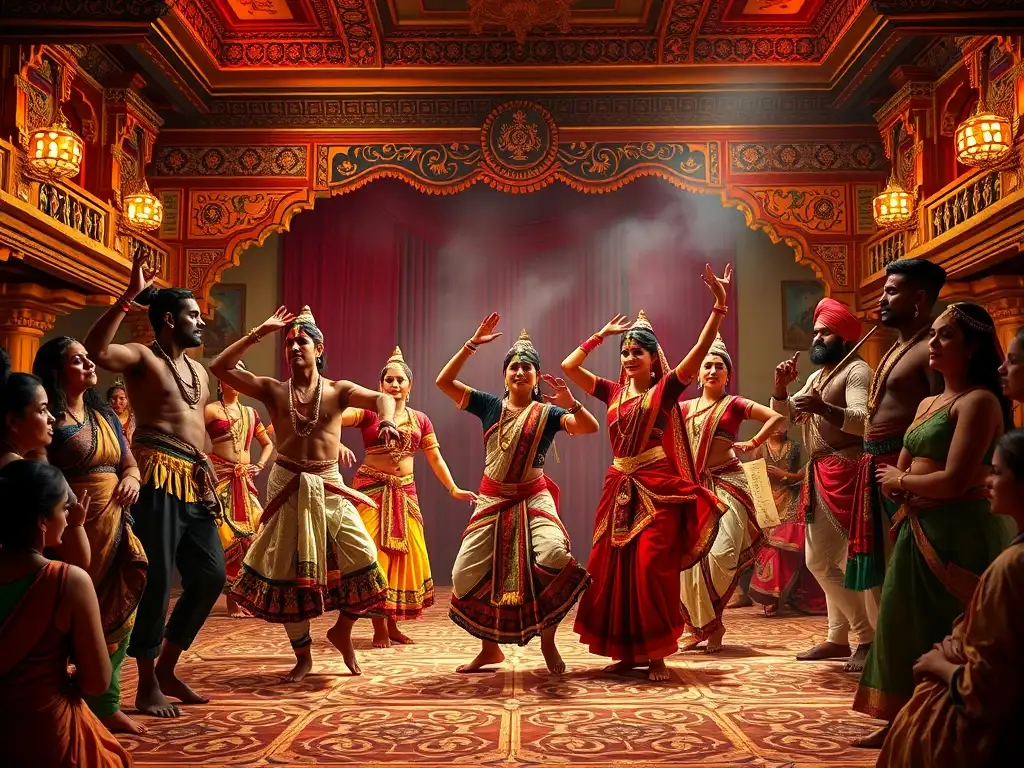
Welcome to Ancient India History, where we embark on a fascinating journey through the rich tapestry of civilizations that shaped a vibrant cultural heritage. Dive into the world of Natya Shastra, the ancient Indian arts that intricately weave together dance, drama, and music, laying the groundwork for performance arts that resonate even today. Discover how this remarkable text not only influenced artistic expression but also reflected the societal values and spiritual beliefs of its time.
Intrigued? Join us as we unravel the profound impact of Natya Shastra on the evolution of ancient Indian performance arts and explore the stories that have shaped our cultural legacy.
Introduction to Natya Shastra
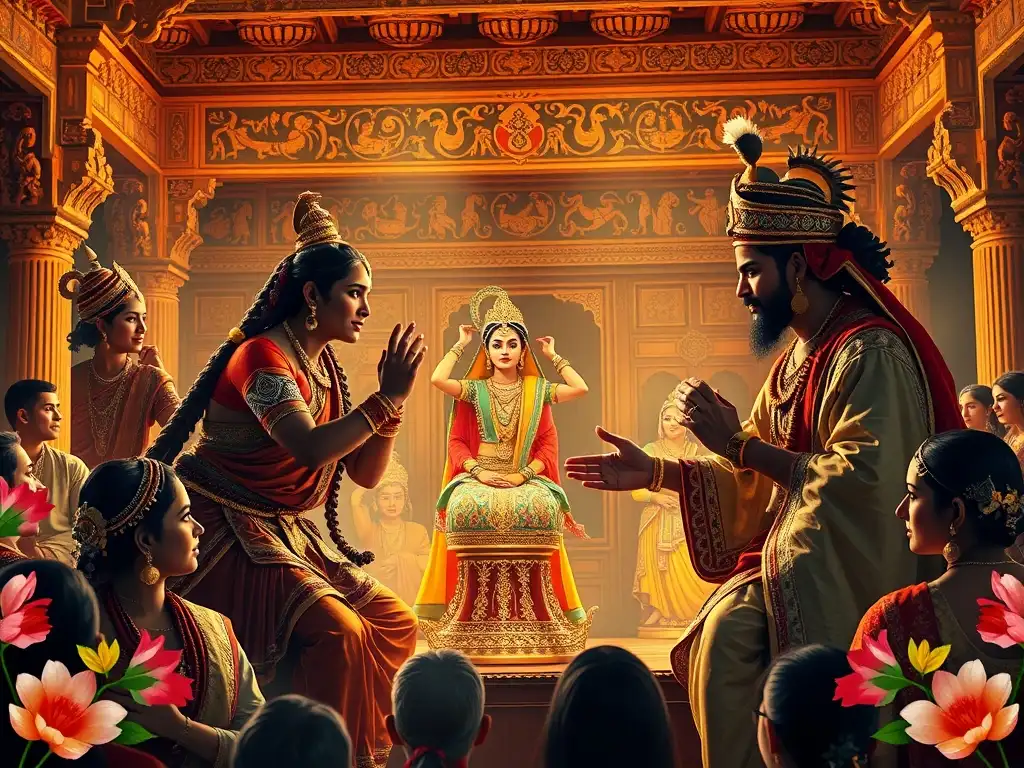
The Natya Shastra, attributed to the sage Bharata Muni, stands as a foundational text in the realm of Indian performance arts, weaving together threads of theater, dance, and music into a cohesive framework that has profoundly influenced ancient Indian culture. This ancient treatise, comprising 36 chapters, meticulously details the principles of drama and performance, offering insights into dramatic theory, stagecraft, and aesthetic principles that have shaped various art forms in India.
The significance of Natya Shastra transcends mere artistic expression; it encapsulates the philosophical, spiritual, and social dynamics of its time, providing a lens through which we can explore the intricate tapestry of ancient Indian civilization.
Definition and Overview of Natya Shastra
The term "Natya Shastra" can be broken down into two components: "Natya," meaning dance or drama, and "Shastra," denoting a scripture or systematic study. Consequently, Natya Shastra translates to "the science of drama and dance." This ancient text not only outlines the technical aspects of performance but also delves into the emotional and psychological elements that make art resonate with audiences. Key components of the Natya Shastra include:
- Rasa: The aesthetic experience or emotional flavor that a performance evokes.
- Bhava: The expression of feelings, which serves as the emotional backbone of performance.
- Natyadharmi: The principles governing the enactment of drama, emphasizing stylization over realism.
Through its comprehensive guidelines, the Natya Shastra has provided a structured approach to understanding and creating performance arts, ensuring its relevance persists across generations.
Historical Context of Natya Shastra in Ancient Indian Arts
The formation of the Natya Shastra can be traced back to around 200 BCE to 200 CE, during a time when the arts flourished under various dynasties in ancient India. It emerged as a response to a rich tradition of storytelling, ritualistic dance, and community performances that were prevalent in the Indus Valley and later civilizations. The text served not only as a manual for performers but also as a philosophical treatise that addressed the role of arts in society.
In the context of ancient Indian culture, performance arts were deeply intertwined with religious rituals and social gatherings. The Natya Shastra's guidelines enabled artists to engage with audiences on multiple levels, merging spirituality and entertainment. This historical backdrop underscores the importance of the Natya Shastra as a critical reference that continues to influence contemporary interpretations of ancient Indian arts.
The Importance of Natya Shastra in Ancient Indian Performance Arts
The Natya Shastra's influence on ancient Indian performance arts is both profound and multifaceted, shaping various elements that define the richness of Indian cultural expression. Its teachings have resonated through the ages, impacting theatrical traditions, dance forms, and musical practices.
Influence of Natya Shastra on Theatrical Traditions
The insights provided in the Natya Shastra have been instrumental in establishing the framework for Indian theater. It delineates the roles of various theatrical elements, such as:
- Characterization: Guidelines for developing characters through distinctive traits and behaviors.
- Dialogue: The art of dialogue delivery and its significance in enhancing dramatic tension.
- Stagecraft: Techniques for staging, including the use of props, costumes, and lighting.
These foundational principles have allowed theatrical traditions like Kathakali, Natyam, and Yakshagana to flourish, ensuring that the essence of the Natya Shastra is preserved in modern performances.
Impact on Dance Forms and Movement in Ancient India
Dance, as articulated in the Natya Shastra, is not merely an art form but a means of storytelling and emotional expression. The text provides detailed descriptions of various mudras (hand gestures), akaras (postures), and abhinaya (expressive movement) that form the basis of classical Indian dance styles such as:
- Bharatanatyam
- Kathak
- Odissi
By adhering to the principles outlined in the Natya Shastra, dancers can convey complex narratives and evoke emotions, drawing audiences into a shared experience that transcends mere entertainment.
Contribution to Music and Rhythm in Performance Arts
Music is another crucial element emphasized in the Natya Shastra, where rhythm and melody are integral to performance. The text discusses:
- Sama: The harmony in sounds that enhances the impact of performances.
- Tal: The rhythmic patterns that provide structure to musical compositions.
This focus on music has led to the development of various musical styles and traditions, enriching the performance arts landscape in ancient India. The interplay between music, dance, and drama, as prescribed in the Natya Shastra, has fostered a holistic approach to artistic expression, ensuring that these elements work in harmony to create captivating performances.
The Natya Shastra remains a cornerstone of ancient Indian performance arts, embodying a rich legacy that continues to inspire artists and scholars alike. Its insights into drama, dance, and music not only reflect the cultural ethos of ancient India but also provide a timeless framework for understanding the intricacies of artistic expression.
Key Components of Natya Shastra
The Natya Shastra, attributed to the ancient sage Bharata Muni, serves as a foundational text for understanding the intricacies of performance arts in ancient India. It comprises several key components that define the structure and execution of theatrical and dance performances.
- Rasa (Emotional Aesthetics): Central to the Natya Shastra is the concept of rasa, which refers to the emotional flavors experienced by the audience. Bharata outlines eight primary rasas: shringara (love), hasya (laughter), karuna (compassion), raudra (anger), veer (heroism), bhayanaka (fear), bibhatsa (disgust), and shaanta (peace). Each rasa plays a crucial role in evoking specific emotions and establishing the audience's connection to the performance.
- Abhinaya (Expression): Abhinaya encompasses the various methods of expression in performance arts, categorized into four types:
- Angika: Physical expression involving body movements.
- Vachika: Verbal expression through dialogue and lyrics.
- Aharya: Visual presentation, including costumes and makeup.
- Sattvika: Internal expression, reflecting the performers' emotional states.
- Natyadharmi and Lokadharmi: These two performance styles represent the dual approach in theater. Natyadharmi refers to stylized performance that emphasizes artistic expression, while lokadharmi pertains to the naturalistic portrayal of everyday life. Both styles contribute to a well-rounded performance experience.
- Chanda (Rhythm and Meter): The Natya Shastra outlines the importance of rhythmic patterns in performance, guiding musicians and dancers to coordinate their movements and music. This rhythmic interplay enhances the aesthetic appeal of performances.
- Sutra (Techniques): The text provides specific techniques and guidelines for performers, including gestures, facial expressions, and movements, ensuring that each element of the performance aligns with the intended emotional and narrative goals.
Theoretical Framework of Natya Shastra
The theoretical framework of the Natya Shastra is a comprehensive guide that combines philosophy, aesthetics, and practical techniques for performance. Bharata Muni's work is not merely a manual but a philosophical treatise that explores the purpose and significance of the performing arts.
- Aesthetic Philosophy: The Natya Shastra articulates a philosophy where art is seen as a reflection of life. It emphasizes that performance should resonate with human experiences and emotions, thus serving as a medium for social and moral discourse.
- Performance as a Spiritual Practice: The text posits that performing arts transcend mere entertainment; they act as a spiritual exercise, connecting performers and audiences to deeper truths and the divine. This connection is articulated through the concept of rasa, which is considered a pathway to aesthetic bliss.
- Integration of Various Arts: The Natya Shastra integrates various art forms, including music, dance, and drama, creating a holistic approach to performance. This interdisciplinary nature facilitates a rich tapestry of cultural expression, allowing for a diverse range of performances that appeal to different audiences.
Genres and Styles Influenced by Natya Shastra
The influence of the Natya Shastra on ancient Indian arts is immense, shaping a variety of genres and styles that continue to thrive today. Its teachings have laid the groundwork for numerous forms of performance, each reflecting the principles outlined in the text.
Classical Dance Forms Rooted in Natya Shastra
Classical dance forms in India owe much of their structure and aesthetics to the Natya Shastra. These dance styles emphasize the principles of abhinaya, rasa, and rhythmic execution, creating a rich and expressive art form.
- Bharatanatyam: Originating from Tamil Nadu, Bharatanatyam is one of the oldest classical dance forms. It embodies the concepts of natyadharmi through its intricate footwork, expressive gestures, and elaborate storytelling, all deeply rooted in the teachings of the Natya Shastra.
- Kathak: This North Indian dance form is characterized by its storytelling through intricate footwork, spins, and facial expressions. Kathak incorporates the elements of rasa and abhinaya and is known for its adaptability, reflecting both natyadharmi and lokadharmi styles.
- Odissi: Hailing from Odisha, Odissi emphasizes graceful movements and sculpturesque poses, embodying the spiritual essence of the Natya Shastra. The dance form often depicts religious themes and stories, utilizing the emotional depth prescribed by rasa.
- Kuchipudi: This dance-drama form from Andhra Pradesh integrates dialogue and narrative into the performance, showcasing the comprehensive nature of abhinaya. Kuchipudi performers often enact stories from Hindu mythology, aligning with the storytelling traditions established in the Natya Shastra.
Traditional Theater Forms Shaped by Natya Shastra
The principles of the Natya Shastra have also significantly influenced traditional theater forms in India, fostering a rich theatrical landscape that combines narrative, music, and dance.
- Kathakali: Originating in Kerala, Kathakali is a vibrant dance-drama known for its elaborate costumes and makeup. The performances are deeply rooted in the Natya Shastra, employing intricate movements and facial expressions to convey complex characters and emotions.
- Nautanki: A popular folk theater form, Nautanki incorporates music, dance, and dialogue. It draws on the emotive aspects of rasa and abhinaya, often depicting stories of love and valor, resonating with the cultural narratives found in the Natya Shastra.
- Ramleela: This traditional theatrical performance reenacts the life and adventures of Lord Rama. Ramleela blends storytelling with dance and music, embodying the principles of natyadharmi and lokadharmi as it brings epic tales to life for audiences.
- Shadow Puppetry: While distinct, shadow puppetry is influenced by the narrative techniques described in the Natya Shastra. It uses light and shadow to create visual storytelling, highlighting the interplay of performance and audience engagement.
The Natya Shastra is instrumental in shaping the diverse landscape of ancient Indian performance arts, influencing both classical dance forms and traditional theater. Its rich theoretical underpinnings and practical guidelines continue to resonate in contemporary artistic expressions, ensuring its legacy endures through the centuries.
Natya Shastra's Legacy in Modern Indian Arts
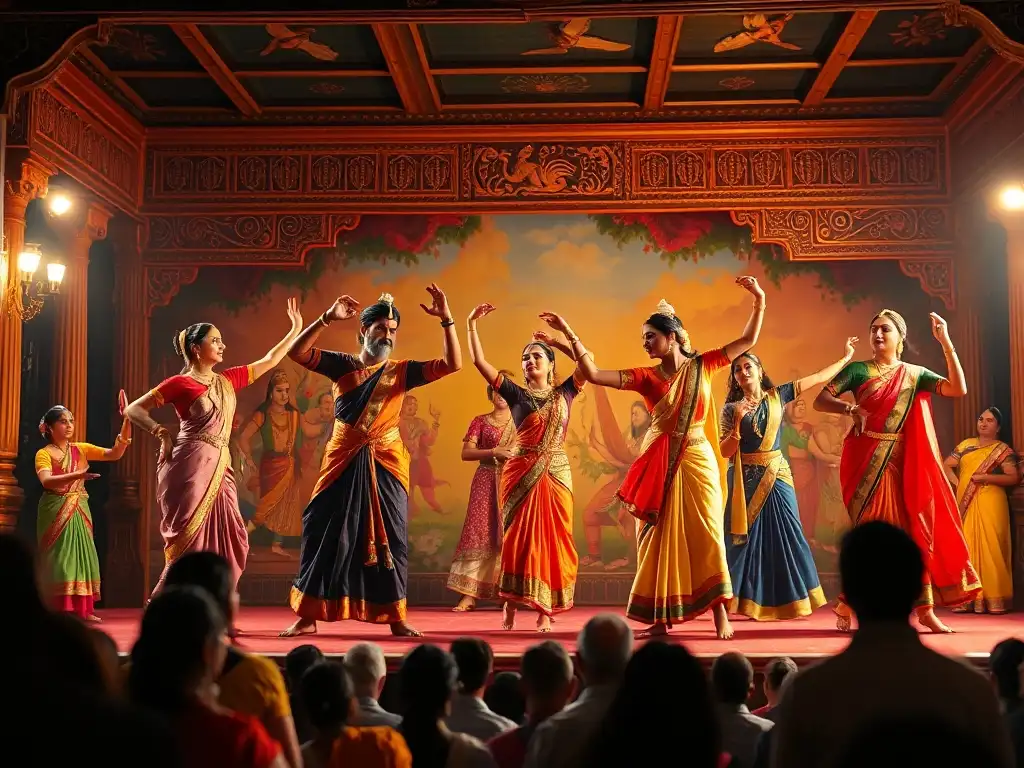
The Natya Shastra, attributed to the sage Bharata Muni, is a foundational text that has profoundly influenced the performance arts of India for centuries. This ancient treatise, composed between 200 BCE and 200 CE, encompasses a wide array of elements such as dance, drama, music, and aesthetics, which collectively form the bedrock of Indian performing arts. Its teachings have transcended time, continuing to resonate in modern Indian arts through various forms, including theater, dance, and cinema.
The principles laid out in the Natya Shastra—such as the importance of rasa (emotional essence), bhava (expressions), and the intricate use of gestures ( mudras)—remain essential to the artistic expressions of contemporary Indian performers. The text's detailed analysis of stagecraft, character portrayal, and narrative structure has enriched the storytelling traditions in Indian theater and dance, ensuring that the essence of ancient performance is preserved and celebrated in today's artistic landscape.
Continuity of Natya Shastra Principles in Contemporary Performance
Today, practitioners of various Indian dance forms, such as Bharatanatyam, Kathak, and Odissi, draw heavily from the Natya Shastra's principles. The concept of rasa, which emphasizes evoking specific emotions in the audience, is a central focus in performances. Dancers and actors incorporate bhavas to express feelings authentically, using intricate mudras to communicate beyond spoken words.
Moreover, modern theater companies and dance troupes often reference the Natya Shastra when devising new works. This continuity ensures that the age-old practices remain relevant, as artists adapt traditional themes and techniques to address contemporary societal issues, creating a dynamic fusion of old and new. The enduring framework provided by the Natya Shastra supports a rich dialogue between ancient traditions and modern narratives.
Revivals and Adaptations of Ancient Techniques in Modern Arts
In recent years, there has been a significant revival of interest in traditional performance arts, with many contemporary artists seeking to incorporate the techniques outlined in the Natya Shastra. Workshops, festivals, and educational programs focusing on the Natya Shastra have emerged, promoting its teachings to new generations of performers.
Adaptations of ancient narratives, character archetypes, and performance styles are evident in modern plays and dance dramas. For instance, productions like Ramayana and Mahabharata have been reinterpreted through the lens of the Natya Shastra, showcasing its relevance in exploring timeless themes of morality, heroism, and human experience. This revival not only honors the legacy of ancient performance arts but also encourages innovation, allowing artists to experiment with traditional forms and contemporary sensibilities.
Conclusion
Summary of Natya Shastra's Role in Shaping Ancient Indian Performance Arts
The Natya Shastra serves as a crucial cornerstone in the development of ancient Indian performance arts, providing a comprehensive framework that encompasses various artistic disciplines. Its teachings on dramatic presentation, emotional expression, and aesthetic values have profoundly influenced the way stories are told and experienced in Indian culture. The text’s meticulous exploration of performance techniques has ensured that ancient traditions continue to thrive, offering guidance and inspiration to artists through the ages.
The Enduring Influence of Natya Shastra on Indian Culture and Arts
The lasting impact of the Natya Shastra on Indian culture and arts is evident in the vibrant tapestry of performance that exists today. Its principles not only shape the technical aspects of dance and theater but also imbue performances with a deep cultural significance, reflecting the values and beliefs of Indian society. As artists continue to draw from its rich legacy, the Natya Shastra remains a vital source of inspiration, bridging the gap between the past and the present, and ensuring that the essence of ancient Indian arts continues to thrive in a modern context.
References
The study of Natya Shastra and its influence on ancient Indian performance arts is well documented through various sources. Scholars have explored its principles, practices, and the rich cultural context within which it flourished. Here are some key references that provide insight into the importance of Natya Shastra in shaping performance arts in ancient India:
- Bharata Muni's Natya Shastra: This foundational text, attributed to the sage Bharata Muni, is a comprehensive treatise on performing arts, covering aspects of drama, dance, and music. It serves as the primary source for understanding the theoretical underpinnings of ancient Indian arts.
- Rukmini Devi Arundale's Works: A prominent figure in the revival of Indian classical dance, Rukmini Devi's writings elaborate on the relevance of Natya Shastra in modern interpretations of ancient performance arts. Her works often bridge traditional practices with contemporary relevance.
- A.K. Ramanujan's "The Collected Poems of A.K. Ramanujan": This collection includes reflections on Indian art forms and is valuable for understanding the poetic and aesthetic dimensions influenced by Natya Shastra.
- Studies by Richard Davis: Richard Davis has conducted extensive research on Indian performance arts and the relevance of Natya Shastra in contemporary practice. His studies provide a critical examination of how ancient texts inform modern interpretations.
Suggested Readings on Natya Shastra and Ancient Indian Arts
For those interested in delving deeper into the Natya Shastra and its impact on ancient Indian arts, the following readings are recommended:
- "Natya Shastra: The Ancient Indian Art of Theatre" by Dr. V. S. Ramachandran: This comprehensive analysis explores the historical context of Natya Shastra and its significance in shaping theatrical traditions in India.
- "Dance in Indian Culture" by Dr. Ranjana Grewal: This book provides a detailed examination of various dance forms in India, emphasizing the influence of Natya Shastra on choreography and performance.
- "The Aesthetics of Indian Classical Dance" by Dr. Sunil Kothari: Kothari’s work discusses the aesthetic principles laid out in the Natya Shastra and their manifestation in different styles of classical dance.
- "Theatre of India: A Historical Overview" by Dr. N. P. Sinha: This text offers an overview of the development of theatre in India, highlighting the pivotal role of Natya Shastra in its evolution.
Academic Studies on the Impact of Natya Shastra
Numerous academic studies have explored the impact of Natya Shastra on ancient Indian arts. Below are some notable contributions:
- "The Influence of Natya Shastra on Indian Dance and Theatre" by Dr. Meera Nanda: This study investigates the direct influences of Natya Shastra on various forms of dance and theater, providing a thorough analysis of its principles and their application in performance.
- "Revisiting Natya Shastra: A Study of its Relevance in Modern Performance" by Dr. Kavita S. Mallya: Mallya’s research presents a critical examination of how the Natya Shastra continues to shape contemporary performance practices in India, drawing parallels between ancient and modern interpretations.
- "A Comparative Study of Natya Shastra and Western Dramatic Traditions" by Dr. Prakash Singh: This comparative analysis highlights the unique aspects of Natya Shastra in contrast to Western dramatic forms, emphasizing its distinctive contributions to the global performance arts landscape.
- "Symbolism and Meaning in Natya Shastra" by Dr. Anjali Kumar: This academic work explores the symbolic dimensions of performance as articulated in the Natya Shastra, shedding light on the deeper meanings embedded in ancient Indian arts.
These readings and studies collectively contribute to a richer understanding of the Natya Shastra and its enduring legacy in shaping the performance arts of ancient India.
- Introduction to Natya Shastra
- The Importance of Natya Shastra in Ancient Indian Performance Arts
- Key Components of Natya Shastra
- Genres and Styles Influenced by Natya Shastra
- Natya Shastra's Legacy in Modern Indian Arts
- Conclusion
- References
- What is the Natya Shastra?
- How did the Natya Shastra influence ancient Indian performance arts?
- What are the key components outlined in the Natya Shastra?
- Why is the Natya Shastra considered significant in the context of ancient Indian culture?
- How does the Natya Shastra relate to modern Indian arts?
Frequently Asked Questions
What is the Natya Shastra?
The Natya Shastra is an ancient Indian treatise on the performing arts, attributed to the sage Bharata Muni. It covers various aspects of theater, dance, and music, serving as a foundational text for Indian classical arts.
How did the Natya Shastra influence ancient Indian performance arts?
The Natya Shastra provided a comprehensive framework for expressive techniques and performance styles, shaping the evolution of dance and drama in ancient India. Its principles are still relevant in contemporary Indian classical performances.
What are the key components outlined in the Natya Shastra?
The Natya Shastra discusses elements such as dramatic structure, character development, and aesthetic principles. It emphasizes the importance of bhava (emotion) and raga (melody) in creating impactful performances.
Why is the Natya Shastra considered significant in the context of ancient Indian culture?
The Natya Shastra is significant as it encapsulates the cultural values and artistic expressions of ancient India, reflecting the society's spiritual beliefs and aesthetic sensibilities. It serves as a historical record of performance traditions.
How does the Natya Shastra relate to modern Indian arts?
Modern Indian arts still draw inspiration from the Natya Shastra, blending traditional techniques with contemporary themes. Its teachings are foundational for many dance forms and theatrical practices today.
Final Reflection: The Enduring Legacy of Natya Shastra in Ancient Indian Arts
The exploration of Natya Shastra and its profound influence on ancient Indian performance arts reveals a timeless connection between tradition and expression. In a world where cultural identities are often overshadowed by modernity, the principles laid out in Natya Shastra serve as a beacon, reminding us of the rich tapestry of our artistic heritage. This ancient text not only codified the techniques of performance but also emphasized the importance of storytelling, emotion, and spirituality in the arts, making it incredibly relevant in today's fast-paced society.
As we navigate through contemporary cultural landscapes, the impact of Natya Shastra continues to resonate deeply. Its teachings have shaped not only the performing arts but also the very essence of Indian identity. The revival of classical dance forms and theater in modern times can be traced back to the foundational elements established in this ancient scripture. Art is the most beautiful of all lies.
This quote encapsulates the transformative power of art, a sentiment that echoes through the ages and underscores the relevance of Natya Shastra in fostering creativity and cultural pride.
In closing, I invite you to reflect on the lessons of Natya Shastra and consider how they can enrich your own life. Whether through the appreciation of performance arts or the exploration of storytelling in your daily interactions, let the wisdom of this ancient text inspire you to embrace your cultural roots and express your unique narrative. The legacy of Natya Shastra is not just a relic of the past; it is a living tradition that invites each of us to partake in the dance of life, weaving our stories into the grand tapestry of human experience.
Unveil the Magic of Natya Shastra in Your Life!
Thank you for diving into the fascinating world of Natya Shastra and its impact on ancient Indian performance arts! You've uncovered the foundations of a rich cultural heritage that continues to resonate today. Now, it's time to take that knowledge and bring a piece of this tradition into your own life.
Here are some exciting ways to connect further with Natya Shastra:
- Dive into Practice: Join a local dance or theater workshop that incorporates the principles of Natya Shastra. Experience firsthand the beauty and discipline of this ancient art form.
- Explore the Texts: Read or study selections from the Natya Shastra to deepen your understanding. Many texts are accessible online or in libraries, inviting your keen insight!
- Share the Knowledge: Engage in conversations with friends or online communities about how Natya Shastra influences contemporary performing arts. Spread the word and inspire others to appreciate this cultural treasure.
How will you incorporate the lessons of Natya Shastra into your creative expression? We would love to hear your thoughts!