
The Forgotten Art of Textiles in Ancient India: Weaving Stories Through Fabric

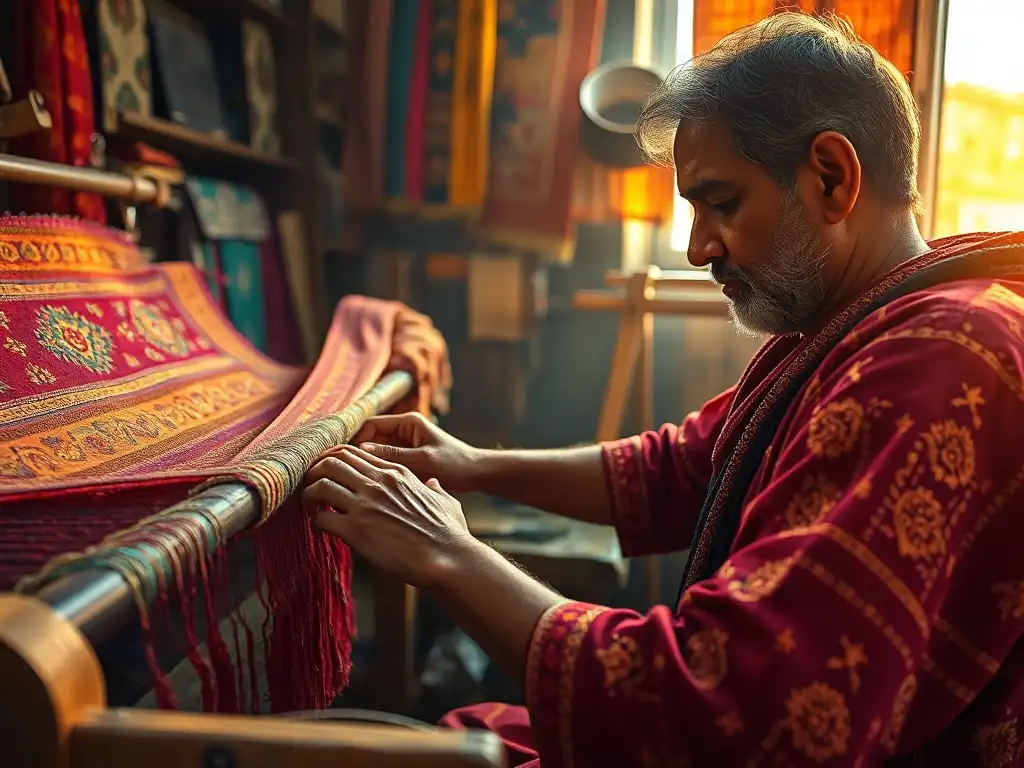
Welcome to Ancient India History, where we journey through the tapestry of time to uncover the rich and diverse heritage of one of the world’s oldest civilizations. In this exploration, we invite you to delve into the forgotten art of textiles in ancient India, a captivating narrative that weaves together history, culture, and craftsmanship.
Discover how fabric was not merely a means of adornment but a vibrant expression of identity and artistry, echoing stories from the Indus Valley to the Gupta Empire. Prepare to be intrigued as we unravel the threads of ancient Indian textile traditions—an art form that awaits your exploration!
Introduction to Ancient Indian Textile Traditions
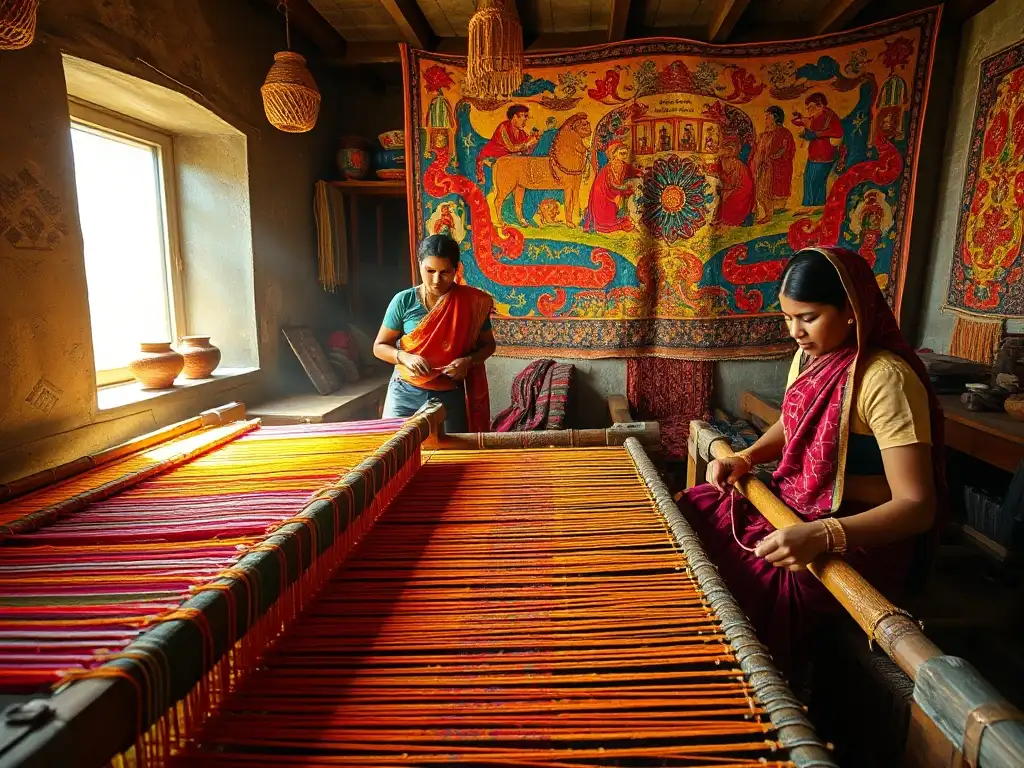
The ancient Indian textile traditions are not merely a craft; they are a vibrant tapestry woven with the threads of history, culture, and identity. From the intricate patterns of the Indus Valley to the luxurious fabrics produced during the Gupta Empire, textiles have played a vital role in the social and economic fabric of ancient Indian society.
These traditions reflect the ingenuity, creativity, and cultural significance embedded in each piece of fabric, telling stories of the people who created them. Understanding these textile traditions allows us to appreciate the artistic expressions and technological advancements that flourished in ancient India, while also recognizing their impact on contemporary textile practices.
Overview of Textile Traditions in Ancient India
Textile production in ancient India dates back thousands of years, with evidence of weaving and dyeing techniques found in archaeological sites. The art of textiles encompassed a variety of materials, including cotton, silk, and wool, each contributing to the rich diversity of fabrics. Notably, the Indus Valley Civilization (circa 3300–1300 BCE) showcased advanced techniques in weaving, with remnants of cotton textiles discovered in the ruins of Mohenjo-Daro and Harappa.
The craftsmanship evolved through the ages, with different regions developing unique styles and techniques. For instance, the vibrant colors and intricate designs of the textiles from the western states of Gujarat and Rajasthan stand in contrast to the more subdued and elegant fabrics of the south. This regional diversity highlights the adaptability and creativity of ancient Indian artisans.
Importance of Textiles in Ancient Indian Culture
Textiles in ancient India served multiple purposes beyond mere functionality. They were integral to rituals, social status, and cultural identity. Clothing often indicated one’s caste, profession, and even marital status. Moreover, textiles were used in religious ceremonies, with specific fabrics designated for sacred rituals, enhancing their cultural significance.
Fabrics also played a role in trade, with Indian textiles being highly sought after in international markets. The Silk Road and maritime trade routes facilitated the exchange of fabrics, leading to a fusion of styles and techniques. This exchange not only enriched the local textile traditions but also positioned India as a prominent player in the global textile trade.
Historical Context of Ancient Indian Textiles
The Indus Valley Civilization and Early Weaving Techniques
The Indus Valley Civilization is often regarded as one of the earliest examples of advanced textile production. Archaeological findings indicate that the people of this civilization were skilled weavers, producing high-quality cotton fabrics that were traded extensively. Evidence of spindle whorls and loom weights suggests that they utilized both handlooms and advanced weaving techniques.
The textiles of this era were not just practical; they also featured intricate patterns and dyes derived from natural sources, showcasing an early understanding of color theory and design. The discovery of dyed cotton fabrics further illustrates the sophistication of their textile practices.
Evolution of Textiles from Vedic to Gupta Period
As India transitioned from the Vedic period (circa 1500–500 BCE) to the Gupta Empire (circa 320–550 CE), textile production experienced significant transformations. The Vedic texts mention various fabrics, indicating their importance in daily life and rituals. With the rise of the Gupta Empire, there was a resurgence in the arts, including textiles, which became more elaborate and luxurious.
During this period, silk weaving emerged as a prominent craft, leading to the creation of exquisite garments that were adorned with gold and silver threads. The Gupta period is often referred to as the Golden Age of Indian culture, and its textiles reflect the high level of artistry and craftsmanship achieved during this time. The techniques developed during this era laid the foundation for the rich textile heritage that continues to inspire artisans today.
Materials and Techniques in Ancient Indian Textile Production
Ancient Indian textile production was a sophisticated craft that utilized a variety of materials and techniques. The foundation of this art was built on the use of natural fibers, combined with innovative weaving techniques that evolved over centuries. The textiles not only served practical purposes but also reflected the cultural and artistic expressions of various regions. The artisans of ancient India played a crucial role in developing unique styles that showcased their skills and creativity.
The production process often began with the careful selection of raw materials, which were then transformed into beautiful fabrics through intricate techniques. Weaving, dyeing, and embellishing were all vital parts of this process, and each region contributed its distinct methods and styles, resulting in a rich tapestry of textile traditions that are celebrated even today.
Natural Fibers Used in Ancient Indian Textiles
Natural fibers formed the backbone of ancient Indian textiles, with cotton, silk, wool, and linen being the primary materials.
- Cotton: Known as one of the earliest cultivated crops in India, cotton was extensively used in ancient textile production. The Indus Valley Civilization is often credited with the first evidence of cotton weaving, dating back to around 2500 BCE. The softness and breathability of cotton made it a popular choice for everyday wear.
- Silk: The luxurious nature of silk made it a prized textile in ancient India. Although the origins of silk production are often associated with China, it is believed that India also played a significant role in its trade and production. The use of silk flourished particularly during the Maurya and Gupta periods, where it became a symbol of wealth and status.
- Wool: While not as widely used as cotton and silk, wool was employed in cooler regions of India, such as the northern areas. The nomadic tribes, especially in the northwest, utilized sheep's wool to create sturdy garments and carpets.
- Linen: Derived from the flax plant, linen was used in ancient India, primarily for its coolness and suitability for hot climates. It was less common than cotton but held its own place in the textile tradition.
Weaving Techniques: From Handlooms to Early Machines
The weaving techniques employed in ancient India were diverse and evolved significantly over time.
- Handloom Weaving: The traditional handloom was the primary tool for weaving textiles in ancient India. Artisans, or weavers, would operate these looms manually, creating intricate patterns and designs. Handloom weaving remained a dominant method until the advent of industrialization.
- Jacquard Weaving: By the late ancient period, techniques such as the Jacquard loom began to emerge, allowing for more complex patterns and motifs. This innovation paved the way for advancements in textile production, enabling artisans to produce fabrics with elaborate designs that told stories or depicted cultural symbols.
- Dyeing Techniques: The application of natural dyes, derived from plants, minerals, and insects, played a significant role in textile production. Techniques such as tie-dye and block printing were prevalent, allowing for vibrant colors and unique patterns in fabrics.
- Embroidery: Embellishment through embroidery became a significant aspect of textile production. Each region developed specific styles, such as Zardozi in the north and Kantha in the east, which added intricate designs and textures to the fabrics.
Regional Variations in Textile Traditions
The diversity of ancient Indian textile traditions is reflected in the regional variations that emerged throughout the subcontinent. Each area developed its unique styles, techniques, and materials based on local resources and cultural influences.
Textile Traditions of the Western Regions
The western regions of India, particularly Gujarat and Maharashtra, are renowned for their vibrant textile traditions.
- Bandhani: A tie-dye technique, Bandhani is characterized by intricate patterns created by tying small portions of fabric before dyeing. This technique is especially prominent in Gujarat, where it is used to create beautiful sarees and turbans.
- Kutch Embroidery: The Kutch region is famous for its rich embroidery techniques, known for their colorful and mirror work. The vibrant textiles produced here often feature geometric patterns and motifs inspired by local culture.
- Ajrak: This traditional block-printing technique from Sindh, now part of Gujarat, uses natural dyes to create striking patterns, often in indigo and red.
Southern Indian Textiles
Southern India boasts a rich and diverse textile heritage, with each state contributing its unique styles and techniques.
- Kanjeevaram Silk: Hailing from Tamil Nadu, Kanjeevaram silk sarees are celebrated for their vibrant colors and intricate gold zari work. They often feature traditional motifs, such as peacocks and temple designs, making them a symbol of elegance and grace.
- Pochampally Ikat: This unique weaving technique from Telangana involves dyeing the yarns before weaving, resulting in stunning geometric patterns. The Pochampally sarees are known for their vibrant colors and intricate designs.
- Kasavu Sarees: Originating from Kerala, these traditional sarees are made of cotton and are characterized by their golden borders. They are often worn during festivals and celebrations, showcasing the artistry of southern Indian textiles.
Northern Indian Textiles
Northern India is home to a variety of textile traditions that reflect its rich cultural history.
- Banarasi Silk: Renowned for its luxurious silk sarees, Banaras (Varanasi) is famous for its intricately woven fabrics, often featuring gold and silver brocade. These sarees are a staple for weddings and special occasions.
- Phulkari: Originating from Punjab, Phulkari is an embroidery technique characterized by vibrant floral patterns. Traditionally, it was done on shawls and dupattas, showcasing the skill and artistry of Punjabi women.
- Ludhiana Wool: The northern region, particularly Ludhiana, is known for its woolen textiles. The production of woolen garments, especially during the colder months, has a long-standing tradition in this area.
The rich tapestry of ancient Indian textile traditions reflects the diverse cultural heritage and craftsmanship that has thrived throughout the ages, weaving stories through fabric that continue to resonate today.
The Role of Textiles in Ancient Indian Society
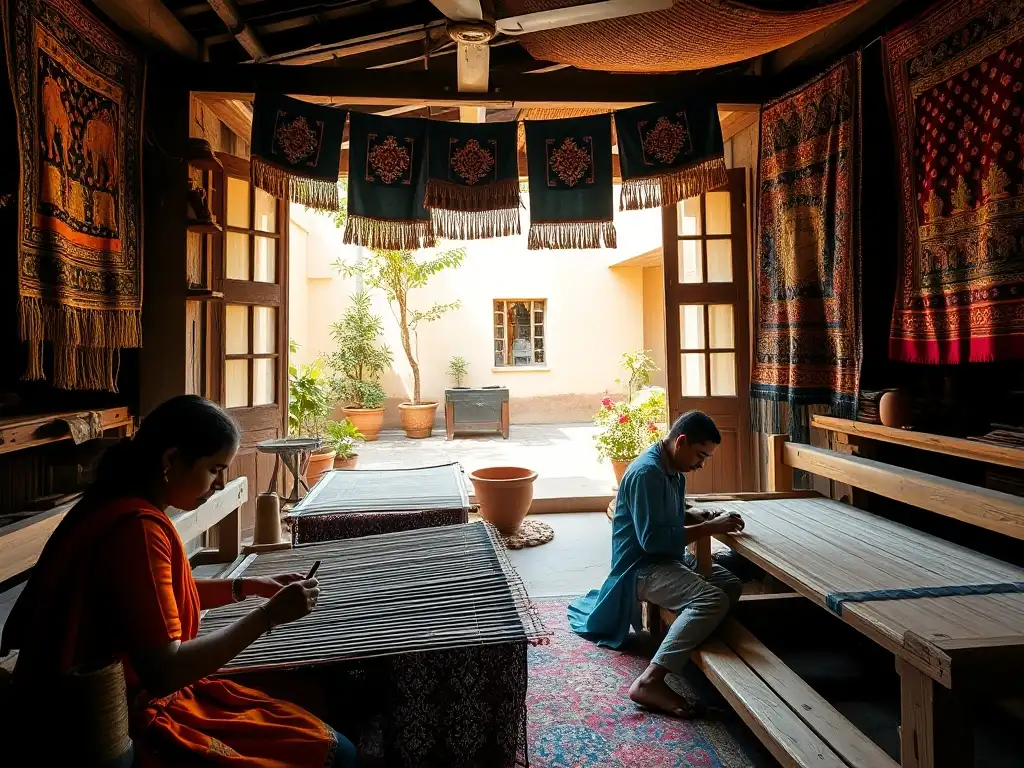
Textiles played a pivotal role in ancient Indian society, serving not just as clothing but also as a medium of expression, communication, and cultural identity. The craftsmanship involved in weaving and dyeing fabrics was highly respected, and skilled artisans held an esteemed place in the social hierarchy. Textiles were integral to daily life, reflecting the environmental conditions, available resources, and the artistic sensibilities of various regions.
In ancient India, textiles were more than mere functional items; they were intertwined with social customs and traditions. Each fabric was woven with stories, often depicting the life and values of the community. The intricate designs and patterns used in textiles were symbolic, representing different aspects of life, spirituality, and nature. The significance of textiles extended beyond the individual, influencing communal identities and the sharing of heritage.
Textiles as Indicators of Social Status
In ancient Indian society, the type and quality of textiles one wore often indicated their social standing. The elite classes donned luxurious fabrics like silk, which were often embellished with gold and silver threads, while the lower strata wore simpler, coarser materials. This differentiation not only reflected wealth but also highlighted the cultural and artistic advancements of specific regions.
Textiles also served as markers of profession and occupation. For instance, certain communities specialized in weaving, dyeing, or embroidery, and their distinct styles became synonymous with their identities. The adornment of fabrics with intricate motifs and designs also served as a means of showcasing one's craftsmanship, which was highly valued among the elites. The social implications of textile choices were profound; they encapsulated the cultural narratives and hierarchies of the time, making textiles a critical lens through which to understand ancient Indian society.
Textiles in Religious and Cultural Practices
Textiles were deeply embedded in the religious and cultural fabric of ancient India. They were used in rituals, ceremonies, and festivals, acting as offerings to deities and symbols of devotion. Sacred textiles, often elaborately designed, were integral to temple practices and played a significant role in the worship of gods and goddesses. For instance, the draping of a deity with beautiful silk sarees during festivals was a significant aspect of worship and celebration.
Moreover, textiles were significant in cultural practices, such as marriage ceremonies. The bridal attire, often rich in color and intricate design, symbolized the cultural heritage of a community. Various regions had their unique styles, colors, and patterns that were representative of their local traditions. Such practices not only preserved ancient textile traditions but also reinforced community bonds and identities, establishing textiles as a vital element in the socio-cultural landscape of ancient India.
The Influence of Trade on Textile Traditions
Trade significantly influenced the evolution of textile traditions in ancient India. The country was a hub for textile production and trade, with its fabrics being sought after across the world. The Silk Route and maritime trade routes facilitated the exchange of ideas, techniques, and materials, enriching the textile heritage of India. Indian textiles, particularly silk and cotton, were highly prized in markets from the Middle East to Southeast Asia.
The interaction with various cultures through trade led to the incorporation of diverse motifs, techniques, and styles into Indian textiles. For instance, influences from Persian, Arab, and Central Asian designs can be observed in Indian textiles, resulting in a dynamic fusion of styles. This cross-cultural exchange not only enhanced the aesthetic appeal of fabrics but also contributed to the innovation and diversification of textile production methods throughout the centuries.
The Decline of Ancient Indian Textile Traditions
The decline of ancient Indian textile traditions can be attributed to a confluence of factors that transformed the socio-economic landscape of the country. As foreign invasions and colonial rule took hold, traditional practices faced significant challenges, leading to a gradual erosion of these time-honored traditions. The intricate knowledge passed down through generations began to dwindle, and many skilled artisans were unable to sustain their craft amidst changing circumstances.
Factors Leading to the Decline of Traditional Weaving
Several factors contributed to the decline of traditional weaving in ancient India. The rise of industrialization shifted the focus from handloom production to machine-made textiles, which, while affordable, lacked the unique artistry intrinsic to traditional fabrics. Additionally, the changing economic conditions made it difficult for weavers to compete with mass-produced goods, leading to a loss of livelihood for many artisans.
Moreover, urbanization and the migration of rural populations to cities in search of better opportunities further strained the traditional weaving communities. The knowledge and skills that were once revered began to fade as younger generations pursued different career paths. This gradual disconnect from their heritage resulted in a diminished appreciation for the artistry and cultural significance of traditional textiles.
The Impact of Colonialism on Indian Textiles
Colonialism had a profound impact on the textile traditions of ancient India. British colonial policies prioritized the production of raw materials for export while undermining local crafts and weaving communities. The introduction of mechanized textile manufacturing disrupted traditional practices, leading to the decline of artisanal weaving.
The British also promoted Indian textiles in international markets but often with little regard for the artisans who produced them. This exploitation not only led to economic hardships for weavers but also caused a loss of cultural identity associated with textile production. The legacy of colonialism continues to influence contemporary textile practices, as the struggle to revive and appreciate ancient traditions persists in modern India.
While ancient Indian textile traditions faced significant decline due to various socio-economic and political factors, the rich history and cultural significance of these fabrics remain a vital part of India’s heritage, waiting to be rediscovered and celebrated.
Revival and Preservation of Ancient Indian Textile Traditions
The revival and preservation of ancient Indian textile traditions is essential for maintaining the cultural heritage of India. These textile traditions, which date back thousands of years, not only showcase intricate craftsmanship but also embody the stories and identities of various communities. As globalization and modernization threaten to overshadow these age-old practices, efforts are being made to revive them through education, community engagement, and sustainable practices.
Several organizations and institutions are dedicated to documenting and revitalizing ancient textile techniques. They work closely with local artisans, ensuring that traditional skills are passed down through generations. This revival is not merely about preserving the past; it also serves as a means of economic empowerment for artisans, allowing them to sustain their livelihoods while keeping their heritage alive.
Furthermore, government initiatives and non-governmental organizations (NGOs) play a crucial role in promoting these textile traditions on national and international platforms. By creating awareness about the significance of ancient Indian textiles, they help foster appreciation and demand for these unique crafts.
Contemporary Efforts to Preserve Traditional Techniques
Contemporary efforts to preserve traditional textile techniques involve a multifaceted approach that combines education, innovation, and collaboration. Various workshops and training programs have been established to teach younger generations the intricacies of weaving, dyeing, and embroidery, ensuring that these skills are not lost to time.
Institutions like the National Institute of Fashion Technology (NIFT) and various craft councils across India are actively involved in researching and documenting traditional textile practices. They provide a platform for artisans to showcase their work while incorporating ancient methods into modern designs.
Moreover, digital platforms and social media have become powerful tools for artisans to reach a global audience. By sharing their stories and showcasing their craftsmanship online, they can attract customers who appreciate traditional textiles, thus creating a sustainable market for their products.
This blend of traditional knowledge with contemporary marketing strategies is crucial for the survival of these age-old textile traditions.
The Role of Artisans and Craftspeople in Reviving Ancient Textiles
Artisans and craftspeople are the backbone of ancient Indian textile traditions. Their deep-rooted knowledge and expertise in techniques such as handloom weaving, block printing, and natural dyeing are vital for the revival and preservation of these arts. Many artisans belong to specific communities that have specialized in textile production for generations, making their skills an integral part of their cultural identity.
These craftsmen not only contribute to the aesthetic and economic aspects of textile production but also serve as custodians of history. Their understanding of traditional motifs, patterns, and techniques tells rich stories of their ancestors and the environments from which these textiles originate.
Community-based initiatives that empower artisans to collaborate and share their knowledge have gained momentum. Such projects not only enhance the quality and diversity of textile products but also foster a sense of pride among artisans, inspiring them to continue their craft.
In this way, artisans play a critical role in the ongoing narrative of ancient Indian textiles, ensuring that these traditions remain vibrant and relevant in today’s world.
Conclusion: The Legacy of Ancient Indian Textile Traditions
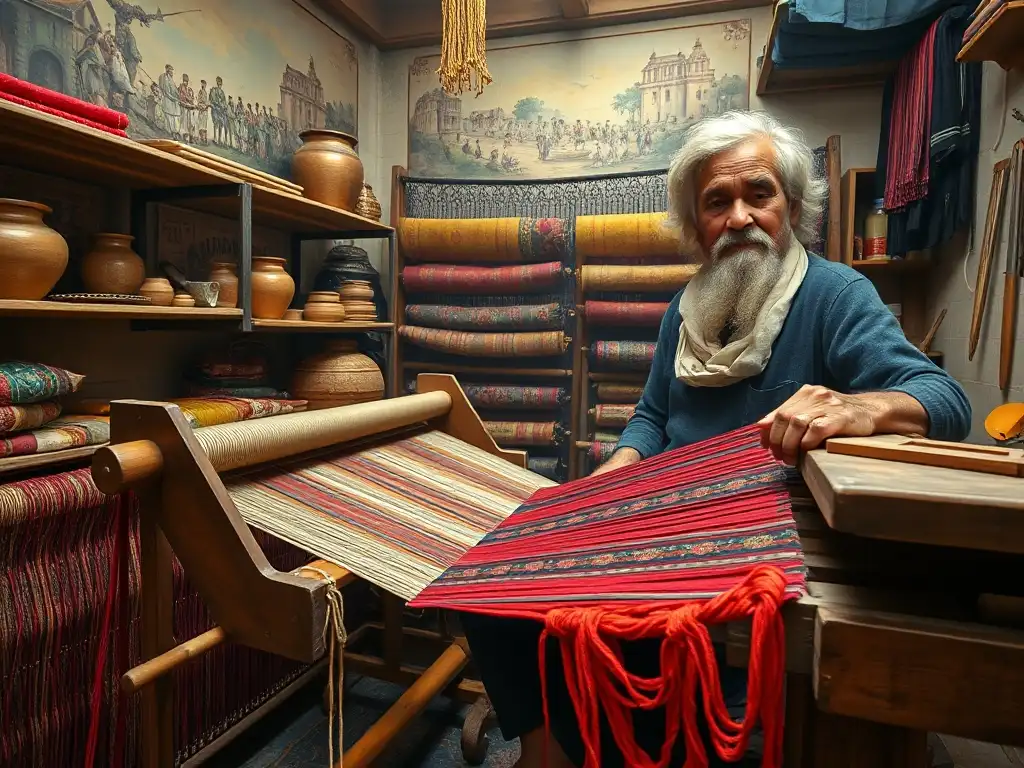
The legacy of ancient Indian textile traditions is a testament to the country’s rich cultural history and artistic prowess. These textiles, steeped in historical significance, reflect the social, economic, and environmental narratives of their time. The intricate craftsmanship, vibrant colors, and unique techniques used in ancient textiles tell stories of the people and places they originate from, creating a tapestry that connects the past to the present.
As we move forward, recognizing and honoring this legacy becomes increasingly important. The preservation of these traditions not only enriches our understanding of culture and heritage but also provides a sustainable path for future generations to explore and innovate within the realm of textiles.
The Impact of Ancient Textiles on Modern Fashion
Ancient Indian textiles have significantly impacted modern fashion, inspiring designers worldwide to incorporate traditional techniques and motifs into contemporary clothing. Designers like Sabyasachi Mukherjee and Anita Dongre have successfully blended age-old craftsmanship with modern aesthetics, creating pieces that celebrate India's rich textile heritage while appealing to global markets.
The revival of handloom and artisanal textiles has also led to a growing movement towards sustainable fashion. Consumers are increasingly seeking ethically produced garments that reflect authenticity and cultural significance. As a result, ancient Indian textiles are not only cherished for their beauty but also for the stories they tell and the sustainable practices they promote.
Weaving the Future: Ensuring the Survival of Textile Heritage
Ensuring the survival of textile heritage requires a collective effort from artisans, designers, consumers, and policymakers. By supporting sustainable practices, investing in artisan communities, and fostering educational initiatives, we can help preserve these invaluable traditions for future generations.
Collaborative platforms that bring together artisans and contemporary designers can lead to innovative creations that respect traditional techniques while appealing to modern sensibilities. Furthermore, raising awareness about the cultural significance of these textiles can inspire consumers to make informed choices, ultimately fostering a market that values heritage over fast fashion.
The future of ancient Indian textile traditions lies in our hands; by weaving together the threads of tradition, innovation, and sustainability, we can ensure that the stories told through fabric continue to resonate in the world of fashion and beyond.
References and Further Reading on Ancient Indian Textile Traditions
To gain a deeper understanding of ancient Indian textile traditions, various resources provide insightful information on the historical, cultural, and artistic aspects of textiles in India. Below is a curated list of references and further reading that will enrich your knowledge about this fascinating subject:
Books
-
"The Fabric of India" by Rosemary Crill
This comprehensive book explores the rich textile heritage of India, tracing its evolution from ancient times to the present. It highlights various techniques, patterns, and the cultural significance of textiles in Indian society.
-
"Woven History: The Indian Textile Tradition" by John Gillow
An in-depth exploration of the traditional methods and materials used in Indian textiles. This book covers regional variations and the historical context behind various textile practices.
-
"The Art of Indian Textiles" by R. R. A. M. R. S. S. S. R. P. S.
This work delves into the artistic elements of Indian textiles, examining the craftsmanship, symbolism, and aesthetic values embedded in fabric design across different eras.
Articles and Journals
-
"Textiles of India: The Untold Stories"
An article that discusses the socio-economic implications of textile production in ancient India, highlighting how textiles served as a medium of expression and identity.
-
"Indian Textiles: A Historical Perspective" in the Journal of World History
This scholarly article reviews the historical development of textile techniques and trade routes that shaped the textile industry in ancient India.
Online Resources
-
The Textile Museum’s Digital Archive
A vast collection of images and descriptions of ancient Indian textiles, showcasing the variety and intricacies of fabric designs from different regions and periods.
-
The Encyclopedia of Indian Art and Culture
An online encyclopedia that offers extensive information on various art forms, including a dedicated section on textile traditions, techniques, and their significance in Indian culture.
Documentaries and Visual Media
-
"Threads of India" (Documentary)
This documentary takes viewers on a journey through the history of Indian textiles, featuring interviews with artisans and showcasing traditional weaving techniques still in practice today.
-
"The Art of Weaving: Indian Textile Traditions" (Video Series)
A series of videos that explore different weaving techniques, the lives of weavers, and the cultural narratives woven into Indian textiles.
Conclusion
These resources provide a comprehensive starting point for anyone interested in delving into the ancient Indian textile traditions. They offer valuable insights into the historical significance, artistry, and cultural narratives that textiles embody in India’s rich heritage. Whether through books, articles, or visual media, each source invites readers to explore the intricate stories woven into the fabric of ancient Indian civilization.
- Introduction to Ancient Indian Textile Traditions
- Historical Context of Ancient Indian Textiles
- Materials and Techniques in Ancient Indian Textile Production
- Regional Variations in Textile Traditions
- The Role of Textiles in Ancient Indian Society
- The Decline of Ancient Indian Textile Traditions
- Revival and Preservation of Ancient Indian Textile Traditions
- Conclusion: The Legacy of Ancient Indian Textile Traditions
- References and Further Reading on Ancient Indian Textile Traditions
- Conclusion
Frequently Asked Questions
What were the main textile traditions in ancient India?
Ancient India boasted diverse textile traditions, including cotton weaving, silk production, and dyeing techniques that reflected the region's rich cultural heritage.
How did geography influence textile production in ancient India?
The geographical diversity of India allowed for various raw materials, such as cotton in the west and silk in the east, influencing regional textile styles and techniques.
What role did ancient Indian textiles play in trade?
Textiles were a major trade commodity, with Indian fabrics being highly sought after in markets across Asia and Europe, contributing to India's economic prosperity.
How were ancient Indian textiles decorated?
Ancient Indian textiles featured intricate patterns and embroidery, often incorporating natural dyes and cultural motifs that told stories of the region's history and beliefs.
What is the significance of ancient Indian textile traditions today?
The legacy of ancient Indian textile traditions continues to influence modern fashion and craft, showcasing the artistic skills and cultural narratives that have endured through centuries.
Final Reflection: Reviving the Threads of Ancient Indian Textile Traditions
In a world increasingly dominated by fast fashion and synthetic materials, the significance of ancient Indian textile traditions resonates more than ever. These age-old practices are not merely relics of the past; they are vibrant narratives woven into the fabric of our cultural identity. The artistry and craftsmanship inherent in these textiles remind us of the deep connections between our heritage and contemporary society. As we navigate modernity, we must recognize that these traditions hold invaluable lessons about sustainability, creativity, and community.
The influence of ancient Indian textile traditions extends far beyond their aesthetic appeal; they shape our cultural and social landscape in profound ways. These textiles are not just materials; they are stories, identities, and histories that have been passed down through generations. The revival of interest in these crafts is a testament to their enduring relevance. As noted by textile historian Dr. John Gill, Textiles are the silent storytellers of our civilization, reflecting the values, beliefs, and artistry of their time.
This ongoing appreciation for ancient techniques encourages a deeper understanding of our roots and fosters a sense of pride in our cultural heritage.
As we reflect on the importance of these textile traditions, I invite you to consider how you can incorporate this rich history into your own life. Embrace the beauty of handmade textiles, support local artisans, and share the stories behind these fabrics with others. In doing so, you not only honor the legacy of ancient Indian craftsmanship but also contribute to a more sustainable and culturally aware future. Let us weave our own stories through the threads of the past, ensuring that the art of textiles continues to thrive for generations to come.
Unveil the Beauty of Ancient Indian Textiles!
Thank you for exploring the captivating world of textiles in Ancient India with us! We hope you’ve gained valuable insights into how these fabrics weave not just stories but also cultural identities. Now it’s time to take your newfound knowledge and engage further with this rich heritage!
Here are some exciting actions you can take today:
- Dive deeper: Visit local museums or explore online exhibits that showcase ancient Indian textiles, allowing you to admire these exquisite fabrics up close.
- Share your passion! Join online forums or social media groups dedicated to historical textiles, where you can exchange thoughts and ideas with fellow enthusiasts.
- Create your own textile-inspired project: Try your hand at a simple weaving or fabric art project, using techniques inspired by ancient artisans to express your creativity!
How do you envision the stories of ancient Indian textiles influencing your understanding of art and culture today?