
The Role of Patronage in Shaping Ancient Indian Visual Arts

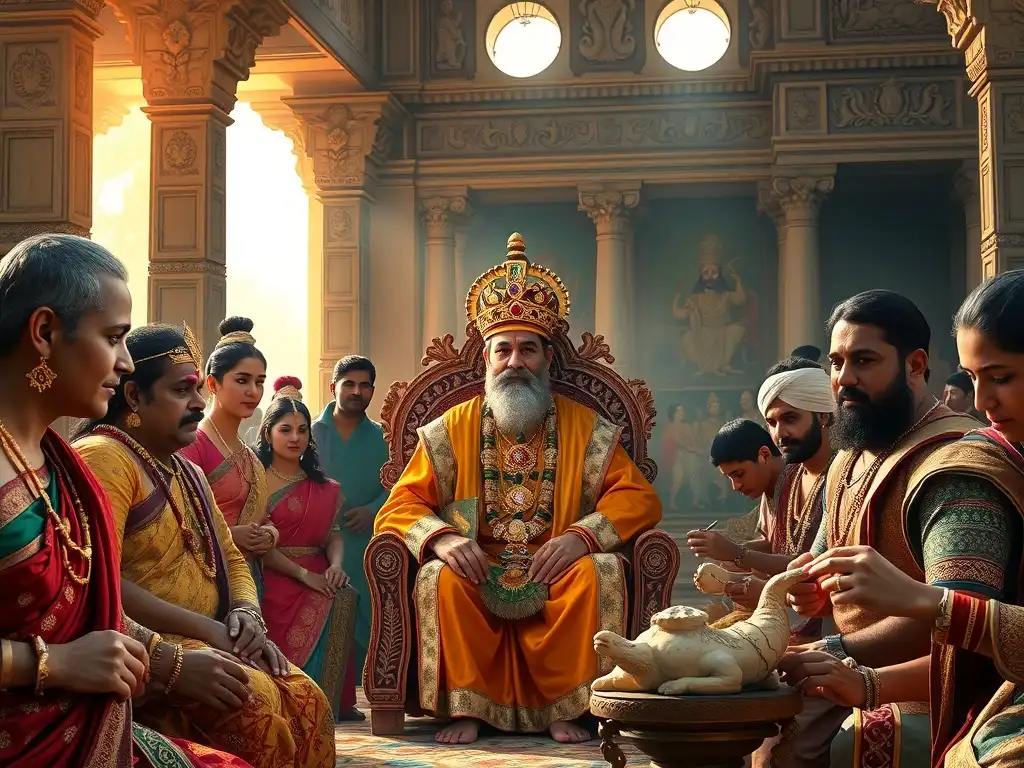
Welcome to Ancient India History, where we invite you to embark on a fascinating journey through the vibrant tapestry of ancient Indian civilizations. In this exploration, we delve into the profound role of patronage in shaping ancient Indian visual arts, a topic that uncovers the intricate relationship between artists, their patrons, and the cultural legacy they created together.
Discover how the support from rulers and wealthy patrons not only influenced artistic expression but also left an indelible mark on the heritage of India. Join us as we unravel the stories behind the masterpieces and the people who brought them to life, and let your curiosity guide you deeper into the rich history that awaits!
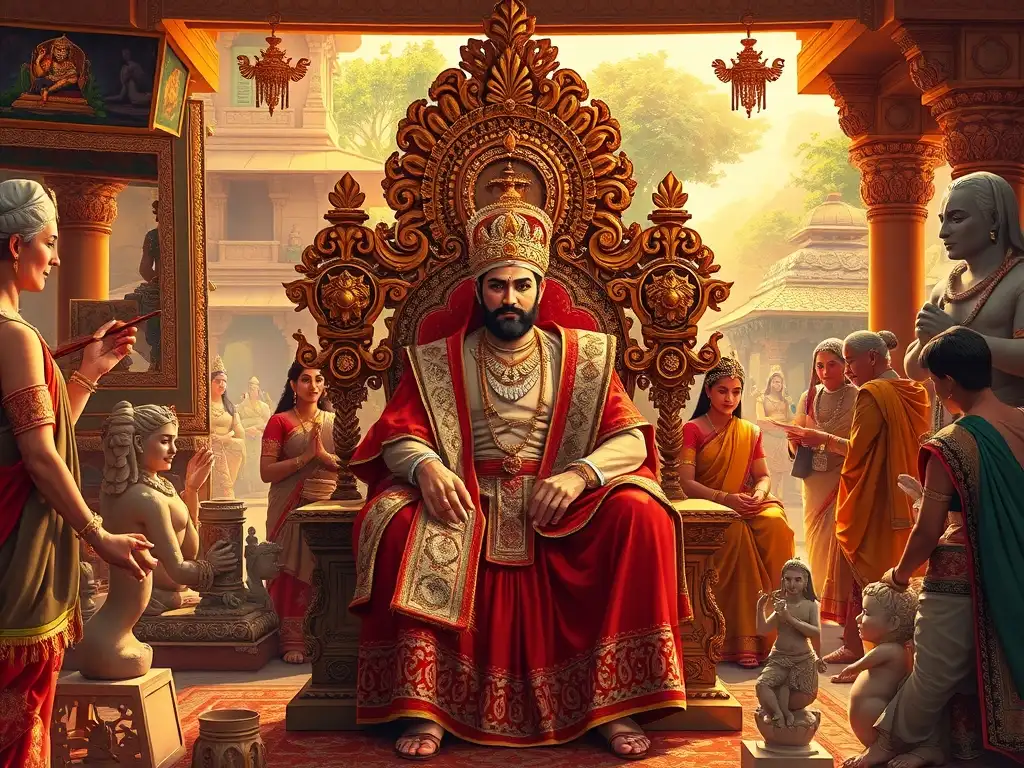
Introduction to Patronage in Ancient Indian Arts
The intricate tapestry of ancient Indian visual arts is woven with the threads of patronage, an essential force that influenced the creation and evolution of artistic expressions throughout the ages. From the majestic sculptures of the Indus Valley Civilization to the ornate frescoes of the Gupta Empire, the support of patrons—be they rulers, religious institutions, or affluent merchants—played a pivotal role in shaping the landscape of artistic creation.
This article delves into how patronage in ancient Indian arts not only facilitated the production of remarkable artworks but also fostered cultural development, reflecting the values, beliefs, and aspirations of the societies they emerged from.
Definition of Patronage in the Context of Visual Arts
In the context of visual arts, patronage refers to the act of providing financial support, resources, or protection to artists and artisans, enabling them to create and showcase their work. This support could manifest in various forms, including:
- Commissioning specific works: Patrons often commissioned artists to create sculptures, paintings, or architectural projects that aligned with their personal or societal values.
- Funding art schools and workshops: Wealthy patrons sometimes established institutions that trained artists and craftsmen, ensuring the continuation of artistic traditions.
- Creating spaces for art display: Patronage also involved the construction of temples, palaces, and public spaces where artists could display their work and engage with the community.
Importance of Patronage in Cultural Development
The significance of patronage in ancient Indian arts extends beyond mere financial support; it is deeply intertwined with cultural development. Some key aspects include:
- Preservation of Artistic Traditions: Patronage helped in the preservation and transmission of ancient art forms, as patrons often sought to document their legacy through artistic expression.
- Fostering Innovation: With the backing of influential patrons, artists were encouraged to experiment with new techniques and styles, leading to innovative artistic movements.
- Reflecting Societal Values: The themes and subjects chosen by artists often mirrored the priorities and beliefs of their patrons, thereby offering insights into the cultural and historical context of the time.
Historical Overview of Patronage in Ancient India
The history of patronage in ancient India is marked by various systems and influential figures who have shaped the visual arts. Understanding these elements provides a clearer view of how art and culture evolved throughout different periods.
Patronage Systems in Different Periods
- Indus Valley Civilization (c. 3300–1300 BCE): Artisans thrived under the patronage of organized urban centers, creating intricate seals and pottery that reflected societal life.
- Maurya Empire (c. 322–185 BCE): The patronage of Emperor Ashoka led to the proliferation of Buddhist art, including stupas and carvings that illustrated the teachings of Buddhism.
- Gupta Empire (c. 240–550 CE): Often referred to as the "Golden Age" of Indian art, this period saw royal patronage fostering a renaissance in sculpture, painting, and temple architecture.
Key Patrons of Ancient Indian Arts
Throughout ancient Indian history, several notable patrons emerged, each contributing to the flourishing of visual arts:
- Emperor Ashoka: His support for Buddhism resulted in monumental architecture and exquisite carvings that conveyed Buddhist principles.
- King Samudragupta: A patron of the arts, he commissioned numerous sculptures and inscriptions that celebrated his military conquests and cultural achievements.
- Rulers of the Chola Dynasty: They were instrumental in promoting temple architecture and bronze sculptures, which remain highly regarded in the history of Indian art.
The exploration of patronage in ancient Indian arts reveals a dynamic interplay between artists and their benefactors, shaping not only the visual landscape but also the cultural narrative of ancient India.
Types of Patronage in Ancient Indian Visual Arts
Patronage played a crucial role in the development and evolution of visual arts in ancient India. Various forms of patronage emerged, each contributing uniquely to the artistic landscape. The three primary types of patronage that significantly influenced ancient Indian visual arts are royal patronage, religious patronage, and merchant and community patronage.
Royal Patronage and Its Influence
Royal patronage was perhaps the most significant force driving the visual arts in ancient India. Kings and emperors commissioned large-scale projects, which included monumental sculptures, intricate frescoes, and elaborate temple architectures. The Mauryan Empire (322-185 BCE) serves as a prime example, with Emperor Ashoka's patronage leading to the creation of iconic structures like the Sanchi Stupa and the Ashoka Pillars.
Royal patronage was characterized by:
- Financial Support: Monarchs allocated substantial resources to art and architecture, enabling artists to work without financial constraints.
- Political Symbolism: Art often reflected the power and ideology of the ruling class. For instance, sculptures of kings on horseback not only showcased artistic skill but also conveyed messages of strength and leadership.
- Cultural Exchange: Royal courts attracted artists from diverse regions, fostering a blend of styles and techniques that enriched the visual arts.
Religious Patronage and Artistic Expression
Religious institutions, particularly temples, were pivotal patrons of the arts. The devotion to deities and the desire to create spaces for worship led to an explosion of artistic expression. Temples constructed during the Gupta period (c. 240-550 CE) are notable for their intricate carvings and sculptures, which depicted various deities and mythological narratives.
Key aspects of religious patronage include:
- Spiritual Significance: Artworks were often designed to enhance the devotional experience, making them integral to rituals and ceremonies.
- Iconography: Each culture and religion had specific iconographic styles. For example, Hindu temples featured sculptures of gods and goddesses, while Buddhist art focused on the Buddha's life and teachings.
- Community Involvement: Religious patronage often involved local communities contributing resources or labor, thus fostering a sense of collective identity and participation in the arts.
Merchant and Community Patronage
Merchant and community patronage emerged as important forces, particularly in urban centers where trade flourished. Wealthy merchants and guilds commissioned artworks for both personal and public display, often reflecting their values and aspirations.
This form of patronage was characterized by:
- Diverse Influences: As trade routes expanded, so did artistic influences from other cultures, leading to a fusion of styles and techniques.
- Civic Art: Merchants funded public artworks, such as sculptures and murals, which beautified cities and served to commemorate important events or figureheads.
- Support for Local Artists: Together, merchants and communities played a vital role in supporting local artisans, ensuring the continuation of traditional crafts and techniques.
Impact of Patronage on Artistic Styles and Techniques
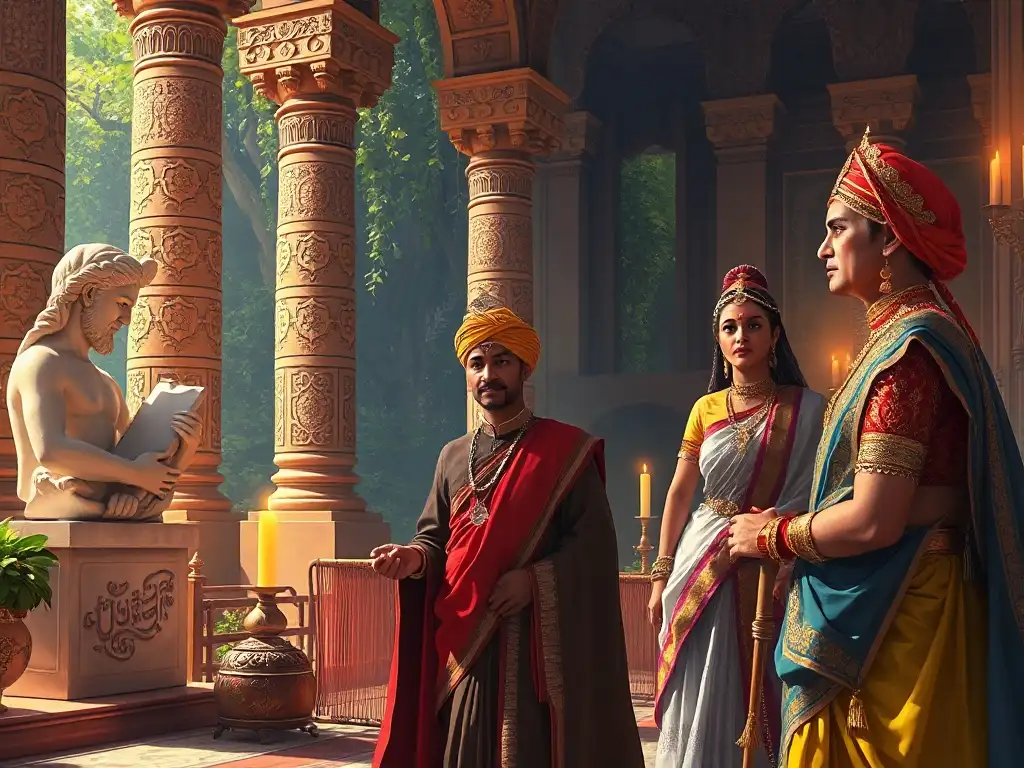
The various forms of patronage significantly impacted the artistic styles and techniques employed in ancient Indian visual arts. Each type of patronage left its imprint, shaping the trajectory of artistic expression.
Evolution of Art Forms Under Different Patronages
The evolution of art forms in ancient India can be traced through the lens of patronage. Royal patronage often led to grand, monumental art forms, while religious and community patronage encouraged a more diverse range of styles.
- Regional Variations: Different regions showcased distinct styles, influenced by the local patrons and their cultural backgrounds. For instance, the intricate carvings of the Khajuraho temples reflect the royal patronage of the Chandela dynasty, while the simplicity of early Buddhist art was shaped by the need for clarity in religious teachings.
- Medium and Technique: The availability of resources dictated the materials used in art. Royal projects often utilized stone and marble, while community arts might employ clay and wood, leading to a rich tapestry of techniques and mediums across India.
Innovations in Visual Arts Due to Patronage
Patronage also spurred innovation in artistic techniques and styles. Artists continuously experimented with new methods to satisfy the demands of their patrons.
- Architectural Innovations: The construction of temples during the Gupta period saw advancements in techniques such as corbel arches and intricate stone carving, which were developed to meet the aesthetic and structural demands of royal patrons.
- New Artistic Genres: The blending of different cultural influences, facilitated by trade and patronage, led to the emergence of new genres, such as miniature painting, which gained popularity among the Mughal emperors.
- Techniques of Expression: Artists began to explore emotional depth and narrative complexity in their works, driven by the desire of patrons to convey specific messages or themes through visual storytelling.
Patronage in ancient Indian arts was multifaceted and played a transformative role in shaping the visual arts landscape. From royal commissions that demonstrated power, to religious institutions that fostered spiritual expression, and community involvement that encouraged diversity, the impact of patronage is evident in the rich artistic heritage of ancient India.
The Relationship Between Artists and Patrons
The relationship between artists and patrons in ancient India was a complex and multifaceted dynamic that greatly influenced the development of visual arts. This relationship was built on mutual benefit: artists sought financial support, resources, and platforms to showcase their work, while patrons aimed to enhance their social status, religious devotion, and cultural legacy through the arts.
The patronage system not only served as a means of economic support for artists but also facilitated the flourishing of various art forms, styles, and innovations. This symbiotic relationship often led to the establishment of workshops, guilds, and schools where artistic traditions could be taught and preserved.
Patrons were typically members of the elite class, including kings, wealthy merchants, and religious institutions. Their preferences and tastes dictated the themes, materials, and techniques employed by artists. In many instances, the patron's identity and status were directly reflected in the commissioned works, which often depicted mythological stories, religious iconography, and historical narratives. As a result, the visual arts became a powerful medium for asserting authority and lineage, intertwining the fates of artists and their patrons.
Dynamics of Artist-Patron Relationships
The dynamics of artist-patron relationships were characterized by negotiation, collaboration, and at times, competition. Artists would often present their portfolios or previous works to potential patrons, hoping to secure commissions. The negotiation process could involve discussions around the artwork's theme, medium, scale, and completion time. Successful artists not only had to possess technical skills but also the ability to navigate social hierarchies and understand the patron's desires and expectations.
Moreover, these relationships often extended beyond mere transactions; many artists cultivated long-term associations with specific patrons. This continuity allowed artists to develop distinctive styles and techniques that resonated with the patron's vision. In some cases, artists were even adopted into the patron's household, receiving protection and support while contributing to the patron's cultural endeavors. However, the dependence on patronage also meant that artists faced challenges, such as the risk of losing their status if a patron's fortune declined or if they lost favor.
Case Studies of Prominent Artists and Their Patrons
Several notable artists exemplify the intricate relationships they had with their patrons. One such artist is Madhava Rao, a celebrated painter during the reign of the Mughal Emperor Akbar. His works adorned the royal court, and he was known for his detailed miniatures that combined Persian influences with indigenous themes. Akbar's patronage not only provided Madhava Rao with the resources to create his art but also positioned him as a key figure in the royal cultural narrative.
Another prominent example is Vijay Singh, a sculptor who thrived under the patronage of the Chola dynasty in South India. His masterpieces, including intricate temple sculptures, were commissioned to honor deities and commemorate royal achievements. The Chola rulers' support enabled him to experiment with new techniques and materials, leading to innovations in sculptural representation that are still revered today.
Regional Variations in Patronage of Visual Arts
Patronage of visual arts in ancient India was not uniform; it varied significantly across different regions due to cultural, religious, and economic factors. Each region developed its unique artistic styles and practices, shaped by local traditions and the specific interests of patrons. This regional diversity enriched the panorama of ancient Indian art, reflecting the myriad influences that defined each area.
North India vs. South India: A Comparative Analysis
In North India, patronage was often associated with royal courts and imperial powers, such as the Mughals and Rajputs. The emphasis was on grandiose displays of wealth and power, leading to the creation of elaborate miniatures and intricate frescoes. These artworks frequently highlighted themes of valor, romance, and divine intervention, reflecting the socio-political context of the time.
Conversely, in South India, the patronage system was heavily influenced by temple architecture and religious practices. The Chola and Pandya dynasties commissioned monumental sculptures and temple frescoes that depicted various deities and mythological narratives. The focus here was on spiritual devotion and the enhancement of religious spaces, leading to a different aesthetic approach that emphasized grandeur and intricate details.
Influence of Local Cultures on Art Patronage
Local cultures played a significant role in shaping the nature of patronage in visual arts. In regions with strong folk traditions, such as Rajasthan, artists often drew inspiration from local stories, rituals, and festivals, resulting in a vibrant and colorful artistic expression. Patrons in these areas were typically local chieftains or wealthy merchants who commissioned works that resonated with their communities' cultural heritage.
In contrast, areas with dominant religious influences, like Buddhist and Hindu centers, saw patronage geared towards the creation of art that served spiritual purposes. Temples became key sites for artistic commissions, with patrons focusing on artworks that would attract devotees and enhance their spiritual experience. This interplay between local culture and patronage not only shaped the visual arts but also contributed to the preservation and evolution of diverse artistic traditions across ancient India.
Challenges Faced by Artists Due to Patronage
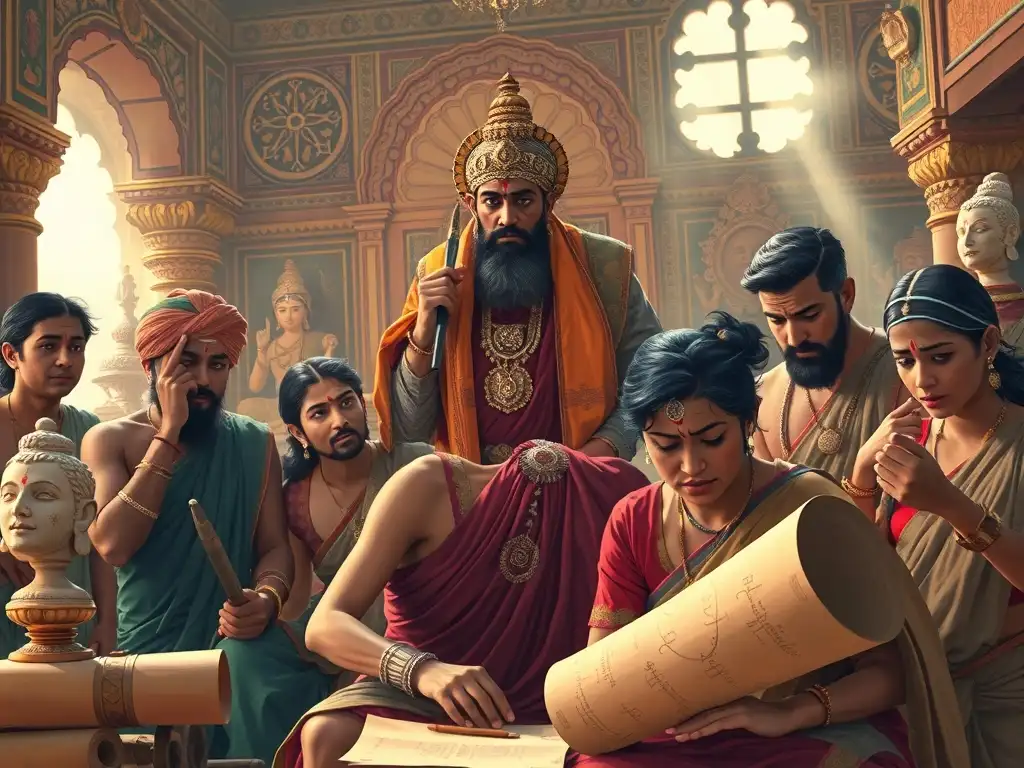
Patronage played a crucial role in shaping ancient Indian visual arts, yet it also presented various challenges that artists had to navigate. The relationship between artists and their patrons often dictated the nature and direction of artistic expression, leading to constraints that influenced creativity and innovation.
Limitations Imposed by Patron Expectations
One of the primary challenges artists encountered was the limitations imposed by the expectations of their patrons. Patrons, often belonging to the royal or elite classes, had specific tastes and preferences that artists were required to adhere to. This meant that many artists were forced to conform to established styles and themes, which could stifle originality and experimentation.
For example, in the courts of the Maurya and Gupta empires, artists often had to produce works that aligned with the religious and cultural ideologies favored by their patrons, such as Hinduism and Buddhism. The pressure to create art that resonated with the patron's beliefs could limit the diversity of artistic expression, leading to a more homogeneous body of work.
The Impact of Political Changes on Artistic Production
Political instability and changes in leadership significantly impacted artistic production in ancient India. As dynasties rose and fell, so too did their patronage of the arts. For instance, the decline of the Gupta Empire in the 6th century resulted in a reduction of resources and support for artists, leading to a decline in the quality and quantity of art produced.
Additionally, shifts in power could result in a complete change of artistic direction. When new rulers came to power, they often brought different aesthetic preferences, which could render existing artistic styles obsolete. Artists had to adapt quickly to these changes to secure their livelihoods, often leading to a cycle of reinvention that, while fostering some innovation, also created uncertainty and inconsistency in the artistic landscape.
Conclusion: The Legacy of Patronage in Ancient Indian Visual Arts
The legacy of patronage in ancient Indian visual arts is profound and multifaceted. While it presented numerous challenges to artists, it also played a pivotal role in the development and preservation of artistic traditions.
Lasting Influence on Subsequent Art Movements
The influence of patronage can be seen in the subsequent art movements that emerged in India. Many artistic conventions established under the auspices of ancient patrons continued to inform later styles, such as Mughal and Rajput painting. The emphasis on specific themes, techniques, and iconography developed during ancient times laid the groundwork for future artistry. This continuity highlights the crucial role that patronage played not just in the moment, but in shaping the trajectory of Indian visual arts for centuries to come.
Reflection on the Importance of Patronage in Understanding Ancient Indian Culture
Understanding the role of patronage in ancient Indian arts is essential for a comprehensive view of ancient Indian culture. The dynamics between artists and patrons reflect broader societal values, beliefs, and power structures. By studying how patronage influenced artistic production, we gain insights into the cultural priorities of ancient Indian societies, including the interplay of religion, politics, and aesthetics. This understanding enriches our appreciation of the visual arts not only as aesthetic objects but also as historical documents that convey the complexities of human experience and expression in ancient India.
References
The study of patronage in ancient Indian arts reveals a rich tapestry of cultural, political, and social influences that shaped the visual landscape of the time. Here are some key references that provide insights into this subject:
- Kumar, N. (2010). Art and Society in Ancient India. New Delhi: Aryan Books International. This book explores the intersection of art and societal structures in ancient India, focusing on how patronage influenced artistic expression.
- Chakravarti, R. (2006). Patronage and Artistic Production in Medieval India. Delhi: Motilal Banarsidass Publishers. A detailed examination of the role of various patrons, including emperors and local rulers, in shaping the visual arts during the medieval period.
- Mehta, S. (2015). The Visual Arts in Ancient India: A Historical Overview. Jaipur: Rupa Publications. This work provides a comprehensive survey of ancient Indian visual arts, with a particular emphasis on the role of patronage through different periods.
- Sharma, P. (2018). Cultural Patronage in Ancient India: The Role of Kings and Temples. Bombay: Oxford University Press. This book delves into how temples and royal patronage influenced artistic traditions in ancient India.
Suggested Readings on Patronage in Ancient Indian Arts
For those interested in exploring the theme of patronage and its impact on the arts in ancient India further, the following readings are recommended:
- Awasthi, M. (2012). Royal Patronage: The Influence of Kings on Indian Art. This book highlights the dynamics between royal patrons and the artists they supported, showcasing specific case studies from various kingdoms.
- Bhattacharya, H. (2014). Art and Identity in Ancient India. This reading discusses how patronage shaped not only the art forms but also the identities of communities and rulers.
- Dutta, R. (2017). Patrons of the Arts: A Study of Ancient Indian Royal Courts. This work examines the role of royal courts in promoting artistic endeavors and the resulting cultural legacy.
- Rao, S. (2019). Temple Art and Patronage in Ancient India. This book focuses on the relationship between temple architecture, the visual arts, and the patronage provided by religious institutions.
Further Research Topics Related to Visual Arts in Ancient India
The exploration of patronage in ancient Indian arts opens up a myriad of research opportunities. Here are some suggested topics for further investigation:
- The Influence of Religious Patronage on Sculptural Styles: Investigate how different religious affiliations, such as Buddhism, Hinduism, and Jainism, shaped the visual arts and sculpture styles.
- Gender and Patronage in Ancient Indian Arts: Explore the role of female patrons in shaping artistic traditions and how gender dynamics influenced artistic production.
- Regional Variations in Artistic Patronage: Examine how different regions of ancient India, such as the Deccan, Northern India, and the coastal areas, developed unique artistic styles under diverse patronage systems.
- The Role of Guilds and Workshops in Artistic Production: Research how artisan guilds and workshops functioned under patronage systems and their impact on the quality and diversity of artistic output.
- Comparative Studies of Patronage in Other Ancient Civilizations: Analyze how patronage in ancient India compares with that in other civilizations, such as ancient Greece or Mesopotamia, to understand broader trends in art and culture.
- Introduction to Patronage in Ancient Indian Arts
- Historical Overview of Patronage in Ancient India
- Types of Patronage in Ancient Indian Visual Arts
- Impact of Patronage on Artistic Styles and Techniques
- The Relationship Between Artists and Patrons
- Regional Variations in Patronage of Visual Arts
- Challenges Faced by Artists Due to Patronage
- Conclusion: The Legacy of Patronage in Ancient Indian Visual Arts
- References
- What was the significance of patronage in ancient Indian arts?
- Which civilizations practiced patronage in ancient Indian arts?
- How did royalty influence the arts through patronage?
- What types of art were promoted through patronage in ancient India?
- How has the study of patronage in ancient Indian arts evolved?
Frequently Asked Questions
What was the significance of patronage in ancient Indian arts?
Patronage played a crucial role in the development of visual arts in ancient India, providing funding and support that allowed artists to thrive and innovate.
Which civilizations practiced patronage in ancient Indian arts?
Various ancient civilizations, including the Indus Valley and the Gupta Empire, established systems of patronage that significantly influenced artistic expression and cultural development.
How did royalty influence the arts through patronage?
Royal patrons often commissioned artworks, leading to the creation of unique styles and techniques that reflected their power and religious beliefs, thus shaping the artistic landscape.
What types of art were promoted through patronage in ancient India?
Patronage supported various art forms, including sculpture, architecture, and painting, which were often tied to religious and cultural themes prevalent during different periods.
How has the study of patronage in ancient Indian arts evolved?
Scholarly research on patronage has evolved to explore its impact on art styles, cultural exchange, and the socio-political context, highlighting its importance in understanding ancient Indian civilization.
Final Reflection: The Enduring Legacy of Patronage in Ancient Indian Arts
The intricate relationship between patronage and the evolution of ancient Indian visual arts remains profoundly relevant today. As we navigate a world increasingly defined by cultural exchange and artistic innovation, understanding the historical significance of patronage in shaping these art forms offers invaluable insights into how art can reflect societal values and aspirations. The legacy of these ancient patrons is not just a relic of the past; it serves as a reminder of the power of support and investment in the arts, which can transform communities and preserve cultural heritage.
The influence of patronage extends far beyond the confines of history books; it continues to resonate in contemporary society. The ways in which artists are supported and celebrated today echo the practices of ancient patrons who recognized the importance of art in expressing identity and spirituality.
As we witness a resurgence of interest in traditional art forms, we are reminded of the words of the renowned art historian, "Art is not a mirror to hold up to society, but a hammer with which to shape it." > This quote encapsulates the transformative power of art, urging us to consider how we can continue to foster creativity and support artists in our own communities.
As you reflect on the themes presented in this article, I invite you to consider your role in the ongoing narrative of art and patronage. How can you contribute to the support and appreciation of the arts in your own life? Whether through attending local exhibitions, supporting emerging artists, or advocating for arts education, every action counts. Let us carry forward the spirit of ancient patrons, recognizing that our engagement with the arts not only enriches our lives but also strengthens the cultural fabric of society for generations to come.
Unveil the Legacy of Ancient Indian Visual Arts!
Thank you for diving deep into the fascinating world of ancient Indian visual arts! We hope you’ve uncovered the significance of patronage in shaping these timeless masterpieces. Now, let's take that inspiration and turn it into action!
Here’s how you can further explore and engage with this captivating history:
- Craft Your Own Artistic Tribute: Start a creative project inspired by ancient techniques or themes. Whether it’s painting, sculpture, or photography, let your imagination flourish!
- Join a Local Art Group: Connect with others who share your passion for art by participating in community workshops or classes that focus on ancient techniques and styles.
- Share Your Insights: Don’t keep this knowledge to yourself! Share this article with friends and discuss which aspects of patronage resonate most with you.
What aspect of ancient Indian visual arts inspires you to create or learn more? We would love to hear your thoughts in the comments!