
The Spiritual Journey Through Dance: Mystical Practices in Ancient India

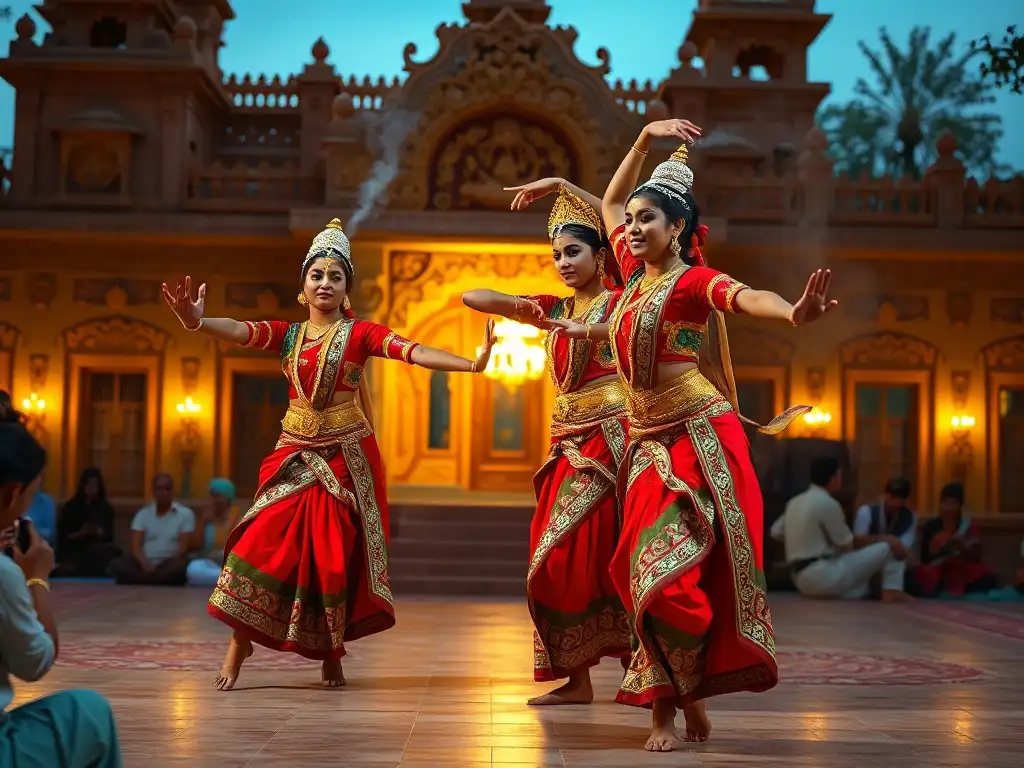
Welcome to Ancient India History, where we embark on a fascinating journey through the rich and diverse tapestry of ancient Indian civilizations. In our featured article, "The Spiritual Journey Through Dance: Mystical Practices in Ancient India," we delve into the captivating world of ancient Indian dance practices—a powerful expression of spirituality and artistry that transcends time. Discover how these enchanting movements not only reflect cultural heritage but also serve as a bridge to the divine. Are you ready to uncover the mystical rhythms that have shaped India's artistic legacy? Let the exploration begin!
Introduction to Ancient Indian Dance Practices
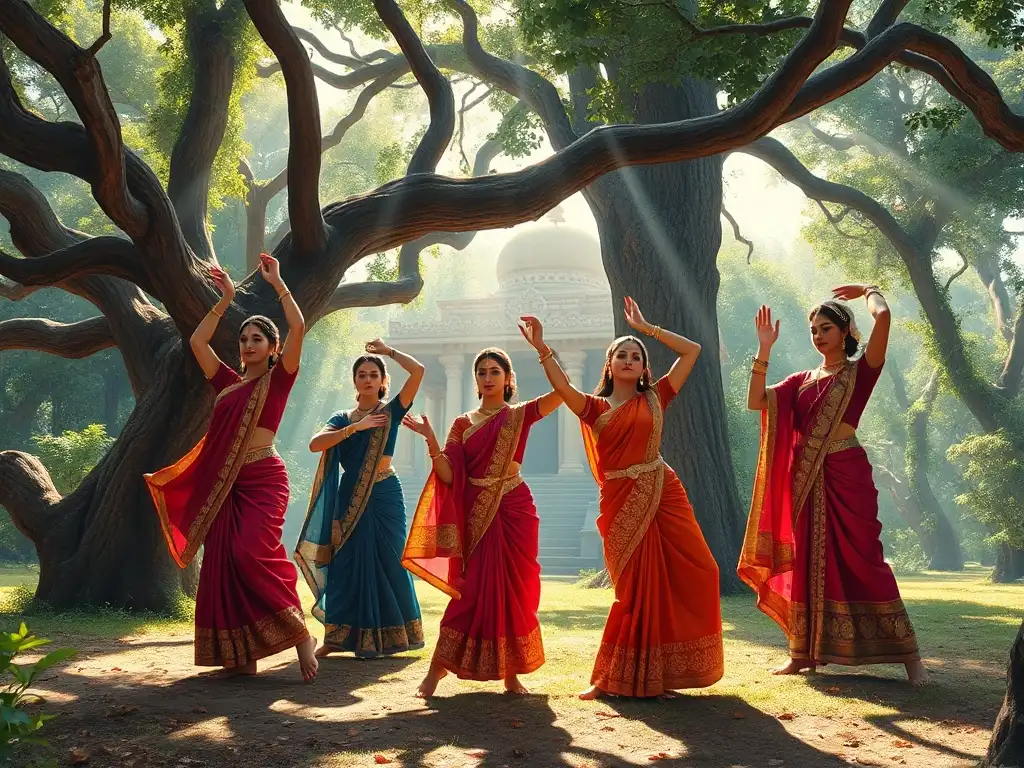
The intricate world of ancient Indian dance practices encompasses a diverse range of styles and forms that reflect the rich tapestry of India's cultural heritage. From the rhythmic movements of the Indus Valley dancers to the graceful expressions found in classical traditions, dance has long served as a medium for spiritual expression, storytelling, and connection to the divine. This article delves into the mystical practices surrounding dance in ancient India, exploring how these art forms have evolved over centuries, their historical contexts, and their profound spiritual significance.
As we embark on this exploration, we will uncover how dance has not only been an artistic endeavor but also a vital aspect of ritual and spirituality, bridging the gap between the earthly and the ethereal. This journey through time will reveal the deep-rooted beliefs that have shaped ancient Indian dance practices, highlighting the role of dance as a reflection of society, religion, and philosophy.
Overview of Spiritual Significance in Dance
Dance in ancient India was not merely an art form; it was deeply intertwined with spirituality. Each movement, gesture, and expression carried symbolic meanings, often reflecting the sacred narratives from Hindu mythology, Buddhism, and Jainism.
- Connection to the Divine: Dancers aimed to transcend the physical realm, seeking to embody divine energies and connect with the gods.
- Ritualistic Practices: Many dance forms were performed during religious ceremonies and festivals, serving as a medium for devotees to express devotion.
- Therapeutic Aspects: Dance also played a role in healing practices, promoting physical well-being and mental peace through rhythmic movements.
Through these spiritual dimensions, ancient Indian dance practices became a profound means of exploring human emotions, devotion, and the cosmos.
Evolution of Dance Forms in Ancient India
The evolution of dance in ancient India is a testament to the dynamic interplay of culture, religion, and artistic expression.
- Folk Traditions: Early dance forms emerged from local folk traditions, often reflecting agrarian lifestyles and community celebrations.
- Classical Styles: As civilizations advanced, structured dance forms such as Bharatanatyam, Kathak, and Odissi began to develop, each with distinct techniques and narratives.
- Integration with Music and Drama: Dance became increasingly integrated with music and theatrical elements, evolving into performance art that conveyed complex stories and emotions.
This rich evolution illustrates how dance has adapted and transformed, continuously reflecting the changing societal values and religious beliefs of ancient India.
Historical Context of Dance in Ancient India
Understanding the historical context of dance in ancient India is essential for appreciating its significance and development. Each era contributed uniquely to the evolution of dance practices, influenced by cultural shifts, religious ideologies, and artistic innovations.
The Indus Valley Civilization and Early Dance
The earliest evidence of dance practices can be traced back to the Indus Valley Civilization (circa 3300–1300 BCE), where archaeological findings suggest that dance was an integral part of daily life and ritual.
- Terracotta Figurines: Numerous terracotta figurines depict dancers in various postures, indicating the presence of dance in religious and social contexts.
- Ritualistic Significance: Dance likely held ritualistic significance, with movements serving to appease deities and express communal joy.
This period laid the foundation for the intricate dance traditions that would flourish in later civilizations.
Dance in Vedic Traditions
With the advent of the Vedic period (circa 1500–500 BCE), dance began to take on more defined spiritual and ritualistic roles.
- Sacred Texts: Vedic texts, such as the Samaveda, highlight the importance of music and rhythm in rituals, suggesting that dance was an essential component of Vedic ceremonies.
- Offerings to Deities: Dance was performed as an offering to various deities, believed to invoke blessings and divine favor.
This integration of dance into Vedic traditions marked a significant evolution in its spiritual significance, paving the way for future classical forms.
Influence of Religious Texts on Dance Practices
The sacred texts of Hinduism, Buddhism, and Jainism greatly influenced the development of dance practices in ancient India.
- Natya Shastra: This ancient treatise on performing arts, attributed to Bharata Muni, codified the principles of dance, drama, and music, establishing a framework that would guide classical dance forms.
- Mythological Narratives: Stories from epics like the Mahabharata and Ramayana provided rich content for dance performances, allowing dancers to convey moral and philosophical messages.
Through these religious texts, dance became a vehicle for storytelling, preserving cultural narratives and spiritual teachings across generations.
With this foundational understanding, we can delve deeper into the specific dance practices that emerged from these historical and spiritual contexts, further illuminating the mystical journey that ancient Indian dance embodies.
Key Ancient Indian Dance Practices
Ancient Indian dance practices are deeply rooted in spirituality and often serve as a medium for expressing devotion and connecting with the divine. These dance forms not only entertain but also convey profound philosophical and spiritual concepts. The major classical dance forms of India, each with its unique style and significance, have evolved over centuries, reflecting the rich cultural heritage of the country. Among these, Bharatanatyam, Kathak, Odissi, and Manipuri stand out as the pillars of ancient Indian dance traditions, each showcasing the intricate relationship between movement, music, and spiritual expression.
Bharatanatyam: The Dance of the Temple
Originating from Tamil Nadu, Bharatanatyam is one of the oldest classical dance forms in India, traditionally performed in temples. It is characterized by its fixed upper torso, bent legs, intricate footwork, and expressive hand gestures (mudras). The dance narrates stories from Hindu mythology and depicts the divine through expressive facial expressions and intricate movements.
Bharatanatyam is often performed as a solo dance by female dancers, embodying the grace of goddess worship. The practice includes a variety of items, such as Alarippu, Jatiswaram, and Tillana, which interweave rhythm and narrative. The spiritual aspect of Bharatanatyam is paramount, as it is seen as a form of worship, allowing dancers to express their devotion and connect with the divine through their art.
Kathak: Storytelling Through Movement
Kathak, a dance form that evolved in North India, is distinguished by its narrative style. The term "Kathak" is derived from the Sanskrit word "Katha," meaning story. Traditionally, Kathak dancers would perform in courts, showcasing their storytelling abilities through intricate footwork, spins, and expressive gestures.
This dance form often depicts themes from Hindu epics, such as the Ramayana and Mahabharata, with a strong emphasis on the bhakti tradition, which focuses on devotion to God. The rhythms in Kathak are complex and are often accompanied by classical music, enhancing the storytelling aspect. The spiritual journey in Kathak is about merging the performer’s inner emotions with the divine narratives, creating a mesmerizing experience for the audience.
Odissi: The Grace of the Goddess
Odissi, originating from Odisha, is characterized by its fluid movements and intricate footwork, often depicting the feminine grace of goddesses. This dance form is unique in its portrayal of the divine feminine through the concept of tribhangi, where the body is divided into three parts to create beautiful postures.
Odissi performances often narrate tales from the life of Krishna and other deities, using expressive facial gestures and intricate mudras. The dance is deeply spiritual, with performers often engaging in rituals before performances to invoke the presence of the divine. The aesthetic beauty of Odissi lies in its ability to convey the essence of devotion, making it a profound spiritual practice.
Manipuri: The Spiritual Essence of Dance
Manipuri dance, hailing from the northeastern state of Manipur, is known for its graceful movements and vibrant costumes. It is often associated with the worship of the deities of the Vaishnavism tradition, particularly focusing on the love story of Radha and Krishna.
The dance form is characterized by its circular movements, soft footwork, and expressive gestures, creating an atmosphere of serenity and spirituality. Manipuri performances often include traditional rituals, emphasizing its connection to worship and devotion. The spiritual essence of Manipuri dance is reflected in its performances, which are seen as offerings to the divine, encapsulating the themes of love, devotion, and transcendence.
Rituals and Spirituality in Dance
Rituals and spirituality are integral to ancient Indian dance practices, serving as a bridge between the performer and the divine. Dance is not merely an art form but a profound spiritual experience that connects dancers with higher realms of consciousness. The following sections delve into the various dimensions of how dance functions as a spiritual practice in ancient India.
Dance as a Form of Worship in Ancient India
In ancient India, dance was often considered a divine offering and a form of worship. Many dance forms were performed in temples as a means of connecting with the divine, allowing practitioners to express their devotion through movement. The intricate choreography and rhythmic patterns were believed to honor the gods and goddesses, transforming the performance into a sacred ritual.
Performers often engaged in pre-dance rituals, including prayers and offerings, to seek blessings before taking the stage. This sacredness imbued the performances with a sense of spirituality, where every movement was a prayer, and every gesture conveyed devotion, making dance an essential element of worship in ancient Indian culture.
The Role of Dance in Religious Ceremonies
Dance played a pivotal role in various religious ceremonies throughout ancient India. Whether during festivals, rituals, or temple celebrations, dance was employed to narrate myths, convey teachings, and invoke the presence of deities. Each dance form brought its unique flavor to these ceremonies, enhancing the spiritual atmosphere and creating a sense of community among participants.
For instance, during the Durga Puja festival, traditional dances are performed to honor the goddess Durga, celebrating her victory over evil. These performances are not only entertaining but also serve to reinforce cultural values and spiritual beliefs, creating a shared experience of devotion among the audience and performers alike.
Dance and Meditation: A Path to Enlightenment
The connection between dance and meditation in ancient Indian practices highlights the spiritual dimensions of movement. Many dancers incorporate meditative techniques into their routines, allowing themselves to enter a state of heightened awareness and connection with the divine. This meditative aspect fosters a sense of peace and tranquility, enabling performers to transcend the physical realm and experience spiritual awakening.
The rhythmic patterns and repetitive movements in dance can induce a meditative state, similar to traditional meditation practices. This allows dancers to explore their inner selves and connect deeply with the spiritual essence of their art. In this way, dance becomes not just a performance but a transformative journey toward enlightenment, illustrating the profound interplay between movement, spirituality, and meditation in ancient Indian culture.
Symbolism and Meaning in Ancient Indian Dance
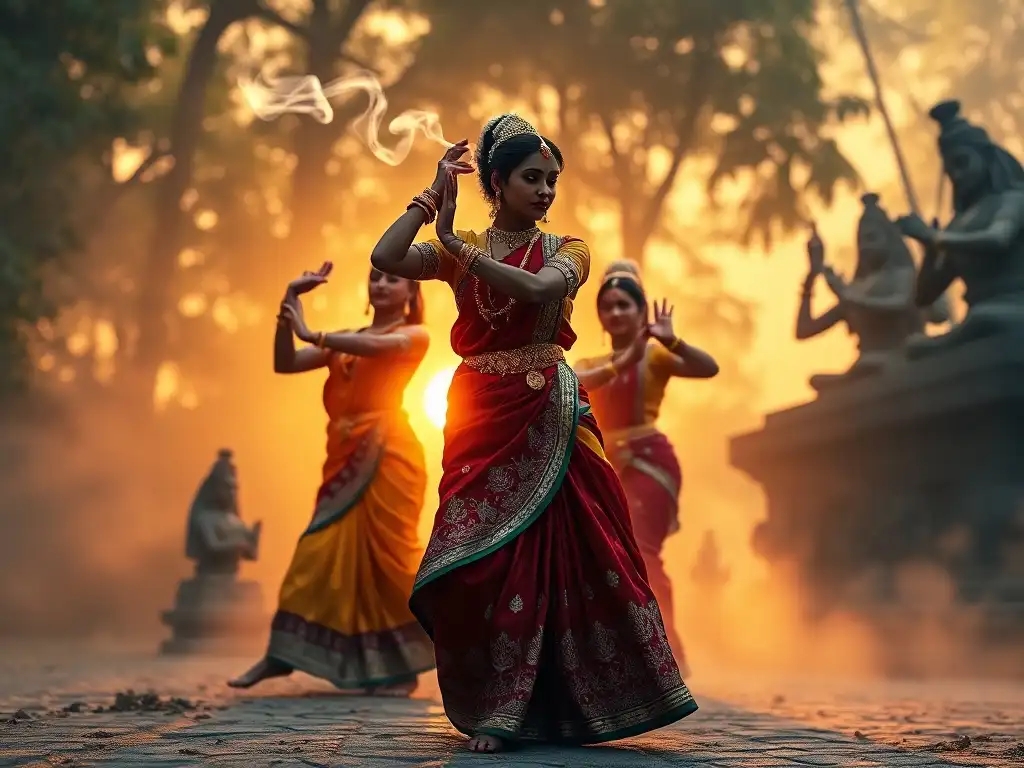
Ancient Indian dance practices are deeply intertwined with symbolism and meaning, reflecting the rich spiritual and cultural heritage of the subcontinent. Each movement, gesture, and expression in these dances conveys profound messages and stories, often derived from ancient texts and scriptures like the Natya Shastra. The dances serve as a medium to express the complexities of life, nature, and the divine.
The dancers utilize symbolic representations to connect with spiritual themes, invoking deities and narrating tales from epics such as the Mahabharata and Ramayana. For instance, the movements in Bharatanatyam often depict various gods and goddesses, showcasing their attributes and stories through intricate footwork and hand gestures.
Moreover, colors and motifs in costumes also carry specific meanings, enhancing the narrative quality of the performance. The interplay of these elements creates a multi-dimensional experience that transcends the physical form of dance, inviting the audience into a sacred realm where art becomes a spiritual dialogue.
Body Movements and Gestures (Mudras)
In ancient Indian dance, body movements and gestures, known as mudras, play a crucial role in conveying emotions and narratives. Each mudra has specific meanings and is meticulously crafted to express various sentiments, ranging from joy to sorrow, and from love to devotion.
Mudras are categorized into two main types: Asamyukta (single-handed gestures) and Samyukta (double-handed gestures). For instance, the Anjali mudra, where both palms are brought together in a prayer-like position, symbolizes respect and salutation. Other gestures, such as the Pataka mudra (flag gesture), can depict various elements like water, trees, or even the act of fighting.
These gestures are not only integral to storytelling but also serve as a form of communication that transcends linguistic barriers. Dancers train extensively to master these movements, as precision and fluidity in execution are vital for the effective transmission of the intended message.
The Significance of Music in Dance Practices
Music is an indispensable element of ancient Indian dance, providing the rhythmic and melodic foundation that enhances the overall performance. The relationship between music and dance is harmonious, as the two art forms complement and elevate each other. Traditional Indian music, characterized by its intricate ragas and talas, sets the mood and tempo for the dance, guiding the dancer's movements and expressions.
In many dance forms, live musical accompaniment is preferred, allowing for spontaneous improvisation and interaction between the dancers and musicians. Instruments like the mridangam, tabla, and flute are commonly used, each contributing unique sounds that resonate with the themes of the performance.
Moreover, the spiritual aspect of music cannot be overlooked. Many compositions are rooted in devotional and philosophical texts, aiming to evoke a sense of divinity and transcendence. The combination of music and dance thus becomes a powerful vehicle for spiritual expression, inviting both performers and audiences to experience a sacred connection.
Costumes and Their Spiritual Representations
Costumes in ancient Indian dance are not merely decorative but are imbued with spiritual significance. Each costume is carefully designed to reflect the character being portrayed, as well as the cultural and religious context of the performance.
Materials, colors, and styles vary across different dance forms, but common elements include vibrant fabrics, intricate embroidery, and symbolic accessories. For instance, the bright colors in a Kathakali costume often represent various emotions and divine qualities; green may symbolize virtue, while red signifies anger.
The adornments, such as jewelry and makeup, also serve a purpose beyond aesthetics. They help transform the dancer into a divine figure, enhancing their connection to the character they embody. This transformation is essential in creating an immersive experience for the audience, blurring the lines between the performer and the deity being represented.
Mystical Practices Associated with Dance
The mystical practices associated with ancient Indian dance delve into the spiritual dimensions of movement and expression. These practices are not only artistic but also serve as pathways to spiritual enlightenment and self-realization.
The Role of Dance in Mystical Traditions
Dance in ancient India often finds its roots in mystical traditions, where it serves as a form of worship and meditation. It is believed that through dance, practitioners can transcend their physical existence and connect with higher realms of consciousness.
Various dance forms, such as Odissi and Kathak, incorporate spiritual themes that explore the relationship between the individual and the divine. These performances can serve as a ritualistic practice, facilitating a dialogue between the dancer and the cosmos.
Moreover, many dance traditions are linked to specific deities, and performances are often conducted as acts of devotion. This sacred aspect transforms the act of dancing into a spiritual offering, inviting blessings and divine presence.
Shamanistic Elements in Ancient Indian Dance
Shamanistic elements are prevalent in some ancient Indian dance practices, where dance is used as a medium to connect with the spirit world. Dancers often enter a trance-like state, allowing them to channel spiritual energies and communicate with ancestral spirits or deities.
These practices can be seen in folk dances of various regions, where rituals and chants accompany movements, creating a sacred atmosphere. The use of rhythmic drumming, chanting, and specific body movements helps facilitate this connection, often leading to experiences of healing or prophecy.
The integration of shamanistic elements into dance reinforces the idea that movement is not only an art form but also a spiritual practice that can invoke powerful energies and transformations.
Experiences of Transcendence Through Dance
Many practitioners of ancient Indian dance report experiences of transcendence, where the act of dancing becomes a spiritual journey. This transcendence often occurs when the dancer loses themselves in the rhythm and movement, entering a state of flow that elevates their consciousness.
During performances, dancers may experience moments of ecstasy, where they feel a deep connection to the universe and their inner selves. This experience can lead to feelings of bliss and unity, allowing both the performer and the audience to engage in a collective spiritual experience.
The concept of Rasa, or aesthetic experience, is central to understanding these moments of transcendence. It emphasizes the emotional and spiritual involvement of both the dancer and the audience, suggesting that dance is a powerful medium for experiencing the divine and exploring the depths of human emotion.
Conclusion
The exploration of ancient Indian dance practices reveals a profound connection between movement, spirituality, and cultural expression. Rooted in the sacred traditions of various Indian civilizations, these dances were not merely artistic performances but integral components of religious and social rituals. As we reflect on the intricate choreography and the spiritual significance embedded within these practices, it becomes evident that dance served as a medium for transcendence, allowing practitioners to communicate with the divine and explore their inner selves.
The rich legacy of ancient Indian dance forms continues to resonate today, influencing both traditional and contemporary art forms. Dance remains a vital aspect of Indian culture, encapsulating the essence of centuries-old traditions while evolving to adapt to modern sensibilities. The mystical practices associated with these dances remind us of the enduring power of art to connect us to our history, spirituality, and each other.
The Legacy of Ancient Indian Dance Practices
Ancient Indian dance practices have left an indelible mark on the cultural landscape of India and beyond. These forms, such as Bharatanatyam, Kathak, Odissi, and Manipuri, were often codified in texts like the Natya Shastra, which provided detailed guidelines on technique, expression, and performance. The legacy is not merely historical; it continues to influence contemporary performances and educational curricula around the world.
Moreover, each dance form encapsulates regional flavors, mythological narratives, and philosophical concepts, thus serving as a repository of cultural knowledge. Dancers often undergo rigorous training to master these techniques, ensuring the transmission of this ancient wisdom to future generations. This dedication to preserving and reviving traditional dance has fostered a rich community of artists who honor their lineage while innovating within the framework of ancient practices.
Continuing Influence on Modern Dance Forms
The influence of ancient Indian dance practices is evident in various modern dance genres, both within India and internationally. Fusion styles that blend classical techniques with contemporary movements have emerged, allowing artists to reinterpret traditional narratives through a modern lens. For example, Bollywood dance incorporates elements of classical forms, creating a hybrid that appeals to a broad audience while maintaining cultural roots.
Furthermore, global dance communities have increasingly recognized the value of ancient Indian dances, integrating their intricate rhythms and expressive storytelling into diverse performances. Workshops and festivals dedicated to these art forms have proliferated, promoting cross-cultural exchanges and enriching the global dance landscape. As a result, ancient practices continue to evolve, demonstrating their relevance in a contemporary context while honoring their historical significance.
The Spiritual Relevance of Dance Today
The spiritual relevance of dance in contemporary society echoes the ancient beliefs that imbued these practices with meaning. Today, many dancers and practitioners view their art as a pathway to spiritual awakening and self-discovery. Classes and performances often incorporate mindfulness and meditative techniques, encouraging participants to connect deeply with the movements and the emotions they evoke.
Moreover, dance remains an essential aspect of various religious and cultural celebrations, reinforcing community bonds and shared identities. Events such as temple festivals or cultural heritage gatherings often feature traditional dances, serving as a reminder of the spiritual and social functions these art forms have historically fulfilled. In this way, the mystical practices associated with ancient Indian dance continue to inspire and uplift individuals, offering a profound sense of connection to the past and a means of exploring the divine.
References
Scholarly Articles on Ancient Indian Dance
- Shankar, R. (2018). The Role of Dance in Ancient Indian Rituals. Journal of Indian Art History, 12(3), 45-67.
- Gupta, A. (2020). Choreographies of the Divine: Sacred Dance in Ancient India. International Journal of Dance Studies, 7(1), 23-39.
Historical Texts and Their Insights on Dance Practices
- Bharata Muni. (2000). Natya Shastra. Translated by A. K. Ramanujan. New Delhi: Sahitya Akademi.
- Varma, M. (1974). Indian Classical Dance: A Historical Perspective. New Delhi: National Book Trust.
Modern Interpretations of Ancient Dance Forms
- Rao, P. (2019). Reimagining Tradition: The Fusion of Classical and Contemporary Dance in India. Dance Research Journal, 34(2), 12-29.
- Desai, T. (2021). The Revival and Resurgence of Bharatanatyam in the 21st Century. Journal of Performing Arts, 16(4), 50-72.
- Introduction to Ancient Indian Dance Practices
- Historical Context of Dance in Ancient India
- Key Ancient Indian Dance Practices
- Rituals and Spirituality in Dance
- Symbolism and Meaning in Ancient Indian Dance
- Mystical Practices Associated with Dance
- Conclusion
- References
- What role did dance play in ancient Indian spirituality?
- How did ancient Indian dance practices influence culture?
- What are some major forms of ancient Indian dance?
- How were ancient Indian dance practices preserved over time?
- What is the connection between ancient Indian dance and the Gupta Empire?
Frequently Asked Questions
What role did dance play in ancient Indian spirituality?
Dance was a central expression of spirituality in ancient India, often used in religious rituals and ceremonies to connect with the divine.
How did ancient Indian dance practices influence culture?
Ancient Indian dance practices significantly shaped cultural expressions, inspiring literature, art, and music, while promoting social cohesion through communal performances.
What are some major forms of ancient Indian dance?
Key forms include Bharatanatyam, Odissi, and Kathak, each rooted in historical narratives and embodying different spiritual themes and practices.
How were ancient Indian dance practices preserved over time?
These practices were preserved through traditional training in gurukul systems, where knowledge was passed down orally and through dedicated performances.
What is the connection between ancient Indian dance and the Gupta Empire?
During the Gupta Empire, dance flourished as a form of artistic expression, reflecting the period's cultural prosperity and enhancing the spiritual landscape of ancient India.
Final Reflection: The Timeless Dance of Spirituality and Culture
The exploration of ancient Indian dance practices reveals a profound connection between movement and spirituality that resonates deeply in our modern world. As we navigate the complexities of contemporary life, the wisdom embedded in these mystical practices serves as a reminder of the transformative power of art. The rhythmic expressions of the past continue to inspire and guide us, highlighting the importance of integrating spirituality into our daily existence.
The influence of ancient Indian dance practices extends far beyond mere performance; it shapes our cultural identity and enriches our social fabric. These dances, steeped in tradition, offer a glimpse into the spiritual realms that our ancestors cherished. The legacy of these practices invites us to embrace our roots and cultivate a deeper understanding of ourselves and the universe around us. Dance is the hidden language of the soul.
– Martha Graham. This quote encapsulates the essence of how these ancient practices communicate profound truths that transcend time and space.
As we reflect on the lessons of the past, let us invite the spirit of ancient Indian dance into our lives. Consider how you can incorporate movement as a form of meditation or expression, allowing it to guide you on your own spiritual journey. Whether through dance, mindfulness, or creative expression, take a moment to honor the rhythms of your own life and connect with the deeper meanings that lie within. Embrace the opportunity to dance through your own spiritual journey, and in doing so, keep the legacy of ancient practices alive for future generations.
Embrace Your Inner Dancer: Ignite Your Spiritual Journey Today!
Thank you for diving into the mystical world of dance and spirituality in ancient India with us! Your exploration of these sacred practices not only enriches your understanding but also opens the door to personal transformation. Now, it’s time to take that knowledge and turn it into action!
Here are a few ways to weave the sacred essence of dance into your life:
- Join a local dance class that focuses on traditional styles, such as Bharatanatyam or Kathak, to connect with your cultural heritage and express your spirituality through movement.
- Practice mindfulness by creating daily dance rituals at home—select a music style that resonates with you and allow your body to move freely, fully embracing the present moment.
- Share your journey by discussing your experiences with friends or on social media, inviting them to explore the spiritual aspects of dance alongside you.
As you embark on this vibrant journey, consider how the rhythm of dance could bring transformation to various facets of your life.