
The Art of Business: How to Start Your Own Handicraft Venture in India

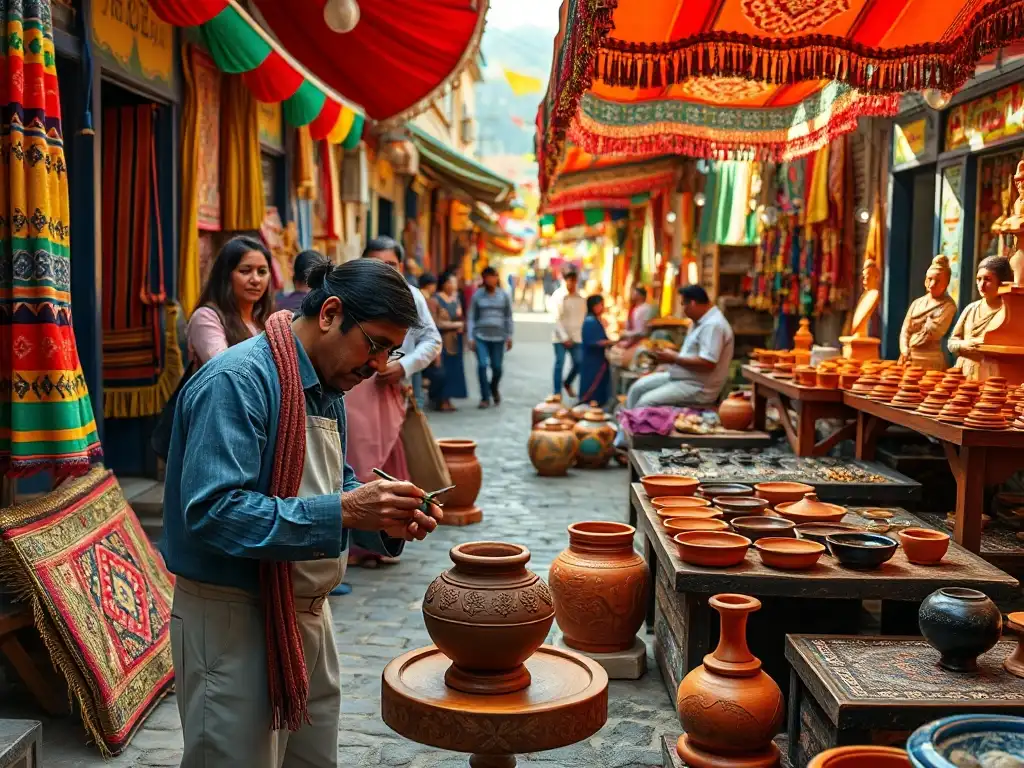
Welcome to Ancient India History, where we embark on a captivating journey through the rich tapestry of India's past, unveiling the extraordinary cultural and historical contributions of ancient civilizations. In our featured article, "The Art of Business: How to Start Your Own Handicraft Venture in India," we delve into the vibrant world of handicrafts—an enduring legacy that showcases the creativity and craftsmanship of Indian artisans. Are you curious about how to transform traditional art into a thriving business?
Join us as we explore both the timeless techniques and modern opportunities that can help you launch your own handicraft venture in this enchanting land. Read on to uncover the secrets of marrying heritage with entrepreneurship!
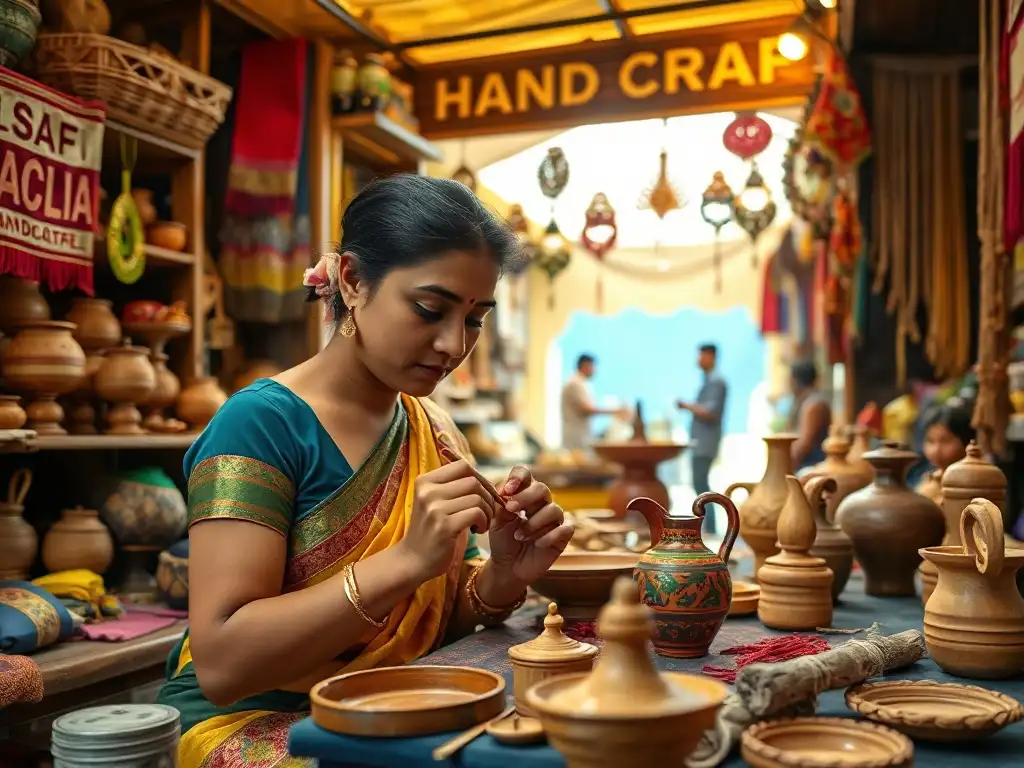
The handicraft business in India is not just a means of livelihood; it is a vibrant tapestry woven from centuries of tradition, creativity, and cultural significance. As you explore the rich heritage of Indian handicrafts, you will discover an incredible variety of craftsmanship that reflects the diverse history and skills of artisans across the country.
Starting your own handicraft venture can be both a fulfilling and profitable endeavor, enabling you to tap into a market that is increasingly appreciating unique, handmade products. In this article, we will delve into the intricacies of establishing a handicraft business in India, examining the current landscape, growth trends, and types of handicrafts that hold immense potential for aspiring entrepreneurs.
Introduction to the Handicraft Business in India
The handicraft sector in India is a powerful engine for economic growth, directly contributing to the livelihoods of millions of artisans. With a blend of artistic expression and entrepreneurial spirit, starting a handicraft business can open doors to various opportunities. Understanding the cultural context and market demand is crucial for anyone looking to enter this field.
- Key Highlights:
- Over 7 million artisans engaged in handicrafts
- Exports valued at approximately $2 billion annually
- Growing interest in sustainable and eco-friendly products
Understanding the Handicraft Business Landscape in India
To successfully navigate the handicraft business landscape in India, it is vital to grasp the current trends, challenges, and opportunities available. The sector is characterized by its diverse range of products, each with its unique story and significance.
The Growth of the Handicraft Sector in India
The handicraft sector has shown remarkable resilience and growth, driven by factors such as globalization, e-commerce, and increasing awareness of cultural heritage. The following points outline the growth trajectory of this sector:
- Market Expansion:
- Increased demand for handmade products both domestically and internationally
- The rise of online marketplaces providing artisans with broader reach
- Government Support:
- Initiatives like the "Crafts Village" and "Geographical Indications" to promote regional handicrafts
- Financial aid and training programs for skill development
Types of Handicrafts in India
India's handicraft industry is incredibly diverse, with various regions specializing in distinctive crafts. Here’s a brief overview of some prominent types of handicrafts:
- Textiles:
- Handloom Weaving: Saris, dhotis, and stoles from Bengal, Kanchipuram, and Varanasi
- Embroidery: Techniques like Chikan, Kashida, and Phulkari
- Pottery and Ceramics:
- Terracotta: Traditional pottery from regions like West Bengal and Odisha
- Blue Pottery: Distinctive art form from Jaipur
- Woodwork:
- Carving: Intricate designs from Saharanpur and Karnataka
- Furniture: Ethnic and contemporary styles
- Metal Crafts:
- Brass and Copper: Utensils and decorative items from Rajasthan and Gujarat
- Bidriware: Unique metal inlay work from Karnataka
- Jewelry:
- Traditional: Kundan, Meenakari, and Jadau jewelry from various states
- Contemporary: Fusion designs appealing to modern consumers
By understanding these aspects of the handicraft business, budding entrepreneurs can identify niche markets, leverage their unique skills, and create products that resonate with consumers both locally and globally. As you embark on this journey, the rich history and artistry of Indian handicrafts will not only inspire your venture but also connect you to a vibrant community of artisans and customers alike.
Steps to Starting Your Handicraft Business in India
Starting a handicraft business in India can be an enriching venture, providing not only financial rewards but also a means to promote cultural heritage. To succeed, it’s essential to follow a structured approach, ensuring that all aspects of the business are carefully planned and executed. Here are the key steps to embark on this entrepreneurial journey:
Identifying Your Niche in the Handicraft Market
Identifying a niche is crucial for the success of your handicraft business. The Indian handicraft market is vast and diverse, ranging from textiles and pottery to jewelry and woodwork. Here are some factors to consider when selecting your niche:
- Market Research: Conduct thorough research to understand current trends and demands. Explore online platforms, local markets, and exhibitions to gauge what products are popular.
- Personal Passion and Skills: Align your business with your personal interests and skills. If you have a particular affinity for a type of craft, it’s likely you will be more committed and innovative in that area.
- Target Audience: Identify your target demographic. Are you catering to local consumers, tourists, or international buyers? Understanding your audience will help you tailor your products accordingly.
- Unique Selling Proposition (USP): Determine what makes your products unique. This could be the materials used, the techniques employed, or the story behind your craft. A strong USP will help distinguish your brand in a competitive market.
Sourcing Raw Materials for Handicraft Production
Sourcing quality raw materials is vital for the production of handicrafts. The choice of materials can greatly influence the quality, cost, and marketability of your products. Here are some strategies for sourcing materials effectively:
- Local Suppliers: Establish relationships with local artisans and suppliers. This not only supports the community but often ensures fresher and more authentic materials.
- Trade Shows and Exhibitions: Attend handicraft fairs and trade shows to connect with suppliers and discover new materials. This can also provide valuable insights into market trends.
- Online Marketplaces: Utilize online platforms that specialize in sourcing materials for handicrafts. Websites like IndiaMART or Alibaba can connect you with a range of suppliers.
- Sustainability: Consider sourcing eco-friendly and sustainable materials. This not only appeals to a growing market segment concerned with sustainability but also enhances the story behind your product.
Setting Up Your Handicraft Business
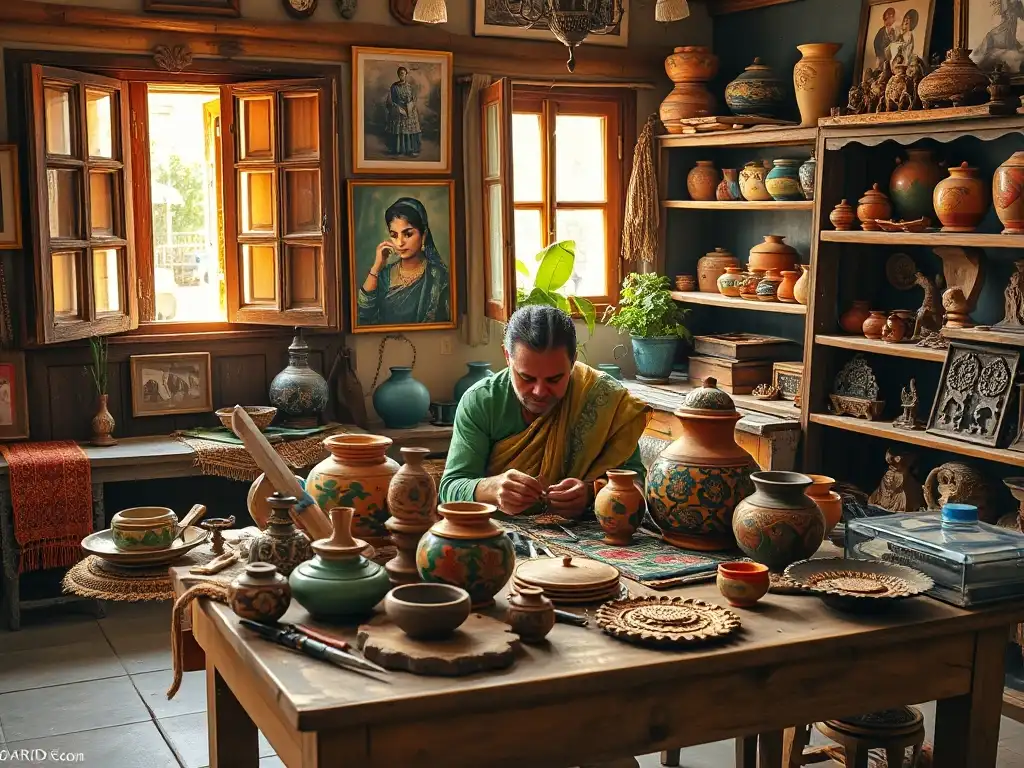
Once you have identified your niche and sourced your materials, the next step is to set up your business. This involves several key considerations, from legal compliance to strategic planning.
Legal Requirements for Starting a Business in India
Starting a handicraft business in India requires adherence to various legal regulations. Understanding these requirements is essential to operate within the law and protect your business interests. Key legal steps include:
- Business Structure: Decide on the legal structure of your business (e.g., sole proprietorship, partnership, or limited liability company). Each structure has different implications for taxation, liability, and governance.
- Registration: Register your business with the relevant authorities. This may involve obtaining a Trade License from local municipal authorities and registering for Goods and Services Tax (GST) if your turnover exceeds the threshold limit.
- Intellectual Property: Consider registering your designs and trademarks. This helps protect your unique creations and brand identity from infringement.
- Compliance with Labor Laws: If you employ artisans or staff, ensure compliance with labor laws, including wages, working hours, and safety regulations.
Creating a Business Plan for Your Handicraft Venture
A well-structured business plan is a crucial roadmap for your handicraft venture. It outlines your business goals, strategies, and the financial framework necessary for success. Key components of a business plan include:
- Executive Summary: Provide an overview of your business, including your mission statement and the products you plan to offer.
- Market Analysis: Detail your market research findings, including target demographics, competition analysis, and market trends.
- Marketing Strategy: Outline how you plan to promote your products. This could include online marketing, participation in craft fairs, and collaborations with local retailers.
- Financial Projections: Develop financial forecasts, including startup costs, revenue projections, and break-even analysis. This will be essential for securing funding if needed.
- Operational Plan: Describe the operational aspects of your business, including production processes, supply chain management, and quality control measures.
By following these structured steps, you can lay a solid foundation for your handicraft business in India, turning your creative passion into a successful enterprise.
Marketing Your Handicraft Products
Marketing is a critical aspect of establishing and growing a handicraft business in India. The unique nature of handmade products requires a tailored marketing approach that resonates with potential customers. A successful marketing strategy should highlight the craftsmanship, cultural significance, and uniqueness of the products. Here are some key elements to consider when marketing your handicraft items:
- Storytelling: Sharing the story behind your handicrafts can create a deeper connection with customers. This includes the inspiration for your products, the techniques used, and the cultural heritage they represent. Engaging narratives can captivate buyers and encourage them to choose your products over mass-produced alternatives.
- Target Audience: Identifying and understanding your target audience is crucial. Research demographics, preferences, and purchasing behaviors to tailor your marketing efforts. This will help you craft messages that resonate and create products that meet the needs of your customers.
- Promotional Strategies: Utilize a mix of traditional and digital marketing strategies. Consider participating in local fairs, exhibitions, and craft shows to showcase your products. Online platforms such as social media and e-commerce websites can expand your reach and attract a larger audience.
- Networking: Building relationships with other artisans, suppliers, and potential collaborators can enhance your marketing efforts. Collaborations can lead to cross-promotional opportunities, thus increasing your visibility in the handicraft community.
Building Your Brand in the Handicraft Industry
Creating a strong brand identity is essential for standing out in the crowded handicraft market. Here are some strategies to build your brand effectively:
- Unique Value Proposition: Clearly define what sets your handicrafts apart from competitors. Whether it's the materials used, the techniques mastered, or the stories told, your unique value proposition should be at the forefront of your branding.
- Consistent Branding: Ensure that all your marketing materials, from your logo to packaging, reflect a consistent brand image. This consistency helps in building recognition and trust among consumers.
- Quality Assurance: High-quality products are vital in establishing a reputable brand. Focus on craftsmanship, durability, and aesthetic appeal to ensure customer satisfaction and repeat business.
- Customer Engagement: Engage with your customers through various channels and encourage feedback. Building a community around your brand can foster loyalty and transform customers into advocates who promote your products through word-of-mouth.
Effective Digital Marketing Strategies for Handicrafts
In the digital age, leveraging online platforms is essential for the success of your handicraft business. Here are some effective digital marketing strategies:
- Social Media Marketing: Utilize platforms such as Instagram, Facebook, and Pinterest to showcase your products visually. Engaging content, such as behind-the-scenes videos, tutorials, and customer testimonials, can drive interest and increase followers.
- Content Marketing: Create a blog or a YouTube channel to share insights about your handicrafts, such as the process of creating them or the cultural significance of certain designs. Valuable content can attract potential customers and improve your SEO ranking.
- Email Marketing: Build an email list to keep your audience informed about new products, upcoming sales, and events. Personalized email campaigns can enhance customer retention and encourage repeat purchases.
- Search Engine Optimization (SEO): Optimize your website and product listings for search engines. Use keywords related to the handicraft business in India to improve your visibility and drive organic traffic to your online store.
Selling Your Handicraft Products
Successfully selling your handicrafts requires a strategic approach to reach various customer segments. Understanding the different sales channels available can help you maximize your reach and profitability.
Exploring Sales Channels for Handicrafts
Identifying the right sales channels is crucial for your handicraft venture. Here are some popular options to consider:
- Online Marketplaces: Platforms like Etsy, Amazon Handmade, and Flipkart provide accessibility to a vast audience. Setting up a shop on these websites can significantly boost your sales potential.
- Personal Website: Having your own e-commerce website allows for greater control over your branding and customer experience. You can create a unique shopping experience that reflects your brand's identity.
- Local Craft Fairs and Exhibitions: These events allow you to showcase your products directly to consumers, providing an opportunity for face-to-face interactions and immediate feedback. They also help build community connections.
- Retail Partnerships: Collaborating with local boutiques, art galleries, and gift shops can increase your product visibility. Consignment agreements can be a low-risk way to get your products into retail stores.
Leveraging Affiliate Marketing for Additional Revenue
Affiliate marketing can be an excellent strategy to generate additional revenue for your handicraft business. Here’s how to leverage it effectively:
- Affiliate Programs: Set up an affiliate program where bloggers, influencers, and other businesses can earn a commission by promoting your products. This expands your reach while minimizing upfront marketing costs.
- Content Collaboration: Partner with affiliates who align with your brand values and aesthetics. Encourage them to create content that showcases your handicrafts, which can lead to increased traffic and sales from their followers.
- Tracking and Analytics: Use tracking tools to monitor the performance of your affiliate marketing campaigns. Analyzing data will help you understand which strategies work best and optimize your efforts for better results.
- Building Relationships: Nurture relationships with your affiliates by providing them with exclusive offers or bonuses. A strong, collaborative relationship can lead to sustained sales and enthusiasm for your brand.
Challenges in the Handicraft Business and How to Overcome Them
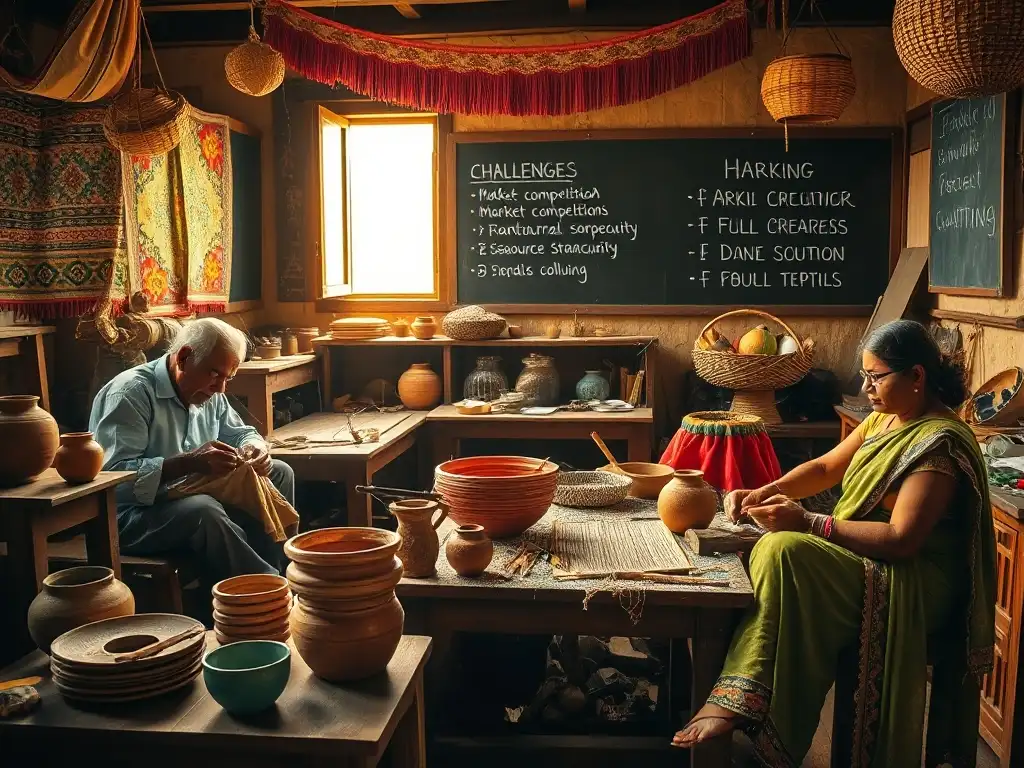
The handicraft business in India, while ripe with opportunities, presents a unique set of challenges that can hinder the growth and sustainability of ventures. Understanding these challenges and devising strategies to overcome them is essential for entrepreneurs looking to thrive in this vibrant sector.
Common Obstacles Faced by Handicraft Entrepreneurs
- Market Competition: The handicraft sector is crowded with both local artisans and large-scale manufacturers. This competitive landscape often makes it difficult for new entrants to carve out a niche.
- Supply Chain Issues: Sourcing raw materials can be a significant hurdle, especially for crafts that rely on specific, sometimes rare, materials. Delays in supply can disrupt production schedules.
- Quality Control: Maintaining consistent quality can be challenging when working with traditional techniques and materials. Variability can affect customer satisfaction and brand reputation.
- Limited Access to Technology: Many artisans lack access to modern technology, which can streamline production and improve product quality. This can result in inefficiencies and higher costs.
- Marketing and Visibility: Many small handicraft businesses struggle to reach their target audience due to limited marketing budgets and expertise. Without effective marketing strategies, even the best products may go unnoticed.
- Regulatory Challenges: Navigating the legal and regulatory framework in India can be complex, especially for new businesses. This includes obtaining necessary licenses and adhering to local labor laws.
Solutions and Strategies for Sustainable Growth
- Niche Market Identification: Entrepreneurs should focus on identifying and targeting niche markets where their products can stand out. This could involve unique designs, eco-friendly materials, or culturally significant items that appeal to specific consumer groups.
- Building Strong Supply Chains: Establishing reliable relationships with suppliers and exploring alternative sourcing options can help mitigate supply chain risks. Collaborating with local farmers or artisans for raw materials can also enhance sustainability.
- Quality Assurance Processes: Implementing strict quality control measures can help ensure that products meet customer expectations. Regular training and workshops for artisans can improve skills and consistency.
- Leveraging Technology: Investing in technology such as inventory management systems, e-commerce platforms, and digital marketing tools can enhance operational efficiency and broaden market reach.
- Effective Marketing Strategies: Utilizing social media, online marketplaces, and craft fairs can significantly boost visibility. Storytelling around the products and the artisans behind them can create a strong emotional connection with consumers.
- Navigating Regulations: Engaging with local business associations and legal experts can provide guidance on regulatory compliance, helping entrepreneurs focus on their core business activities without legal distractions.
Case Studies: Successful Handicraft Ventures in India
The Indian handicraft sector is home to numerous success stories that exemplify resilience and innovation. These case studies provide valuable insights into effective strategies and practices that aspiring entrepreneurs can adopt.
Inspiring Stories of Handicraft Entrepreneurs
- Rangsutra: Founded by a group of artisans and social entrepreneurs, Rangsutra focuses on empowering rural artisans by providing them with fair wages and a platform to showcase their crafts. Their model emphasizes sustainability and community engagement, leading to a successful brand that resonates with consumers who value ethical practices.
- Dastkar: This NGO promotes traditional crafts through exhibitions and online platforms, connecting artisans directly with consumers. By providing training and marketing support, Dastkar has helped numerous artisans thrive while preserving traditional crafts.
- Kalamkari: This venture specializes in hand-painted textiles and has gained international recognition. By leveraging digital marketing and e-commerce, Kalamkari successfully reached a global audience, showcasing the beauty of traditional Indian craftsmanship.
- Channapatna Toys: Known for their vibrant wooden toys, this cooperative has transformed the local handicraft industry. By focusing on quality and contemporary designs, they have successfully tapped into both domestic and international markets, proving that traditional crafts can adapt to modern tastes.
These inspiring stories demonstrate the potential of the handicraft business in India when combined with innovation, sustainability, and a commitment to quality and community.
Conclusion: The Future of Handicraft Business in India
The future of the handicraft business in India appears promising and vibrant, driven by a unique blend of rich cultural heritage and evolving market dynamics. As globalization continues to influence consumer preferences, there is an increasing appreciation for artisanal products that showcase traditional craftsmanship. This shift presents a significant opportunity for artisans and entrepreneurs to leverage their skills and creativity in establishing successful handicraft ventures.
One of the key factors influencing the growth of the handicraft business in India is the rising demand for sustainable and ethically sourced products. Consumers today are more conscious of their purchasing decisions, seeking items that reflect their values. Handicrafts, often made from natural materials and produced using environmentally friendly methods, perfectly align with this trend. Entrepreneurs can tap into this consciousness by promoting the stories behind their products, emphasizing the craftsmanship and cultural significance that adds value to their offerings.
Additionally, technology and digital platforms have transformed the way handicrafts are marketed and sold. E-commerce has made it easier for artisans to reach a global audience, allowing them to showcase their products without the traditional barriers of entry. Social media platforms provide a powerful tool for storytelling and brand building, enabling artisans to connect directly with customers and create a loyal following. By embracing these technological advancements, new ventures can enhance their visibility and compete effectively in both domestic and international markets.
Moreover, government initiatives and support for the handicraft sector play a crucial role in shaping its future. Various schemes aimed at promoting traditional crafts, providing financial assistance, and facilitating skill development are paving the way for artisans to thrive. Collaborations between the government, NGOs, and private sectors can lead to the establishment of training programs, exhibitions, and trade fairs that further enhance the visibility and viability of handicraft businesses.
As the demand for unique, high-quality, and culturally rich products continues to grow, the handicraft business in India is poised for significant expansion. By embracing sustainability, leveraging technology, and capitalizing on government support, aspiring entrepreneurs can carve out a successful niche in this flourishing industry. The future of handicrafts in India is bright, offering a blend of tradition and innovation that resonates with consumers around the world.
- Introduction to the Handicraft Business in India
- Understanding the Handicraft Business Landscape in India
- Steps to Starting Your Handicraft Business in India
- Setting Up Your Handicraft Business
- Marketing Your Handicraft Products
- Selling Your Handicraft Products
- Challenges in the Handicraft Business and How to Overcome Them
- Case Studies: Successful Handicraft Ventures in India
- Conclusion: The Future of Handicraft Business in India
Frequently Asked Questions
What is the significance of handicrafts in Indian culture?
Handicrafts are a vital part of India's cultural heritage, showcasing the artistry and skills of local artisans. They reflect the diversity of traditions across different regions.
How can I start my own handicraft business in India?
Starting a handicraft business involves researching the market, identifying your niche, and creating a business plan. Additionally, understanding the legal requirements and sourcing materials is crucial.
What are some popular handicraft items to sell in India?
Popular items include textiles, pottery, jewelry, and woodwork. These products often represent the local culture and attract both domestic and international buyers.
How can I market my handicraft products effectively?
Utilizing social media, setting up an e-commerce website, and participating in local fairs can help in promoting your handicraft products. Building a strong brand identity is also essential.
What challenges might I face in the handicraft business?
Challenges can include competition, supply chain issues, and the need for quality control. Additionally, staying updated with market trends is important for sustainability.
Final Reflection: Embracing Creativity in the Handicraft Business in India
The journey of starting a handicraft business in India is not just about entrepreneurship; it is about reviving traditions and fostering creativity in a rapidly changing world. As we navigate through the complexities of modern commerce, the significance of handicrafts stands out, reminding us of the rich cultural heritage that shapes our identity. The current resurgence of interest in artisanal products highlights the importance of supporting local artisans and preserving their crafts for future generations.
The impact of the handicraft business extends far beyond mere economic gain; it weaves a narrative of cultural pride and community empowerment. The revival of traditional crafts not only provides livelihoods but also strengthens the social fabric of our communities. As we see more individuals embracing this path, we are reminded of the words of Mahatma Gandhi, who said, The best way to find yourself is to lose yourself in the service of others.
This sentiment resonates deeply within the handicraft sector, where each creation tells a story and supports the artisans behind it.
As you reflect on the insights shared in this article, consider how you can contribute to the flourishing handicraft business in India. Whether you are an aspiring entrepreneur or a conscious consumer, your choices matter. Embrace the beauty of handmade products, support local artisans, and perhaps even explore your own creative venture. The future of the handicraft industry is bright, and it is in your hands to help it shine even brighter. Let your passion for creativity and culture guide you as you embark on this fulfilling journey.
Unleash Your Creativity: Start Your Handicraft Venture Today!
Thank you for diving into the world of handicrafts with us! We hope you found inspiration and valuable insights to ignite your entrepreneurial journey. Now, it’s time to take that enthusiasm and transform your ideas into action!
Here are some practical steps to kickstart your handicraft venture:
- Dive into your craft: Dedicate time each week to refine your skills and create quality products. Consider setting specific hours focused solely on your craft.
- Connect with your community: Participate in local craft fairs or engage in online forums to network with fellow artisans. Sharing your work can provide you with invaluable feedback and support.
- Promote your creations: Launch an Instagram or Facebook page to showcase your handicrafts. Craft engaging posts that narrate your journey and resonate with potential customers.
What unique piece will you create that reflects your vision for the future of handicrafts? We would love to hear your thoughts and spark a meaningful conversation!