
Crafting Connections: Building Partnerships in the Indian Handicraft Sector

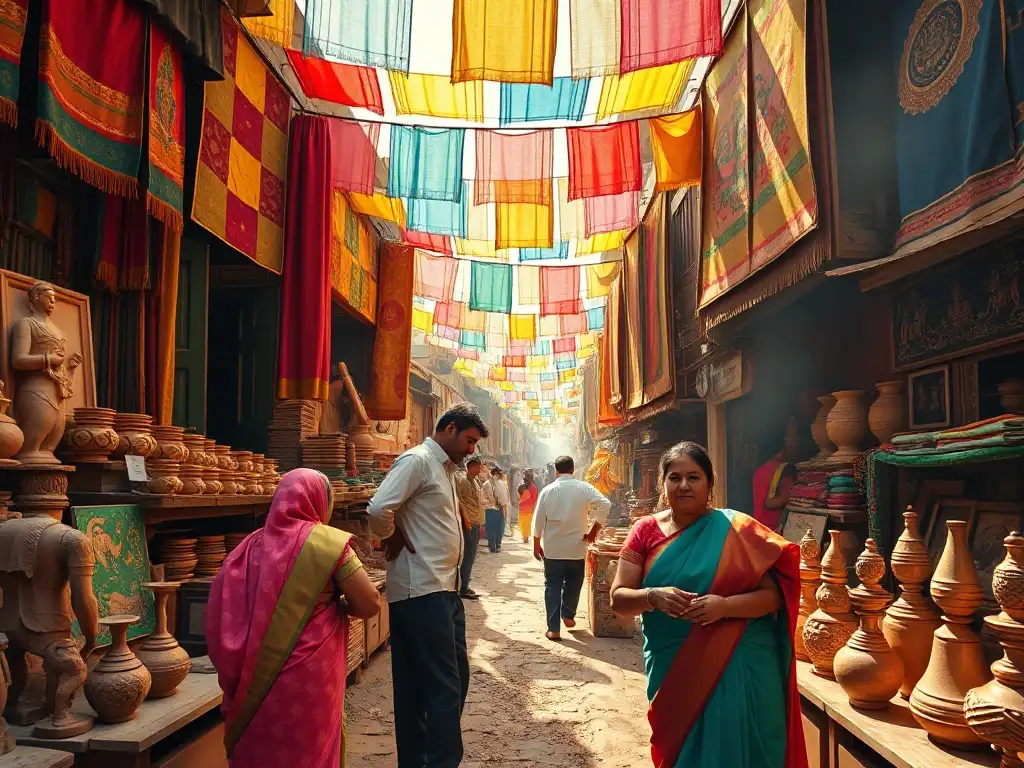
Welcome to Ancient India History, where we embark on a fascinating journey through the rich tapestry of India’s ancient civilizations. From the intricate designs of the Indus Valley to the flourishing arts of the Gupta Empire, our exploration reveals the profound cultural contributions that have shaped modern India.
In our featured article, “Crafting Connections: Building Partnerships in the Indian Handicraft Sector,” discover how the vibrant Indian handicraft industry partnerships are not just preserving tradition but also paving the way for innovative business opportunities. Join us as we delve deeper into the synergy of art and commerce, and uncover the stories that connect the past with the present.
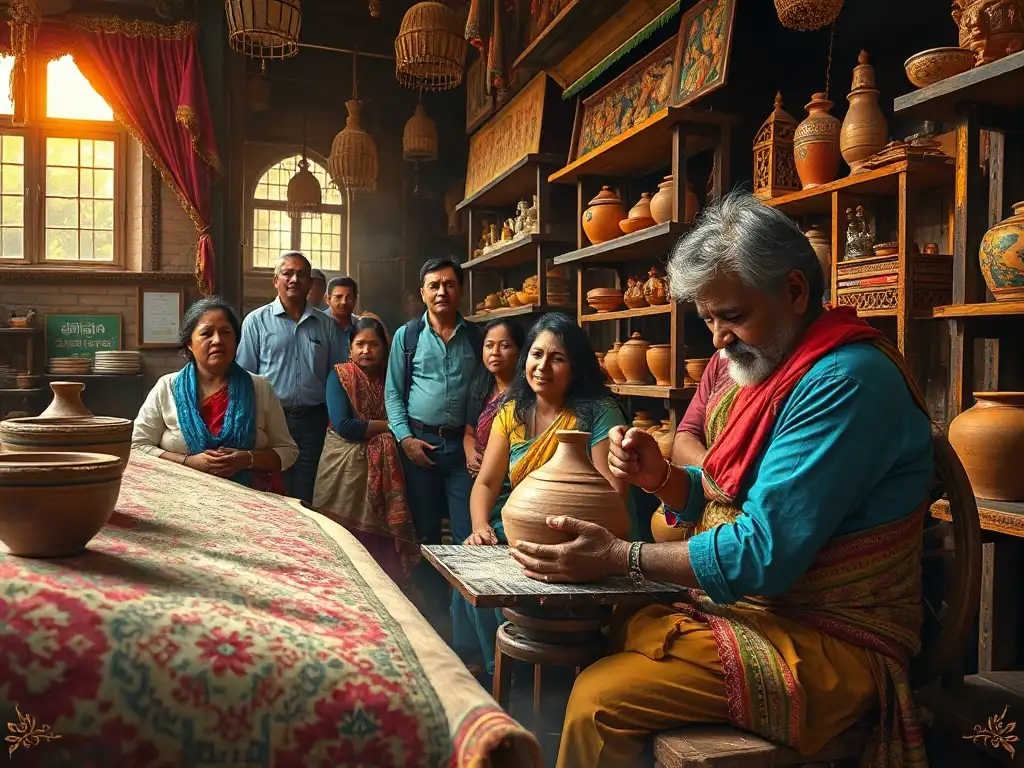
The Indian handicraft industry is a vibrant tapestry of creativity, tradition, and cultural heritage that reflects the artistic prowess of its artisans. Spanning thousands of years, this sector has not only contributed significantly to the economy but has also played a vital role in preserving the rich cultural identity of India. As globalization continues to reshape market dynamics, forming strategic partnerships within the Indian handicraft sector has become essential for artisans, businesses, and stakeholders alike.
These collaborations can foster sustainable growth, enhance market reach, and promote the unique artistry of Indian handicrafts to a global audience. In this article, we will explore the various dimensions of partnerships in the Indian handicraft industry, the landscape of opportunities that exist, and the myriad benefits these collaborations can bring to artisans and businesses.
Introduction to the Indian Handicraft Industry
The Indian handicraft industry is one of the largest unorganized sectors in the country, employing millions of artisans across diverse regions. It encompasses an array of products, from textiles and pottery to woodwork and metal crafts. With a rich heritage rooted in ancient traditions, the industry showcases a myriad of techniques and styles that vary by region, each with its unique story and craftsmanship.
- Key Features of the Indian Handicraft Industry:
- Diversity: With over 29 states, each region in India has its distinct handicraft traditions, leading to a vast array of products.
- Cultural Significance: Handicrafts often embody local customs, beliefs, and practices, making them a reflection of India’s rich cultural tapestry.
- Economic Impact: The handicraft sector contributes significantly to the Indian economy, with exports reaching approximately $3 billion annually.
This sector not only provides livelihood to artisans but also plays a crucial role in promoting sustainable practices through the use of natural materials and traditional methods.
Understanding the Landscape of Indian Handicraft Industry Partnerships
In recent years, the landscape of the Indian handicraft industry has evolved, making partnerships a strategic necessity. Collaborations can occur between various stakeholders, including artisans, NGOs, government bodies, and private enterprises.
- Types of Partnerships:
- Artisan Collaboratives: Groups of artisans can come together to share resources, knowledge, and market access, enhancing their bargaining power.
- NGOs and Social Enterprises: These organizations often partner with artisans to provide training, access to design innovation, and facilitate entry into larger markets.
- Government Initiatives: Various government schemes aim to boost the handicraft sector, providing financial assistance and promoting artisan cooperatives.
Understanding these partnerships is crucial for maximizing potential benefits, such as improved product quality, access to new markets, and shared resources.
Benefits of Building Partnerships in the Indian Handicraft Sector
Building partnerships within the Indian handicraft sector offers numerous advantages that can enhance the sustainability and growth of the industry.
- Enhanced Market Reach: Collaborations can help artisans access broader markets, including online platforms and international trade fairs, thereby increasing visibility and sales.
- Skill Development: Partnerships often lead to skill enhancement through workshops and training, which can help artisans adopt contemporary designs while preserving traditional techniques.
- Resource Sharing: By pooling resources, artisans can reduce costs and improve production efficiency, allowing them to remain competitive in a global market.
- Cultural Exchange: Collaborations can facilitate cultural exchange, enriching the craftsmanship and broadening the creative horizons of artisans.
The Indian handicraft industry is poised for growth through strategic partnerships that respect and promote its rich heritage while embracing modern market dynamics. By fostering connections among stakeholders, the industry can thrive, ensuring that the art of handmade crafts continues to be celebrated both locally and globally.
Challenges in Forming Partnerships in the Indian Handicraft Industry
The Indian handicraft industry, while rich in tradition and skill, faces several challenges in forming effective partnerships. One significant hurdle is the diversity of artisans and their varying levels of expertise. Artisans often come from different cultural backgrounds, leading to disparities in communication and collaboration styles. This diversity, while enriching, can complicate the partnership process, as expectations and approaches may not align.
Another challenge is the lack of standardized practices across the industry. Many artisans operate independently, resulting in inconsistent quality and production methods. This inconsistency can deter potential partners who seek reliable and uniform outputs. Additionally, the absence of a robust infrastructure for logistics and supply chain management poses a significant barrier, making it difficult for partnerships to function smoothly and efficiently.
Financial constraints also play a critical role in hindering partnerships. Many artisans lack access to funding and investment opportunities, which limits their ability to scale operations or invest in technology that could enhance collaboration. This financial instability can lead to mistrust among potential partners, as concerns about sustainability and profitability arise.
Lastly, the market dynamics of the global handicraft sector have shifted dramatically, with increasing competition from mass-produced goods. This shift places additional pressure on artisans and their potential partners to innovate and differentiate their products, making it challenging to forge lasting collaborations.
Successful Case Studies of Partnerships in the Indian Handicraft Sector
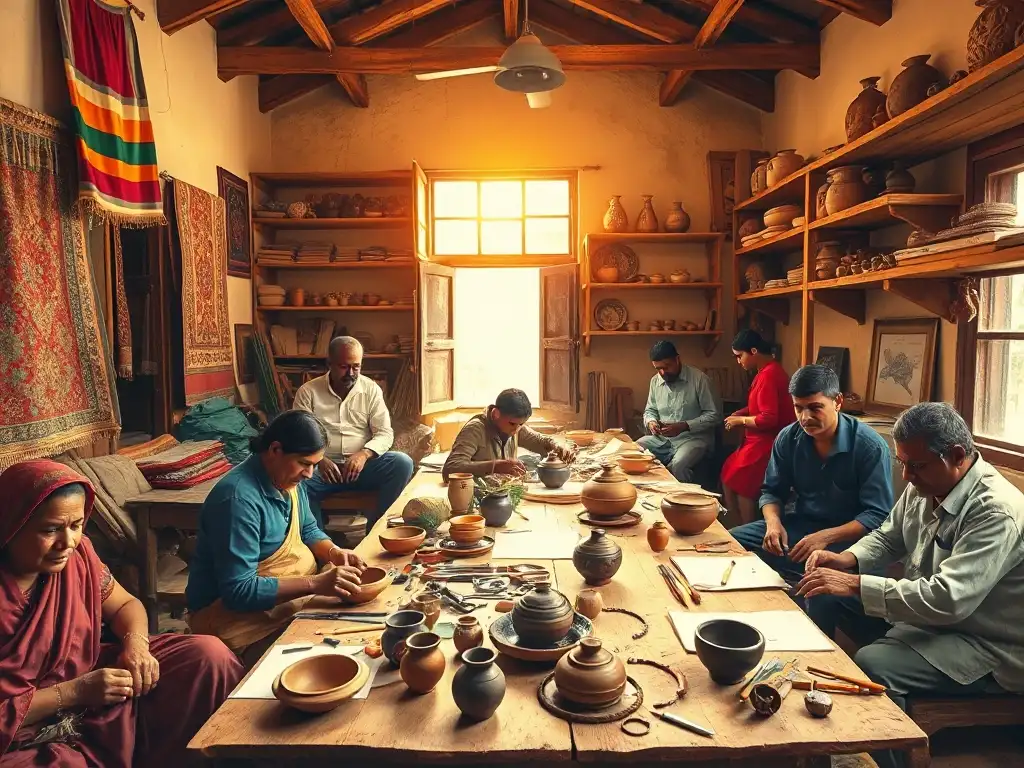
Several inspiring case studies illustrate how effective partnerships can thrive in the Indian handicraft sector. One notable example is the collaboration between the Kutch Craft Collective and various international designers. This partnership has successfully brought traditional Kutch artisans together with contemporary designers, creating a unique blend of traditional craftsmanship and modern aesthetics. As a result, products have gained wider recognition in global markets, leading to increased sales and sustainable livelihoods for the artisans involved.
Another successful initiative is the Craftmark program, which focuses on promoting authentic Indian handicrafts and the artisans behind them. By forming partnerships with NGOs and government bodies, Craftmark has established a strong network that champions fair trade practices, ensuring that artisans receive fair compensation for their work. This initiative has not only improved the economic standing of many artisans but has also enhanced the visibility of Indian handicrafts on international platforms.
Moreover, the collaboration between Tara Projects and local artisans in rural areas has led to the development of eco-friendly products. By integrating sustainable practices with traditional techniques, this partnership has successfully appealed to environmentally conscious consumers. The initiative highlights how partnerships can foster innovation while preserving cultural heritage.
Strategies for Effective Partnership Development in the Indian Handicraft Industry
To navigate the complexities of forming partnerships in the Indian handicraft industry, several strategies can be employed. First and foremost, establishing clear communication channels is essential. Partners should engage in open dialogues to align their goals and expectations. Regular meetings and collaborative platforms can facilitate transparency and foster trust among stakeholders.
Capacity building is another critical strategy. Providing training and resources to artisans can enhance their skills and improve product quality, making them more attractive partners. Workshops focused on business management, marketing, and production techniques can empower artisans, helping them thrive within partnerships.
Furthermore, leveraging technology can greatly enhance partnership development. By utilizing digital platforms for marketing and sales, artisans can reach broader audiences without the constraints of traditional distribution channels. This technological integration enables partners to collaborate more effectively and share resources, ultimately leading to more sustainable business practices.
Lastly, forming partnerships with government and non-governmental organizations can provide the necessary infrastructure and support. These entities can assist in creating frameworks for fair trade, provide funding opportunities, and facilitate training programs. Collaborating with established organizations can lend credibility to partnerships and open doors to new markets.
By implementing these strategies, stakeholders in the Indian handicraft industry can cultivate strong, effective partnerships that not only benefit individual artisans but also contribute to the overall growth of the sector.
Tools and Resources for Fostering Partnerships in the Handicraft Sector
Building effective partnerships in the Indian handicraft sector requires the right tools and resources to connect artisans, businesses, and consumers. Here are some essential components that can aid in fostering these partnerships:
- Digital Platforms: The rise of e-commerce has transformed the way artisans can reach customers. Platforms such as Craftsvilla, IndiaMART, and Etsy provide artisans with the ability to showcase their products to a global audience. These platforms often include features for partnership opportunities, enabling artisans to connect with businesses looking for unique handicrafts.
- Government Initiatives: The Indian government has launched various schemes to promote the handicraft sector, such as the Marketing Support and Services Scheme and Scheme for the Promotion of Handicrafts. These initiatives aim to enhance market access for artisans and provide financial support for collaborative projects.
- Trade Shows and Exhibitions: Events like the India International Trade Fair (IITF) and Delhi Haat serve as significant platforms where artisans can network with potential business partners. These events allow for direct interaction, fostering relationships that can lead to promotional and distribution partnerships.
- Networking Organizations: Membership in organizations like the All India Handicrafts Board and Crafts Council of India can provide artisans and businesses with access to resources, training, and networking opportunities. These organizations often facilitate workshops and seminars that focus on building effective partnerships.
- Online Communities and Forums: Engaging in online forums and social media groups dedicated to handicrafts can also be beneficial. Platforms such as Facebook Groups and LinkedIn offer spaces where artisans and suppliers can exchange ideas, collaborate on projects, and seek advice on forming partnerships.
The Future of Indian Handicraft Industry Partnerships
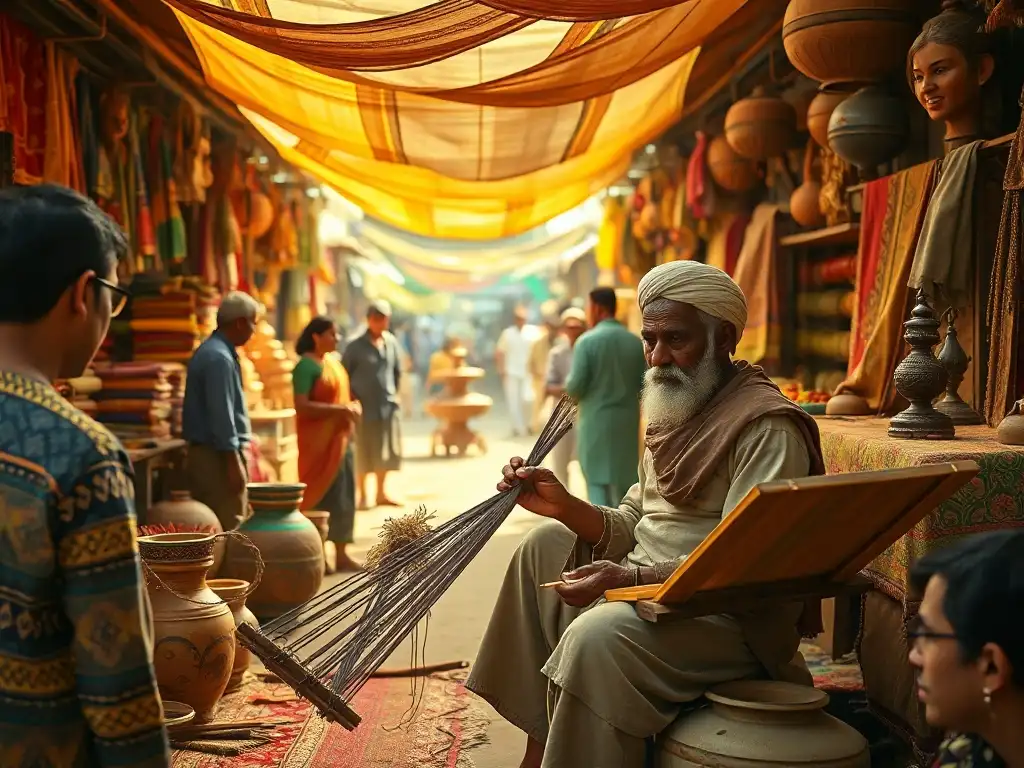
The future of partnerships within the Indian handicraft industry appears promising, driven by emerging trends and increasing global demand for artisanal products. Here are several factors likely to shape this future:
- Sustainability and Ethical Craftsmanship: As consumers become more conscious of sustainability, there is a growing demand for ethically produced handicrafts. This trend encourages partnerships between artisans and businesses focused on sustainable practices, thereby enhancing the marketability of traditional crafts.
- Technological Advancements: Incorporating technology into the handicraft sector can streamline production and enhance marketing strategies. Collaborations that leverage technology for logistics, design innovation, and online marketing will likely emerge, creating a more robust industry.
- Global Market Expansion: With increasing interest in Indian handicrafts worldwide, partnerships that focus on exporting products could see substantial growth. Businesses that facilitate international trade will play a crucial role in connecting artisans with global markets.
- Skill Development Programs: By collaborating with educational institutions and NGOs, the handicraft sector can invest in skill development initiatives. These programs can enhance artisans' capabilities, enabling them to produce high-quality products that meet contemporary market demands.
- Cultural Exchange Initiatives: Promoting cultural exchange through partnerships with international artisans can inspire innovation in design and techniques. Such collaborations can help keep traditional crafts alive while adapting them to modern aesthetics.
Conclusion
Building partnerships in the Indian handicraft sector is not just about enhancing business opportunities; it is also about preserving and promoting the rich cultural heritage of India. By leveraging tools and resources effectively, and anticipating future trends, stakeholders in the industry can create a sustainable ecosystem that benefits artisans, businesses, and consumers alike. As the industry evolves, a focus on collaboration, technological integration, and ethical practices will be key to ensuring the continued growth and relevance of the Indian handicraft sector in the global marketplace.
Additional Resources
To deepen your understanding of the Indian handicraft industry partnerships and explore various avenues for collaboration, consider utilizing the following resources:
- Books and Publications:
- The Art of Indian Handicrafts by Anjali R. B. offers insights into traditional techniques and the evolution of handicrafts in India.
- Handmade in India: A Geographic Encyclopedia of Indian Handicrafts by Ritu Kumar provides a detailed overview of regional crafts and their significance.
- Online Portals:
- Crafts Council of India: A valuable resource that promotes Indian crafts and artisans, showcasing various initiatives and partnership opportunities.
- India Handicrafts: This platform connects artisans with buyers, promoting sustainable practices and fair trade.
- Government Initiatives:
- Ministry of Textiles: Offers various schemes aimed at supporting artisans and promoting handicraft exports, including funding and training programs.
- Export Promotion Council for Handicrafts (EPCH): Provides guidelines for forming partnerships and accessing international markets.
- Workshops and Training Programs:
- Look for local workshops conducted by artisans or organizations specializing in handicrafts. These can provide hands-on experience and networking opportunities.
- Online platforms like Coursera and Udemy often feature courses on entrepreneurship in handicrafts, focusing on partnership strategies.
- Trade Fairs and Exhibitions:
- Attend events like the India International Trade Fair (IITF) and the Delhi International Handicrafts and Gifts Fair. These gatherings are excellent for networking and exploring potential partnerships.
- Networking Platforms:
- LinkedIn: Join groups focused on the handicraft industry to connect with like-minded professionals and explore partnership opportunities.
- Facebook Groups dedicated to Indian handicrafts often share resources, events, and collaboration requests.
- Documentaries and Films:
- Watch documentaries that showcase the stories of artisans and the impact of partnerships in the handicraft sector. These can provide inspiration and insight into the challenges and successes faced by the industry.
By leveraging these resources, stakeholders in the Indian handicraft industry can develop meaningful partnerships that foster innovation, sustainability, and growth in this vibrant sector.
- Introduction to the Indian Handicraft Industry
- Understanding the Landscape of Indian Handicraft Industry Partnerships
- Benefits of Building Partnerships in the Indian Handicraft Sector
- Challenges in Forming Partnerships in the Indian Handicraft Industry
- Successful Case Studies of Partnerships in the Indian Handicraft Sector
- Strategies for Effective Partnership Development in the Indian Handicraft Industry
- Tools and Resources for Fostering Partnerships in the Handicraft Sector
- The Future of Indian Handicraft Industry Partnerships
- Conclusion
- Additional Resources
- What is the significance of the Indian handicraft industry?
- How do partnerships enhance the handicraft sector in India?
- What are the challenges faced by the Indian handicraft industry?
- How can consumers support the Indian handicraft industry?
- What role does the government play in the Indian handicraft sector?
Frequently Asked Questions
What is the significance of the Indian handicraft industry?
The Indian handicraft industry plays a crucial role in preserving cultural heritage and providing livelihoods to millions. It reflects the diverse traditions and artistic expressions of various regions.
How do partnerships enhance the handicraft sector in India?
Partnerships in the handicraft sector foster collaboration between artisans and businesses, leading to better market access and resource sharing. This can significantly boost the industry's sustainability and growth.
What are the challenges faced by the Indian handicraft industry?
The industry faces issues like limited access to markets, lack of modern technology, and inadequate financial support. These challenges hinder the overall potential of the sector and its artisans.
How can consumers support the Indian handicraft industry?
Consumers can support the industry by purchasing handcrafted products, promoting fair trade practices, and spreading awareness about the cultural significance of these crafts. Every purchase contributes to the artisan's livelihood.
What role does the government play in the Indian handicraft sector?
The government implements various policies and initiatives to support the handicraft industry, including financial aid, skill development programs, and promotional campaigns aimed at enhancing visibility and market reach.
Final Reflection: Embracing Partnerships for a Thriving Indian Handicraft Industry
The essence of building partnerships in the Indian handicraft industry resonates profoundly in today's globalized world. As we navigate through the complexities of modern commerce, the significance of collaboration and mutual support among artisans, businesses, and consumers has never been more critical.
The intricate tapestry of the Indian handicraft sector, rich in tradition and cultural heritage, stands as a testament to the power of collective effort. In a time when authenticity and sustainability are at the forefront of consumer preferences, the call for stronger partnerships is not just timely; it is essential for the survival and growth of this vibrant industry.
The impact of these partnerships extends beyond mere economic benefits; they foster a sense of community and cultural preservation. As we witness the revival of traditional crafts and the empowerment of artisans, the importance of collaboration becomes increasingly clear. The partnerships formed within this sector not only enhance the quality of products but also ensure that the stories and skills of artisans are passed down through generations. Alone we can do so little; together we can do so much.
– Helen Keller. This quote encapsulates the spirit of collaboration that is vital for the flourishing of the Indian handicraft industry, reminding us that our collective efforts can lead to remarkable outcomes.
As we reflect on the insights shared in this article, I invite you to consider your role in this ecosystem. How can you contribute to the growth of the Indian handicraft industry through partnerships? Whether you are a consumer, a business owner, or an artisan, there are countless ways to engage and support this rich cultural heritage.
By choosing to collaborate, share knowledge, and promote handmade crafts, you not only uplift the artisans but also become a part of a larger movement that values sustainability and authenticity. Together, let us forge connections that celebrate and elevate the artistry of India’s handicraft sector, ensuring its legacy for future generations.
Unleash the Power of Partnership in Handicrafts!
Thank you for taking the time to explore the rich world of the Indian handicraft sector with us! By understanding the importance of building connections, you're already on your way to making a significant impact. Now, let’s transform that insight into action!
Here are a few ways you can take the next step:
- Connect with local artisans: Reach out to handicraft makers in your area to learn about their work and support their craft. Your involvement can create meaningful partnerships!
- Share this article with friends and family to inspire them to appreciate the beauty of Indian handicrafts and the potential for collaboration in this sector.
- Join online forums or social media groups focused on handicrafts to engage with like-minded individuals and promote discussions about sustainable practices and innovative collaborations in the industry.
Are you ready to make a difference in the handicraft community? What partnership ideas do you envision that can foster growth and sustainability in this beautiful sector?