
Government Initiatives Supporting Indian Handicrafts: What Investors Need to Know

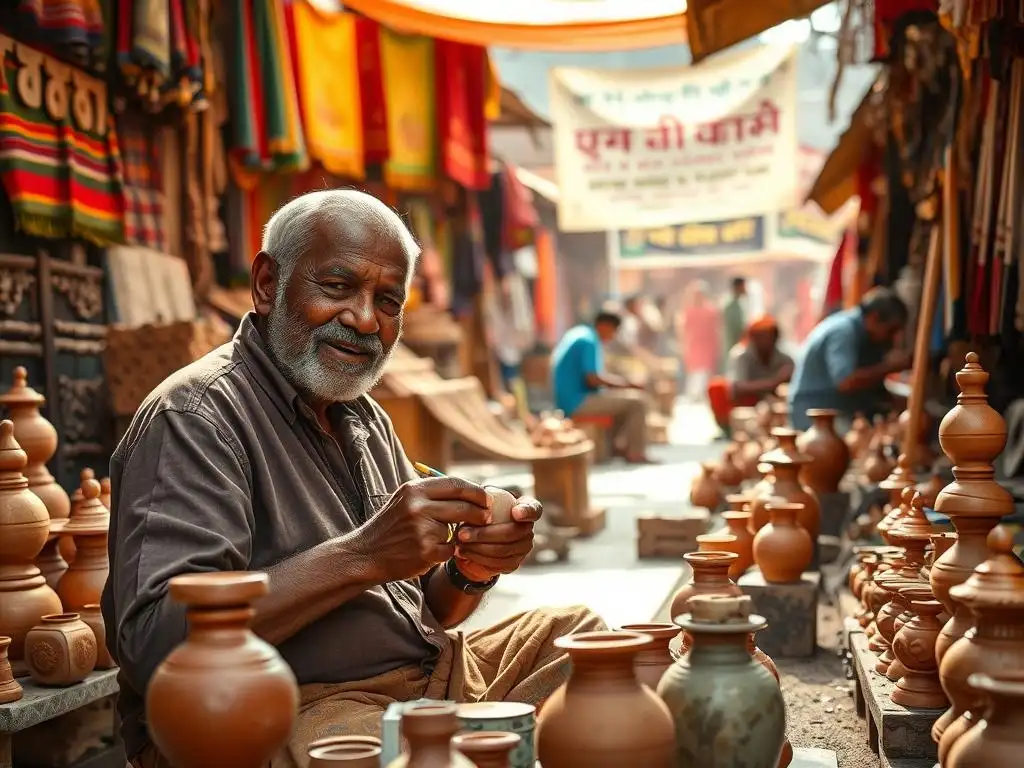
Welcome to Ancient India History, where we delve deep into the rich tapestry of India's past, celebrating the vibrant cultures and remarkable achievements of ancient civilizations. In this article, we uncover the fascinating world of Indian handicrafts and the pivotal government support that is nurturing this age-old art form. Discover how these initiatives not only preserve heritage but also create exciting opportunities for investors looking to make their mark in the realm of traditional craftsmanship. Join us on this enlightening journey and unlock the secrets behind the thriving handicraft industry in India!
- Introduction to Indian Handicrafts Government Support
- Key Government Initiatives Supporting Indian Handicrafts
- Understanding the Impact of Government Support on Indian Handicrafts
- Investment Opportunities in Indian Handicrafts
- Case Studies: Successful Investments in Indian Handicrafts
- Challenges Facing Indian Handicrafts and Solutions through Government Support
- Conclusion: The Future of Indian Handicrafts with Government Support
- Call to Action: Get Involved in Supporting Indian Handicrafts
-
Frequently Asked Questions
- What are the main government initiatives supporting Indian handicrafts?
- How do these initiatives impact artisans?
- What role do investors play in supporting Indian handicrafts?
- Are there specific sectors within Indian handicrafts that receive more government support?
- How can one stay updated on government support for Indian handicrafts?
- Final Reflection: Embracing the Legacy of Indian Handicrafts
- Embrace and Invest in India's Rich Handicrafts!
Introduction to Indian Handicrafts Government Support
The world of Indian handicrafts is a vibrant tapestry woven with the threads of tradition, culture, and artisanal skill. As a significant part of India’s heritage, these handicrafts reflect the diversity of the nation’s civilizations, from the intricate textiles of Rajasthan to the delicate pottery of Gujarat. Recognizing the importance of this sector, the Indian government has initiated various programs aimed at fostering growth and sustainability within the handicraft industry.
This article delves into the critical government support available for Indian handicrafts, providing essential insights for investors eager to navigate this unique market. By understanding these initiatives, stakeholders can better appreciate the potential for investment and the role that these crafts play in preserving cultural identity while contributing to the economy.
Understanding the Importance of Government Initiatives for Indian Handicrafts
Government initiatives play a pivotal role in the development and promotion of Indian handicrafts. Here are some key aspects highlighting their importance:
- Boosting Economic Growth: The handicraft sector is a substantial contributor to India's GDP, employing millions, especially in rural areas. Government support helps enhance productivity and access to markets.
- Preservation of Cultural Heritage: By supporting artisans and their crafts, the government helps in preserving traditional skills and techniques that are at risk of fading away in a rapidly modernizing world.
- Empowerment of Artisans: Initiatives often focus on providing artisans with training, financial assistance, and access to technology, empowering them to improve their livelihoods and sustain their crafts.
- Market Access and Promotion: Government programs facilitate better access to national and international markets through exhibitions, trade fairs, and online platforms, increasing visibility for artisans.
Through these initiatives, the government not only aids in generating revenue but also promotes social equity by uplifting marginalized communities involved in this sector.
Overview of Indian Handicrafts: Culture and Economic Significance
Indian handicrafts represent a vast array of products that are not only economically significant but also rich in cultural heritage. Here’s an overview of their cultural and economic relevance:
- Cultural Significance: Each region in India has its unique handicraft tradition, often tied to local customs, beliefs, and lifestyles. For instance:
- Kanjivaram Sarees: Originating from Tamil Nadu, these sarees are known for their intricate designs and vibrant colors, reflecting the cultural richness of South India.
- Blue Pottery: Hailing from Jaipur, blue pottery exemplifies the blending of Persian and Indian styles, showcasing the historical influences on Indian art.
- Economic Impact: The handicraft sector contributes significantly to the economy:
- Employment Generation: Approximately 7 million artisans are engaged in handicrafts, significantly boosting rural employment.
- Export Potential: The export of handicrafts has seen a steady growth, contributing to foreign exchange earnings. In the fiscal year 2020-2021, India exported handicrafts worth over $3 billion, showcasing their global appeal.
The interplay of culture and economy in the realm of Indian handicrafts underscores the importance of government support, which is crucial for sustaining this vibrant sector. Through targeted initiatives, the government aims to empower artisans, enhance market access, and promote the rich cultural heritage of India, making it an attractive opportunity for investors interested in the handicraft industry.
Key Government Initiatives Supporting Indian Handicrafts
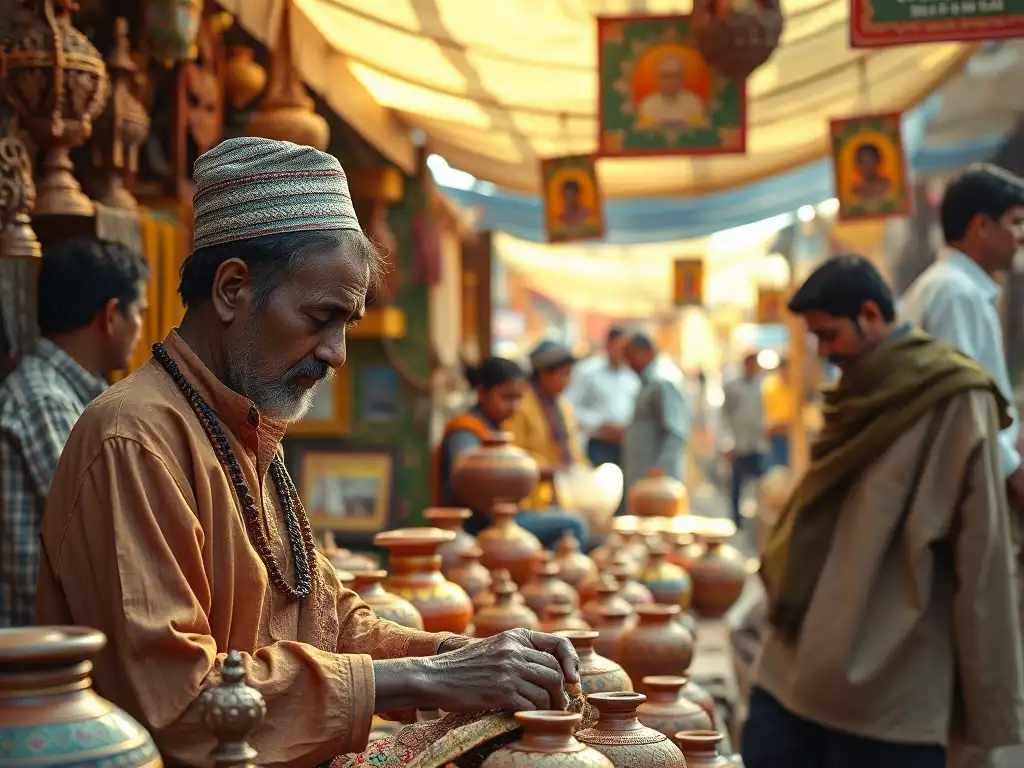
The National Handicrafts Development Programme (NHDP)
The National Handicrafts Development Programme (NHDP) is a flagship initiative by the Government of India aimed at promoting and supporting the handicrafts sector. Launched in 2000, the NHDP focuses on enhancing the livelihoods of artisans and preserving traditional crafts that embody India's rich cultural heritage.
Objectives and Benefits of NHDP for Artisans
The primary objectives of the NHDP include:
- Empowering Artisans: The program aims to empower artisans by providing them with better access to resources, training, and markets. This helps in enhancing their skills and improving their income.
- Preservation of Traditional Crafts: The NHDP works to safeguard the traditional crafts of various regions, ensuring that unique art forms do not fade away.
- Establishment of Craft Clusters: By fostering the development of craft clusters, the NHDP helps artisans collaborate and share resources, leading to greater innovation and sustainability.
The benefits of the NHDP for artisans are substantial:
- Financial Assistance: Artisans can access various financial schemes to fund their ventures, from raw material procurement to production.
- Skill Development: The program includes training workshops that hone artisans' skills, making them more competitive in the market.
- Market Access: The NHDP facilitates participation in exhibitions and trade fairs, providing artisans with platforms to showcase their work and connect with potential buyers.
Funding and Training Opportunities for Handicraft Businesses
The NHDP also provides essential funding and training opportunities for handicraft businesses. Key aspects include:
- Financial Schemes: Various financial assistance schemes are available to support artisans and small businesses, such as the Market Development Assistance Scheme and Interest Subsidy Scheme.
- Skill Development Programs: The NHDP organizes training sessions in collaboration with institutions and NGOs, focusing on modern techniques and marketing strategies. This equips artisans with the knowledge to improve their product quality and marketability.
- Promotional Activities: The program supports promotional activities, including exhibitions, competitions, and workshops, which help artisans gain visibility and attract new clients.
The Export Promotion Council for Handicrafts (EPCH)
The Export Promotion Council for Handicrafts (EPCH) plays a crucial role in the development and promotion of Indian handicrafts in global markets. Established in 1986, the EPCH serves as a platform for artisans, manufacturers, and exporters to collaborate and expand their reach.
Role of EPCH in Promoting Indian Handicrafts Globally
The EPCH is dedicated to enhancing the visibility of Indian handicrafts on an international scale. Its key functions include:
- Market Research and Analysis: EPCH conducts research to identify global market trends and demands, aiding artisans in aligning their products accordingly.
- Participation in International Fairs: The council organizes and facilitates participation in international trade fairs, providing artisans and exporters a chance to showcase their products to a global audience.
- Networking Opportunities: EPCH helps artisans connect with potential buyers, suppliers, and industry stakeholders, fostering relationships that can lead to business growth.
Export Incentives and Support for Investors
To bolster the handicrafts sector, the EPCH offers various export incentives and support mechanisms for investors:
- Financial Assistance: Investors can avail themselves of subsidies and financial incentives for exporting handicrafts, making it more viable to enter international markets.
- Quality Control and Certification: The EPCH assists artisans in obtaining necessary certifications to meet international quality standards, which is crucial for export success.
- Training for Export Readiness: The council provides training programs that equip artisans and businesses with the skills needed for effective export operations, including documentation, logistics, and marketing strategies.
The initiatives led by the NHDP and EPCH significantly contribute to the growth and sustainability of the Indian handicrafts sector, offering essential support for artisans and investors alike. These efforts not only enhance the livelihoods of artisans but also promote India's rich cultural heritage on a global stage.
Craft Development Schemes: A Closer Look
The Indian government has implemented several craft development schemes aimed at enhancing the sustainability and growth of the handicraft sector. These initiatives are designed to support artisans, promote traditional crafts, and improve the overall ecosystem of the handicraft industry. Notable schemes include:
- Scheme of Fund for Regeneration of Traditional Industries (SFURTI): This initiative focuses on developing clusters of traditional industries by providing financial support and infrastructure development. By enhancing production capabilities and market linkages, SFURTI aims to revitalize indigenous crafts and ensure their longevity.
- National Handicrafts Development Program (NHDP): The NHDP seeks to promote handicrafts through various measures, including marketing support, training, and technology assistance. The program also aims to increase artisans' incomes and empower them economically.
- Design and Technology Development Scheme: This scheme facilitates the integration of modern design and technology into traditional handicrafts. By providing artisans access to design experts and technological resources, this initiative helps improve product quality and market appeal.
These craft development schemes not only aim to preserve India’s rich cultural heritage but also provide a framework for sustainable economic development within the handicraft sector.
Skill Development Initiatives for Artisans
Skill development initiatives play a crucial role in empowering artisans and enhancing their craft proficiency. The government has introduced various programs aimed at upskilling artisans, ensuring they remain competitive in the global market. Key initiatives include:
- Integrated Skill Development Scheme (ISDS): This comprehensive program offers vocational training in various traditional crafts. By emphasizing skill enhancement, the ISDS aims to create a skilled workforce that can meet contemporary market demands.
- Craftsmen Training Scheme: Under this initiative, artisans receive training in specialized crafts, enabling them to refine their techniques and improve their craftsmanship. Training is often conducted in collaboration with established craft institutions to ensure high-quality educational standards.
- National Skill Development Mission (NSDM): The NSDM aims to create a skilled workforce across various sectors, including handicrafts. Initiatives under this mission focus on providing skill development training and promoting entrepreneurship among artisans.
These skill development initiatives not only enhance the artisans' abilities but also contribute to the overall growth and innovation within the Indian handicrafts sector.
Financial Assistance Programs for Handicraft Producers
Access to financial support is vital for the growth of handicraft producers. The Indian government has established several financial assistance programs aimed at addressing the funding challenges faced by artisans and small-scale producers. Key programs include:
- Credit Guarantee Fund Scheme for Micro and Small Enterprises (CGTMSE): This scheme provides collateral-free loans to small enterprises, including handicraft producers. By reducing the financial burden of securing loans, CGTMSE encourages artisans to invest in their businesses.
- Market Development Assistance (MDA): The MDA program helps artisans by providing financial assistance for promoting their products in national and international markets. This includes support for participation in trade fairs, exhibitions, and buyer-seller meets.
- Handicrafts Sector Development Scheme: This initiative offers various financial incentives for artisans to improve their production processes and expand their market reach. The program includes provisions for interest subsidies on loans and grants for technology upgrades.
These financial assistance programs are essential for fostering entrepreneurship among artisans and ensuring the sustainability of the Indian handicrafts industry. By providing the necessary support, the government enables artisans to thrive and contribute to the nation's rich cultural tapestry.
Understanding the Impact of Government Support on Indian Handicrafts
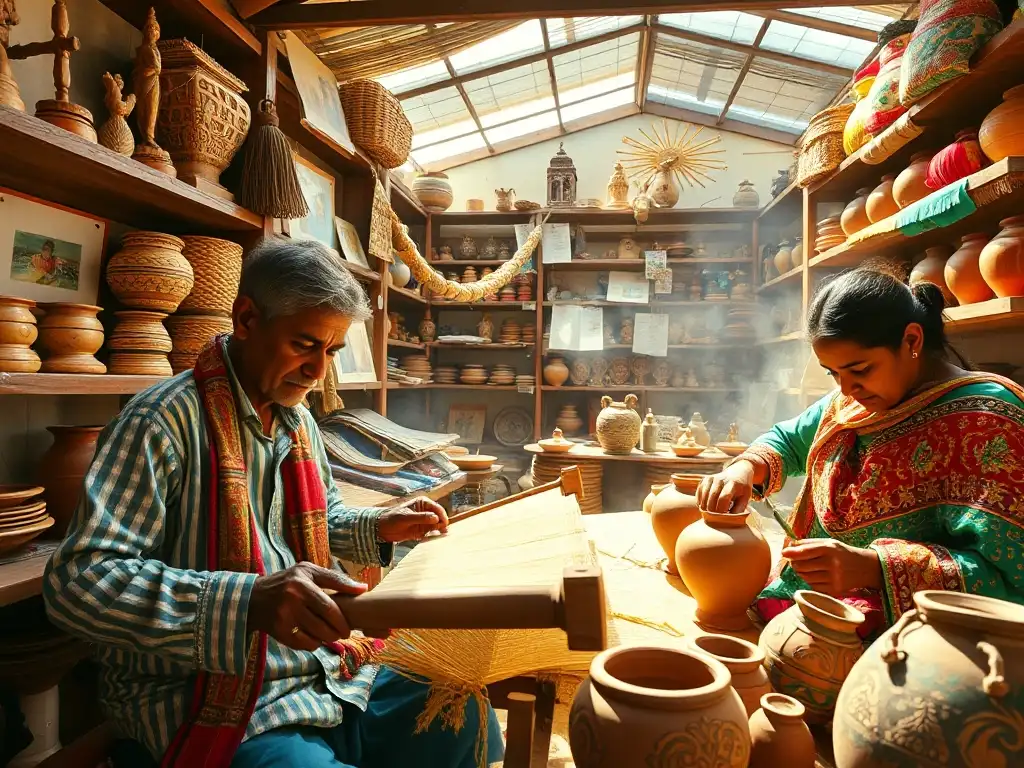
Government initiatives play a crucial role in the promotion and preservation of Indian handicrafts, significantly impacting the economic landscape and the livelihoods of artisans. The support from the government can be seen in various forms, including financial aid, skill development programs, and marketing assistance. This section delves into the economic growth and employment generation aspects, as well as the enhancement of market access for artisanal products.
Economic Growth and Employment Generation through Handicrafts
The Indian handicrafts sector is a vital component of the country's economy, contributing significantly to both GDP and employment. According to data from the Ministry of Textiles, the handicrafts sector is estimated to employ over 7 million artisans across India, with the majority being women and individuals from marginalized communities. This sector not only provides direct employment but also stimulates the economy through the following means:
- Rural Development: Many handicraft activities are based in rural areas, leading to rural upliftment and reducing migration to urban centers. By investing in local artisans, the government helps maintain cultural heritage while promoting sustainable economic development.
- Export Potential: Indian handicrafts have a strong demand in international markets. In 2021, exports of handicrafts and handloom products reached approximately $3 billion, highlighting the sector's potential for foreign exchange earnings. Government initiatives, such as the Market Development Assistance Scheme, aim to boost exports by providing financial support to artisans for participation in international trade fairs.
- Skill Development Programs: The government has launched various skill development initiatives like the Craftsmen Training Scheme and Skill India Mission, which focus on imparting traditional craft skills to new generations. These programs not only enhance the artisans' skill sets but also ensure the continuity of traditional crafts, thereby sustaining employment in the sector.
The synergy between economic growth and job creation in the handicrafts sector illustrates how government support can lead to a robust and sustainable artisanal economy.
Enhancing Market Access for Artisanal Products
One of the significant challenges faced by artisans is limited market access for their products. Government initiatives are geared towards overcoming these hurdles and enhancing market reach for Indian handicrafts. Here are some notable strategies:
- Digital Platforms: The government has embraced technology through initiatives like e-Haat, an online portal aimed at promoting handicrafts by connecting artisans directly with consumers. This initiative leverages digital marketing to expand the reach of artisanal products, allowing artisans to access a global customer base.
- Exhibitions and Trade Fairs: The government actively supports artisans by organizing national and international exhibitions such as Hunar Haat. These platforms provide artisans with opportunities to showcase their products and connect with buyers. Such events not only boost sales but also enhance the visibility of traditional crafts.
- Brand Development: Initiatives like the Geographical Indications (GI) registration help artisans protect their unique products and enhance their marketability. By promoting products with GI tags, the government aids artisans in distinguishing their crafts in the competitive marketplace.
- Financial Support and Subsidies: To facilitate growth, the government provides various financial aids and subsidies to artisans. Programs such as the Handicraft Mega Cluster Scheme focus on creating clusters that enhance production capacity and market access, thereby promoting collective growth among artisans.
Through these measures, the government is not only paving the way for artisans to thrive but is also ensuring that Indian handicrafts receive the recognition and market access they deserve, fostering a sustainable growth environment for this vital sector.
The combination of economic growth and enhanced market access through government support significantly contributes to the prosperity of the Indian handicrafts sector. By investing in artisans and their crafts, India not only preserves its rich cultural heritage but also opens up numerous opportunities for investors looking to engage in this vibrant industry.
Investment Opportunities in Indian Handicrafts
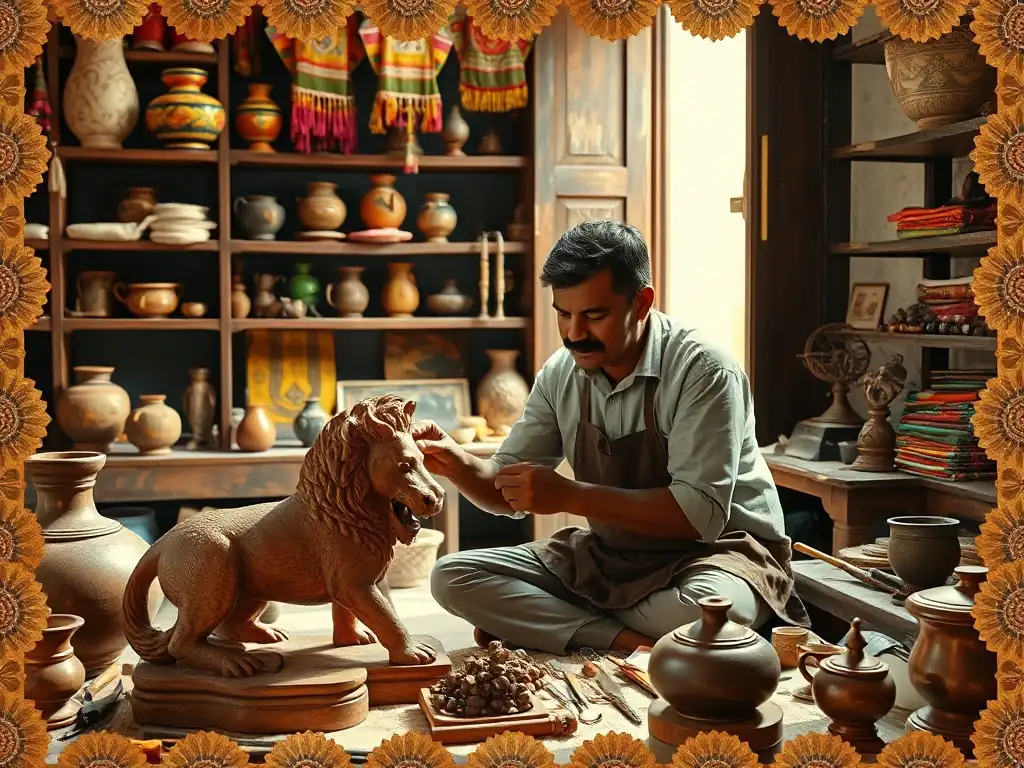
The Indian handicrafts sector presents a wealth of investment opportunities, driven by a rich cultural heritage and an increasing global demand for unique, artisanal products. With the government's active support through various initiatives, investors can tap into a vibrant market that not only emphasizes profitability but also promotes sustainability and cultural preservation.
The Indian handicrafts market is valued at approximately $100 billion and is expected to grow further as consumers worldwide seek authentic and handcrafted items. This growth is reflected in the increasing number of artisans engaged in traditional crafts, alongside a rising interest in promoting these crafts on a global scale.
Key factors that contribute to the investment potential in Indian handicrafts include:
- Diverse Product Range: From textiles and pottery to jewelry and woodwork, the variety of handicrafts allows investors to explore multiple avenues.
- Government Initiatives: Programs aimed at providing financial aid, training, and marketing support create a conducive environment for investment.
- Technological Integration: The use of e-commerce platforms and digital marketing strategies helps artisans reach broader audiences, maximizing their sales potential.
Market Trends and Consumer Demand for Handicrafts
As consumer preferences evolve, there is a noticeable trend towards handmade products. The global market for handicrafts is shifting towards an appreciation of craftsmanship and the stories behind each piece.
Growing Interest in Sustainable and Ethically-Sourced Products
Consumers are increasingly prioritizing sustainability and ethical sourcing in their purchasing decisions. This trend is particularly relevant in the handicrafts sector, where:
- Eco-Friendly Materials: Many artisans use natural materials that are biodegradable and environmentally friendly, appealing to eco-conscious consumers.
- Social Impact: Investing in handicrafts often supports local communities and artisans, fostering fair trade practices and economic development.
This alignment with consumer values presents a significant opportunity for investors looking to capitalize on the growing market for sustainable products.
How to Invest in Indian Handicrafts: Strategies and Considerations
Investing in Indian handicrafts involves more than just financial capital; it requires an understanding of the market dynamics and cultural nuances. Here are some strategic considerations for potential investors:
- Market Research: Conduct thorough research to identify the most promising segments within the handicraft sector.
- Collaboration with Artisans: Building relationships with local artisans can provide insights into traditional crafts and their evolving trends.
- Brand Development: Creating a strong brand identity that emphasizes authenticity, sustainability, and craftsmanship can attract discerning consumers.
Identifying Profitable Niches in the Handicraft Sector
Finding the right niche is crucial for maximizing returns on investment. Here are some profitable areas to consider:
- Home Decor: Items such as handmade rugs, wall art, and decorative pieces are in high demand among interior designers and consumers alike.
- Fashion Accessories: Handcrafted jewelry, bags, and garments that reflect Indian craftsmanship have a growing market, especially among conscious consumers.
- Gifts and Souvenirs: Unique handicrafts can cater to the tourism sector, offering memorable gifts that showcase India's rich cultural heritage.
By focusing on these niches, investors can align their strategies with current market trends, ensuring a profitable venture in the Indian handicrafts landscape.
Case Studies: Successful Investments in Indian Handicrafts
Case Study 1: Dastkar and its Growth Journey
Dastkar is a pioneering organization that has played a crucial role in revitalizing traditional crafts and supporting artisans across India. Established in 1981, Dastkar has become synonymous with promoting Indian handicrafts and empowering local artisans through a sustainable business model.
Key Features of Dastkar's Approach:
- Artisan Empowerment: Dastkar collaborates directly with artisans, providing them with a platform to showcase their skills and craftsmanship. By ensuring fair wages and better working conditions, Dastkar has improved the quality of life for many craftsmen and their families.
- Government Support: Dastkar has effectively leveraged various government initiatives aimed at promoting handicrafts, such as the Marketing Support Scheme and Financial Assistance Programs provided by the Ministry of Textiles. These initiatives have enabled Dastkar to expand its reach and enhance its marketing efforts.
- Sustainable Practices: The organization emphasizes sustainable practices by promoting eco-friendly materials and techniques. This approach not only preserves traditional crafts but also appeals to a growing market of environmentally-conscious consumers.
Dastkar's success story is a testament to the power of combining traditional craftsmanship with modern marketing strategies and government support. As a result, it has facilitated the growth of various artisan communities and established a strong brand presence in the Indian handicrafts market.
Case Study 2: FabIndia Leveraging Government Support
FabIndia, founded in 1960, is one of India's most recognized retail brands specializing in traditional Indian handicrafts and textiles. The company has effectively utilized government initiatives to expand its operations and reach a wider audience, both domestically and internationally.
Strategies Employed by FabIndia:
- Collaboration with Artisans: FabIndia works closely with rural artisans, ensuring a steady income through fair trade practices. This collaboration not only promotes traditional crafts but also fosters economic development in rural areas.
- Utilization of Government Schemes: By tapping into various government schemes like the Handicraft Sector Development Program, FabIndia has received financial support that has significantly contributed to its growth. These funds have been utilized for training artisans, enhancing production techniques, and improving design quality.
- Focus on Export: FabIndia has successfully leveraged government initiatives aimed at promoting exports of Indian handicrafts. By participating in international trade fairs and exhibitions supported by the government, the brand has expanded its global footprint.
FabIndia’s journey illustrates how strategic partnerships and government support can drive success in the Indian handicrafts sector. Its commitment to quality and sustainability, along with leveraging government initiatives, has positioned FabIndia as a leader in promoting Indian handicrafts on the global stage.
Challenges Facing Indian Handicrafts and Solutions through Government Support
Common Obstacles for Artisans and Small Businesses
The Indian handicrafts sector, rich in tradition and cultural significance, faces several challenges that hinder its growth and sustainability. Understanding these obstacles is crucial for both artisans and investors looking to navigate this vibrant industry.
- Accessibility to Markets: Many artisans operate in remote areas with limited access to urban markets. This geographical barrier restricts their ability to sell products at competitive prices and limits their exposure to larger consumer bases.
- Lack of Skill Development: While traditional skills are passed down through generations, many artisans lack access to modern techniques and design innovations. This gap in skill development can lead to a decline in the quality and appeal of handicraft products.
- Quality Control and Standardization: The diverse nature of handicrafts often leads to inconsistencies in quality. Without established quality standards, products may not meet consumer expectations, affecting their marketability.
- Financial Constraints: Many small businesses in the handicraft sector struggle to secure funding for raw materials, production, and marketing. This financial instability can limit their ability to scale operations and invest in necessary improvements.
- Intellectual Property Issues: Artisans often face challenges related to the protection of their unique designs and cultural heritage. Without proper intellectual property rights, there is a risk of imitation and exploitation by larger corporations.
Addressing Quality Control and Standardization Issues
Quality control is a significant challenge in the Indian handicrafts market. To address this, the government has initiated several measures:
- Establishment of Quality Standards: The Government of India has introduced quality standards specific to various handicraft products. These standards help artisans ensure that their products meet consumer expectations and enhance marketability.
- Certification Programs: Various government-backed certification programs help artisans obtain recognition for their quality craftsmanship. Certifications such as "Geographical Indication" (GI) protect and promote traditional crafts, ensuring authenticity and quality.
- Training Workshops: Government organizations conduct training workshops to educate artisans about modern quality control measures. These workshops focus on improving design skills, production techniques, and quality assurance processes.
Leveraging Government Programs to Overcome Challenges
The Indian government has launched several initiatives aimed at supporting artisans and small businesses in the handicraft sector. Here are some key programs:
- Handicrafts Sector Development Scheme: This program aims to promote the growth and development of the handicrafts sector through financial assistance, skill development, and marketing support. It provides artisans access to funds for product development and market expansion.
- Marketing Support through Expos and Fairs: The government organizes exhibitions and trade fairs, providing artisans a platform to showcase their work. These events facilitate direct interactions with buyers, helping artisans establish market connections.
- Digital Initiatives: The introduction of e-commerce platforms supported by the government allows artisans to reach a global audience. By leveraging digital marketing strategies, artisans can sell their products online, overcoming geographical constraints.
- Financial Assistance Schemes: Various financial schemes offer credit and loans to artisans and small businesses. These schemes are designed to ease financial burdens and enable artisans to invest in better tools, raw materials, and marketing efforts.
- Promoting Sustainable Practices: The government encourages artisans to adopt sustainable practices in production. Initiatives focusing on eco-friendly materials and processes not only enhance product appeal but also align with global sustainability trends.
By tapping into these government programs, artisans can overcome the challenges they face and position themselves for success in the competitive handicrafts market. The synergy between traditional craftsmanship and modern support systems presents a promising future for Indian handicrafts, making it an attractive area for investors looking to support this rich cultural heritage.
Conclusion: The Future of Indian Handicrafts with Government Support
The landscape of Indian handicrafts is undergoing a transformative phase, largely fueled by strategic government initiatives aimed at revitalizing this traditional sector. With a rich history that dates back thousands of years, Indian handicrafts represent not only artistic expression but also the livelihoods of millions of artisans across the country. As we look to the future, the integration of government support with private investment is set to create a sustainable ecosystem that nurtures these crafts while enhancing their economic viability.
The Indian government has recognized the potential of handicrafts in contributing to the nation's GDP and employment. Initiatives such as the “One District, One Product” scheme and the Market Development Assistance program are pivotal in promoting traditional crafts. These programs not only provide financial assistance but also ensure that artisans receive proper training and access to modern tools that can help them innovate while preserving their heritage.
The Role of Investors in Sustaining Indian Handicraft Traditions
Investors play a crucial role in the sustainability of Indian handicrafts. By channeling funds into this sector, they not only help artisans expand their production capabilities but also contribute to the preservation of cultural heritage. Here are some key aspects of how investors can make a significant impact:
- Infrastructure Development: Investment in infrastructure such as craft parks and training centers can provide artisans with better facilities for production and skills enhancement.
- Market Access: Investors can facilitate access to both domestic and international markets, helping artisans sell their products at fair prices. This can be achieved through partnerships with e-commerce platforms and participation in trade fairs.
- Innovation and Design: Collaborating with designers can lead to the creation of contemporary products that appeal to modern consumers while retaining traditional aesthetics. This fusion can attract a broader customer base.
- Sustainability Practices: Investors can encourage the use of sustainable materials and eco-friendly production techniques, which resonate with environmentally conscious consumers, thereby enhancing the marketability of handicraft products.
By investing in these areas, stakeholders can ensure that the rich traditions of Indian handicrafts not only survive but thrive in the competitive global market.
Encouraging Collaboration Between Government and Private Sector
For the future of Indian handicrafts to be bright, collaboration between the government and the private sector is essential. This synergy can amplify the impact of existing initiatives and foster a more robust ecosystem. Here are several ways to enhance collaboration:
- Public-Private Partnerships: Establishing partnerships between government bodies and private investors can lead to more effective implementation of programs. These partnerships can pool resources and expertise to address challenges faced by artisans.
- Joint Marketing Initiatives: Collaborative marketing campaigns can help in promoting Indian handicrafts on a larger scale. By leveraging the reach of both government and private entities, the visibility of these crafts can be significantly increased.
- Policy Advocacy: Investors and private sector players can work together to advocate for policies that support artisans and handicrafts. This includes lobbying for tax incentives, better loan facilities, and protection of intellectual property rights for traditional designs.
- Skill Development Programs: The government can collaborate with private organizations to develop training programs that equip artisans with modern skills while ensuring the preservation of traditional techniques.
Through these collaborative efforts, Indian handicrafts can not only maintain their cultural significance but also emerge as a lucrative sector that contributes substantially to the economy. The commitment from both the government and private investors will be instrumental in ensuring that the legacy of Indian handicrafts continues to flourish for generations to come.
Call to Action: Get Involved in Supporting Indian Handicrafts
Supporting Indian handicrafts is not just a nostalgic endeavor; it is a vital economic and cultural initiative that fosters creativity, preserves heritage, and empowers local artisans. The government of India has launched several initiatives aimed at promoting and sustaining the handicraft sector, making it an opportune time for investors to get involved.
Investing in Indian handicrafts offers a unique chance to contribute to the economy while embracing the rich traditions and artistry that these crafts represent. By participating in these initiatives, investors can help ensure the survival of age-old techniques and the livelihoods of countless artisans across the country.
Here are some key reasons to get involved:
- Cultural Preservation: Investing in handicrafts helps preserve India's diverse cultural heritage.
- Economic Growth: The handicraft sector contributes significantly to the rural economy, providing employment to millions.
- Sustainable Development: Many handicrafts are produced using sustainable practices, promoting eco-friendly business models.
- Market Expansion: With the rise of e-commerce, there is a growing market for authentic handicrafts both domestically and internationally.
Join the movement to support Indian handicrafts today and make a meaningful impact on the future of this vibrant sector!
How Investors Can Participate in Government Initiatives
Investors looking to engage with the Indian handicrafts sector can explore various government initiatives designed to support artisans and promote handicrafts on both national and international platforms. Here are some impactful ways to get involved:
- Participate in Government Programs:
- Market Development Assistance (MDA): This program assists artisans in marketing their products through exhibitions, trade fairs, and buyer-seller meets. Investors can collaborate with the government to sponsor events or provide logistical support.
- Design Development Scheme: Investors can play a crucial role in helping artisans improve product designs to meet market demands. Collaborating with design experts can enhance the marketability of handicrafts.
- Invest in Skill Development:
- Craftsmen Development Scheme: This initiative focuses on enhancing the skills of artisans through training programs. Investors can fund training workshops or partner with NGOs that specialize in skill development.
- Utilize Financial Support Programs:
- Credit Support for Handicrafts: The government offers various financial schemes for artisans, such as low-interest loans. Investors can facilitate access to these funds by partnering with financial institutions to create awareness and streamline processes.
- Leverage Digital Platforms:
- e-Haat: This online platform is designed to promote handicrafts. Investors can help artisans gain visibility by supporting their digital marketing efforts or creating user-friendly e-commerce sites.
- Corporate Social Responsibility (CSR):
- Companies can integrate handicraft support into their CSR strategies, helping artisans while enhancing their brand image. This can include funding workshops, sponsoring artisan clusters, or promoting sustainable sourcing.
By actively engaging in these initiatives, investors not only contribute to the growth of the handicraft sector but also foster a sense of community and sustainability. The potential for growth in this sector is immense, and with the right support, Indian handicrafts can thrive on a global stage.
Frequently Asked Questions
What are the main government initiatives supporting Indian handicrafts?
The government has launched various schemes and programs aimed at promoting Indian handicrafts, including financial assistance, marketing support, and skill development initiatives to benefit artisans.
How do these initiatives impact artisans?
These initiatives provide financial security and market access for artisans, enabling them to sustain their livelihoods and preserve traditional handicraft techniques while enhancing their economic stability.
What role do investors play in supporting Indian handicrafts?
Investors can contribute by providing funding and resources to artisans and small enterprises, helping to scale production and improve marketing strategies, thus fostering the growth of the handicraft sector.
Are there specific sectors within Indian handicrafts that receive more government support?
Yes, sectors like textiles, pottery, and metalwork often receive focused support due to their cultural significance and potential for tourism, enhancing both economic growth and cultural heritage.
How can one stay updated on government support for Indian handicrafts?
Investors and artisans can follow updates through official government websites, industry newsletters, and workshops to remain informed about new policies and available support for the handicraft sector.
Final Reflection: Embracing the Legacy of Indian Handicrafts
The support from the government for Indian handicrafts is not just a policy initiative; it is a lifeline for a rich cultural heritage that deserves to thrive in today's global marketplace. As we navigate an increasingly industrialized world, the revival and promotion of traditional crafts become crucial not only for preserving our history but also for empowering artisans and stimulating local economies. The initiatives discussed in this article highlight a significant shift towards recognizing the value of these crafts, making it clear that investing in Indian handicrafts is investing in a sustainable future.
Cultural heritage is not merely a relic of the past; it is a living, breathing entity that shapes our identity and social fabric. The ongoing government support for Indian handicrafts serves as a testament to the importance of these art forms in contemporary society. By fostering a sense of pride and community among artisans, these initiatives help create a vibrant marketplace that celebrates diversity and craftsmanship.
As Mahatma Gandhi once said, "The best way to find yourself is to lose yourself in the service of others." This sentiment resonates deeply with the mission to uplift artisans through government support, ensuring that their skills and stories are not lost to time.
As you reflect on the insights shared in this article, I invite you to consider how you can contribute to the preservation and promotion of Indian handicrafts in your own life. Whether through conscious consumer choices, supporting local artisans, or advocating for policies that sustain these traditions, your actions can make a difference. Let us embrace the beauty of our heritage and take meaningful steps towards ensuring that the legacy of Indian handicrafts continues to inspire future generations.
Embrace and Invest in India's Rich Handicrafts!
Thank you for taking the time to explore the vibrant world of Indian handicrafts through our article. Your interest in these unique treasures not only enriches your understanding but also plays a crucial role in their preservation and promotion. Now, let’s take action to support these incredible artisans and their crafts!
Here are a few ways you can make a meaningful impact:
- Invest in local handicraft businesses to help sustain traditional art forms and ensure their continued existence.
- Educate others about the importance of supporting artisans, helping to expand awareness within your community.
- Participate in local workshops or fairs to experience the craftsmanship firsthand and connect with the talented artisans behind these beautiful creations.
How will you contribute to keeping the spirit of Indian handicrafts alive in today’s fast-paced world?