
Niche Markets in Indian Handicrafts: Finding Your Place in a Growing Industry

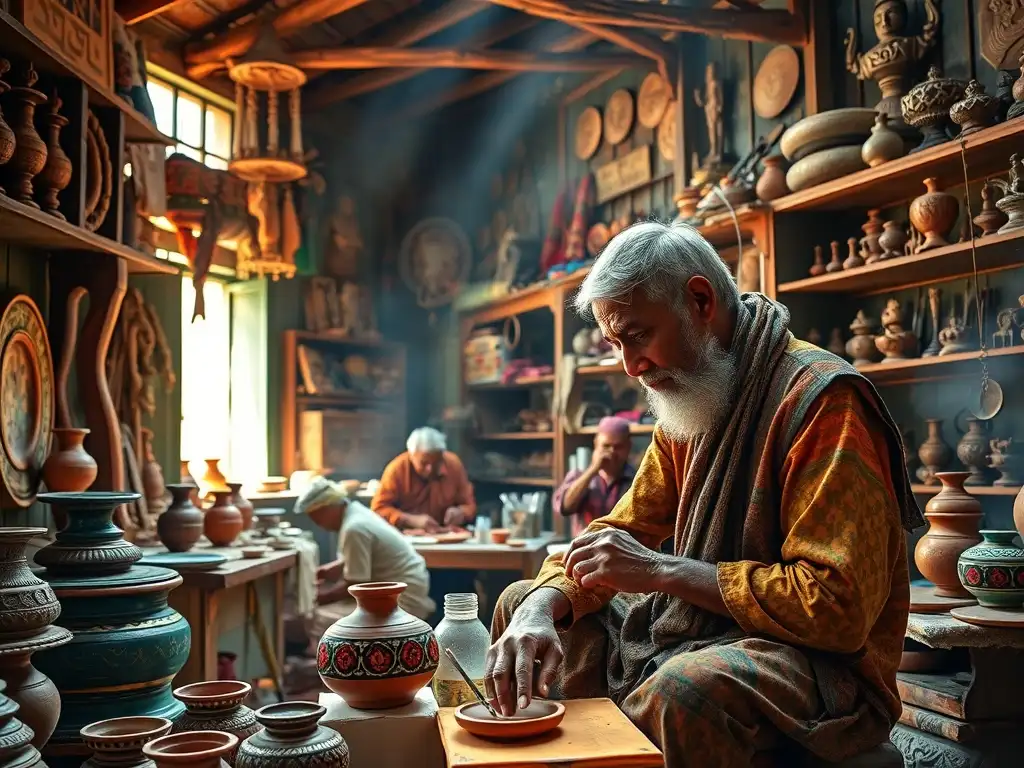
Welcome to Ancient India History, where we embark on a captivating journey through the rich tapestry of India's past. Here, you’ll uncover not only the remarkable civilizations that shaped this vibrant land but also how their legacies continue to influence modern industries. In our featured article, "Niche Markets in Indian Handicrafts: Finding Your Place in a Growing Industry," we delve into the intriguing trends of the Indian handicrafts niche market, revealing opportunities that await enterprising minds.
Are you ready to discover how the artistry of ancient cultures can inspire today’s business ventures? Dive in and explore the connections that bind history to the present!
- Introduction to Indian Handicrafts Niche Market Trends
- Understanding the Indian Handicrafts Niche Market
- Current Trends in Indian Handicrafts Niche Markets
- Exploring Profitable Niches within Indian Handicrafts
- Strategies for Entering the Indian Handicrafts Niche Market
- Challenges in the Indian Handicrafts Niche Market
- Case Studies: Successful Indian Handicraft Businesses
- Conclusion: Embracing Opportunities in the Indian Handicrafts Niche Market
-
Frequently Asked Questions
- What are the key trends in the Indian handicrafts niche market?
- How can artisans benefit from the growing niche market?
- What role does sustainability play in the Indian handicrafts market?
- How can artisans effectively market their products online?
- What challenges do artisans face in the Indian handicrafts market?
- Final Reflection: Embracing the Potential of Indian Handicrafts
- Unlock Your Potential in Indian Handicrafts!
Introduction to Indian Handicrafts Niche Market Trends
The Indian handicrafts sector is a vibrant tapestry woven from the threads of diverse cultures, traditions, and artisanal skills that have flourished over millennia. As the world increasingly seeks unique, sustainable, and culturally rich products, the Indian handicrafts niche market has emerged as a significant area of interest for artisans, entrepreneurs, and investors alike.
This article delves into the trends shaping this dynamic market, exploring the unique opportunities available within various niches of Indian handicrafts. By understanding the cultural significance and the growing global demand for these products, stakeholders can better position themselves in this expanding industry, capitalizing on the rich heritage and craftsmanship that India has to offer.
The Cultural Significance of Indian Handicrafts
Indian handicrafts are not merely products; they are a reflection of the country's rich cultural heritage and artistic expression. Each region of India boasts its own unique styles, techniques, and materials, often passed down through generations of skilled artisans. From the intricate carvings of Rajasthan to the vibrant textiles of Gujarat, the diversity of handicrafts encapsulates local histories, traditions, and community identities.
- Preservation of Traditions: Handicrafts serve as a means of preserving ancient techniques and practices, ensuring that the skills of artisans are not lost to modernization. This preservation is crucial for maintaining cultural identity, especially in rapidly urbanizing societies.
- Economic Empowerment: The handicraft sector plays a vital role in providing livelihoods to millions of artisans, especially in rural areas. By promoting niche markets, artisans can achieve better prices for their products, thus improving their quality of life and sustaining their communities.
In addition to their economic benefits, Indian handicrafts carry deep cultural narratives, making them invaluable both locally and globally. They symbolize the connection between the craftsman and the cultural legacy they embody.
Overview of the Growing Demand for Handicrafts Worldwide
The global market for handicrafts is witnessing a robust growth trajectory, fueled by an increasing consumer preference for unique, artisanal products over mass-produced alternatives. This trend is particularly pronounced in regions where sustainability and ethical sourcing are prioritized.
Recent reports indicate that the global handicrafts market is projected to reach $1 trillion by 2025, with a significant portion of this growth attributed to the rising demand for Indian handicrafts. Several factors contribute to this trend:
- Shift Towards Sustainability: As consumers become more environmentally conscious, there is a growing demand for products that are sustainably sourced and produced. Indian handicrafts, often made from natural materials and traditional methods, align perfectly with this ethos.
- Online Marketplaces: The rise of e-commerce platforms has opened new avenues for artisans to reach global audiences, enabling them to market their products directly to consumers and bypass traditional distribution channels.
- Cultural Appreciation: There is an increasing appreciation for cultural diversity and heritage among consumers worldwide, leading to a rising interest in authentic, handcrafted items that tell a story.
By tapping into these trends, stakeholders in the Indian handicrafts sector can carve out a niche for themselves, catering to a discerning global market that values quality, craftsmanship, and cultural significance.
Understanding the Indian Handicrafts Niche Market
Definition of Niche Markets in Indian Handicrafts
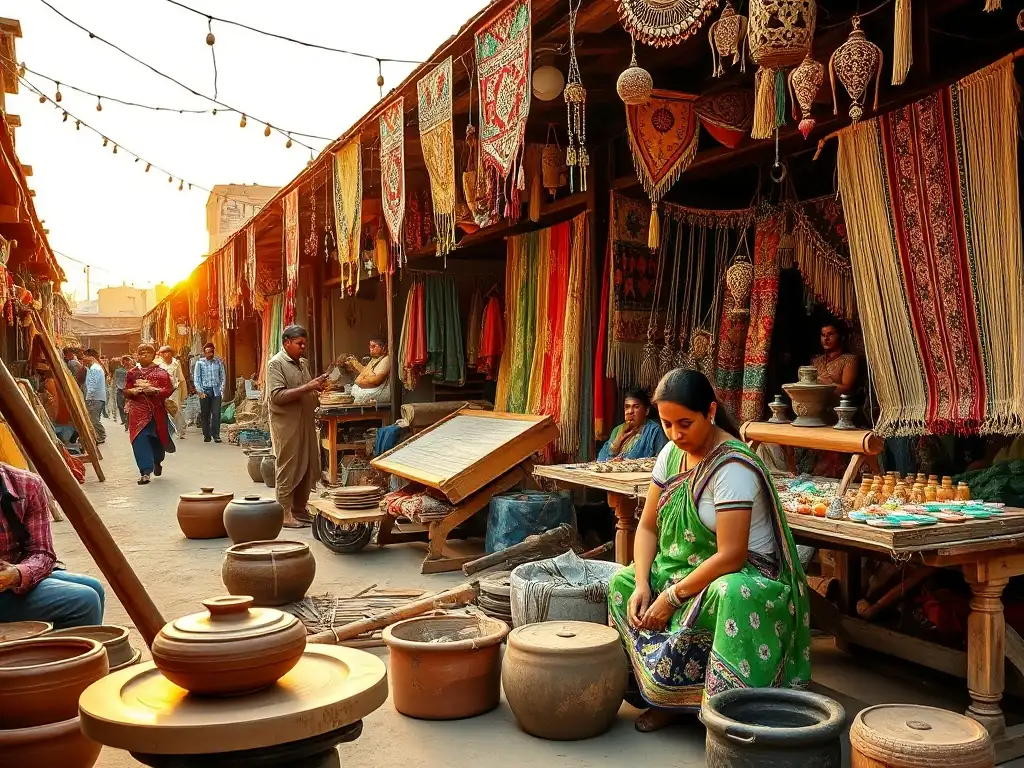
Niche markets in Indian handicrafts refer to specialized segments within the broader handicraft industry that cater to specific consumer preferences and needs. These markets are characterized by unique product offerings that highlight regional artistry, traditional techniques, and cultural significance. Unlike mass-produced items, niche handicrafts are often handcrafted, showcasing the skills and creativity of local artisans.
The concept of a niche market is essential for understanding consumer behavior and market dynamics in the handicraft sector. For instance, buyers may seek products that reflect their personal values, such as sustainability, ethical sourcing, or cultural heritage. As a result, niche markets can focus on specific themes or categories, such as:
- Eco-friendly handicrafts: Products made from sustainable materials that promote environmental consciousness.
- Cultural heritage items: Artifacts that represent the rich traditions of specific Indian regions, such as Madhubani paintings or Kanchipuram sarees.
- Customized artisanal goods: Personalized products that cater to individual tastes and preferences.
These niche markets not only provide opportunities for artisans to distinguish their work but also address the growing demand for unique and meaningful consumer products in a competitive marketplace.
Key Characteristics of Indian Handicrafts Niche Market Trends
The Indian handicrafts niche market is characterized by several emerging trends that reflect changing consumer preferences and market dynamics. Understanding these trends is crucial for artisans and businesses looking to thrive in this sector:
-
Increased Demand for Authenticity
Consumers are increasingly seeking authenticity in their purchases. Handmade products that tell a story or reflect traditional craftsmanship are more appealing than mass-produced alternatives. This trend emphasizes the importance of preserving cultural heritage and artisan skills.
-
Sustainability and Eco-consciousness
There is a growing awareness of environmental issues among consumers. As a result, sustainable practices in the production of handicrafts, such as using natural dyes and renewable materials, are becoming significant selling points. Artisans who adopt eco-friendly methods can tap into this trend effectively.
-
Online Marketplaces and E-commerce Platforms
The rise of digital platforms has revolutionized the way handicrafts are marketed and sold. E-commerce allows artisans to reach a global audience, breaking geographical barriers. Platforms specializing in handmade and artisanal products are particularly beneficial for niche markets.
-
Collaboration and Community Support
Many artisans are engaging in collaborative efforts to promote their crafts. By forming cooperatives or alliances, they can share resources, knowledge, and market access, enhancing their competitiveness in niche markets.
-
Personalization and Customization
Modern consumers favor personalized products that reflect their tastes and preferences. Artisans who offer customization options can attract a dedicated customer base willing to pay a premium for unique items.
The Role of Artisans and Traditional Techniques in Niche Markets
Artisans play a crucial role in the development and sustainability of niche markets in Indian handicrafts. Their expertise, rooted in traditional techniques, not only preserves cultural heritage but also adds value to the products they create. Here's how artisans and their skills contribute to niche market success:
-
Preservation of Traditional Skills
Many artisan communities possess centuries-old skills passed down through generations. These techniques, whether in weaving, pottery, or wood carving, are integral to the uniqueness of Indian handicrafts. The revival and maintenance of these skills are essential for keeping niche markets vibrant.
-
Innovation within Tradition
While traditional techniques form the foundation of handicrafts, artisans are increasingly blending these with contemporary designs to appeal to modern sensibilities. This fusion allows for the creation of products that are both culturally significant and relevant to today's consumer trends.
-
Storytelling through Craft
Each piece crafted by artisans often tells a story, reflecting the history, culture, and environment of the region. This narrative aspect enhances the emotional connection consumers have with the products and encourages them to support the artisans and their communities.
-
Quality and Craftsmanship
The meticulous attention to detail and quality that artisans bring to their work is a significant differentiator in niche markets. Products that demonstrate high craftsmanship are more likely to command premium prices and attract discerning buyers.
Overall, understanding the role of artisans and traditional techniques is vital for anyone interested in the Indian handicrafts niche market. By recognizing their contributions, stakeholders can better support and promote the sustainability and growth of this dynamic sector.
Current Trends in Indian Handicrafts Niche Markets
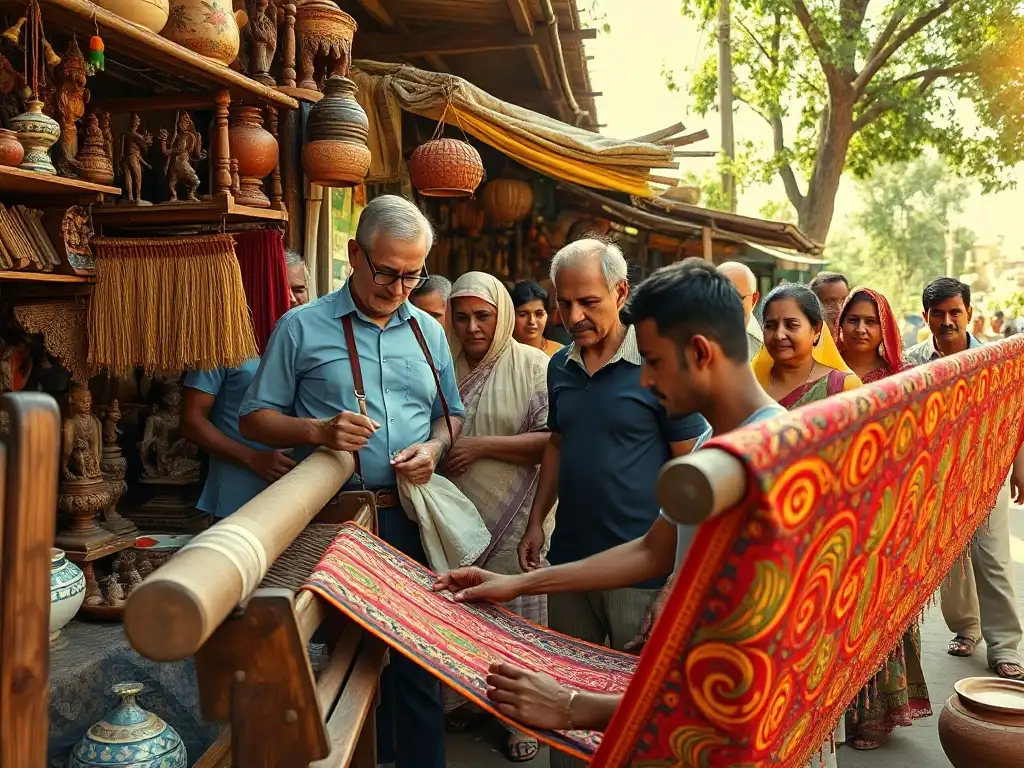
The Indian handicrafts industry is currently witnessing a dynamic transformation, driven by changing consumer preferences and global market demands. As artisans and craftsmen adapt to these shifts, several niche market trends are emerging that highlight the unique qualities of Indian handicrafts. These trends not only cater to specific consumer interests but also promote sustainable practices, digital engagement, and cultural richness.
Sustainable and Eco-friendly Handicrafts
In recent years, sustainability has become a key focus for consumers, prompting a surge in demand for eco-friendly products. Indian artisans are responding to this trend by incorporating sustainable materials and traditional techniques into their craft. This shift not only helps preserve the environment but also showcases the rich heritage of Indian craftsmanship.
Examples of Eco-friendly Products: Bamboo Craft, Recycled Paper Products
- Bamboo Craft:
- Bamboo, known for its rapid growth and renewability, has become a popular material for various handicrafts in India. Artisans create a wide range of products, including furniture, home decor items, and kitchenware. The lightweight nature and durability of bamboo make it an attractive choice for eco-conscious consumers.
- Notable Products: Bamboo trays, vases, and utensils are gaining traction in both domestic and international markets.
- Recycled Paper Products:
- The use of recycled paper in handicrafts is another innovative trend. Artisans craft items such as notebooks, greeting cards, and gift wrap from recycled materials, reducing waste and promoting sustainability.
- Market Appeal: These products appeal to consumers seeking personalized, eco-friendly options for gifting and stationery.
By focusing on sustainable practices, Indian handicrafts are not only preserving traditional arts but also contributing to a greener future.
Digital Transformation in Handicrafts Sales
The digital era has opened new avenues for artisans, allowing them to reach a global audience. E-commerce platforms have become vital tools for promoting and selling Indian handicrafts, facilitating a seamless connection between artisans and consumers.
E-commerce Platforms: Etsy, Amazon Handmade for Indian Artisans
- Etsy:
- Etsy has emerged as a leading platform for handmade and vintage items, including Indian handicrafts. Artisans can create their own shops, showcase their products, and connect with buyers who appreciate unique, handcrafted goods.
- Benefits: The platform offers extensive marketing tools and a built-in audience actively seeking artisanal products, making it easier for Indian artisans to gain visibility.
- Amazon Handmade:
- Amazon Handmade is another significant platform tailored for artisans. It allows Indian craftsmen to sell their products alongside millions of other items while benefiting from Amazon's vast logistics and customer service infrastructure.
- Sales Trends: With an increasing number of consumers preferring online shopping, artisans have experienced a notable rise in sales through these platforms, expanding their market reach significantly.
The digital transformation in handicrafts sales not only enhances accessibility for consumers but also empowers artisans to maintain their livelihoods while promoting the rich cultural heritage of India. As the industry continues to evolve, these trends will play a crucial role in shaping the future of Indian handicrafts in the global market.
Customization and Personalization in Handicrafts
In recent years, the demand for customization and personalization in Indian handicrafts has surged, driven by consumers seeking unique and meaningful products that reflect their individual tastes and preferences. This trend has transformed the landscape of the handicraft industry, allowing artisans and craftsmen to cater to specific customer needs while preserving traditional craftsmanship. The incorporation of customization not only enhances the customer experience but also creates a personal connection between the buyer and the artisan, fostering a sense of community and cultural heritage.
Customization in handicrafts embraces various forms, from bespoke designs to the choice of colors, materials, and patterns. Artisans are increasingly utilizing online platforms to showcase their work, allowing customers to interact directly with creators and request personalized modifications. This shift has empowered artisans, enabling them to expand their offerings beyond conventional products and engage with a global audience. As a result, the handicrafts sector is witnessing a dynamic growth trajectory, with a focus on personalized experiences becoming central to business strategies.
Moreover, the rise of e-commerce and social media has played a pivotal role in promoting customized handicrafts. Online marketplaces provide artisans with the tools to showcase their skills and innovations, reaching potential customers who value authenticity and craftsmanship. This trend is particularly appealing to millennials and Gen Z consumers, who prioritize individuality and storytelling in the products they purchase. As such, customization and personalization are not merely trends but are becoming essential elements of branding and marketing strategies in the Indian handicrafts niche market.
Popular Personalized Products: Customized Pottery, Tailored Textiles
Among the various customized products in the Indian handicrafts space, customized pottery and tailored textiles stand out as popular choices.
- Customized Pottery:
- Pottery artisans are now offering customers the opportunity to personalize items such as mugs, plates, and vases with names, messages, or unique designs. This trend resonates particularly well for gifting occasions, where individuals seek distinctive items that convey a personal touch.
- For instance, a pottery workshop in Rajasthan allows customers to choose their glaze colors and patterns, resulting in one-of-a-kind pieces that reflect personal stories or memories. This level of customization not only enhances the aesthetic appeal of the products but also elevates their sentimental value.
- Tailored Textiles:
- The textile industry in India is rich with tradition, and artisans are increasingly focusing on tailored offerings. Consumers can now order customized textiles, including bed linens, curtains, and clothing, featuring specific fabrics, colors, and embroidery styles.
- A notable example is the customization of sarees, where brides can collaborate with designers to create bespoke sarees that incorporate personal motifs, colors, and styles, making their wedding attire unique and meaningful. This personal engagement not only fosters customer loyalty but also preserves the artistry involved in traditional textile production.
The trends of customization and personalization within Indian handicrafts are reshaping the industry landscape, presenting artisans with opportunities to innovate while connecting deeply with their customers. With the rise of unique, personalized products like customized pottery and tailored textiles, the niche market is poised for sustained growth, driven by consumer demand for individuality and craftsmanship.
Exploring Profitable Niches within Indian Handicrafts
Home Décor Items: A Booming Segment
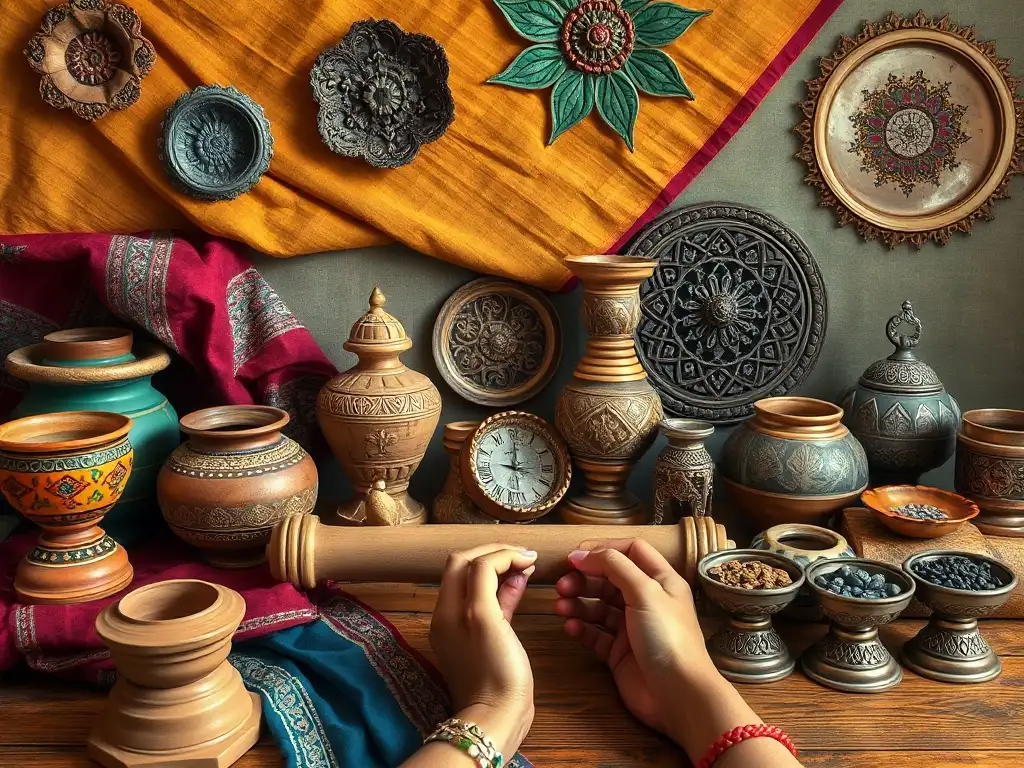
The home décor segment within the Indian handicrafts sector is witnessing remarkable growth, fueled by a rising interest in unique, artisanal products that add character to living spaces. Consumers are increasingly leaning towards handcrafted items that reflect cultural heritage and artisanal skills, creating an opportunity for artisans and businesses to capitalize on this trend.
High-Demand Products: Handmade Rugs, Hand-painted Wall Art
Among the various home décor offerings, handmade rugs and hand-painted wall art have emerged as particularly popular.
- Handmade Rugs: These rugs, often crafted using traditional techniques such as dhurry weaving or kilim weaving, are not only functional but also serve as statement pieces in homes. The intricate designs and vibrant colors appeal to consumers looking for authenticity and craftsmanship. The market for handmade rugs is projected to grow at a significant rate, with demand peaking especially in urban centers where consumers are willing to invest in quality and uniqueness.
- Hand-painted Wall Art: Art pieces that reflect the rich artistic traditions of India, such as Madhubani paintings or Pattachitra art, are gaining popularity. These artworks are often created using natural dyes and traditional techniques, appealing to environmentally conscious consumers. The rise of online marketplaces has further facilitated the reach of these products, allowing artisans to showcase their work to a global audience.
The growing trend towards sustainable living and appreciation for craftsmanship plays a crucial role in driving the demand for these home décor items.
Fashion Accessories: Blending Tradition with Modernity
The fashion accessories niche within Indian handicrafts is characterized by a dynamic blend of traditional craftsmanship and contemporary design. This segment is not only lucrative but also allows artisans to innovate while preserving age-old techniques.
Trending Items: Kalamkari Scarves, Terracotta Jewelry
As fashion evolves, certain products have gained traction among consumers, particularly Kalamkari scarves and terracotta jewelry.
- Kalamkari Scarves: Known for their intricate hand-painted designs, Kalamkari scarves are a testament to the rich textile heritage of India. These scarves are often made from natural fabrics and dyed using traditional methods, appealing to eco-conscious consumers. The versatility of these scarves makes them suitable for various occasions, from casual outings to formal events, thus broadening their market appeal.
- Terracotta Jewelry: This type of jewelry is gaining popularity due to its unique aesthetic and lightweight nature. Terracotta pieces are often handcrafted, showcasing traditional motifs and designs that resonate with the cultural heritage of India. The trend towards sustainable fashion has further boosted the demand for terracotta jewelry, as consumers seek out alternatives to mass-produced accessories.
Both Kalamkari scarves and terracotta jewelry exemplify the successful fusion of traditional craftsmanship with modern-day fashion trends, making them highly sought after in the Indian handicrafts niche market. By identifying these trends, artisans and businesses can position themselves effectively within this growing segment, appealing to a diverse consumer base eager for unique and meaningful products.
Kitchenware and Tableware: Unique Selling Points
The niche market for kitchenware and tableware in Indian handicrafts is burgeoning, driven by a blend of traditional craftsmanship and modern consumer preferences. These products not only serve functional purposes but also embody cultural heritage and artistic expression. Here are some unique selling points that make this niche particularly attractive to consumers and investors alike:
- Authenticity and Craftsmanship: Each piece of handcrafted kitchenware and tableware tells a story of its origin, showcasing the skills of artisans who have honed their craft over generations. The meticulous attention to detail and the use of traditional techniques appeal to consumers looking for authentic products.
- Sustainability: Many Indian handicraft products are made from natural materials, such as wood, clay, and metals, which resonate with the growing trend towards sustainability. Consumers are increasingly seeking eco-friendly options, and products that are biodegradable or recyclable stand out in the market.
- Cultural Significance: Kitchenware and tableware that reflect regional traditions and customs often attract consumers interested in cultural experiences. Items that carry unique designs, motifs, or patterns linked to specific Indian festivals or rituals can create a strong emotional connection with buyers.
- Customization and Personalization: The ability to customize products according to consumer preferences is a significant trend in this niche. Artisans can offer bespoke designs or even personalized engravings, allowing customers to create one-of-a-kind items that enhance their dining experiences.
- Aesthetic Appeal: The visual beauty of handcrafted items plays a crucial role in their appeal. Consumers are drawn to the intricate designs, vibrant colors, and unique textures that distinguish Indian handicrafts from mass-produced alternatives. This aesthetic value makes them ideal for gifting and home decor.
Notable Products: Copper Utensils, Handcrafted Dinner Sets
Within the kitchenware and tableware niche, certain products have gained notable traction due to their unique characteristics and market demand:
- Copper Utensils: Copper utensils have seen a resurgence in popularity, thanks to their health benefits and rustic charm. They are renowned for their antimicrobial properties and ability to enhance the taste of food. The traditional craftsmanship involved in creating these utensils, often featuring intricate engravings and designs, adds to their allure. Whether it's copper cups, pots, or serving dishes, these items are not just functional but also serve as striking decor pieces.
- Handcrafted Dinner Sets: Artisanal dinner sets crafted from materials like stoneware, terracotta, and metal are making waves in the culinary world. These sets offer a blend of utility and artistic expression, often reflecting regional craftsmanship styles. They come in various themes and colors, catering to diverse consumer preferences. Handcrafted dinner sets are ideal for special occasions or everyday use, providing a unique experience that elevates dining.
The kitchenware and tableware segment of the Indian handicrafts niche market holds immense potential, driven by factors such as authenticity, sustainability, and aesthetic appeal. Notable products like copper utensils and handcrafted dinner sets exemplify the rich craftsmanship and cultural heritage that can captivate modern consumers while providing profitable opportunities for artisans and investors.
Strategies for Entering the Indian Handicrafts Niche Market
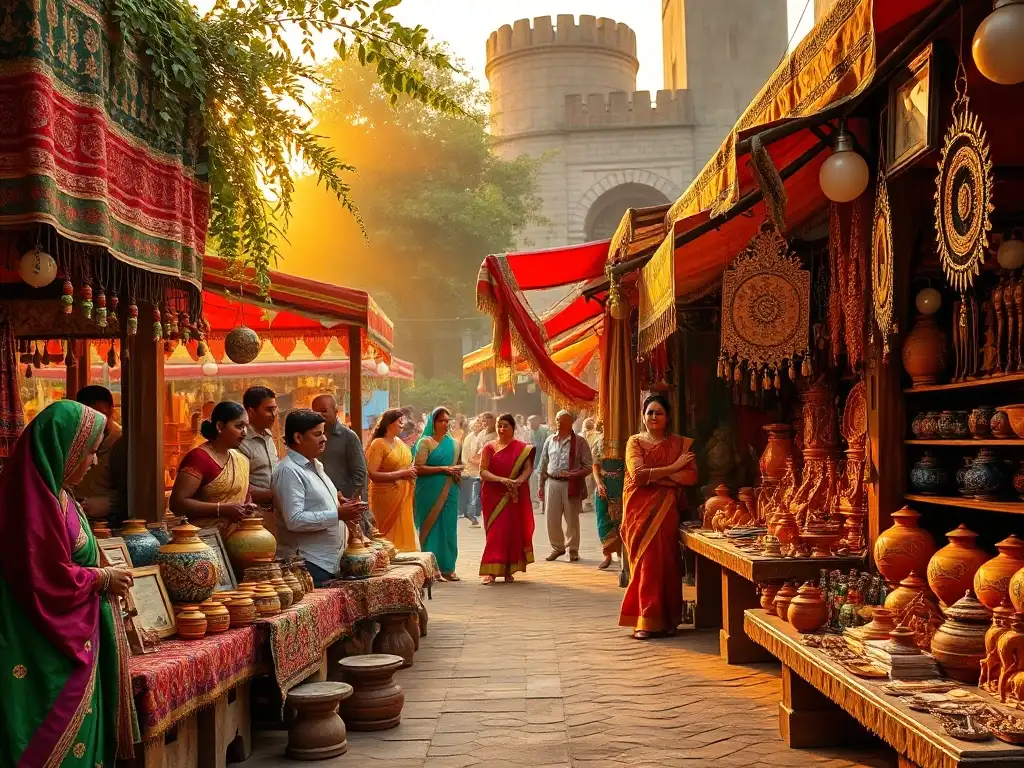
Entering the Indian handicrafts niche market requires a well-planned strategy that leverages the unique cultural heritage and artisanal skills present in the country. As the global demand for authentic and sustainable products increases, understanding the market dynamics is essential for success. Here are key strategies to consider:
Identifying Your Target Audience
Understanding your target audience is crucial to cater to their preferences and needs. Here are steps to identify and engage your ideal customers:
- Market Research: Conduct thorough research to identify trends within the Indian handicrafts niche market. Analyze customer preferences, spending habits, and demographic details.
- Segmentation: Segment your audience based on factors such as:
- Age
- Geographic location
- Income level
- Lifestyle choices
- Preferences for sustainability or traditional craftsmanship
- Surveys and Feedback: Utilize surveys to gather direct feedback from potential customers. This can provide insights into their buying motivations and product preferences.
- Competitor Analysis: Examine competitors in the handicrafts niche to understand their target audience. Analyze their marketing strategies and customer engagement methods.
- Social Media Insights: Leverage social media platforms to gauge customer interests and trends. Tools like Instagram and Pinterest can help you identify popular styles and products.
Building an Online Presence for Your Handicraft Business
In the digital age, establishing a robust online presence is essential for reaching a wider audience and driving sales. Here are effective methods to enhance your visibility:
- Website Development: Create a professional website that showcases your products, tells your brand story, and offers a seamless shopping experience.
- SEO Optimization: Utilize search engine optimization (SEO) techniques to improve your website's ranking for keywords related to "Indian handicrafts niche market trends." This includes optimizing product descriptions, blog content, and meta tags.
- Content Marketing: Establish a blog that focuses on topics related to Indian handicrafts, such as techniques, cultural significance, and trends. This not only positions you as an authority but also attracts organic traffic.
- Social Media Marketing: Actively engage with your audience on platforms like Facebook, Instagram, and Pinterest. Share captivating images of your handicrafts, behind-the-scenes content, and customer testimonials to build a loyal community.
- Email Marketing: Develop a mailing list to keep your audience informed about new products, promotions, and upcoming events. Personalized emails can enhance customer retention.
Essential Tools: Shopify, WordPress
To successfully manage your online handicraft business, consider utilizing essential tools that streamline operations and enhance user experience:
- Shopify:
- E-commerce Platform: Shopify is an all-in-one e-commerce solution that allows you to create an online store without extensive technical knowledge.
- Payment Integration: It offers multiple payment gateways, making transactions seamless for customers.
- Mobile Optimization: Shopify themes are responsive, ensuring a good shopping experience on mobile devices.
- WordPress:
- Content Management System (CMS): WordPress is ideal for creating a blog or informational website that complements your e-commerce platform.
- Plugins: The platform offers various plugins for SEO, social media integration, and analytics, which can enhance your online presence.
- Customization: With numerous themes and customization options, you can create a unique brand identity that resonates with your audience.
By implementing these strategies and utilizing the right tools, you can effectively navigate the Indian handicrafts niche market, harnessing its potential for growth and sustainability.
In today's digital age, social media has emerged as a powerful tool for marketing, particularly for niche markets like Indian handicrafts. Utilizing platforms effectively allows artisans and small businesses to reach a wider audience, showcase their products, and engage with customers directly. The visual nature of social media aligns perfectly with the aesthetic appeal of handicrafts, making it an ideal medium for promotion.
To successfully leverage social media, artisans should focus on creating visually compelling content that highlights the unique aspects of their products. High-quality images and videos that showcase craftsmanship, the making process, and the cultural stories behind each item can resonate with consumers who value authenticity and artistry. Additionally, storytelling plays a crucial role; sharing the history and significance of specific handicrafts can create a deeper emotional connection with potential buyers.
Engagement is key on social media platforms. Responding to comments, participating in relevant conversations, and collaborating with influencers or other artisans can enhance visibility. Utilizing hashtags related to Indian handicrafts helps in reaching targeted audiences and connecting with niche communities. Overall, a strategic social media presence can significantly boost awareness and sales in the Indian handicrafts niche market.
Effective Platforms: Instagram, Pinterest
When it comes to choosing the right platforms for marketing Indian handicrafts, Instagram and Pinterest stand out as particularly effective options, each offering unique advantages for artisans.
- Instagram: Known for its visual-centric approach, Instagram is perfect for showcasing the beauty of Indian handicrafts. Features such as Stories, Reels, and IGTV allow for diverse content forms, from quick showcases to in-depth product stories. The platform's algorithm favors engagement, which means that consistent posting and interaction can lead to increased visibility. Additionally, Instagram Shopping enables artisans to set up a storefront directly on their profiles, allowing users to purchase products seamlessly.
- Pinterest: As a discovery platform, Pinterest serves as a virtual mood board where users search for inspiration. It’s an excellent tool for artisans looking to showcase their products in a lifestyle context. By creating visually appealing pins that link back to their websites or online stores, artisans can drive traffic and increase sales. Pinterest’s audience is predominantly comprised of individuals looking for creative ideas, making it an ideal space to present unique handicrafts. Moreover, the longevity of pins allows for continued exposure over time, unlike other platforms where content can quickly get buried.
By focusing on these platforms, artisans can effectively tap into the growing trends in the Indian handicrafts niche market, building a loyal customer base and showcasing the rich artistry of Indian culture.
Challenges in the Indian Handicrafts Niche Market
Competition from Mass-Produced Goods
The Indian handicrafts sector faces significant challenges due to the overwhelming competition from mass-produced goods. With the rise of globalization and advancements in manufacturing technologies, consumers are often swayed by the lower prices and uniformity of products available in the market. This competition threatens the viability of unique, handcrafted items, which often come at a premium price.
- Consumer Preferences: Many consumers are attracted to the affordability and convenience of mass-produced items. This shift in preference can make it difficult for artisans to sell their products, especially if they do not effectively communicate the value of their handicrafts.
- Marketing and Branding: Artisans and small businesses often lack the resources for effective marketing strategies that could help differentiate their products from mass-produced alternatives. Building a strong brand presence is crucial to gaining consumer trust and interest.
- Online Marketplaces: While online platforms provide opportunities for artisans to reach a broader audience, they also expose them to fierce competition from larger brands that dominate these spaces. This makes it imperative for small-scale producers to innovate and highlight their unique selling propositions.
Maintaining Authenticity and Quality
In the context of Indian handicrafts, authenticity and quality are paramount. However, maintaining these standards in a rapidly evolving market poses several challenges:
- Artisan Skills: Many traditional crafts are at risk of being lost as fewer artisans are trained in these age-old techniques. The lack of skill transfer can lead to a decline in the quality and authenticity of products, which are essential for niche market appeal.
- Material Sourcing: The quality of materials used directly affects the final product. Artisans often struggle to source high-quality, sustainable materials due to factors such as availability, cost, and environmental regulations. Ensuring that only the best materials are used is crucial for maintaining the integrity of handicrafts.
- Consumer Awareness: There is often a gap in consumer awareness about what constitutes genuine handicrafts. Educating customers on the importance of authenticity can help enhance appreciation for artisanal products and encourage support for local craftsmen.
Exporting handicrafts can open significant market opportunities, but it also comes with a set of challenges. Navigating the complex landscape of export regulations and compliance is crucial for artisans and small businesses looking to expand internationally.
- Understanding Regulations: Different countries have varying regulations concerning the import of goods, especially those related to craftsmanship, environmental standards, and cultural heritage. This necessitates a thorough understanding of both domestic and international laws to avoid legal complications.
- Documentation and Certification: Artisans need to prepare various documents, such as invoices, certificates of authenticity, and compliance papers, which can be daunting for those unfamiliar with the export process. Assistance from export promotion councils or trade associations can be beneficial in this regard.
- Market Research: Identifying potential markets and understanding consumer preferences in those regions is essential for successful export strategies. Conducting comprehensive market research can help artisans tailor their products to meet the demands of foreign customers, thereby increasing their chances of success.
While the Indian handicrafts niche market presents numerous opportunities, it is not without its challenges. Addressing issues like competition from mass-produced goods, maintaining authenticity and quality, and navigating export regulations will be critical for artisans and businesses aiming to thrive in this vibrant industry.
Case Studies: Successful Indian Handicraft Businesses
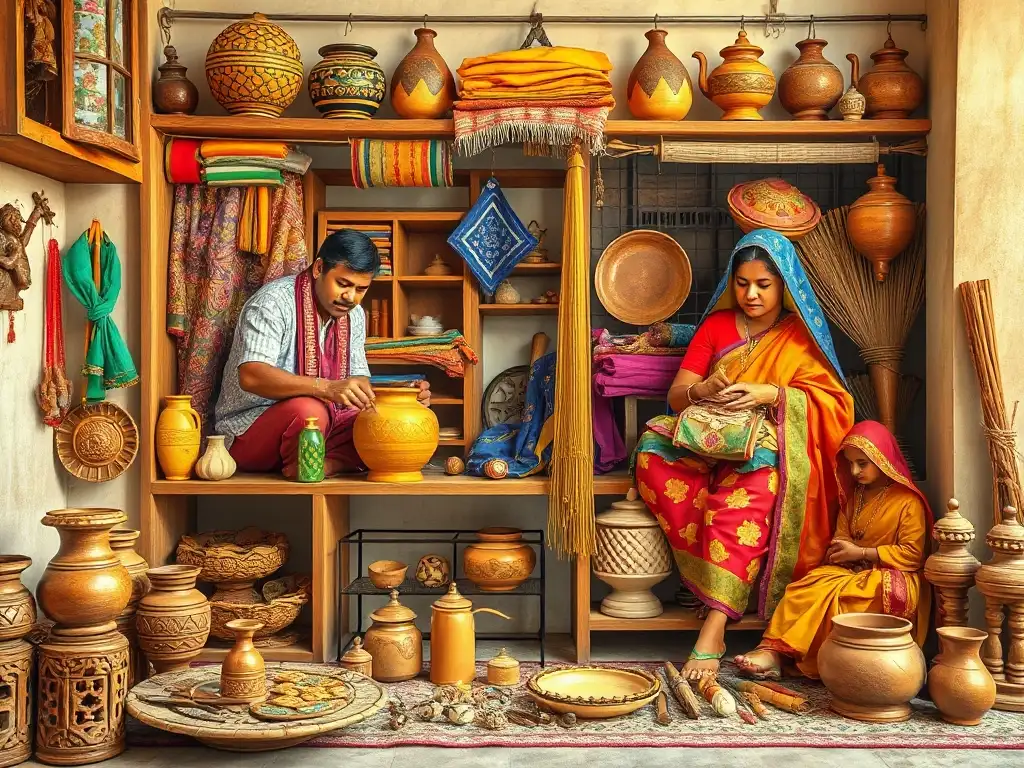
The Indian handicrafts niche market is flourishing, driven by a blend of tradition and modernity. This section delves into notable businesses that are redefining the landscape of Indian handicrafts, showcasing how they successfully integrate cultural heritage with contemporary market demands.
Chumbak: Reviving Heritage Through Modern Design
Chumbak is a prime example of how modern design can breathe new life into traditional Indian handicrafts. Founded in 2010, the brand started with a focus on quirky souvenirs that celebrate Indian culture. Chumbak has successfully carved out a niche by offering products that are not only aesthetically pleasing but also represent the rich heritage of India.
- Innovative Product Range: From home decor to apparel, Chumbak offers a diverse range of products that feature vibrant colors and unique designs inspired by Indian motifs.
- Sustainable Practices: Committed to sustainability, Chumbak sources materials responsibly and works closely with artisans to ensure fair trade practices, thereby supporting local communities.
- Digital Engagement: Leveraging e-commerce and social media, Chumbak has effectively reached a global audience, making Indian handicrafts accessible to customers worldwide.
By combining heritage with a modern flair, Chumbak exemplifies the potential of Indian handicrafts in the contemporary market.
Jaypore: Blending Tradition with Contemporary Style
Jaypore stands out for its distinctive approach to promoting Indian handicrafts by merging traditional craftsmanship with a contemporary aesthetic. Founded in 2012, Jaypore offers a curated selection of artisanal products that reflect India's cultural diversity.
- Curated Collections: Jaypore features a wide array of handcrafted products, including textiles, jewelry, and home decor, each telling a story of its origin and the artisans behind it.
- Artisan Empowerment: The platform focuses on empowering artisans by providing them with a marketplace to showcase their skills, ensuring they receive fair compensation for their work.
- Cultural Storytelling: Jaypore emphasizes the narrative behind each product, connecting customers with the artisans and the traditional techniques used, thus fostering a deeper appreciation for Indian craftsmanship.
Through its blend of tradition and modernity, Jaypore has successfully positioned itself as a leader in the Indian handicrafts niche market.
Craftsvilla: Empowering Artisans Through Technology
Craftsvilla is a pioneering e-commerce platform dedicated to promoting Indian handicrafts and empowering local artisans. Established in 2011, the platform connects artisans directly with consumers, cutting out intermediaries and ensuring fair prices for their products.
- Wide Artisan Network: Craftsvilla boasts a large network of artisans from various regions of India, each contributing unique handicrafts reflective of their cultural heritage.
- Tech-Driven Approach: By utilizing technology, Craftsvilla enhances the visibility of artisans and their crafts, providing them with tools for online marketing and sales.
- Focus on Authenticity: The platform emphasizes the authenticity of products, ensuring that customers receive genuine handmade items that represent India's rich cultural tapestry.
Craftsvilla's commitment to leveraging technology for artisan empowerment demonstrates a successful model in the Indian handicrafts niche market, fostering growth and sustainability in the industry.
Conclusion: Embracing Opportunities in the Indian Handicrafts Niche Market
As the Indian handicrafts industry continues to evolve, embracing the unique qualities and cultural significance of artisanal products presents a wealth of opportunities. The niche market trends indicate a growing consumer preference for authentic, handmade items that reflect rich traditions and craftsmanship. By recognizing the value of these products, entrepreneurs and artisans can tap into lucrative segments that cater to both domestic and international markets.
The increasing demand for sustainable and ethically sourced goods drives consumers to seek out handcrafted items that tell a story. This trend aligns well with the resurgence of interest in traditional techniques, providing a fertile ground for innovation within the Indian handicrafts sector. To fully embrace these opportunities, stakeholders must remain adaptable and responsive to market changes while preserving the authenticity and cultural heritage embedded in their creations.
Future Outlook: Predictions for Indian Handicrafts Market Trends
The future of the Indian handicrafts market appears robust, with several key trends projected to shape its landscape:
- Digital Transformation: The rise of e-commerce platforms is revolutionizing how handicrafts reach consumers. Artisans can now showcase their products globally, leading to increased visibility and sales opportunities.
- Sustainability and Eco-Consciousness: With a growing focus on sustainability, consumers are increasingly gravitating towards eco-friendly materials and production processes. Handicrafts that emphasize natural materials and sustainable methods will likely see heightened demand.
- Personalization and Customization: The trend towards bespoke products allows consumers to connect more deeply with the artisans and their crafts. Offering personalized options can set businesses apart in the crowded marketplace.
- Cultural Revival: There’s a renewed interest in traditional crafts, prompting consumers to seek authentic representations of cultural heritage. This creates opportunities for artisans to educate and engage with their audience, further enhancing the value of their offerings.
- Collaborations and Partnerships: Collaborating with designers or brands can elevate the visibility of handicrafts. Such partnerships can introduce traditional crafts to modern design aesthetics, appealing to a broader audience.
These trends signal a vibrant future for the Indian handicrafts niche market, where artisans who innovate while honoring their roots can flourish.
Call to Action: Getting Started in the Indian Handicrafts Market
For those looking to enter the Indian handicrafts market, here are essential steps to consider:
- Research and Identify Your Niche: Conduct thorough market research to identify specific handicrafts that resonate with consumer trends. Understanding the preferences and demands of your target audience is vital.
- Connect with Artisans: Build relationships with local artisans who possess the skills and knowledge necessary to create high-quality products. Collaborating with them ensures authenticity and craftsmanship in your offerings.
- Leverage Online Platforms: Utilize e-commerce platforms and social media to promote your products. A strong online presence will help reach wider audiences and drive sales.
- Focus on Branding: Develop a compelling brand story that highlights the uniqueness of your products and the artisans behind them. A strong brand identity can create emotional connections with consumers.
- Engage in Marketing and Promotion: Invest in strategic marketing initiatives that highlight the cultural significance and craftsmanship of your products. Engaging storytelling can captivate potential buyers.
By following these steps, aspiring entrepreneurs can carve out their place in the ever-growing Indian handicrafts niche market, contributing to the preservation of tradition while capitalizing on modern trends. 🌟
Frequently Asked Questions
What are the key trends in the Indian handicrafts niche market?
The current key trends include a growing demand for sustainable products, the rise of online platforms for selling handicrafts, and an increasing interest in traditional techniques among consumers.
How can artisans benefit from the growing niche market?
Artisans can benefit by targeting specific audiences, leveraging social media for marketing, and focusing on the uniqueness of their products, which can lead to higher sales and brand recognition.
What role does sustainability play in the Indian handicrafts market?
Sustainability is becoming increasingly important as consumers prefer eco-friendly products. Artisans who adopt sustainable practices are likely to attract more customers and enhance their brand image.
How can artisans effectively market their products online?
Artisans can use social media, create a strong online presence, and engage with customers through storytelling about their crafts. Collaborating with influencers can also help increase visibility.
What challenges do artisans face in the Indian handicrafts market?
Artisans often face challenges such as limited access to resources, difficulties in scaling production, and competition from mass-produced items. Overcoming these obstacles requires innovation and strategic planning.
Final Reflection: Embracing the Potential of Indian Handicrafts
The exploration of niche markets in Indian handicrafts is not just a trend; it is a testament to the resilience and creativity of artisans who breathe life into their crafts. As we navigate a world increasingly driven by consumer preferences for authenticity and sustainability, the relevance of Indian handicrafts continues to grow.
The unique stories behind each piece, combined with the rising demand for handmade products, highlight a significant shift in consumer behavior that values tradition and craftsmanship over mass production. This evolution presents a remarkable opportunity for artisans and entrepreneurs alike to carve out their space in a thriving industry.
Cultural heritage and craftsmanship are interwoven into the fabric of Indian society, influencing not only the economy but also our collective identity. The rise of niche markets allows for a deeper appreciation of these crafts, fostering a sense of pride among artisans and consumers. As we embrace these trends, we must remember the words of Mahatma Gandhi: The best way to find yourself is to lose yourself in the service of others.
This sentiment resonates deeply within the handicraft community, where each purchase supports livelihoods and sustains traditions that might otherwise fade away.
As we look to the future, I invite you to reflect on how you can engage with the world of Indian handicrafts. Consider supporting local artisans, exploring unique products, and sharing their stories with others. By doing so, you not only contribute to the preservation of cultural heritage but also become part of a movement that values creativity, sustainability, and community. Let us celebrate the beauty of Indian handicrafts and recognize the power we hold as consumers to shape a more inclusive and vibrant marketplace.
Unlock Your Potential in Indian Handicrafts!
Thank you for diving into the vibrant world of Indian handicrafts! We hope you’ve discovered valuable insights into the niche markets teeming with opportunities. Now, it's time to put that knowledge into action!
Here’s how you can begin your journey:
- Identify your niche: Research and choose a specific handicraft that resonates with your passion and skills.
- Expand your network: Connect with local artisans or online communities to share ideas and collaborate on exciting projects.
- Showcase your creativity: Start a blog or social media page to share your handicraft creations and knowledge, inspiring others along the way!
What unique approach will you take to establish your presence in the thriving world of Indian handicrafts? We’d love to hear your thoughts!