
The Role of Indian Culture in Promoting Exports: Leveraging Heritage for Business

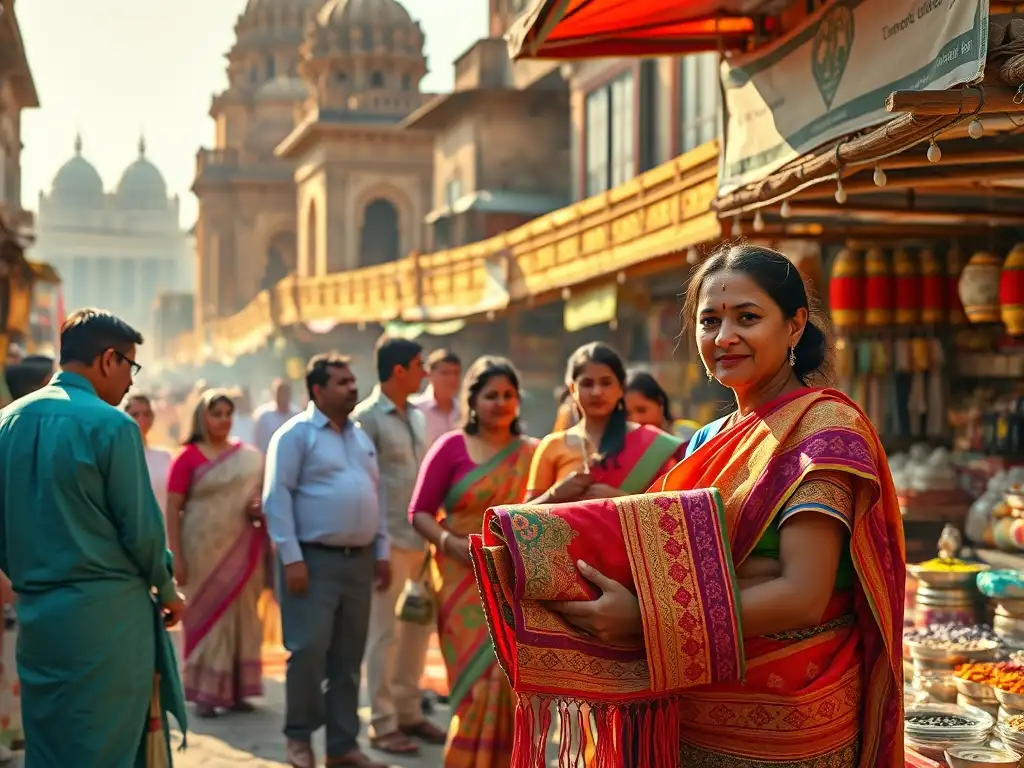
Welcome to Ancient India History, where we embark on a fascinating journey through the rich tapestry of India's past. Here, we delve into the intricate connections between Indian culture and exports, revealing how the vibrant heritage of ancient civilizations has paved the way for modern business practices. Discover how traditions and innovations from the Indus Valley to the Gupta Empire not only shaped societal norms but also influenced trade and commerce. Get ready to uncover the profound impact of India's cultural legacy on today's global market—your exploration of history and its relevance to modern business begins now!
India, with its rich tapestry of history, culture, and tradition, offers a unique perspective on the interplay between cultural heritage and economic prosperity. The concept of leveraging Indian culture for exports not only highlights the potential of traditional crafts, cuisine, and art but also emphasizes the significance of cultural identity in a globalized market.
As businesses seek to capitalize on the growing demand for authentic and unique products, understanding the role of Indian culture in promoting exports becomes crucial. This article explores the historical context of Indian culture in trade, the ancient trade routes that facilitated commerce, and the vast potential of cultural goods in the current export landscape.
Introduction to Indian Culture and Exports
The relationship between Indian culture and exports has evolved over millennia, rooted in the diverse customs, traditions, and practices that define the subcontinent. Indian culture, characterized by its diversity in languages, art forms, and culinary practices, has historically played a pivotal role in shaping trade relationships with various civilizations.
- Cultural Heritage: The vibrant tapestry of Indian culture includes elements such as:
- Traditional textiles and handlooms
- Artisanal crafts and pottery
- Spices and culinary items
- Ayurvedic products and wellness items
The global market increasingly values products that reflect cultural significance and authenticity, providing a unique opportunity for Indian exporters to showcase their goods. By effectively communicating the stories and cultural heritage behind their offerings, businesses can enhance their appeal and marketability.
Historical Context of Indian Culture in Trade
Ancient Trade Routes and Their Influence on Exports
India's historical trade routes, such as the Silk Road and maritime paths connecting to regions like Southeast Asia, the Middle East, and Africa, were instrumental in the exchange of goods and culture.
- Key Points:
- The Silk Road facilitated the exchange of not just silk, but also spices, gems, and textiles, showcasing the rich craftsmanship of Indian artisans.
- Maritime trade routes enabled the export of goods like pepper, cardamom, and cotton, establishing India as a crucial player in international trade.
These ancient trade networks not only boosted the economy but also fostered cultural exchanges that enriched both Indian civilization and its trade partners. The influence of these routes is still evident today, as they laid the groundwork for contemporary export strategies that leverage cultural heritage.
Cultural Goods and Their Export Potential
In today's global economy, Indian cultural goods have immense export potential. The unique attributes of these products often differentiate them in competitive markets.
- Examples of Cultural Goods with High Export Potential:
- Handmade Textiles: Such as Banarasi sarees and Kanchipuram silk, known for their artistry and craftsmanship.
- Ayurvedic Products: Leveraging ancient knowledge in herbal medicine to cater to the growing health-conscious consumer base worldwide.
- Art and Crafts: Traditional crafts like Madhubani paintings and blue pottery are gaining popularity in international markets.
By strategically promoting these cultural goods, Indian exporters can not only enhance their economic footprint but also preserve and celebrate the rich legacy of Indian culture. The confluence of heritage and commerce presents a unique opportunity for businesses to thrive while honoring the traditions that define them.
Leveraging Heritage for Modern Export Strategies
In the context of modern business, leveraging heritage can significantly enhance the export potential of Indian goods. Indian culture, with its deep-rooted traditions and diverse artistic expressions, provides a unique narrative that can be woven into modern export strategies. By emphasizing craftsmanship, storytelling, and the historical significance of products, businesses can create a compelling brand identity that resonates with international consumers.
The integration of cultural heritage into marketing strategies can differentiate Indian products in a crowded global marketplace. For instance, utilizing traditional motifs and designs in packaging or product presentation can attract consumers looking for authenticity and uniqueness. Moreover, brands can harness the power of digital platforms to showcase their heritage through engaging storytelling, videos, and virtual experiences. This not only fosters a connection with consumers but also enhances brand loyalty and recognition.
The Role of Indian Culture in Brand Storytelling
Brand storytelling rooted in Indian culture can forge a stronger emotional connection with consumers. By sharing the narratives behind products, businesses can highlight the craftsmanship, traditions, and values that shape their offerings. This approach goes beyond merely selling a product; it invites consumers into a rich tapestry of history and culture that elevates their purchasing experience.
For example, a textile company can tell the story of its artisans, the techniques passed down through generations, and the cultural significance of the designs used in their fabrics. This not only adds value to the product but also appeals to consumers who prioritize ethical and sustainable practices. By aligning the brand's mission with the rich cultural narratives of India, businesses can create a powerful marketing tool that resonates on a global scale.
Cultural Festivals and Export Promotion
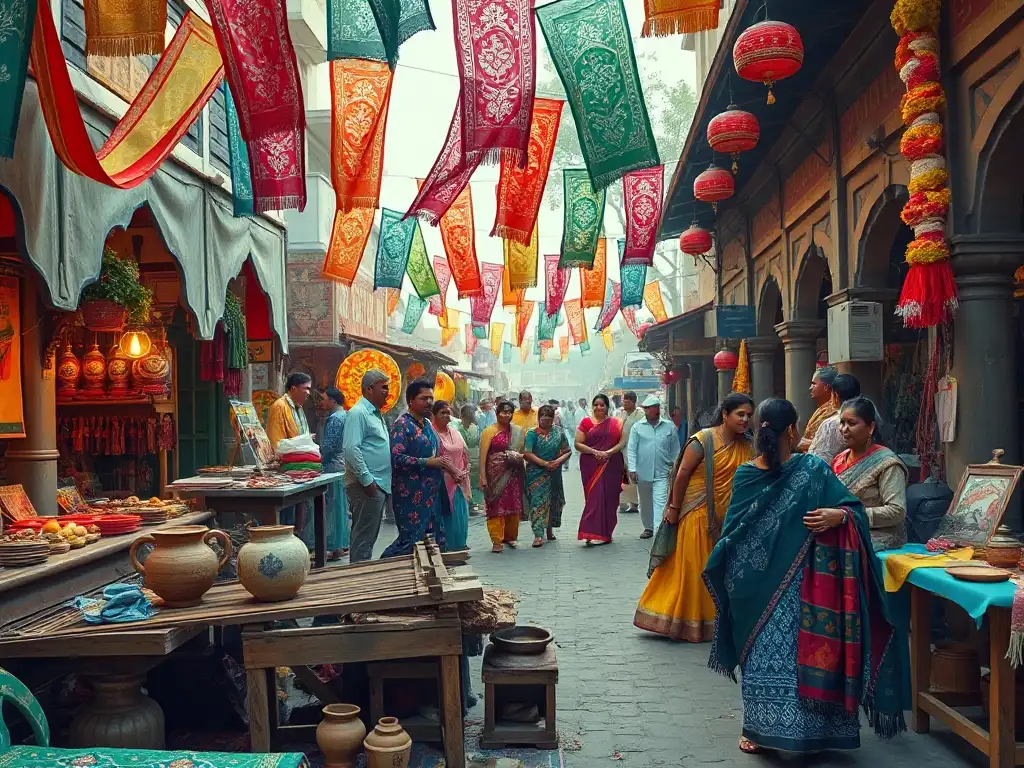
Cultural festivals play a pivotal role in promoting Indian exports by providing platforms for showcasing products and engaging with international audiences. Events such as Diwali, Holi, and regional fairs not only celebrate India's cultural diversity but also attract tourists and international buyers. These festivals present an opportunity for businesses to display their goods, connect with potential partners, and establish a global presence.
Participating in international cultural festivals can also enhance brand visibility. By showcasing traditional crafts, cuisine, and performing arts, Indian exporters can create an immersive experience that highlights the country's rich heritage. This strategy not only boosts exports but also fosters cultural exchange, allowing foreign audiences to appreciate the depth of Indian culture.
Strategies for Exporting Indian Goods
To effectively export Indian goods, businesses must adopt targeted strategies that leverage both cultural heritage and market demand. These strategies can enhance competitiveness and ensure successful entry into international markets.
Identifying High-Demand Cultural Products
Understanding market trends and consumer preferences is crucial for identifying high-demand cultural products. Indian exports often include textiles, handicrafts, gems, and spices, which are highly sought after in global markets. Conducting thorough market research can help businesses pinpoint specific products that align with international consumer trends, such as sustainable or ethically sourced goods.
Additionally, businesses should explore niche markets that appreciate cultural authenticity and craftsmanship. For instance, promoting traditional handloom fabrics or indigenous art can cater to consumers looking for unique, culturally rich products. By focusing on high-demand items, Indian exporters can position themselves strategically in competitive markets.
Building Partnerships with International Markets
Building partnerships with international markets is essential for expanding the reach of Indian exports. Collaborating with local distributors, retailers, and e-commerce platforms can facilitate access to new customer bases and enhance market penetration. Establishing relationships with foreign buyers through trade fairs, exhibitions, and business networking events can also open doors to valuable opportunities.
Moreover, leveraging platforms that promote cultural exchange can enhance visibility and credibility. By partnering with organizations that celebrate Indian culture, businesses can align their products with a broader narrative that appeals to international consumers. This collaborative approach not only strengthens brand presence but also fosters long-term relationships that are crucial for sustained export growth.
Challenges in Exporting Indian Cultural Products
Exporting Indian cultural products presents a unique set of challenges that can hinder the growth and sustainability of businesses in this sector. These challenges stem from a combination of regulatory, quality, and market-related issues. Understanding and addressing these challenges is crucial for leveraging India's rich heritage effectively for international trade.
Navigating Regulatory Hurdles
One of the primary challenges faced by exporters of Indian cultural products is navigating the complex regulatory framework. This involves understanding:
- Export Licenses: Exporters must secure the necessary licenses to sell their products overseas. The requirements can vary based on the type of cultural product, whether it's textiles, handicrafts, or art.
- Customs Regulations: Complying with customs regulations in both India and the destination country is essential. This includes understanding tariffs, import duties, and documentation requirements.
- Intellectual Property Rights (IPR): Protecting the intellectual property associated with traditional designs and cultural expressions is vital. Exporters must ensure that they have the right to use and sell these designs without infringing on the rights of local artisans or communities.
Navigating these hurdles requires a thorough understanding of both domestic and international trade laws, which can be daunting for small and medium-sized enterprises (SMEs) that may lack the resources for legal consultation.
Quality Control and Preservation of Cultural Integrity
Maintaining quality and preserving cultural integrity while scaling up production is another significant challenge. Key factors include:
- Standardization vs. Authenticity: As demand for Indian cultural products increases, the need for standardization in production can conflict with the authenticity of handcrafted goods. Striking a balance between ensuring quality and preserving traditional methods is essential.
- Training Artisans: Ensuring that artisans are trained in best practices for quality control while adhering to traditional techniques is crucial. This requires investment in skill development programs to maintain the integrity of cultural products.
- Sustainability Concerns: The environmental impact of sourcing materials and production methods must be considered. Sustainable practices not only protect the environment but also enhance the marketability of cultural products, as consumers increasingly prefer eco-friendly options.
Addressing these quality control challenges requires collaboration between exporters, artisans, and quality assurance professionals to maintain high standards without compromising cultural authenticity.
Conclusion: The Future of Indian Culture and Exports
The future of Indian culture and exports looks promising, driven by a growing global interest in unique and authentic cultural products. As businesses navigate the challenges of regulatory compliance and quality control, several trends are emerging that can facilitate growth:
- Digital Platforms: The rise of e-commerce and digital marketing provides new avenues for reaching international customers. Exporters can leverage social media and online marketplaces to showcase their products and tell their stories.
- Cultural Exchanges: Initiatives that promote cultural exchanges between India and other countries can open doors for Indian products. Participating in international trade fairs and cultural events can enhance visibility and foster connections with potential buyers.
- Collaborative Models: Collaborating with local artisans and communities can create a sustainable model for exporting cultural goods. By involving artisans in the decision-making process, businesses can ensure that the products remain authentic and culturally significant.
While challenges exist in exporting Indian cultural products, the potential for growth is significant. By leveraging the rich heritage of Indian culture and implementing strategic measures, businesses can not only promote exports but also contribute to the preservation and appreciation of India's diverse cultural legacy.
- Introduction to Indian Culture and Exports
- Historical Context of Indian Culture in Trade
- Leveraging Heritage for Modern Export Strategies
- The Role of Indian Culture in Brand Storytelling
- Cultural Festivals and Export Promotion
- Strategies for Exporting Indian Goods
- Challenges in Exporting Indian Cultural Products
- Conclusion: The Future of Indian Culture and Exports
- What is the significance of Indian culture in promoting exports?
- How does the heritage of India influence its export strategies?
- What are some examples of cultural exports from India?
- How can businesses effectively leverage Indian culture for global trade?
- What role do cultural festivals play in enhancing exports?
Frequently Asked Questions
What is the significance of Indian culture in promoting exports?
Indian culture plays a crucial role in shaping the identity of products, enhancing their appeal in international markets. By leveraging heritage and traditions, businesses can create unique offerings that resonate with global consumers.
How does the heritage of India influence its export strategies?
The heritage of India, including art, crafts, and traditional practices, can significantly enhance the value proposition of exports. By incorporating these elements, companies can differentiate their products and tap into niche markets.
What are some examples of cultural exports from India?
Cultural exports from India include textiles, handicrafts, jewelry, and traditional art forms. These products often carry the essence of Indian culture, making them attractive to international buyers.
How can businesses effectively leverage Indian culture for global trade?
Businesses can leverage Indian culture by integrating traditional techniques and storytelling into their branding. This approach not only promotes the uniqueness of products but also fosters a deeper connection with consumers.
What role do cultural festivals play in enhancing exports?
Cultural festivals serve as platforms for showcasing Indian products and traditions, attracting international attention. They provide opportunities for businesses to network, promote their cultural heritage, and ultimately boost exports.
Final Reflection: Embracing Indian Culture to Elevate Exports
The intersection of Indian culture and exports is more relevant today than ever, as businesses seek to differentiate themselves in a global marketplace. The rich tapestry of Indian heritage offers not just a unique identity but also a competitive edge that can resonate with consumers worldwide. In a time when authenticity and storytelling are paramount, leveraging Indian culture can transform exports from mere transactions into meaningful connections, fostering a deeper appreciation for the products and the stories behind them.
Cultural heritage is not just a relic of the past; it is a living force that shapes our present and future. The influence of Indian culture on exports is a testament to how traditions can inspire innovation and creativity in business practices. As we see more brands embracing their cultural roots, it becomes clear that the essence of Indian culture is not only a source of pride but also a powerful tool for economic growth. Culture is the bedrock of our identity; it is what we bring to the world.
This ongoing dialogue between culture and commerce invites us to reflect on how we can harness our heritage to create sustainable and impactful business practices.
As we look to the future, I invite you to consider how you can incorporate the lessons from Indian culture into your own endeavors. What aspects of your heritage can you leverage to create a unique value proposition? By embracing and promoting cultural narratives, we can not only enhance our exports but also contribute to a more diverse and inclusive global economy. Let us take inspiration from our roots and use them as a springboard for innovation, ensuring that the legacy of Indian culture continues to thrive in the world of business.
Unlock the Potential: Leverage Heritage for Your Business!
Thank you for taking the time to explore the fascinating intersection of culture and exports. Your interest shows you're ready to embrace the unique advantages our heritage offers in today's business landscape. With this knowledge, you have the potential to make a significant impact in your community and beyond.
Ready to take action? Here are a few steps to harness the power of cultural heritage for your business:
- Dive deep into your local heritage: Research the cultural practices and products in your area that can enhance your offerings.
- Engage with your community: Share your findings and invite locals to celebrate their heritage together, creating a supportive network.
- Promote your discoveries: Use social media platforms to highlight how traditional elements can be integrated into modern business strategies—tag us to showcase your journey!
How will you incorporate the richness of cultural heritage into your business strategy to create both economic and cultural value? Let’s start a conversation!