
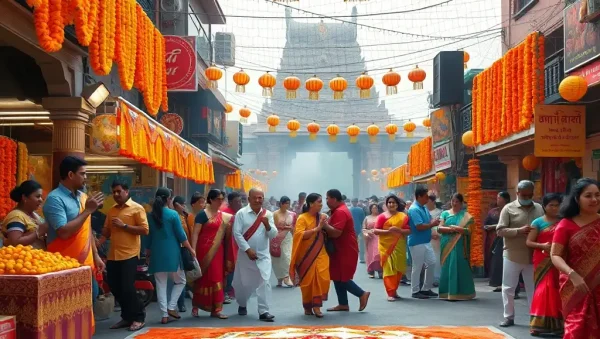
Influence on Southeast Asia
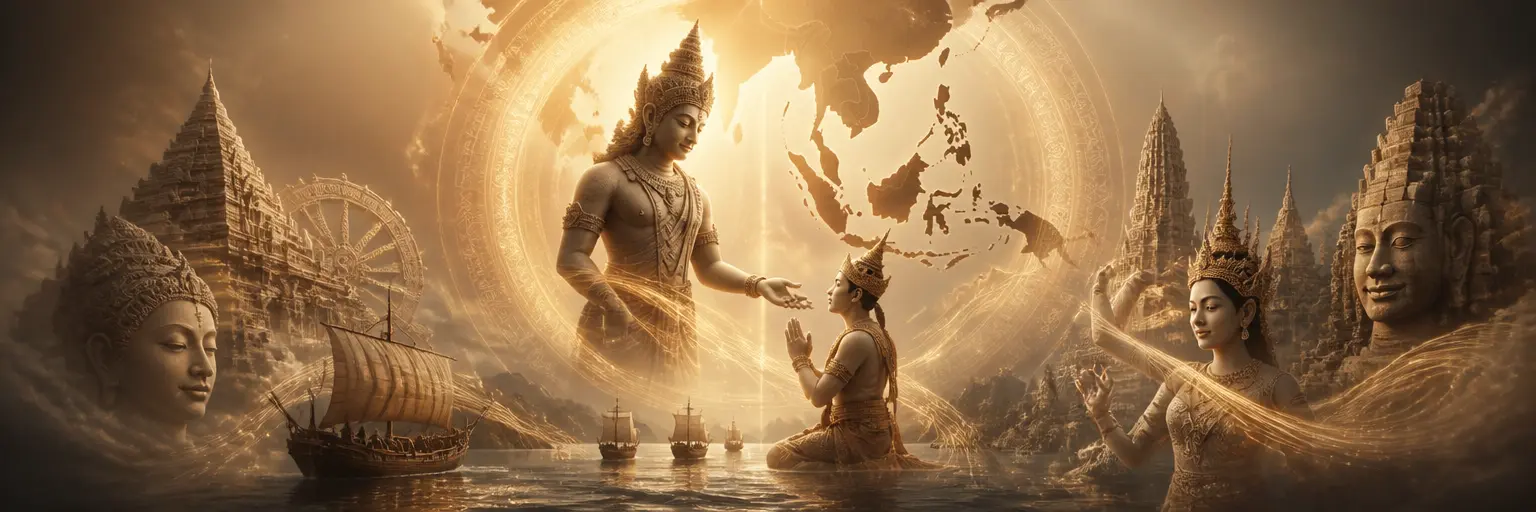
Influence on Southeast Asia
53 articles in this topic
Start here
- Influence on Southeast AsiaThe Evolution of Southeast Asian Scripts: Tracing Indian Origins
- Influence on Southeast AsiaHow Ancient Indian Texts Influenced Southeast Asian Philosophy and Ethics
- Influence on Southeast AsiaFrom Temples to Trade: The Architectural Influence of Ancient India in Southeast Asia
Read more about this topic
Explore how ancient India shaped Southeast Asia through trade, religion, language, art, and architecture 🌏 Discover the enduring influence of Indian merchants, scholars, and rulers as Hinduism, Buddhism, Sanskrit, epics, temple traditions, and political ideas traveled across the region. From Angkor Wat to Java’s monumental temples, uncover the remarkable cultural exchanges that connected ancient India with Southeast Asian civilizations and left a lasting legacy.
More in Influence on Southeast Asia
Influence on Southeast Asia
The Journey of Indian Mythology in Southeast Asian Arts
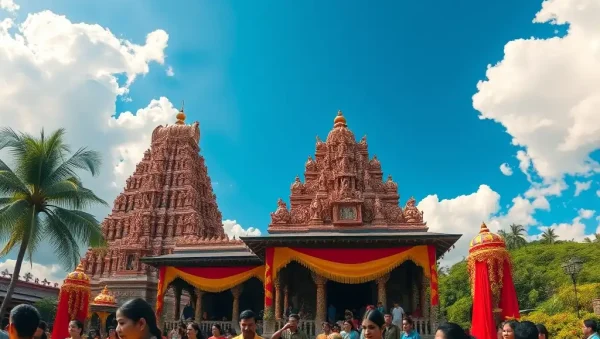
Influence on Southeast Asia
The Lasting Impact of Indian Culture on Modern Southeast Asian Societies

Influence on Southeast Asia
The Role of Indian Navigators in Exploring Southeast Asian Waters
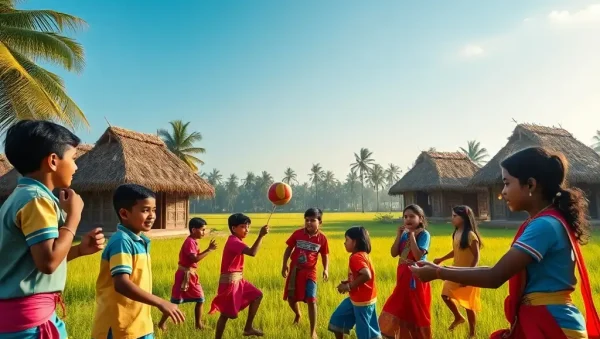
Influence on Southeast Asia
Ancient Indian Games and Sports: Their Influence on Southeast Asian Leisure Activities
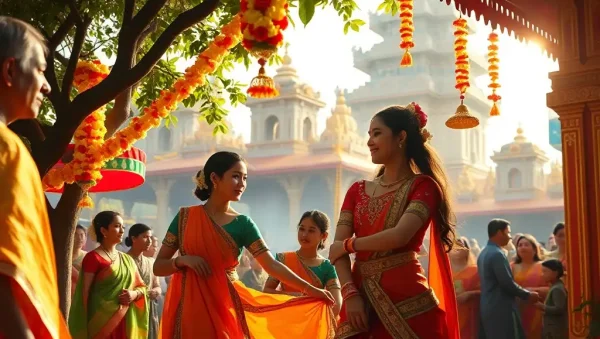
Influence on Southeast Asia
Festivals and Rituals: How Ancient Indian Culture Enriched Southeast Asian Celebrations

Influence on Southeast Asia
The Unseen Threads: How Ancient India Shaped Southeast Asian Cultures
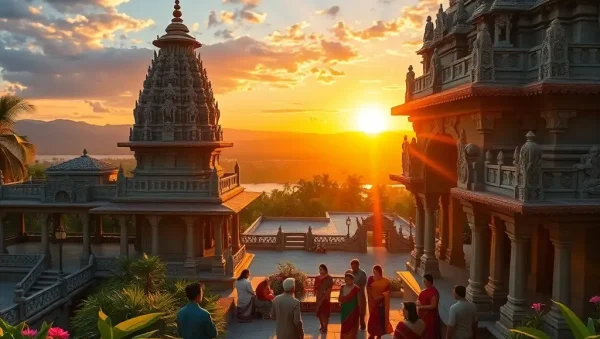
Influence on Southeast Asia
The Influence of Indian Cosmology on Southeast Asian Worldviews
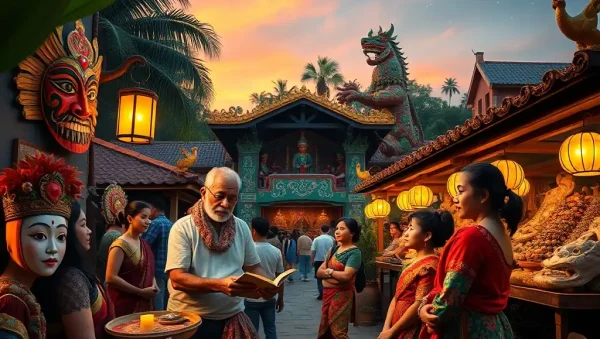
Influence on Southeast Asia
The Intermingling of Indian and Southeast Asian Folklore: Myths and Legends
Influence on Southeast Asia: Ancient Indian Cultural Exchanges and Influence
Discover how ancient India shaped Southeast Asia through centuries of maritime trade, religious exchange, migration, diplomacy, and cultural interaction. This subcategory explores the enduring influence of Indian civilization on regions including Indonesia, Malaysia, Cambodia, Thailand, Vietnam, Myanmar, and the Philippines. Learn how Indian ideas, artistic traditions, political models, languages, and religious beliefs travelled across the Bay of Bengal and became integrated with local societies.
🌏 Indian Ocean Trade and Maritime Connections
Readers can explore the thriving sea routes that connected ancient Indian ports with Southeast Asian kingdoms. Merchants, sailors, monks, and diplomats travelled between the eastern coast of India, Sri Lanka, the Malay Peninsula, Sumatra, Java, and mainland Southeast Asia, creating lasting networks of commercial and cultural exchange.
Articles in this section examine the trade of spices, textiles, gemstones, ivory, ceramics, and precious metals, while explaining how monsoon winds made regular voyages possible. These maritime connections helped spread Indian customs, technologies, artistic forms, and religious traditions throughout Southeast Asia.
🕉️ Hinduism, Buddhism, and Religious Exchange
Learn how Hinduism and Buddhism influenced the spiritual and intellectual development of Southeast Asian societies. Indian religious teachers, pilgrims, texts, and rituals contributed to the growth of Buddhism in Myanmar, Thailand, Cambodia, and Vietnam, while Hindu traditions became especially important in Java, Bali, Cambodia, and parts of the Malay world.
This section highlights the adaptation of Indian epics, sacred practices, temple traditions, and philosophical ideas by local communities. Rather than simple cultural replacement, these exchanges produced distinctive regional forms of religion, demonstrating the creative fusion of Indian and Southeast Asian beliefs.
🏛️ Indian Political Ideas and Southeast Asian Kingdoms
Discover how ancient Southeast Asian rulers adopted and adapted Indian concepts of kingship, statecraft, law, ritual authority, and sacred geography. Indian political influence can be seen in the development of powerful kingdoms such as Funan, Chenla, Champa, Srivijaya, and the Khmer Empire.
Readers will learn about the idea of the devaraja, or divine kingship, the role of Sanskrit inscriptions, and the use of Hindu and Buddhist ceremonies to strengthen royal legitimacy. These topics reveal how Southeast Asian rulers incorporated Indian models while preserving their own political traditions and local identities.
🛕 Temples, Architecture, and Sacred Landscapes
Explore the remarkable temples and monuments that reflect ancient Indian architectural and religious influence in Southeast Asia. Sites such as Angkor Wat, My Son, Borobudur, Prambanan, and numerous early shrines demonstrate the transmission of ideas about temple planning, iconography, cosmology, and sacred space.
This subcategory explains how local builders and artists transformed Indian architectural principles into original regional styles. Discussions may cover Hindu temple design, Buddhist stupas, sculptural programs, religious symbolism, and monumental construction, offering insight into the artistic achievements of ancient Southeast Asian civilizations.
📜 Sanskrit, Scripts, Literature, and Epigraphy
Investigate the role of Sanskrit as a language of religion, scholarship, diplomacy, and royal inscription across Southeast Asia. Sanskrit vocabulary and writing systems influenced local languages, while Indian scripts contributed to the development of scripts used in Cambodia, Thailand, Java, Bali, Myanmar, and other regions.
Readers can also discover how the Ramayana, Mahabharata, Puranic stories, Buddhist narratives, and Indian philosophical works were translated, performed, and adapted. These literary exchanges created a shared cultural vocabulary while encouraging the growth of distinct Southeast Asian literary traditions.
🎭 Art, Dance, Festivals, and Popular Culture
Learn how Indian mythology and artistic traditions shaped Southeast Asian sculpture, painting, dance, theatre, music, and festivals. Stories of Rama, Sita, Krishna, Shiva, Vishnu, and the Buddha appear in many regional performance traditions, including versions of the Ramayana adapted for local audiences.
This section emphasizes cultural adaptation and continuity. Readers will see how Southeast Asian communities reinterpreted Indian themes through local costumes, languages, musical forms, social values, and religious practices, creating vibrant traditions that remain influential today.
🤝 Cultural Adaptation and Local Southeast Asian Traditions
Ancient Indian influence on Southeast Asia was not a one-way process. Local communities actively selected, reshaped, and combined Indian ideas with indigenous customs, ancestor worship, animist traditions, and existing social structures.
Explore the concept sometimes described as Indianization, while examining its limitations and the importance of local agency. This approach presents a balanced history of cultural exchange, showing that Southeast Asian civilizations were active participants in developing new political, religious, and artistic identities.
❓ Frequently Asked Questions About Indian Influence on Southeast Asia
What was the main way Indian culture reached Southeast Asia?
Indian culture reached Southeast Asia primarily through maritime trade and peaceful cultural exchange. Merchants, religious teachers, pilgrims, artisans, and diplomats travelled across the Indian Ocean and the Bay of Bengal, carrying religious ideas, languages, artistic traditions, technologies, and political concepts.
Which Southeast Asian countries were influenced by ancient India?
Ancient Indian influence can be found across Cambodia, Thailand, Myanmar, Vietnam, Indonesia, Malaysia, Singapore, Laos, and parts of the Philippines. The strength and form of this influence varied by region, with Hindu and Buddhist traditions leaving especially strong marks on Cambodia, Java, Bali, mainland Southeast Asia, and the Malay world.
How did Hinduism and Buddhism influence Southeast Asia?
Hinduism and Buddhism influenced Southeast Asia through religious teachings, temple construction, royal ceremonies, literature, sculpture, education, and philosophy. Local rulers and communities adapted these traditions to their own cultures, producing distinctive forms of Southeast Asian Hinduism and Buddhism.
What is the connection between Sanskrit and Southeast Asian languages?
Sanskrit became an important language of royal inscriptions, religion, scholarship, and administration in many Southeast Asian kingdoms. It contributed vocabulary and literary concepts to local languages, while Indian-derived scripts influenced writing systems used in Cambodia, Thailand, Java, Bali, Myanmar, and surrounding regions.
Was Southeast Asian culture simply copied from India?
No. Southeast Asian societies did not merely copy Indian culture. They selectively adopted and transformed Indian ideas, combining them with indigenous beliefs, political systems, languages, and artistic traditions. The result was a dynamic process of cultural exchange and local adaptation, not cultural dependence.