
Interactions with Neighboring Civilizations

Interactions with Neighboring Civilizations
54 articles in this topic
Start here
- Interactions with Neighboring CivilizationsThe Influence of Ancient Indian Architecture on Neighboring Regions
- Interactions with Neighboring CivilizationsThe Role of Buddhism in Bridging Ancient Indian and Central Asian Cultures
- Interactions with Neighboring CivilizationsThe Influence of Indian Aesthetics on Persian and Central Asian Art
Read more about this topic
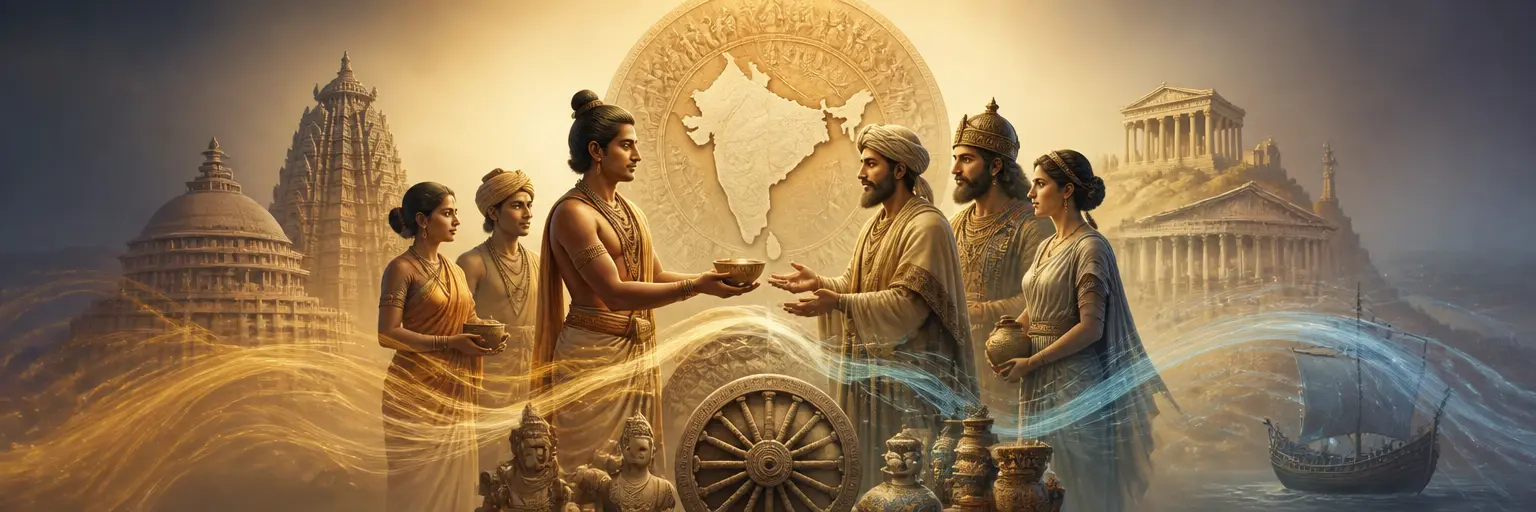
Explore how ancient India connected with neighboring civilizations through trade, diplomacy, migration, religion, art, and knowledge exchange. Discover the lasting influence of interactions with Persia, Central Asia, China, Southeast Asia, and beyond, revealing how ideas, technologies, languages, and cultural traditions shaped the development of Indian civilization and the wider ancient world.
More in Interactions with Neighboring Civilizations

Interactions with Neighboring Civilizations
The Role of Festivals in Reflecting Cultural Exchanges in Ancient India
Interactions with Neighboring Civilizations
The Cultural Impact of Ancient Indian Trade Goods on Global Markets
Interactions with Neighboring Civilizations
How the Gupta Empire Influenced Neighboring Kingdoms in Southeast Asia
Interactions with Neighboring Civilizations
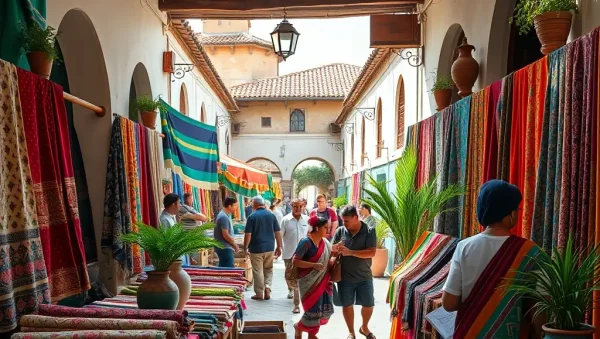
The Spread of Indian Textiles: A Cultural Exchange with the Mediterranean

Interactions with Neighboring Civilizations
The Role of Women in Cultural Exchanges: Stories from Ancient India
Interactions with Neighboring Civilizations
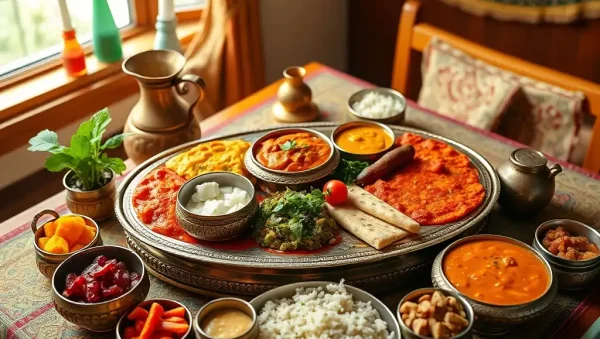
Ancient Indian Cuisine: A Fusion of Flavors from Neighboring Civilizations
Interactions with Neighboring Civilizations
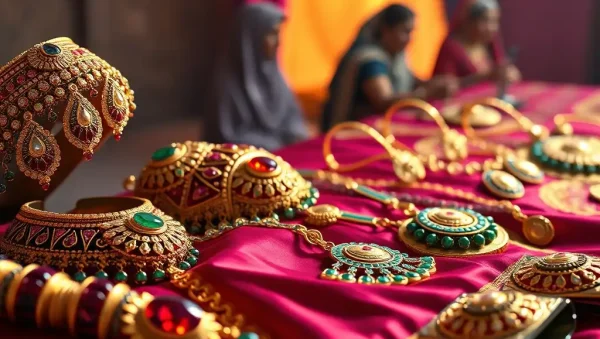
The Cultural Significance of Indian Jewelry in Neighboring Regions
Interactions with Neighboring Civilizations
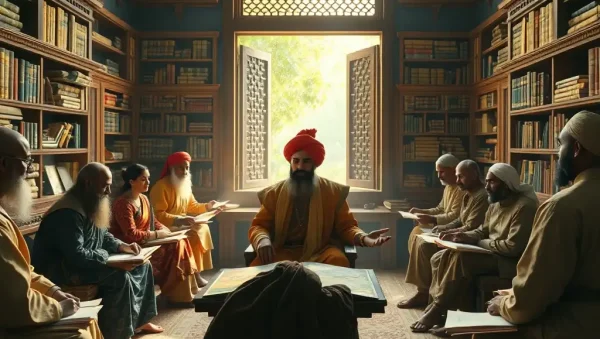
The Role of Ancient Indian Scholars in the Exchange of Knowledge
🌏 Interactions with Neighboring Civilizations in Ancient India
Discover how ancient India interacted with neighboring civilizations through trade, diplomacy, migration, warfare, religion, language, art, and intellectual exchange. This subcategory explores the cultural exchanges that connected the Indus Valley Civilization, Vedic communities, Mauryan India, Kushan territories, and the Gupta Empire with Central Asia, Persia, the Greek world, Southeast Asia, China, and other regions. Learn how these relationships influenced ancient Indian history, technology, commerce, architecture, literature, Buddhism, Hinduism, and political development.
🧭 India and the Indus Valley’s Western Neighbors
Explore the connections between the Indus Valley Civilization and communities in Mesopotamia, ancient Persia, the Arabian Peninsula, and Central Asia. Archaeological evidence, including seals, pottery, trade goods, and written references, reveals that Harappan cities participated in long-distance commercial networks. Readers can learn about maritime trade through the Arabian Sea, overland routes, and the exchange of materials such as carnelian, copper, lapis lazuli, ivory, textiles, and shell ornaments.
This section examines how contact with neighboring societies encouraged urban growth and technological development. It also considers the movement of artistic motifs, religious symbols, craft techniques, and economic practices between ancient India and the wider Bronze Age world, helping explain the role of the Indus Valley Civilization in early international trade.
🐎 Indo-Iranian and Central Asian Connections
Study the important relationships between ancient Indian communities and peoples from Iran, Afghanistan, Bactria, and the Central Asian steppes. These interactions shaped language, political traditions, military organization, artistic styles, and religious ideas. The movement of tribes, merchants, soldiers, and travelers across mountain passes helped connect the Indian subcontinent with the Iranian plateau and Eurasian interior.
Readers will discover how the northwest frontier served as a major corridor for cultural exchange. Topics include Indo-Iranian linguistic links, Persian influence, Achaemenid contact, coinage, administrative practices, horse culture, and the role of routes through Gandhara and the Hindu Kush in transmitting ideas and commodities.
🏛️ Greek, Macedonian, and Indo-Greek Influence
Examine the impact of the Greek world and Alexander the Great’s campaigns on northwestern India. This section explores encounters between Indian kingdoms and Macedonian forces, followed by the rise of the Indo-Greek kingdoms. Learn how Greek and Indian traditions interacted in Gandhara, producing distinctive developments in sculpture, coin design, political symbolism, astronomy, and philosophical exchange.
The discussion also highlights the importance of Indo-Greek rulers such as Menander and the broader Hellenistic networks that linked India with Central Asia and the Mediterranean. Readers can expect insights into Gandharan art, bilingual inscriptions, Greek-style coins, Buddhist imagery, and the continuing influence of Hellenistic culture in ancient India.
🛡️ Mauryan Diplomacy and International Relations
Learn how the Mauryan Empire established relationships with neighboring powers during one of the most influential periods in ancient Indian history. The reign of Chandragupta Maurya involved contact with the Seleucid Empire, while Ashoka developed diplomatic and religious connections beyond the Indian subcontinent. These interactions demonstrate the importance of treaties, ambassadors, trade routes, and imperial communication.
This section explores the international dimensions of the Mauryan Empire, including Megasthenes’ account of India, Ashoka’s edicts, diplomatic missions, and the spread of Buddhist teachings to nearby regions. Readers will gain a clearer understanding of how Mauryan administration and foreign policy contributed to cultural exchange across South Asia and beyond.
☸️ Buddhism and Cultural Exchange Across Asia
Follow the spread of Buddhism from ancient India into Central Asia, Sri Lanka, China, Tibet, and Southeast Asia. Monks, merchants, translators, and pilgrims carried Buddhist teachings along land and maritime routes, creating enduring connections between Indian kingdoms and neighboring civilizations. This section explains how monasteries, universities, stupas, manuscripts, and pilgrimage centers supported the movement of religious and intellectual traditions.
Readers can explore the development of different Buddhist schools, the translation of Sanskrit and Prakrit texts, and the role of centers such as Gandhara, Taxila, Nalanda, and Mathura. The subcategory also examines how Buddhism adapted to local cultures while preserving important elements of Indian philosophy, meditation, ethics, art, and sacred literature.
🐫 Trade Routes, Merchants, and Maritime Networks
Discover how merchants connected ancient India with Arabia, Persia, East Africa, Southeast Asia, and the Mediterranean world. Land routes across the northwest and maritime routes across the Indian Ocean enabled the exchange of spices, textiles, precious stones, metals, ivory, pearls, horses, silk, and luxury goods. These commercial networks supported the growth of ports, market towns, royal centers, and cosmopolitan communities.
This section explains how monsoon winds, caravan routes, shipbuilding, and merchant guilds shaped economic and cultural interaction. Readers will learn how trade encouraged the movement of languages, religious beliefs, artistic forms, technologies, food traditions, and social customs between ancient India and its neighboring civilizations.
🎨 Art, Architecture, and Shared Cultural Traditions
Explore the visual evidence of cultural exchange in ancient Indian art and architecture. Sculptural traditions from Gandhara and Mathura, Persian-inspired motifs, Central Asian influences, and regional styles reveal how artists adapted ideas from different civilizations. Topics include Buddhist stupas, rock-cut caves, temple design, pillar architecture, decorative patterns, coins, murals, and religious imagery.
Readers will see how cultural influence was not simply one-directional. Ancient Indian artists, architects, scholars, and religious communities also shaped neighboring societies through Indian sculpture, Sanskrit literature, Buddhist iconography, mathematics, astronomy, and architectural techniques. This balanced approach highlights adaptation, creativity, and local innovation.
📚 Language, Literature, Science, and Intellectual Exchange
Investigate the movement of knowledge between ancient India and surrounding regions. Sanskrit, Prakrit, Pali, Greek, Persian, and Central Asian languages provided channels for communication, translation, administration, and religious teaching. Literary works, inscriptions, diplomatic accounts, and travel records offer valuable evidence of how people understood one another and exchanged ideas.
This section also covers the international influence of Indian mathematics, astronomy, medicine, philosophy, and political thought. Readers can learn how scholars and travelers transmitted numerical systems, astronomical concepts, medical knowledge, stories, and educational traditions across Asia, contributing to the intellectual history of the ancient world.
🗺️ Why Interactions with Neighboring Civilizations Matter
The history of ancient India cannot be understood in isolation. Contact with neighboring civilizations influenced political change, economic expansion, religious development, artistic innovation, and social transformation across centuries. From Harappan trade to Mauryan diplomacy and Gupta-era cultural achievements, these connections reveal India as an active participant in a wider Afro-Eurasian world.
By studying ancient Indian cultural exchange, readers gain a deeper understanding of how civilizations borrow, adapt, negotiate, and create new traditions. This subcategory brings together archaeology, history, numismatics, epigraphy, religion, art history, and historical geography to provide a comprehensive resource for students, researchers, travelers, and anyone interested in the global history of ancient India.
❓ Frequently Asked Questions About Ancient India’s Neighboring Civilizations
What civilizations interacted with ancient India?
Ancient India interacted with the Indus Valley’s western neighbors, Mesopotamia, Persia, Central Asian kingdoms, the Greek and Hellenistic world, China, Southeast Asia, Sri Lanka, and Arabian trading communities. These interactions involved trade, diplomacy, migration, warfare, religion, art, language, and intellectual exchange.
How did trade influence ancient Indian civilization?
Trade brought wealth, raw materials, luxury goods, technologies, and new ideas to the Indian subcontinent. Merchants connected inland cities and coastal ports with foreign markets, while trade routes encouraged the growth of urban centers, craft production, merchant guilds, and multicultural communities.
What was the importance of Gandhara in cultural exchange?
Gandhara was a major crossroads between India, Central Asia, Persia, and the Greek world. It became especially important for Buddhist learning and Gandharan art, which combined Indian religious themes with Hellenistic and Central Asian artistic features.
Did ancient India influence neighboring civilizations?
Yes. Ancient India influenced neighboring regions through Buddhism, Hindu traditions, Sanskrit, literature, mathematics, astronomy, medicine, architecture, artistic styles, and political ideas. Indian merchants, monks, scholars, and diplomats helped transmit these traditions across Asia.
What sources reveal India’s interactions with other civilizations?
Important sources include archaeological remains, inscriptions, coins, religious texts, foreign travel accounts, trade records, art, architecture, pottery, seals, and maritime evidence. Together, these sources help historians reconstruct the complex cultural exchanges between ancient India and the wider world.