
Guide to Purchasing Authentic Indian Jewelry
Guide to Purchasing Authentic Indian Jewelry
29 articles in this topic
Start here
- Guide to Purchasing Authentic Indian JewelryThe Story Behind the Gems: Understanding Authentic Indian Jewelry Materials
- Guide to Purchasing Authentic Indian JewelryThe Influence of Indian Festivals on Jewelry Buying: A Seasonal Guide
- Guide to Purchasing Authentic Indian JewelryHow to Choose the Right Indian Jewelry for Your Personal Style: A Comprehensive Guide
Read more about this topic
Discover the timeless beauty of authentic Indian jewelry 💎✨ with this practical purchasing guide. Learn how to identify traditional craftsmanship, evaluate precious metals and gemstones, understand regional designs, and choose ethically sourced pieces inspired by India’s ancient heritage. Whether you’re seeking gold jewelry, kundan, meenakari, temple ornaments, or gemstone treasures, gain the confidence to make informed choices and find meaningful, high-quality jewelry that reflects India’s rich cultural history.
More in Guide to Purchasing Authentic Indian Jewelry
Guide to Purchasing Authentic Indian Jewelry
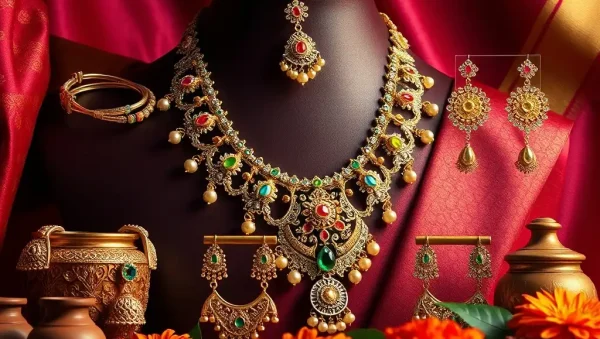
Exploring the Craftsmanship: How to Choose Authentic Handcrafted Indian Jewelry
Guide to Purchasing Authentic Indian Jewelry
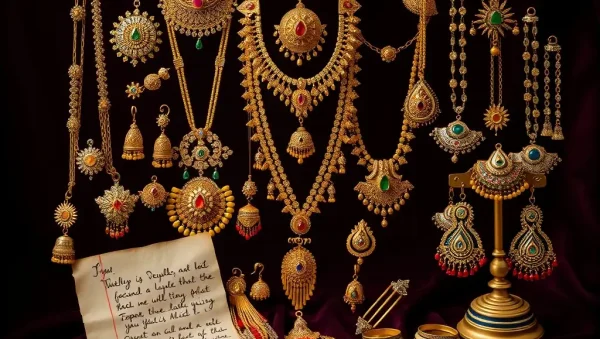
The Role of Cultural Heritage in Indian Jewelry: Buying with Purpose
Guide to Purchasing Authentic Indian Jewelry
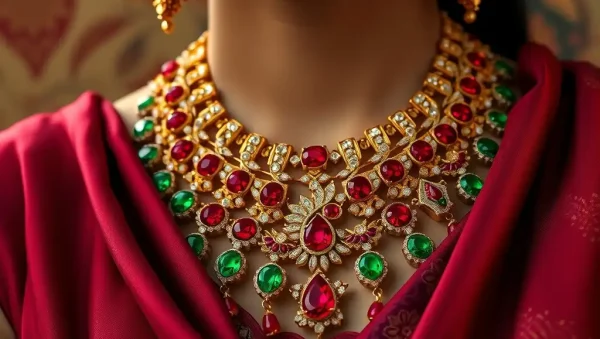
Why Authentic Indian Jewelry is a Worthwhile Investment: A Comprehensive Overview
Guide to Purchasing Authentic Indian Jewelry
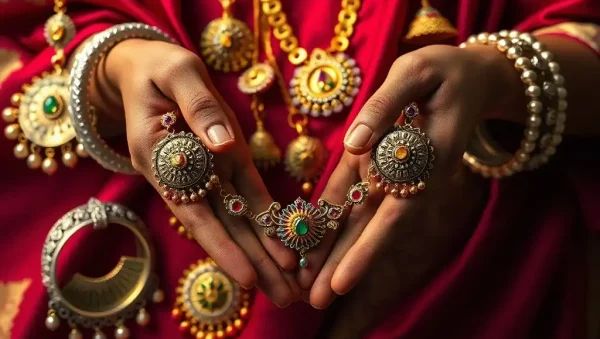
The Ultimate Guide to Identifying Authentic Indian Jewelry: What Every Buyer Should Know
Guide to Purchasing Authentic Indian Jewelry
The History Behind Indian Jewelry Styles: Finding Authentic Pieces with Cultural Value
Guide to Purchasing Authentic Indian Jewelry
10 Tips for Purchasing Genuine Indian Gold Jewelry: Avoiding Common Pitfalls
Guide to Purchasing Authentic Indian Jewelry
Where to Buy Authentic Indian Jewelry: Top Markets and Online Stores Explored
Guide to Purchasing Authentic Indian Jewelry
The Importance of Certificate of Authenticity in Indian Jewelry Purchases
💎 Guide to Purchasing Authentic Indian Jewelry
Discover how to purchase authentic Indian jewelry with confidence through this practical guide from Ancient India History. Explore the history, symbolism, craftsmanship, gemstones, metals, regional traditions, and cultural meanings behind Indian jewelry. Whether you are searching for antique Indian jewelry, traditional gold jewelry, Kundan, Jadau, Meenakari, temple jewelry, silver jewelry, or ethically sourced gemstones, this subcategory offers helpful information for identifying quality pieces and making informed choices. Learn how to distinguish genuine craftsmanship from mass-produced imitations while appreciating India’s remarkable jewelry heritage, from the Indus Valley civilization to the Gupta Empire and beyond.
🏺 Understanding the History of Indian Jewelry
Indian jewelry has developed across thousands of years, reflecting the beliefs, trade networks, artistry, and social customs of ancient Indian civilizations. Archaeological discoveries from the Indus Valley Civilization reveal early use of beads, shells, copper, gold, faience, and semi-precious stones. Later traditions flourished under the Maurya, Satavahana, Kushan, Gupta, Chola, Rajput, Mughal, and regional kingdoms, creating a diverse heritage of necklaces, earrings, bangles, rings, anklets, hair ornaments, and ceremonial jewelry.
When purchasing authentic Indian jewelry, historical context can help you recognize meaningful design details. Lotus motifs, peacocks, deities, floral patterns, sacred symbols, and geometric forms may reflect particular regions or religious traditions. Learning this background allows buyers to appreciate Indian jewelry as cultural heritage, rather than viewing it only as decorative fashion or an investment in precious materials.
🔍 How to Identify Authentic Indian Jewelry
Authenticating Indian jewelry requires attention to materials, construction, design, age, markings, and documentation. Examine the quality of the metal, gemstone settings, soldering, engraving, enamel work, and surface finish. Traditional handcrafted jewelry may show subtle variations, while perfectly uniform details can sometimes indicate modern machine production. However, age alone does not prove authenticity, and many contemporary artisans continue to use traditional methods.
Ask sellers for clear information about an item’s origin, manufacturing technique, metal purity, gemstone treatment, and previous ownership. Reliable provenance and transparent descriptions are especially important when buying antique Indian jewelry or rare historical pieces. Photographs should show the front, back, clasps, settings, hallmarks, and areas of wear so that you can assess the piece before purchasing.
💰 Choosing Gold, Silver, and Other Precious Metals
Gold has long held a special place in Indian culture, where it is associated with prosperity, purity, family traditions, and ceremonial occasions. Traditional Indian gold jewelry may include plain gold, engraved gold, filigree, repoussé, temple-style designs, or gemstone-studded settings. Look for purity marks such as karat information and official hallmarking where applicable, and compare the stated weight with the design and workmanship.
Silver jewelry is also important in many Indian regions, particularly for tribal ornaments, rural adornment, anklets, amulets, and oxidized designs. Buyers should ask whether the silver is sterling, high-purity, plated, or mixed with other metals. Understanding metal purity, making charges, taxes, and resale policies helps you compare prices accurately and avoid confusing the value of craftsmanship with the market value of raw metal.
💎 Selecting Authentic Indian Gemstones
Indian jewelry frequently features diamonds, rubies, emeralds, sapphires, pearls, garnets, turquoise, coral, moonstone, and other colored gemstones. Some stones carry religious or astrological significance, while others are selected for their color, rarity, durability, and beauty. A gemstone’s quality depends on factors such as color, clarity, cut, carat weight, origin, and treatment.
Before purchasing valuable gemstone jewelry, request an independent laboratory report whenever possible. The report should identify the gemstone and disclose significant treatments, synthetic origins, or imitations. Natural, untreated gemstones are not automatically the best choice for every buyer; treated stones can be beautiful and affordable, but treatments should be honestly disclosed so you can make an informed decision.
👑 Exploring Traditional Indian Jewelry Styles
India’s regional jewelry traditions offer an extraordinary range of styles. Kundan and Jadau jewelry are known for elaborate gemstone settings and royal court associations. Meenakari jewelry is recognized for colorful enamel decoration, while temple jewelry often features sacred figures, floral motifs, and designs inspired by South Indian temples. Polki jewelry uses uncut diamonds, and Thewa, filigree, Bidri, tribal, and Rajput jewelry each have distinctive techniques and visual identities.
When shopping, research the style’s regional origin and traditional construction. A piece marketed as “Indian-inspired” may use modern materials or simplified designs, while an authentic regional piece will often reflect recognizable methods and motifs. Learning the difference between Kundan, Jadau, Polki, Meenakari, temple jewelry, and antique jewelry makes it easier to select an item that matches your interests, budget, and appreciation of Indian craftsmanship.
🛍️ Buying Indian Jewelry Online and In Person
Online shopping provides access to Indian jewelers, artisan workshops, antique dealers, museum-inspired collections, and specialist gemstone retailers around the world. Before ordering, review the seller’s reputation, return policy, shipping insurance, customer feedback, product dimensions, metal details, and gemstone certification. High-quality listings should include detailed photographs and explain whether the jewelry is handmade, vintage, antique, contemporary, or reproduction.
In-person shopping allows you to examine weight, texture, balance, clasps, stone settings, and workmanship directly. Visit established jewelers, reputable antique dealers, artisan cooperatives, or cultural markets with clear business credentials. Never allow urgency or unusually low prices to replace careful verification, particularly when a seller claims that a piece is rare, ancient, museum-quality, or made from exceptionally valuable gemstones.
🧾 Evaluating Price, Craftsmanship, and Value
The price of authentic Indian jewelry reflects more than the cost of gold, silver, or gemstones. Labor, design complexity, traditional techniques, rarity, age, condition, provenance, regional importance, and the reputation of the maker may all influence value. Handcrafted pieces can require many hours or even months of work, especially when they include detailed enamel, granulation, filigree, engraving, or intricate gemstone setting.
Compare similar items from multiple reputable sellers and request an itemized invoice. The invoice should identify the metal, weight, purity, gemstones, treatments, labor charges, taxes, and any certification. A fair price is supported by transparent information, not simply by claims of exclusivity, royal ownership, or ancient origin without documentation.
🌿 Ethical, Cultural, and Responsible Purchasing
Responsible jewelry purchasing considers environmental impact, labor conditions, cultural ownership, and the treatment of vulnerable communities. Look for sellers who provide information about artisan wages, recycled metals, responsibly sourced gemstones, and supply-chain practices. Supporting legitimate craftspeople and cooperatives can help preserve traditional Indian jewelry-making techniques and sustain local communities.
Buyers should also approach sacred, ceremonial, or historically significant objects with respect. Some jewelry may have religious meaning or cultural restrictions, while certain antiquities may be protected by export and heritage laws. Responsible ownership includes verifying legal provenance and avoiding objects that may have been looted, illegally exported, or removed from archaeological sites.
🧼 Caring for Indian Jewelry After Purchase
Proper care helps preserve the beauty and structural integrity of Indian jewelry. Store each item separately in a soft, dry pouch to prevent scratches and tarnishing. Keep gemstones and metals away from perfumes, cosmetics, chlorine, harsh cleaning products, excessive moisture, and sudden temperature changes. Enamel, pearls, porous stones, and antique finishes may require especially gentle handling.
Have valuable or delicate jewelry inspected by a qualified professional, particularly if stones appear loose or clasps are worn. Avoid aggressive polishing on antique or oxidized pieces, since it can remove intentional finishes or historical surface character. Professional cleaning and periodic maintenance are safer than home treatments when a piece contains fragile enamel, old settings, pearls, or treated gemstones.
❓ Frequently Asked Questions About Authentic Indian Jewelry
💍 How can I tell if Indian jewelry is authentic?
Check the materials, construction, hallmarks, gemstone information, seller reputation, and provenance. Authenticity cannot usually be confirmed from appearance alone, so valuable pieces should be accompanied by independent documentation or evaluated by a qualified jeweler, gemologist, or antiques specialist.
🏷️ What should an Indian jewelry certificate include?
A useful certificate or laboratory report should identify the metal or gemstone, disclose treatments or synthetic materials, and provide relevant measurements or weight. For antique jewelry, additional documentation may describe estimated age, origin, design tradition, previous ownership, or legal provenance.
💎 Are all Indian gemstones natural and untreated?
No. Indian jewelry may contain natural, treated, synthetic, composite, or imitation gemstones. Treatments such as heating, filling, dyeing, or fracture repair can be common and acceptable when disclosed. Always ask for written information and an independent report for expensive gemstone purchases.
💰 Is antique Indian jewelry a good investment?
Antique jewelry can have historical, artistic, and financial value, but investment outcomes are never guaranteed. Value depends on authenticity, condition, rarity, provenance, craftsmanship, materials, and market demand. Purchase pieces you genuinely appreciate and obtain professional advice before making a high-value acquisition.
🛒 What is the safest way to buy Indian jewelry online?
Choose an established seller with verifiable contact details, clear product descriptions, secure payment options, insured shipping, and a reasonable return policy. Request close-up photographs, independent certificates, metal purity details, gemstone treatment information, and an itemized invoice before completing the purchase.