
History of Indian Gemstones
History of Indian Gemstones
31 articles in this topic
Read more about this topic
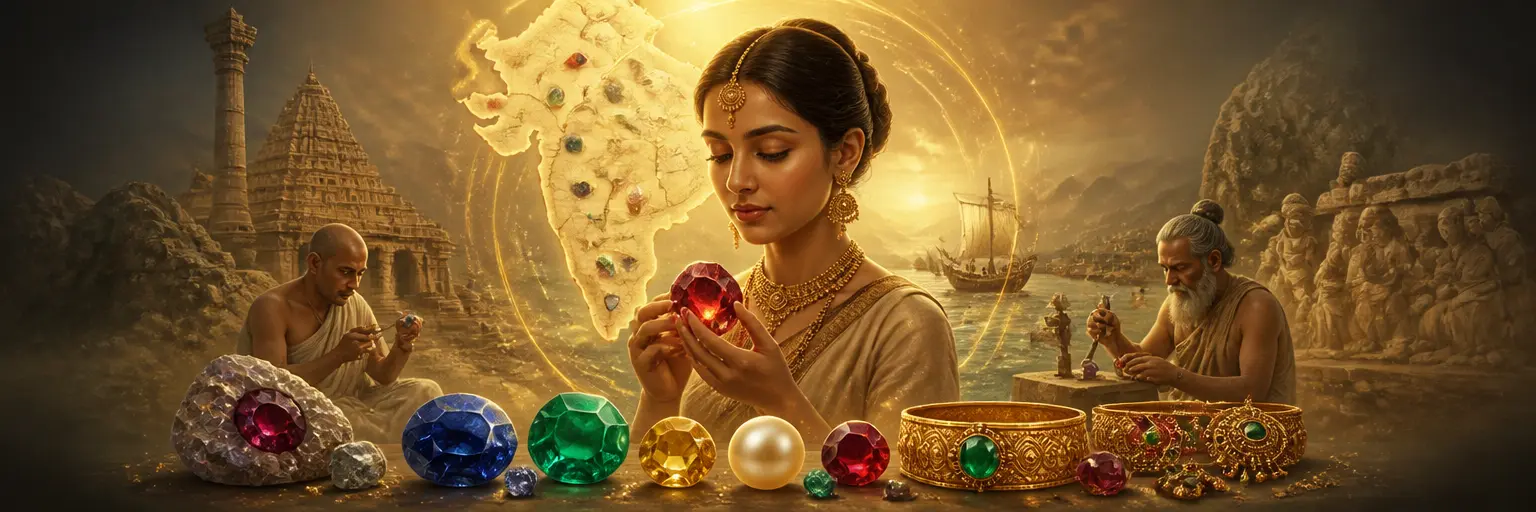
Discover the fascinating history of Indian gemstones, from their revered role in ancient Indian culture and royal adornment to their significance in trade, mythology, and traditional healing. Explore how diamonds, rubies, emeralds, sapphires, and other precious stones shaped Jewelry and Gemstones across the Indus Valley, Mauryan, and Gupta eras.
More in History of Indian Gemstones
History of Indian Gemstones
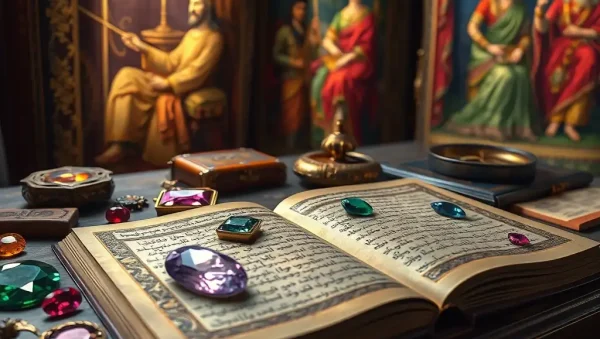
How Ancient Texts Documented the Value and Use of Gemstones
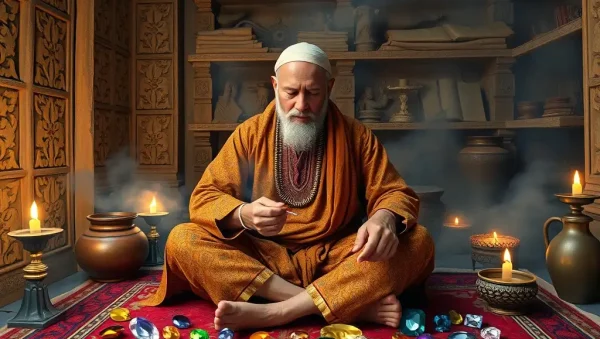
History of Indian Gemstones
Ancient Techniques: The Art of Gem Cutting in Early Indian Civilizations

History of Indian Gemstones
The Role of Gemstones in Indian Weddings: Traditions and Symbolism
History of Indian Gemstones
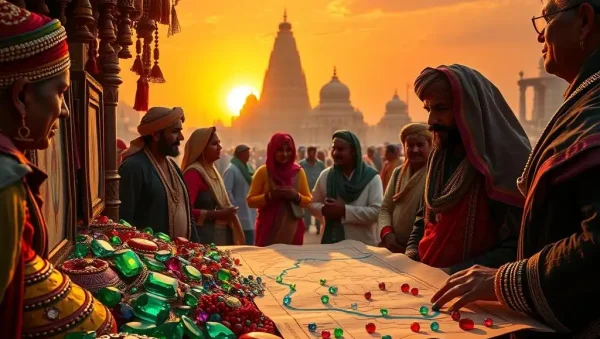
Gemstone Trade Routes: How Ancient India Became the Jewel of the East
History of Indian Gemstones
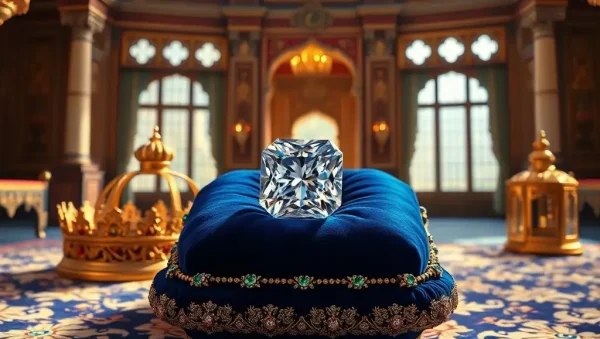
The Mystique of the KohiNoor: Unraveling the Legend of India's Most Famous Diamond
History of Indian Gemstones
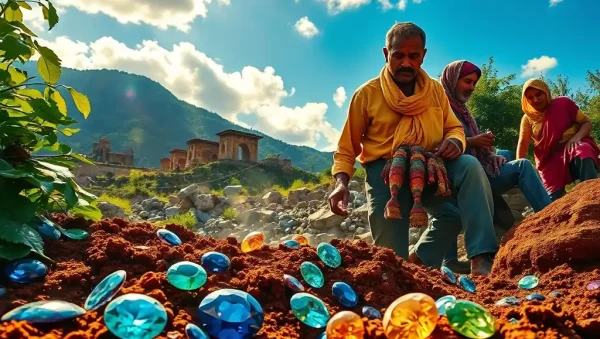
The Renaissance of Indian Gemstone Mining in Modern Times
History of Indian Gemstones
Celebrated Gemstone Families: A Look at India's Most Famous Jewels
History of Indian Gemstones
The Influence of Indian Gemstones on Global Jewelry Trends Through History
💎 History of Indian Gemstones: Origins, Culture, and Ancient Traditions
Explore the fascinating history of Indian gemstones through the civilizations, religious traditions, trade networks, and artistic achievements that shaped the Indian subcontinent. Within the broader world of Jewelry and Gemstones, this subcategory examines how diamonds, rubies, emeralds, sapphires, pearls, and other precious stones were mined, exchanged, worn, and interpreted from the Indus Valley Civilization through the Maurya, Satavahana, Kushan, and Gupta periods. Discover how gemstones influenced ancient Indian culture, royal jewelry, temple treasures, Ayurveda, astrology, mythology, and international trade.
🏺 Gemstones in the Indus Valley Civilization
Learn how early communities at Harappa, Mohenjo-daro, Dholavira, and other Indus Valley sites used carnelian, agate, lapis lazuli, shell, faience, and other materials to create beads, amulets, seals, and ornaments. Archaeological discoveries reveal sophisticated drilling, polishing, heating, and shaping techniques, demonstrating that ancient Indian gemstone artisans possessed advanced knowledge of craftsmanship and design.
This section explores the role of Indus Valley jewelry and gemstone trade in urban society. Readers can discover how bead-making centers, long-distance exchange routes, and connections with Mesopotamia helped spread Indian semi-precious stones across the ancient world, offering important evidence about technology, commerce, social status, and religious symbolism.
👑 Royal Jewelry and Gemstones in Ancient India
Discover how Indian kings, queens, nobles, and military leaders used gemstones to communicate wealth, authority, divine favor, and political power. Ancient royal ornaments included crowns, necklaces, armlets, earrings, rings, belts, and ceremonial objects decorated with precious stones and fine metalwork.
Readers will learn how gemstone jewelry appeared in courtly life, royal ceremonies, sculpture, literature, and historical descriptions. This content explains why diamonds, rubies, pearls, and other valuable stones became closely associated with kingship, prestige, diplomatic gifts, and the visual culture of ancient Indian dynasties.
💠 Diamonds and the Ancient Indian Diamond Trade
India was one of the earliest known sources of natural diamonds, with important historical connections to regions such as central India and the Deccan. Explore how ancient diamond mining, identification, cutting, and exchange developed, as well as why diamonds were regarded as exceptionally powerful and valuable stones.
This section examines references to diamonds in Sanskrit texts, epic traditions, gemological writings, and accounts of foreign travelers. Readers can expect information about ancient Indian diamonds, diamond symbolism, royal treasures, trade routes, and early beliefs about diamond quality and protection.
🔴 Rubies, Sapphires, and Colored Gemstones
Learn about the cultural importance of ruby, sapphire, garnet, emerald, beryl, and other colored gemstones in Indian history. These stones were valued not only for their beauty but also for their color, rarity, durability, ritual significance, and association with planets, deities, and auspicious forces.
Readers will discover how colored gemstones appeared in ancient Indian jewelry, religious offerings, royal regalia, sculpture, manuscripts, and ceremonial traditions. The section also considers how gemstone names and classifications changed across Sanskrit literature, regional traditions, and historical periods.
📜 Ratnashastra and Ancient Indian Gemstone Knowledge
Explore Ratnashastra, the traditional Indian study of gems, including descriptions of gemstone types, origins, qualities, flaws, testing methods, and supernatural or medicinal properties. Classical writings such as the Garuda Purana, Brihat Samhita, and other gemological traditions provide valuable insight into how ancient scholars understood precious stones.
This content distinguishes historical belief from modern scientific gemology while explaining the importance of early Indian gemstone classification. Readers can learn about traditional methods for evaluating clarity, color, weight, brilliance, inclusions, and durability, along with the role of gemstones in ancient intellectual and religious culture.
🛕 Gemstones in Hinduism, Buddhism, and Jainism
Gemstones held deep meaning in the religious traditions of ancient India. Discover how jewels were associated with deities, sacred objects, temple decoration, ritual offerings, Buddhist stupas, Jain images, and the concept of spiritual illumination. The famous navaratna, or nine-gem arrangement, is especially important in understanding Indian religious and cosmic symbolism.
Readers will explore how gemstones represented purity, protection, prosperity, wisdom, devotion, and cosmic balance. Examples from religious art, temple architecture, sculpture, and sacred literature reveal how jewelry and gemstones extended beyond personal adornment into the visual and symbolic language of Indian spirituality.
🌏 Trade Routes and International Exchange
Ancient Indian gemstones traveled through extensive networks linking the Indian subcontinent with Mesopotamia, Persia, Central Asia, Southeast Asia, the Roman world, and the Arabian Peninsula. Explore the ports, overland routes, merchant communities, and diplomatic exchanges that helped Indian gems reach international markets.
This section explains the importance of gemstone commerce during the Maurya, Satavahana, Kushan, and Gupta periods. Readers can learn how Indian gemstone trade contributed to economic growth, cultural exchange, artistic influence, and the development of maritime connections across the Indian Ocean.
⚒️ Ancient Indian Gemstone Mining and Craftsmanship
Discover how ancient miners and artisans located, extracted, shaped, drilled, polished, and mounted gemstones. Archaeological evidence, surviving ornaments, workshop remains, and literary descriptions reveal the specialized knowledge required to transform raw minerals into valuable jewelry and ceremonial objects.
Readers can expect explanations of traditional bead production, gemstone cutting, goldsmithing, engraving, inlay, and setting techniques. This material highlights the technical skill of ancient Indian jewelers and shows how craftsmanship developed alongside urbanization, royal patronage, religious institutions, and international trade.
🔮 Gemstones, Astrology, and Ayurveda
Learn how gemstones became connected with Indian astrology, planetary influences, health, protection, and personal destiny. The navaratna tradition linked particular stones with celestial bodies, while Ayurvedic and ritual texts sometimes described gemstones as substances with therapeutic or protective properties.
This section presents these ideas in their historical context, helping readers understand the relationship between ancient Indian astrology, gemstone symbolism, medicine, ritual practice, and social identity. It also clarifies the difference between traditional cultural beliefs and evidence-based modern science.
❓ Frequently Asked Questions About the History of Indian Gemstones
What is the oldest evidence of gemstones in India?
Some of the earliest evidence comes from the Indus Valley Civilization, where archaeologists have found carnelian, agate, faience, shell, and other beads, ornaments, and decorative objects. These discoveries show that ancient Indian communities practiced advanced bead production and participated in long-distance trade.
Which gemstones were important in ancient India?
Important ancient Indian gemstones included diamonds, rubies, sapphires, pearls, emeralds, beryl, garnet, carnelian, agate, lapis lazuli, and other semi-precious stones. Their value depended on color, clarity, rarity, durability, craftsmanship, religious meaning, and connection with royalty or astrology.
Why were gemstones important to ancient Indian kings?
Gemstones represented wealth, power, legitimacy, protection, and divine authority. Kings used them in crowns, weapons, ceremonial objects, clothing, and jewelry, while also presenting precious stones as diplomatic gifts, religious offerings, and symbols of royal prosperity.
What is the ancient Indian navaratna tradition?
Navaratna means “nine gems” and refers to a sacred arrangement traditionally associated with the nine planets or celestial forces. The stones commonly include ruby, pearl, red coral, emerald, yellow sapphire, diamond, blue sapphire, hessonite, and cat’s eye, although details may vary by tradition.
Where can I learn more about ancient Indian gemstone history?
Explore the articles in Ancient India History for further information about the Indus Valley Civilization, Maurya and Gupta history, Indian archaeology, ancient religion, art, trade, jewelry, and cultural traditions. This subcategory provides a useful starting point for understanding how gemstones shaped the history of India and the wider ancient world.