
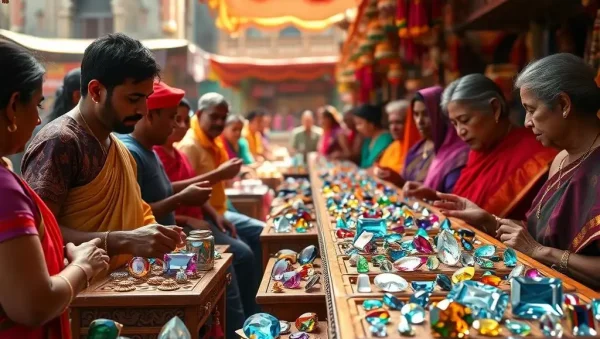
Top Gemstone Markets in India
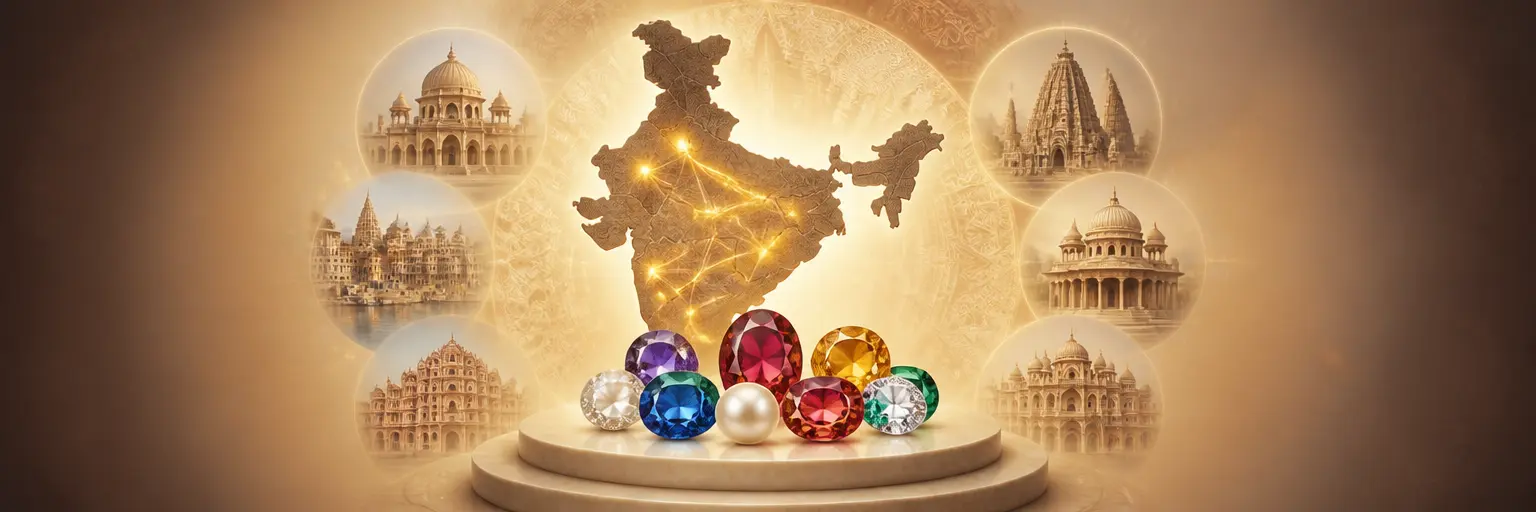
Top Gemstone Markets in India
20 articles in this topic
Start here
Read more about this topic
Explore India’s vibrant gemstone markets 💎 Discover the finest destinations for precious and semi-precious stones, including diamonds, rubies, emeralds, sapphires, and traditional Indian gems. Learn about historic trading hubs, regional craftsmanship, gemstone quality, cultural significance, and trusted buying practices while uncovering how these markets connect with India’s rich jewelry heritage and ancient trade traditions.
More in Top Gemstone Markets in India
Top Gemstone Markets in India
The Hidden Gems: LesserKnown Markets for Rare Gemstones in India
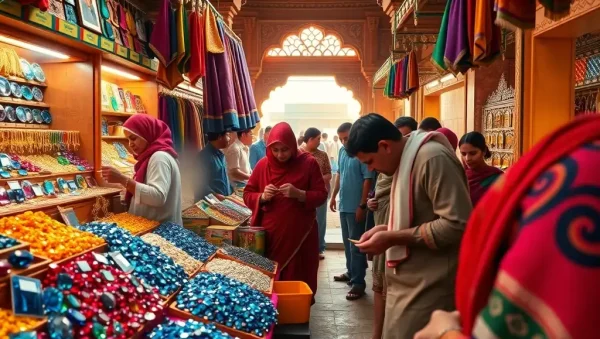
Top Gemstone Markets in India
From Jaipur to Surat: Exploring India's Most Iconic Gemstone Markets
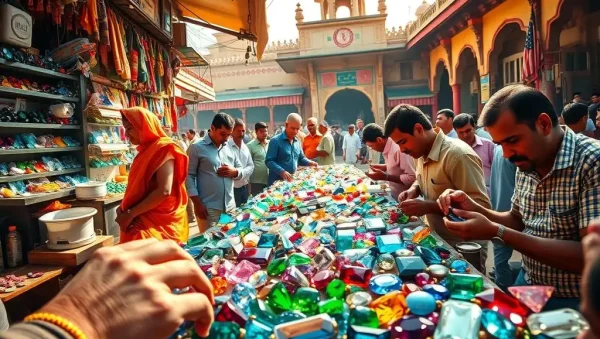
Top Gemstone Markets in India
The Art of Gem Cutting: What to Look For in Indian Gemstone Markets
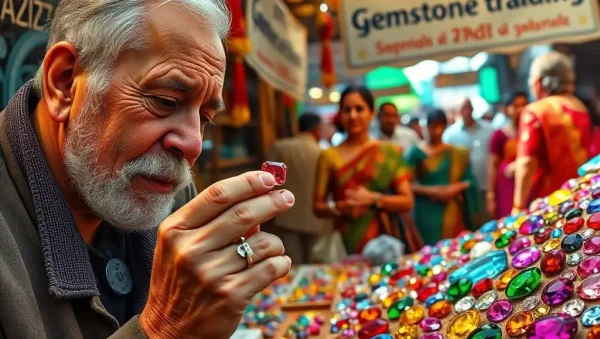
Top Gemstone Markets in India
The Future of Gemstone Trading in India: Trends to Watch
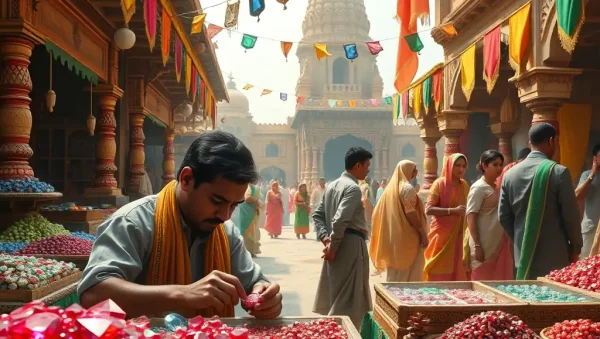
Top Gemstone Markets in India
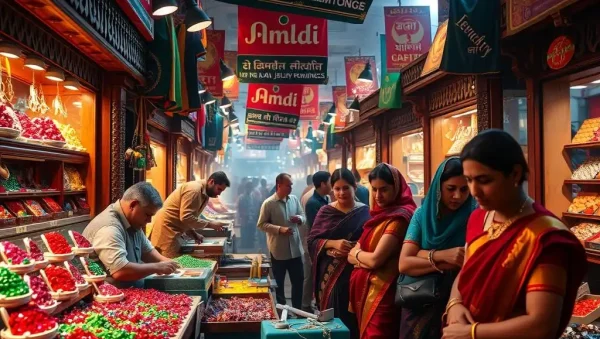
Gemstone Markets: The Economic Backbone of India's Jewelry Industry
Top Gemstone Markets in India
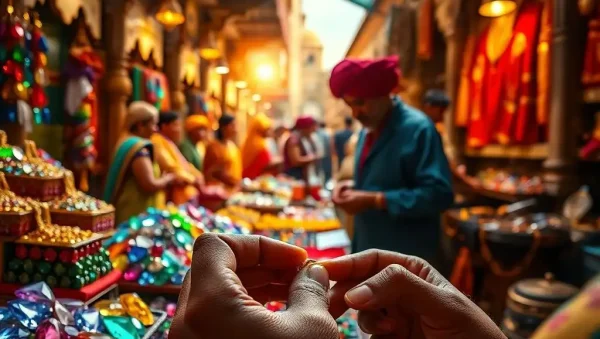
Crafting Beauty: How India's Gemstone Markets Influence Global Jewelry Trends
Top Gemstone Markets in India
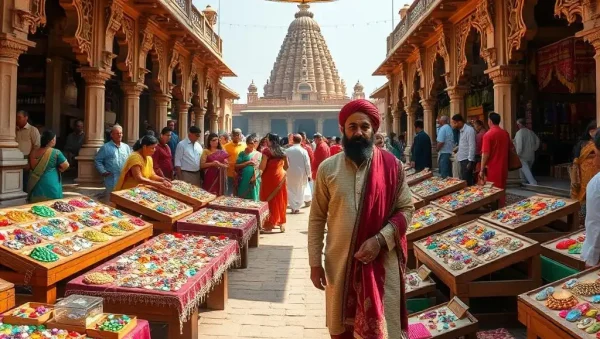
Bold and Brilliant: Top 5 Gemstone Markets for Stunning Indian Jewelry
Top Gemstone Markets in India
Unveiling Treasures: The Rich History of India's Gemstone Markets
💎 Top Gemstone Markets in India: Ancient Trade, Craftsmanship, and Cultural Heritage
Explore the top gemstone markets in India, where centuries-old trading traditions meet skilled craftsmanship, religious symbolism, and vibrant regional culture. Within the wider world of Jewelry and Gemstones, these destinations reveal how precious stones such as diamonds, rubies, emeralds, sapphires, pearls, and traditional Indian gemstones have shaped commerce and artistic expression from ancient India to the modern era. Discover historic gemstone bazaars, important jewelry centers, regional cutting traditions, and the enduring connection between India’s mineral wealth, royal courts, temples, and international trade.
🏛️ Historic Gemstone Markets and Ancient Indian Trade Routes
India’s gemstone markets developed along powerful commercial networks connecting the Indus Valley Civilization, the Deccan, South India, the Gangetic plains, and maritime ports on the Arabian Sea and Bay of Bengal. Archaeological evidence shows that ancient communities worked with carnelian, agate, lapis lazuli, quartz, shell, and other materials, exchanging them across long-distance routes that linked India with Mesopotamia, Persia, Central Asia, and Southeast Asia.
Readers can learn how early gemstone production, bead-making, mining, and trade influenced the growth of Indian cities. These markets were not only places to buy jewelry; they were centers of economic activity, cultural exchange, artisanal knowledge, and religious life. Historical accounts, inscriptions, archaeological discoveries, and traditional practices help explain why Indian gemstones became highly valued across the ancient world.
💍 Jaipur Gemstone Market and the Jewelry Capital of India
Jaipur is widely regarded as one of the most important gemstone markets in India and is especially famous for colored gemstones, jewelry manufacturing, gemstone cutting, and traditional enameling. The city’s historic markets are associated with emeralds, sapphires, rubies, garnets, amethyst, turquoise, and semi-precious stones, while its skilled artisans are known for kundan, meenakari, and jadau jewelry.
Jaipur’s importance is connected to the patronage of Rajput rulers and the arrival of experienced artisans from different parts of the Indian subcontinent. Visitors and researchers can explore how raw stones are sorted, cut, polished, mounted, and transformed into culturally significant jewelry. The city also offers insight into the relationship between royal craftsmanship, global gemstone commerce, and India’s living heritage.
💎 Surat Diamond Market and Modern Gemstone Craftsmanship
Surat is one of the world’s leading centers for diamond cutting and polishing. Although its modern prominence grew through international trade and industrial development, the city forms part of India’s long history of diamond knowledge, luxury goods, and jewelry production. Surat’s gemstone industry demonstrates how traditional skills have evolved through advanced technology, precision grading, and global supply chains.
This section explores diamond processing, ethical sourcing, gemstone certification, and the importance of skilled labor in the jewelry sector. Readers can also understand the difference between rough and polished diamonds, learn about diamond quality factors, and discover why Surat is central to India’s position in the international gemstone and jewelry market.
🪷 Mumbai Zaveri Bazaar and India’s Historic Jewelry Trade
Mumbai’s Zaveri Bazaar is one of the best-known jewelry markets in India and a major destination for gold, diamonds, precious stones, pearls, and handcrafted ornaments. Situated in a city shaped by maritime trade, the market reflects India’s connections with the Persian Gulf, East Africa, Europe, and other parts of Asia. Its bustling lanes bring together jewelers, wholesalers, designers, traders, and customers.
Readers can discover how Mumbai became a key commercial gateway for Indian gold jewelry, diamond jewelry, gemstone ornaments, and bullion trading. The market also highlights the continuity between historic port-city commerce and contemporary luxury retail. Information about hallmarking, gemstone evaluation, jewelry design, and responsible purchasing helps visitors explore the market with greater confidence.
🌊 Khambhat and Traditional Bead-Making in Gujarat
Khambhat, historically known as Cambay, has long been associated with bead-making and the processing of agate, carnelian, quartz, and other semi-precious stones. Gujarat’s craft traditions can be connected to ancient bead industries that flourished during the Indus Valley period. These workshops preserve techniques involving heating, drilling, shaping, polishing, and creating patterned beads for jewelry and ceremonial objects.
Exploring Khambhat offers a closer look at the artisan traditions behind Indian gemstones. Rather than focusing only on high-value diamonds and precious stones, this market reveals the importance of handmade beads and regional craft economies. Its history helps explain how ordinary-looking stones can carry archaeological, cultural, and artistic significance across thousands of years.
🌟 Hyderabad, Golconda Diamonds, and Deccan Heritage
Hyderabad and the wider Deccan region are strongly associated with the legendary Golconda diamonds, which were once among the most famous diamonds in the world. Historic diamond fields in the region supplied stones to royal courts, wealthy merchants, temples, and international collectors. Golconda diamonds became renowned for their exceptional clarity and were incorporated into celebrated ornaments and royal treasures.
This section examines the relationship between Deccan history, diamond mining, Islamic and Hindu court culture, and the development of luxury jewelry. Readers can learn how trade routes, political power, and artistic patronage helped transform regional gemstones into symbols of wealth and authority. The story of Golconda also illustrates the need to distinguish historical provenance from modern marketing claims when purchasing or studying diamonds.
🕌 Delhi Jewelry Markets and Mughal-Inspired Gemstone Design
Delhi’s jewelry markets reflect layers of ancient, medieval, Mughal, colonial, and modern Indian history. The city is known for gold jewelry, diamonds, colored gemstones, pearls, polki, kundan, and designs influenced by royal court traditions. Mughal jewelry contributed floral motifs, intricate stone settings, enamel work, and an appreciation for large, richly colored gemstones.
Visitors can explore how Delhi’s jewelry culture combines historical design with contemporary fashion. The city provides useful insight into polki jewelry, uncut diamonds, meenakari enamel, gemstone necklaces, bridal ornaments, and heritage jewelry. It also demonstrates how old courtly aesthetics continue to influence Indian wedding jewelry and luxury design today.
🛕 South Indian Gemstone and Temple Jewelry Traditions
South India is recognized for its temple jewelry, gold craftsmanship, pearls, diamonds, rubies, emeralds, and ornaments inspired by religious imagery. Cities such as Chennai, Bengaluru, Coimbatore, and Hyderabad serve as important jewelry centers, while temple towns preserve designs associated with deities, dancers, royal patrons, and ceremonial traditions.
South Indian jewelry markets show how gemstones can carry spiritual, social, and artistic meaning. Readers can learn about traditional motifs such as Lakshmi figures, peacocks, floral patterns, and sacred symbols, as well as the role of jewelry in weddings, festivals, classical dance, and temple culture. These traditions connect the modern gemstone industry with the broader history of Indian art and devotion.
🔍 How to Identify Authentic Gemstones in Indian Markets
Buying gemstones requires careful attention to color, clarity, cut, carat weight, origin claims, treatments, and documentation. In major Indian gemstone markets, shoppers may encounter natural stones, laboratory-grown gems, synthetic materials, treated stones, and imitations. A reliable seller should provide transparent information about a gemstone’s characteristics and disclose any known treatments.
Look for an independent gemstone certification report from a recognized laboratory, and be cautious of unrealistic promises about astrology, investment returns, rarity, or guaranteed healing properties. Ask about return policies, invoices, treatment disclosure, and stone identity. Understanding these points helps buyers make informed decisions when purchasing rubies, emeralds, sapphires, diamonds, pearls, or semi-precious gemstones.
🧭 Responsible Gemstone Shopping and Cultural Tourism
Responsible exploration of India’s gemstone markets involves supporting legitimate businesses, respecting artisan communities, and asking questions about sourcing and labor practices. Travelers should compare prices, verify credentials, avoid pressure selling, and remember that historical significance does not automatically guarantee a gemstone’s quality or value.
Gemstone markets can also be visited as part of a wider ancient India history and cultural heritage journey. Museums, archaeological sites, craft villages, royal palaces, temples, and historic trade ports provide valuable context. By combining shopping with historical research, visitors gain a deeper understanding of how gemstones influenced Indian society, economy, religion, fashion, and international relations.
❓ Frequently Asked Questions About the Top Gemstone Markets in India
💎 Which is the most famous gemstone market in India?
Jaipur is often considered the most famous gemstone market in India because of its colored gemstones, cutting and polishing industry, kundan jewelry, meenakari work, and long association with royal craftsmanship. Mumbai, Surat, Delhi, Hyderabad, and Gujarat’s traditional bead-making centers are also highly important.
💍 Where can I buy certified gemstones in India?
Certified gemstones can be purchased from established jewelers, reputable gemstone dealers, and recognized jewelry showrooms in cities such as Jaipur, Mumbai, Delhi, Hyderabad, and Surat. Always request a detailed laboratory report, a proper invoice, treatment disclosure, and a clear return policy before completing a purchase.
🔍 How can I tell whether an Indian gemstone is genuine?
Visual inspection alone cannot reliably prove authenticity. Ask for professional testing and an independent certification report that identifies whether the stone is natural, synthetic, or treated. A qualified gemologist can also examine the gemstone’s inclusions, optical properties, and construction.
🏛️ What is the historical importance of gemstones in ancient India?
Gemstones were used as ornaments, trade goods, royal treasures, temple offerings, status symbols, and materials for artistic production. Ancient India traded stones and beads across regional and international networks, while texts and archaeological evidence show their importance in religion, medicine, astrology, and political culture.
🌟 Which gemstones are India best known for?
India is especially known for diamonds, including the historic Golconda diamonds, as well as emeralds, rubies, sapphires, pearls, garnets, agate, carnelian, quartz, and other semi-precious stones. India is also globally recognized for gemstone cutting, polishing, jewelry manufacturing, and traditional setting techniques.