

Travel Tips for Visiting Ancient Sites

Travel Tips for Visiting Ancient Sites
26 articles in this topic
Start here
- Travel Tips for Visiting Ancient SitesThe Best Luxury Souvenirs to Bring Home from Ancient Indian Sites
- Travel Tips for Visiting Ancient SitesHow to Make the Most of Your Time at Ancient Indian Historical Sites
- Travel Tips for Visiting Ancient SitesHow to Enjoy Authentic Indian Cuisine Near Historical Landmarks
Read more about this topic
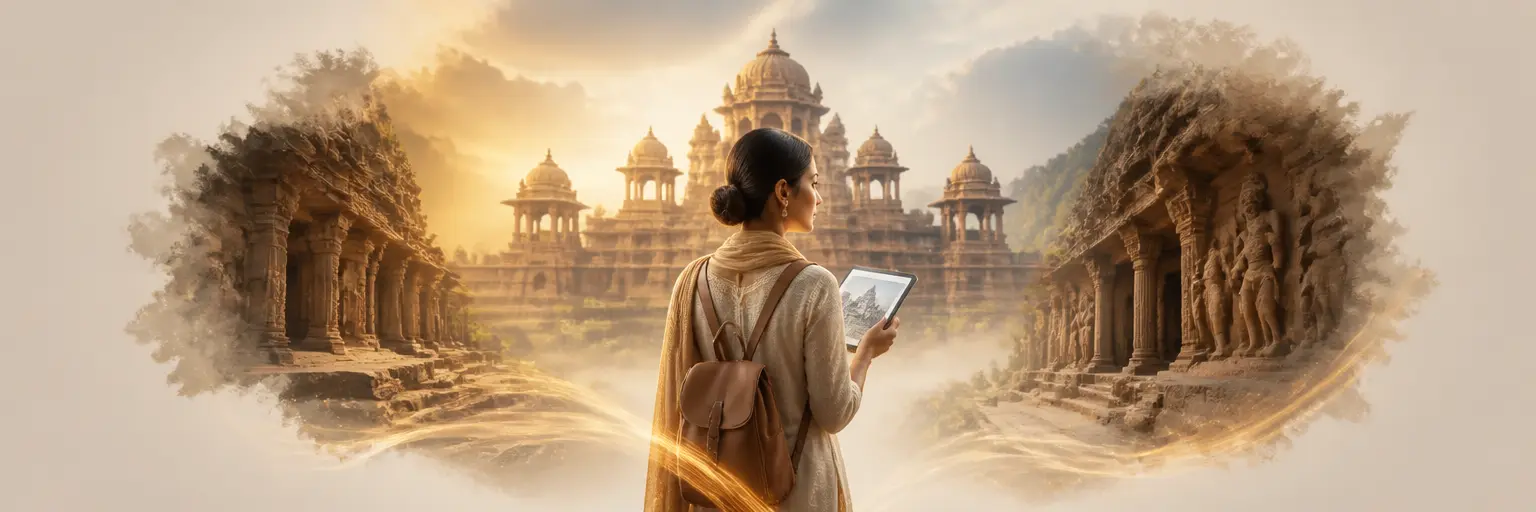
Travel Tips for Visiting Ancient Sites 🏛️ Discover how to explore India’s remarkable archaeological treasures with confidence and comfort. Find practical guidance on the best time to visit, respectful cultural etiquette, heritage-site photography, local guides, permits, transport, and luxury travel planning. From Indus Valley ruins to Gupta-era monuments, make every journey through ancient Indian history meaningful, seamless, and unforgettable. ✨
More in Travel Tips for Visiting Ancient Sites
Travel Tips for Visiting Ancient Sites
Hidden Gems: LesserKnown Ancient Sites Worth Visiting in India
Travel Tips for Visiting Ancient Sites
How to Experience the Majesty of the Indus Valley Civilization: A Luxury Travel Guide

Travel Tips for Visiting Ancient Sites
Luxurious Experiences: Dining in Historical Locations in Ancient India
Travel Tips for Visiting Ancient Sites
The Best Times to Visit Ancient Indian Sites for a Luxurious Experience

Travel Tips for Visiting Ancient Sites
The Ultimate Guide to Luxurious Stays Near Ancient Temples in India
Travel Tips for Visiting Ancient Sites
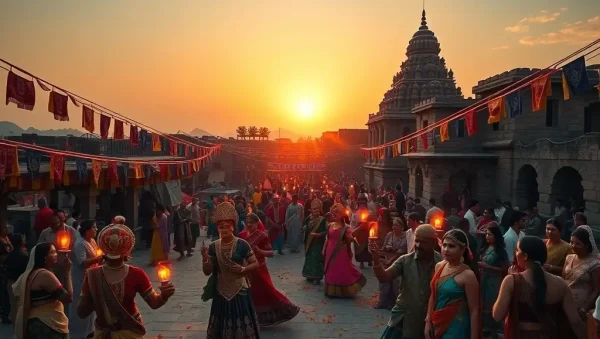
An Insider's Guide to Exclusive Events and Festivals at Historical Sites in India

Travel Tips for Visiting Ancient Sites
The Best Luxury Experiences to Enhance Your Visit to Ancient Temples
Travel Tips for Visiting Ancient Sites
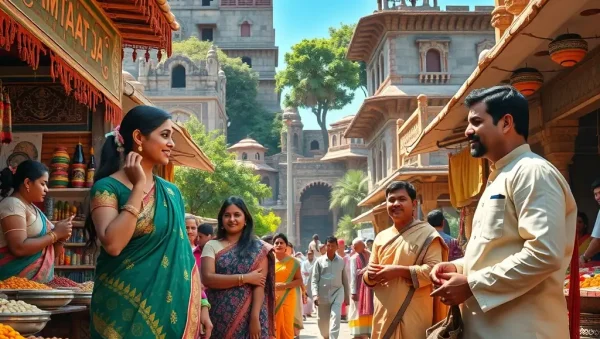
Exploring the Richness of Ancient India: A Guide to Cultural Etiquette
🗺️ Travel Tips for Visiting Ancient Sites in India
Discover how to plan meaningful, comfortable, and respectful journeys through India’s most remarkable ancient sites with Travel Tips for Visiting Ancient Sites. This subcategory on Ancient India History is designed for travelers interested in luxury and historical travel, archaeological monuments, sacred heritage, ancient Indian civilizations, and culturally immersive experiences. From the Indus Valley Civilization and Buddhist remains to Mauryan pillars, Gupta-era temples, historic forts, and UNESCO World Heritage Sites, our guides help you travel with greater knowledge and confidence.
🏛️ Planning Your Ancient India Heritage Journey
Learn how to create an inspiring itinerary around India’s most important historical destinations. Our travel advice covers the best ancient sites to visit, recommended travel routes, ideal trip durations, seasonal planning, and practical ways to combine major landmarks with lesser-known archaeological treasures.
Expect useful guidance for exploring destinations connected with the Indus Valley Civilization, Maurya Empire, Gupta Empire, ancient Buddhism, Hindu temple architecture, and early Indian kingdoms. Whether you are planning a luxury heritage tour, an educational history trip, or a cultural vacation, these resources make it easier to organize a rewarding journey.
🌤️ Choosing the Best Time to Visit Historic Sites
India’s climate varies widely, so timing can greatly influence your ancient site travel experience. Discover advice on visiting archaeological monuments, cave temples, stupas, ruins, and open-air heritage attractions during the most comfortable seasons, while considering heat, monsoon conditions, festivals, and regional weather patterns.
Our guides explain how seasonal travel affects photography, walking tours, crowds, accommodation prices, and access to remote heritage locations. With careful planning, you can enjoy comfortable sightseeing, clearer views, and more relaxed visits to India’s historic monuments.
🎒 What to Pack for Archaeological and Heritage Travel
Prepare for long walks, uneven pathways, strong sunlight, changing weather, and visits to sacred locations with practical packing recommendations. Find out which clothing, footwear, travel documents, medications, sun protection, hydration supplies, and photography accessories are most useful when exploring ancient Indian sites.
Special attention is given to respectful and comfortable travel. Lightweight modest clothing, supportive shoes, a reusable water bottle, a hat, insect repellent, and a small day bag can make a major difference. These tips are ideal for travelers visiting temples, forts, monasteries, ruins, museums, and UNESCO heritage attractions.
🕉️ Respectful Travel at Sacred and Cultural Sites
Many ancient Indian monuments remain active places of worship and community life. Learn about appropriate dress, footwear rules, photography etiquette, local customs, religious ceremonies, and respectful behavior at temples, monasteries, stupas, shrines, and sacred archaeological complexes.
Responsible travel helps preserve heritage while creating more meaningful cultural encounters. Our advice encourages visitors to follow local instructions, avoid touching fragile structures, respect prayer areas, ask before photographing people, and support conservation through ethical tourism and mindful sightseeing.
📸 Photography Tips for Ancient Monuments
Capture the beauty of ancient Indian architecture with practical photography advice for temples, stone carvings, pillars, gateways, sculptures, fortifications, and archaeological landscapes. Learn how to work with early morning and late afternoon light, frame architectural details, and photograph historic sites without disturbing other visitors or religious activities.
You will also find guidance on camera permissions, tripod restrictions, indoor photography, drone regulations, and protecting equipment in hot or dusty environments. These tips help both casual travelers and photography enthusiasts create memorable images of India’s ancient heritage and architectural history.
🚗 Transportation, Guides, and Site Access
Make your journey smoother with advice on reaching ancient sites by train, road, domestic flight, private transfer, or organized heritage tour. Our guides explain how to compare transport options, arrange trusted local drivers, understand walking distances, and plan visits to monuments located outside major cities.
Hiring a knowledgeable historian or licensed local guide can add valuable context to inscriptions, sculptures, religious traditions, and archaeological discoveries. For luxury travelers, we also explore private tours, premium accommodations, chauffeur-driven itineraries, and personalized experiences that combine comfort with authentic historical exploration.
🛡️ Safety, Accessibility, and Visitor Comfort
Ancient sites may include steep steps, uneven stone surfaces, limited shade, crowded entrances, and restricted facilities. Find practical safety information for solo travelers, families, older visitors, and travelers with mobility concerns, including advice on pacing, hydration, secure belongings, and selecting suitable guided tours.
We also highlight the importance of checking official opening hours, ticket requirements, entry rules, local advisories, and accessibility arrangements before traveling. Advance preparation allows you to enjoy India’s historical attractions with greater comfort, security, and peace of mind.
🍽️ Luxury Stays and Cultural Experiences Near Ancient Sites
Discover how to choose hotels, heritage properties, palace accommodations, boutique retreats, and luxury resorts near India’s most fascinating historical destinations. Staying nearby can provide extra time for sunrise visits, evening walks, private tours, and deeper exploration beyond the busiest sightseeing hours.
Luxury historical travel can also include regional cuisine, traditional arts, cultural performances, craft workshops, wellness experiences, and curated heritage excursions. These recommendations help you combine high-quality hospitality with genuine connections to India’s history, culture, and living traditions.
❓ Frequently Asked Questions About Visiting Ancient Sites
What should I wear when visiting ancient temples and historical sites in India?
Choose lightweight, breathable, and modest clothing that covers the shoulders and knees, especially when visiting active temples, monasteries, shrines, and religious monuments. Comfortable walking shoes are essential, although many sacred sites require visitors to remove footwear before entering.
What is the best season for visiting ancient sites in India?
In many regions, the cooler months from October to March are ideal for heritage travel, sightseeing, and outdoor archaeological exploration. However, the best season depends on the destination, so check local weather conditions, festival dates, and monsoon patterns before finalizing your itinerary.
Should I hire a guide at an ancient Indian monument?
A qualified local guide or historian can greatly improve your experience by explaining inscriptions, architectural symbolism, religious traditions, and archaeological discoveries. For major UNESCO World Heritage Sites and complex historical locations, a professional guide is often a worthwhile investment.
Can I take photographs at ancient temples and archaeological sites?
Photography is permitted at many sites, but restrictions may apply inside temples, museums, tombs, or protected areas. Always follow posted instructions, ask permission before photographing people, avoid flash when prohibited, and check whether separate camera or tripod fees are required.
How can I travel responsibly when visiting ancient sites?
Travel responsibly by respecting local customs, avoiding litter, staying on designated paths, never touching fragile carvings, following conservation rules, and supporting licensed guides and ethical local businesses. Responsible tourism helps protect India’s ancient heritage for future generations while encouraging sustainable cultural travel.