
History of Eastern India

History of Eastern India
42 articles in this topic
Start here
- History of Eastern IndiaFrom the Ganges to the Bay of Bengal: A Journey Through Eastern India's Historical Landscape
- History of Eastern IndiaThe Influence of Buddhism in Eastern India: A Historical Perspective
- History of Eastern IndiaThe Decline of Ancient Empires in Eastern India: Causes and Consequences
Read more about this topic
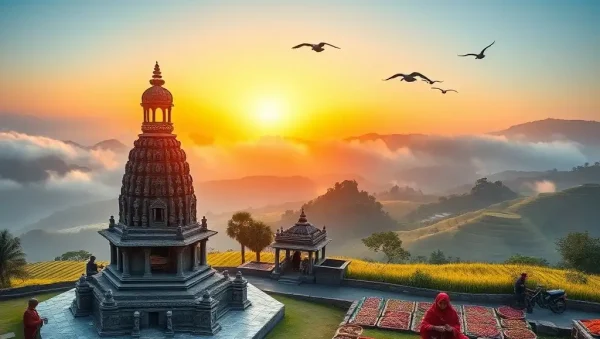
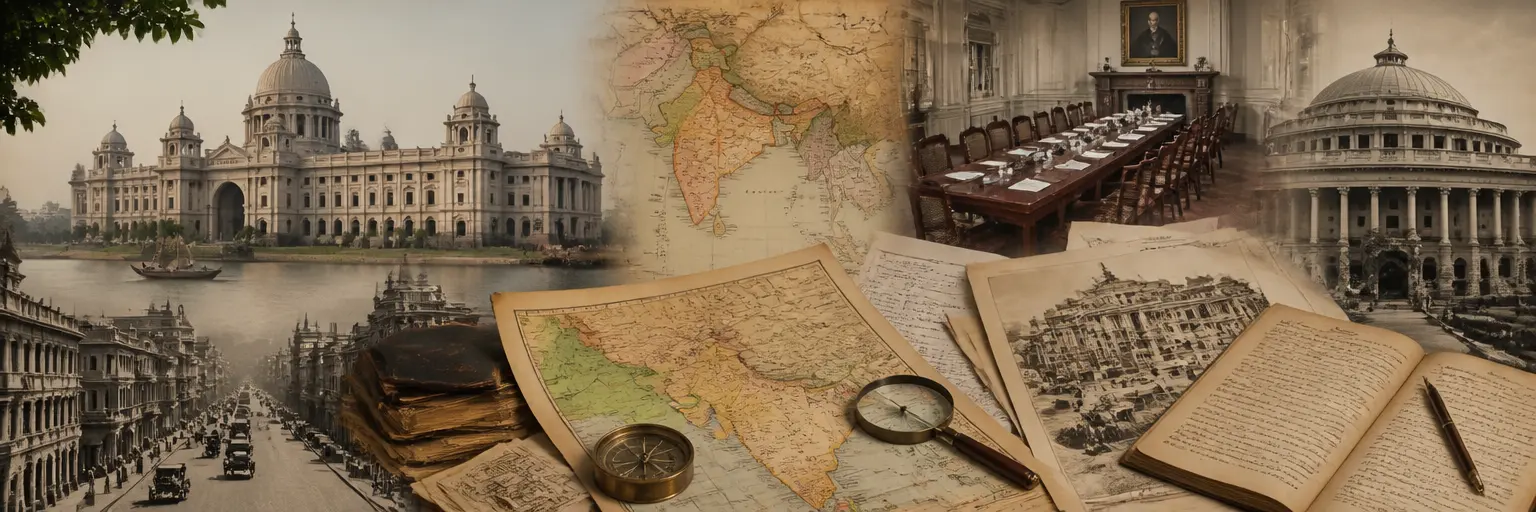
Explore the captivating History of Eastern India, a region shaped by ancient kingdoms, powerful empires, flourishing trade networks, and vibrant cultural traditions. Discover the historical legacy of Bengal, Bihar, Odisha, Assam, and neighboring areas—from the rise of Magadha and the Mauryan Empire to Buddhist centers, temple architecture, maritime connections, and remarkable contributions to art, literature, and learning. 🏛️📜 Uncover the stories, rulers, civilizations, and enduring heritage that make Eastern India an essential chapter in ancient Indian history.
More in History of Eastern India
History of Eastern India
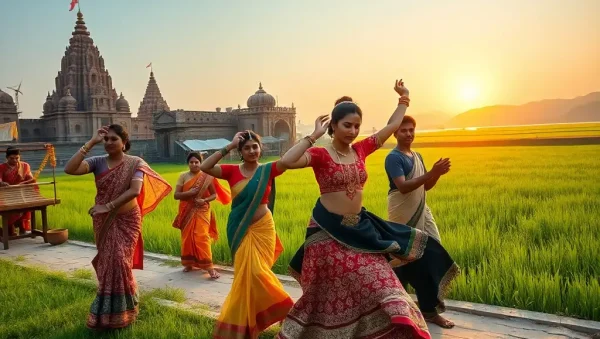
The Cultural Tapestry of Eastern India: Weaving Together History and Tradition
History of Eastern India
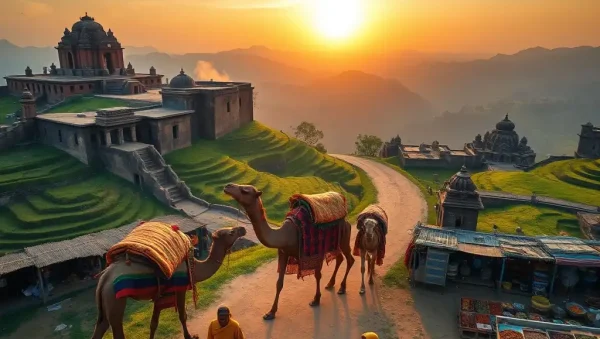
Rediscovering the Silk Routes of Eastern India: A Historical Perspective
History of Eastern India
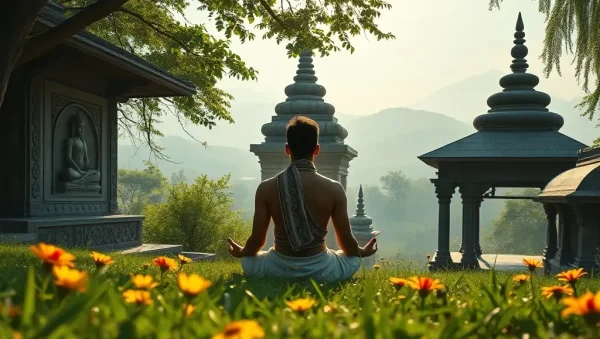
The Influence of Eastern Indian Philosophy on Global Thought
History of Eastern India
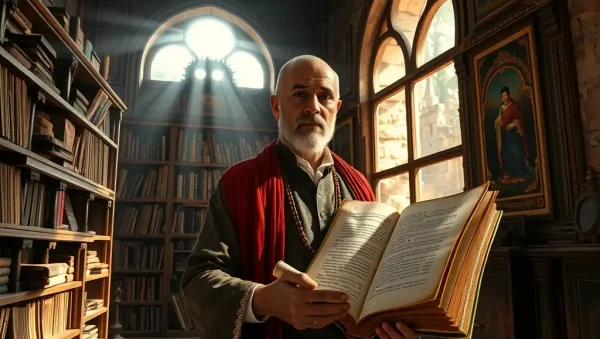
Ancient Texts and Manuscripts: Unearthing Eastern India's Literary Treasures
History of Eastern India
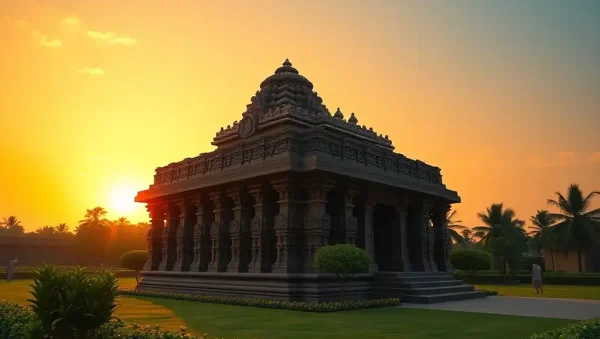
The Historical Significance of the Konark Sun Temple: More Than Just a Monument
History of Eastern India
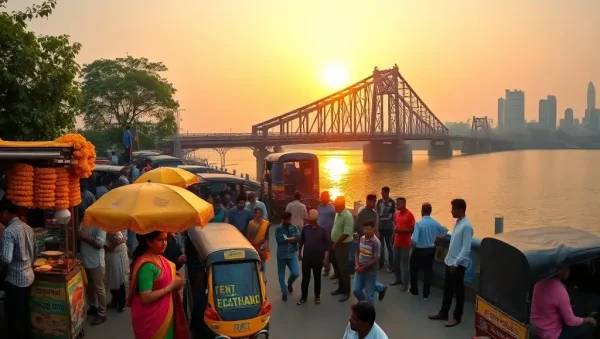
Historical Events That Shaped the Identity of Eastern India
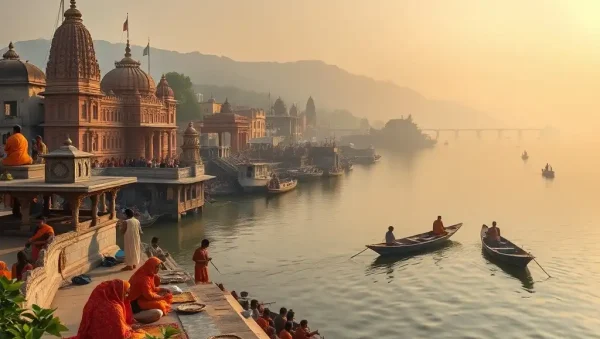
History of Eastern India
The Spiritual Journey: Pilgrimages and Sacred Sites in Eastern India
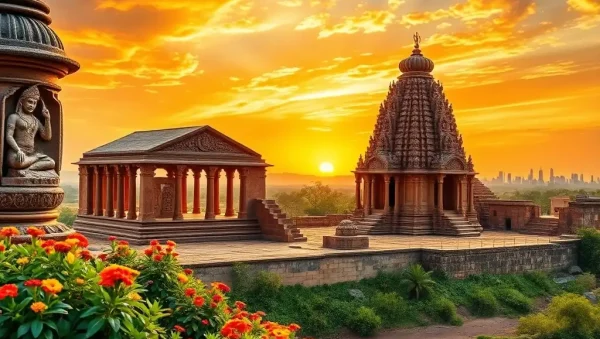
History of Eastern India
The Legacy of Eastern Indian Kingdoms in Contemporary Society
📜 History of Eastern India: Kingdoms, Cultures, and Civilizations
Explore the History of Eastern India through a rich collection of articles about ancient kingdoms, regional cultures, religious movements, trade networks, archaeology, literature, and historic personalities. This subcategory examines the development of eastern Indian regions including Bengal, Bihar, Odisha, Jharkhand, Assam, and the wider northeastern areas, connecting local histories with the broader story of Ancient India. Discover how eastern India shaped political power, Buddhism, Jainism, Hindu traditions, maritime commerce, art, architecture, education, and social life across the Indian subcontinent.
🏛️ Ancient Kingdoms and Dynasties of Eastern India
Readers can expect detailed accounts of the major kingdoms and dynasties that influenced eastern India, including the Magadha Empire, Mauryan Empire, Gupta Empire, Pala dynasty, Sena dynasty, Kalinga rulers, and regional kingdoms of Bengal and Assam. Articles explore royal succession, administration, warfare, diplomacy, taxation, urban development, and the changing boundaries of ancient eastern Indian states.
This section places important rulers and political events within their historical context. Learn how Magadha became a center of imperial power, how Pataliputra developed into a major capital, and how eastern Indian dynasties supported religion, education, architecture, literature, and international connections.
☸️ Buddhism, Jainism, and Religious History
Eastern India was a major center of Buddhist and Jain history, as well as an important region for the growth of Hindu traditions. Discover the landscapes associated with the Buddha, Mahavira, ancient monasteries, pilgrimage routes, sacred cities, and philosophical movements that transformed Indian religious history.
Readers will also learn about Nalanda, Bodh Gaya, Rajgir, Vaishali, Vikramashila, and other influential religious and educational centers. Content explains the spread of Buddhist teachings, the development of monastic institutions, religious patronage, artistic traditions, and the connections between eastern India and Buddhist communities across Asia.
🗺️ Bengal, Bihar, Odisha, and the Northeast
Discover the distinct historical identities of Bengal, Bihar, Odisha, Jharkhand, Assam, and northeastern India. This section explores regional geography, river systems, forests, coastal plains, fertile agricultural zones, and mountain corridors that shaped settlement, political organization, trade, and cultural exchange.
Articles highlight both shared traditions and regional differences, from the ancient heritage of Bengal and the imperial importance of Bihar to the maritime culture of Odisha and the indigenous societies of the Northeast. Expect accessible explanations of how environment and geography influenced the history of eastern Indian civilization.
⚓ Trade, Maritime Networks, and Cultural Exchange
Eastern India played an important role in inland and overseas commerce. Learn about the Ganges river system, ports of ancient Kalinga and Bengal, merchant communities, craft production, agricultural trade, and maritime links with Southeast Asia, Sri Lanka, and other parts of the Indian Ocean world.
This content examines how the movement of goods, people, languages, technologies, and religious ideas connected eastern India to wider Asian networks. Readers can explore ancient trade routes, coastal settlements, shipbuilding traditions, coins, inscriptions, and archaeological evidence that reveal the region’s economic importance.
🏺 Archaeology, Art, Architecture, and Inscriptions
Explore the archaeological heritage of eastern India through ancient cities, stupas, temples, monasteries, sculptures, coins, pottery, inscriptions, and excavation sites. Topics may include the architectural achievements of Nalanda, the art of the Pala period, the monuments of Odisha, and the material culture of early settlements.
Readers will find explanations of how historians use archaeological evidence, inscriptions, literary sources, and numismatics to reconstruct the past. These resources help distinguish historical evidence from legend while showing how art and architecture reflected religious beliefs, royal authority, technology, and everyday life.
📚 Literature, Education, and Intellectual Traditions
Eastern India produced influential centers of learning and literary culture. Discover the history of ancient universities, Sanskrit and Pali scholarship, Buddhist philosophy, Jain literature, regional languages, scientific learning, and the intellectual communities that flourished under powerful dynasties.
Special attention is given to institutions such as Nalanda University and Vikramashila, whose teachers and students contributed to philosophy, medicine, grammar, logic, astronomy, and religious studies. Readers can understand how education was organized and how eastern Indian knowledge traditions influenced other parts of Asia.
👥 Society, Culture, and Everyday Life
Go beyond kings and battles to explore the lives of farmers, artisans, merchants, monks, administrators, women, tribal communities, and urban residents. Articles examine social structures, occupations, foodways, clothing, festivals, family life, agriculture, technology, and village and city organization.
This approach provides a broader understanding of ancient eastern Indian society and highlights the diversity of communities that shaped the region. Readers can expect balanced historical discussions that recognize cultural interaction, social change, local traditions, and the contributions of groups often overlooked in traditional political narratives.
❓ Frequently Asked Questions About the History of Eastern India
What regions are included in the History of Eastern India?
The study of eastern India commonly includes Bihar, West Bengal, Odisha, Jharkhand, Assam, and parts of northeastern India. Depending on the historical period, it may also examine neighboring regions connected through trade, migration, religion, and political alliances.
Why was Magadha important in ancient Indian history?
Magadha became one of the most powerful states in ancient India because of its fertile land, access to iron resources, strategic rivers, strong military organization, and influential rulers. It later formed the political foundation for the Mauryan and Gupta empires.
Which famous ancient universities were located in eastern India?
Nalanda and Vikramashila were among the most famous centers of learning in eastern India. They attracted scholars from across Asia and taught subjects including Buddhist philosophy, grammar, logic, medicine, astronomy, and literature.
How did Buddhism influence eastern India?
Buddhism influenced eastern India through monasteries, pilgrimage centers, royal patronage, education, sculpture, architecture, and philosophical debate. Sites such as Bodh Gaya, Nalanda, Rajgir, and Vaishali remain central to the region’s Buddhist heritage.
What sources help historians study eastern Indian history?
Historians use archaeological excavations, inscriptions, coins, religious texts, court literature, travel accounts, architecture, sculptures, and environmental evidence. Comparing different sources helps create a more reliable understanding of ancient kingdoms, societies, economies, and cultures.