
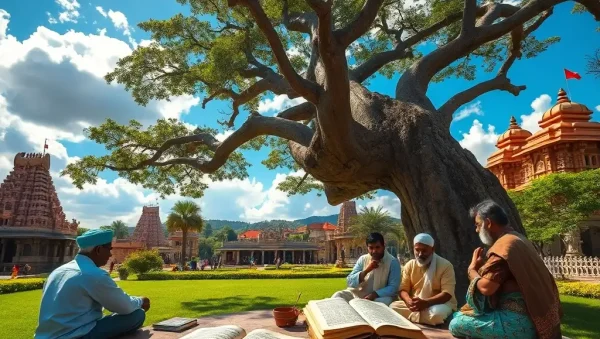
History of Southern India
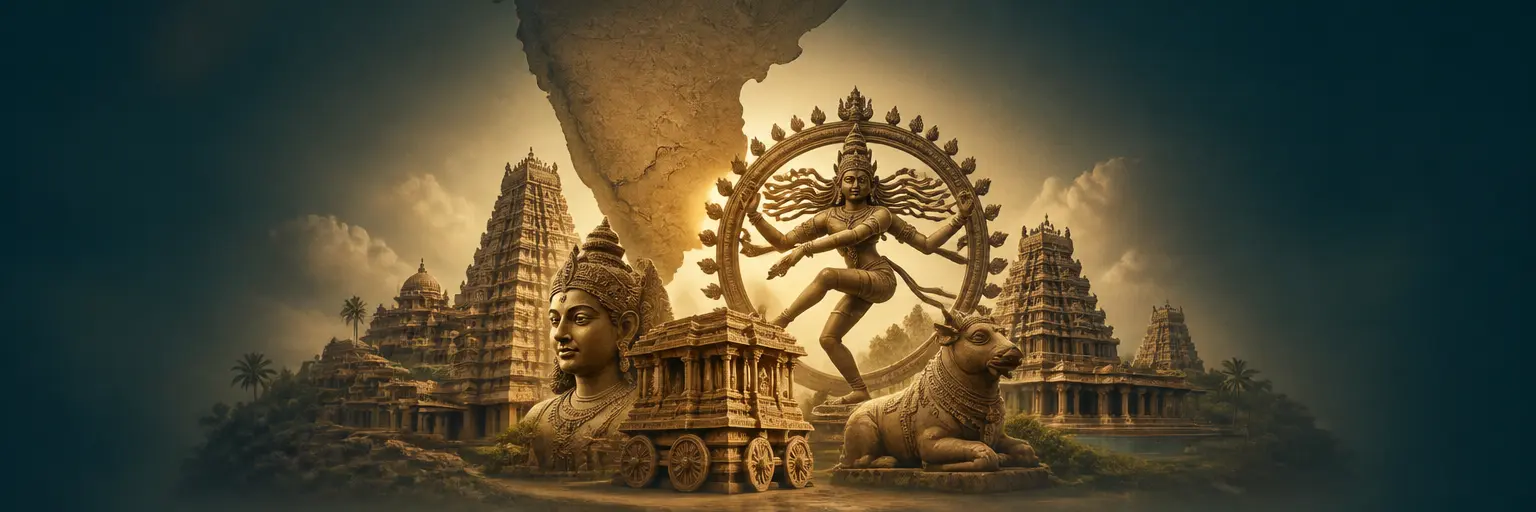

History of Southern India
42 articles in this topic
Start here
- History of Southern IndiaThe Role of Agriculture in the Development of Southern Indian Civilizations
- History of Southern IndiaTemples of Tamil Nadu: Architectural Marvels and Their Historical Significance
- History of Southern IndiaSouthern India's Influence on Modern Indian Culture: A Historical Examination
Read more about this topic
Explore the fascinating History of Southern India, from ancient kingdoms and powerful dynasties to vibrant traditions, temple architecture, maritime trade, literature, and cultural achievements. Discover how the Cholas, Cheras, Pandyas, Pallavas, and other regional powers shaped South Indian history and influenced the wider Indian subcontinent. 🏛️📜 Dive into engaging insights on ancient Tamil, Kannada, Telugu, and Malayalam cultures, remarkable rulers, historic cities, and enduring legacies that continue to define India’s rich past.
More in History of Southern India
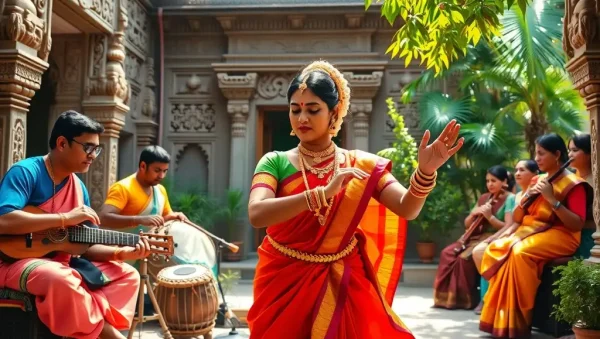
History of Southern India
Southern India's Contribution to Classical Music and Dance: A Historical Overview
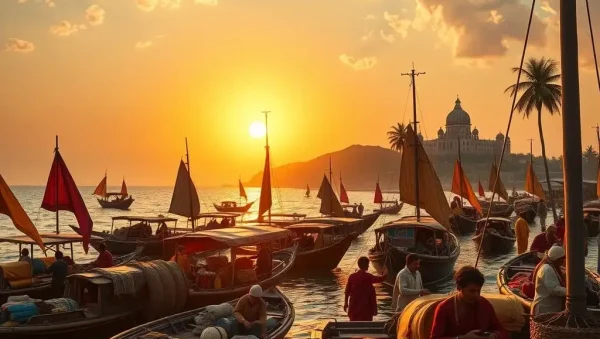
History of Southern India
The Maritime History of Southern India: Navigating Through Time
History of Southern India
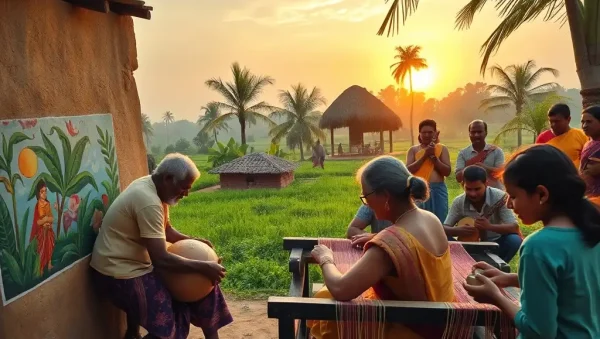
The Role of Folk Arts in Preserving Southern Indian History and Culture

History of Southern India
The Historical Role of Monks and Scholars in Southern India’s Development
History of Southern India
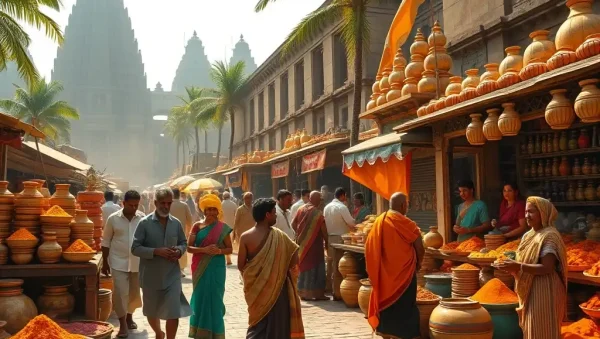
Southern India’s Role in the Global Trade Networks of Ancient Times

History of Southern India
The Significance of Ancient Writing Systems in Southern Indian History
History of Southern India
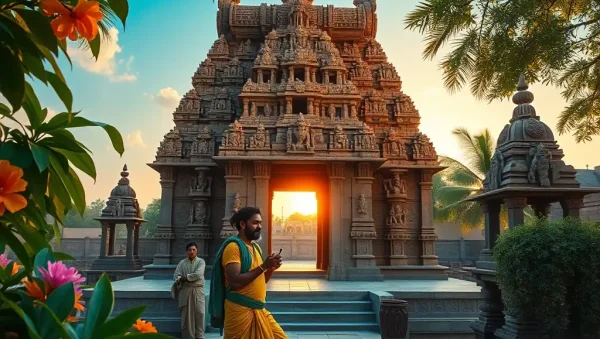
Unraveling the Secrets of the Vijayanagara Empire: Southern India's Cultural Renaissance
History of Southern India
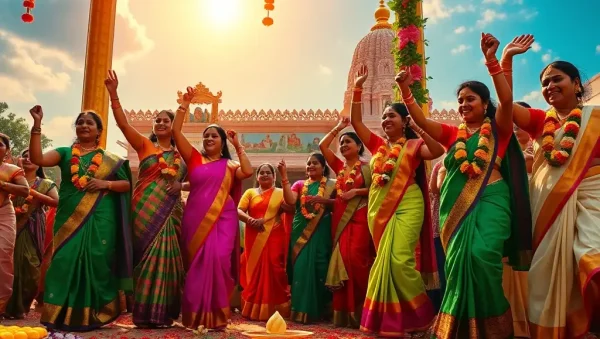
Southern India's Festivals: Celebrating History and Culture Through Tradition
History of Southern India: Kingdoms, Culture, and Ancient Civilizations
Explore the History of Southern India through the rise of powerful kingdoms, flourishing trade networks, remarkable temples, and enduring cultural traditions. This subcategory of Regional Histories examines the historical development of the Deccan and the southern Indian peninsula, including Tamil Nadu, Kerala, Karnataka, Andhra Pradesh, and Telangana. Discover how the Cholas, Cheras, Pandyas, Pallavas, Satavahanas, Chalukyas, Rashtrakutas, and Vijayanagara rulers shaped ancient and medieval Indian history through administration, architecture, literature, religion, maritime commerce, and artistic achievement.
🏛️ Ancient Kingdoms and Dynasties of Southern India
Learn about the influential dynasties that shaped South Indian history, from the early Chera, Chola, and Pandya kingdoms to the Pallavas, Satavahanas, Chalukyas, Rashtrakutas, and Hoysalas. Articles explore royal succession, political expansion, warfare, diplomacy, land administration, and the development of regional capitals.
Readers can expect clear explanations of how these kingdoms interacted with one another and with northern Indian powers. Dynastic timelines, inscriptions, coins, archaeological discoveries, and literary sources help reveal the political and social history of ancient and medieval Southern India.
🛕 Temples, Architecture, and Sacred Landscapes
Discover the evolution of South Indian temple architecture, including Dravidian design, monumental gateways, stone carvings, temple tanks, and ceremonial complexes. Explore famous traditions associated with Pallava rock-cut temples, Chola temples, Hoysala craftsmanship, and Vijayanagara architecture.
These resources explain how temples functioned as more than places of worship. They were also centers of education, economic activity, land management, music, dance, sculpture, and community life, making them essential to understanding the cultural history of Southern India.
⚓ Maritime Trade and Indian Ocean Connections
Examine Southern India’s important role in Indian Ocean trade and long-distance cultural exchange. The ports of the Tamil, Kerala, and Andhra regions connected local kingdoms with Sri Lanka, Southeast Asia, the Roman world, Arabia, and East Africa.
Readers will learn about spices, textiles, precious stones, ivory, ceramics, and other commodities exchanged across the seas. Roman coins, port settlements, merchant guilds, and Tamil inscriptions provide valuable evidence of Southern India’s commercial strength and international influence.
📜 Languages, Literature, and Inscriptions
Explore the development of Tamil, Telugu, Kannada, Malayalam, Sanskrit, and Prakrit traditions in Southern India. Special attention is given to Sangam literature, royal inscriptions, religious poetry, courtly works, and regional literary movements that preserve details about society and political life.
Inscriptions carved on temples, pillars, copper plates, and cave walls offer important historical evidence. They reveal information about land grants, taxation, village assemblies, trade organizations, military titles, religious institutions, and royal authority.
👑 Chola, Chera, Pandya, and Pallava Heritage
Study the major Tamil and South Indian dynasties that influenced the history of the peninsula. Learn how the Cholas developed powerful institutions and naval connections, how the Cheras contributed to western coastal trade, how the Pandyas supported Madurai’s cultural life, and how the Pallavas promoted temple architecture and Sanskrit learning.
This section highlights the distinctive achievements of each dynasty while explaining their rivalries and alliances. Chronological overviews, cultural comparisons, and historical interpretations make it easier to understand the changing balance of power in Southern India.
🌾 Society, Economy, and Everyday Life
Go beyond royal history to discover how ordinary people lived in ancient and medieval Southern India. Topics may include agriculture, irrigation, village administration, caste and occupational groups, women’s roles, crafts, festivals, education, food traditions, and urban development.
Readers will see how rivers, fertile deltas, forests, coastlines, and trade routes influenced regional economies. Temple records, literary references, archaeological remains, and local traditions help reconstruct the daily experiences of farmers, merchants, artisans, soldiers, religious communities, and administrators.
🗿 Archaeology and Historical Sources
Understand how historians reconstruct the history of Southern India using archaeological sites, megalithic burials, inscriptions, coins, monuments, manuscripts, and foreign accounts. Evidence from settlements and burial sites provides insight into early communities before the formation of large imperial states.
Each topic emphasizes the importance of comparing different sources carefully. Archaeology, epigraphy, numismatics, literary history, and oral traditions together create a richer and more balanced picture of South Indian civilization.
❓ Frequently Asked Questions About the History of Southern India
What regions are included in the history of Southern India?
The history of Southern India generally includes Tamil Nadu, Kerala, Karnataka, Andhra Pradesh, Telangana, and parts of the Deccan Plateau. Depending on the subject, it may also discuss connections with Sri Lanka, the western coast, central India, and Southeast Asia.
Which were the most important dynasties in Southern India?
Important dynasties include the Cheras, Cholas, Pandyas, Pallavas, Satavahanas, Chalukyas, Rashtrakutas, Hoysalas, Kakatiyas, and Vijayanagara rulers. Each contributed to politics, architecture, literature, religion, trade, and regional administration.
Why is Sangam literature important for South Indian history?
Sangam literature is an important source for understanding early Tamil society. It contains descriptions of kings, battles, landscapes, trade, love, war, occupations, social customs, and religious beliefs, offering valuable insight into the ancient Tamil kingdoms.
What is distinctive about South Indian temple architecture?
South Indian temple architecture is especially known for its Dravidian style, large stone structures, ornate sculptures, towering gopurams, temple tanks, and extensive ceremonial spaces. Temples also served as centers of economic, educational, cultural, and administrative activity.
How did Southern India influence international trade?
Southern India occupied a strategic position along Indian Ocean trade routes. Its ports exported spices, textiles, pearls, gemstones, and other goods while receiving foreign coins, ceramics, and cultural influences. South Indian merchants and rulers also maintained strong connections with Sri Lanka and Southeast Asia.