
History of Western India

History of Western India
37 articles in this topic
Read more about this topic
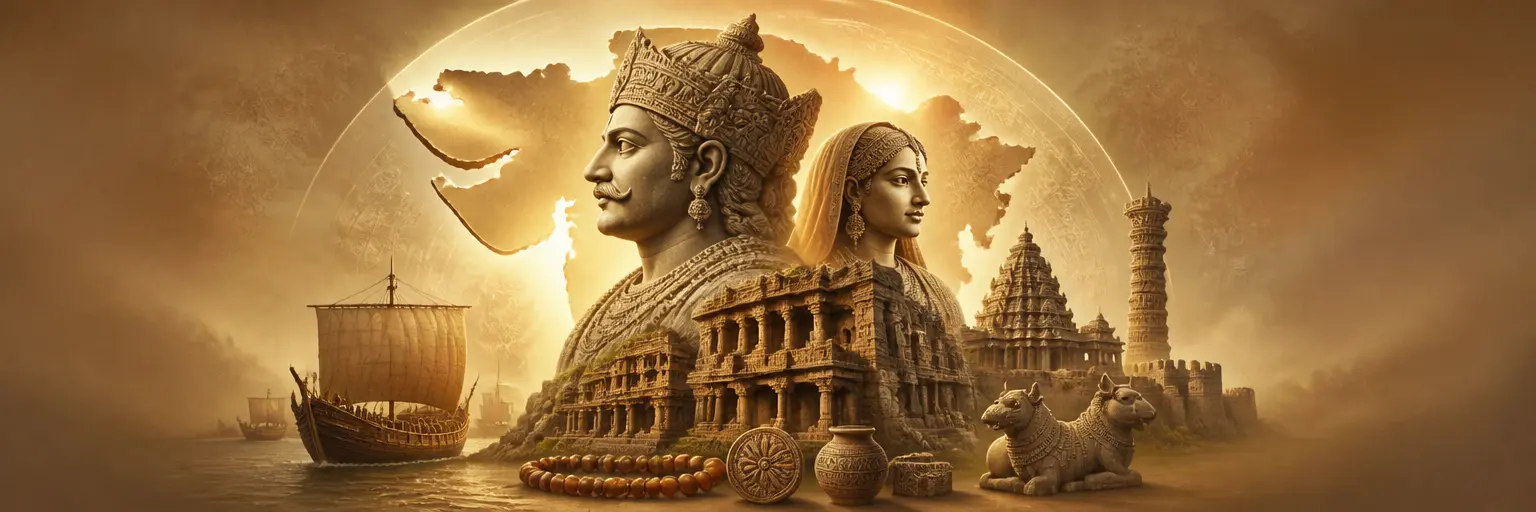
Explore the captivating History of Western India, where ancient civilizations, powerful kingdoms, vibrant trade networks, and diverse cultural traditions shaped the region’s remarkable past. Discover the legacy of Gujarat, Maharashtra, Rajasthan, Goa, and surrounding areas through archaeological discoveries, historic cities, maritime connections, dynasties, art, religion, and enduring contributions to ancient Indian history.
More in History of Western India
History of Western India
The Role of Women in the Societies of Ancient Western India
History of Western India
How Ancient Western India Contributed to Global Civilization
History of Western India
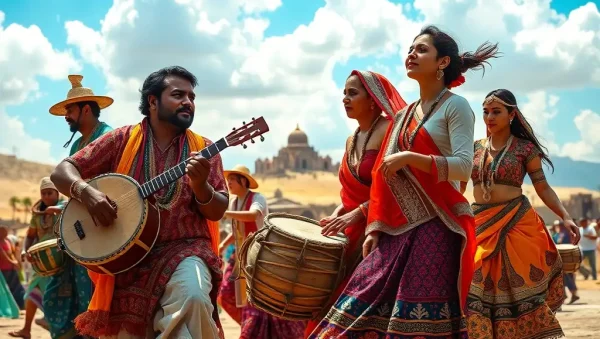
How Western Indian Folk Music Reflects Ancient Cultural Heritage
History of Western India
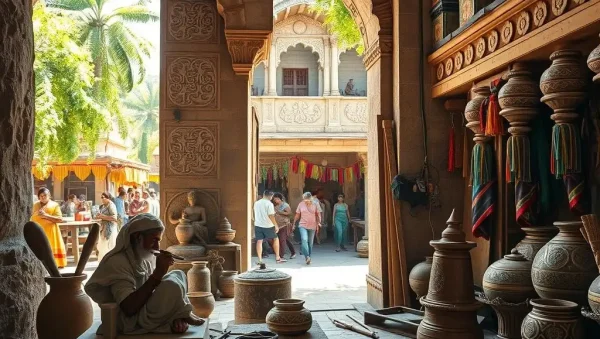
The Evolution of Art Styles in Ancient Western India
History of Western India
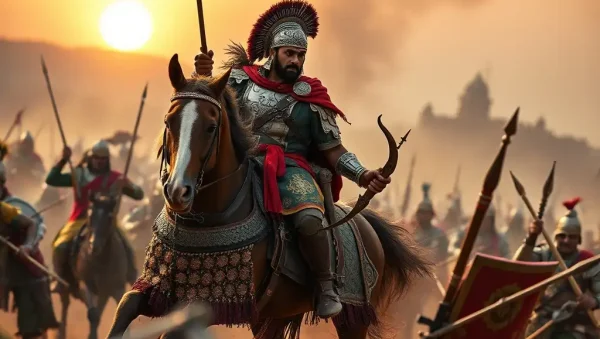
Ancient Western Indian Warfare: Strategies and Key Battles
History of Western India
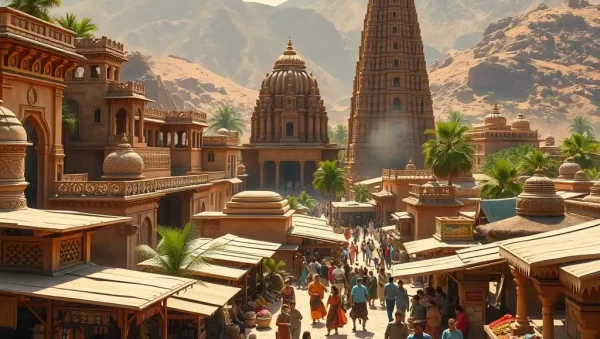
Exploring the Ancient Urban Planning of Western Indian Cities
History of Western India
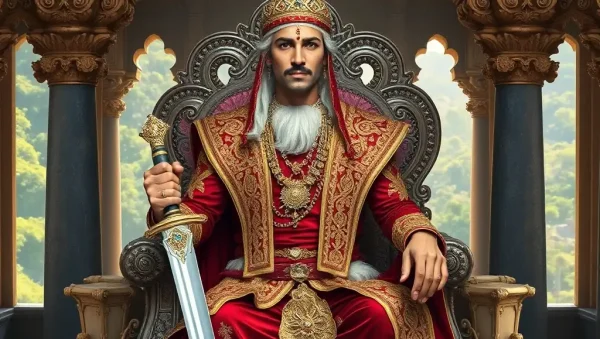
The Legacy of Western Indian Kings: Rulers Who Shaped History
History of Western India
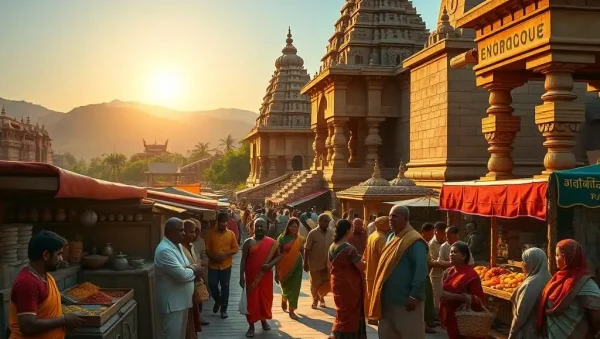
The SocioPolitical Landscape of Western India During the Gupta Era
📜 History of Western India: Dynasties, Culture, and Heritage
Explore the History of Western India through a detailed journey across Gujarat, Maharashtra, Rajasthan, Goa, and the western Deccan. This subcategory examines the region’s ancient kingdoms, maritime trade networks, religious movements, fortified cities, archaeological sites, and cultural traditions. From the Indus Valley Civilization and the ancient ports of Gujarat to the rise of the Mauryas, Satavahanas, Western Kshatrapas, Chalukyas, Rashtrakutas, and regional Rajput powers, discover how Western India shaped the political, economic, and cultural history of the Indian subcontinent.
🏺 Ancient Civilizations and Archaeological Discoveries
Learn about the earliest settlements and urban communities that developed across Western India. Articles explore the Indus Valley Civilization in Gujarat, including important sites such as Lothal, Dholavira, and Surkotada, along with evidence of town planning, craft production, agriculture, water management, and long-distance commerce.
Readers can also discover how archaeology helps reconstruct the history of ancient Western India. Inscriptions, pottery, coins, sculptures, cave architecture, burial practices, and excavated settlements reveal the daily lives, technologies, beliefs, and social organization of early Indian communities.
👑 Kingdoms and Dynasties of Western India
Explore the major dynasties that ruled Western India, including the Mauryas, Satavahanas, Western Kshatrapas, Vakatakas, Chalukyas, Rashtrakutas, Maitrakas, Solankis, and other regional powers. These kingdoms influenced administration, warfare, taxation, temple building, literature, and the development of important urban centers.
Detailed historical accounts explain the rise and decline of these dynasties, their political rivalries, and their connections with northern, southern, and central India. Dynastic history, royal succession, inscriptions, and ancient Indian politics provide essential context for understanding Western India’s changing cultural landscape.
⚓ Maritime Trade and Ancient Port Cities
Western India was a major center of Indian Ocean trade, connecting the subcontinent with Arabia, East Africa, Persia, the Roman world, and Southeast Asia. Discover the role of ancient ports such as Bharuch, Sopara, Kalyan, Lothal, and other coastal settlements in the exchange of spices, textiles, beads, precious stones, metals, ceramics, and luxury goods.
These articles examine merchant communities, shipbuilding, navigation, trade routes, Roman contacts, and the spread of ideas through commercial networks. Readers will gain insight into how coastal Gujarat, Konkan, and Maharashtra contributed to the economic prosperity and international connections of ancient India.
🛕 Religion, Art, and Architecture
Discover the religious diversity of Western India through Hindu, Buddhist, Jain, and other spiritual traditions. This section explores rock-cut caves, stupas, monasteries, temples, pilgrimage centers, inscriptions, and sacred landscapes associated with ancient and early medieval Indian history.
From the Ajanta and Ellora Caves to Buddhist sites in Maharashtra, Jain monuments in Gujarat and Rajasthan, and early temple traditions across the western Deccan, readers can study the evolution of Indian art, sculpture, religious architecture, and iconography. These monuments reveal the relationships between rulers, merchants, monks, artisans, and local communities.
🏰 Forts, Capitals, and Urban Heritage
Investigate the growth of ancient and medieval cities, administrative capitals, market towns, and fortified settlements throughout Western India. Historical articles cover the development of urban centers in the Deccan, Gujarat, Rajasthan, and the Konkan, highlighting their strategic, commercial, and cultural importance.
Readers will learn how forts, city walls, reservoirs, palaces, gateways, and public buildings reflected the power of regional rulers. Western Indian heritage sites and historic cities also demonstrate how geography, trade routes, rivers, mountains, and coastal access shaped political and economic development.
🌾 Society, Economy, and Everyday Life
Go beyond royal history to explore the lives of farmers, traders, artisans, pastoral communities, soldiers, religious teachers, and urban residents. This subcategory examines agriculture, irrigation, crafts, textile production, mining, cattle herding, taxation, occupations, and the social structures of Western Indian communities.
Sources such as inscriptions, coins, literary works, archaeological remains, and foreign travel accounts help reconstruct everyday life in the region. Readers can understand how social customs, local economies, languages, food traditions, and occupational groups changed across different historical periods.
🌊 Geography and the Making of Western Indian History
Geography played a decisive role in the history of Western India. Explore how the Arabian Sea, Gujarat’s plains, the Thar Desert, the Aravalli ranges, the Western Ghats, the Narmada and Godavari river systems, and the Deccan Plateau influenced migration, settlement, trade, warfare, and cultural exchange.
This section explains why certain locations became powerful centers while others developed as frontier regions or trade corridors. Understanding the relationship between landscape and history makes it easier to appreciate the region’s diverse political traditions, ecological adaptations, and cultural identities.
🧭 Frequently Asked Questions About the History of Western India
What regions are included in the History of Western India?
Western India generally includes Gujarat, Maharashtra, Rajasthan, Goa, and parts of the western Deccan and Konkan coast. Depending on the historical period, discussions may also include neighboring areas connected through trade, migration, political alliances, or cultural exchange.
Which are the most important ancient sites in Western India?
Important sites include Lothal and Dholavira in Gujarat, the Ajanta and Ellora Caves in Maharashtra, ancient Buddhist centers around the western Deccan, and historic settlements linked to maritime trade. These sites provide evidence of urban planning, religion, art, commerce, and technological development.
Why was Western India important in ancient Indian history?
Western India was important because it connected the Indian subcontinent with major overseas regions through Arabian Sea trade. It also produced influential kingdoms, prosperous port cities, religious centers, artistic traditions, and strategic routes linking northern and southern India.
Which dynasties ruled Western India?
Major ruling powers included the Mauryas, Satavahanas, Western Kshatrapas, Vakatakas, Chalukyas, Rashtrakutas, Maitrakas, Solankis, and several Rajput and regional dynasties. Their influence varied by period and location, and many competed for control of trade routes, fertile lands, ports, and important cities.
What can archaeology reveal about Western India’s past?
Archaeology reveals information about settlement patterns, architecture, crafts, trade, religion, agriculture, technology, and social organization. Excavated structures, coins, pottery, tools, inscriptions, sculptures, and human remains help historians understand communities that are not fully described in written sources.