
History of Northern India

History of Northern India
40 articles in this topic
Start here
- History of Northern IndiaThe Evolution of Language and Literature in Northern India: From Sanskrit to Regional Dialects
- History of Northern IndiaDiscovering the Vedic Age: How Northern India Shaped Early Indian Society
- History of Northern IndiaAncient Trade Routes of Northern India: Connecting Cultures and Economies
Read more about this topic
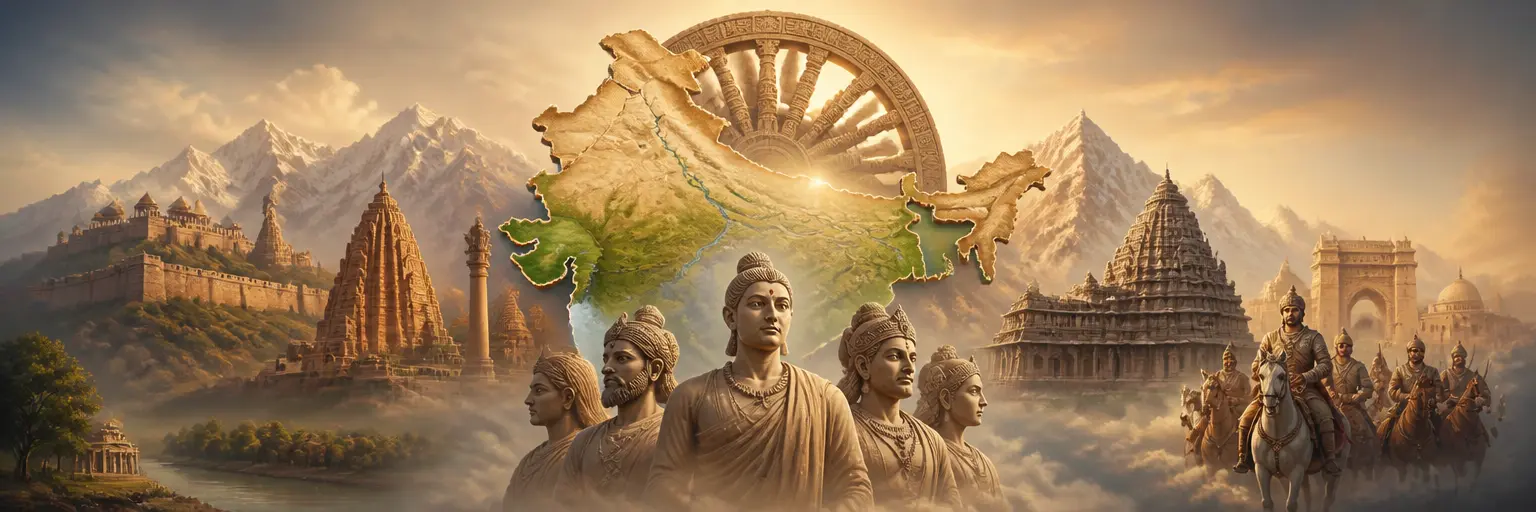
Explore the History of Northern India, a region shaped by ancient civilizations, powerful kingdoms, cultural exchanges, and intellectual achievements. Discover Northern India’s historical journey from the Indus Valley Civilization and Vedic traditions to the Maurya, Kushan, Gupta, and early medieval eras. 🏛️ Uncover the rise of empires, evolution of religion and philosophy, remarkable art and architecture, and the lasting contributions that shaped ancient Indian history.
More in History of Northern India
History of Northern India
The Role of Northern India in the Spread of Hinduism Across the Subcontinent
History of Northern India
Exploring the Legacy of Northern India's Great Kings: Ashoka, Chandragupta, and Beyond
History of Northern India
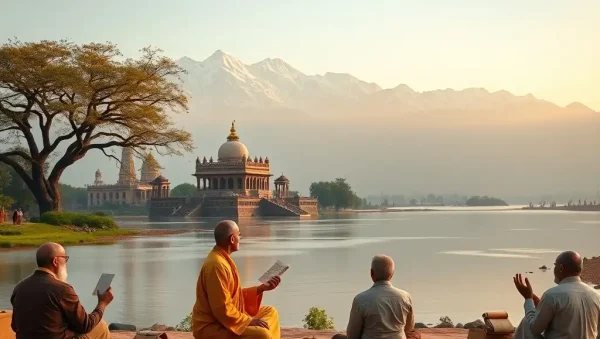
The Influence of Northern India on Indian Philosophy: From Upanishads to Buddhism
History of Northern India
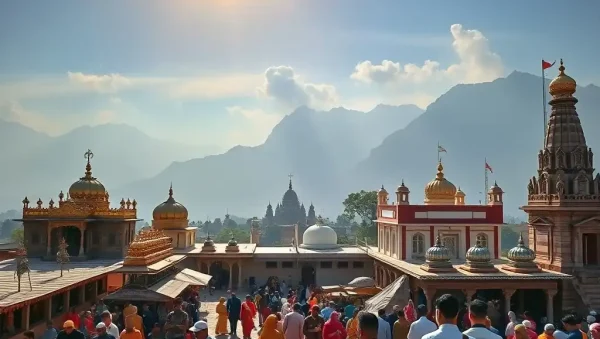
The Religious Landscape of Northern India: A Tapestry of Beliefs and Practices
History of Northern India
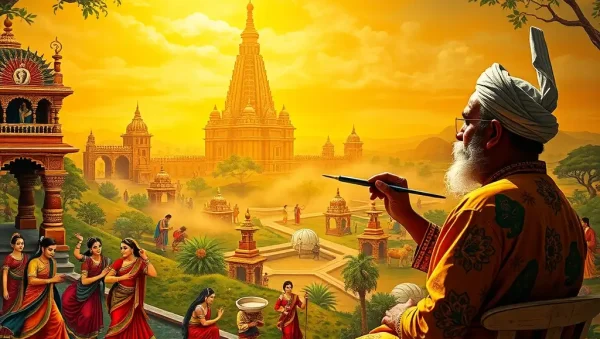
The Influence of Northern Indian Art on Later Indian Cultures: A Visual Journey
History of Northern India
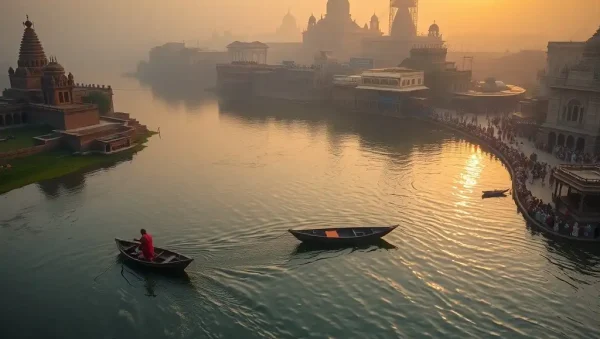
The Historical Significance of the Ganges River in Northern Indian Civilization
History of Northern India
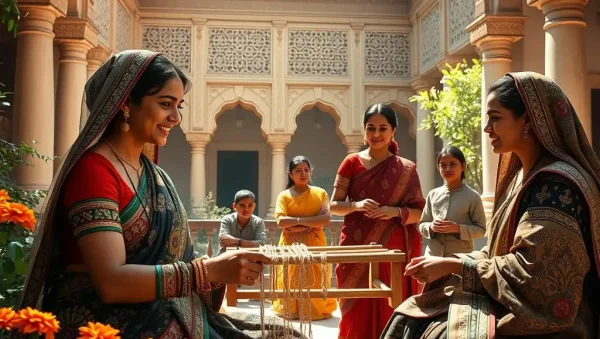
The Role of Women in Ancient Northern Indian Society: Empowerment and Influence
History of Northern India
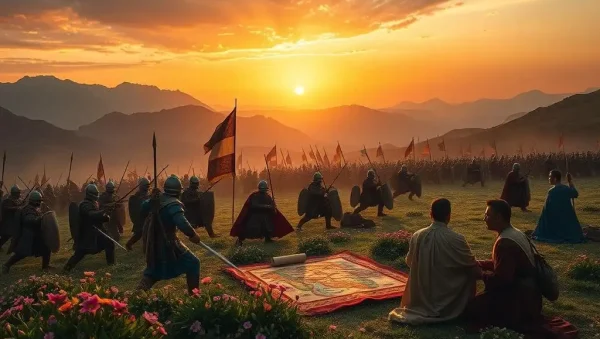
Warfare and Diplomacy in Northern India: Key Battles and Alliances
📜 History of Northern India: Kingdoms, Cultures, and Civilizations
Explore the history of Northern India, a region shaped by ancient civilizations, powerful dynasties, religious movements, trade networks, and cultural exchange. This subcategory of Regional Histories examines the development of northern Indian society from the Indus Valley Civilization and the Vedic period to the rise of the Mauryan and Gupta empires. Discover how the landscapes of the Indus and Ganges plains, the Himalayan foothills, Rajasthan, Punjab, Haryana, Uttar Pradesh, Bihar, and surrounding regions influenced the political and cultural history of ancient India.
🏺 Indus Valley Civilization and Early Northern India
Learn about the origins of urban civilization in northern India through the study of Harappan cities, archaeological sites, trade routes, agriculture, craftsmanship, and early settlement patterns. Articles explore important centers such as Harappa, Rakhigarhi, Kalibangan, and related sites, explaining how planned streets, drainage systems, warehouses, seals, and long-distance commerce reveal the complexity of Bronze Age society.
Readers can also examine the historical debates surrounding the decline and transformation of the Indus Valley Civilization. Topics may include environmental change, river systems, regional migration, technological development, and the continuity of cultural traditions across northern India, providing valuable context for understanding the earliest chapters of Indian history.
🔥 Vedic Age and the Rise of Early Kingdoms
Discover how northern India changed during the Early and Later Vedic periods, when pastoral communities, agricultural settlements, social institutions, and religious traditions developed across the Punjab and Ganges plains. This section explores Vedic literature, clan-based societies, the evolution of political authority, and the changing importance of farming, cattle, rituals, and land.
Readers will also learn about the emergence of the Mahajanapadas, the sixteen great kingdoms and republics that transformed ancient Indian politics. Detailed explanations of Magadha, Kosala, Vatsa, Avanti, and other regional powers show how warfare, urbanization, taxation, and trade contributed to the formation of larger states in northern India.
👑 Mauryan Empire and Imperial Northern India
Explore the rise of the Mauryan Empire, one of the most influential political formations in ancient Indian history. This section covers Chandragupta Maurya, the statesmanship of Chanakya, the administration of Pataliputra, imperial expansion, economic organization, military power, and the sophisticated governance system that connected much of northern India.
Special attention is given to Emperor Ashoka and his transformation after the Kalinga War. Readers can examine Ashokan edicts, Buddhist patronage, ethical governance, rock and pillar inscriptions, and the spread of dhamma, while understanding how Mauryan rule shaped the political, religious, and cultural development of northern India.
☸️ Buddhism, Jainism, and Religious Transformation
Study the religious and philosophical movements that emerged in northern India during the sixth century BCE. This section introduces the lives and teachings of Gautama Buddha and Mahavira, along with the development of Buddhism and Jainism as influential alternatives to established ritual traditions.
Readers can explore sacred places such as Bodh Gaya, Sarnath, Kushinagar, Rajgir, Vaishali, and Mathura. Topics include monasteries, pilgrimage networks, Buddhist councils, Jain communities, nonviolence, renunciation, and the role of merchants and rulers in supporting new religious institutions throughout northern India.
🌟 Gupta Empire and the Classical Age
Learn why the Gupta Empire is often associated with a classical period in northern Indian history. Articles examine the reigns of Chandragupta I, Samudragupta, Chandragupta II, and later Gupta rulers, highlighting imperial expansion, diplomacy, administration, coinage, and the political organization of the Ganges basin.
This section also explores achievements in science, mathematics, astronomy, literature, art, architecture, and Sanskrit learning. Discover the contributions of scholars such as Aryabhata, the development of temple traditions, Gupta sculpture, and the cultural exchanges that connected northern India with Central Asia and Southeast Asia.
🏛️ Cities, Trade, and Everyday Life
Understand how cities including Pataliputra, Taxila, Mathura, Varanasi, Ujjain, Sarnath, and Kannauj became centers of commerce, administration, education, religion, and artistic production. This section investigates roads, river transport, caravan routes, markets, guilds, coins, and connections linking northern India with the wider ancient world.
Readers will also find insights into everyday life, including food, clothing, housing, occupations, education, family structures, social groups, and artistic practices. By combining archaeological evidence, inscriptions, literary sources, and foreign accounts, these articles present a more complete picture of ordinary people as well as kings and religious leaders.
🗺️ Archaeology, Sources, and Historical Research
Discover how historians reconstruct the history of Northern India using archaeological discoveries, inscriptions, coins, religious texts, epics, administrative records, and accounts by travelers. Each type of evidence offers different insights into political events, economic systems, religious beliefs, social organization, and cultural change.
This section also explains the importance of critical historical interpretation. Readers can learn how scholars compare literary traditions with material evidence, identify later additions to texts, interpret royal claims, and distinguish between legend, tradition, and verifiable historical information.
❓ Frequently Asked Questions About the History of Northern India
What regions are included in the history of Northern India?
Northern India commonly includes the Punjab, Haryana, Himachal Pradesh, Rajasthan, Delhi, Uttar Pradesh, Uttarakhand, Bihar, and parts of Jammu and Kashmir and Madhya Pradesh. Historical boundaries changed over time, so this subcategory also considers connected regions influenced by northern Indian kingdoms, trade, religion, and culture.
Why is the Indus Valley Civilization important to Northern Indian history?
The Indus Valley Civilization provides evidence of some of South Asia’s earliest cities, writing traditions, craft industries, agricultural systems, and long-distance trade. Its archaeological remains help historians understand the foundations of urban life and cultural development in northern India.
Which ancient empires ruled Northern India?
Major empires and states included the Mauryan Empire, the Kushan Empire, the Gupta Empire, and several powerful Mahajanapadas. Northern India was also governed by regional dynasties whose political, religious, and economic influence shaped different parts of the region.
How did Buddhism and Jainism influence Northern India?
Buddhism and Jainism transformed northern Indian religious life by emphasizing ethical conduct, spiritual discipline, renunciation, compassion, and liberation. Monasteries, pilgrimage centers, teachings, and royal patronage helped these traditions spread across India and throughout Asia.
What sources are used to study ancient Northern India?
Historians use archaeological sites, inscriptions, coins, pottery, monuments, sculptures, religious texts, epics, foreign travel accounts, and ancient administrative records. Comparing these sources allows researchers to create a more balanced and reliable understanding of northern Indian history.