
Ancient Healers: The Evolution of Medical Professions in India

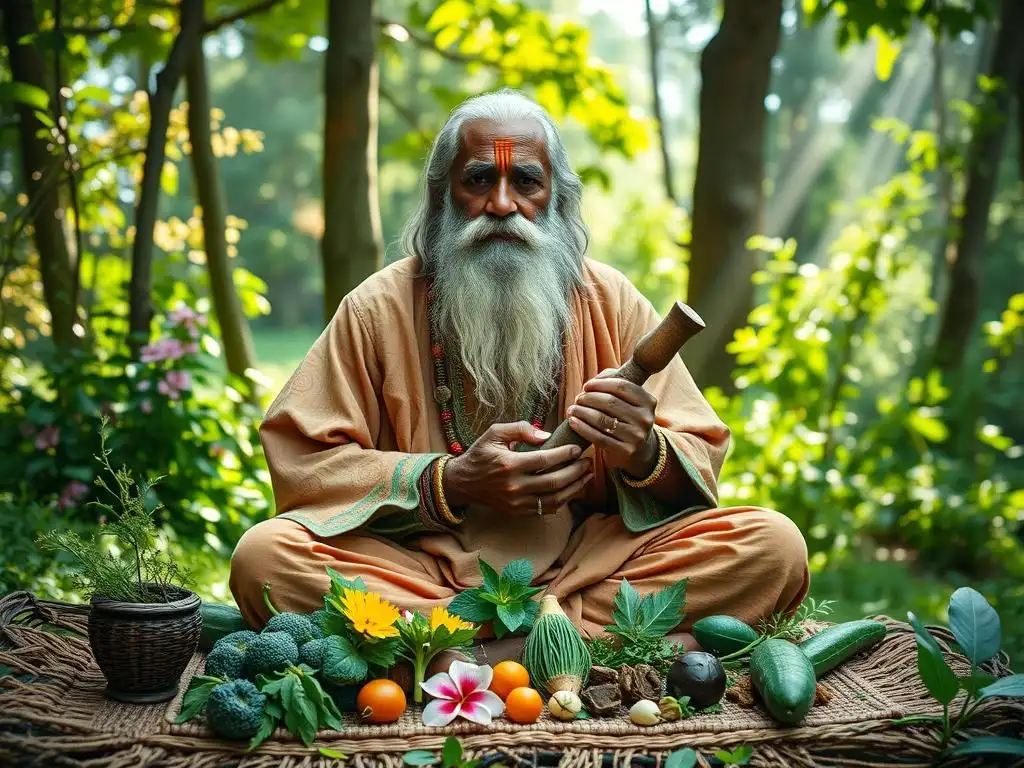
Welcome to Ancient India History, where we invite you on an enlightening journey through the rich and diverse tapestry of ancient Indian civilizations. In our featured article, "Ancient Healers: The Evolution of Medical Professions in India," we delve into the fascinating world of Ancient Indian healing practices. Discover how these age-old traditions not only shaped the medical landscape but also influenced daily life and society as a whole. Are you ready to uncover the secrets of ancient healers and their timeless contributions? Let the exploration begin!
Introduction to Ancient Indian Healing Practices
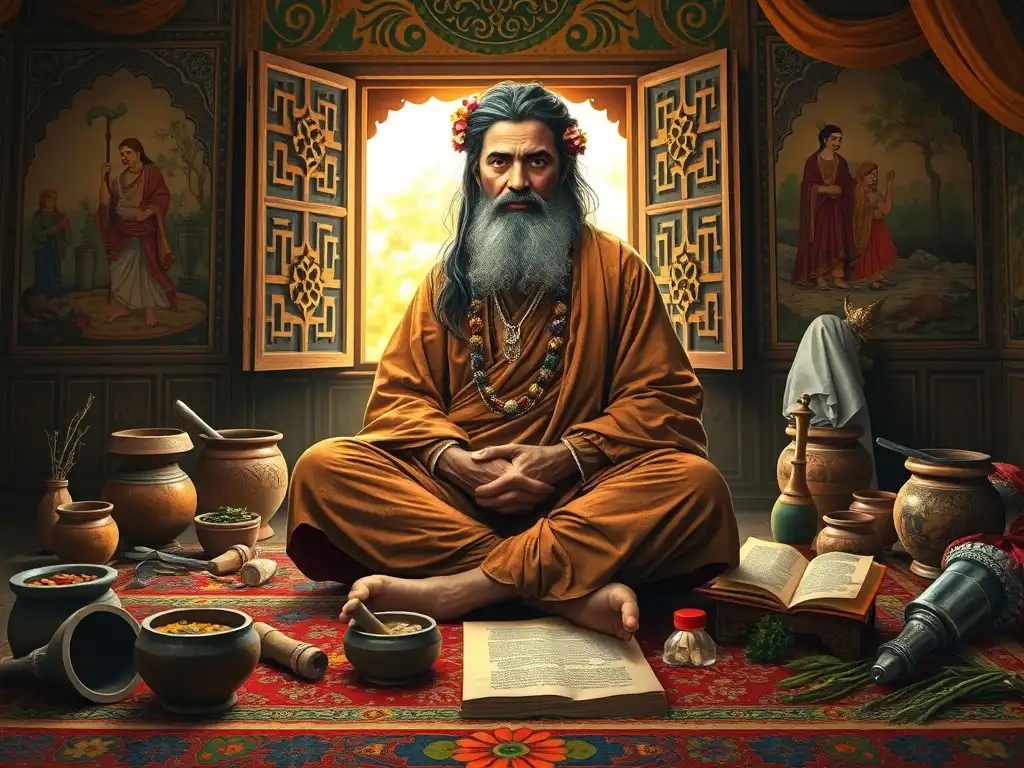
The evolution of medical professions in ancient India reveals a fascinating tapestry of healing practices that have significantly influenced not only the subcontinent but also the broader world. Ancient Indian healing practices, rooted in a rich cultural and philosophical framework, encompass a variety of approaches that blended spirituality, herbal medicine, and surgical techniques.
These traditions date back thousands of years, evolving through various historical epochs, and are encapsulated in texts and practices that continue to resonate in modern healing methods. Understanding the intricacies of these ancient practices provides valuable insight into the foundational role healers played in society, highlighting their contributions to health, well-being, and the advancement of medical knowledge.
Overview of Ancient Indian Medical Systems
Ancient India was home to several sophisticated medical systems, each with its unique philosophies and methodologies.
- Ayurveda: Perhaps the most well-known system, Ayurveda, emphasizes the balance of bodily energies (doshas) and focuses on holistic well-being.
- Surgery: Early surgical practices, as described in texts like the Sushruta Samhita, showcased advanced techniques, including operations like cataract surgery and plastic surgery.
- Herbal Medicine: Utilization of a vast array of plants and minerals was common, with extensive knowledge compiled in texts such as the Charaka Samhita.
These systems not only addressed physical ailments but also considered the mental and spiritual aspects of health, demonstrating a comprehensive approach to healing.
Significance of Healers in Ancient Indian Society
Healers in ancient India held a revered position within their communities. Their significance can be summarized as follows:
- Cultural Status: Healers were often seen as intermediaries between the physical and spiritual realms, possessing knowledge that was both respected and sought after.
- Community Role: They played a crucial role in local governance and community health, acting as advisors and caretakers during times of illness or crisis.
- Knowledge Transmission: Healers were pivotal in the transmission of medical knowledge, often training apprentices and contributing to the evolution of medical practices.
This multifaceted role underscores the importance of healers in fostering community resilience and contributing to the collective health of society.
Historical Context of Medical Professions in Ancient India
Understanding the historical context of medical professions in ancient India requires an exploration of various periods and influences that shaped healing practices.
Early Healing Traditions in the Indus Valley Civilization
The Indus Valley Civilization (circa 3300–1300 BCE) laid the groundwork for many ancient healing practices. Archaeological findings suggest the presence of advanced drainage systems, public baths, and possibly early forms of medical care. Evidence indicates:
- Surgical Tools: Artifacts resembling surgical instruments hint at early surgical practices.
- Medicinal Plants: Seals depicting medicinal plants suggest an understanding of herbal remedies.
These early practices indicate a sophisticated approach to health and hygiene, reflecting the civilization’s commitment to the well-being of its people.
The Influence of Vedic Texts on Medical Practices
The Vedic period (circa 1500–500 BCE) marked a significant evolution in medical knowledge, with texts like the Atharva Veda introducing concepts of healing that integrated spiritual and physical health. Key contributions include:
- The Concept of Illness: Illness was often viewed as a disruption of cosmic order, necessitating spiritual as well as physical healing.
- Rituals and Remedies: Healing rituals and hymns were developed, blending medicine with spirituality.
This integration established a holistic view of health that would influence subsequent medical systems and practices.
The Role of Ayurveda in Ancient Indian Healing
Ayurveda emerged as a comprehensive system of medicine around the 1st millennium BCE, greatly influencing the landscape of ancient Indian healing practices. Its principles include:
- Holistic Approach: Ayurveda emphasizes the interconnectedness of body, mind, and spirit in health.
- Preventive Care: Focus on preventive healthcare encourages lifestyle modifications and dietary practices to maintain balance.
- Personalized Treatment: Treatments are tailored to individual constitution and needs, reflecting a deep understanding of human diversity.
The development of Ayurveda not only established a formal medical profession but also solidified the healer's role as a custodian of health and wellness in society, ensuring its relevance for centuries to come.
Key Ancient Indian Healing Practices
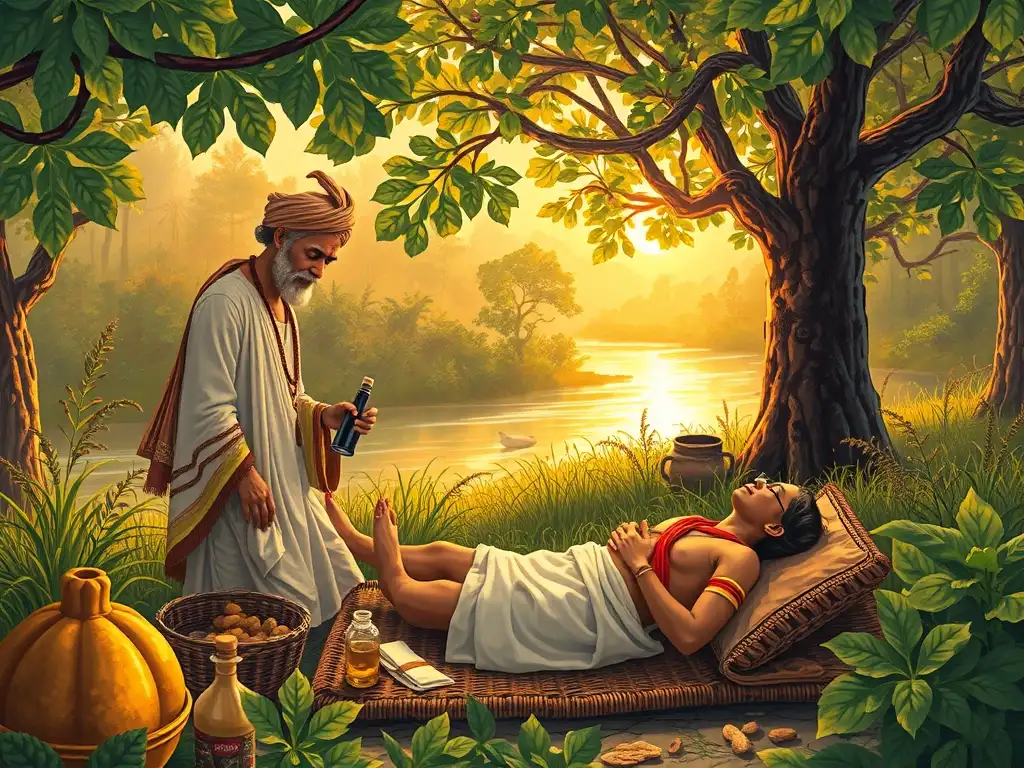
Ancient Indian healing practices were characterized by a holistic approach that integrated physical, mental, and spiritual health. These practices were deeply rooted in the cultural and philosophical frameworks of the time, particularly in the context of Ayurveda, which emphasized balance among the body, mind, and environment. Key healing practices included herbal medicine, spiritual healing, and surgical interventions, each contributing uniquely to the medical landscape of ancient India.
The ancient Indian medical systems were not merely focused on treating ailments but also on preventing them through lifestyle adjustments, dietary regulations, and the use of natural remedies. This comprehensive approach laid the foundation for the sophisticated medical practices that evolved over centuries.
Herbal Medicine and Its Applications
Herbal medicine was a cornerstone of ancient Indian healing practices. The extensive use of medicinal plants and herbs was documented in ancient texts like the Charaka Samhita and the Sushruta Samhita, which detailed various plants' properties, preparations, and therapeutic uses.
- Commonly Used Herbs:
- Tulsi (Holy Basil): Renowned for its anti-inflammatory and antioxidant properties.
- Ashwagandha: Often used to enhance stamina and reduce stress.
- Neem: Valued for its antiseptic and antibacterial qualities.
Herbal formulations were typically prepared as powders, decoctions, or pastes, tailored to the individual's constitution and health condition. The knowledge of herbal medicine was passed down through generations, often integrated with spiritual and ritualistic practices to enhance effectiveness.
Rituals and Spiritual Healing Techniques
In ancient India, healing was not only a physical process but also a spiritual one. Rituals and spiritual healing techniques played a significant role in the overall health and wellness of individuals. Healers often combined physical treatments with spiritual practices to address the emotional and spiritual aspects of illness.
- Common Spiritual Practices:
- Mantras and Chanting: Used to invoke healing energies and promote mental clarity.
- Meditation and Yoga: Aimed at achieving mental peace and physical balance, which were believed to be essential for healing.
- Puja (Ritual Worship): Conducted to appease deities and seek divine intervention in healing.
These spiritual practices were integral to the healing process, reflecting the belief that health was a harmonious balance of body, mind, and spirit.
The Integration of Surgery in Ancient Indian Medicine
Surgery in ancient India was a sophisticated and respected medical practice, largely credited to the work of Sushruta, often referred to as the "Father of Surgery." The Sushruta Samhita is a foundational text that provides detailed accounts of surgical procedures, instruments, and techniques that were remarkably advanced for their time.
- Surgical Techniques:
- Suturing and Wound Management: Techniques for managing wounds and injuries were well developed.
- Plastic Surgery: Procedures such as rhinoplasty (nose reconstruction) were performed, showcasing an understanding of anatomy and aesthetics.
- Cataract Surgery: Innovative methods were used to treat cataracts, emphasizing the ancient Indian healers' skill and knowledge.
The integration of surgery into ancient Indian healing practices demonstrated a holistic approach, addressing both physical ailments and their underlying causes.
Prominent Figures in Ancient Indian Healing
The evolution of medical professions in ancient India was significantly influenced by prominent healers whose contributions laid the groundwork for modern medical practices. Their teachings and methodologies continue to impact the field of medicine today.
Charaka and the Foundations of Ayurveda
Charaka, a renowned physician and philosopher, is credited with developing and systematizing the principles of Ayurveda. His work, the Charaka Samhita, is one of the oldest texts on medicine and provides comprehensive guidance on diagnosis, treatment, and prevention of diseases.
- Key Contributions:
- Concept of Doshas: Charaka introduced the idea of the three doshas (Vata, Pitta, and Kapha), which form the basis of Ayurvedic medicine.
- Holistic Approach to Health: He emphasized the importance of diet, lifestyle, and mental well-being in achieving health and longevity.
Charaka's principles continue to be foundational in Ayurveda and holistic health practices.
Sushruta: The Father of Surgery
Sushruta is often hailed as the "Father of Surgery" due to his pioneering work in surgical techniques and instrumentation. His seminal text, the Sushruta Samhita, outlines various surgical procedures and the use of surgical instruments.
- Innovations:
- Surgical Instruments: Sushruta described over 120 surgical instruments, illustrating his advanced understanding of surgical procedures.
- Anesthesia Techniques: He explored the use of herbal preparations for pain relief during surgery, marking an early understanding of anesthesia.
Sushruta's contributions revolutionized surgical practices in ancient India and laid the groundwork for modern surgery.
Contributions of Other Notable Healers
Beyond Charaka and Sushruta, several other notable healers made significant contributions to ancient Indian medical practices:
- Bharadwaja: An ancient sage known for his work in Ayurvedic medicine, particularly in herbal formulations and treatments.
- Dhanvantari: Revered as the god of medicine in Hindu tradition, he is credited with advancing surgical techniques and promoting health and wellness.
- Jivaka: A physician in the time of Buddha, known for his exceptional skills in surgery and herbal medicine, and recognized for treating the royal families of his time.
These figures exemplified the rich tapestry of knowledge and practices that characterized ancient Indian healing, each contributing to the legacy of medical professions in India.
The Shift in Medical Professions Through the Ages
The evolution of medical professions in ancient India reflects a dynamic interplay of tradition, culture, and knowledge. Over the centuries, the methods of healing transformed significantly, adapting to new ideas and societal changes. The early practices were rooted in a deep understanding of herbalism, spirituality, and natural remedies, often led by shamans or village healers. As societies became more complex, especially during the Vedic period, structured systems of medicine began to emerge.
The compilation of texts like the Charaka Samhita and the Sushruta Samhita in the first millennium BCE marked a significant transition, codifying medical knowledge and establishing a more formalized approach to medicine. These texts not only provided guidelines for diagnosis and treatment but also laid the groundwork for professional training in the medical field. Thus, the shift from informal healing practices to more systematized medical professions was gradual but transformative.
Transition from Traditional Healers to Professional Physicians
The transition from traditional healers to professional physicians in ancient India was marked by several key developments. Initially, medical knowledge was passed down orally through generations, primarily within families of healers. However, with the onset of written texts and the establishment of medical schools, such as those in ancient universities like Takshashila and Nalanda, a more formal educational framework was developed.
Professional physicians, known as vaidya, emerged as authoritative figures in the medical landscape. They not only practiced medicine but also contributed to the literature, ensuring that knowledge was preserved and expanded upon. This evolution also saw the establishment of ethical practices in medicine, where the physician's role became more defined, focusing on patient care and treatment methodologies, as reflected in the texts of Ayurveda.
The Impact of Religion and Philosophy on Healing Practices
Religion and philosophy played a pivotal role in shaping ancient Indian healing practices. The intertwining of spiritual beliefs with medical knowledge led to a holistic approach to health, where physical ailments were often seen as manifestations of spiritual or moral failings. Ayurveda, the traditional system of medicine, is deeply rooted in Vedic philosophy, emphasizing balance among the body, mind, and spirit.
Additionally, the influence of Buddhism and Jainism introduced new perspectives on health and well-being, promoting compassion and the ethical treatment of patients. Healing rituals, prayers, and the use of mantras became integral parts of the healing process, illustrating how spirituality and medicine coexisted in ancient Indian society.
The Role of Women in Ancient Indian Medicine
Women held a significant yet often overlooked role in the medical practices of ancient India. Historical texts indicate that women were involved in healing as midwives, herbalists, and practitioners of traditional medicine. The Sushruta Samhita mentions female physicians, highlighting their contributions to obstetrics and gynecology.
Despite their contributions, societal norms often limited women’s formal recognition in the medical field. However, during certain periods, women like Vagbhata, who authored medical treatises, emerged as influential figures. The duality of their roles as caretakers in the home and as practitioners of healing underscores the complexity of gender dynamics in ancient medical professions.
Comparison of Ancient Indian Healing Practices with Other Cultures
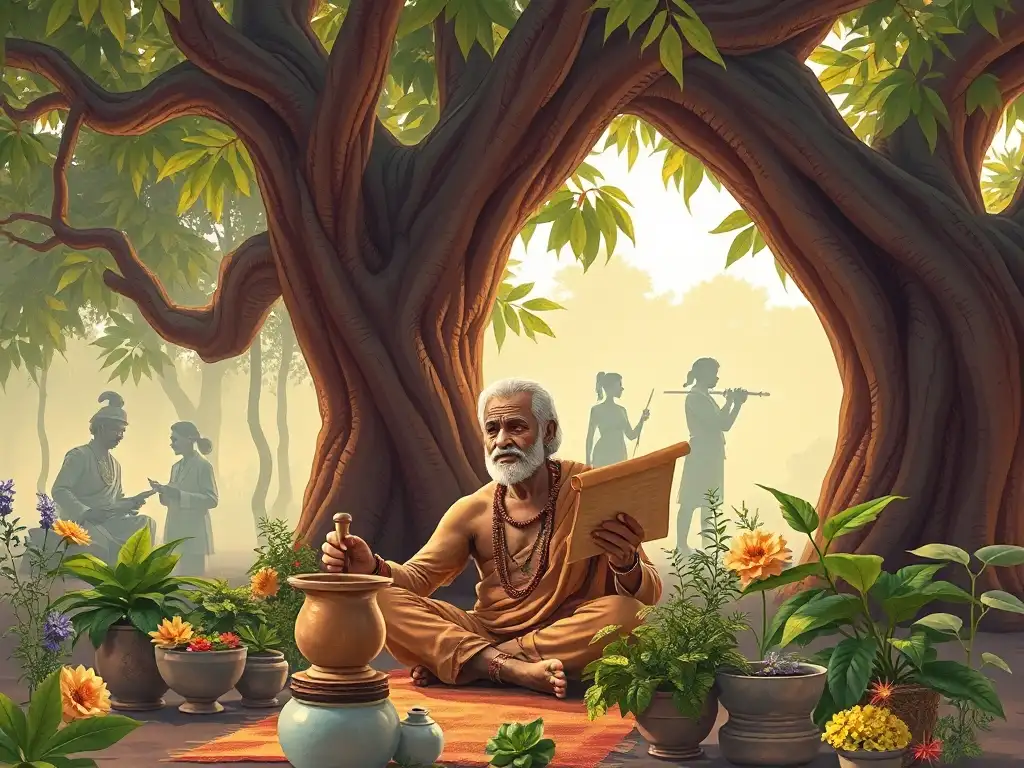
The ancient Indian healing practices, while unique in their approaches and philosophies, share similarities with various other ancient medical traditions, particularly those of China and Greece. Understanding these similarities and distinctions provides a richer context for appreciating the evolution of medical knowledge.
Similarities Between Ancient Indian and Chinese Medicine
Ancient Indian and Chinese medicine share foundational principles that emphasize holistic health and the balance of bodily energies. Both systems prioritize the concept of qi (or prana in Ayurveda) as vital life force, suggesting that health is maintained through the harmonious flow of these energies.
Additionally, the use of herbal remedies and acupuncture in Chinese medicine parallels Ayurveda's reliance on plant-based treatments and therapeutic techniques such as shirodhara and panchakarma. Both traditions also recognize the importance of diet and lifestyle in maintaining health, illustrating a shared understanding of the interconnectedness of body, mind, and environment.
Distinct Features of Ancient Indian Healing Compared to Greek Medicine
While ancient Indian medicine emphasized holistic health and preventive care, Greek medicine, particularly that of Hippocrates and Galen, leaned towards a more anatomical and physiological approach. Ancient Indian practices were heavily influenced by spirituality and philosophy, integrating rituals that addressed not only physical ailments but also psychological and spiritual dimensions.
Moreover, the Ayurvedic system classified diseases based on the imbalance of the three doshas (vata, pitta, kapha), which contrasts with the Greek humoral theory that categorized diseases based on bodily fluids. This distinction illustrates how cultural contexts shaped the understanding of health and illness, leading to unique methodologies in treatment and diagnosis across these ancient civilizations.
Conclusion: Legacy of Ancient Indian Healing Practices
The legacy of ancient Indian healing practices is profound and continues to resonate in contemporary health systems. These practices, rooted in a holistic understanding of the human body and its connection to nature, laid the groundwork for various medical philosophies that evolved over centuries. The integration of spiritual, physical, and emotional health reflects a comprehensive approach that remains relevant today. As modern medicine increasingly acknowledges the importance of holistic and integrative approaches, the ancient wisdom of Indian healing practices offers valuable insights into patient care and wellness.
Moreover, the emphasis on preventive care, personalized treatment, and the use of natural remedies in ancient Indian medicine serves as a reminder of the significance of maintaining balance in one's life. This legacy not only influences medical practitioners but also inspires individuals seeking alternative and complementary healing methods. Ultimately, the enduring impact of these ancient practices illustrates their importance in shaping modern healthcare and highlights the need for ongoing exploration and integration of traditional knowledge in contemporary settings.
The Influence of Ancient Healers on Modern Medicine
Ancient Indian healers have significantly influenced modern medicine, particularly in the realms of holistic health and natural remedies. The principles of Ayurveda, which emphasizes balance among the body, mind, and spirit, have gained worldwide recognition as a valuable complementary approach to treatment. Many contemporary practices in integrative medicine draw from Ayurvedic concepts, including dietary recommendations, detoxification techniques, and herbal therapies.
Furthermore, the teachings of ancient medical texts such as the Sushruta Samhita and the Charaka Samhita have informed surgical techniques and pharmacology. The emphasis on surgical precision and the classification of medicinal plants in these texts highlight the advanced understanding of anatomy and physiology in ancient India. As modern medicine continues to evolve, the contributions of ancient Indian healers remain influential, fostering a dialogue between traditional practices and contemporary scientific approaches to healthcare.
Preserving the Knowledge of Ancient Indian Medical Traditions
The preservation of ancient Indian medical traditions is crucial for maintaining the richness of these healing practices. Efforts to document and revitalize traditional methods are being undertaken by scholars, practitioners, and organizations dedicated to safeguarding this knowledge. The revival of interest in Ayurveda and other indigenous healing systems has led to increased research, educational programs, and workshops aimed at training new generations of healers.
Moreover, digital archiving and the translation of ancient texts into various languages have made this vital knowledge more accessible to a global audience. Community-based initiatives that promote traditional healing methods and practices also play a vital role in preserving this heritage. By fostering an appreciation for ancient medical traditions, contemporary society can ensure that these invaluable practices continue to thrive and evolve in harmony with modern advancements.
References
Suggested Readings on Ancient Indian Healing Practices
- "Ayurveda: The Science of Self-Healing" by Dr. Vasant Lad: - This book provides a comprehensive overview of Ayurvedic principles, practices, and treatments, making it accessible to both beginners and practitioners.
- "The Complete Book of Ayurvedic Home Remedies" by Dr. Vasant Lad - A practical guide that bridges traditional healing with modern lifestyle choices, offering remedies for common ailments.
- "Sushruta Samhita: An Ancient Indian Text on Surgery" translated by K. R. Kirtikaran: - An essential text for understanding the surgical practices and medical knowledge of ancient India.
Key Texts and Manuscripts Related to Ancient Medicine
- Sushruta Samhita - A foundational text of Ayurveda, detailing surgical techniques and medical treatments that were revolutionary at the time.
- Charaka Samhita - This seminal work focuses on internal medicine, emphasizing the diagnosis and treatment of various diseases based on a holistic perspective.
- Astanga Hridaya - A comprehensive text that combines the teachings of both the Sushruta and Charaka Samhitas, offering insights into Ayurvedic principles and clinical practices.
- Introduction to Ancient Indian Healing Practices
- Overview of Ancient Indian Medical Systems
- Significance of Healers in Ancient Indian Society
- Historical Context of Medical Professions in Ancient India
- Key Ancient Indian Healing Practices
- Prominent Figures in Ancient Indian Healing
- The Shift in Medical Professions Through the Ages
- Comparison of Ancient Indian Healing Practices with Other Cultures
- Conclusion: Legacy of Ancient Indian Healing Practices
- References
Frequently Asked Questions
What are Ancient Indian healing practices?
Ancient Indian healing practices refer to traditional medical systems that emerged in India, such as Ayurveda and Yoga, focusing on holistic health, balance, and natural remedies.
How did Ayurveda influence modern medicine?
Ayurveda, one of the oldest medical systems, introduced concepts like herbal medicine, diet, and lifestyle, which have significantly influenced holistic approaches in modern healthcare.
What role did the Gupta Empire play in medicine?
The Gupta Empire is known for its advancements in various fields, including medicine, where scholars like Charaka and Sushruta contributed to surgical techniques and medical texts that laid the foundation for future practices.
Are there any ancient texts that describe healing practices?
Yes, texts like the Charaka Samhita and Sushruta Samhita document ancient healing practices, offering insights into diagnosis, treatment methods, and the philosophy behind Ayurvedic medicine.
How do ancient healing practices compare to modern treatments?
While ancient healing practices emphasize natural remedies and holistic approaches, modern treatments often rely on pharmaceuticals and advanced technology, although there is a growing interest in integrating these traditional methods into contemporary health practices.
Final Reflection: Embracing the Wisdom of Ancient Indian Healing Practices
The exploration of ancient Indian healing practices reveals a profound connection between the past and our present health paradigms. In a world increasingly driven by technology and modern medicine, the wisdom of ancient healers offers invaluable insights into holistic well-being and the interconnectedness of body, mind, and spirit. As we navigate contemporary health challenges, it becomes clear that these time-honored practices are not merely relics of history but rather essential components of a comprehensive approach to health.
The influence of ancient Indian healing practices continues to resonate in today's cultural and social landscape. From Ayurveda to yoga, these traditions have permeated global wellness movements, encouraging individuals to seek balance and harmony in their lives. As we embrace these practices, we are reminded of the words of Mahatma Gandhi: It is health that is real wealth and not pieces of gold and silver.
This perspective invites us to prioritize our well-being and consider the holistic approaches that have stood the test of time.
As you reflect on the lessons from ancient Indian healing practices, I encourage you to integrate these timeless principles into your daily life. Consider how you can cultivate a deeper connection with your own health and well-being by exploring holistic methods that resonate with you. Whether it's through mindfulness, herbal remedies, or physical practices like yoga, let the wisdom of the past guide you toward a healthier, more balanced future. Embrace the journey of healing, and allow the ancient knowledge to illuminate your path.
Unveil the Secrets of Ancient Healing!
Thank you for diving into the fascinating world of ancient healers and the evolution of medical professions in India! By exploring this rich history, you've gained insights into how these early practices have shaped modern medicine. Now, it's time to apply this knowledge and uncover the depths of this captivating subject.
Here are three actionable steps you can take right now:
- Dive deeper into the history of a specific healing practice that intrigues you. Research traditional herbs, therapeutic techniques, or influential figures in ancient Indian medicine!
- Share your newfound knowledge with friends or family. Start a discussion on how these ancient practices could inspire contemporary healthcare solutions.
- Join a community or forum dedicated to ancient Indian history. Engage with others who share your passion and exchange ideas about the past and its relevance in today's world!
What aspect of ancient healing practices do you find most compelling, and how might it influence modern healthcare?