
Marriage as a Social Contract: Economic and Political Implications

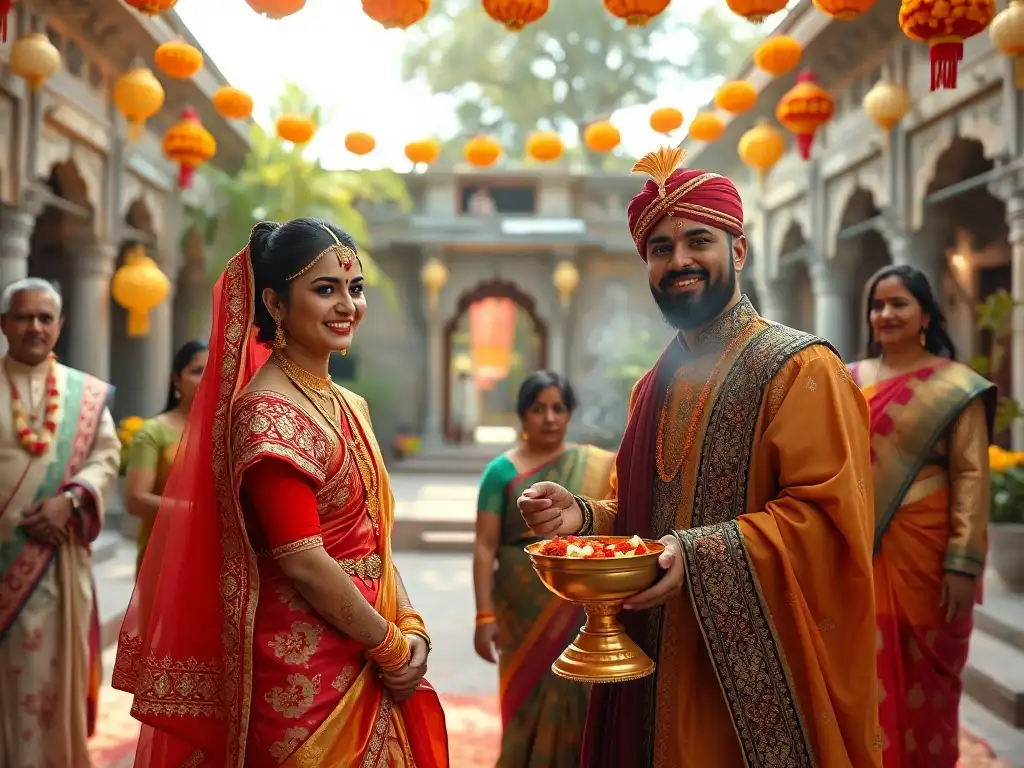
Welcome to Ancient India History, where we embark on a fascinating journey through the rich tapestry of India's past. Today, we delve into the intricate world of Ancient Indian marriage customs, exploring how these age-old traditions served not just as personal unions, but as pivotal social contracts with profound economic and political implications. What hidden truths lie within the rituals and practices of ancient weddings? Join us as we unravel the layers of history and discover the profound impact these customs had on society at large. Your exploration starts here—let's dive in!
- Introduction to Ancient Indian Marriage Customs
- Historical Context of Marriage in Ancient India
- Economic Implications of Ancient Indian Marriage Customs
- Political Implications of Marriage in Ancient Indian Society
- Social Functions of Marriage as a Contract
- Comparison of Ancient Indian Marriage Customs with Other Civilizations
- Conclusion: The Legacy of Ancient Indian Marriage Customs
-
Frequently Asked Questions
- What were the primary purposes of ancient Indian marriage customs?
- How did the caste system influence marriage practices in ancient India?
- Were there different types of marriages in ancient India?
- What role did women play in ancient Indian marriages?
- How did ancient Indian marriage customs evolve over time?
- Final Reflection: The Enduring Legacy of Marriage as a Social Contract
- Unveil the Power of Marriage: Shape Your Understanding Today!
Introduction to Ancient Indian Marriage Customs
Marriage in ancient India was not merely a personal union but a complex social contract with deep economic and political implications. Understanding the nuances of Ancient Indian marriage customs reveals how these unions were intricately woven into the fabric of society, influencing family structures, social hierarchies, and economic transactions. From the well-documented rituals of the Indus Valley Civilization to the elaborate ceremonies of the Gupta Empire, marriage served as a pivotal institution that shaped relationships and societal norms. This article explores how marriage acted as a social contract, reflecting the economic and political dimensions that governed these ancient customs.
In the context of ancient Indian society, marriage can be defined as a social contract that extends beyond the personal relationship between individuals. It encapsulates a variety of obligations, expectations, and responsibilities that intertwine families and communities. The following aspects highlight the essence of marriage as a social contract:
- Economic Implications: Marriages often involved significant dowries or bride prices, which not only reflected the wealth of families but also served as a means of alliance and economic stability. The exchange of gifts and resources initiated a bond that benefited both families economically.
- Political Alliances: Marriages were frequently used as a tool for forging alliances between powerful families, clans, or even kingdoms. For example, royal marriages aimed to secure peace treaties or consolidate power between rival factions.
- Social Status: The choice of a partner was often influenced by social status and caste, reinforcing societal hierarchies. Marrying within or outside one's caste could have profound repercussions on social standing and community relations.
- Cultural Norms: Marriage customs were steeped in cultural traditions and religious practices, reinforcing societal values and expectations. These customs dictated everything from the rituals performed during marriage ceremonies to the roles and duties of each partner within the marriage.
Overview of Ancient Indian Marriage Practices
Ancient Indian marriage practices were diverse and varied across different regions and communities, reflecting the rich tapestry of cultures present in the subcontinent. Here are some key features of these practices:
- Types of Marriage:
- Swayamvara: A practice where a bride chose her groom from a gathering of suitors, showcasing her agency.
- Arranged Marriages: Predominantly practiced, where families selected partners based on social compatibility, economic status, and caste.
- Gandharva Vivah: A form of marriage based on mutual love and consent, often romantic in nature.
- Rituals and Ceremonies:
- Kanyadaan: The giving away of the bride by her father, symbolizing the transfer of responsibility.
- Saptapadi: The seven steps taken by the couple during the ceremony, each representing a vow they make to each other.
- Role of Women:
- Women held significant roles in marriage customs, often acting as the custodians of family traditions. However, their rights within the marriage varied significantly based on social status and regional practices.
- Impact of Religion:
- Religious texts and scriptures, such as the Vedas and Smritis, provided guidelines for marriage customs, influencing societal norms and practices across different communities.
By examining these facets of ancient Indian marriage customs, we can gain insight into how these unions not only shaped individual lives but also influenced broader societal structures and relationships in ancient India.
Historical Context of Marriage in Ancient India
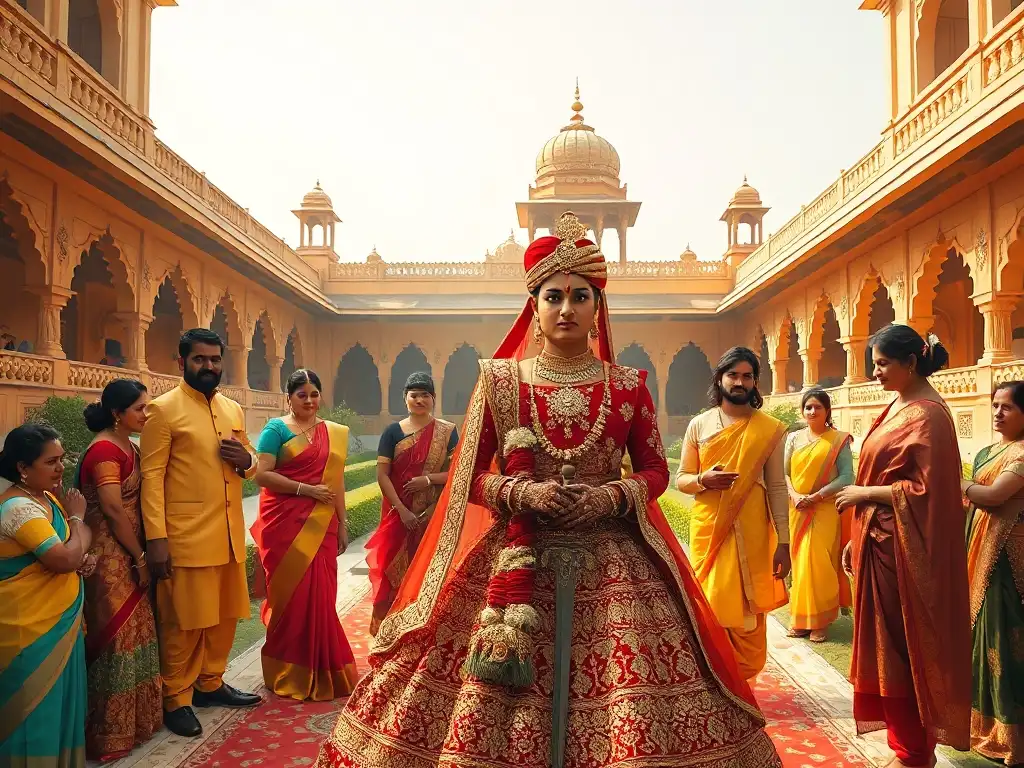
Marriage in Ancient India was more than a mere union of two individuals; it served as a fundamental social contract that shaped the socio-political landscape of the time. This institution can be traced back to the Vedic period (1500-500 BCE), where marriage was viewed as a sacrament (samskara) rather than a contract. The Vedas, particularly the Rigveda, provide insights into the early forms of marriage, emphasizing the importance of familial alliances and the role of women in society.
As time progressed, marriage evolved to encompass various forms, including monogamous and polygamous unions, reflecting the social and economic conditions of different eras. In the ancient texts, marriages were often arranged for political alliances, consolidating wealth and power within families. The concept of Kanyadaan, or giving away the bride, highlights the economic and social implications tied to marriage, as the bride's family would often receive a dowry, which was a significant transfer of wealth.
The significance of marriage extended beyond personal relationships; it played a crucial role in maintaining social hierarchies and caste structures, which were deeply entrenched in ancient Indian society. This historical context set the stage for understanding the intricate customs and traditions surrounding marriage, influencing everything from rituals to the socio-economic status of individuals within their communities.
Evolution of Marriage Customs in Various Eras
The evolution of marriage customs in ancient India can be categorized into several distinct eras, each characterized by its own set of norms and practices.
- Vedic Period (1500-500 BCE):
- Marriages were primarily sacramental, focusing on the spiritual union of the couple.
- Emphasis on Grihastha Ashrama, the householder stage, which was crucial for societal stability.
- Practices included Swayamvara, where brides chose their grooms, reflecting a degree of agency.
- Epic and Puranic Periods (500 BCE - 300 CE):
- The Mahabharata and Ramayana introduced complex narratives about marriage, including Raja Dharma (kingly duties) that influenced royal marriages for political alliances.
- Increased emphasis on patrilocality, where brides moved to their husbands' homes post-marriage.
- Mauryan and Post-Mauryan Periods (300 BCE - 200 CE):
- As empires expanded, marriages became tools for political alliances, often involving inter-caste unions.
- The importance of dowry became more pronounced, impacting social status and economic transactions.
- Gupta Period (200 CE - 500 CE):
- The consolidation of caste led to more rigid marriage customs, often dictated by caste norms.
- The rise of shastric law (based on Hindu scriptures) formalized marriage practices, including restrictions on inter-caste marriages.
These evolving customs reflected broader societal changes, illustrating how marriage served not only as a personal union but also as a strategic tool for navigating the complexities of ancient Indian society.
Influence of Religion on Marriage Traditions
Religion played a pivotal role in shaping marriage customs throughout ancient Indian history. The integration of religious beliefs into marital practices established a framework that guided individuals in their personal and social lives.
- Hinduism:
- The concept of Dharma (duty) heavily influenced marriage practices, dictating that marriage was essential for fulfilling one's duties in life.
- Religious texts, such as the Manusmriti, outlined various rules and expectations surrounding marriage, emphasizing the roles of husband and wife.
- Rituals like Saptapadi (seven steps) during wedding ceremonies are deeply rooted in Hindu philosophy, symbolizing the couple's commitment to each other and their family duties.
- Buddhism:
- While Buddhism did not focus extensively on marriage, it promoted principles of mutual respect and compassion within the marital relationship.
- Buddhist texts encourage the importance of choosing a partner based on shared values and spiritual goals, contrasting with more transactional views of marriage.
- Jainism:
- Jain marriage customs emphasized non-violence and respect for all beings, influencing the way marriages were conducted, particularly in terms of dowry and family obligations.
- Jains often practiced arranged marriages within their community to maintain religious and social cohesion.
These religious influences not only shaped individual marriages but also contributed to the broader social fabric of ancient Indian civilization, reinforcing the significance of marriage as a social contract with far-reaching economic and political implications.
Economic Implications of Ancient Indian Marriage Customs
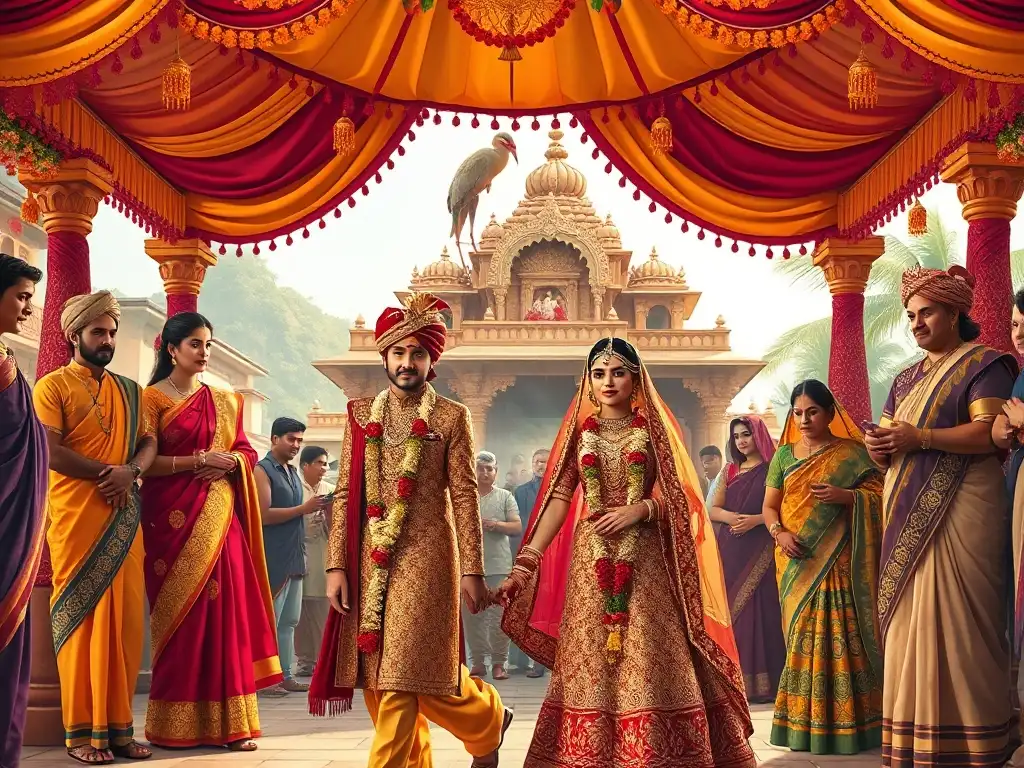
Dowry System and Its Economic Impact
The dowry system in ancient India was a significant economic practice embedded in the institution of marriage. Traditionally, it involved the transfer of parental wealth, goods, and other valuables from the bride's family to the groom's family at the time of marriage. This custom had profound implications for both families, influencing their economic status and social relationships.
- Economic Burden on Brides' Families: The expectation of providing a substantial dowry placed a considerable financial burden on the bride’s family. Families often resorted to saving for years, or even borrowing funds, to meet these demands. This practice often led to a cycle of debt and economic strain, particularly among lower-income families.
- Dowry as a Status Symbol: The size and nature of the dowry often functioned as a status symbol within communities. Families with greater wealth could afford to provide lavish dowries, thus enhancing their social standing. Conversely, families that could not meet dowry expectations faced social stigma, and the prospects of their daughters for marriage diminished.
- Interconnectedness with Inheritance: The dowry system also intertwined with inheritance practices, affecting the distribution of wealth within families. In many cases, daughters received a smaller share of the family inheritance, as the dowry was perceived as a compensation for their lack of inheritance rights. This further impacted women's economic independence and stability.
Marriage Alliances and Economic Stability
Marriage alliances played a crucial role in ensuring economic stability and social cohesion among ancient Indian families. These alliances often served strategic purposes, extending beyond mere romantic unions.
- Wealth Consolidation: Families frequently sought marriage alliances with other families of similar or higher social standing to consolidate wealth and resources. Such unions were often arranged to combine landholdings and expand economic power, thereby ensuring mutual benefit in agricultural production and trade.
- Political Alliances: Beyond economic stability, marriage was also a tool for forming political alliances. High-ranking families and royal dynasties often forged matrimonial ties to strengthen their political influence and territorial control. For instance, marriages between different kingdoms were used to secure peace and foster alliances, reducing the likelihood of conflict.
- Networking and Trade: These marriage alliances facilitated networks that enhanced trade and commerce. Families engaged in trade could leverage these relationships to access new markets, share business ventures, and ensure economic cooperation, thus boosting their financial standing and influence.
Gender Roles and Economic Responsibilities in Marriage
Ancient Indian marriage customs were deeply entwined with defined gender roles, which shaped economic responsibilities within the household.
- Patriarchal Structure: In the context of ancient India, marriages were predominantly patriarchal, with men assuming primary responsibility for economic provisioning. Men were expected to be the breadwinners, managing external affairs such as agriculture, trade, and finances, while women often managed domestic responsibilities.
- Women's Economic Contributions: Despite the patriarchal framework, women played vital roles in the economy through various means. They were involved in household industries, such as weaving and pottery, and contributed to agricultural production. In some communities, women held rights to ownership and could partake in trade, although this was often limited.
- Impact on Economic Dynamics: The delineation of gender roles influenced the economic dynamics within marriage. While men primarily controlled external resources, women’s contributions to household economies were essential for sustenance. The interdependence of these roles highlighted the importance of both genders in maintaining economic stability, even though societal norms often undervalued women’s contributions.
The economic implications of ancient Indian marriage customs reveal a complex interplay of social, political, and economic factors. Understanding these dynamics provides valuable insights into the broader context of ancient Indian society and its evolution over time.
Political Implications of Marriage in Ancient Indian Society
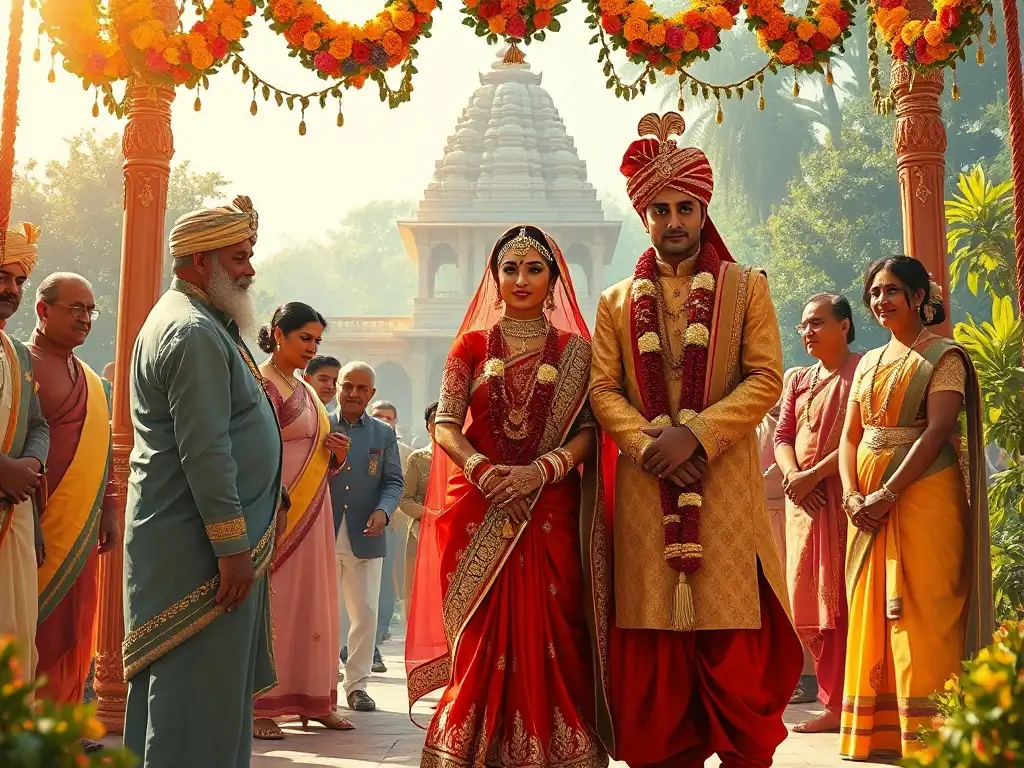
Political Alliances Formed Through Marriage
Marriage in ancient Indian society was often more than a personal union; it served as a strategic tool for political alliances. Families of high status utilized marriages to forge connections, strengthen ties, and secure loyalty among different kingdoms or clans. Such unions were instrumental in establishing peace, especially among rival factions, and often involved intricate negotiations that reflected the political landscape of the time.
- Dynastic Marriages: Rulers frequently arranged marriages to solidify their power. For instance, the Kshatriya class, which comprised the warrior elite, often intermarried to create stronger alliances.
- Caste Considerations: The significance of caste played a crucial role in marriage arrangements. Marriages were typically arranged within specific castes to maintain social status and political power.
This practice can be seen clearly in the historical context of the Maurya Empire, where Emperor Ashoka sought alliances through marriage, thereby enhancing his influence over various regions.
Impact of Marriage on Power Dynamics and Governance
The institution of marriage significantly influenced the power dynamics within ancient Indian governance. By intertwining royal families through marriage, rulers could create networks of loyalty that were crucial for maintaining and expanding their realms.
- Consolidation of Power: Marriages often led to the consolidation of territories, as rulers would gain access to lands and resources through their spouses' families. This was evident in the Gupta Empire, where strategic marriages helped sustain their dominance.
- Legitimization of Rule: Marriages were also a means of legitimizing a ruler’s authority. By marrying into powerful families, kings could claim divine right and strengthen their rule. For example, the marriage of Chandragupta Maurya to the daughter of a powerful local ruler helped him establish control over the region.
These marriages often came with expectations of political loyalty and support, reflecting how deeply interwoven marriage customs were with the governance and political strategies of the time.
Case Studies of Notable Marriages in Ancient India
- Chandragupta Maurya and Durdhara:
- This marriage was pivotal for the Maurya Empire, as Durdhara was the daughter of a significant local king. Their union not only consolidated power but also helped in gaining the loyalty of the local populace, which was essential for Chandragupta’s rise.
- Bimbisara and the Licchavi Princess:
- King Bimbisara of the Haryanka dynasty married a Licchavi princess, which enabled him to harness the resources and military strength of the Licchavi clan. This alliance was central to his expansionist policies and significantly influenced the political landscape of the region.
- Harsha and the Kannauj Kingdom:
- King Harsha’s marriage alliances with various regional powers, including his union with the rulers of Kannauj, played a crucial role in his attempts to unify northern India. These strategic marriages helped him gain military and political support, thus enhancing his governance.
These case studies illustrate how marriage served as a critical instrument for political maneuvering, shaping the historical trajectory of ancient Indian societies. By analyzing these notable unions, one can appreciate the profound impact of ancient Indian marriage customs on the political fabric of the time.
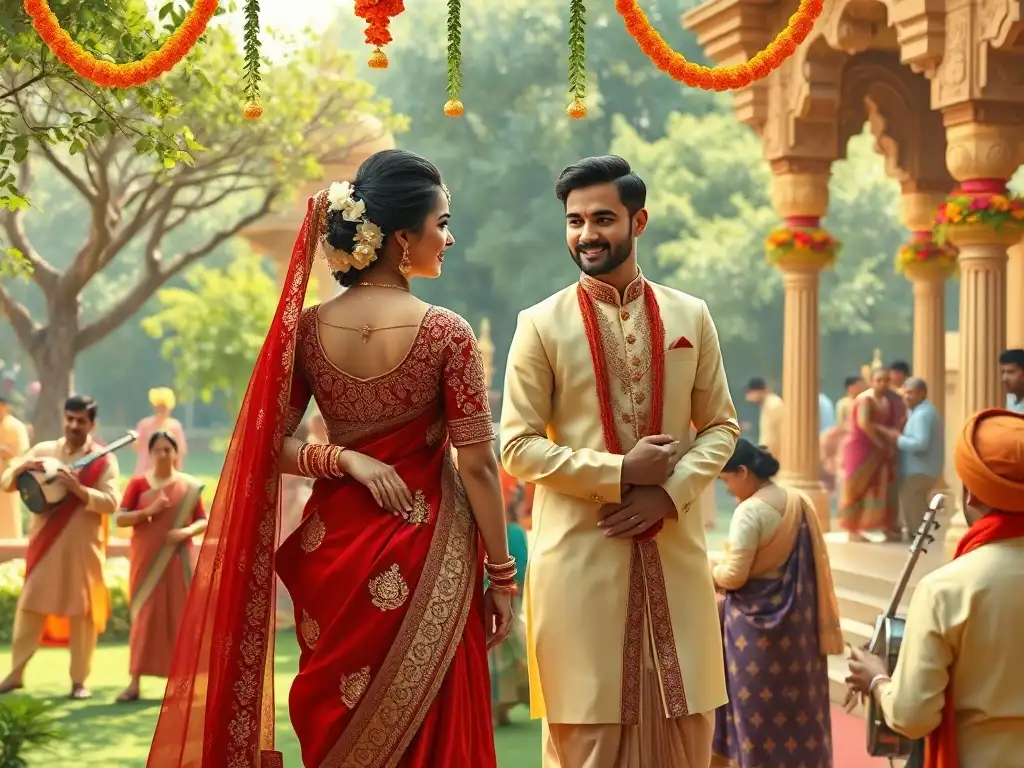
Marriage in ancient India was not merely a romantic union; it served as a pivotal social contract that significantly influenced an individual's status within society. The institution of marriage was deeply intertwined with the caste system, which structured social hierarchies and dictated permissible marriages between different groups.
- Caste Considerations:
- Marriages were typically arranged within the same caste, reflecting social norms that aimed to preserve lineage and cultural identity. This practice reinforced social stratification, as inter-caste marriages were often frowned upon and could lead to social ostracism.
- The concept of gotra (clan) played a critical role, where individuals from the same gotra were considered siblings, thus making marriage between them taboo.
- Economic Implications:
- Marriages often involved the exchange of dowries, which could include money, property, or goods. This practice was a reflection of the economic standing of families and often determined the social status of the bride and groom.
- Wealthier families could secure advantageous marriages for their children, thereby enhancing their social standing and influence within the community.
- Political Alliances:
- Marriages also served as strategic tools for forming political alliances. Royal families often arranged marriages to consolidate power, forge alliances, or quell rivalries. The union between two prominent families could lead to increased resources and support, further entrenching their social positions.
Rituals and Customs Associated with Marriage
The rituals and customs surrounding ancient Indian marriage were rich and varied, reflecting the diverse cultural practices across regions and communities. These ceremonies not only celebrated the union of two individuals but also reinforced social bonds and cultural traditions.
- Pre-Marital Rituals:
- Engagement Ceremonies: The engagement, known as swayamvara in many traditions, marked the formal commitment between the families. It often involved rituals that included the exchange of gifts and blessings from elders.
- Purification Rituals: Various rites were conducted to purify the bride and groom, preparing them for this significant life change, such as the snana (bathing ceremony).
- The Wedding Ceremony:
- The marriage ceremony, or vivaha, was a grand affair, characterized by elaborate rituals, music, and feasting. Key components included:
- Saptapadi: The seven steps taken by the couple, each representing a marital vow.
- Mangalsutra: The sacred thread tied around the bride's neck by the groom, symbolizing their union and the groom's commitment to her well-being.
- The marriage ceremony, or vivaha, was a grand affair, characterized by elaborate rituals, music, and feasting. Key components included:
- Post-Marital Customs:
- After the wedding, customs like griha pravesh (the bride's entry into the groom's home) signified her new role within her marital family. This ritual often involved blessings and offerings to the household deities, reinforcing her responsibilities as a wife.
The Role of Family and Community in Marriage Agreements
In ancient Indian society, marriages were predominantly orchestrated by families, highlighting the community's involvement in the formation of marital bonds. This collective approach ensured that marriages aligned with social norms and familial expectations.
- Family Negotiations:
- Families engaged in detailed discussions regarding dowries, alliances, and the social status of potential matches. These negotiations often included the input of elders who acted as mediators, ensuring that the interests of both families were respected.
- The role of the karta (head of the family) was crucial, as they made final decisions regarding marriage proposals, often considering economic and social implications.
- Community Involvement:
- Local communities played a significant role in validating marriage agreements. Public announcements and community celebrations underscored the importance of the union, reinforcing social ties and shared cultural values.
- Rituals performed in the presence of community members, such as the kanyadaan (giving away of the bride), emphasized collective participation, ensuring that the marriage was recognized and supported by the broader social fabric.
- Legal and Religious Aspects:
- Marriage agreements were often formalized through religious ceremonies, providing them with a spiritual dimension that was respected by all community members. This religious sanction lent legitimacy to the marriage and bound families to adhere to the agreed-upon terms.
Ancient Indian marriage customs were multifaceted, serving as a social contract that defined individual status, reinforced community ties, and facilitated economic and political alliances. Understanding these customs offers valuable insights into the social dynamics of ancient Indian civilizations.
Comparison of Ancient Indian Marriage Customs with Other Civilizations
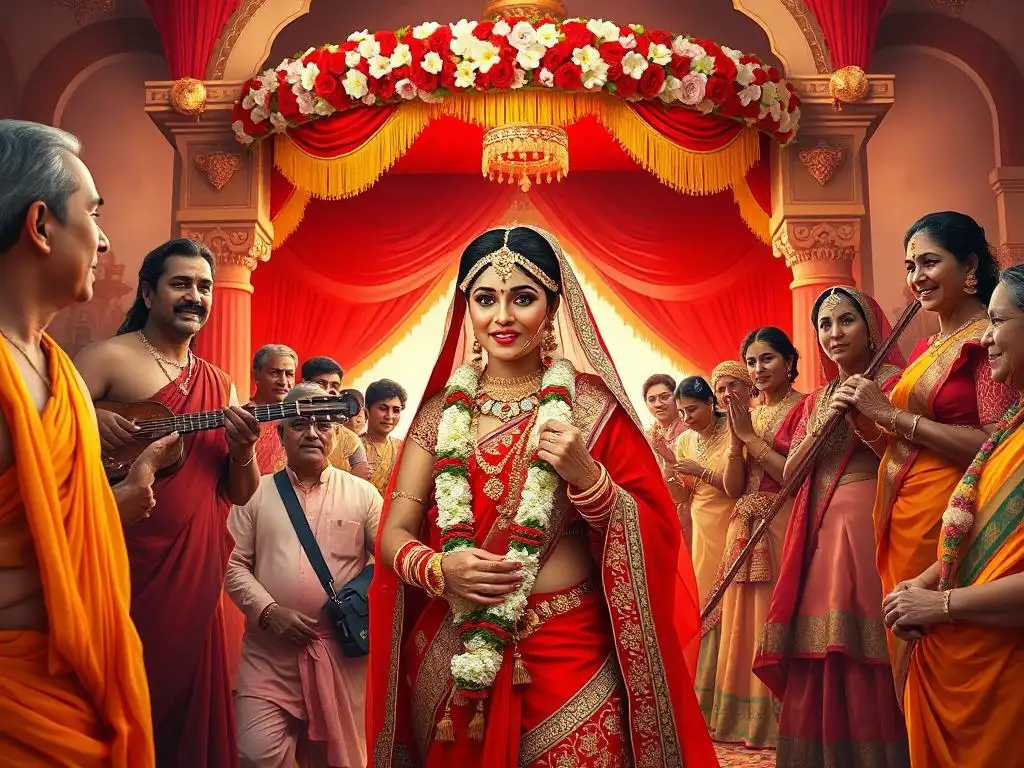
Similarities and Differences with Contemporary Marriage Practices
Ancient Indian marriage customs exhibit a fascinating blend of similarities and differences when compared to contemporary practices in various cultures around the world.
- Role of Family and Community:
- Ancient India: Marriages were predominantly arranged, emphasizing familial alliances and community approval. The families played a pivotal role in matchmaking, ensuring that social status, economic stability, and cultural compatibility aligned.
- Contemporary Practices: While arranged marriages still exist in many cultures, there is a growing trend towards love marriages where individual choice is prioritized. However, even in love marriages, family approval often remains significant.
- Ceremonial Practices:
- Ancient India: The wedding rituals were elaborate and varied across regions, often including sacred rites such as Saptapadi (seven steps) and Kanyadaan (giving away of the bride). These rituals were steeped in religious significance and cultural traditions.
- Contemporary Practices: Modern weddings may retain traditional elements but often incorporate personal touches and contemporary themes. For example, destination weddings have become popular, blending cultural rituals with modern celebrations.
- Economic Considerations:
- Ancient India: Marriages were viewed as social contracts with significant economic implications, including dowries and bride prices, which were crucial in establishing alliances and securing social status.
- Contemporary Practices: Economic considerations still play a role, but there is a shift towards egalitarian approaches where financial independence and shared responsibilities are emphasized.
- Gender Roles:
- Ancient India: Gender roles were distinctly defined, with expectations for women to manage the household and men to be the breadwinners. Women often had limited autonomy in marital choices.
- Contemporary Practices: There is a notable shift toward gender equality, with women increasingly participating in decision-making and pursuing careers outside the home, challenging traditional roles.
These comparisons illustrate how ancient Indian marriage customs have both influenced and been influenced by evolving societal norms, highlighting the dynamic nature of marriage as a social contract.
How Ancient Indian Marriage Customs Influenced Neighboring Cultures
The rich tapestry of ancient Indian marriage customs significantly influenced neighboring cultures, particularly through trade, cultural exchanges, and the spread of religious beliefs. Key aspects of this influence can be observed in several regions:
- Southeast Asia:
- The spread of Hinduism and Buddhism from India to Southeast Asia brought with it various marriage customs. For instance, the practice of Kanyadaan found resonance in countries like Indonesia and Thailand, where the giving away of the bride became a cherished ritual in local marriages.
- Persia and Central Asia:
- Ancient Indian texts and practices, such as the Arthashastra, contributed to the understanding of marriage as a political alliance. This concept permeated Persian and Central Asian cultures, where marriages were often used to solidify diplomatic ties between ruling families.
- Cultural Syncretism:
- As Indian traders traveled to regions like the Arabian Peninsula, they brought their marriage customs along, which merged with local traditions. This syncretism can be seen in the ceremonial aspects of marriage, where Indian rituals adapted to incorporate local customs, creating unique hybrid practices.
- Literature and Arts:
- The literary works of ancient India, including the Mahabharata and Ramayana, depicted marriage as a significant theme, influencing storytelling traditions in neighboring cultures. This narrative framework shaped the perception of marriage and its social and moral implications across various civilizations.
Ancient Indian marriage customs were not only pivotal within their own cultural context but also served as a foundation for shaping marriage practices in neighboring cultures, demonstrating the far-reaching impact of these traditions throughout history.
Conclusion: The Legacy of Ancient Indian Marriage Customs
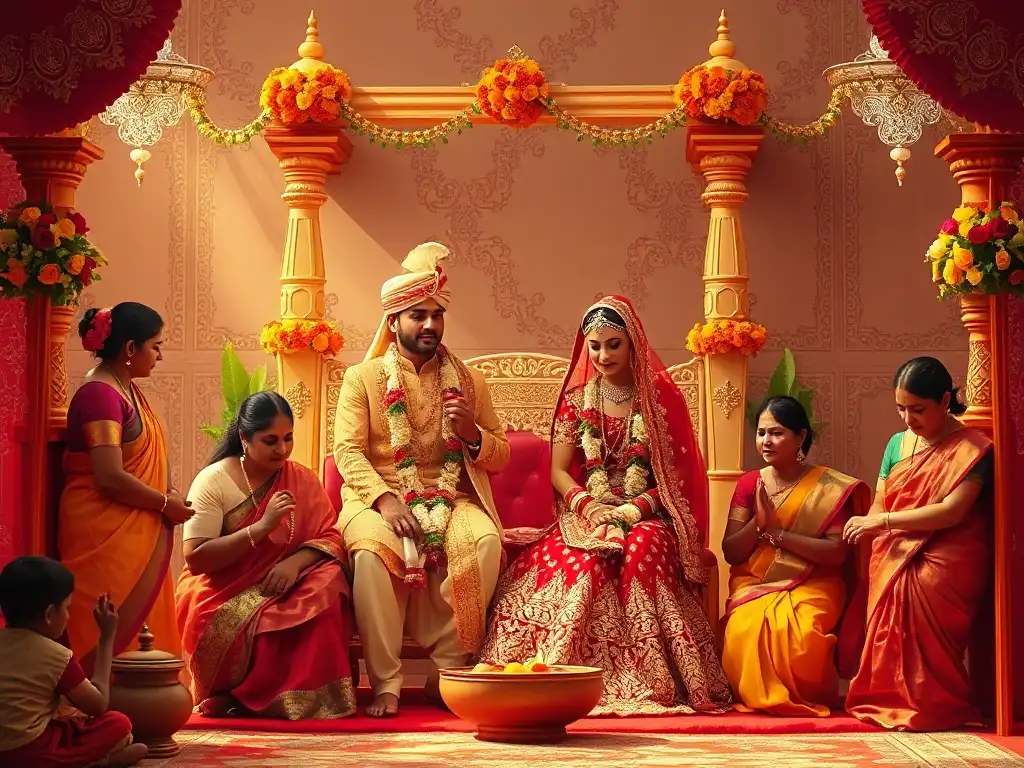
The customs surrounding marriage in ancient India were not merely ceremonial; they were deeply intertwined with the social, economic, and political fabric of the civilization. The legacy of these customs has profoundly influenced contemporary Indian society, manifesting in various forms of marital practices, family structures, and societal expectations.
Ancient Indian marriage customs, characterized by rituals, dowries, and the concept of arranged marriages, were crafted to fortify family alliances and ensure the economic stability of households. Today, while modern influences have reshaped these customs, the foundational principles remain evident. For instance, the practice of arranged marriages continues to thrive, albeit with greater flexibility and autonomy afforded to individuals.
In addition, the significance of family lineage and social status, emphasized in ancient times, persists in many communities. The understanding of marriage as a union not just between individuals, but between families, is still a prevalent notion that echoes the past.
Lasting Impact on Modern Indian Society
The impact of ancient Indian marriage customs on modern society can be observed in several key areas:
- Cultural Practices: Many traditional rituals, such as the Saptapadi (seven steps) and Kanyadaan (giving away of the bride), remain integral to contemporary weddings. These rituals symbolize the binding of the couple in a social contract that transcends personal choice, reinforcing familial bonds.
- Economic Considerations: The practice of dowry, although legally prohibited, continues to have socio-economic implications. In some regions, it influences marital negotiations, reflecting a complex interplay between tradition and modernity.
- Social Hierarchies: The notion of caste and social status, deeply embedded in ancient marriage customs, continues to affect marital choices today. Inter-caste marriages, while increasingly accepted, can still face societal resistance, showcasing the enduring weight of historical customs.
- Gender Roles: Ancient customs often dictated specific roles for men and women within marriage. While there is a gradual shift towards egalitarian relationships, remnants of these traditional roles still affect perceptions of marriage and family responsibilities.
In contemporary society, marriage is increasingly viewed through the lens of personal choice and love, yet the underlying principles of a social contract remain.
- Legal Framework: Modern legal systems have redefined marriage, offering protections and rights that were absent in ancient customs. Couples now enter into a legal agreement that serves both personal and societal interests, signifying a shift from purely familial arrangements to individual autonomy.
- Evolving Norms: As societal norms evolve, the definition of marriage is expanding to include diverse forms of partnerships, such as same-sex unions. This reflects a growing recognition of individual rights and the importance of consent, challenging the traditional views rooted in ancient customs.
- Global Influences: With globalization, Indian marriage customs are increasingly influenced by global trends, incorporating elements from different cultures while still maintaining a connection to traditional practices. This blending showcases the adaptability of ancient customs in a modern context.
While ancient Indian marriage customs were shaped by specific socio-economic and political factors, their legacy continues to resonate in contemporary society. The transformation of these customs into a more personal and legally recognized institution signifies both the preservation of tradition and the embrace of modern values.
Frequently Asked Questions
What were the primary purposes of ancient Indian marriage customs?
Ancient Indian marriage customs primarily served as a social contract, establishing economic ties and political alliances between families, ensuring stability and continuity in society.
How did the caste system influence marriage practices in ancient India?
The caste system significantly influenced marriage practices, as it dictated endogamy, where individuals married within their caste to preserve social status and uphold cultural traditions.
Were there different types of marriages in ancient India?
Yes, ancient India recognized various types of marriages, including Brahma, Daiva, and Arsha marriages, each with unique rituals and significance in society.
What role did women play in ancient Indian marriages?
Women were often seen as important contributors to family lineage and household management. However, their roles were largely defined by patriarchal norms that limited their autonomy.
How did ancient Indian marriage customs evolve over time?
Ancient Indian marriage customs evolved with changing socio-political dynamics, influenced by religious texts, regional practices, and foreign invasions, leading to a diverse array of customs seen today.
Marriage, as explored in this article, is not merely a personal commitment but a profound social contract that shapes economic and political landscapes. The customs surrounding marriage, particularly those rooted in ancient Indian traditions, reveal how deeply intertwined personal relationships are with societal structures. Today, as we navigate modern relationships, understanding these historical contexts allows us to appreciate the complexities and implications of marriage in our lives.
Cultural practices surrounding marriage continue to influence our social fabric, shaping not only individual lives but also broader societal norms. The ancient Indian marriage customs, with their emphasis on familial alliances and economic stability, remind us that marriage has always been a strategic endeavor. As noted by sociologist R. K. Sharma, Marriage is a mirror reflecting the socio-economic realities of its time.
This reflection highlights the ongoing relevance of these customs, as they inform contemporary discussions about gender roles, economic partnerships, and the institution of marriage itself.
As we conclude this exploration, I invite you to reflect on your own perceptions of marriage and its implications in your life. Consider how the lessons from ancient customs can inform your understanding of relationships today. Whether you are entering into a marriage or supporting others in their journeys, recognizing the historical significance of these practices can enrich your perspective and foster deeper connections. Embrace the opportunity to learn from the past as you navigate the complexities of love, partnership, and commitment in the modern world.
Unveil the Power of Marriage: Shape Your Understanding Today!
Thank you for diving into the intricate world of marriage as a social contract! Understanding its economic and political implications not only deepens your knowledge of ancient cultures but also enriches your perspective on modern relationships. Now it’s time to turn this knowledge into action!
Here are some steps you can take to further explore this fascinating topic:
- Engage with Community Discussions: Join forums or groups focused on the historical significance of marriage, sharing your insights and learning from diverse perspectives.
- Explore Related Literature: Check out books or articles that delve deeper into the socio-economic impacts of marriage in historical contexts to expand your understanding.
- Share Your Thoughts: Start a conversation with friends or on social media about what you learned—how do you think these implications resonate with today’s society?
How do you see the evolution of marriage impacting our social contracts in the modern world? We invite you to share your thoughts below!