
The Caste System in Ancient Indian Literature: A Reflection of Society

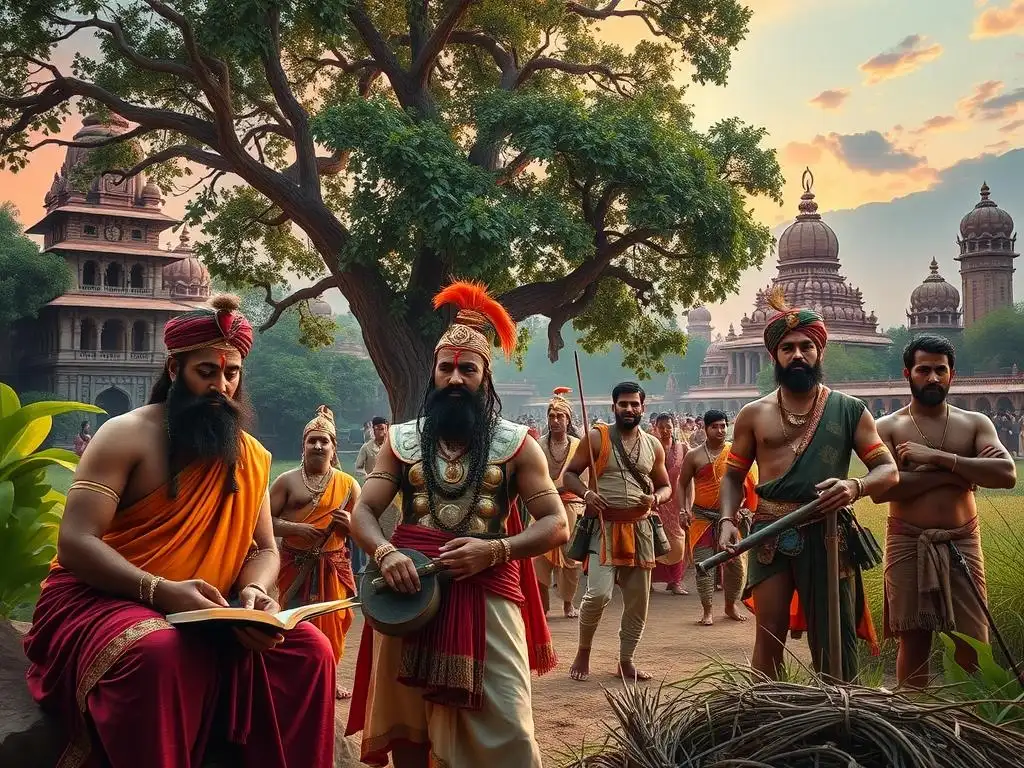
Welcome to Ancient India History, where we embark on a fascinating journey through the rich tapestry of ancient Indian civilizations. Delve into the intricate layers of culture, achievements, and societal structures that shaped this remarkable era.
In our featured article, " The Caste System in Ancient Indian Literature: A Reflection of Society," we unravel the complexities of the caste system in ancient India, exploring how it influenced daily life and societal interactions. Join us as we uncover the profound connections between literature and the lived experiences of people in a time long past, inviting you to explore the captivating narrative of a civilization that continues to shape the world today.
Introduction to the Caste System in Ancient India
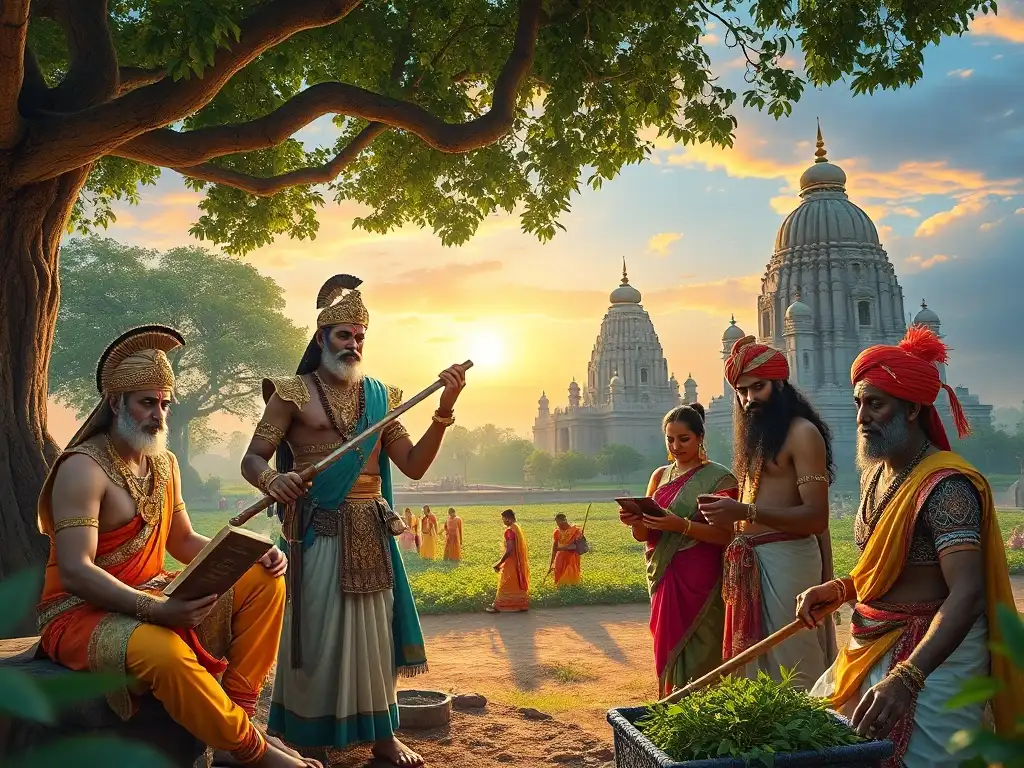
The caste system in ancient India represents a complex social hierarchy that has profoundly influenced the social fabric of Indian civilization for centuries. Originating in the Vedic texts, this system divided society into various groups based on occupation, ritual purity, and social status. The intricate interplay between caste and social roles is vividly depicted in ancient literature, making it a crucial lens through which to understand the historical context and evolution of societal norms.
In exploring the caste system, we not only uncover the rigid structures that governed individual lives but also the cultural narratives that emerged around them. Literature from different periods reflects the values, beliefs, and attitudes towards caste, offering insights into the dynamics of power, privilege, and identity in ancient Indian society. As we delve into this topic, we will examine how ancient texts not only documented the caste system but also influenced its perception and evolution throughout history.
Understanding the Caste System: Definitions and Origins
The caste system, or varna system, is traditionally categorized into four primary groups:
- Brahmins - Priests and scholars, responsible for religious rituals and teaching.
- Kshatriyas - Warriors and rulers, tasked with protection and governance.
- Vaishyas - Merchants and farmers, engaged in trade and agriculture.
- Shudras - Laborers and service providers, performing menial tasks.
These classifications were not merely occupational but also carried spiritual significance, with the Brahmins placed at the top due to their role in religious practices. The origins of the caste system can be traced back to ancient texts like the Rigveda, where references to social divisions emerge, albeit in a less rigid form compared to later interpretations.
Importance of Literature in Reflecting Social Structures
Ancient Indian literature serves as a vital source for understanding the caste system and its societal implications. Texts such as the Mahabharata and Ramayana provide narratives that illustrate the roles of different castes, their interactions, and the moral dilemmas they faced. These epics not only reflect the norms and values of their time but also critique and question the established social order.
Furthermore, Dharmashastras, legal texts that delineate duties and responsibilities based on caste, offer a more prescriptive view on how individuals were expected to behave according to their social status. Such literature is crucial for historians and scholars as it encapsulates the lived experiences of people within the caste framework, revealing both the continuity and change within ancient Indian society.
Historical Context of the Caste System in Ancient India
Evolution of the Caste System from Vedic to Post-Vedic Periods
The caste system underwent significant transformations from the Vedic period through the post-Vedic era. Initially, the system was more fluid, allowing for mobility and intermingling among castes. However, as society evolved, particularly during the rise of kingdoms and empires, the caste system became increasingly rigid.
In the Vedic period, social divisions were primarily based on occupation and ritual purity, but as texts like the Upanishads emerged, philosophical ideas began to intertwine with social structures. By the Post-Vedic period, particularly during the rise of the Maurya and Gupta Empires, the caste system had solidified, leading to stricter rules regarding inter-caste relationships and social interactions.
Socio-Political Influences on the Caste System's Development
The development of the caste system was heavily influenced by socio-political factors, including the rise of monarchies and the establishment of trade networks. As political power consolidated, the need for a stable social order led to the reinforcement of caste hierarchies.
Additionally, the emergence of new religions and philosophies, such as Buddhism and Jainism, challenged the existing norms, advocating for social equality and critiquing the caste system. However, despite these challenges, the caste system persisted, adapting to the changing dynamics of society while maintaining its core principles.
The caste system in ancient India is a multifaceted topic that reflects the complexities of social structure, cultural narratives, and historical evolution. Through literature and historical context, we can gain a deeper understanding of how caste shaped the lives of individuals and the society at large.
Representation of the Caste System in Ancient Indian Texts
The caste system in ancient India is intricately woven into the fabric of its literature, serving not just as a social categorization but also as a reflection of the philosophical and moral ideals of the time. Texts such as the Vedas, Upanishads, and epics like the Mahabharata and Ramayana provide insights into how caste was perceived and how it influenced various aspects of life. These texts often depict the four primary varnas: Brahmins (priests and scholars), Kshatriyas (warriors and rulers), Vaishyas (traders and agriculturists), and Shudras (laborers and service providers).
In many instances, literature portrays the ideal social order where each caste fulfills its prescribed duties (dharma), contributing to overall societal harmony. However, there are also narratives that challenge or critique the rigidity of these divisions, showcasing complexities in social interactions and the experiences of individuals across different castes. This duality in representation highlights the dynamic nature of the caste system, revealing both adherence to and questioning of traditional structures within ancient Indian society.
Key Texts that Discuss the Caste System in Ancient India
Several key texts serve as foundational references for understanding the caste system in ancient India:
- The Vedas: The Rigveda, particularly, includes hymns that reference the origin of the varna system, emphasizing a cosmic order where each caste has specific roles and responsibilities. The Purusha Sukta hymn describes the creation of various castes from the cosmic being, suggesting a divine rationale behind social stratification.
- The Manusmriti: This ancient legal text is perhaps the most explicit in detailing the duties (dharma) associated with each caste, along with the laws governing social conduct. It codifies the hierarchical nature of the caste system and has had a lasting influence on Indian society.
- The Mahabharata: This epic not only narrates the story of a dynastic struggle but also explores the moral dilemmas faced by characters across different castes. The Bhagavad Gita, a part of this epic, addresses the concept of duty and righteousness (dharma) within the context of one's caste.
- The Ramayana: This epic poem portrays characters such as Rama and Sita, whose actions and decisions are often interpreted through the lens of their caste identities, reflecting societal expectations and moral codes.
These texts collectively illustrate the complexities of caste dynamics, revealing both their importance and the tensions that arise within them.
The social implications of the caste system as depicted in ancient Indian literature are profound, affecting various aspects of daily life, spirituality, and even gender roles. These implications are not merely theoretical but manifest in the lived experiences of individuals within the society.
Caste Hierarchies and Their Impact on Daily Life
Literature from ancient India frequently illustrates the impact of caste hierarchies on daily life, where one's caste determined occupation, social interactions, and even access to resources. Brahmins, for instance, were often depicted as the custodians of knowledge and spiritual authority, while Kshatriyas were associated with governance and defense. Conversely, Shudras were relegated to menial tasks and service roles, often portrayed as subservient within the narrative framework.
This division of labor created a structured society where each caste had defined roles, contributing to a sense of order. However, the literature also reveals instances of transgression against these norms, where individuals from lower castes aspire to rise socially or where inter-caste relationships challenge established boundaries. Such narratives often serve as a critique of the rigid caste system, highlighting the aspirations and struggles of those marginalized by societal norms.
The Role of Caste in Religion and Spirituality
Religion played a crucial role in reinforcing the caste system, as depicted in various ancient texts. The Vedas and Upanishads, for example, emphasize rituals and spiritual practices that are often restricted to certain castes, particularly the Brahmins. This exclusivity not only underscores the spiritual hierarchy but also perpetuates socio-religious divisions.
Moreover, the literature often reflects the belief that one's caste determines their spiritual merit and potential for liberation (moksha). The concept of karma is intricately linked to caste, suggesting that one’s actions in previous lives influence their current caste status. This theological framework encourages compliance with caste duties, as deviating from prescribed roles could result in negative karmic consequences.
Gender and the Caste System: Women’s Perspectives in Literature
The intersection of gender and the caste system is another critical aspect explored in ancient Indian literature. Women’s roles and experiences are often shaped by their caste identities, leading to varied perspectives within the same social structure. Literary texts reveal that while upper-caste women may enjoy certain privileges, they are also subjected to patriarchal norms that restrict their autonomy.
Conversely, women from lower castes frequently face double marginalization, not only due to their caste but also because of their gender. Literature often portrays the struggles of these women, their resilience, and their quest for dignity within a rigidly structured society. For instance, characters like Draupadi in the Mahabharata challenge societal norms by asserting their rights and dignity in the face of oppression, highlighting the complexities of gender within the caste hierarchy.
Through these narratives, ancient Indian literature not only reflects the societal realities of its time but also provides a platform for voices that challenge the status quo, offering insights into the nuanced relationship between caste, gender, and identity.
Literary Analysis of the Caste System in Ancient Indian Works
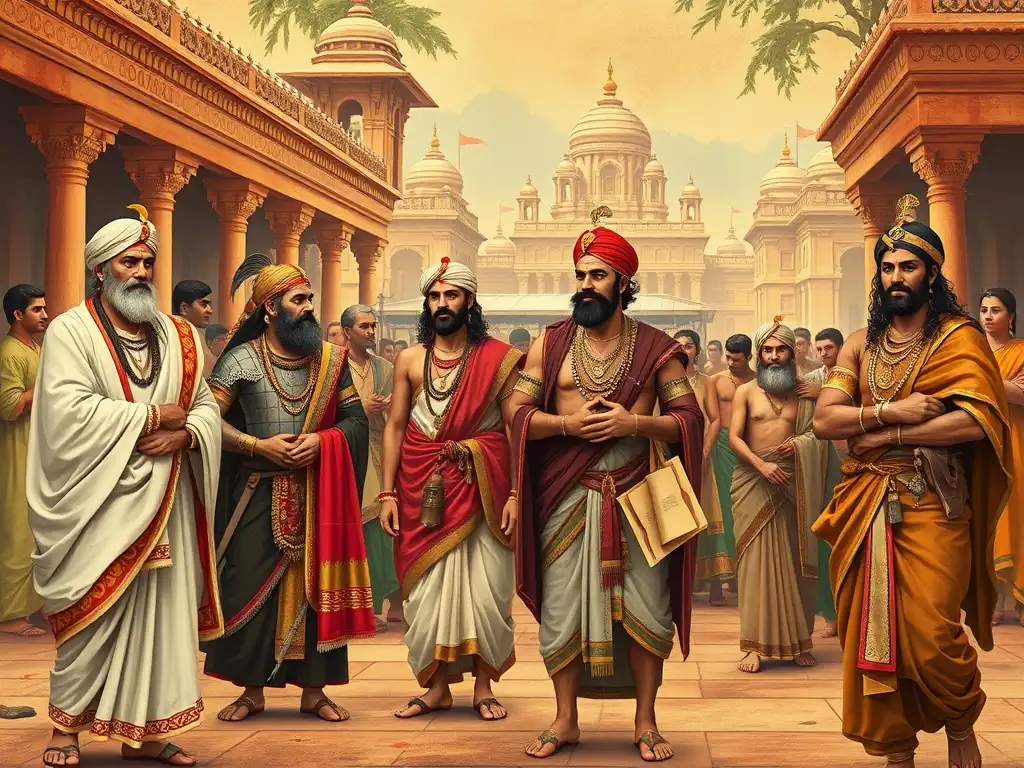
The caste system in ancient India, intricately woven into the fabric of society, finds its reflection in various literary works from the Vedic period to the Gupta Empire. Texts such as the Vedas, Upanishads, epics like the Mahabharata and Ramayana, and Dharmashastras provide critical insights into the social stratification and the roles assigned to different castes. These literary sources not only depict the hierarchical nature of the caste system but also explore the moral and ethical implications of caste-based roles and duties.
The literature from ancient India often presents caste as a divinely ordained structure, where each caste has specific responsibilities (Dharma) and functions essential for societal harmony. The epic narratives frequently illustrate the interactions among different castes, showcasing both conflicts and collaborations. For instance, the portrayal of characters from various castes in the Mahabharata reveals the complexities of identity and the tensions arising from caste boundaries.
Caste in ancient Indian literature is laden with symbolism and recurring themes that reflect the societal norms of the time. One prominent theme is the concept of Dharma, which denotes duty and righteousness. Each caste is associated with particular duties; for example, Brahmins are tasked with spiritual duties, Kshatriyas with protection and governance, Vaishyas with commerce, and Shudras with service roles. This thematic framework underscores the belief that fulfilling one's caste duties is vital for social order and cosmic balance.
Additionally, the symbolism of purity and pollution is prevalent in ancient texts, where higher castes are often depicted as pure and sacred, while lower castes face societal stigma and restrictions. The narrative often conveys moral lessons about the consequences of transgressing caste boundaries, emphasizing the importance of maintaining caste hierarchy to preserve societal integrity. The interplay of these themes and symbols serves to reinforce the caste system while simultaneously providing a critique of its rigid structures.
Case Studies of Prominent Characters and Their Caste Identities
Examining specific characters from ancient Indian literature reveals how caste identities shape individual destinies and moral dilemmas. In the Mahabharata, characters like Ekalavya, a young tribal archer, illustrate the challenges faced by those belonging to lower castes. Ekalavya's determination to learn archery, despite being denied formal training by Drona, highlights the struggle against caste discrimination and the quest for identity and respect.
On the other hand, characters such as Karna, born to a low-caste mother but raised as a Kshatriya, embody the complexities of caste identity. Karna's life reflects the tension between societal acceptance and personal honor, culminating in his tragic fate. Such case studies not only shed light on the personal ramifications of caste but also evoke larger discussions on legitimacy, honor, and societal values.
Comparison of Caste Representation in Different Literary Genres
The representation of the caste system varies significantly across different literary genres in ancient India. In religious texts like the Vedas, caste is presented as a cosmic order, justified by divine will. These texts emphasize the spiritual dimensions of caste, portraying it as essential for maintaining Rta, or cosmic order.
In contrast, epics such as the Mahabharata and Ramayana incorporate narrative elements that humanize characters from various castes, allowing for a more nuanced exploration of caste dynamics. The dramatic conflicts and emotional narratives in these epics invite readers to empathize with characters regardless of their caste, prompting reflections on justice and morality.
Meanwhile, didactic literature, such as the Arthashastra, provides a pragmatic view of caste, focusing on its economic and administrative implications for governance. This genre often treats caste as a tool for societal organization rather than a moral framework, reflecting the pragmatic realities of ancient Indian statecraft.
Critiques and Perspectives on the Caste System in Ancient Literature
Early Critiques of the Caste System in Ancient Texts
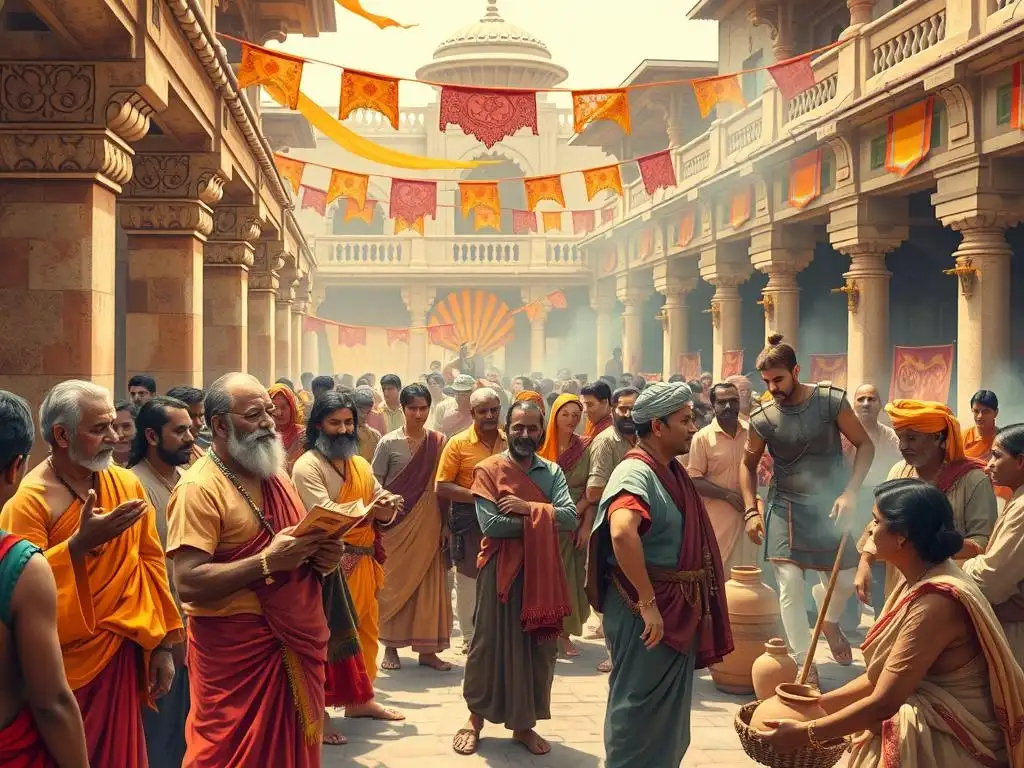
While many ancient texts endorse the caste system, there are also critiques embedded within them. For instance, certain philosophical discourses in the Upanishads challenge the rigid caste boundaries by emphasizing the spiritual equality of all individuals. The notion of Brahman as the universal spirit transcends caste distinctions, suggesting a more inclusive understanding of humanity.
Moreover, the narratives within the Mahabharata often critique the injustices perpetrated due to caste. The tragic fate of characters like Ekalavya serves as a poignant commentary on the moral failings of a society bound by caste, questioning the legitimacy of caste-based discrimination.
Modern Interpretations and Re-evaluations of Caste Representation
Modern scholarship has re-evaluated the representation of caste in ancient literature, often highlighting the contradictions and complexities present in these texts. Contemporary interpretations focus on the fluidity of caste identities and the ways in which individuals navigate societal structures. Scholars argue that ancient literature should not merely be viewed as a reflection of static social hierarchies but as a dynamic discourse that allows for resistance and subversion.
Additionally, the rise of Dalit literature has sparked discussions on the historical marginalization of lower castes, urging a reassessment of ancient texts through a critical lens. These modern narratives aim to reclaim the voices of those historically silenced, providing a counter-narrative that challenges the glorification of the caste system found in traditional interpretations. By embracing these perspectives, scholars can foster a more inclusive understanding of the caste system's legacy in ancient Indian literature.
Conclusion: The Legacy of the Caste System in Ancient Indian Literature
The caste system in ancient India has left an indelible mark on the social fabric and literary heritage of the subcontinent. Ancient texts such as the Vedas, Manusmriti, and the epics provide a nuanced understanding of how caste influenced daily life, social interactions, and even spiritual practices.
While these texts often reinforced the hierarchy and divisions within society, they also served as a reflection of the complexities and contradictions inherent in ancient Indian civilization. The portrayal of various castes in literature not only highlights the stratification of society but also reveals the socio-political dynamics of the time, showcasing both the adherence to and resistance against established norms.
As we analyze these literary works, it becomes clear that they were not merely historical documents but also vehicles for philosophical inquiry and social critique. The legacy of the caste system in ancient Indian literature thus serves as a lens through which we can explore broader themes of inequality, justice, and moral responsibility. This legacy continues to resonate in contemporary discussions about caste and social justice, prompting a re-evaluation of how ancient narratives can inform modern perspectives on equality and human rights.
Lasting Impact on Modern Indian Society and Literature
The legacy of the caste system in ancient Indian literature has had a profound and lasting impact on modern Indian society. The hierarchical divisions established in ancient texts have continued to influence social structures, leading to persistent inequalities that are still evident today. Although legal reforms and social movements have sought to address caste-based discrimination, the cultural and psychological imprints of the caste system are deeply entrenched, shaping attitudes and behaviors across generations.
In literature, contemporary authors often revisit themes of caste, drawing upon ancient texts to critique or illuminate current social issues. Literary works by writers such as B.R. Ambedkar, Arundhati Roy, and others reflect a conscious effort to engage with the historical narratives of caste, challenging readers to confront uncomfortable truths about their society. The reinterpretation of ancient literature in modern contexts has enabled a fresh exploration of caste, allowing for a dialogue that both acknowledges the past and seeks to envision a more equitable future.
Reflections on Social Justice and Equality in Ancient Texts
Ancient Indian literature provides a rich tapestry of insights regarding social justice and equality, often presenting contrasting perspectives on the caste system. Texts like the Mahabharata and Ramayana include narratives that question the legitimacy of rigid caste divisions, portraying characters who defy societal norms and advocate for fairness. Such stories serve as early reflections on the values of empathy, equality, and moral righteousness, suggesting that social hierarchies were not universally accepted.
Moreover, philosophical discourses found in texts like the Upanishads emphasize the idea of oneness and the interconnectedness of all beings, hinting at a more egalitarian worldview. This duality in ancient literature—where caste hierarchies coexist with calls for justice and equality—invites readers to grapple with the complexities of social structures. It serves as a reminder that discussions of caste and social justice are not solely modern concerns but have deep roots in the very fabric of Indian thought and culture.
References
Suggested Readings on Caste and Literature in Ancient India
- "The Caste System: A Historical Perspective" by R. S. Sharma
- "Caste in Modern India: A Historical Perspective" by M. N. Srinivas
- "Untouchable: An Indian Life History" by Bhimrao Ambedkar
- "Caste as Social Capital: The Role of Caste in Indian Society" by M. N. Srinivas
- "The Mahabharata: A Modern Rendering" by Ramesh Menon
Notable Scholars and Texts for Further Exploration
- B.R. Ambedkar: His writings provide critical insights into the social implications of the caste system.
- M. N. Srinivas: A key figure in the study of caste in India, his works explore the evolution and contemporary relevance of caste.
- Romila Thapar: Her historical analyses encompass the cultural and social contexts of ancient India, including caste dynamics.
- Gail Omvedt: Known for her research on social movements and caste, her works are instrumental in understanding the intersection of caste and gender.
- The Rigveda: One of the oldest texts, it contains hymns that reflect early societal structures, including caste.
- Introduction to the Caste System in Ancient India
- Historical Context of the Caste System in Ancient India
- Representation of the Caste System in Ancient Indian Texts
- Social Implications of the Caste System in Ancient Indian Literature
- Literary Analysis of the Caste System in Ancient Indian Works
- Symbolism and Themes Related to Caste in Ancient Texts
- Case Studies of Prominent Characters and Their Caste Identities
- Comparison of Caste Representation in Different Literary Genres
- Critiques and Perspectives on the Caste System in Ancient Literature
- Conclusion: The Legacy of the Caste System in Ancient Indian Literature
- References
Frequently Asked Questions
What is the caste system in ancient India?
The caste system was a hierarchical social structure that divided people into different groups based on their occupation and social status. It played a significant role in shaping social interactions and cultural practices in ancient Indian society.
How did ancient Indian literature reflect the caste system?
Ancient Indian literature often depicted the caste system through myths, epics, and religious texts, illustrating its influence on social norms and values. This literature served as a mirror to the societal dynamics of the time.
What were the primary castes in ancient Indian society?
The primary castes included the Brahmins (priests and scholars), Kshatriyas (warriors and rulers), Vaishyas (traders and farmers), and Shudras (laborers and service providers). Each caste had specific roles and responsibilities within the community.
Did the caste system affect the status of women in ancient India?
Yes, the caste system significantly influenced the status of women, often limiting their freedom and opportunities based on their caste. Women from higher castes generally had more privileges, while those from lower castes faced greater restrictions.
How has the understanding of the caste system evolved over time?
The understanding of the caste system has evolved, with modern perspectives challenging its rigid structures. Contemporary discussions focus on issues of social justice, equality, and the need to address the historical inequalities stemming from the caste system.
Final Reflection: The Enduring Legacy of the Caste System in Ancient India
The caste system in ancient India remains a poignant reflection of societal structures that continue to resonate today. As we delve into the intricacies of ancient Indian literature, we uncover not only the historical context of caste but also its profound implications on contemporary social dynamics. This enduring legacy prompts us to confront uncomfortable truths about inequality and discrimination that persist in various forms across the globe.
Clearly, the caste system has shaped not just individual identities but also the broader cultural and social landscape of India. Its influence can be seen in modern societal interactions, economic opportunities, and even political frameworks. As we reflect on this topic, we are reminded of the words of Dr. B.R. Ambedkar, who stated, "> I measure the progress of a community by the degree of progress which women have achieved." This quote underscores the interconnectedness of caste and gender, highlighting how these systems of hierarchy have historically marginalized various groups and continue to do so in contemporary society.
As we conclude this exploration, I invite you to reflect on your own understanding of social structures and their implications in your life. Consider how the lessons from the caste system in ancient India can inspire you to advocate for equality and justice in your community. By acknowledging the past and its impact on the present, we can actively participate in shaping a future where every individual is valued and respected, regardless of their background. Let us carry forward the wisdom gleaned from ancient texts and strive for a society that celebrates diversity and inclusivity.
Uncover the Complexity of Caste in Ancient Literature!
Thank you for diving into the intricate reflections of society through the lens of ancient Indian literature. You've explored how the caste system shaped narratives and influenced lives. Now, it's time to take what you've learned and put it into action!
Here’s how you can further engage with this important topic:
- Join a discussion group or forum to share your thoughts on how the caste system still resonates in modern society and literature.
- Read a classic text from ancient Indian literature that addresses caste; consider works like the **Mahabharata** or **Bhagavad Gita** for deeper insights.
- Write a blog post or create a social media thread to share your perspective on the evolution of caste portrayal in literature and its impact today.
What do you think is the most significant lesson we can learn from the depiction of caste in ancient texts? Let's discuss!