
The Role of Occupations in Defining Social Identity in Ancient India

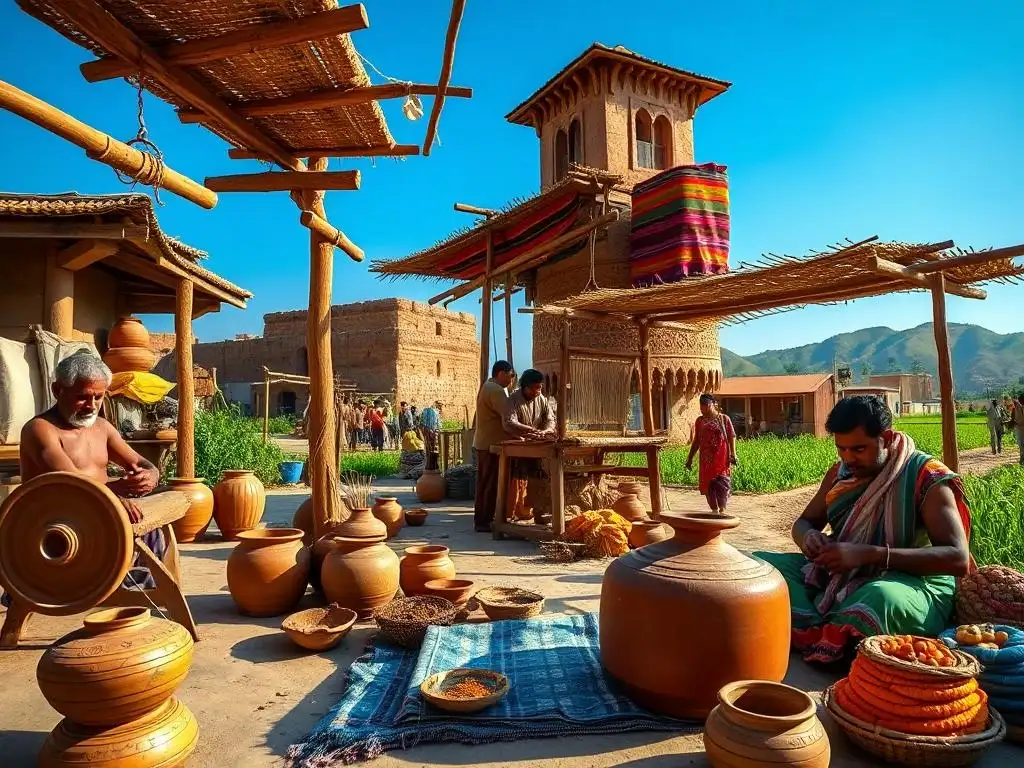
Welcome to Ancient India History, where we embark on a fascinating journey through the rich tapestry of India's past! In our featured article, "The Role of Occupations in Defining Social Identity in Ancient India," we delve into how various professions shaped the social fabric of ancient civilizations, from the innovative Indus Valley to the illustrious Gupta Empire. Discover the intricate connections between occupations and social identity, and how these roles influenced daily life and societal structure.
Intrigued? Join us as we uncover the profound impact of these ancient roles and what they reveal about the diverse cultures that thrived in this remarkable era. Your exploration of ancient India begins now!
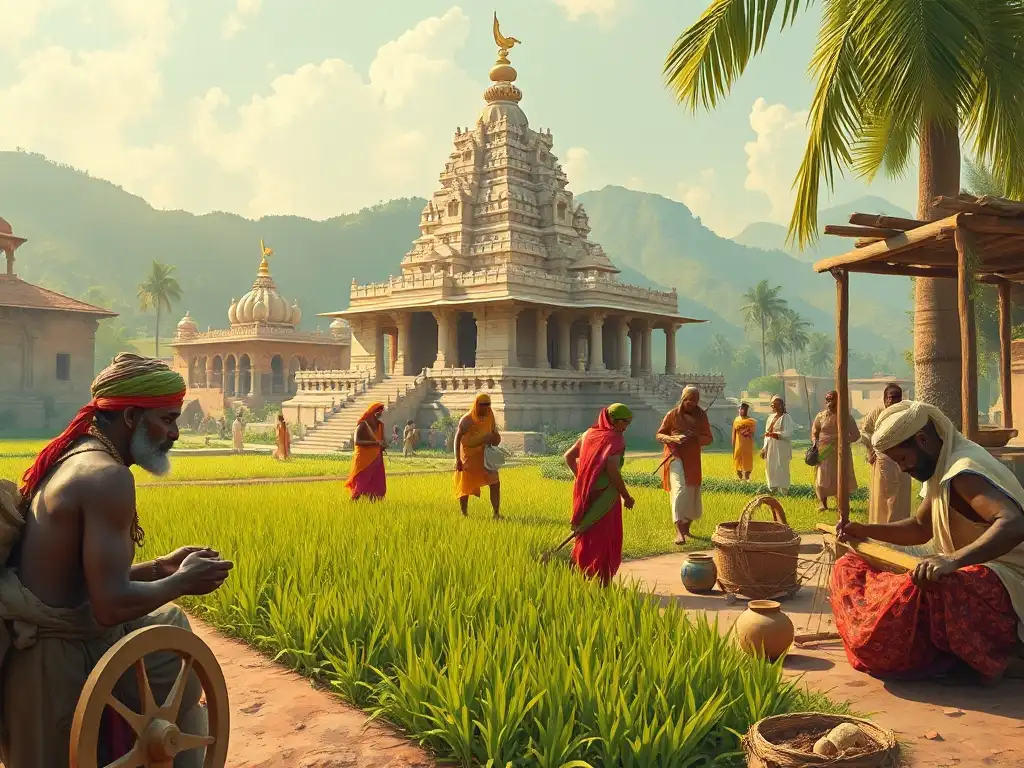
In the intricate tapestry of ancient Indian civilization, occupations played a pivotal role in shaping social identity and cultural dynamics. The diverse and complex labor systems established throughout the various historical periods of India not only defined individuals' roles within their communities but also influenced broader societal structures.
From the sophisticated urban centers of the Indus Valley Civilization to the flourishing trade networks during the Gupta Empire, occupations were interwoven with social standing, heritage, and identity. This article delves into the significance of occupations in ancient India, illustrating how they were instrumental in forming social identities and the implications of these roles on daily life.
Social identity in ancient India was multifaceted, shaped by a myriad of factors, including caste, occupation, and regional influences. Each of these elements contributed to a person's sense of self and their standing in society.
- Caste System: The caste system, a prominent feature of ancient Indian society, categorized people based on their hereditary occupations. This classification often dictated individuals' social interactions, rights, and responsibilities.
- Regional Variations: Different regions in India had unique occupational practices influenced by local resources, cultural norms, and economic needs. For instance, agricultural occupations were prevalent in fertile areas, while trade and craftsmanship flourished in urban centers.
The interplay between caste and occupation significantly shaped social identity, creating a framework within which individuals understood their roles and responsibilities in society.
Importance of Occupations in Society
Occupations were not merely a means of livelihood in ancient India; they were essential in determining one’s social rank and community relationships. Here are some key aspects that highlight the importance of occupations:
- Economic Stability: Occupations provided the foundation for economic stability. Agricultural work ensured food security, while trade facilitated the exchange of goods and ideas.
- Cultural Continuity: Many occupations were tied to cultural traditions, fostering a sense of belonging and continuity within communities. Artisans, for example, maintained skills that were passed down through generations, preserving cultural heritage.
- Social Mobility: While the caste system often restricted social mobility, certain occupations, particularly in trade and administration, allowed for upward movement, challenging rigid social boundaries.
Historical Overview of Occupations in Ancient India
To understand how occupations influenced social identity throughout ancient India, it is essential to explore the historical context and the evolution of labor systems.
Major Periods Influencing Occupations and Social Identity
- Indus Valley Civilization (c. 3300–1300 BCE):
- Known for its advanced urban planning and trade networks, the Indus Valley had diverse occupations, including farming, weaving, and metallurgy.
- Vedic Period (c. 1500–500 BCE):
- Marked the emergence of the caste system, where occupations began to be defined by hereditary lines, influencing social hierarchies.
- Maurya Empire (c. 322–185 BCE):
- This period saw a centralization of administration and trade, leading to an increase in occupational specialization, especially in crafts and agriculture.
- Gupta Empire (c. 240–550 CE):
- Often considered a golden age, this era witnessed a flourishing of arts, commerce, and scholarship, with various occupations contributing to social identity through guilds and trade associations.
Key Occupations in Different Indian Civilizations
The diversity of ancient Indian civilizations led to a wide range of key occupations, each contributing uniquely to the socio-economic fabric:
- Agriculture: The backbone of society, with a majority of the population engaged in farming, influencing settlement patterns and social organization.
- Craftsmanship: Artisans specialized in textiles, pottery, and metalwork, showcasing regional styles and enriching cultural identity.
- Trade: Merchants played a crucial role in connecting different regions, fostering economic interdependence and cultural exchange.
- Administration: Bureaucratic roles became prominent during the Maurya and Gupta periods, highlighting the importance of governance in shaping social structures.
The roles of occupations in ancient India were vital in defining social identity, influencing not only individual lives but also the broader societal framework. Understanding this dynamic provides insight into the complexities of ancient Indian civilization and its enduring legacy.
Occupations in ancient India played a pivotal role in shaping social identity, reflecting the intricate relationship between one's work and societal status. The nature of one's occupation often determined not only the economic standing but also the social interactions and cultural affiliations of individuals. In a society where the division of labor was prevalent, occupations were intertwined with social hierarchies, creating a framework that defined how individuals viewed themselves and how they were perceived by others.
The classification of occupations often aligned with the broader social structures, particularly influenced by factors such as geography, economic needs, and cultural traditions. For instance, individuals engaged in agriculture were revered in agrarian communities, while artisans and traders held significant roles in urban settings. Thus, the nature of one's work was not merely a source of livelihood but a crucial aspect of identity that contributed to communal cohesion and societal organization.
How Occupations Shaped Social Hierarchies
In ancient India, social hierarchies were deeply influenced by the types of occupations individuals held. The stratification was evident in various aspects of daily life, including access to resources, power dynamics, and social privileges. Occupations were often hereditary, meaning that the skills and roles associated with a family were passed down through generations, reinforcing social boundaries.
For example, the priestly class (Brahmins) held a high status in society due to their roles in religious rituals and education. In contrast, those engaged in manual labor, such as sweepers or scavengers, often faced social stigma and were marginalized. This hierarchy was not merely a reflection of economic contribution but also intertwined with cultural and religious beliefs that deemed certain occupations as more honorable than others.
Moreover, the intersection of occupations with gender roles further complicated these hierarchies. Men typically dominated certain trades, while women often engaged in domestic or artisanal work. The societal perception of these roles solidified the existing power structures and influenced individual self-identity.
The Impact of Caste System on Occupations and Identity
The caste system in ancient India intricately linked occupations with social identity, establishing a rigid framework that dictated the roles individuals could assume based on their caste. This system classified society into four primary varnas: Brahmins (priests and scholars), Kshatriyas (warriors and rulers), Vaishyas (traders and agriculturists), and Shudras (laborers and service providers). Each varna was associated with specific occupations, and deviation from these roles was often met with social sanctions.
The caste system not only defined professional roles but also shaped social interactions and personal identities. For instance, Brahmins were considered the custodians of knowledge and spirituality, whereas Shudras were often relegated to menial tasks. This stratification influenced marriage alliances, friendship circles, and community participation, thereby reinforcing social boundaries.
Additionally, the caste system's rigidity meant that individuals found it challenging to change their occupational roles, leading to a lack of social mobility. As a result, one's identity was often inextricably linked to the occupation designated by their caste, creating a sense of belonging or alienation within the broader societal structure.
Case Studies of Specific Occupations in Ancient India
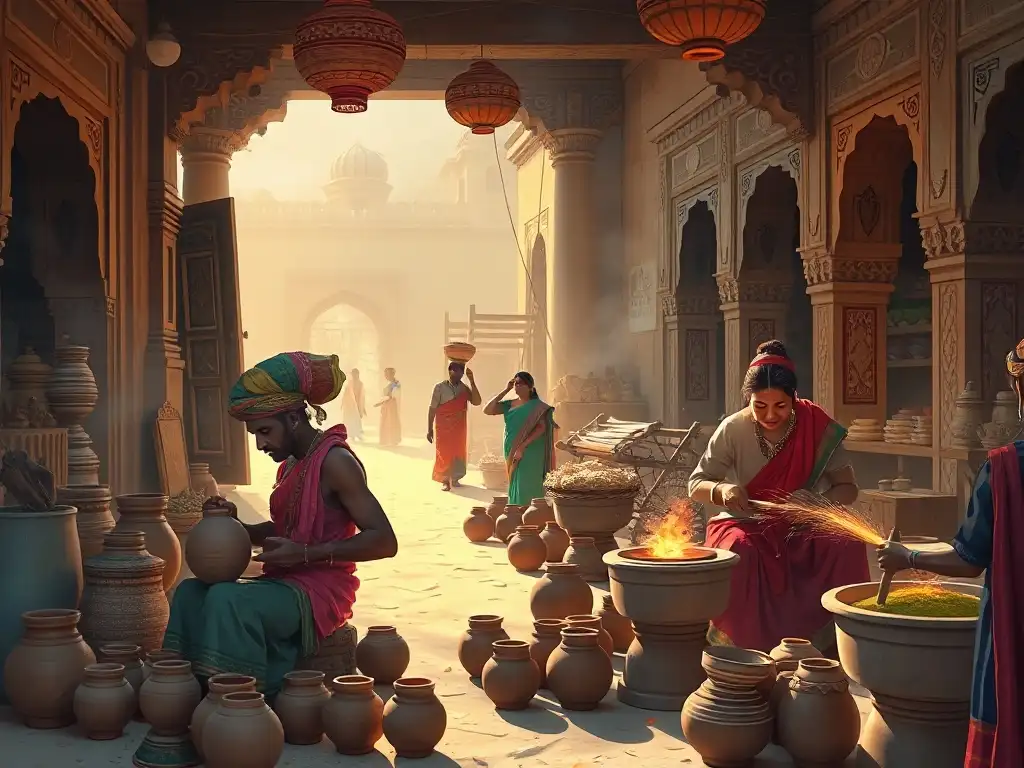
The examination of specific occupations in ancient India reveals the nuanced ways in which work contributed to social identity. Various professions not only provided economic sustenance but also shaped the cultural and social fabric of communities.
Artisans and Craftsmen: Their Role in Society
Artisans and craftsmen held a significant place in ancient Indian society, as their skills contributed to both the economy and cultural heritage. The production of goods, from intricate textiles to exquisite pottery, was not only an economic activity but also an expression of cultural identity. Artisans often belonged to specific guilds that fostered a sense of community and mutual support.
These craftsmen were pivotal in festivals and religious events, crafting items that held cultural and spiritual significance. Their work was seen as a blend of creativity and utility, which elevated their status within their communities. The skills and techniques were often passed down through generations, further solidifying their identity as artisans.
Farmers and Agriculture: Foundation of Social Identity
Agriculture served as the backbone of ancient Indian society, shaping the identity of those who engaged in farming. Farmers were viewed as vital contributors to the sustenance of society, their labor directly impacting food security and economic stability. The agrarian lifestyle fostered a close connection to the land, which in turn cultivated a sense of pride and identity rooted in agricultural practices.
Rituals and festivals often revolved around agricultural cycles, reinforcing the cultural significance of farming. Additionally, the relationship between farmers and local deities was strong, with many communities venerating gods associated with fertility and harvest. This connection between occupation and spirituality further defined the social identity of agricultural communities.
Merchants and Trade: Economic Identity in Ancient India
Merchants played a crucial role in the economic landscape of ancient India, serving as intermediaries in trade networks that spanned vast regions. Their occupations not only contributed to wealth accumulation but also facilitated cultural exchanges and interactions among diverse communities. As trade flourished, merchants established their identities based on the economic prosperity and social networks they developed.
The rise of urban centers and trade routes empowered merchants, allowing them to gain influence and status within society. This economic identity was often manifested through the establishment of guilds, which provided support and resources to their members. Additionally, the merchants' role in the circulation of goods and ideas fostered a cosmopolitan identity that transcended local boundaries, enriching the cultural tapestry of ancient India.
Occupations were fundamental in shaping social identity in ancient India, influencing everything from individual roles in society to broader cultural norms and practices. The interplay between work, caste, and community created a complex landscape where identities were continually defined and redefined through the lens of labor.
Gender Roles and Occupations in Ancient India
In ancient India, gender roles significantly influenced the types of occupations individuals pursued, thereby shaping their social identity. Occupations were often divided along gender lines, with specific roles considered appropriate for men and women. This division was rooted in cultural, religious, and societal norms that dictated the responsibilities and expected behaviors of each gender. In many instances, men dominated the public sphere, engaging in activities such as agriculture, trade, and governance, while women primarily focused on domestic duties, handicrafts, and family care.
However, this binary view of gender roles oversimplifies the complexities of women's contributions to society. While many women were confined to the home, others participated actively in various economic activities, particularly in rural settings. The interplay between gender and occupation was dynamic, often influenced by social class, regional variations, and the prevailing political landscape. Understanding these gender roles is essential to comprehending how occupations helped define social identity in ancient India.
Women's Occupations and Their Influence on Social Identity
Women's occupations in ancient India were diverse and played a crucial role in shaping their social identity. Although many women were primarily responsible for household management, they also engaged in various economic activities that contributed to their communities. For example, women were involved in textile production, pottery, and food processing, which were essential to the local economy. These occupations not only provided women with a source of income but also allowed them to exert influence within their families and communities.
Additionally, women's roles in religious and ritualistic practices further enhanced their social identity. Many women served as priestesses or participated in temple activities, which bestowed upon them a level of respect and status within their communities. The visibility of women's contributions to both economic and spiritual life underscores their importance in ancient society, challenging the notion of their marginalization.
Male-Dominated Occupations and Their Societal Implications
In contrast to women's roles, male-dominated occupations in ancient India were often associated with power, authority, and higher social status. Professions such as warriors, rulers, and landowners were predominantly male, reflecting societal values that prioritized masculine traits like strength and leadership. These occupations were not only economically significant but also played a critical role in shaping the political landscape of the time.
The implications of this male-dominated occupational structure were profound. It reinforced gender hierarchies, limiting women's access to power and resources while elevating men's status within society. The association of certain occupations with masculinity contributed to the formation of rigid caste identities, where specific trades and professions were hereditary and closely tied to social standing. This dynamic further complicated the relationship between occupation and social identity, as men’s roles were often intertwined with notions of honor and prestige, shaping their place in the social fabric of ancient India.
The evolution of occupations in ancient India reflects broader social, economic, and political changes throughout history. From the Vedic period to the Gupta Empire, occupations transformed significantly, influenced by various factors, including economic demands, technological advancements, and cultural exchanges. These changes had a profound impact on social identity, altering the way individuals perceived their roles within society.
Changes in Occupations from the Vedic Period to the Gupta Empire
During the Vedic period, society was primarily agrarian, and occupations were closely tied to agriculture and pastoralism. As urbanization progressed, particularly during the Mauryan and Gupta periods, a diversification of occupations emerged. The rise of trade, crafts, and specialized jobs led to the development of new social classes and identities. Merchants and artisans gained prominence, creating a more complex social hierarchy.
Moreover, the establishment of guilds during the Gupta Empire provided a structured framework for various occupations, allowing skilled workers to organize and promote their trades. This evolution not only enhanced the economic landscape but also contributed to the fluidity of social identities, as individuals could aspire to change their status through occupational success.
The Influence of Foreign Cultures on Indian Occupations
Foreign cultures significantly influenced Indian occupations, particularly during periods of conquest and trade. The interactions with Persian, Greek, and later Islamic cultures introduced new technologies, agricultural practices, and crafts. These exchanges enriched the Indian occupational landscape, leading to the incorporation of foreign techniques and ideas.
For instance, the introduction of new agricultural methods improved crop yields and diversified farming practices, while foreign craftsmanship influenced local artisans. This cultural interplay not only transformed vocational practices but also contributed to the evolution of social identities, as individuals adapted and integrated new skills and roles into their existing frameworks. Consequently, the dynamic nature of occupations in ancient India highlights the continual evolution of social identity, shaped by both internal and external forces.
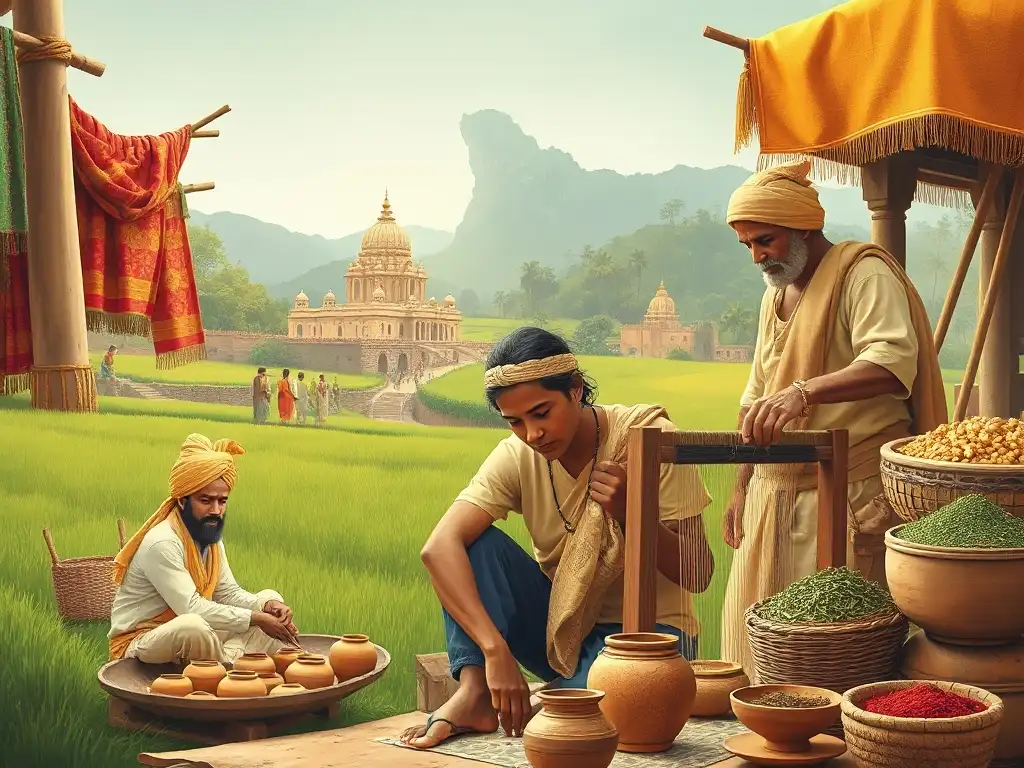
In ancient India, occupations played a crucial role in defining social identity, shaping not only individual lives but also the broader societal structure. The intricate relationship between one’s profession and their social status was foundational to the organization of communities, influencing everything from marriage prospects to social interactions. Occupations were often hereditary, which reinforced social hierarchies and maintained the stability of various occupational groups, including the well-known Varnas and Jatis.
The significance of these occupations extended beyond mere economic functions; they were embedded with cultural meanings and religious connotations. For instance, certain jobs were considered more honorable than others, reflecting and perpetuating societal values and norms. The artisans, farmers, and merchants contributed to the economy while also enriching the cultural tapestry of ancient India through their crafts and trades. This legacy of occupational identity continues to resonate in contemporary society, illustrating the enduring influence of these ancient structures on modern social frameworks.
Reflections on the Importance of Understanding Occupations in Historical Context
Understanding the occupations of ancient India is vital for several reasons. Firstly, it provides insights into the socio-economic dynamics of the time. By analyzing the various trades and professions, historians can uncover how these roles influenced community interactions and resource distribution. Furthermore, it allows for a deeper comprehension of how ancient Indian society viewed work and its practitioners.
Secondly, occupations in ancient India can reveal the complexities of social stratification. By studying the relationships among different occupational groups, scholars can better appreciate the nuances of caste dynamics and social mobility. This historical context is essential for recognizing how these occupations shaped identities and societal roles, thereby influencing individual and collective experiences throughout history.
Lastly, reflecting on the historical significance of occupations encourages a more nuanced understanding of cultural heritage. It highlights the contributions of various groups to India's rich civilization and recognizes the importance of preserving these narratives in the face of modernity.
Future research on occupations and social identity in ancient India should consider several directions to further enrich our understanding of this topic.
- Interdisciplinary Approaches: Combining insights from archaeology, anthropology, and sociology can help build a more comprehensive picture of how occupations influenced social identities. This could involve analyzing artifacts related to different trades and professions, alongside textual evidence.
- Regional Variations: Investigating how occupations varied across different regions of ancient India can provide insights into the local adaptations of broader societal norms. This approach could highlight the diversity of occupational roles and their social implications in various cultural contexts.
- The Role of Women: More focused studies on women's occupations and their roles within traditional labor systems can illuminate the often-overlooked contributions of women to ancient economies and societies. Understanding these dynamics will enrich the narrative of social identity in ancient India.
- Impact of Trade and Global Connections: Examining how trade networks influenced occupational structures and social identities could yield fascinating insights. The interactions with neighboring cultures through trade might have introduced new professions and altered existing social hierarchies.
By pursuing these research avenues, scholars can deepen the understanding of how occupations shaped social identities in ancient India, thus contributing to a more profound appreciation of the complexities of historical societies.
- Introduction to Occupations and Social Identity in Ancient India
- Understanding Social Identity in Ancient Indian Context
- Historical Overview of Occupations in Ancient India
- The Interconnection Between Occupations and Social Identity
- Case Studies of Specific Occupations in Ancient India
- Gender Roles and Occupations in Ancient India
- The Evolution of Occupations and Social Identity Over Time
- Conclusion: The Lasting Impact of Occupations on Social Identity in Ancient India
- Reflections on the Importance of Understanding Occupations in Historical Context
- Future Research Directions on Occupations and Social Identity in Ancient India
- What were the main occupations in ancient India?
- How did occupations influence social identity in ancient India?
- What was the significance of the caste system in relation to occupations?
- How did ancient Indian civilizations contribute to the diversity of occupations?
- What role did trade play in shaping occupations and social identity?
Frequently Asked Questions
What were the main occupations in ancient India?
In ancient India, occupations included farming, trade, artisanal crafts, and warfare, which were essential for sustaining society and its economy.
Occupations played a crucial role in defining social identity by determining an individual’s status, responsibilities, and community roles within the caste system.
What was the significance of the caste system in relation to occupations?
The caste system categorized individuals based on their occupations, thereby reinforcing social hierarchies and influencing personal identity and interactions within society.
How did ancient Indian civilizations contribute to the diversity of occupations?
Ancient Indian civilizations, such as the Indus Valley and Gupta Empire, showcased a wide range of occupations, reflecting their cultural diversity and adaptability in various economic contexts.
Trade facilitated the emergence of specialized occupations, fostering economic growth and enhancing the social identity of trading communities through networking and cultural exchange.
The intricate relationship between occupations and social identity in ancient India remains profoundly relevant today. As we navigate a world increasingly defined by professional roles and societal expectations, understanding how these dynamics shaped historical identities offers invaluable insights into our contemporary social fabric. The legacy of ancient occupational structures continues to influence modern perceptions of class, caste, and community, reminding us that our professions are not merely jobs but integral components of our identities.
The exploration of occupations in ancient India reveals a rich tapestry of cultural and social dynamics that still resonate in our lives. The way in which roles were assigned and perceived in ancient society has left an indelible mark on our current social hierarchies and interactions. As we reflect on this, we can recall the words of the renowned historian Romila Thapar: The past is not a dead weight; it is a living presence that continues to shape our identities.
This observation underscores the importance of recognizing how historical occupational roles inform our understanding of social identity today, influencing everything from career choices to community affiliations.
As we conclude this exploration, I invite you to reflect on your own relationship with your occupation and its impact on your identity. Consider how your professional life shapes your interactions, values, and sense of belonging.
Embrace the opportunity to redefine your role in society, not just as a job title but as a vital part of your identity that can foster connection and understanding across diverse communities. Let us carry forward the lessons from ancient India, recognizing that our occupations can be a powerful means of shaping not only our own identities but also the social landscape around us.
Unveil Your Connection to Ancient Indian Identity!
Thank you for exploring the rich history of how occupations shaped social identity in ancient India. You've taken a significant step in understanding the intricate tapestry of culture and community that defined this era. Now, let's transform that knowledge into action!
Here are some ways you can deepen your engagement with this fascinating subject:
- Explore Local Heritage: Visit a museum or historical site showcasing ancient Indian artifacts related to various occupations. You'll uncover stories that resonate with the modern-day implications of these roles.
- Share Your Insights: Discuss what you've learned with friends or share on social media. Tag us at @ancientindiahistory to continue the conversation and inspire others!
- Join a Discussion Group: Look for or create a community forum focused on ancient history. Engaging with others can lead to new perspectives and insights on social identity.
How do you think understanding ancient occupations could reshape our view of modern social identities? We would love to hear your thoughts!