
The Intersection of Love and Duty in Ancient Indian Marriages

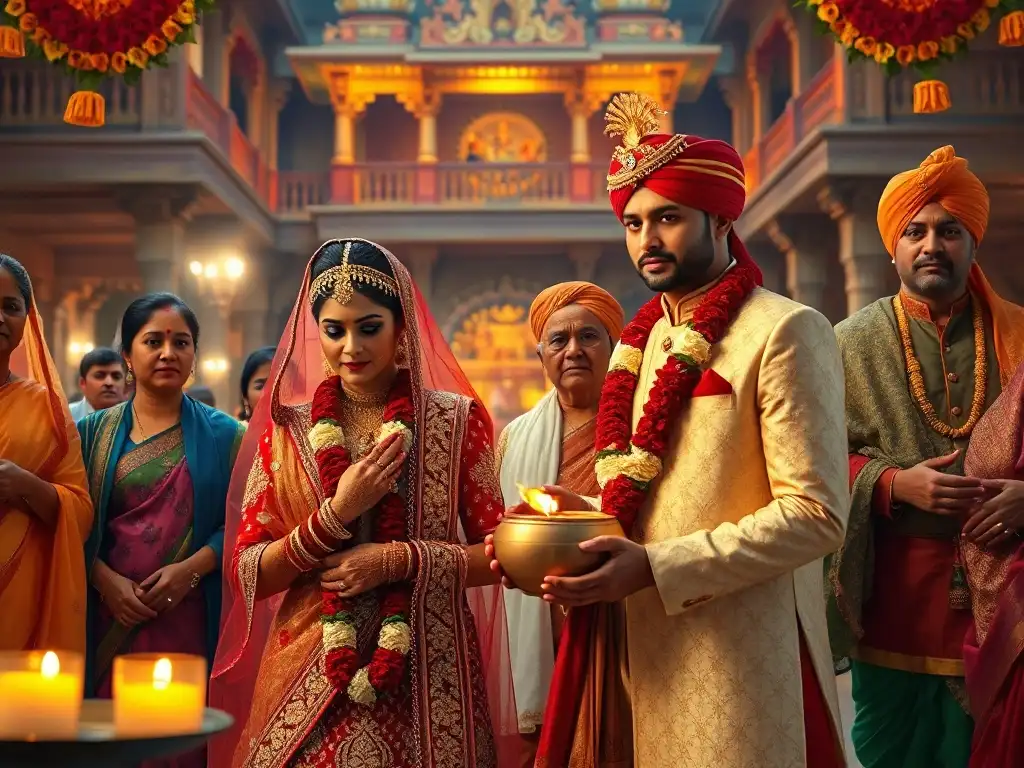
Welcome to Ancient India History, where we delve into the rich tapestry of India’s past! In this exploration of Ancient Indian marriage customs, we uncover the profound intersection of love and duty that defined relationships within ancient societies. From the intricate rituals of the Indus Valley to the familial structures of the Gupta Empire, the bonds of matrimony in ancient India reveal much about the culture and values of the time.
Curious about how these customs shaped daily life and societal norms? Join us as we embark on a fascinating journey through love, tradition, and the legacy of ancient Indian marriages!
Introduction to Ancient Indian Marriage Customs
Ancient Indian marriage customs hold a pivotal place in the tapestry of the subcontinent's rich cultural heritage. These traditions not only reflect the social norms and values of their time but also illustrate the intricate balance between personal emotions and societal expectations. In ancient India, marriages were not merely a union of two individuals; they were often viewed as a sacred contract that intertwined love and duty, shaping the lives of families and communities. By exploring these customs, we gain insight into how love and responsibility coexisted and influenced the dynamics of marital relationships across various ancient Indian civilizations.
Overview of Marriage in Ancient India
Marriage in ancient India was a multifaceted institution, deeply rooted in social, economic, and spiritual dimensions. It served various purposes, including:
- Social Alliance: Marriages often acted as a means of forging alliances between families and clans.
- Cultural Continuity: They played a critical role in the transmission of cultural values and traditions from one generation to the next.
- Economic Considerations: Dowries and bride prices were common, reflecting the economic implications of marriage.
These elements reveal that marriage was not simply a personal affair but a societal obligation that was taken seriously by all involved. The customs varied significantly across different regions and communities, showcasing the diversity of ancient Indian society.
Importance of Love and Duty in Marital Relationships
In the context of ancient Indian marriages, love and duty were not mutually exclusive; rather, they complemented each other in maintaining harmony within the household. Love was seen as a vital ingredient for a successful marriage, fostering emotional bonds and companionship. However, duty, or dharma, was equally significant, as it governed the responsibilities that each partner owed to the family and society.
- Mutual Respect: A marriage based on love and duty cultivated respect and understanding between partners.
- Family Welfare: The sense of duty ensured that the needs of the family were prioritized, contributing to the overall stability and prosperity of the household.
This duality of love and responsibility is a recurring theme in ancient texts and literature, often depicted in the stories of legendary couples like Rama and Sita, whose relationship exemplified this balance.
Historical Context of Ancient Indian Marriages
Understanding the historical context of ancient Indian marriages requires an examination of the various civilizations that contributed to the evolution of marriage customs in India. Each period brought its unique practices and ideologies that shaped the institution of marriage.
Marriage Practices in the Indus Valley Civilization
The Indus Valley Civilization (circa 3300–1300 BCE) is one of the earliest known urban cultures in the Indian subcontinent. Evidence from archaeological sites, such as dwellings and artifacts, suggests that marriage practices likely emphasized:
- Monogamous Relationships: While the specifics of marital customs remain largely speculative, artifacts indicate a preference for monogamous unions.
- Ritualistic Elements: There is evidence of ritualistic practices that may have accompanied marriage ceremonies, although detailed records are scarce.
The societal structure of the Indus Valley Civilization hints at the importance of family and community ties, laying the groundwork for future marriage customs.
Vedic Period: The Foundation of Marriage Customs
The Vedic period (circa 1500–500 BCE) marked a transformative era in Indian society, where marriage customs began to be codified in the sacred texts known as the Vedas. Key features of marriage during this period included:
- Saptapadi (Seven Steps): The saptapadi ceremony, where the couple took seven steps together, symbolized their union and commitment to each other.
- Role of Brahmins: Priests played a crucial role in conducting marriage ceremonies, emphasizing the religious dimension of marriage.
This period established many of the rituals and duties that would become central to later marriage customs in India.
Influence of Religion and Philosophy on Marriage
Religion and philosophy have profoundly influenced ancient Indian marriage customs, providing a moral and ethical framework within which marital relationships were understood. Key influences included:
- Hindu Philosophy: Texts like the Manusmriti and Mahabharata offered guidelines on the roles and responsibilities of spouses, emphasizing the importance of duty alongside love.
- Buddhism and Jainism: These religions introduced alternative perspectives on marriage, advocating for compassion and equality between partners.
The interplay of various religious and philosophical ideas helped shape a comprehensive understanding of marriage in ancient Indian society, reinforcing the significance of both love and duty in marital life.
The Role of Love in Ancient Indian Marriages
In ancient Indian society, the concept of love held a multifaceted role within the institution of marriage. While marriages were predominantly arranged based on social, economic, and familial considerations, the presence of love—both platonic and romantic—was not entirely absent. Love in this context was often idealized, with cultural narratives emphasizing its importance in fostering emotional bonds between spouses. However, the manifestation of love varied significantly based on individual circumstances, societal norms, and the philosophical underpinnings of the time.
Romantic Love vs. Arranged Marriages
The dichotomy between romantic love and arranged marriages in ancient India is a topic of significant interest. Arranged marriages were the norm, guided by the principles of familial alliances and social status. Parents often played a crucial role in selecting partners, ensuring compatibility in terms of caste, wealth, and family reputation. However, there existed a space for romantic love, particularly in the context of courtly literature and folklore, where tales of passionate love often celebrated the union of hearts against societal constraints.
In many cases, couples did find love after marriage, as mutual respect and companionship developed over time. The arranged marriage system, while seemingly rigid, allowed for the evolution of love within the confines of duty and obligation. This dynamic interplay reflects a broader understanding of relationships, where love could coexist with the expectations of duty.
The Concept of 'Kama' and Its Significance
The concept of 'Kama,' one of the four goals of human life in ancient Indian philosophy, plays a vital role in understanding love within marriages. 'Kama' encompasses not just physical desire but also emotional fulfillment, sensual pleasure, and aesthetic enjoyment. In the context of marriage, it highlights the importance of intimacy and companionship, suggesting that love is essential for a fulfilling marital life.
The ancient texts, particularly the Kama Sutra, articulate the significance of 'Kama' in nurturing relationships. They emphasize that while duty (Dharma) and prosperity (Artha) are fundamental, the pursuit of pleasure (Kama) must also be honored. This holistic perspective encourages a balanced approach to marriage, where love serves as a foundation for both personal happiness and societal obligations.
Literary Depictions of Love in Ancient Texts
Ancient Indian literature offers rich depictions of love that showcase its complexities and nuances. Texts such as the Mahabharata and Ramayana present multifaceted portrayals of love, ranging from profound devotion to tragic longing. Characters like Krishna and Radha exemplify divine love, while others illustrate the struggles and sacrifices inherent in love entangled with duty.
These literary narratives not only reflect the societal attitudes towards love but also serve to inspire individuals in their personal lives. They highlight the ideal of loving relationships, often juxtaposed against the harsh realities of societal obligations, ultimately creating a narrative that values both love and duty.
The Concept of Duty in Ancient Indian Marriages
In ancient India, the concept of duty was a cornerstone of marriage, deeply embedded in cultural and religious practices. Duty, or Dharma, dictated the roles and responsibilities of spouses, ensuring that marital relationships were anchored in mutual respect, support, and social harmony. This emphasis on duty shaped the expectations of individuals within the marriage, often overshadowing personal desires.
Dharmic Duties of Spouses
The dharmic duties of spouses were clearly delineated in ancient texts, outlining responsibilities that ensured the welfare of the family and society. For instance, the husband was often expected to provide for the family, protect his wife, and uphold family honor. Meanwhile, the wife was tasked with managing the household, nurturing children, and maintaining the spiritual and emotional well-being of the family unit.
These roles were not merely performative but were viewed as sacred responsibilities that contributed to the overall order of society. The fulfillment of these duties was seen as a means to achieve personal and collective harmony, reinforcing the idea that marriage was a partnership in both love and obligation.
The Role of Family and Society in Marriage Obligations
Family and societal structures played a pivotal role in shaping marriage obligations in ancient India. Marriages were often viewed as alliances between families rather than just unions of individuals. As such, the expectations of family members, community leaders, and societal norms significantly influenced marital dynamics.
The collective well-being of the family and its reputation in society often took precedence over individual desires. This collective responsibility fostered a sense of duty, compelling individuals to uphold family honor and adhere to societal expectations. Consequently, the role of family was integral in maintaining the fabric of social order, reinforcing the intertwined nature of love and duty in ancient marriages.
Balancing Personal Desires with Familial Responsibilities
Navigating the balance between personal desires and familial responsibilities is a recurring theme in ancient Indian marriages. While love and companionship were valued, the overarching obligations to family and society often created a tension between individual aspirations and collective expectations.
Individuals frequently found themselves making sacrifices to honor their commitments, which could lead to a compromise in personal happiness. However, many couples developed strategies to negotiate this balance, finding ways to express love and affection within the frameworks of their duties. This delicate equilibrium reflects the complexity of human relationships, illustrating how love and duty can coexist, shaping the essence of ancient Indian marriage customs.
Case Studies: Notable Examples of Love and Duty
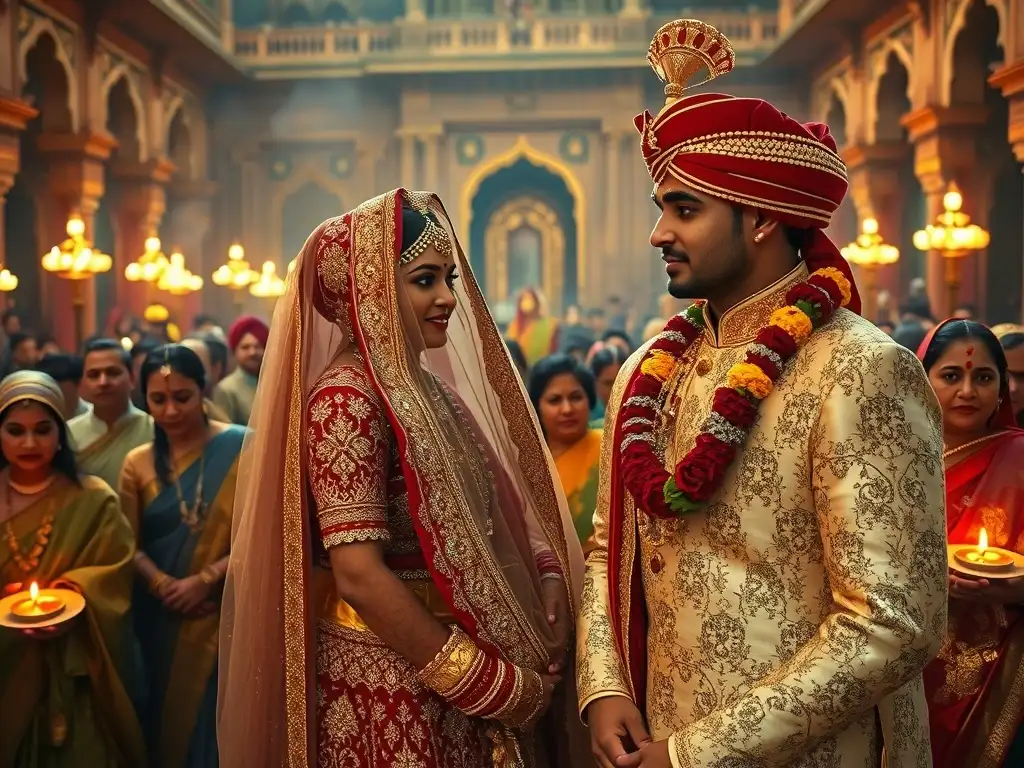
The concept of love intertwined with duty is vividly illustrated in various narratives from ancient Indian texts and historical accounts. These stories reflect the societal values that shaped marriage customs and the expectations placed on individuals within these unions.
Love Stories from Ancient Indian Epics
Ancient Indian epics, particularly the Mahabharata and Ramayana, present profound examples of love and duty that resonate through the ages.
- Ramayana: The tale of Rama and Sita epitomizes the ideal marriage, where duty (dharma) and love coexist harmoniously. Rama's unwavering commitment to honor his father’s word, even at the cost of his happiness, showcases the paramount importance of duty in ancient marriages. Sita, too, displays immense loyalty and courage, standing by Rama during his exile and trials.
- Mahabharata: The relationship between Arjuna and Draupadi illustrates the complexities of love within the framework of duty. Draupadi's polyandrous marriage to the five Pandavas highlights the importance of familial duty and alliance, while also showcasing her love for Arjuna. The intricacies of their relationship reveal how personal desires often had to align with broader familial obligations.
These narratives not only reflect personal relationships but also serve as cultural touchstones that influenced the moral fabric of society.
Historical Figures and Their Marital Dynamics
Historical accounts of prominent figures also shed light on the balance of love and duty in marriages.
- Akbar and Jodha Bai: The Mughal Emperor Akbar’s marriage to Jodha Bai exemplifies a strategic alliance that also blossomed into mutual respect and affection. This union not only strengthened political ties but also fostered cultural exchange, demonstrating how love could flourish within the bounds of duty.
- Rani Durgavati: The fierce queen Durgavati of Gondwana, known for her valor, is a compelling example of a woman who balanced marital duty with her responsibilities as a ruler. Her marriage was not merely a personal bond but a partnership in governance, reflecting the dual roles women often played in ancient Indian society.
These historical examples illustrate that love and duty were not mutually exclusive but often interwoven in complex and nuanced ways.
Lessons Learned from Ancient Marriages
The narratives and historical accounts from ancient India impart valuable lessons about the dynamics of love and duty.
- Commitment to Family: Ancient marriages often prioritized family obligations over personal desires, teaching the importance of commitment and sacrifice in relationships.
- Mutual Respect: Many stories emphasize that love flourishes best when paired with mutual respect and understanding, paving the way for partnerships that endure challenges.
- Cultural Significance: The lessons gleaned from these marriages underscore the cultural significance of marital bonds in maintaining societal structure and harmony.
In essence, these lessons from ancient marriages continue to resonate today, encouraging modern society to reflect on the balance between personal happiness and familial duties.
Evolution of Marriage Customs Over Time
The customs surrounding marriage in ancient India have evolved significantly over the centuries, influenced by various factors including social norms, economic conditions, and cultural exchanges.
Changes in Marital Practices Through the Ages
From the Vedic period through the Gupta Empire, marital practices underwent substantial transformations.
- Vedic Period: Marriages were often based on the principles of swayamvara, where a bride chose her groom from among a group of suitors, indicating a degree of agency in love.
- Medieval Period: With the rise of feudal systems, marriages often became transactional, focusing more on alliances and economic stability than on personal choice or romantic love.
- Modern Era: The introduction of social reform movements in the 19th century began to challenge traditional customs, advocating for love marriages and emphasizing individual choice, which has continued to evolve into contemporary practices.
These changes reflect broader societal shifts, with marriage customs adapting to meet the needs of changing times.
The Impact of Social Reform Movements
Social reform movements, particularly during the 19th and 20th centuries, played a critical role in reshaping marriage customs in India.
- Raja Ram Mohan Roy: A key figure in advocating for women's rights, he campaigned against practices like child marriage and polygamy, promoting the idea of love and consent in marriage.
- The Arya Samaj Movement: This movement encouraged inter-caste marriages and the idea of love marriages, challenging traditional norms and promoting the sanctity of marital bonds based on mutual affection rather than societal obligations.
These reform movements laid the groundwork for a more progressive understanding of marriage, fostering environments where love could flourish alongside duty.
Modern Reflections of Ancient Marriage Customs
In contemporary India, remnants of ancient marriage customs persist, albeit in transformed ways.
- Arranged Marriages: While still prevalent, modern arranged marriages often incorporate elements of choice, allowing individuals to have a say in their partners while still honoring familial involvement.
- Cultural Blending: As globalization influences societal norms, modern marriages reflect a blend of ancient customs and modern values, allowing love and duty to coexist more flexibly.
- Reevaluation of Roles: Today's couples increasingly seek partnerships based on equality, challenging traditional gender roles that often dictated marital dynamics in ancient times.
The evolution of marriage customs illustrates a journey from rigid structures to more adaptable forms that honor both love and duty in diverse ways.
Conclusion: The Enduring Legacy of Ancient Indian Marriage Customs
The marriage customs of ancient India have left an indelible mark on contemporary society, influencing various aspects of marital relationships and cultural practices. These customs were deeply intertwined with the concepts of love and duty, establishing a framework that governed personal relationships and familial obligations. The emphasis on duty often overshadowed personal affection, yet this balance fostered a unique understanding of commitment and partnership that remains relevant today.
Throughout history, the rituals and practices surrounding marriage evolved, reflecting the changing dynamics of society. From the elaborate ceremonies of the Vedic period to the more personalized approaches seen during the Gupta Empire, ancient Indian marriage customs illustrate a rich tapestry of cultural significance. The enduring legacy of these traditions can be seen in modern marriages, where many couples still navigate the dual expectations of love and duty within their relationships.
The Relevance of Love and Duty in Contemporary Marriages
In today’s fast-paced world, the interplay of love and duty in marriage continues to resonate with many couples. While modern relationships often prioritize emotional connection and personal choice, the concept of duty remains integral, particularly in cultures influenced by ancient Indian practices. Responsibilities towards family, community, and traditions often shape marital expectations, highlighting the ongoing relevance of these age-old customs.
Contemporary marriages in India frequently reflect a blend of traditional values and modern ideals. For instance, while couples may choose their partners based on love, they often still honor familial expectations and societal norms. This duality can lead to a richer marital experience, where love is nurtured within the framework of mutual obligations and respect. As society evolves, the challenge lies in finding a harmonious balance between personal desires and collective responsibilities.
Final Thoughts on Ancient Indian Marriage Practices
Ancient Indian marriage practices serve as a reminder of the complexities inherent in human relationships. The historical emphasis on duty alongside love sheds light on the various ways marital bonds were formed and sustained. These customs, rooted in cultural, social, and religious contexts, provide valuable insights into the lives of our ancestors and their understanding of partnership.
As we explore the legacy of these practices, it becomes clear that while the specifics may have changed over the centuries, the fundamental themes of love, duty, and commitment remain timeless. By studying ancient Indian marriage customs, we not only honor the past but also gain perspective on the evolving nature of relationships in our contemporary world.
References
- Doniger, Wendy. The Hindus: An Alternative History. Penguin Press, 2009.
- Nussbaum, Martha C. The Clash Within: Democracy, Religious Violence, and India's Future. Harvard University Press, 2007.
- Sharma, R. S. Indian Society: Institutions and Change. New Delhi: National Book Trust, 2007.
Suggested Readings on Ancient Indian Marriage Customs
- Choudhury, B. "Marriage and Family in Ancient India." Journal of Indian History, vol. 45, no. 2, 2012, pp. 123-145.
- Gupta, R. "Rituals of Love: The Role of Marriage in Ancient Indian Society." The Indian Historical Review, vol. 38, no. 1, 2011, pp. 67-89.
Academic Sources for Further Exploration
- Bhandarkar, D. R. Ancient Indian Marriage. A. B. R. Publishers, 2010.
- Kaur, Harpreet. "The Evolution of Marriage Customs in India: A Historical Perspective." International Journal of Historical Studies, vol. 22, no. 4, 2020, pp. 332-349.
- Introduction to Ancient Indian Marriage Customs
- Historical Context of Ancient Indian Marriages
- The Role of Love in Ancient Indian Marriages
- The Concept of Duty in Ancient Indian Marriages
- Case Studies: Notable Examples of Love and Duty
- Evolution of Marriage Customs Over Time
- Conclusion: The Enduring Legacy of Ancient Indian Marriage Customs
- References
Frequently Asked Questions
What were the primary marriage customs in ancient India?
Ancient Indian marriage customs varied widely but often emphasized arranged marriages, where families played a significant role in selecting partners based on social status and compatibility.
Marriages in ancient India often reinforced social hierarchies. Families from higher castes typically arranged marriages within their social class to maintain or enhance their status in society.
What role did dowries play in ancient Indian marriages?
Dowries were a common practice where the bride's family provided gifts or money to the groom's family. This tradition was intended to ensure the bride's security and enhance the family's social standing.
Were there any religious rituals associated with ancient Indian marriages?
Yes, ancient Indian marriages involved numerous religious rituals and ceremonies, such as the Saptapadi, where the couple would take seven steps together, symbolizing their commitment to each other and their duties.
How did ancient Indian marriages balance love and duty?
In ancient India, marriages often emphasized duty and familial obligations over romantic love. However, many couples developed love and companionship over time, navigating the intersection of affection and responsibility.
Final Reflection: The Enduring Legacy of Love and Duty in Ancient Indian Marriages
The exploration of ancient Indian marriage customs reveals a profound interplay between love and duty that remains relevant today. In a world where relationships are often defined by individual desires and modern expectations, the historical context of marriage in ancient India reminds us of the intricate balance between personal affection and societal obligations. This duality not only shaped the lives of countless individuals in the past but continues to influence contemporary discussions about commitment and partnership.
The customs surrounding ancient Indian marriages have left an indelible mark on our cultural and social landscape. They serve as a reminder that love is not merely an emotion but also a responsibility that binds families and communities together. The wisdom of our ancestors echoes in the words of the great poet Kalidasa, who said, “Love is not merely a feeling; it is a commitment to the well-being of another.” This perspective invites us to reflect on how our own relationships can embody both passion and duty, fostering deeper connections that transcend mere romantic notions.
As we contemplate the lessons from ancient Indian marriage customs, I invite you to reflect on your own relationships and the balance of love and duty within them. Consider how you can integrate these timeless values into your life, nurturing connections that honor both personal affection and shared responsibilities. By doing so, we not only honor the legacy of those who came before us but also pave the way for a future where love is celebrated as a powerful force that binds us together in duty and devotion.
Embrace the Balance of Love and Duty!
Thank you for exploring the intricate dynamics of love and duty in ancient Indian marriages. Your engagement with this rich topic not only broadens your understanding but also inspires a deeper appreciation for historical perspectives. Now, let's take these insights to heart and apply them to our own lives.
- Reflect on your relationships: Take a moment to consider how you balance love and responsibility in your personal connections. Think about ways you can further nurture this balance.
- Share your thoughts: Engage with friends or family about your interpretations of love and duty. Discussing these concepts can foster a richer understanding and encourage meaningful conversations.
- Discover more: Explore our website for articles and resources that delve deeper into various aspects of ancient Indian culture. You might find surprising insights that resonate with contemporary life!
As you ponder these actions, consider this: How can you embody the principles of love and duty in your own relationships today?