
The Role of Priests: Spiritual Labor and Its Societal Impact

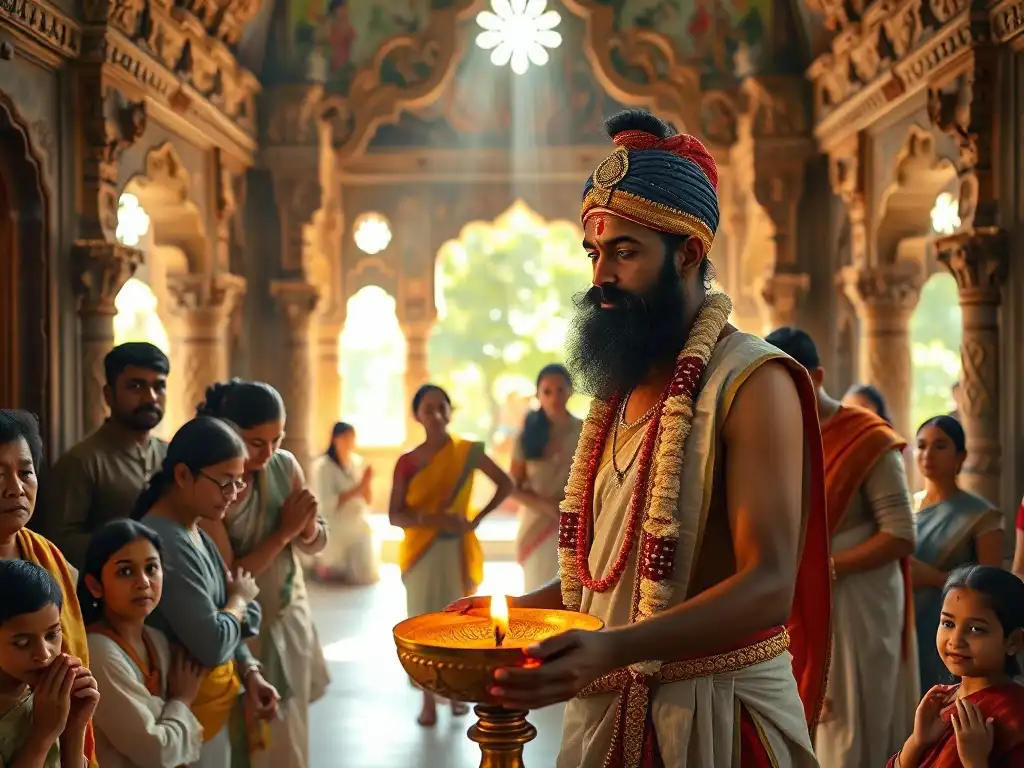
Welcome to Ancient India History, where we embark on a fascinating journey through the intricate tapestry of one of the world's oldest civilizations. In this exploration, we delve into the pivotal role of priests in ancient Indian society, uncovering how their spiritual labor shaped not only religious practices but also the very fabric of daily life and social structure. What influence did these spiritual leaders wield in the courts and communities of the past?
Join us as we unravel the profound impact of their contributions, inviting you to discover the layers of tradition and culture that continue to resonate today. Dive deeper into our latest article, "The Role of Priests: Spiritual Labor and Its Societal Impact," and let your curiosity guide you through the centuries of rich history waiting to be revealed.
-
The Role of Priests in Ancient Indian Society: Spiritual Labor and Its Societal Impact
- Understanding the Role of Priests in Ancient Indian Society
- Historical Context of Priests in Ancient Indian Civilizations
- The Spiritual Responsibilities of Priests
- Societal Impact of Priests in Ancient Indian Society
- The Interrelation of Priests and Politics in Ancient India
- Challenges Faced by Priests in Ancient Indian Society
- Conclusion: The Lasting Legacy of Priests in Ancient Indian Society
- References and Further Reading on Priests in Ancient Indian Society
-
Frequently Asked Questions
- What was the role of priests in ancient Indian society?
- How did spiritual labor influence ancient Indian culture?
- What were the qualifications required to become a priest?
- How did the role of priests evolve during different periods in ancient India?
- What impact did priests have on the social hierarchy in ancient India?
- Final Reflection: The Enduring Influence of Priests in Ancient Indian Society
- Embrace the Spiritual Journey Today!
The Role of Priests in Ancient Indian Society: Spiritual Labor and Its Societal Impact

The role of priests in ancient Indian society is a fascinating exploration into the intertwining of spirituality, culture, and governance. As custodians of religious rituals, spiritual guides, and advisors to rulers, priests held a significant position that influenced various aspects of daily life and societal structure.
Their functions went beyond mere religious observance; they were integral to the social fabric, playing a pivotal role in the establishment of moral codes, community cohesion, and the dissemination of knowledge. This article delves into the multifaceted responsibilities of priests, the historical evolution of their roles, and their profound impact on ancient Indian civilizations, from the advanced urban centers of the Indus Valley to the philosophical developments during the Gupta Empire.
Understanding the Role of Priests in Ancient Indian Society
Definition of Priests and Spiritual Labor
In ancient India, priests, known as Brahmins, were individuals tasked with performing sacred rituals and maintaining the spiritual well-being of society. Their labor was seen as a vital link between the divine and the earthly realms, encompassing various duties that included conducting sacrifices (yajnas), teaching scriptures, and imparting spiritual knowledge to the community. The concept of spiritual labor here refers not only to the performance of rituals but also to the moral and ethical guidance they provided, shaping societal values and norms.
Overview of Priestly Functions in Ancient India
The duties of priests in ancient India were diverse and critical to the functioning of society. Their primary responsibilities included:
- Conducting Rituals: Priests led various religious ceremonies, from daily offerings to grand festivals, ensuring the appeasement of deities.
- Teaching and Preservation of Knowledge: They were the custodians of sacred texts, responsible for their memorization, recitation, and interpretation.
- Advising Rulers: Priests often served as counselors to kings and leaders, guiding them in moral and ethical decision-making based on religious principles.
- Social Regulation: By establishing and enforcing societal norms, priests played a role in maintaining order and harmony within communities.
Historical Context of Priests in Ancient Indian Civilizations
The Emergence of Priests in the Indus Valley Civilization
The origins of priestly roles can be traced back to the Indus Valley Civilization (circa 3300–1300 BCE), where archaeological findings suggest that ritual practices were already in place. Structures resembling altars and the presence of figurines associated with fertility and worship indicate that spiritual leaders likely existed to oversee these practices. However, the exact nature and hierarchy of these early priests remain largely speculative due to the limited decipherable evidence.
The Evolution of Priestly Roles during the Vedic Period
With the onset of the Vedic Period (circa 1500–500 BCE), the role of priests became more defined and institutionalized. The Vedas, which are the oldest sacred texts of Hinduism, outlined specific rituals and the responsibilities of priests. This era saw the emergence of distinct classes of priests, including the Hotri (who recited hymns), Adhvaryu (who performed the rituals), and Udgatri (who sang the Vedic chants). This stratification highlighted the increasing complexity of religious practices and the growing importance of priests in society.
Influence of the Upanishads on Priestly Duties
The Upanishads, philosophical texts composed towards the end of the Vedic Period, further transformed the role of priests by emphasizing spiritual knowledge and the quest for enlightenment. They shifted the focus from mere ritualistic practices to the pursuit of understanding the ultimate reality (Brahman). This shift not only elevated the status of priests as spiritual guides but also led to a broader interpretation of their duties, which included teaching students (shishyas) about the nature of existence and the path to liberation (moksha).
Priests in ancient Indian society played a crucial role that encompassed spiritual, educational, and advisory functions. Their evolution from ritual leaders in the Indus Valley to pivotal figures during the Vedic and Upanishadic periods exemplifies the significant impact they had on shaping the moral and spiritual landscape of ancient India.
The Spiritual Responsibilities of Priests
In ancient Indian society, priests held a pivotal role, primarily centered around spiritual responsibilities that were essential for maintaining the religious and cultural fabric of the community. Their duties encompassed a wide range of activities dedicated to the worship of deities, performance of rituals, and the guidance of individuals in spiritual matters. The spiritual labor of priests was not merely about conducting ceremonies; it involved an intricate understanding of religious texts, deep devotion, and a commitment to ensuring that the divine will was honored through prescribed rituals.
Priests were seen as intermediaries between the divine and the laypeople, a role that necessitated a high degree of respect and reverence from society. Their influence extended beyond rituals to include moral guidance, offering counsel to individuals facing personal challenges, and facilitating community cohesion through collective religious observances. The multifaceted nature of their responsibilities underscores the significant role priests played in shaping the spiritual landscape of ancient Indian civilization.
Rituals and Sacrifices: The Core Duties of Priests
Among the core duties of priests were the performance of rituals and sacrifices, which were considered essential for appeasing the deities and ensuring prosperity for the community. These rituals ranged from daily offerings to elaborate ceremonies held during festivals and significant life events, such as marriages, births, and funerals. Each ritual was meticulously prescribed in ancient texts, with priests trained to execute them precisely to adhere to the divine order.
Sacrifices, particularly, were a vital aspect of Vedic rituals. The priests had to possess a profound understanding of the symbolism behind each offering and the correct procedures to invoke the desired blessings. The effectiveness of these rituals was believed to hinge on the priests' spiritual purity and their ability to connect with divine forces, emphasizing their critical role in ancient Indian spiritual life.
The Role of Priests in Temples and Sacred Spaces
Temples and sacred spaces served as the epicenters of religious life in ancient India, with priests occupying central positions in their functioning. They were responsible for the maintenance of temples, overseeing daily worship, and ensuring that the sanctity of these spaces was preserved. The architectural grandeur of temples was often accompanied by rituals that enhanced their spiritual significance, with priests facilitating this essential connection between the divine and the devotees.
Priests also played a crucial role in organizing religious festivals held at temples, which were not only spiritual events but also significant social gatherings. These festivals brought communities together, reinforcing social bonds and cultural traditions. The role of priests in temples was, therefore, not limited to spiritual duties; it also encompassed the management of community life and the promotion of collective identity through shared religious experiences.
Preservation of Sacred Texts and Knowledge
An often-overlooked responsibility of priests was the preservation of sacred texts and knowledge. Priests were the custodians of ancient scriptures, including the Vedas, Upanishads, and various Puranas, which contained essential teachings, rituals, and philosophical insights. They were tasked with the oral transmission of this knowledge, ensuring its survival across generations in an era when written texts were scarce.
Through their role as educators, priests not only preserved religious and philosophical knowledge but also imparted ethical and moral teachings to their communities. Their involvement in education contributed significantly to the intellectual heritage of ancient India, laying the groundwork for further philosophical discourse and religious thought.
Societal Impact of Priests in Ancient Indian Society
The societal impact of priests in ancient Indian society was profound, influencing various facets of daily life, culture, and social structure. Their spiritual responsibilities did not exist in isolation; rather, they intertwined with the broader social dynamics of the time, shaping both individual lives and collective identity.
Priests as Custodians of Culture and Tradition
As custodians of culture and tradition, priests played a vital role in transmitting cultural values and practices through generations. Their involvement in rituals and ceremonies helped reinforce community cohesion and a shared sense of identity among the people. Festivals and religious observances facilitated by priests were not just spiritual events; they served as platforms for social interaction, celebration, and the reinforcement of cultural narratives.
The rituals performed by priests often included elements of storytelling, music, and dance, further embedding cultural expressions within religious practices. Thus, priests were not only spiritual leaders but also cultural ambassadors, safeguarding the rich heritage of ancient Indian civilization.
Influence of Priests on Social Hierarchies and Class Systems
Priests significantly influenced social hierarchies and class systems in ancient India. Their elevated status, rooted in their spiritual authority, often placed them at the top of the social order, particularly within the varna system. This system classified society into four main groups: Brahmins (priests), Kshatriyas (warriors), Vaishyas (traders), and Shudras (laborers). The Brahmins, as priests, were entrusted with performing rituals and preserving sacred knowledge, which reinforced their dominant position.
However, this influence also came with responsibilities, as priests were expected to uphold moral and ethical standards within society. Their interpretations of sacred texts and teachings could shape societal norms, thereby impacting class relations and the distribution of power within the community.
The Economic Role of Priests: Land Ownership and Wealth Accumulation
In addition to their spiritual and societal roles, priests also played a significant economic part in ancient Indian society. Many temples were vast landowners, and priests often managed these lands, which generated income through agriculture, donations, and offerings from devotees. This economic power allowed priests to accumulate wealth, which in turn reinforced their status and influence within society.
The wealth generated by temples facilitated the construction of elaborate structures, promotion of arts, and support for community welfare activities. Moreover, the economic activities associated with temples provided livelihoods for various artisans, traders, and laborers, demonstrating the interconnectedness of spiritual and economic life in ancient India. This dual role of priests as both spiritual leaders and economic powerhouses underscores the complexity of their impact on ancient Indian society.
The Interrelation of Priests and Politics in Ancient India
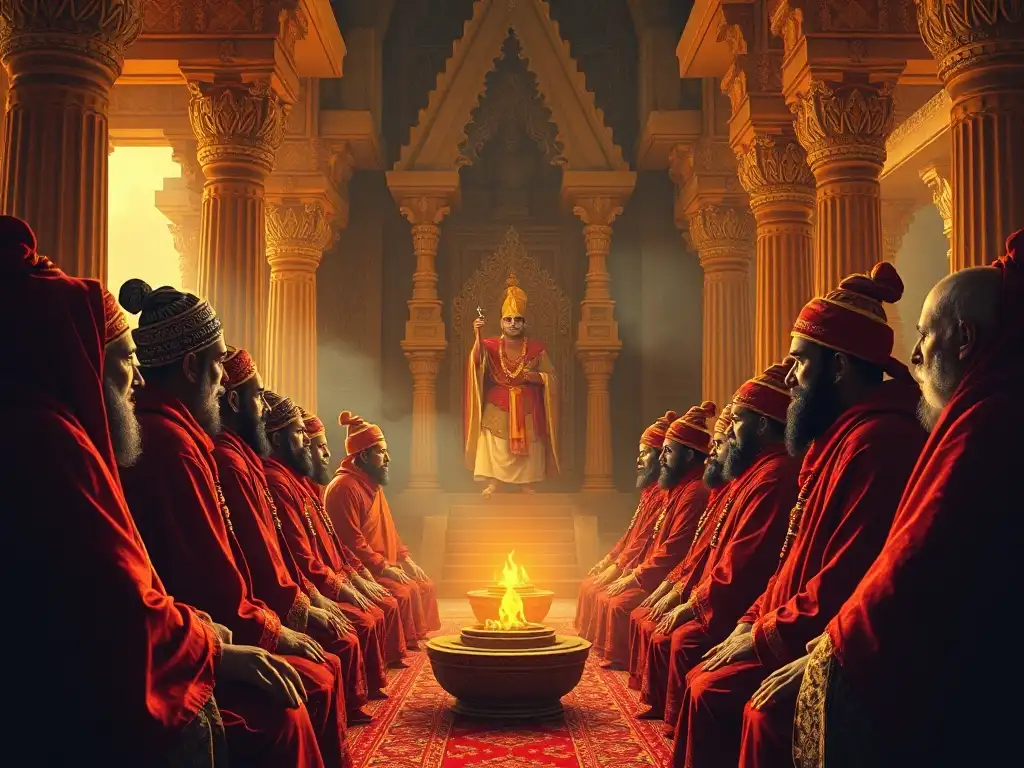
In ancient Indian society, the role of priests transcended mere spiritual duties, intertwining closely with politics and governance. The priestly class held significant power as mediators between the divine and the earthly realm, shaping not only religious practices but also influencing political decisions and statecraft. The intertwining of religion and politics established a framework where priests were often seen as the custodians of moral and ethical standards, guiding rulers in their governance. Their interpretations of sacred texts and rituals were pivotal in legitimizing the authority of kings, thus solidifying the power of the priestly class within the socio-political landscape.
Priests as Advisors to Kings and Rulers
Priests served as essential advisors to kings and rulers, often playing crucial roles in decision-making processes. They were responsible for conducting rituals that sought divine favor, which was believed to ensure the prosperity of the state. The counsel of priests was sought in matters of war, diplomacy, and even daily governance.
Their extensive knowledge of religious texts and rituals made them invaluable in maintaining the social order and legitimacy of the ruler's authority. For instance, during the Mauryan Empire, it is well-documented that rulers like Ashoka relied on Buddhist monks for guidance, showcasing the direct influence of priests in shaping political ideologies and policies.
The Role of Religion in Governance and Law
The governance of ancient Indian states was deeply rooted in religious principles, with laws often derived from dharma, the moral law that governs individual conduct. Priests played a key role in interpreting dharma, which was integral to the legal system. They conducted rituals that reinforced the social hierarchy and societal norms, thereby affecting lawmaking and enforcement.
The Manusmriti, a key ancient legal text, exemplifies this intertwining of law and religion, outlining social duties and legal obligations guided by the priestly class. Thus, the fusion of religious authority and legal structures created a stable governance framework that upheld the societal order.
Challenges Faced by Priests in Ancient Indian Society
Despite their influential position, priests faced numerous challenges within ancient Indian society. The evolving socio-political landscape brought about shifts that tested their traditional roles and authority.
Societal Changes and the Decline of Traditional Roles
As Indian society evolved, particularly with the rise of new kingdoms and changing trade dynamics, the authority of priests began to wane. The emergence of new social classes, along with the increasing importance of merit-based systems, challenged the hereditary priestly class. The decline of the Vedic traditions and the rise of other philosophical schools, such as Buddhism and Jainism, further marginalized traditional priestly roles. This transformation was marked by a shift towards more egalitarian beliefs, leading to decreased dependence on priests for spiritual guidance and ritual practices.
Conflicts with Emerging Philosophies and Religions
The rise of competing philosophies and religions posed significant challenges to the traditional priestly authority. Buddhism and Jainism, with their emphasis on personal spiritual experience over ritualistic practices, began to attract followers away from the Vedic traditions. This shift not only diminished the influence of priests but also led to ideological conflicts.
Priests found themselves in opposition to these emerging beliefs, which often criticized the established social order and the role of rituals in achieving spiritual goals. Such conflicts resulted in a dynamic tension within society, as new religious movements sought to redefine spiritual authority outside the traditional priestly framework.
Conclusion: The Lasting Legacy of Priests in Ancient Indian Society
The role of priests in ancient Indian society was pivotal, shaping the spiritual, cultural, and social frameworks that governed daily life. They were not only intermediaries between the divine and the people but also played a crucial part in the administration of rituals, education, and the perpetuation of tradition. As custodians of sacred knowledge, priests influenced the moral and ethical dimensions of society, leaving a legacy that resonates even today.
The complex web of their interactions with various social classes, including rulers and commoners, illustrates the profound impact they had on governance, law, and societal norms. Their rituals and teachings fostered a sense of community and identity, essential for the cohesion of the diverse populations within ancient India. Over centuries, the contributions of these spiritual leaders have shaped religious practices and cultural values, creating a rich tapestry that continues to influence contemporary Indian society.
The Enduring Influence of Priests on Modern Indian Culture
The influence of ancient priests extends into modern India in various forms. Many contemporary religious practices and festivals can be traced back to the rituals and ceremonies established by these early spiritual leaders. For instance, the role of priests in Hindu temples remains significant, as they continue to perform rituals that are integral to the spiritual lives of millions.
Moreover, the teachings and philosophies that priests propagated—such as concepts of dharma (duty), karma (action and consequence), and moksha (liberation)—still permeate the cultural and moral fabric of Indian society today. The educational systems initiated by priests, particularly in the form of Gurukuls, have evolved into modern educational institutions that aim to blend spiritual learning with contemporary knowledge.
In addition, the caste system, which has roots in ancient societal structures involving priests, continues to affect social dynamics in modern India. Despite ongoing efforts for reform, the historical roles of priests have contributed to the complexities of social stratification that are still relevant today.
Reflection on Spiritual Labor and Its Importance in Society
Spiritual labor, as embodied by priests in ancient India, encompasses much more than mere ritualistic duties. It represents a vital component of societal health, fostering a sense of purpose and belonging among individuals. The priests' engagement in spiritual labor facilitated the cultivation of community ties and collective identity, essential for social stability and cohesion.
Moreover, spiritual labor contributed to the moral and ethical guidance of society. Priests served as advisors and counselors, shaping the values and behaviors of individuals and communities alike. Their involvement in various aspects of life—from birth rituals to funerary rites—underscored the importance of spirituality in human existence and the continuity of cultural traditions.
In reflecting on spiritual labor, it is evident that its significance transcends the religious domain; it plays a crucial role in addressing the psychological and emotional needs of individuals. The rituals and teachings offered by priests provided comfort, hope, and a sense of direction, factors that are essential for navigating the challenges of life.
References and Further Reading on Priests in Ancient Indian Society
- Altekar, A. S. (1959). The Position of Women in Hindu Civilization: From Prehistoric Times to the Present Day. Delhi: Motilal Banarsidass.
- Basham, A. L. (1954). The Wonder That Was India. London: Sidgwick & Jackson.
- Doniger, Wendy. (2009). The Hindus: An Alternative History. New York: Penguin Press.
- Jha, D. N. (2004). Ancient India: An Historical Outline. Delhi: Orient Longman.
- Sharma, R. S. (2000). Indian Feudalism: c. 300-1200 A.D.. Delhi: Macmillan India.
- Thapar, Romila. (2002). Early India: From the Origins to A.D. 1300. Berkeley: University of California Press.
Frequently Asked Questions
What was the role of priests in ancient Indian society?
Priests played a crucial role in ancient Indian society by serving as intermediaries between the divine and the people. They conducted rituals and sacrifices, thus maintaining the spiritual order and societal norms.
How did spiritual labor influence ancient Indian culture?
Spiritual labor performed by priests influenced various aspects of culture, including art, literature, and philosophy. Their teachings and rituals helped shape the moral and ethical frameworks of society.
What were the qualifications required to become a priest?
To become a priest, individuals typically needed to undergo extensive training in sacred texts and rituals. Knowledge of Vedic scriptures and the ability to perform complex ceremonies were essential qualifications.
How did the role of priests evolve during different periods in ancient India?
Over time, the role of priests evolved from local community spiritual leaders to influential figures in royalty and administration, especially during the Gupta Empire, where they gained significant political power.
Priests were often placed at the top of the social hierarchy, reinforcing the caste system. Their influence shaped social norms and determined ritualistic practices, establishing a framework for social order in ancient Indian society.
Final Reflection: The Enduring Influence of Priests in Ancient Indian Society
The role of priests in ancient Indian society was not merely a function of religious duty but a cornerstone of cultural and social stability. Today, as we navigate a world increasingly defined by rapid change and uncertainty, the insights gleaned from the spiritual labor of priests resonate profoundly. Their influence, rooted in tradition and community, serves as a reminder of the vital connection between spirituality and societal cohesion. In an era where many seek meaning and purpose, the lessons from the past about the role of priests remain strikingly relevant.
Cultural and social landscapes are shaped by the narratives we uphold, and the legacy of priests in ancient India is a testament to this truth. Their roles extended beyond the temple walls, influencing education, governance, and community welfare. As noted by historian Romila Thapar, “The priestly class was not just a religious authority but also a custodian of knowledge and tradition.” This observation underscores how priests were integral to the preservation of cultural identity, fostering a sense of belonging and continuity that transcended generations.
As we reflect on the teachings and societal contributions of priests, let us consider how we can embody their spirit of service and commitment in our own lives. Take a moment to think about the ways you can contribute to your community, whether through acts of kindness, sharing knowledge, or fostering connections. By embracing the values exemplified by priests in ancient Indian society, we can cultivate a more compassionate and interconnected world, ensuring that the legacy of spiritual labor continues to inspire future generations.
Embrace the Spiritual Journey Today!
Thank you for taking the time to explore the profound role of priests in shaping both spiritual and societal landscapes in ancient India. Your engagement with this topic illuminates the rich tapestry of history and its impact on our present. Now, let’s take this exploration further!
Here are some inspiring steps you can take:
- Dive deeper into history: Visit your local library or explore online resources to uncover ancient texts and historical accounts that provide insight into the lives of priests.
- Join a discussion group: Connect with individuals who share your passion for spirituality and history—engage in meaningful conversations, whether in person or through online communities.
- Share your thoughts: Write an article or social media post reflecting on the role of priests in contemporary society—initiate a dialogue that encourages others to share their perspectives!
As you reflect on the complexities of spiritual labor, consider this: How do the roles of spiritual leaders in ancient times compare to those of today, and what implications does that hold for our modern society?