
Family and Community: The Social Fabric of Ancient Indian Life

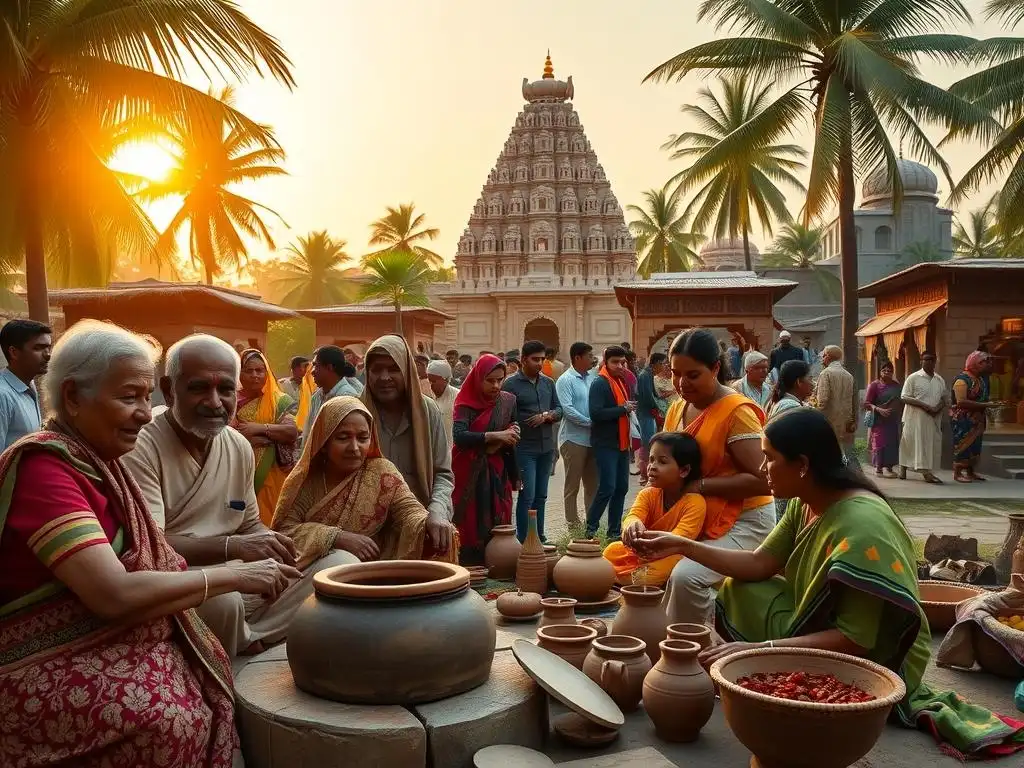
Welcome to Ancient India History, where we embark on a fascinating journey through the intricate tapestry of ancient Indian civilizations. Today, we delve into the social structure of ancient India, a vital aspect that shaped the daily lives and interactions of its people. How did family bonds and community ties influence the cultural landscape from the Indus Valley to the Gupta Empire? Unravel the threads of history that connect us to this rich past, and discover the profound contributions of these societies. Prepare to explore the foundations of a vibrant civilization that still resonates in modern times!
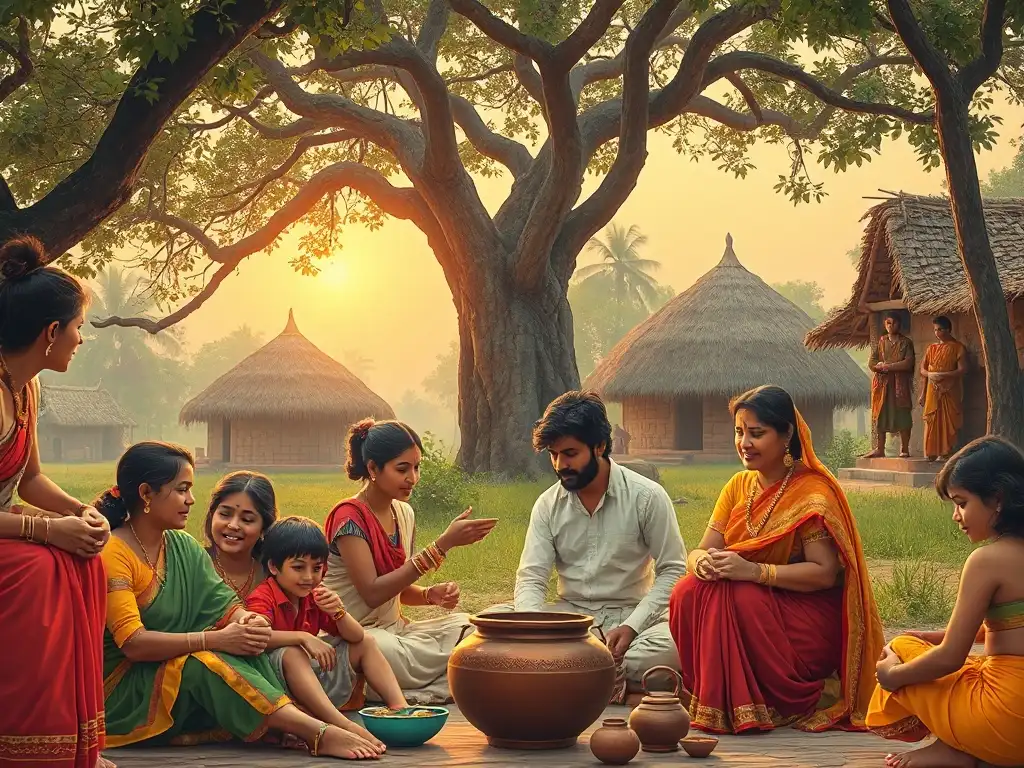
The social structure of ancient India was intricately woven into the daily lives of its people, reflecting a rich tapestry of family dynamics and community relationships. This article delves into the essential role that family and community played in shaping the social fabric of ancient Indian civilization, spanning from the early Indus Valley settlements to the flourishing Gupta Empire.
Understanding the social structure of ancient India is vital, as it provides insights into how familial ties influenced societal norms, cultural practices, and governance. Through examining familial roles, hierarchies, and communal bonds, we can uncover the foundational elements that sustained these ancient societies and continue to resonate in contemporary Indian life.
At the core of ancient Indian society was a complex social structure characterized by various familial and communal relationships. Families were not merely units of biological kinship; they served as the cornerstone of social organization, influencing every aspect of life, from economic transactions to spiritual practices. The social structure was deeply intertwined with the caste system, which further defined individuals' roles within their families and communities. This hierarchical organization dictated interactions between different groups, shaping the values and customs that governed daily life.
The Role of Family in Ancient Indian Society
Families in ancient India were central to the maintenance of social order and cultural continuity. They provided emotional support, economic stability, and a framework for socialization. The family unit was often extended, encompassing not just immediate relatives but also a broader network of kin, including uncles, aunts, and cousins. This interconnectedness fostered a sense of belonging and reinforced communal ties.
Types of Family Structures in Ancient India
- Nuclear Families: Typically consisting of parents and their children, nuclear families were common in urban areas, where economic activities required more mobility and flexibility.
- Joint Families: More prevalent in rural settings, joint families included multiple generations living under one roof, sharing resources and responsibilities. This structure promoted collective decision-making and mutual support.
- Extended Families: These included a larger network of relatives, often living close to one another, which facilitated strong familial bonds and cooperation in agricultural practices and other communal activities.
Family Hierarchies and Their Impact
Family hierarchies played a significant role in shaping the dynamics within households. The elder members often held authority, guiding decisions regarding marriage, education, and inheritance. This hierarchical structure ensured the transmission of traditions and values across generations, contributing to the stability of society as a whole.
The family in ancient India was not only a personal unit but a pivotal component of the larger social structure. Understanding these dynamics provides valuable context for the broader historical and cultural developments of ancient Indian civilizations.
Community Life in Ancient India
Community life in ancient India was characterized by a complex interplay of social, economic, and cultural factors that shaped the daily experiences of individuals and families. Villages often served as the foundational units of society, where members of the community engaged in various agricultural and artisanal activities. The communal living arrangement fostered a sense of solidarity and cooperation, allowing families to share resources, labor, and knowledge. Festivals, rituals, and communal gatherings played a significant role in reinforcing social bonds and cultural identity, ensuring that traditions were passed down through generations.
Moreover, community life was influenced by geographical and environmental factors. For instance, the agrarian communities in the fertile plains of the Indus Valley thrived on agriculture, while those in arid regions developed unique adaptations such as pastoralism. Each community's lifestyle was intricately linked to its surroundings, leading to diverse practices and customs that reflected their specific contexts. This diversity enriched the social fabric of ancient India, creating a mosaic of cultures that contributed to the richness of Indian civilization.
Understanding Community Structures
The structure of communities in ancient India was often hierarchical and governed by various social norms. Each community was typically led by a headman or a council of elders, who were responsible for making decisions and resolving disputes. This leadership was crucial in maintaining order and ensuring the welfare of the community members.
Communities were often organized around kinship ties, where extended families formed the core of societal interactions. Clusters of related families would live close to each other, strengthening their bonds through shared responsibilities and mutual support. The roles within these communities were clearly defined, with individuals contributing according to age, gender, and skill. Men often took on roles related to agriculture and trade, while women were primarily responsible for household tasks, although they also participated in economic activities such as weaving and pottery.
The Interrelationship Between Family and Community
The relationship between family and community in ancient India was symbiotic and deeply intertwined. Families relied on the community for support in various ways, including economic assistance, childcare, and social interactions. Similarly, the community relied on families to uphold cultural traditions, participate in communal activities, and contribute to the collective welfare.
Rituals and festivals often served as a bridge between family and community life, bringing together individuals from different families to celebrate shared beliefs and values. These gatherings reinforced social bonds and provided opportunities for families to strengthen their networks. Additionally, during times of crisis, such as famine or illness, families turned to their communities for help, highlighting the importance of collective solidarity in ensuring survival and resilience.
The social structure of ancient India was marked by distinct classes that significantly influenced family dynamics and community interactions. The division of society into various social strata shaped the roles and responsibilities assigned to individuals within families and communities.
The broader social hierarchy often dictated marriage practices, inheritance rights, and social mobility, creating a framework within which families operated. This stratification not only affected the economic opportunities available to families but also influenced their social status and interactions with other groups.
Caste System and Its Impact on Family Life
The caste system was a defining feature of the social structure in ancient India, establishing a rigid hierarchy among different groups. Each caste had specific duties and responsibilities, which were often hereditary. This system profoundly impacted family life, as marriages were typically arranged within the same caste to preserve social status and maintain cultural traditions.
Families belonging to higher castes often enjoyed greater privileges and access to resources, while those in lower castes faced discrimination and limited opportunities. The caste system also enforced strict regulations on social interactions, influencing who families could associate with and the nature of their relationships. This segregation not only reinforced social divisions but also shaped the community's fabric, as inter-caste relationships were often frowned upon or outright prohibited.
Economic Roles within Families and Communities
Economic roles within ancient Indian families and communities were closely linked to the social structure and local customs. Families often engaged in specific occupations based on their caste and community affiliations. For instance, agricultural families contributed to the agrarian economy, while artisan families specialized in crafts such as pottery, weaving, or metalwork.
These roles were vital for the sustainability of both families and communities, as the success of one often depended on the productivity of others. Bartering and trade within the community facilitated economic exchanges, allowing families to access goods and services that were not locally available. Furthermore, the economic contributions of each family were integral to the community's overall prosperity, highlighting the interconnectedness of individual and collective well-being in ancient Indian society.
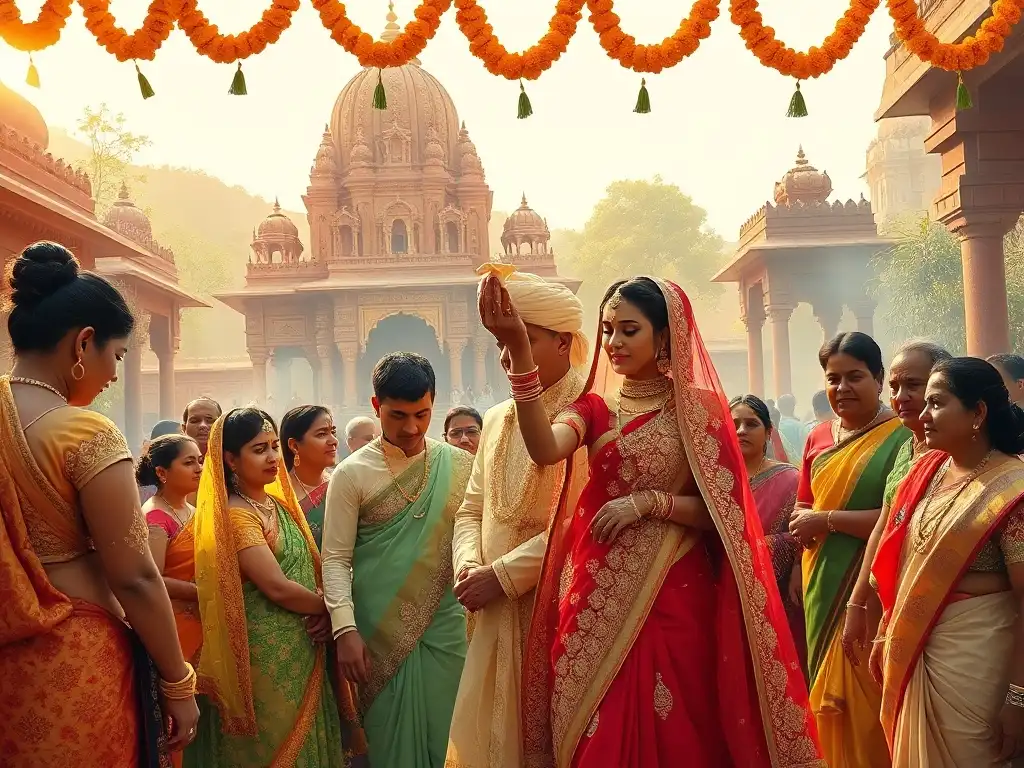
Marriage in ancient India was not merely a personal affair but a significant social institution that reflected the intricate social structure of ancient India. The customs and practices surrounding marriage served to strengthen familial ties and establish alliances between different communities. This practice was deeply intertwined with the caste system, which played a pivotal role in determining marital choices.
Marriages were often arranged by families, emphasizing the importance of social status, caste, and family lineage. The concept of swayamvara, where a bride chose her groom from a group of suitors, was a notable exception, highlighting the varying degrees of agency women had in marriage. The implications of these marriage practices extended beyond the couple, fostering connections between families and communities, thereby reinforcing the social fabric.
Traditional Marriage Customs in Ancient India
The traditional marriage customs in ancient India were diverse, varying significantly across different regions and communities. Common elements included rituals such as the kanyadaan (the giving away of the bride) and saptapadi (the seven steps taken by the couple together), which symbolized their commitment to each other and their families.
In many communities, the marriage ceremony was an elaborate affair, often lasting several days and involving numerous rituals. The use of specific colors, blessings from elders, and communal participation reflected the collective nature of marriage, where the entire community played a role in the celebration. Additionally, the significance of astrology in determining auspicious dates for marriage illustrated how deeply intertwined personal relationships were with cultural beliefs.
The Importance of Dowry and Its Cultural Context
Dowry, known as stridhan, was a prominent aspect of marriage in ancient India and had deep cultural roots. It typically included cash, property, and goods given to the groom's family by the bride's family, serving multiple social functions. On one hand, it was seen as a means of ensuring the bride's financial security, while on the other, it often reinforced patriarchal structures and gender inequality.
The cultural context of dowry also reflected the social status of families; wealthier families often provided larger dowries, thereby influencing marital alliances and social dynamics. Over time, the practice of dowry faced criticism and scrutiny due to its association with social issues such as dowry harassment and violence. This highlights the evolving nature of marriage practices and their implications on the social structure of ancient India.
The social structure of ancient India was intricately woven through family and community practices, with marriage serving as a critical nexus for social cohesion and cultural identity. Traditional customs, the significance of dowry, and the communal nature of marriage reflect how deeply embedded these practices were in the societal framework.
These elements not only shaped individual lives but also influenced broader social dynamics, including caste relations and gender roles. Understanding the marriage practices of ancient India provides valuable insights into the complexities of its social fabric, revealing a rich tapestry of customs that continue to influence modern societal structures.
Further Reading and Resources
To deepen your understanding of the social structure of ancient India, consider exploring the following resources that delve into family dynamics, community interactions, and the broader societal framework of ancient Indian civilizations:
-
Books:
-
"The Wonder That Was India" by A.L. Basham
This classic work offers a comprehensive overview of ancient Indian civilization, touching upon various aspects of social structure, including family roles and community life.
-
"Ancient India: Culture and Civilization" by R. C. Majumdar
This book provides an in-depth analysis of the social, cultural, and economic aspects of ancient Indian life, with dedicated sections on family and community practices.
-
-
Academic Journals:
-
Journal of Ancient Indian History
This scholarly journal publishes articles that explore various facets of ancient Indian society, including detailed studies on family structures and social organization.
-
Indian Historical Review
This journal includes research papers that examine the historical context of family and community life in ancient India, offering insights from various archaeological and literary sources.
-
-
Online Resources:
-
Digital South Asia Library
A valuable resource that provides access to texts, images, and maps related to ancient Indian history, including social structures and family traditions.
-
Ancient India: A Historical Overview (NPTEL)
An online course that covers various aspects of ancient Indian history, including modules specifically focused on social structures and family dynamics.
-
-
Documentaries and Lectures:
-
"The Story of India" by Michael Wood
This BBC documentary series explores the history of India, with episodes dedicated to ancient civilizations and their social structures.
-
Lecture Series on Ancient Indian History (YouTube)
Many universities and historians share free lectures that provide insights into the social fabric of ancient Indian life, including family roles and community interactions.
-
-
Research Databases:
-
JSTOR and Project MUSE
These platforms offer access to a plethora of academic articles and books focused on the social structure of ancient India, including studies on family and community life.
-
By exploring these resources, readers can gain a richer understanding of the intricate social fabric that characterized ancient Indian life, shedding light on the significance of family and community within this historical context.
- Introduction to the Social Structure of Ancient India
- The Role of Family in Ancient Indian Society
- Community Life in Ancient India
- Social Classes and Their Influence on Family and Community
- Marriage Practices and Their Social Implications
- Conclusions on the Social Fabric of Ancient Indian Life
- Further Reading and Resources
- What was the social structure of ancient India like?
- How did family play a role in ancient Indian society?
- What were the key cultural contributions of ancient Indian civilizations?
- How did community life affect the social dynamics of ancient India?
- What role did religion play in the social structure of ancient India?
Frequently Asked Questions
The social structure of ancient India was complex and hierarchical, characterized by the caste system, which divided society into distinct groups based on occupation and social status.
How did family play a role in ancient Indian society?
The family was the fundamental unit of society, influencing social norms and values, and often determining an individual's caste, occupation, and marriage prospects.
What were the key cultural contributions of ancient Indian civilizations?
Ancient Indian civilizations made significant contributions in various fields such as mathematics, science, literature, and art, which shaped not only Indian culture but also influenced the world.
Community life fostered a sense of belonging and identity, reinforcing the social hierarchy and facilitating cooperation in agricultural activities, festivals, and religious practices.
Religion was integral to the social structure, influencing laws, customs, and daily life, and often serving as a means of maintaining social order and cohesion among different groups.
The intricate social structure of ancient India remains profoundly relevant today, as it highlights the foundational role that family and community play in shaping societies. In a world increasingly characterized by individualism and fragmentation, understanding the interconnectedness of social units in ancient India can inspire us to foster stronger bonds within our own communities. The lessons from the past remind us that our collective well-being is deeply rooted in the relationships we cultivate.
Culture and social dynamics are inextricably linked, and the legacy of ancient India's social structure continues to influence contemporary societal norms and values. The emphasis on family and community as pillars of support and identity resonates in modern discussions about social cohesion and resilience. As Mahatma Gandhi once said, The best way to find yourself is to lose yourself in the service of others.
This sentiment underscores the importance of community engagement and collective responsibility, principles that were deeply embedded in ancient Indian life and remain crucial today.
As we reflect on the lessons of the past, let us embrace the call to strengthen our own social fabrics. Consider how you can contribute to your family and community, fostering connections that uplift and support those around you. By actively participating in the social structures that surround us, we honor the legacy of ancient India and pave the way for a more interconnected and compassionate future. Take a moment to reflect on your role within your community and envision the positive impact you can create through your actions.
Embrace the Connections: Strengthen Your Community Today!
Thank you for exploring the rich tapestry of family and community life in ancient India! Your interest highlights the vital roles these relationships played in shaping societies. Now, let’s draw inspiration from the past and enhance our connections today.
Here are some effective ways you can engage with and uplift your community:
- Organize a community event that celebrates local traditions and fosters family bonding.
- Consider volunteering at a nearby organization—your time can truly make a significant impact.
- Share your insights from this article by initiating a discussion in your network or on social media using the hashtag #AncientConnections.
How will you contribute to building a stronger, more connected community in your life?