
How Ancient Indian Educational Practices Promoted Social Mobility

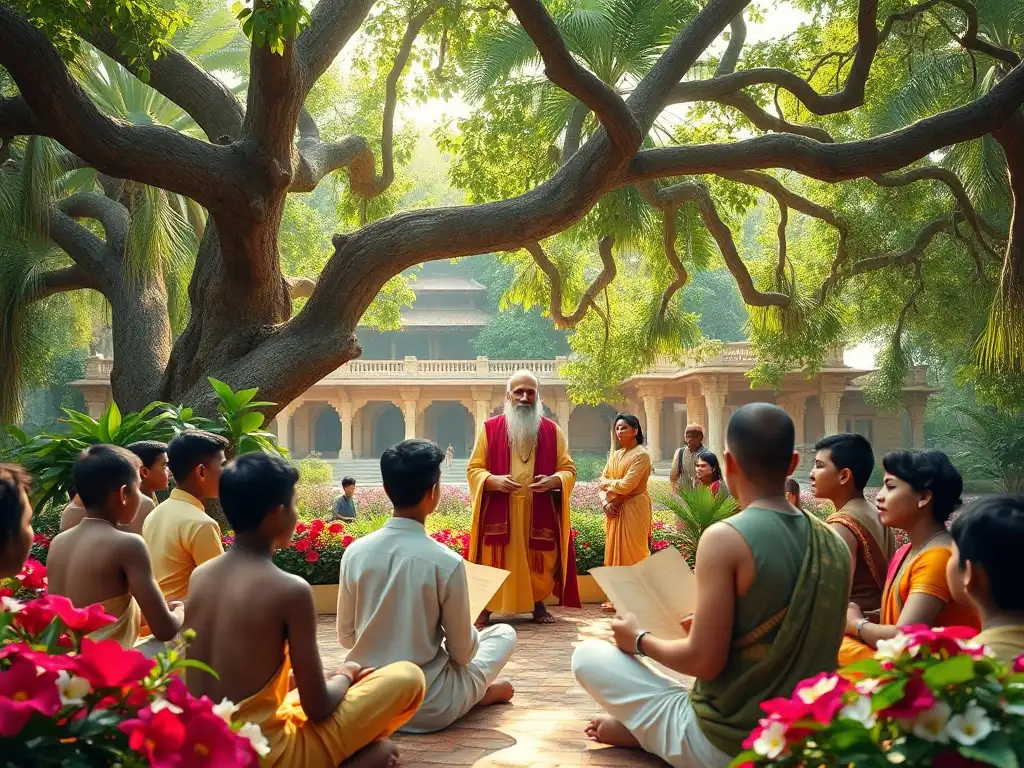
Welcome to Ancient India History, where we delve into the rich tapestry of ancient Indian civilizations that shaped the world as we know it. In our featured article, “How Ancient Indian Educational Practices Promoted Social Mobility,” we explore the profound impact of education on the social structures of the time. Did you know that the innovative educational systems of ancient India played a pivotal role in enabling individuals from diverse backgrounds to rise in status and contribute to society?
Join us on this enlightening journey to uncover how these practices not only fostered knowledge but also transformed lives. Get ready to uncover the secrets of a remarkable era!
- Introduction to Ancient Indian Educational Practices and Social Mobility
- The Role of Gurukulas in Promoting Social Mobility
- Vedic Education and Its Impact on Social Mobility
- The Influence of Buddhist Education on Social Mobility
- Educational Curriculum and Its Contribution to Social Mobility
- The Concept of Knowledge as a Social Equalizer
- Challenges and Limitations of Ancient Indian Educational Systems
- Legacy of Ancient Indian Educational Practices on Modern Social Mobility
- Conclusion: The Lasting Impact of Ancient Indian Education on Social Mobility
-
Frequently Asked Questions
- What were the key features of ancient Indian education?
- How did education influence social mobility in ancient India?
- What role did language play in ancient Indian education?
- Were there any notable educational institutions in ancient India?
- How did ancient Indian educational practices differ from those in other cultures?
- Final Reflection: The Enduring Legacy of Ancient Indian Education in Fostering Social Mobility
- Unlock the Secrets of Ancient Wisdom!
Ancient Indian education was not merely a means of acquiring knowledge; it was a powerful tool that fostered social mobility and shaped the dynamics of society. From the early days of the Indus Valley Civilization to the illustrious period of the Gupta Empire, educational practices evolved significantly, reflecting the diverse cultural, philosophical, and social fabric of ancient India. The emphasis on education in ancient Indian society was deeply intertwined with various social strata, allowing individuals from different backgrounds to rise above their circumstances and contribute to the cultural and intellectual heritage of the civilization.
This article delves into the intricate relationship between ancient Indian educational practices and social mobility, examining how the educational systems of the time enabled individuals to transcend their social standings and facilitated broader access to knowledge. By exploring the historical context and the significance placed on education, we can better understand the lasting impact of these practices on the development of Indian society.
Overview of Ancient Indian Education
Ancient Indian education was characterized by a variety of institutions and learning methods that catered to different sections of society. The educational landscape was primarily shaped by the Gurukul system, where students lived with their teachers (gurus) in an ashram, receiving personalized instruction in subjects ranging from philosophy and mathematics to arts and sciences. This system emphasized:
- Personalized Learning: Students received one-on-one attention from their gurus, allowing for tailored educational experiences.
- Holistic Development: Education encompassed physical, mental, and spiritual growth, promoting a well-rounded character.
- Community-Based Learning: The gurukul functioned as a community center, fostering social interactions and collaborations among students from various backgrounds.
Moreover, ancient Indian texts such as the Vedas, Upanishads, and Smritis played a vital role in formal education. These texts not only provided the foundational knowledge necessary for various professions but also encouraged critical thinking and philosophical inquiry.
Importance of Education in Ancient Indian Society
In ancient India, education was regarded as a fundamental pillar of society, instrumental in shaping individuals' identities and roles within their communities. The significance of education can be understood through several key aspects:
- Empowerment and Social Mobility: Education was a gateway for individuals to improve their socio-economic status. By acquiring knowledge and skills, individuals could take on roles in administration, trade, and other professions, thus enhancing their social standing.
- Cultural Continuity: Education played a crucial role in passing down cultural values, traditions, and knowledge from one generation to the next. This continuity helped preserve the rich heritage of ancient Indian civilizations.
- Meritocracy: The emphasis on knowledge and skills over birthright allowed for a certain degree of meritocracy. While social stratification existed, individuals had the opportunity to rise based on their capabilities and contributions rather than their lineage.
Ancient Indian education was more than a mere conduit for knowledge; it was a transformative force that fostered social mobility and empowered individuals to shape their destinies. Understanding these practices allows us to appreciate their profound impact on the societal structure of ancient India and their legacy in contemporary educational systems.
Structure and Function of Gurukulas
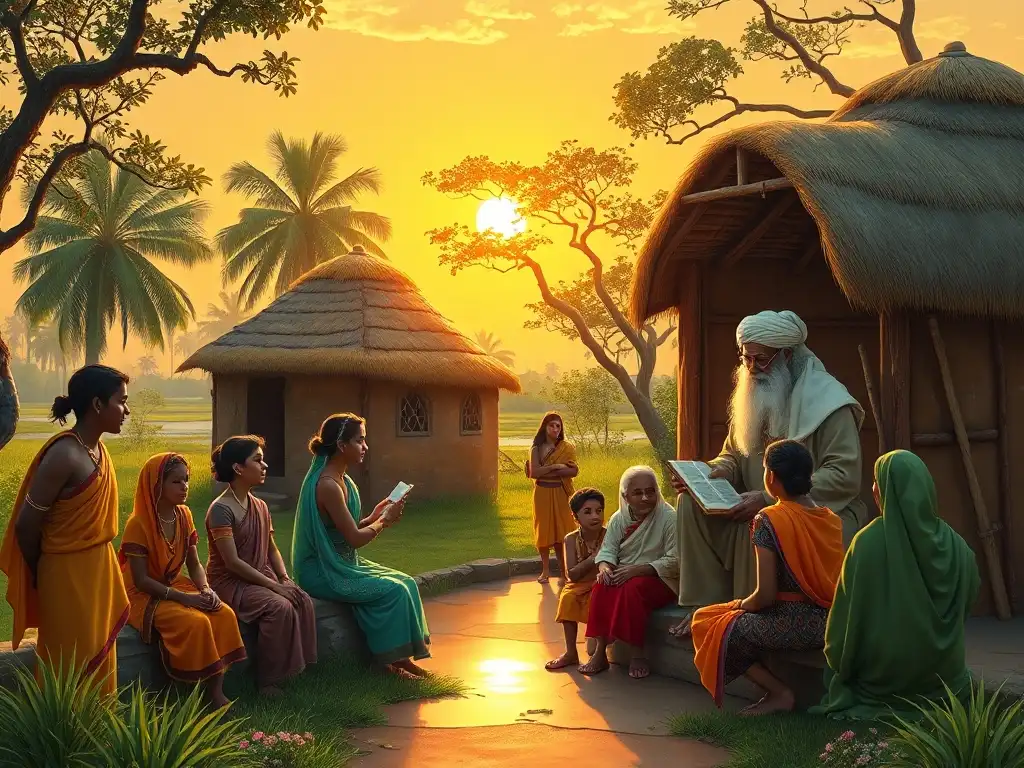
Gurukulas were traditional Indian educational institutions that played a pivotal role in shaping the educational landscape of ancient India. These residential schools were typically established in serene locations, often in the proximity of a guru (teacher), where students would live and learn together. The structure of a gurukula was unique, emphasizing both academic learning and character development through a holistic approach.
- Residential Learning: Students resided with their guru, fostering a close mentor-student relationship that was integral to the learning process. This environment allowed for personalized instruction, where the guru could tailor teachings to the individual needs of each student.
- Curriculum: The curriculum in gurukulas was extensive, covering subjects such as philosophy, mathematics, astronomy, and the arts. Students were also taught practical skills and moral values, preparing them for various roles in society.
- Life Skills: Apart from academic knowledge, gurukulas instilled essential life skills. Students engaged in daily chores and community service, promoting a sense of responsibility and discipline.
The very structure of gurukulas enabled a diverse array of students to participate. By focusing on personal growth and mentorship, these institutions became a foundation for social mobility, allowing individuals from different backgrounds to rise through the ranks based on merit rather than social class.
One of the most remarkable aspects of ancient Indian education was its ability to transcend rigid social hierarchies. While the caste system was prevalent, gurukulas offered a pathway for students from various backgrounds to access education and improve their societal status.
- Inclusivity in Education: Many gurukulas were open to students from different castes, including those belonging to lower social strata. This inclusivity was facilitated by the emphasis on knowledge and skills over birthright.
- Merit-Based Advancement: Success in a gurukula depended largely on individual effort and aptitude. Students who excelled in their studies had the opportunity to gain respect and recognition, irrespective of their caste. This meritocratic aspect encouraged students to strive for excellence.
- Role of the Guru: The guru played a crucial role in promoting social mobility. By mentoring talented students regardless of their background, gurus could challenge societal norms and empower individuals to achieve their potential.
- Historical Examples: Notable figures in Indian history, such as Chanakya and Panini, emerged from diverse backgrounds and were products of the gurukula system. Their contributions significantly influenced Indian society, showcasing the potential of education as a tool for social mobility.
The ancient Indian educational system, particularly through the structure of gurukulas, provided a transformative platform for social mobility. By enabling access to education across social classes and fostering a culture of merit, these institutions played a crucial role in shaping a more egalitarian society in ancient India.
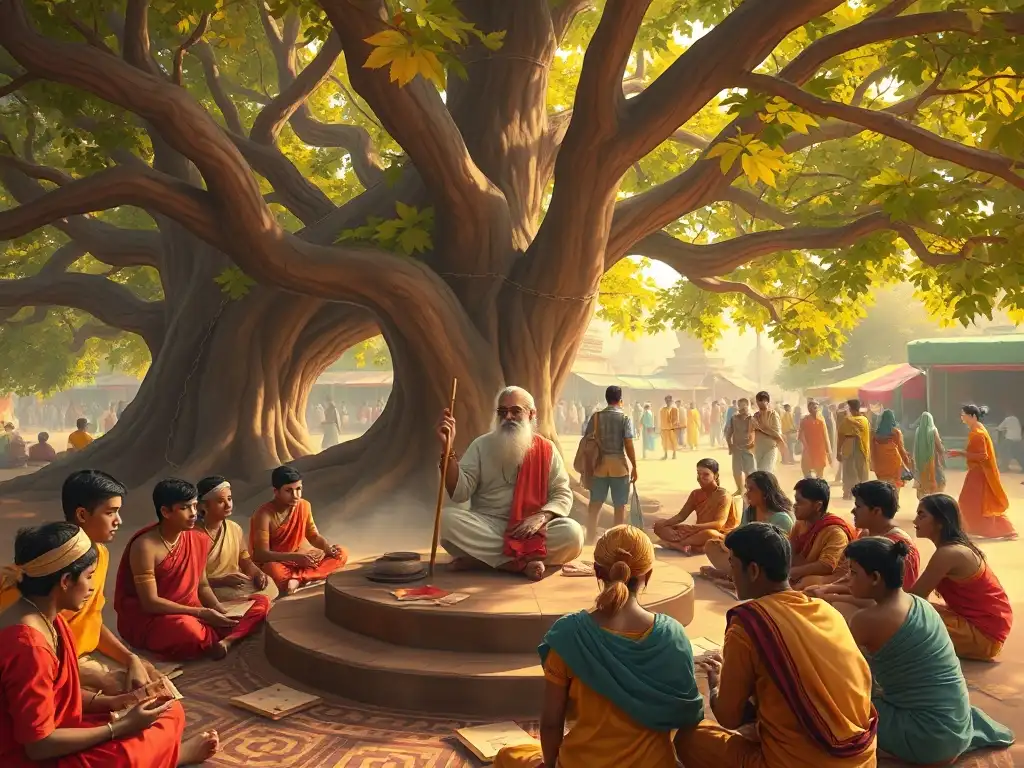
Vedic education, rooted in the ancient texts known as the Vedas, played a pivotal role in shaping the educational landscape of ancient India. This system was characterized by its holistic approach to learning, which combined spiritual, intellectual, and practical elements. The Vedic period laid the groundwork for educational practices that not only disseminated knowledge but also facilitated social mobility among various strata of society.
Core Principles of Vedic Learning
The Vedic education system was built on several core principles that contributed to its effectiveness in promoting social mobility:
- Guru-Shishya Parampara: Central to Vedic education was the relationship between the teacher (Guru) and the student (Shishya). This mentorship model emphasized personalized learning, where students received tailored instruction, regardless of their social standing. The bond fostered respect and dedication, ensuring that knowledge was passed down effectively.
- Focus on Knowledge and Skills: Vedic education prioritized the acquisition of knowledge, which encompassed not only religious texts but also subjects like mathematics, astronomy, music, and philosophy. Skills were cultivated through practical applications, enabling students to contribute meaningfully to society, irrespective of their family background.
- Oral Tradition and Memorization: The method of oral transmission was fundamental in Vedic education. Students were trained to memorize vast texts and recite them accurately. This emphasis on oral learning allowed even those from lower strata, who might not have had access to written texts, to acquire knowledge and elevate their social status.
- Encouragement of Critical Thinking: Vedic education fostered an environment of inquiry and debate. Students were encouraged to question and discuss ideas, which nurtured critical thinking skills. This ability to analyze and evaluate information was crucial for individuals seeking to improve their social circumstances.
- Spiritual and Ethical Development: Education during the Vedic period also focused on moral and ethical teachings. Students were instilled with values such as truth, righteousness, and compassion. This holistic development prepared individuals to take on leadership roles within their communities, thereby enhancing their social mobility.
Inclusivity in Vedic Education: Breaking Barriers
While the Vedic education system was predominantly associated with the Brahminical class, it included several mechanisms that promoted inclusivity and allowed for the breaking down of social barriers:
- Open to All: Historically, Vedic schools, or Gurukuls, were not exclusively for the elite. Many Gurukuls accepted students from various backgrounds, including Kshatriyas (warriors) and Vaishyas (traders). This inclusivity allowed individuals from different social groups to gain knowledge and skills that could elevate their status.
- Women’s Education: Although traditional norms often restricted women's education, there were notable exceptions during the Vedic period. Women like Gargi and Maitreyi were celebrated scholars who participated in philosophical discourses. Their presence in educational settings illustrates that women, too, had opportunities for learning, which contributed to their social mobility.
- Meritocracy over Birthright: The Vedic education system placed a greater emphasis on merit rather than birthright. This principle nurtured a culture where individuals could rise above their inherited social positions based on their abilities and contributions. As such, talented individuals could ascend socially, irrespective of their origins.
- Community Learning: Vedic education often took place within communal settings, where learning was a collective endeavor. This approach not only facilitated knowledge sharing but also fostered social bonds that transcended class boundaries.
The Vedic education system served as a crucial vehicle for social mobility in ancient India. By promoting inclusivity and emphasizing knowledge, critical thinking, and ethical values, Vedic education empowered individuals from diverse backgrounds to enhance their social standing and contribute to society effectively.
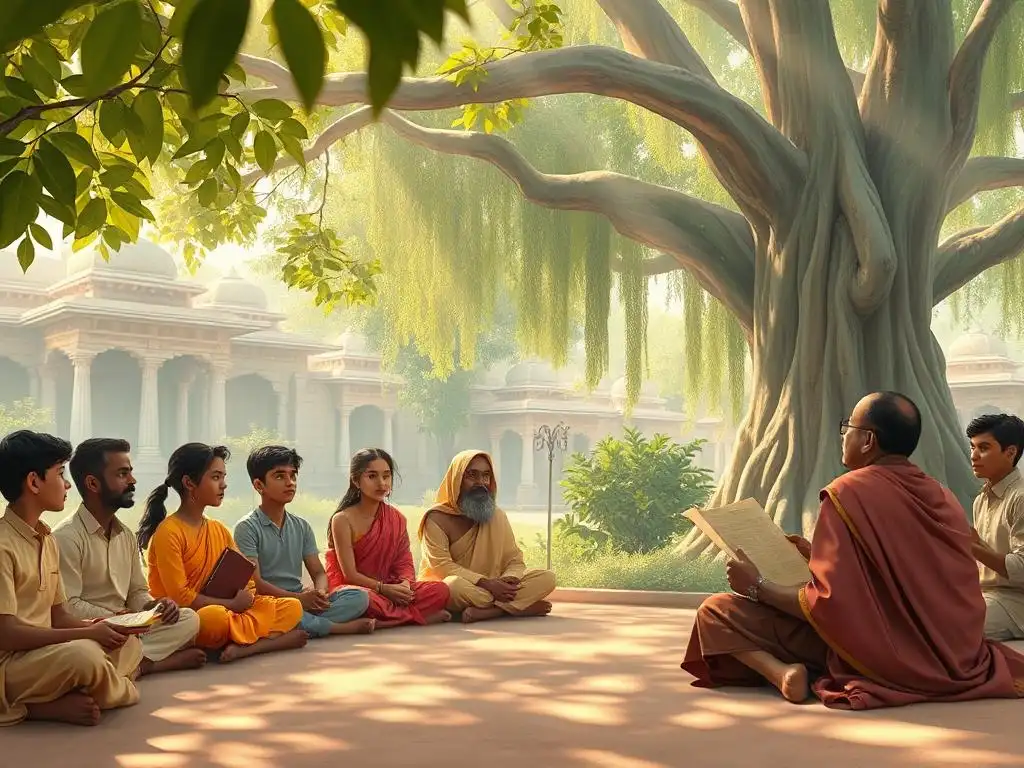
Buddhism, which emerged in India around the 5th century BCE, brought forth significant changes in the educational landscape of ancient Indian society. The teachings of Buddha emphasized moral and ethical development, which extended beyond mere religious instruction. This philosophical framework facilitated a more inclusive approach to education, thereby promoting social mobility among various strata of society.
Monastic Schools and Their Role in Society
Monastic schools, or "Viharas," became pivotal in disseminating Buddhist teachings and nurturing a diverse student body. These institutions were not merely places of worship; they functioned as centers of learning where individuals from various backgrounds could come together to study philosophy, medicine, arts, and sciences.
- Structure of Monastic Schools:
- Residential Facilities: Students lived in the monasteries, allowing them to immerse themselves fully in their studies.
- Curriculum Diversity: Subjects included logic, grammar, and ethics, fostering critical thinking and personal development.
- Teacher-Student Relationship: Monastic leaders often served as mentors, guiding students in both academic and moral pursuits.
The accessibility of these schools was revolutionary. Unlike the traditional Brahminical education system, which often restricted learning to specific castes, monastic education welcomed individuals from various backgrounds, including those from lower castes. This inclusivity was instrumental in breaking social barriers and facilitating upward mobility.
The essence of Buddhist education lies in its ability to transcend social divisions, allowing knowledge to flow freely among all who seek it.
Education for All: The Buddhist Approach to Inclusivity
Buddhism's core principle of "sangha" (community) promoted the idea that education should be available to all, irrespective of their social status. This ideology was reflected in the way Buddhist institutions operated:
- Open Admission Policies: Monastic schools often did not impose strict admission criteria, allowing individuals from various walks of life to gain an education.
- Scholarships and Aid: Many monasteries provided financial assistance or waivers for those who could not afford the costs associated with education.
- Focus on Practical Knowledge: The curriculum emphasized practical skills alongside theoretical knowledge, empowering students with the tools necessary to improve their socio-economic standing.
This educational model not only enriched individual lives but also contributed to the overall development of society. By equipping students with education and ethical values, Buddhist institutions fostered a sense of responsibility and community service, which in turn encouraged a more equitable social structure.
Ancient Indian education, especially through the lens of Buddhist practices, played a crucial role in promoting social mobility. The inclusive nature of monastic schools and the commitment to accessible education helped dismantle rigid caste hierarchies, allowing for a more dynamic and progressive society. This legacy continues to influence educational practices even in contemporary times, highlighting the enduring impact of ancient Indian education on social mobility.
The educational curriculum in ancient India played a pivotal role in promoting social mobility, enabling individuals from various backgrounds to gain knowledge and skills that could elevate their social status. Unlike rigid caste boundaries that often dictated one's life path, education provided a pathway for personal and communal growth.
The curriculum was not monolithic; it varied depending on the region, the institution, and the specific goals of the education provided. However, certain core elements were prevalent across ancient Indian educational systems, facilitating the intermingling of diverse social classes.
Subjects Taught in Ancient Indian Education
The subjects taught in ancient Indian education were comprehensive, covering a wide range of disciplines. These subjects can be categorized as follows:
- Religious Texts and Philosophy:
- Vedas and Upanishads: Focused on spiritual knowledge and ethical living.
- Buddhist Scriptures: Provided insights into morality and community living.
- Literature and Grammar:
- Poetry and Prose: Encouraged creativity and expression.
- Grammar: Mastery of language was essential for effective communication.
- Mathematics and Astronomy:
- Arithmetic, Geometry, and Astronomy: Practical applications were crucial for agriculture, trade, and navigation.
- Arts and Crafts:
- Music, Dance, and Visual Arts: Cultivated cultural skills that were essential for community bonding and self-expression.
- Science and Medicine:
- Ayurveda and Natural Sciences: Provided practical knowledge for health and wellbeing, which was accessible to all social classes.
This diverse curriculum was instrumental in breaking down social barriers. For instance, a person from a lower caste who excelled in mathematics or medicine could gain respect and recognition, thus enhancing their social mobility.
Skills Development and Practical Knowledge
Beyond academic subjects, ancient Indian education emphasized skills development and practical knowledge, which were crucial for fostering social mobility. The focus on experiential learning meant that students engaged in hands-on activities that prepared them for real-world applications. Key areas included:
- Vocational Training:
- Craftsmanship: Students were often trained in specific trades, such as carpentry, metalwork, or weaving, which allowed them to contribute economically to their communities.
- Agricultural Techniques: Farming methods were taught, ensuring that even those from lower socio-economic backgrounds could improve their livelihoods.
- Mentorship and Guru-Shishya Tradition:
- The guru-shishya (teacher-student) relationship was foundational. Students from different backgrounds would study together, fostering an environment of equality and shared learning experiences. This not only facilitated knowledge transfer but also promoted mutual respect among diverse groups.
- Debate and Critical Thinking:
- Educational institutions, especially in the Nalanda and Taxila universities, encouraged debate and critical thinking. This practice empowered students to question societal norms and pursue reforms, enhancing their capabilities for leadership.
The ancient Indian educational practices were not merely about rote learning but were designed to cultivate a well-rounded individual capable of contributing to society. The broad curriculum and emphasis on practical skills equipped learners to rise above their social circumstances, thereby promoting social mobility and inclusivity in ancient Indian civilization.
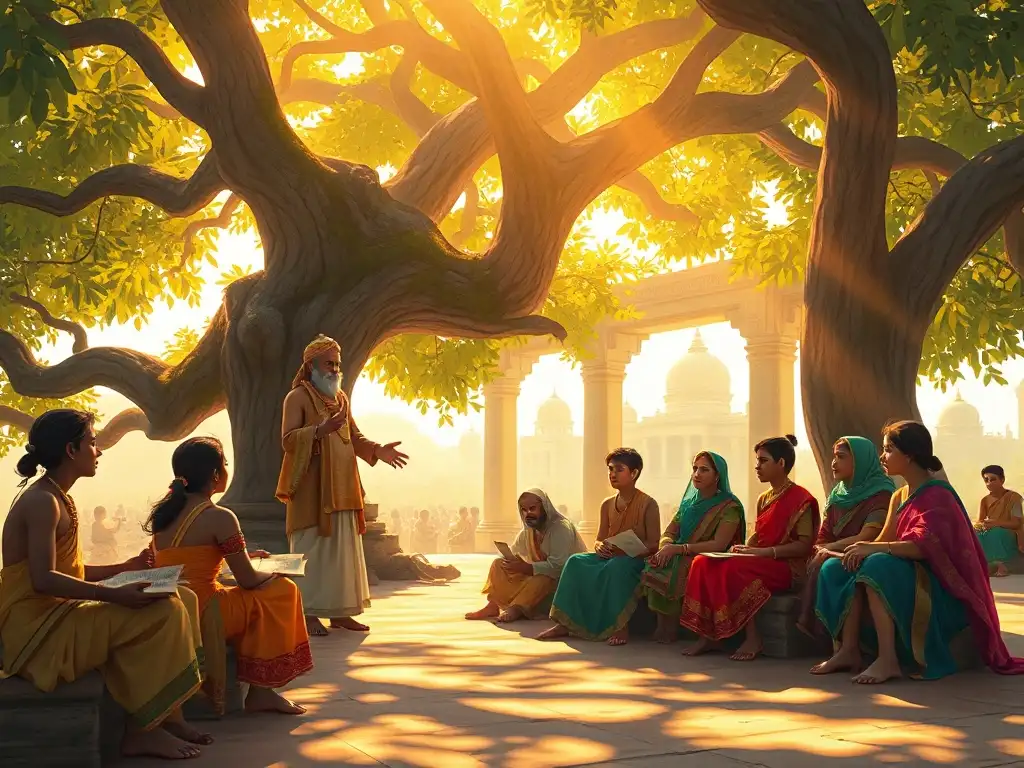
The concept of knowledge as a social equalizer in ancient Indian education is deeply rooted in the philosophical traditions that emphasized the transformative power of learning. Ancient Indian texts, particularly the Vedas and Upanishads, articulated a vision where knowledge transcended social boundaries, enabling individuals from diverse backgrounds to attain wisdom and societal status through education.
Philosophical Foundations of Equality in Education
The philosophical underpinnings of ancient Indian education were founded on the belief that education should be accessible to all, regardless of caste or social standing. Texts such as the Bhagavad Gita and various Sutras highlighted the importance of knowledge as a means to achieve moksha (liberation) and personal growth. This perspective fostered an inclusive approach to learning, where individuals were encouraged to pursue knowledge to elevate their social status and fulfill their potential.
In particular, the Brahminical traditions, while often associated with elitism, also recognized the importance of imparting knowledge to others. Prominent figures like Yajnavalkya, a sage from the Upanishadic period, emphasized that wisdom was not confined to birth or status but could be attained by anyone willing to learn. This ideology paved the way for educational institutions like Gurukulas, where students from various backgrounds could learn under the tutelage of a guru, embodying a philosophy of meritocracy over hereditary privilege.
Moreover, the Nalanda University, one of the earliest residential universities in the world, is a testament to the ancient Indian belief in educational equality. It attracted students from various regions, including foreign lands like China and Tibet, showcasing the emphasis on learning as a universal pursuit. The institution's curriculum was diverse, covering subjects from philosophy to medicine, thereby promoting a holistic educational experience that broke down social barriers.
Case Studies of Individuals Who Rose Through Education
Numerous historical figures exemplify how ancient Indian education facilitated social mobility, demonstrating the impact of knowledge on personal and societal transformation.
- Chanakya (Kautilya): Born into a relatively humble family, Chanakya became a renowned teacher and philosopher. His education at Takshashila (Taxila) equipped him with the knowledge to serve as an advisor to Emperor Chandragupta Maurya. Chanakya's strategic acumen not only elevated his social standing but also helped establish one of the largest empires in ancient India.
- Vātsyāyana: The author of the Kama Sutra, Vātsyāyana hailed from a family of scholars. His extensive studies and mastery of various disciplines enabled him to rise to prominence in a society that often reserved intellectual pursuits for the elite. His contributions to literature and philosophy reinforced the idea that education could elevate individuals from various backgrounds.
- Baudhayana: An ancient mathematician and sage, Baudhayana is credited with significant contributions to mathematics and geometry. His Sulba Sutras provided practical applications of geometry for constructing altars and other structures. His rise through education exemplifies how intellectual achievement could lead to social recognition and respect.
These examples illustrate that ancient Indian education was not merely a privilege of the elite; it served as a powerful tool for social mobility, enabling individuals to transcend their birth circumstances. The integration of knowledge, ethics, and practical skills fostered an environment where education could empower anyone willing to learn, reinforcing the concept of education as a social equalizer.
Through these historical narratives and philosophical insights, it becomes clear that the ancient Indian educational system played a crucial role in promoting social mobility, shaping a society where knowledge and learning were foundational to individual and collective progress.
Challenges and Limitations of Ancient Indian Educational Systems
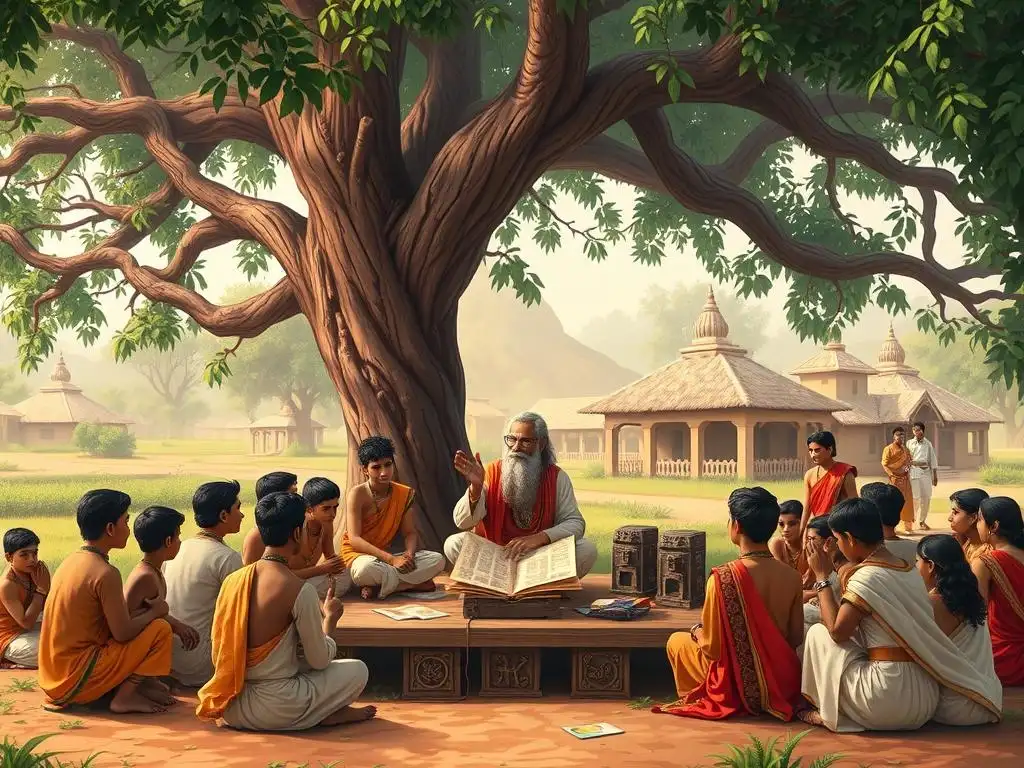
Ancient Indian educational systems, while innovative and impactful, faced significant challenges and limitations that hindered their ability to promote widespread social mobility. Understanding these obstacles is crucial for a holistic view of ancient Indian education and its implications on society.
Caste System and Its Impact on Educational Access
The caste system, a hierarchical social structure, played a pivotal role in shaping educational access in ancient India. This system divided society into distinct groups, each with its prescribed roles and responsibilities. The implications for education were profound:
- Restricted Access: Education was primarily accessible to the higher castes, particularly the Brahmins and Kshatriyas. The Shudras and Dalits faced severe restrictions, often being denied formal education altogether.
- Cultural Norms: Caste-based norms dictated not only who could educate but also what knowledge was deemed appropriate for different groups. This often resulted in a lack of formalized education for lower castes, who were trained only in skills pertinent to their societal roles.
- Religious Texts: The study of religious texts, which were central to the educational curriculum, was largely reserved for the upper castes. The belief that certain knowledge was sacred reinforced educational inequities, further entrenching societal divisions.
The consequences of these factors were far-reaching, limiting the potential for social mobility among lower castes. Despite some efforts to break down these barriers, such as the establishment of certain local schools (Gurukuls) that occasionally admitted students from various backgrounds, the overarching caste system remained a significant hurdle.
Regional Disparities in Educational Opportunities
In addition to the caste system, regional disparities significantly influenced educational opportunities across ancient India. These disparities manifested in several ways:
- Geographical Variations: Education was often concentrated in urban centers like Taxila and Nalanda, which boasted renowned institutions. Conversely, rural areas had limited access to formal education, leading to a significant knowledge gap.
- Local Governance and Resources: Educational institutions were often funded and managed by local rulers or communities. Regions with more resources and stable governance could establish better educational facilities, while those lacking support struggled to provide basic educational services.
- Cultural Practices: Different regions had varying cultural attitudes towards education. In some areas, there was strong support for education among all societal segments, while in others, traditional practices kept educational attainment within a narrow scope.
These regional disparities created a fragmented educational landscape, where social mobility was heavily influenced by one’s geographical location. The uneven distribution of educational resources and opportunities further perpetuated inequality, making it difficult for individuals from disadvantaged backgrounds to uplift their social standing.
While ancient Indian education had the potential to facilitate social mobility, it was often constrained by the caste system and regional disparities. These challenges highlight the complexities of educational access in ancient India, illustrating that the path to social upliftment was fraught with barriers that were not easily overcome. Understanding these limitations is essential for a comprehensive view of the role that education played in shaping societal dynamics during this period.
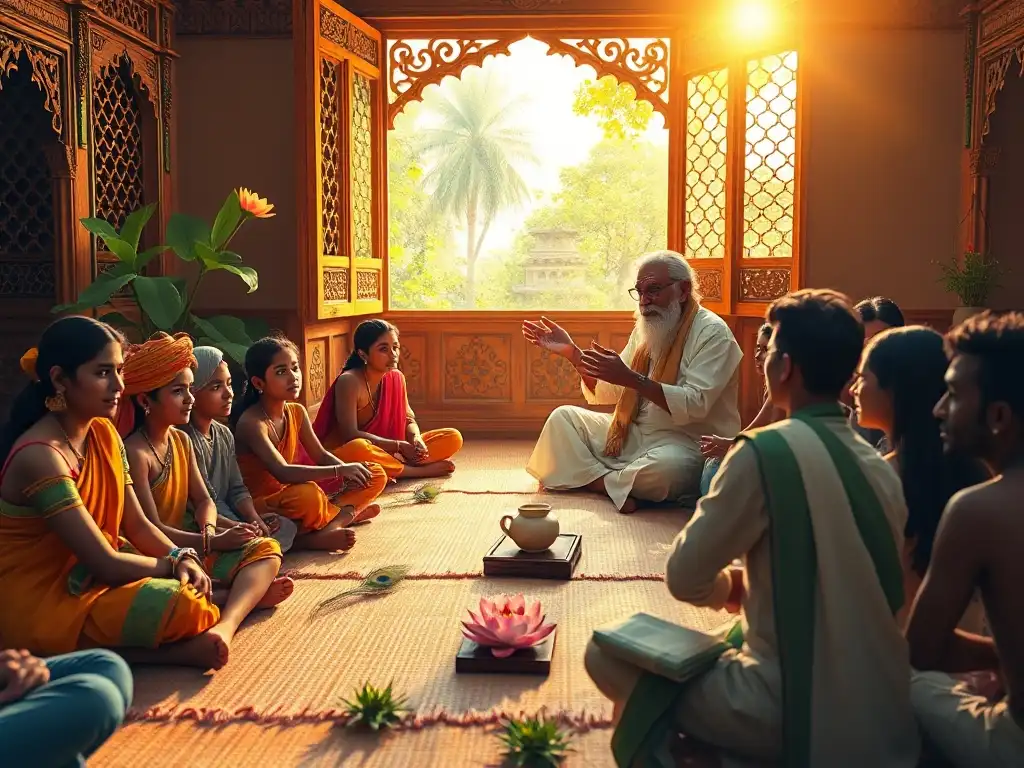
Ancient Indian educational practices have left a profound legacy that continues to influence modern social mobility. The educational systems established during various periods, particularly during the Vedic, Buddhist, and Gupta eras, emphasized not only knowledge acquisition but also the cultivation of moral and ethical values. These systems were designed to be inclusive, allowing individuals from various backgrounds to access education, thereby facilitating upward mobility.
The Gurukul system stands out as a prominent model where students, known as "shishyas," lived and learned alongside their teachers, or "gurus." This immersive approach fostered close relationships that transcended social hierarchies, enabling students to rise above their caste background. The emphasis on practical skills, along with theoretical knowledge, ensured that education was relevant to the needs of society, contributing to economic and social advancement.
Continuity and Change in Educational Philosophy
The educational philosophy of ancient India was marked by a blend of continuity and change over centuries.
- Inclusivity of Education: Initially, education was primarily reserved for the Brahmin class. However, with the evolution of systems like Buddhism, education became more accessible to people from different castes. This shift is crucial in understanding how ancient Indian education promoted social mobility.
- Diverse Curriculum: Ancient education encompassed a wide range of subjects, including philosophy, mathematics, astronomy, and arts. The Nalanda University, for example, was a melting pot of knowledge where scholars from various regions converged. This inclusivity of knowledge allowed for the integration of various cultural perspectives, enriching the educational experience.
- Practical Applications: The focus on practical knowledge, such as agriculture, trade, and craftsmanship, facilitated economic independence among students. This practical orientation not only provided skills for livelihood but also empowered individuals to elevate their social status.
In essence, the evolution of educational philosophy in ancient India reflects a remarkable adaptability that responded to societal needs, laying the groundwork for contemporary discussions on education and social mobility.
Lessons from Ancient Indian Education for Contemporary Society
Contemporary society can glean valuable insights from ancient Indian educational practices that can enhance social mobility today.
- Emphasis on Holistic Education:
- Ancient Indian education emphasized the development of the whole person—intellectually, morally, and physically. Modern educational systems can adopt a similar approach by integrating life skills, ethics, and emotional intelligence into the curriculum.
- Community-Based Learning:
- The Gurukul system exemplified community learning, where education was a collective effort. Encouraging community involvement in education today can facilitate greater social cohesion and support systems for learners from disadvantaged backgrounds.
- Accessibility and Inclusivity:
- Ancient Indian education made strides toward inclusivity. Modern educational policies should strive for equal access to quality education for all, regardless of socio-economic status, to ensure that everyone has the opportunity to succeed.
- Integrating Practical Skills:
- The focus on vocational training and practical skills in ancient times can inform current educational practices, making them more relevant to the job market and thus supporting social mobility.
The legacy of ancient Indian education provides a rich framework for understanding and improving social mobility today. By studying these historical practices, contemporary educators and policymakers can develop strategies that foster a more equitable and dynamic educational landscape.
The educational practices of ancient India were pivotal in shaping the social fabric of the time. By fostering an inclusive environment that encouraged learning across various strata of society, these practices laid the groundwork for social mobility. The system was not merely a means of imparting knowledge but served as a vehicle for individuals to transcend their socio-economic backgrounds.
- Diverse Learning Environments: Ancient Indian education was characterized by a variety of learning institutions, including Gurukuls, Ashrams, and Buddhist monasteries. These diverse settings catered to students from different backgrounds, facilitating a blend of ideas and knowledge.
- Curriculum Focus: The curriculum was broad and inclusive, covering subjects such as philosophy, mathematics, astronomy, and arts. This comprehensive approach equipped students with various skills, enhancing their employability and societal contributions.
- Merit-Based Advancement: Social mobility was often facilitated through merit-based evaluations. Students who excelled in their studies could rise in status, regardless of their birth, thus promoting a culture of achievement and recognition.
The emphasis on merit and the accessibility of education enabled many individuals to improve their social standing, demonstrating that ancient Indian education played a critical role in promoting social mobility.
Reflection on the Importance of Inclusive Education
Inclusive education is a cornerstone of social equity, and the ancient Indian educational system exemplified this principle. By integrating individuals from various backgrounds into learning environments, it broke down traditional caste barriers and promoted a sense of community.
Lessons from Ancient Practices:
- Cultural Integration: Ancient Indian education encouraged dialogue and interaction among students from diverse cultural backgrounds, fostering mutual respect and understanding.
- Gender Inclusivity: While challenging, some instances of female participation in education highlight the potential for inclusivity. Texts from various periods indicate that women, particularly in the Brahmin and Kshatriya classes, had access to education, which paved the way for future generations.
- Philosophical Foundations: The philosophical underpinnings of ancient Indian education emphasized knowledge as a means to liberation ( moksha), asserting that everyone deserves the opportunity to learn and grow.
This reflection on inclusive education underscores the relevance of ancient practices in contemporary discussions about educational equity and social mobility.
Future Directions for Studying Ancient Educational Practices
The study of ancient Indian education and its impact on social mobility remains a rich field for exploration. Future research should consider the following areas:
- Comparative Studies: Analyzing ancient Indian educational practices alongside those from other civilizations can provide insights into universal themes of social mobility and education.
- Archival Research: Delving into historical texts, inscriptions, and archaeological findings can uncover more about the educational systems and their societal implications.
- Impact on Modern Education: Investigating how ancient educational philosophies can inform current practices may yield valuable strategies for enhancing inclusivity and social equity in today’s educational systems.
By pursuing these avenues, scholars can deepen their understanding of how ancient Indian education contributed to social mobility and its relevance in contemporary contexts. This ongoing research is crucial for recognizing the enduring legacy of ancient educational practices in shaping societal structures.
Frequently Asked Questions
What were the key features of ancient Indian education?
Ancient Indian education emphasized holistic development, focusing on intellectual, moral, and physical growth. Gurukuls and monastic schools played a vital role in imparting knowledge.
Education provided opportunities for upward mobility, allowing individuals from lower castes to gain knowledge and skills. This access to education facilitated economic and social advancement.
What role did language play in ancient Indian education?
Language was crucial in ancient Indian education, with Sanskrit serving as the primary medium for scholarly texts. Mastery of language often determined one's status and opportunities in society.
Were there any notable educational institutions in ancient India?
Yes, institutions like Nalanda and Takshashila were renowned for their scholarly excellence and attracted students from various regions, promoting the exchange of knowledge and ideas.
How did ancient Indian educational practices differ from those in other cultures?
Ancient Indian education was characterized by its inclusive approach, allowing diverse groups to participate, unlike many contemporary systems that often restricted access based on social class or birth.
The principles of ancient Indian education remain strikingly relevant today, as they laid the groundwork for social mobility through knowledge and learning. In a world where access to education continues to be a pivotal factor in determining one's socio-economic status, the ancient Indian approach serves as a beacon of hope and inspiration. The emphasis on inclusivity and the transformative power of education in ancient India reminds us that knowledge can indeed break the chains of social stratification.
The impact of these educational practices is not just a relic of the past; it continues to shape our cultural and social landscape. The ancient Indian system recognized the potential of every individual, regardless of their background, to contribute meaningfully to society. This ethos resonates today as we strive for a more equitable world.
As Mahatma Gandhi once said, "> Live as if you were to die tomorrow. Learn as if you were to live forever." This quote encapsulates the spirit of lifelong learning that was central to ancient Indian education and underscores its relevance in our ongoing quest for social mobility.
As we reflect on the lessons from ancient Indian educational practices, let us embrace the call to action: commit to fostering an environment where education is accessible to all, and champion the idea that knowledge is a powerful tool for change. Whether through mentoring, advocating for educational reforms, or simply sharing knowledge within our communities, we can each play a role in promoting social mobility. Together, let us honor the legacy of ancient Indian education by ensuring that its principles continue to inspire future generations.
Unlock the Secrets of Ancient Wisdom!
Thank you for exploring the transformative power of ancient Indian educational practices with us! You've delved into how these methods fostered social mobility, and now it's time to take inspiration and apply them in today's world.
Here are some actionable steps you can take right now:
- Join a local workshop or class that focuses on lifelong learning and personal growth—whether it’s art, language, or a new skill, embrace the mindset of continuous education.
- Initiate a discussion with friends or family about the significance of education in overcoming challenges—share insights from this article and inspire collective growth.
- Participate in online forums or communities that celebrate the philosophies of ancient education—connect with others who share your passion and discover new perspectives.
Which aspect of ancient educational practices do you believe is most relevant in today’s society? Your insights could spark a meaningful discussion!