
The Transformation of Ancient Indian Educational Systems Over Centuries

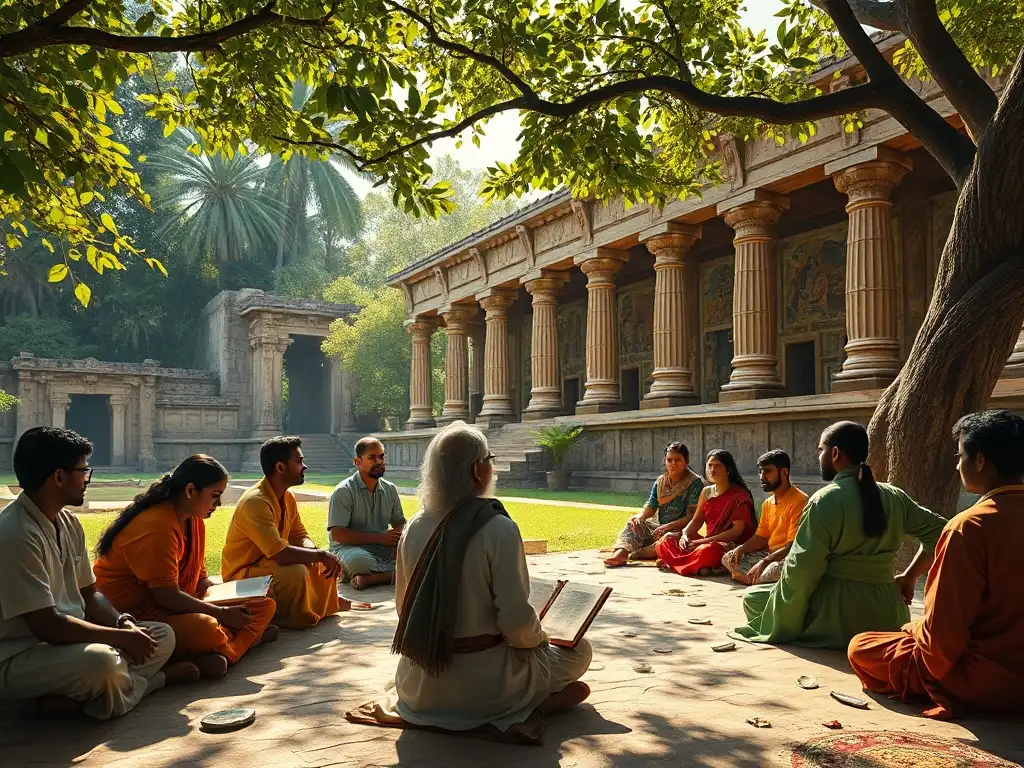
Welcome to Ancient India History, where we embark on a journey through the rich tapestry of ancient Indian civilizations. Here, you'll uncover the profound transformations that shaped ancient Indian educational systems over the centuries. From the ingenious methods of the Indus Valley to the scholarly pursuits of the Gupta Empire, our exploration offers a glimpse into how knowledge was revered and disseminated in a time long past.
Are you ready to delve deeper into the fascinating evolution of education that laid the groundwork for future generations? Join us as we unravel the mysteries and marvels of this pivotal aspect of ancient Indian culture!
Introduction to Ancient Indian Educational Systems
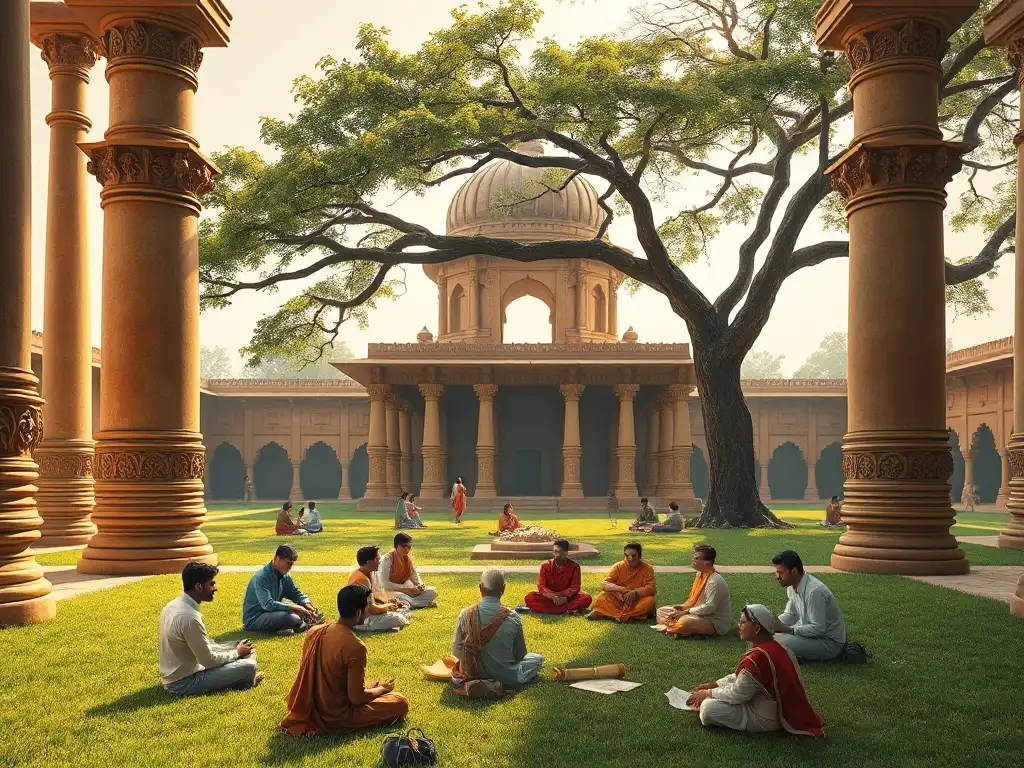
The evolution of ancient Indian educational systems offers a fascinating glimpse into the rich tapestry of knowledge, culture, and societal values that shaped one of the oldest civilizations in the world. From the sophisticated urban centers of the Indus Valley to the philosophical schools of thought during the Gupta Empire, education in ancient India was not merely a means of imparting knowledge; it was a comprehensive system that encompassed various aspects of life, including social, moral, and spiritual dimensions.
This article will delve into the transformation of educational practices throughout the centuries, highlighting key developments, methodologies, and the enduring significance of education in ancient Indian society.
Overview of Educational Practices in Ancient India
Ancient Indian educational systems were diverse and multifaceted, reflecting the complexity of its civilization. Education was often informal and community-based, evolving into structured forms as society advanced. Key features included:
- Oral Tradition: Knowledge was primarily transmitted through oral means, with students learning from their elders and teachers.
- Gurukuls: These were traditional centers of learning where students lived with their gurus (teachers) and received education in various subjects, including philosophy, mathematics, and the arts.
- Religious Texts: Sacred texts like the Vedas, Upanishads, and later, the epics such as Mahabharata and Ramayana, played a significant role in shaping educational content.
Education was seen as a lifelong pursuit, deeply embedded in the cultural and spiritual fabric of society.
Importance of Education in Ancient Indian Society
Education held paramount importance in ancient Indian society for several reasons:
- Preservation of Knowledge: It was essential for the preservation and transmission of knowledge across generations, ensuring the continuity of cultural and scientific achievements.
- Social Mobility: Education provided pathways for individuals to rise in social status, especially for those from lower strata who could gain knowledge and skills through learning.
- Civic Responsibility: Educated individuals were expected to contribute to society through service, governance, and ethical living, embodying the values instilled by their education.
The societal reverence for knowledge is evident in the numerous texts and teachings that emerged, emphasizing the transformative power of education.
Historical Context of Ancient Indian Educational Systems
To understand the transformation of ancient Indian educational systems, it is crucial to examine their historical context. This includes the influential periods and civilizations that shaped educational practices.
The Indus Valley Civilization and Early Education
The Indus Valley Civilization (circa 3300-1300 BCE) is one of the earliest known urban cultures in the world and laid the groundwork for educational practices in India. While direct evidence of formal education is scarce, archaeological findings suggest:
- Urban Planning: The advanced city planning indicates a society that valued knowledge and skills in various disciplines, including architecture and engineering.
- Script and Symbols: The presence of undeciphered inscriptions hints at the use of writing, which may have played a role in early education.
While much remains unknown about specific educational practices, the civilization's emphasis on trade, governance, and social order points to an implicit value placed on education.
Educational Practices in Vedic Period
The Vedic period (circa 1500-500 BCE) witnessed a significant transformation in educational systems. With the composition of the Vedas, education became more structured and formalized:
- Brahmanical Schools: Education was largely organized around Brahmanical institutions, focusing on religious texts and rituals.
- Subjects of Study: Students were instructed in diverse subjects, including philosophy, grammar, mathematics, and astronomy, with an emphasis on oral transmission of knowledge.
- Ritual and Ethics: Education was closely linked to spiritual and moral training, preparing students for their roles in society.
The Vedic period laid the foundation for the later development of educational practices, emphasizing the importance of knowledge in achieving spiritual and material success.
The Role of Gurukuls in Ancient Indian Learning
Gurukuls emerged as prominent centers of learning in ancient India, particularly during the later Vedic period and beyond:
- Residential Learning: Students lived with their gurus, fostering a close mentor-student relationship that was integral to the learning process.
- Curriculum Diversity: The educational curriculum encompassed a wide range of subjects, including arts, sciences, and philosophy, catering to the holistic development of students.
- Cultural Transmission: Gurukuls played a vital role in the preservation and transmission of cultural values and traditions, ensuring that education was not just an academic pursuit but a means of instilling ethical and moral principles.
The legacy of gurukuls continues to influence modern educational practices, highlighting the enduring impact of ancient Indian educational systems on contemporary society.
Key Features of Ancient Indian Educational Systems
Ancient Indian educational systems were characterized by several unique features that distinguished them from contemporary paradigms. These systems were predominantly informal and community-based, focusing on holistic development. Notably, education was accessible to a wide range of societal groups, although the depth of education varied depending on caste, gender, and region.
Key features include:
- Guru-Shishya Tradition: Central to the educational ethos was the relationship between the teacher (guru) and the student (shishya). This mentorship fostered personal development and learning in a familial atmosphere.
- Focus on Practical Knowledge: Education emphasized practical skills alongside theoretical knowledge. Disciplines such as agriculture, medicine, and craftsmanship were integrated into the curriculum.
- Oral Transmission of Knowledge: Much of the learning occurred through oral traditions, where texts and teachings were memorized and passed down through generations. This method ensured the preservation of knowledge in the absence of widespread written documentation.
- Variety of Learning Institutions: Various types of institutions, such as gurukulas, ashrams, and monastic schools, catered to different educational needs, promoting specialized learning in fields like philosophy, mathematics, and astronomy.
Curriculum and Subjects Taught
The curriculum in ancient Indian educational systems was diverse, reflecting the rich cultural and intellectual traditions of the time. Subjects taught included:
- Vedic Studies: Focused on the study of the Vedas, Upanishads, and other sacred texts, these studies formed the foundation of religious and philosophical education.
- Mathematics and Astronomy: Ancient Indians made significant contributions to mathematics, including the concept of zero and advanced calculations. Astronomy was closely linked to agricultural cycles, influencing the study of celestial bodies and their movements.
- Arts and Crafts: Practical skills, such as music, dance, and various crafts, were also vital components of the curriculum, ensuring that students could contribute to society in multiple ways.
- Ethics and Philosophy: Moral and ethical education was pivotal, with teachings centered on duty (dharma), righteousness, and the pursuit of knowledge as a means to attain enlightenment.
Teaching Methods and Pedagogical Approaches
Teaching methods in ancient India were dynamic and varied, reflecting the diverse learning styles of students. Some of the notable approaches included:
- Dialogue and Discussion: The Socratic method of inquiry was prevalent, encouraging students to engage in discussions and debates, enhancing critical thinking skills.
- Practical Demonstration: Learning through demonstration was common, especially in subjects like arts and crafts, where hands-on experience was crucial for mastering skills.
- Memorization and Recitation: Given the importance of oral tradition, memorization techniques were emphasized, allowing students to internalize teachings and texts for later recitation.
- Personalized Learning: The guru often tailored instruction to meet the individual needs of each student, fostering a supportive learning environment that recognized diverse capabilities and interests.
Major Influences on the Evolution of Educational Systems

The educational systems of ancient India underwent significant transformations influenced by various cultural, religious, and socio-political factors. Understanding these influences provides insight into how education evolved over centuries.
Impact of Buddhism on Education
Buddhism played a pivotal role in shaping educational practices in ancient India. With the establishment of monastic universities like Nalanda and Vikramashila, Buddhist teachings encouraged critical inquiry and philosophical discourse. Key impacts include:
- Inclusive Education: Buddhism promoted the idea of education for all, transcending caste boundaries and allowing women and lower castes access to learning opportunities.
- Expansion of Subjects: Buddhist teachings enriched the curriculum, introducing subjects like logic, ethics, and dialectics, which influenced both Buddhist and non-Buddhist scholars.
- Institutional Learning: The establishment of monastic universities set a precedent for organized education, leading to more formalized structures that would influence later educational systems.
The Gupta Empire and Advancements in Learning
The Gupta Empire (c. 320-550 CE) is often referred to as a golden age for education in ancient India. Several advancements emerged during this period:
- Institutional Development: The establishment of universities and colleges during this time marked a shift towards formalized education, with structured curricula and trained educators.
- Encouragement of Sciences and Arts: Under Gupta patronage, subjects such as mathematics, astronomy, and literature flourished. Notable scholars like Aryabhata and Kalidasa emerged, making significant contributions to their respective fields.
- Cultural Flourishing: The Gupta period saw the synthesis of art and education, with the integration of cultural studies into the curriculum, promoting a well-rounded educational experience.
Influence of Trade and Cultural Exchanges
Trade routes facilitated not only the exchange of goods but also ideas and knowledge between cultures. This interaction significantly influenced ancient Indian educational systems:
- Cross-Pollination of Ideas: Contact with other civilizations, such as the Greeks and Persians, introduced new philosophical and scientific ideas, enriching the existing educational framework.
- Language and Learning: The spread of languages, especially Sanskrit and Pali, was bolstered by trade, leading to a more unified educational discourse and the dissemination of texts across regions.
- Global Perspective: Exposure to diverse cultures encouraged a broader worldview among students, fostering an environment of curiosity and inquiry that transcended local traditions.
The evolution of ancient Indian educational systems was thus a complex interplay of intrinsic cultural values and external influences, resulting in a rich tapestry of learning that laid the foundation for future educational practices.
Regional Variations in Ancient Indian Educational Practices
The educational systems in ancient India were not monolithic; rather, they exhibited significant regional variations influenced by geographical, cultural, and social factors. Each region developed its own unique methods, curriculum, and institutions, reflecting the diverse needs and values of its populace. These variations can be broadly categorized into South Indian and North Indian educational traditions, each showcasing distinctive characteristics and approaches to learning.
South Indian Educational Traditions
In South India, the educational landscape was heavily influenced by the Dravidian culture and the patronage of various dynasties such as the Cholas, Pandyas, and Vijayanagara Empire. Education in this region emphasized both secular and religious learning, with institutions like the Madhava Vidyalaya and the Kanchi Sankara Mutt serving as prominent centers of knowledge.
The curriculum in South Indian educational traditions focused on a variety of subjects, including:
- Philosophy: Particularly the teachings of Advaita and Dvaita schools.
- Literature: Emphasis on classical Tamil works and poetry.
- Mathematics and Astronomy: Notable contributions from scholars like Bhaskara I and Aryabhata.
- Music and Arts: Rich traditions in classical music and dance were integral to education.
Students often learned through oral traditions and practical applications, with a strong emphasis on mentorship and guru-disciple relationships. This system fostered a deep intellectual environment, nurturing scholars who contributed significantly to various fields.
North Indian Educational Systems
In contrast, North India saw the establishment of educational institutions such as Takshashila and Nalanda, which were among the earliest universities in the world. These institutions attracted students from across Asia, becoming melting pots of knowledge and culture. The curriculum included a wide range of subjects, including:
- Vedic Studies: Focus on scriptures, rituals, and philosophy.
- Law and Governance: Instruction on the principles of Dharma and political science.
- Science and Medicine: Contributions from figures like Charaka and Sushruta in Ayurveda.
North Indian education was characterized by its structured nature, often involving formalized examinations and a more rigid hierarchy compared to the South. The role of the teacher was pivotal, and students were expected to uphold the values of discipline, respect, and dedication to learning.
Comparison of Urban vs. Rural Education
The distinction between urban and rural education in ancient India was marked by disparities in access, quality, and curriculum. Urban centers, with their established institutions, offered a more formalized education system, while rural areas relied on informal methods of teaching.
- Urban Education:
- Institutions: Schools and universities provided a structured environment for learning.
- Curriculum: Diverse subjects and specialized knowledge were accessible.
- Accessibility: Education was often limited to the elite and wealthy classes.
- Rural Education:
- Informal Learning: Knowledge was passed down through oral traditions and practical experiences.
- Subjects: Focused on local skills, agriculture, and craftsmanship.
- Challenges: Limited resources and societal norms often restricted access to education.
This divide influenced the overall educational landscape, shaping the intellectual development of different social strata within ancient Indian society.
Challenges Faced by Ancient Indian Educational Systems
Despite the rich traditions and variations in ancient Indian educational systems, numerous challenges emerged over the centuries, impacting their efficacy and reach.
Socio-Political Factors Affecting Education
The socio-political landscape in ancient India played a crucial role in shaping educational systems. Political instability, invasions, and changes in ruling dynasties often disrupted the continuity and funding of educational institutions. For instance, the decline of the Gupta Empire led to a reduction in state patronage for schools and universities, resulting in a significant loss of scholarly activity and resources.
Additionally, the caste system heavily influenced access to education, with lower caste individuals often excluded from formal learning. This segregation limited the intellectual contributions from a vast segment of society, stunting the growth of knowledge and innovation.
Gender Disparities in Access to Education
Gender disparities were a prominent challenge in ancient Indian educational systems. While some historical records suggest that women in certain regions, like Tamil Nadu, had access to education and were active participants in scholarly pursuits, this was not universally applicable.
Generally, societal norms confined women to domestic roles, limiting their educational opportunities. The lack of formal education for women not only restricted their personal development but also hindered the overall intellectual growth of society. Prominent figures like Gargi and Maitreyi, however, indicate that there were exceptions where women contributed to philosophical discourses, showcasing the potential that remained largely untapped.
Decline of Traditional Educational Institutions
The decline of traditional educational institutions, particularly after the invasions by the Turks and Mughals, significantly affected the educational landscape of ancient India. Many renowned centers of learning, such as Nalanda, faced destruction, leading to a loss of invaluable texts and knowledge.
Furthermore, the shift towards Persian and Arabic educational paradigms during the medieval period marginalized the existing systems. The transition from indigenous methods of learning to foreign influences diluted the rich traditions of Indian scholarship, leading to a gradual decline in the quality and quantity of education available.
While ancient Indian educational systems were characterized by diversity and depth, they faced numerous challenges that impacted their evolution and effectiveness over time. Understanding these dynamics is crucial for appreciating the historical context of education in ancient India.
The Legacy of Ancient Indian Educational Systems
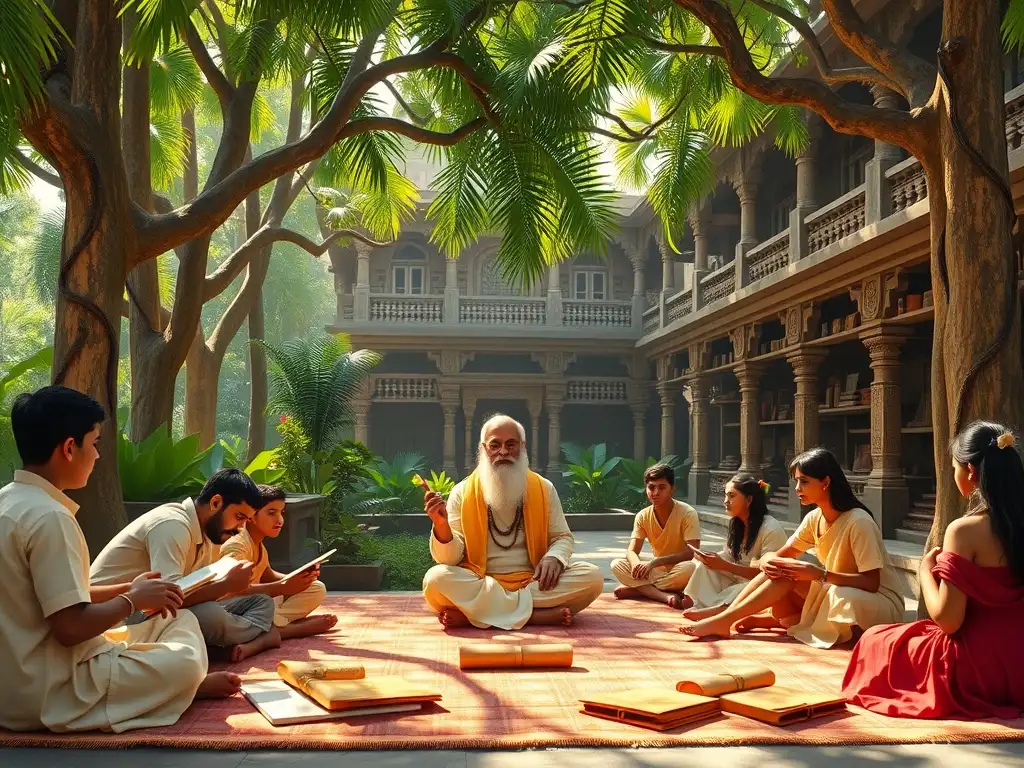
The educational systems of ancient India were deeply rooted in the country's rich cultural and philosophical heritage. These systems were characterized by a unique blend of formal and informal education, focusing not only on academic subjects but also on moral and ethical values. Institutions like the Gurukul and Ashram were pivotal in shaping the educational landscape, where students lived with their teachers, immersing themselves in an environment conducive to learning.
The Nalanda University, founded around the 5th century CE, is one of the most renowned examples of ancient Indian educational excellence. It attracted scholars from various parts of the world, such as China, Korea, and Tibet, who came to study subjects ranging from philosophy and medicine to mathematics and astronomy. The legacy of such institutions laid a robust foundation for the future of education in India and beyond, emphasizing critical thinking, debate, and dialogue as essential components of the learning process.
Contributions to Modern Education
Ancient Indian educational systems have significantly contributed to the formation of modern educational philosophies. The emphasis on holistic education, which fosters both intellectual and moral development, can be traced back to these ancient traditions. Modern educators often draw inspiration from the Guru-Shishya (teacher-student) relationship, advocating for mentorship and personalized learning approaches.
Furthermore, the curriculum in ancient India was diverse, encompassing various disciplines such as arts, sciences, languages, and spirituality. This multidisciplinary approach is now echoed in contemporary educational systems that promote STEM (Science, Technology, Engineering, and Mathematics) alongside the humanities, encouraging a well-rounded education that prepares students for a complex world.
Influence on Contemporary Indian Educational Practices
The influence of ancient Indian educational systems is evident in contemporary Indian practices, particularly in the emphasis on experiential learning and community involvement. Many educational institutions today incorporate traditional practices, such as storytelling and interactive group discussions, which reflect the ancient methods of imparting knowledge.
Moreover, the concept of Sanskrit Vidya has seen a revival in modern times, where there is a renewed interest in learning Sanskrit, the ancient language of India. This resurgence is not merely linguistic but also cultural, connecting students with their heritage and fostering a sense of identity. Additionally, the ancient emphasis on ethics and values continues to be relevant, as contemporary educators strive to instill moral principles alongside academic knowledge.
Global Impact of Ancient Indian Knowledge Systems
The global impact of ancient Indian knowledge systems is profound, with many scholars and educators recognizing the value of these teachings. Concepts such as zero, the decimal system, and algebra, pioneered by ancient Indian mathematicians, have fundamentally shaped global mathematics and science.
Moreover, philosophical ideas from texts like the Upanishads and Bhagavad Gita have influenced Western thought, particularly in areas of spirituality, ethics, and psychology. The ancient Indian approach to education, which emphasized inquiry and self-discovery, resonates with modern educational practices worldwide, fostering a global appreciation for the wisdom inherent in ancient Indian systems.
Conclusion: The Enduring Influence of Ancient Indian Educational Systems
The transformation of ancient Indian educational systems over the centuries highlights their enduring influence on both Indian and global education landscapes. While these systems have evolved, the core principles of holistic development, mentorship, and ethical education remain relevant.
Reflection on the Transformation of Education Over Centuries
Reflecting on the transformation of education over centuries reveals a journey marked by resilience and adaptation. From the communal learning environments of the Gurukuls to the technologically advanced classrooms of today, the essence of learning—seeking knowledge and understanding—has remained unchanged. The integration of ancient pedagogical methods into modern curricula serves as a testament to the timeless relevance of these educational philosophies.
Future Perspectives on Ancient Educational Practices
Looking ahead, there is immense potential to further integrate ancient educational practices into contemporary frameworks. By adopting a more interdisciplinary approach, emphasizing experiential learning, and fostering a connection with cultural heritage, educators can create enriched learning environments. This synthesis of ancient wisdom and modern techniques could pave the way for innovative educational practices that honor the past while addressing the needs of future generations.
References and Further Reading on Ancient Indian Educational Systems
Exploring the intricacies of ancient Indian educational systems can significantly enhance our understanding of the cultural and intellectual evolution of the region. The following resources provide a wealth of knowledge, offering insights into various aspects of ancient education, including curricula, teaching methodologies, and the socio-political contexts that shaped these systems.
Recommended Texts and Resources
-
"The Educational Heritage of Ancient India: How an Ancient Civilization Can Shape Our Future" by S. R. Sharma
This book delves into the philosophies and practices of ancient Indian education, examining how they can inform modern educational methodologies. Sharma discusses the role of Gurukuls and the holistic approach to education prevalent in ancient times.
-
"Ancient Indian Education: Brahmanical and Buddhist" by R. S. Sharma
This text offers a comparative analysis of the educational practices amongst Brahmanical and Buddhist traditions, highlighting the differences and similarities in their approaches to learning and knowledge dissemination.
-
"The Gurukul System of Education: An Ancient Indian Tradition" by A. K. Mishra
Mishra provides an in-depth look at the Gurukul system, its relevance, and its influence on contemporary educational frameworks. The book discusses the significance of the teacher-student relationship and the role of oral tradition in learning.
-
"Education in Ancient India" by R. C. Sharma
This comprehensive resource covers various dimensions of education in ancient India, from the Vedic period through the Gupta Empire. It addresses subjects taught, pedagogical techniques, and the impact of education on society.
-
"The Role of Education in Ancient India" by M. N. Srinivas
A pivotal work that explores the societal implications of education during ancient times, focusing on how educational systems contributed to social stratification and cultural continuity.
Academic Journals and Articles on Ancient Education
-
"Journal of Ancient Indian History"
This academic journal publishes articles on various aspects of ancient Indian civilization, including educational practices. Scholars often explore the evolution of educational systems and their societal impacts.
-
"Indian Historical Review"
Featuring peer-reviewed articles on topics related to Indian history, this journal frequently includes research on educational practices, discussing both historical contexts and contemporary implications.
-
"The Indian Education Review"
While primarily focused on modern education, this journal occasionally publishes articles that look back at historical educational practices, offering a comparative perspective relevant to current educational reforms.
-
"Studies in History"
This journal includes papers that analyze historical events and trends, with articles that specifically address the development of educational systems throughout ancient India.
-
"Research Review of the Institute of Education"
This periodical features scholarly articles that reflect on educational theories and practices, including those rooted in ancient Indian traditions. It serves as a bridge between historical education and modern pedagogical practices.
By engaging with these texts and journals, readers can gain a comprehensive understanding of ancient Indian educational systems, their philosophies, and their lasting impact on contemporary education.
- Introduction to Ancient Indian Educational Systems
- Historical Context of Ancient Indian Educational Systems
- Key Features of Ancient Indian Educational Systems
- Major Influences on the Evolution of Educational Systems
- Regional Variations in Ancient Indian Educational Practices
- Challenges Faced by Ancient Indian Educational Systems
- The Legacy of Ancient Indian Educational Systems
- Conclusion: The Enduring Influence of Ancient Indian Educational Systems
- References and Further Reading on Ancient Indian Educational Systems
- What were the main features of ancient Indian educational systems?
- How did the Indus Valley Civilization contribute to education?
- What role did religion play in ancient Indian education?
- How did the Gupta Empire influence education in ancient India?
- What led to the transformation of ancient Indian educational systems over time?
Frequently Asked Questions
What were the main features of ancient Indian educational systems?
Ancient Indian educational systems were characterized by gurukulas (teacher-student households), a strong emphasis on oral tradition, and a focus on subjects like philosophy, mathematics, and astronomy.
How did the Indus Valley Civilization contribute to education?
The Indus Valley Civilization is believed to have laid the foundation for educational practices through its emphasis on trade, writing, and urban planning, which required a certain level of literacy and knowledge.
What role did religion play in ancient Indian education?
Religion played a pivotal role in ancient Indian education, with institutions linked to temples and monasteries. Education often included spiritual teachings alongside subjects like grammar and logic.
How did the Gupta Empire influence education in ancient India?
The Gupta Empire marked a golden age for ancient Indian education, promoting the establishment of universities such as Nalanda and Taxila, which became centers for higher learning and attracted students from across Asia.
What led to the transformation of ancient Indian educational systems over time?
The transformation of ancient Indian educational systems was influenced by political changes, the arrival of foreign invaders, and the spread of new religions like Buddhism and Islam, which introduced new pedagogical methods and subjects.
Final Reflection: Embracing the Legacy of Ancient Indian Educational Systems
The evolution of ancient Indian educational systems is not just a historical narrative; it is a profound testament to the enduring power of knowledge and learning. As we navigate through the complexities of modern education, the principles and philosophies that shaped these ancient systems remain strikingly relevant. They remind us that education is not merely about rote learning but about fostering critical thinking, creativity, and holistic development. The legacy of these systems calls for a reevaluation of our current practices and an embrace of a more integrated approach to learning.
The influence of ancient Indian educational systems continues to resonate in our cultural and social landscapes today. The emphasis on experiential learning, mentorship, and the pursuit of wisdom over mere information is something we can all aspire to incorporate into our lives. As we witness a growing interest in alternative educational models, we are reminded of the words of Mahatma Gandhi: Live as if you were to die tomorrow. Learn as if you were to live forever.
This quote encapsulates the spirit of lifelong learning that was so integral to ancient Indian education, urging us to cultivate a mindset that values knowledge as a lifelong journey.
As we reflect on the lessons from ancient Indian educational systems, let us take a moment to consider how we can apply these insights in our own lives. Are we nurturing curiosity and creativity in ourselves and others? I invite you to engage with the world of knowledge around you, to seek wisdom in every experience, and to foster an environment where learning is celebrated. By doing so, we honor the rich legacy of our ancestors and contribute to a future where education is a transformative force for all.
Unveil the Wisdom of Ancient Education!
Thank you for diving into the rich history of ancient Indian educational systems! Your interest in this transformative journey showcases your passion for understanding the past. Now, it's time to take what you've learned and put it into action.
- Explore local history museums or bookstores to discover more about ancient Indian educational practices.
- Connect with fellow enthusiasts online or join a discussion group to share insights and perspectives.
- Consider volunteering or initiating a community project that emphasizes education in the spirit of ancient methods, fostering a greater appreciation for knowledge sharing.
As you reflect on these suggestions, what discoveries about ancient Indian education have ignited your curiosity for further exploration?