
Ancient Indian Universities: Bridging the Gap Between Science and Spirituality

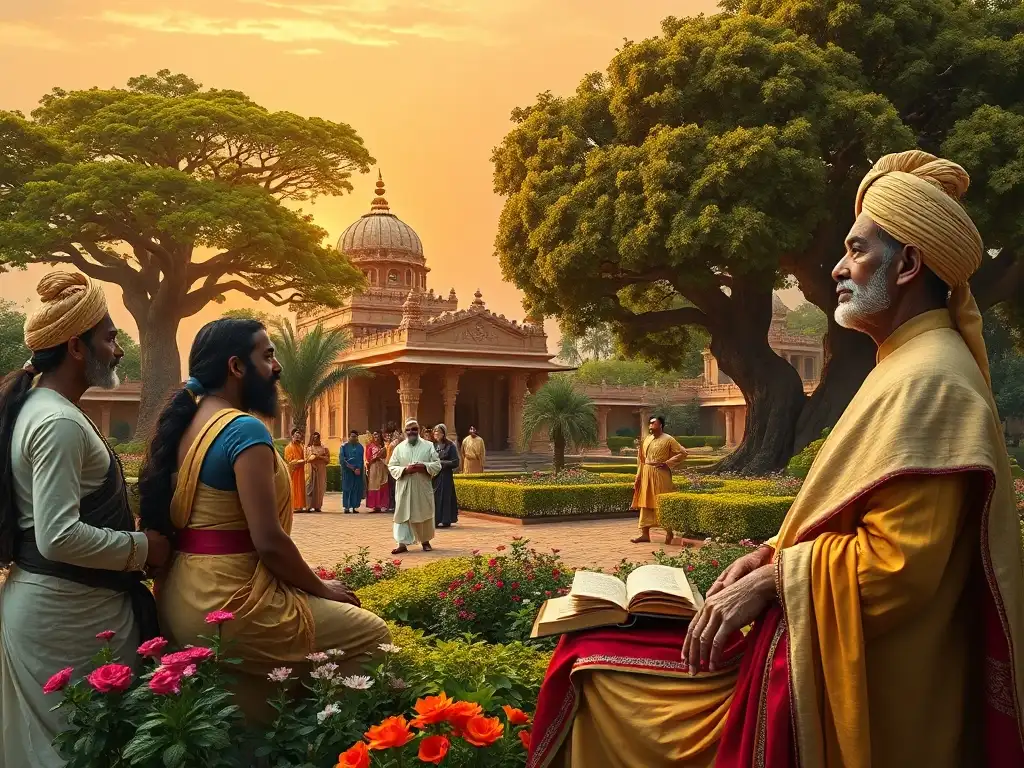
Welcome to Ancient India History, where we delve into the rich tapestry of India’s past, revealing the remarkable civilizations that shaped the world. In our featured article, “Ancient Indian Universities: Bridging the Gap Between Science and Spirituality,” we invite you to uncover how these ancient institutions not only advanced knowledge but also harmonized the quest for scientific understanding with profound spiritual insights.
As you explore the vibrant legacy of ancient Indian universities, prepare to be captivated by the stories of scholars and sages who paved the way for modern education. Join us on this enlightening journey and discover the profound impact these ancient centers of learning had on both history and humanity!
-
Ancient Indian Universities History: Bridging the Gap Between Science and Spirituality
- Introduction to Ancient Indian Universities
- Overview of Major Ancient Indian Universities
- The Curriculum and Subjects Taught in Ancient Indian Universities
- The Role of Ancient Indian Universities in Cultural Exchange
- The Contribution of Ancient Indian Universities to Science and Spirituality
- Integrating Scientific Inquiry and Spiritual Wisdom
- Case Studies of Prominent Scholars and Their Contributions
- Decline of Ancient Indian Universities and Its Implications
- Factors Leading to the Decline of Educational Centers
- Impact on Indian Education and Knowledge Systems
- Reviving the Legacy of Ancient Indian Universities
- Conclusion: The Lasting Legacy of Ancient Indian Universities
- Frequently Asked Questions
- Final Reflection: The Enduring Legacy of Ancient Indian Universities
- Unleash Your Curiosity and Dive Deeper into Ancient Wisdom!
Ancient Indian Universities History: Bridging the Gap Between Science and Spirituality

In the vast tapestry of Ancient Indian history, the establishment and flourishing of universities marked a significant turning point in the realms of education and intellectual pursuit. These institutions, far more than mere centers of learning, served as vibrant hubs where science, philosophy, and spirituality intertwined, fostering a rich cultural and academic environment.
Ancient Indian universities, such as Nalanda, Takshashila, and Vikramshila, not only contributed to the academic landscape of their time but also laid the groundwork for holistic education that embraced both empirical inquiry and metaphysical exploration. In this article, we will delve into the history of ancient Indian universities, exploring their ethos, significance, and the profound impact they had on shaping the educational systems of the future.
Introduction to Ancient Indian Universities
Ancient Indian universities were not just places for academic instruction; they were vibrant communities where scholars from various disciplines converged to exchange knowledge and ideas. The quest for understanding the universe, the self, and the divine was central to their mission. These universities were characterized by their rich curricula, which included subjects like astronomy, mathematics, medicine, philosophy, and the arts, reflecting a comprehensive approach to education.
Understanding the Concept of Education in Ancient India
The concept of education in ancient India was deeply rooted in a spiritual and philosophical framework that emphasized the importance of knowledge as a path to liberation (moksha). Education was considered a sacred duty, and the relationship between the teacher (guru) and student (shishya) was held in high regard. This bond was not merely transactional but was imbued with respect, guidance, and mentorship.
- Key Educational Principles:
- Holistic Development: Focus on the intellectual, moral, and spiritual growth of individuals.
- Interdisciplinary Learning: Encouragement of studying multiple subjects to gain a well-rounded understanding of life.
- Experiential Learning: Emphasis on practical experiences and real-world applications of knowledge.
Importance of Ancient Indian Universities in Historical Context
Ancient Indian universities played a crucial role in preserving and disseminating knowledge during a time when much of the world was engulfed in darkness and ignorance. They attracted students from various regions, including Tibet, China, Korea, and Southeast Asia, contributing to a rich exchange of ideas and cultures. The educational philosophies and methodologies developed in these universities influenced not only the Indian subcontinent but also the broader Asian educational landscape.
Overview of Major Ancient Indian Universities
Several universities in ancient India stood out for their contributions to education and scholarship. Below, we explore some of the most significant institutions that bridged the gap between science and spirituality.
Nalanda University: A Beacon of Knowledge
Founded in the 5th century CE, Nalanda University is often regarded as one of the first residential universities in the world, with a sprawling campus that housed thousands of students and scholars. It became a center for Buddhist studies but also offered a diverse curriculum that included subjects like logic, grammar, medicine, and mathematics.
- Notable Features:
- Extensive Library: The university's library, Dharmaganja, was said to be one of the largest in the ancient world, containing vast collections of texts and manuscripts.
- Diverse Student Body: Attracted students from various cultures, facilitating a unique blend of knowledge and traditions.
Takshashila: The First University of the World
Takshashila, or Taxila, is often hailed as one of the earliest universities in recorded history, dating back to the 6th century BCE. It was a melting pot of ideas, attracting students from all over the ancient world, and was renowned for its rigorous academic standards.
- Curriculum Highlights:
- Subjects included politics, warfare, medicine, astronomy, and philosophy.
- Training included practical skills essential for governance and societal leadership.
Vikramshila: A Hub of Tantric Learning
Established in the 8th century CE, Vikramshila University was another prominent institution known for its focus on Tantric studies and Buddhist philosophy. It was a rival to Nalanda, and its curriculum was designed to deepen the understanding of esoteric practices and doctrines.
- Unique Contributions:
- Specialized in Tantric texts and practices, influencing spiritual education.
- Fostered a community of scholars who engaged in both teaching and research.
Through this exploration of ancient Indian universities, we can appreciate their profound influence on educational paradigms, shaping the way knowledge was perceived and transmitted in the ancient world. The legacy of these institutions continues to resonate, serving as a testament to the rich intellectual heritage of ancient India.
The Curriculum and Subjects Taught in Ancient Indian Universities
Ancient Indian universities, such as Nalanda and Takshashila, were renowned centers of learning that offered a diverse and comprehensive curriculum. Students from various regions flocked to these institutions to study a wide array of subjects. The curriculum was not only focused on traditional knowledge but also integrated practical and empirical sciences, creating a unique blend of academic disciplines.
The subjects taught encompassed the following:
- Philosophy
- Mathematics
- Astronomy
- Medicine
- Logic
- Grammar
- Rhetoric
These universities promoted a holistic approach to education, emphasizing the importance of both spiritual and scientific knowledge. The learning environment encouraged critical thinking, debate, and discussions, allowing scholars to explore their subjects deeply.
Science and Mathematics: Pioneering Innovations
Ancient Indian universities were instrumental in the advancement of science and mathematics. Scholars like Aryabhata and Brahmagupta made groundbreaking contributions that laid the foundation for modern mathematics and astronomy.
- Mathematics: The concept of zero as a numeral, the decimal system, and advanced calculations in algebra were developed in these institutions. Aryabhata's work, Aryabhatiya, introduced significant mathematical theories, including methods for calculating the area of a triangle and the volume of spheres.
- Astronomy: Ancient Indian astronomers meticulously studied celestial bodies, creating detailed astronomical charts and calendars. They developed sophisticated instruments for observation, demonstrating a keen understanding of the cosmos.
These innovations not only influenced subsequent generations within India but also impacted scholars across the globe, paving the way for future scientific advancements.
Philosophy and Spirituality: The Interconnection
Philosophy and spirituality were core components of the curriculum in ancient Indian universities. The teachings were deeply interwoven, reflecting the belief that understanding the self and the universe was essential for holistic knowledge.
- Philosophical Schools: Various schools, such as Vedanta, Nyaya, and Buddhism, were studied and debated. The emphasis on dialectical reasoning helped students develop critical analytical skills and a deeper understanding of existential questions.
- Spiritual Practices: Alongside philosophical discourse, students engaged in meditation, yoga, and discussions on ethics and morality. This spiritual aspect fostered a sense of inner peace and contemplation, allowing scholars to explore the connection between the material and spiritual realms.
The universities served as melting pots for philosophical thought, encouraging diverse perspectives and fostering intellectual growth.
Medicine and Ayurveda: Ancient Healing Practices
Ancient Indian universities were pivotal in the development of medicine and Ayurvedic practices. The curriculum included extensive studies in health, herbal medicine, surgery, and holistic healing.
- Ayurveda: This ancient system of medicine emphasized balance in body, mind, and spirit. Scholars studied texts like the Charaka Samhita and Sushruta Samhita, which outlined various medical treatments, surgical procedures, and the importance of diet and lifestyle.
- Surgical Innovations: Sushruta, often referred to as the "father of surgery," made significant contributions to surgical techniques, including plastic surgery and the use of anesthesia. His methods were documented in detail, showcasing the advanced understanding of human anatomy and surgical practices.
The integration of Ayurveda into the university curriculum not only advanced medical knowledge but also underscored the importance of a holistic approach to health.
The Role of Ancient Indian Universities in Cultural Exchange
Ancient Indian universities were not just centers of learning; they also played a crucial role in cultural exchange, facilitating the flow of ideas, knowledge, and practices between different civilizations.
Interaction with Other Civilizations
These universities attracted scholars from various regions, including China, Tibet, Korea, and the Middle East. This international presence fostered rich interactions that led to the exchange of knowledge and cultural practices.
- Buddhism's Spread: The universities were instrumental in the transmission of Buddhist teachings to other parts of Asia. Scholars traveled to China, translating texts and sharing philosophies, which significantly influenced Chinese culture and education.
- Cultural Synthesis: The interaction among scholars from diverse backgrounds led to a synthesis of ideas, resulting in advancements in various fields such as mathematics, astronomy, and philosophy. This melting pot of cultures enriched the intellectual landscape of ancient India.
Influence on Global Education Systems
The educational model established by ancient Indian universities served as a blueprint for future educational systems worldwide.
- Curricular Framework: The comprehensive curriculum that integrated science, spirituality, and philosophy influenced the development of universities in other cultures, particularly during the medieval period when European universities began to emerge.
- Pedagogical Methods: The emphasis on debate, discussion, and critical thinking in ancient Indian universities laid the groundwork for modern educational methodologies. The focus on student engagement and inquiry has been adopted globally in various educational institutions.
Overall, the legacy of ancient Indian universities continues to resonate, showcasing their unparalleled contributions to the global educational landscape.
The Contribution of Ancient Indian Universities to Science and Spirituality

Ancient Indian universities, such as Nalanda and Takshashila, played a pivotal role in harmonizing the realms of science and spirituality. These institutions were not merely centers of academic excellence; they were vibrant ecosystems where philosophical inquiry met empirical research. The curriculum offered at these universities encompassed various subjects, including mathematics, astronomy, medicine, and philosophy, reflecting a holistic approach to knowledge that was characteristic of ancient Indian thought.
At the heart of this synthesis was the belief that understanding the universe and oneself were intrinsically linked. Scholars engaged in rigorous scientific exploration while drawing from spiritual texts and teachings, creating an educational environment that fostered both analytical thinking and introspection. This dual focus allowed students to pursue knowledge with a sense of purpose, recognizing that scientific inquiry could enhance one's spiritual understanding and vice versa.
Integrating Scientific Inquiry and Spiritual Wisdom
The integration of scientific inquiry and spiritual wisdom in ancient Indian universities was evident in the methodologies employed by scholars. For instance, the study of mathematics and astronomy was often intertwined with philosophical discussions about the nature of existence and the cosmos. Texts such as the Aryabhatiya by Aryabhata not only presented mathematical concepts but also delved into cosmological theories, illustrating how these disciplines informed one another.
Moreover, the educational approach emphasized experiential learning alongside theoretical knowledge. Students were encouraged to engage in discussions, debates, and practical experiments, fostering a culture of inquiry that valued both empirical evidence and contemplative thought. This blend of science and spirituality was not only unique to ancient Indian universities but also served as a model for future educational systems worldwide.
Case Studies of Prominent Scholars and Their Contributions
Several prominent scholars emerged from ancient Indian universities, each contributing significantly to the fields of science and spirituality.
- Aryabhata (476–550 CE): A mathematician and astronomer from Nalanda, Aryabhata's work laid foundational principles in mathematics, such as the place-value system and concepts of zero. His astronomical observations, presented in the Aryabhatiya, demonstrated a profound understanding of celestial dynamics while being influenced by philosophical contemplations of time and space.
- Charaka (circa 300 CE): As a key figure in Ayurveda, Charaka's contributions were critical in merging medical science with spiritual practices. His text, the Charaka Samhita, not only detailed medicinal plants and treatments but also explored the philosophical aspects of health and wellness, emphasizing the connection between physical and spiritual well-being.
- Brahmagupta (598–668 CE): Another illustrious mathematician from the region, Brahmagupta further developed concepts introduced by Aryabhata, particularly in algebra and astronomy. His works reflect an integration of mathematical precision with philosophical inquiry, illustrating how numerical analysis could be applied to understanding the universe.
These scholars exemplified the rich tradition of inquiry at ancient Indian universities, showcasing how scientific and spiritual pursuits were interwoven in their teachings and writings.
Decline of Ancient Indian Universities and Its Implications
The decline of ancient Indian universities marked a significant turning point in the history of education in India. Several factors contributed to this decline, leading to profound implications for the broader Indian knowledge systems.
Factors Leading to the Decline of Educational Centers
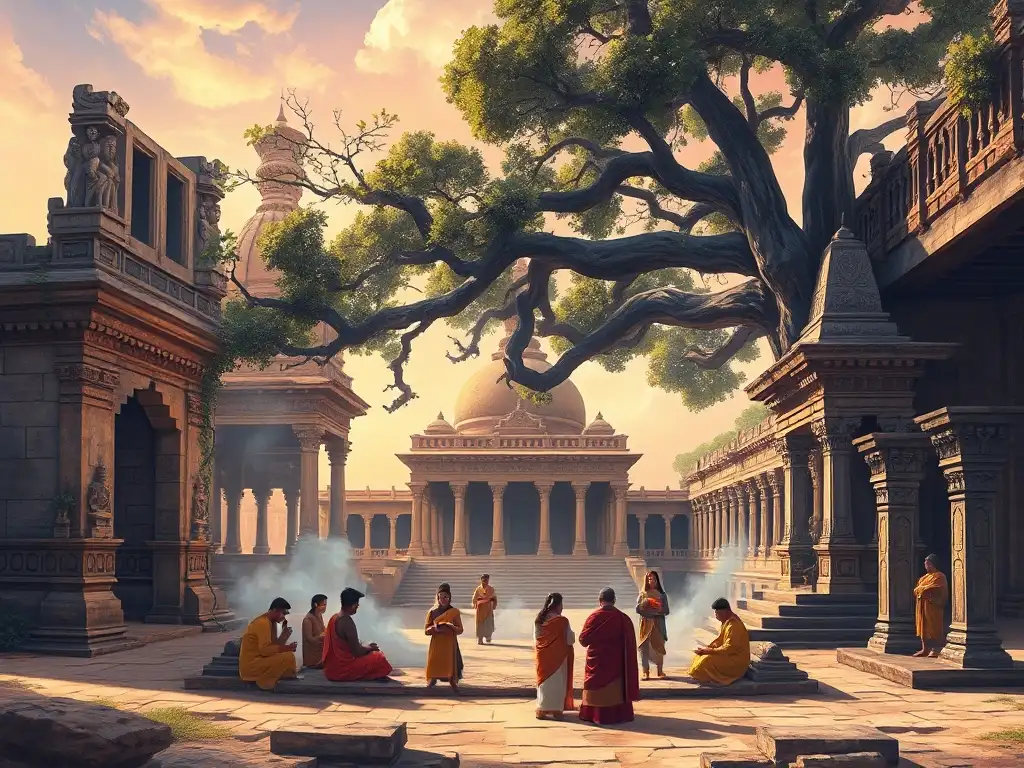
The decline of ancient Indian universities can be attributed to a combination of external and internal factors.
- Invasions and Political Turmoil: The invasions by foreign powers, including the Huns and later the Turks, disrupted the social fabric and political stability of the region. Many universities were destroyed or abandoned as centers of learning faced attacks, leading to the loss of precious texts and knowledge.
- Shifts in Educational Focus: With the rise of new political entities, there was a gradual shift in focus from traditional educational systems to more centralized forms of governance. This shift often prioritized military and administrative training over philosophical and scientific inquiry.
- Cultural Changes: The influx of new cultural and religious ideologies led to a transformation in educational priorities. The emphasis on spiritual knowledge became overshadowed by more pragmatic educational needs, which contributed to the decline of universities that once thrived on interdisciplinary studies.
Impact on Indian Education and Knowledge Systems
The decline of ancient Indian universities had far-reaching implications for the Indian education system.
- Loss of Knowledge: The destruction of libraries and the dispersal of scholars resulted in a significant loss of knowledge. The once-thriving tradition of inquiry and debate was diminished, leading to a stagnation in scientific and philosophical advancements.
- Fragmentation of Learning: With the closure of major educational institutions, learning became more fragmented. Knowledge was often passed down orally or through smaller, less organized centers, resulting in a decline in the systematic approach to education that had characterized ancient universities.
- Shift in Educational Paradigms: The focus shifted from holistic education to narrower, more practical training. This shift had long-term effects on the development of educational systems in India, influencing the way knowledge was perceived and taught for centuries to come.
The legacy of ancient Indian universities is one of profound significance, bridging the realms of science and spirituality. Their decline, however, serves as a reminder of the importance of preserving and nurturing educational systems that foster comprehensive understanding and inquiry.
Reviving the Legacy of Ancient Indian Universities
The legacy of ancient Indian universities such as Nalanda and Takshashila is not just a historical curiosity; it represents a sophisticated educational system that integrated diverse fields of knowledge. These institutions were not merely places of learning but vibrant hubs of intellectual exchange where science, philosophy, literature, and spirituality coexisted harmoniously. The revival of this legacy is essential for modern educational paradigms, as it fosters a holistic approach to learning that emphasizes critical thinking, creativity, and ethical considerations.
Efforts to revive the legacy of these institutions focus on reconstructing their curricula, teaching methodologies, and community engagement practices. This revival is crucial not only to honor the past but also to inspire future generations to embrace a more inclusive and interdisciplinary approach to education. By understanding the importance of ancient educational practices, we can cultivate environments that reflect the values of inquiry, collaboration, and respect for diverse perspectives.
Current Efforts to Reintroduce Ancient Educational Practices
Many contemporary educational institutions in India and beyond are actively working to reintroduce ancient Indian educational practices. This includes the integration of holistic learning techniques, such as the Gurukul system, where students lived with their teachers and learned through direct experience and engagement. Additionally, there is a growing emphasis on the study of ancient texts, philosophy, and languages, which provides insight into the rich intellectual heritage of India.
Several universities have initiated programs that focus on the principles of traditional Indian education, emphasizing experiential learning, mentorship, and community involvement. Workshops, seminars, and conferences are being organized to discuss the relevance of ancient knowledge in today’s context. Furthermore, initiatives like the revival of traditional arts and crafts, Ayurveda, yoga, and meditation practices are gaining traction, reinforcing the connection between education, well-being, and spirituality.
Importance of Preserving Ancient Indian Knowledge
Preserving ancient Indian knowledge is vital for several reasons. First, it serves as a repository of wisdom that offers insights into sustainable living, health, and ethical governance—concepts that are increasingly relevant in today's world. Second, this knowledge fosters a sense of identity and continuity within Indian culture, allowing future generations to connect with their heritage.
Moreover, ancient Indian knowledge systems often emphasize the interconnectedness of all disciplines, promoting a holistic worldview that contrasts with the compartmentalization seen in modern education. This integrative perspective can lead to innovative solutions to contemporary challenges, particularly in areas like environmental conservation, community development, and mental health. Thus, the preservation and revitalization of ancient Indian educational practices are essential not only for cultural heritage but also for addressing modern dilemmas.
Conclusion: The Lasting Legacy of Ancient Indian Universities
The legacy of ancient Indian universities transcends time, offering profound insights into education, spirituality, and the pursuit of knowledge. These institutions exemplified a model of learning that recognized the interplay between science and spirituality, promoting a balanced approach to education that is increasingly sought after in our fast-paced, technology-driven world.
Relevance of Ancient Indian Universities in Modern Education
The principles and practices established by ancient Indian universities remain relevant today. As modern education grapples with issues of mental health, environmental sustainability, and global interconnectedness, the holistic approach championed by these ancient institutions can provide valuable guidance. By fostering interdisciplinary studies, ethical reasoning, and mindfulness, we can create educational environments that nurture well-rounded individuals capable of navigating the complexities of the contemporary world.
Final Thoughts on the Role of Education in Bridging Science and Spirituality
Education plays a crucial role in bridging the gap between science and spirituality. Ancient Indian universities showcased how the two realms could coexist, enriching one another and contributing to a more comprehensive understanding of life. As we look to the future, it is imperative that we draw inspiration from these historical models, integrating scientific inquiry with spiritual wisdom to cultivate a new generation of thinkers and leaders who can address the challenges of the modern age with compassion and insight. Embracing the lessons of our past will empower us to create a more harmonious and enlightened society.
Frequently Asked Questions
What were the main ancient Indian universities?
Ancient Indian universities like Nalanda and Takshashila were pivotal centers of learning, known for their diverse academic disciplines and attracting students from various regions.
How did ancient Indian universities contribute to science?
These institutions emphasized a blend of science and spirituality, fostering advancements in fields such as mathematics, astronomy, and medicine, which were integral to Indian civilization.
What was the role of spirituality in ancient Indian education?
Spirituality was deeply intertwined with education, promoting a holistic approach that encouraged students to seek knowledge while also understanding their inner selves.
How did ancient Indian universities influence global education?
The teachings and methodologies developed in ancient Indian universities laid the groundwork for educational systems worldwide, emphasizing critical thinking and interdisciplinary studies.
What led to the decline of ancient Indian universities?
Factors such as foreign invasions, shifts in political power, and changing cultural values contributed to the decline of these once-thriving centers of knowledge and learning.
Final Reflection: The Enduring Legacy of Ancient Indian Universities
The exploration of Ancient Indian universities reveals a profound connection between science and spirituality that remains relevant today. In an era where the pursuit of knowledge often seems fragmented, these institutions remind us of a holistic approach to learning that integrates intellectual rigor with spiritual wisdom. The legacy of these universities is not just a historical artifact; it serves as a beacon for contemporary education, urging us to seek a balance between empirical inquiry and inner understanding.
The influence of ancient Indian universities on our cultural and social landscape is undeniable. These institutions were not merely centers of learning; they were vibrant communities that fostered dialogue, creativity, and innovation. As we navigate the complexities of modern society, the principles established by these universities continue to resonate. They challenge us to rethink our educational paradigms and embrace a more inclusive understanding of knowledge. Education is not the filling of a pail, but the lighting of a fire.
– William Butler Yeats. This quote encapsulates the essence of what ancient Indian universities aimed to achieve: igniting a passion for learning that transcends mere accumulation of facts.
As we reflect on the insights gleaned from the history of ancient Indian universities, let us take a moment to consider how we can apply these lessons in our own lives. Embrace the idea of lifelong learning that encompasses both the scientific and the spiritual. Challenge yourself to seek knowledge not only through textbooks but also through introspection and dialogue with others.
By doing so, you can contribute to a more harmonious world where the wisdom of the past informs the innovations of the future. Remember, the journey of knowledge is not just about what we learn, but how we choose to integrate that learning into our lives and communities.
Unleash Your Curiosity and Dive Deeper into Ancient Wisdom!
Thank you for exploring the fascinating world of ancient Indian universities with us! You've uncovered the rich tapestry of knowledge that once bridged the realms of science and spirituality. Now, let’s take that inspiration and turn it into action!
Here are a few ways you can continue your journey:
- Engage with the Past: Visit your local library or explore online resources to delve into primary texts and research about ancient Indian scholars. Discover their teachings and contributions firsthand!
- Share the Knowledge: Start a discussion group with friends or join online communities to explore how these ancient wisdoms can influence contemporary life and scientific thought.
- Connect with Culture: Attend a seminar or workshop that focuses on the intersections of science and spirituality in ancient traditions, fostering a deeper understanding of these timeless concepts.
As you reflect on these actions, consider this: How can the teachings of ancient Indian universities inform your approach to modern challenges in life or work? Share your thoughts with us, and let's spark a meaningful conversation!